Mississippi Couple Releases 500 Endangered Frogs Into Their Own Backyard
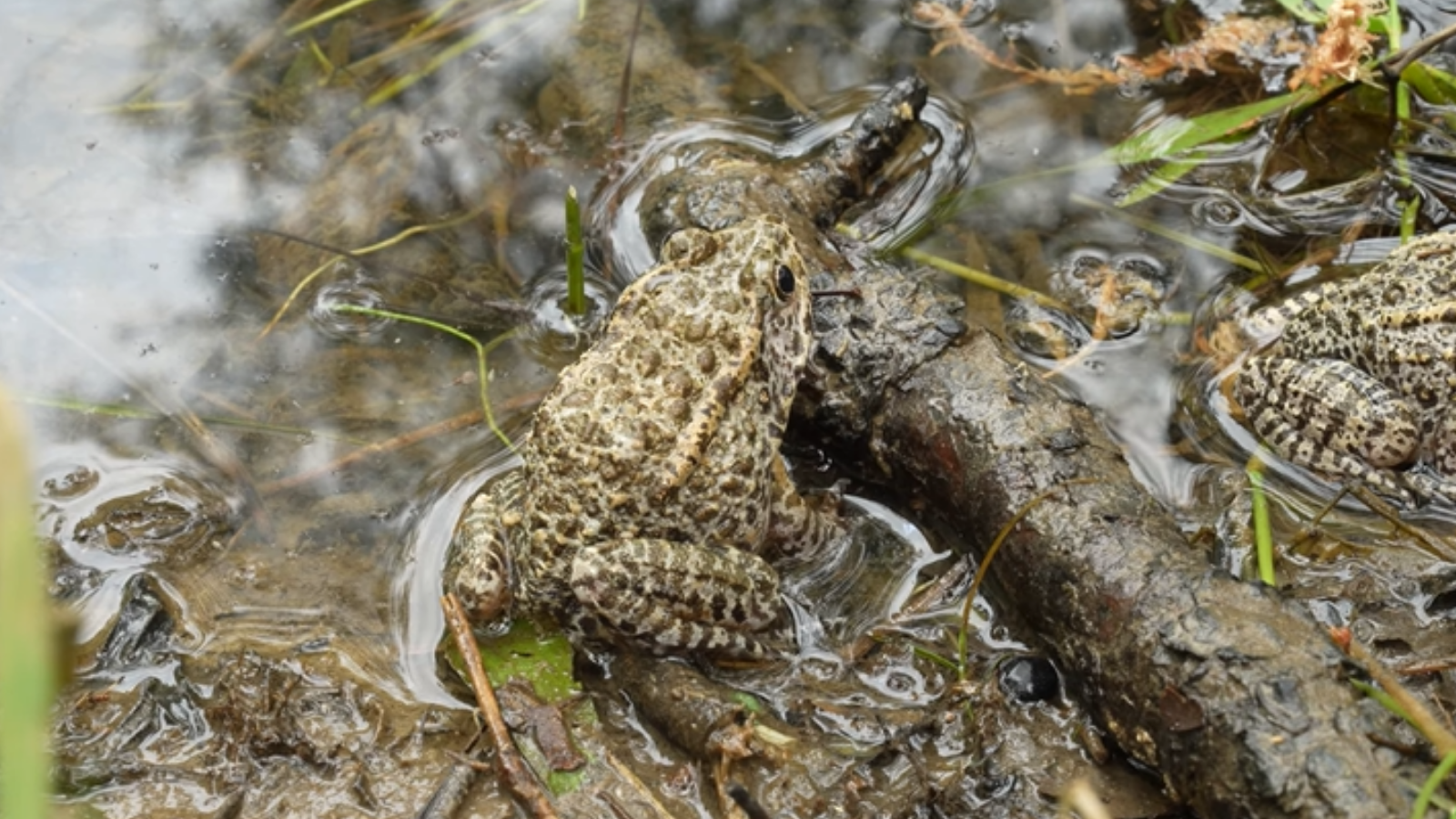
A conservation effort that has been years in the making is finally paying off in one Mississippi county. According to WLOX, the Memphis Zoo has worked with the U.S. Department of Agriculture (USDA), U.S. Fish and Wildlife Service, Wildlife Mississippi, and private homeowners in an attempt to revive the region’s population of dusky gopher frogs.
The Memphis Zoo has been documenting the process and has even produced an educational video about the work, sharing how nearly 500 frogs are getting a new lease on life as well as a new place to call home. This is one of 15 locations where the frogs are being released into the wild, marking the first time in decades these frogs have lived in the region.
But experts warn that their return could be tenuous, since the reason they disappeared in the first place had to do with a loss of habitat and fire suppression, which are two issues that they are still working on today.
If they are successful, they may even be able to help other species in the area, like the black pond snake, Mississippi sandhill crane, and the red-cockaded woodpecker, rebound as well, since they all rely on similar habitats.
The Dusky Gopher Frog Has Been Released Into Restored Wetlands
Homeowners Jim and Laura Currie stepped up to help the frogs return to the region by dedicating a piece of their land to the amphibians, according to A to Z Animals. The duo spent two decades restoring their property so that it could serve as a natural habitat for the frogs, growing the longleaf pine forest they need to survive.
The Curries worked tirelessly to make sure that the soil and environmental conditions were right for the forest to grow, burning the land so that they could replant the trees that had been removed as part of deforestation efforts. And while the work was originally intended as a way to help the gopher tortoise, the Curries realized that they could provide shelter for other animals that lost their homes when the pine trees were all cut down.
To be sure that their efforts weren’t for nothing, the Curries also worked with the USDA to create a conservation land easement to ensure that these frogs would always have a place to stay.
“It feels doubly good to know that not only are they getting introduced, but they’re getting introduced into an environment that should be theirs forever,” Currie told WLOX.
Between 500 and 600 Frogs Have Been Released Since 2017
While the Curries ended up with around 500 of the frogs bred by the Memphis Zoo, there were nearly 100 more frogs previously released into other areas of the wild as well, with an estimated 15 different locations receiving a portion of the frogs. According to Steve Reichling, director of conservation and research at the Memphis Zoo, a lot more people like the Curries will need to step up if they are going to be successful at rebuilding frog populations.
“As with any endangered species, it’s going to have to involve private landowners,” Reichling told WLOX. “There’s just not enough public land for most threatened and endangered species, so that’s the solution.”
If you’re wondering how you can get involved, there are a few different options. You can go with an easement as the Curries did, or else set up a local land trust, according to the Land Trust Alliance. You’ll also need to do some research to decide what method you’d like to use—with fee simple and conservation easements being the most common—and then discuss your choice with a real estate lawyer to make sure you understand exactly what the terms of the arrangement will entail.
Who knows, if you do something like this, maybe you could also use your land to help a species rebound in a meaningful way, like the Curries are trying to do.