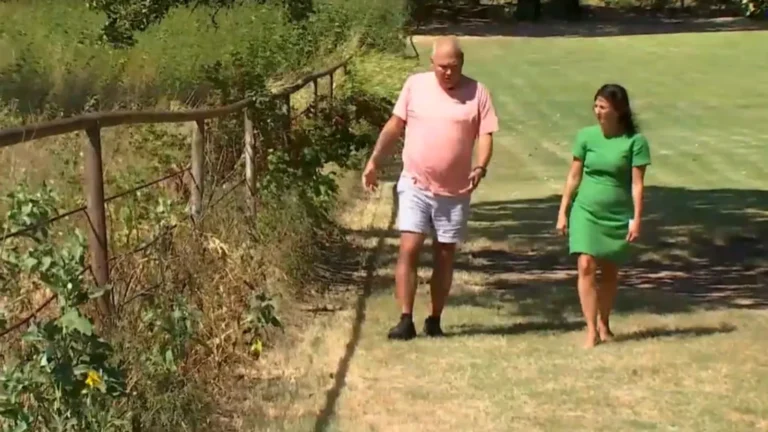
Minnesota Homebuyer Shot In His Yard Says Sellers Hid A Neighbor Dispute
Davis and Caroline Moturi bought a south Minneapolis home in 2023. They now claim the sellers failed to disclose a serious history involving the neighbor next door before the sale closed.
FOX 9 reported that the couple is suing the city of Minneapolis, former Police Chief Brian O’Hara, neighbor John Sawchak, and the former homeowners who sold them the property.
The lawsuit follows months of alleged harassment and an October 2024 shooting that critically injured Davis Moturi. CBS Minnesota reported that Moturi was shot while trimming a tree in his front yard, and that Sawchak is accused of pulling the trigger.
The property-disclosure question is now part of the case: the Moturis allege the former owners knew about a prior conflict with Sawchak, including police calls, reported death threats, and a harassment restraining order, but did not disclose that history before closing.
The Lawsuit Centers on What the Sellers Allegedly Did Not Disclose
FOX 9 reported that the Moturis point to a seller disclosure form in which the previous owners answered “no” when asked whether they knew of other material facts that could affect a buyer’s use or enjoyment of the property.
The lawsuit alleges the sellers had their own history of conflict with Sawchak before selling the home. According to FOX 9, the alleged history included police calls, reported death threats, and a harassment restraining order in 2023.
The Moturis claim they would not have bought the home if they had known about the alleged neighbor history. The case has not resolved whether the sellers were legally required to disclose those facts, and the allegations against the former owners still need to be tested in court.
Minnesota Law Requires Known Material Facts to Be Disclosed
Minnesota law says a seller must make a written disclosure before signing an agreement to sell or transfer residential real property. The disclosure must include material facts the seller knows that could adversely and significantly affect an ordinary buyer’s use and enjoyment of the property, or an intended use of the property that the seller knows about.
The statute also says the disclosure must be made in good faith and based on the seller’s best knowledge at the time. The Moturi lawsuit asks whether an alleged neighbor history involving police calls, threats, and a restraining order can fall within that material-facts requirement.
That question is different from a standard inspection issue. A roof leak, foundation crack, failed mechanical system, or water intrusion can be found inside the house. A serious neighbor dispute may not show up during a walkthrough, appraisal, inspection, listing photo review, or repair negotiation.
The Shooting Followed Repeated Calls for Help
CBS Minnesota reported that the shooting followed more than a year of alleged harassment and 38 calls to 911. Moturi told the station he did not feel Minneapolis police were willing to protect him.
KSTP reported that court documents say the Moturis made at least 19 reports to police about threats and racist tirades by Sawchak, including allegations that he brandished a knife and pointed a gun in the weeks before the shooting.
The city later released an audit-related update saying Moturi’s household made 38 calls to 911 between October 2023 and October 2024. The city update said Moturi was shot nine days after calling 911 to report that his neighbor had aimed a firearm at him.
The lawsuit also names the city and former Police Chief Brian O’Hara. KSTP reported that the lawsuit argues the city was negligent for failing to arrest Sawchak sooner despite repeated reports to police. The station reported that Sawchak’s criminal case has been paused after he was found incompetent to stand trial while authorities consider whether the case should proceed or he should be civilly committed.
Buyers Should Ask About Neighbor Disputes Before Closing
A home inspection can tell a buyer about the roof, furnace, plumbing, electrical panel, foundation, and visible water damage. It will not automatically reveal police calls next door, a restraining order involving a neighbor, repeated threats, a boundary dispute, shared-driveway conflict, harassment claim, or long-running fight over trees, fences, parking, drainage, noise, or pets.
Buyers can ask direct written questions before closing: whether the sellers know of disputes involving neighbors, threats, harassment, police calls, restraining orders, easements, encroachments, fences, trees, shared access, parking, drainage, pets, or other conditions that could affect ordinary use of the property.
They can also review available court records, ask about public complaint processes, check local police-call information where legally available, speak carefully with nearby residents, and ask a real estate attorney or agent what disclosure questions make sense in that state.
Sellers should not guess alone when a serious neighbor conflict may be material. If a dispute has involved police calls, threats, restraining orders, repeated harassment claims, property damage, boundary problems, or safety concerns, they should get advice from a real estate attorney or licensed real estate professional before completing the disclosure form.
The Moturi case remains pending. The question for the court is whether the alleged history next door should have been disclosed before the sale closed.