Man Wins Florida Python Challenge After Removing 96 Burmese Pythons
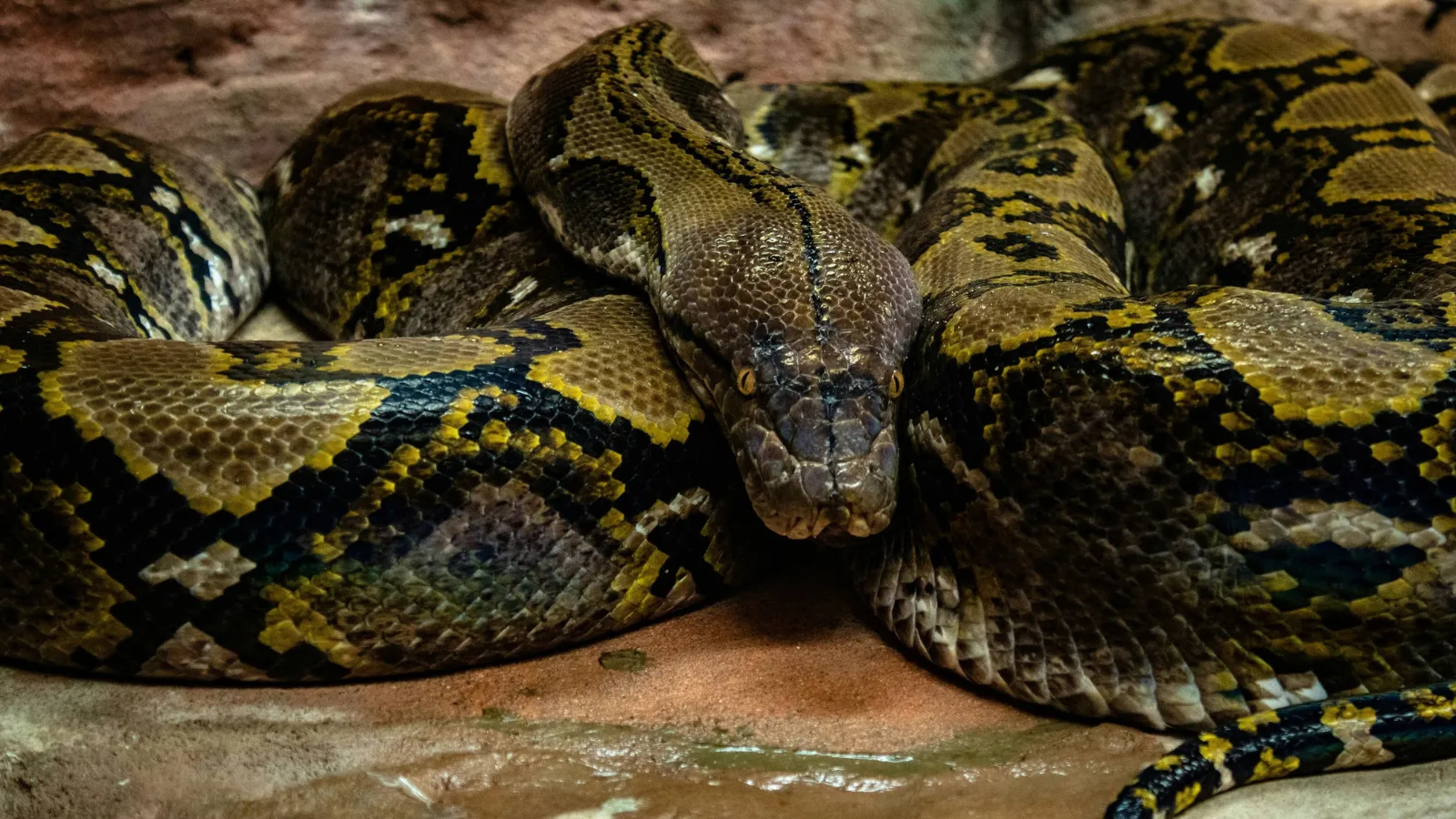
“Easy” is not the first word that would describe tracking down invasive Burmese pythons in the dense sawgrass of the Florida Everglades. One hunter, however, managed an extraordinary haul during this year’s annual state-sponsored competition.
Rahill won the $10,000 grand prize in the 2026 Florida Python Challenge, according to the Florida Fish and Wildlife Conservation Commission (FWC). Every one of his 96 snakes came from Everglades National Park.
The competition ran from July 10 through July 19 and drew 907 participants from 30 states, Canada, and Vietnam. Together, competitors removed 280 Burmese pythons from South Florida.
The FWC announced the results on Aug. 5. Rahill took the $10,000 grand prize with 96 Burmese pythons, every one of them from the national park. Last year’s winner removed 60, as recounted by the FWC.
One Hunter Removed More Than a Third of the Pythons
Embedded media follows. Please allow a moment for it to load.
View this post on Instagram
Rahill’s 96 snakes accounted for more than one-third of all pythons removed during the challenge.
According to the official Florida Python Challenge results, Christina Kraus won the professional category with 36 pythons, while Taylor Stanberry removed 34.
The competition also awards prizes for size. Rahm Levinson captured the longest snake of the 2026 challenge, measuring 16 feet, 5 inches, according to the FWC.
Everglades National Park was one of eight locations open to competitors. The National Park Service says the event is intended both to remove invasive pythons and encourage public involvement in protecting the Everglades.
How Burmese Pythons Have Impacted the Everglades
Burmese pythons are established across much of South Florida, where they prey on native mammals, birds and reptiles.
The U.S. Geological Survey says the spread of Burmese pythons has been linked to severe declines in several mammal populations in Everglades National Park.
Researchers have also documented the snakes directly preying on native wildlife. In one USGS-supported study, pythons were responsible for 77% of the deaths among radio-tracked marsh rabbits released into the park.
Florida’s removal program, therefore, continues long after the challenge prizes are awarded. The FWC allows python removal on designated public lands throughout the year, while contracted removal programs operate across South Florida.