It’s Hard to Trust These Days: That’s Why I’m Stockpiling these 18 items
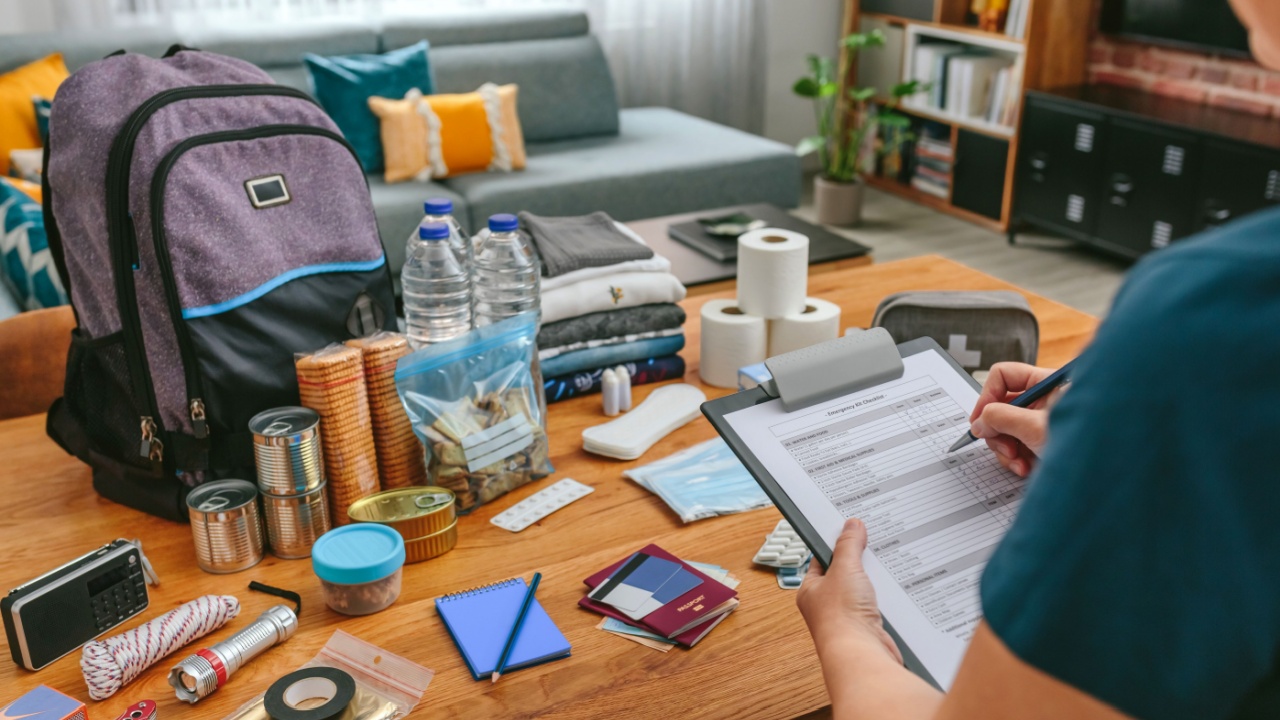
When disaster strikes, you hope help is on the way. You imagine government agencies showing up with supplies and medical aid. But recent history, from Hurricane Katrina to other major failures, proves that’s not always the case. Resources are limited, agencies get overwhelmed, and help can be days or even weeks away. When the grid goes down, you are your own first responder.
Being prepared actually means being self-reliant. It’s knowing that if the water shuts off or the grocery stores are empty, your family will be okay. To help you get started, here is a list of essential items to stockpile now, so you can rely on yourself when it matters most.
1. Water Purification Tablets
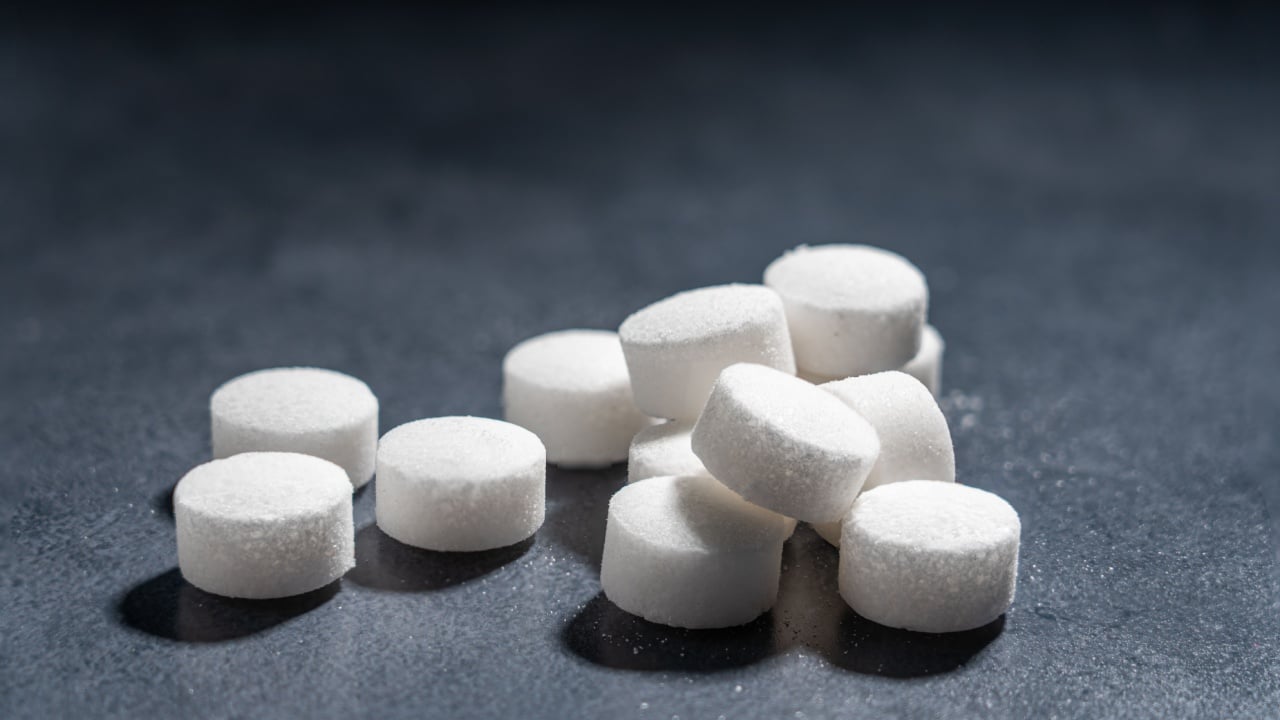
You can survive weeks without food, but only days without water. During a crisis, tap water often becomes contaminated or stops flowing entirely. While storing jugs is smart, they take up space and eventually run out.
Water purification tablets are compact, cheap, and can turn questionable freshwater sources into drinkable water instantly. They are the ultimate backup for when your stored supply runs dry.
2. 5-Gallon Water Jugs
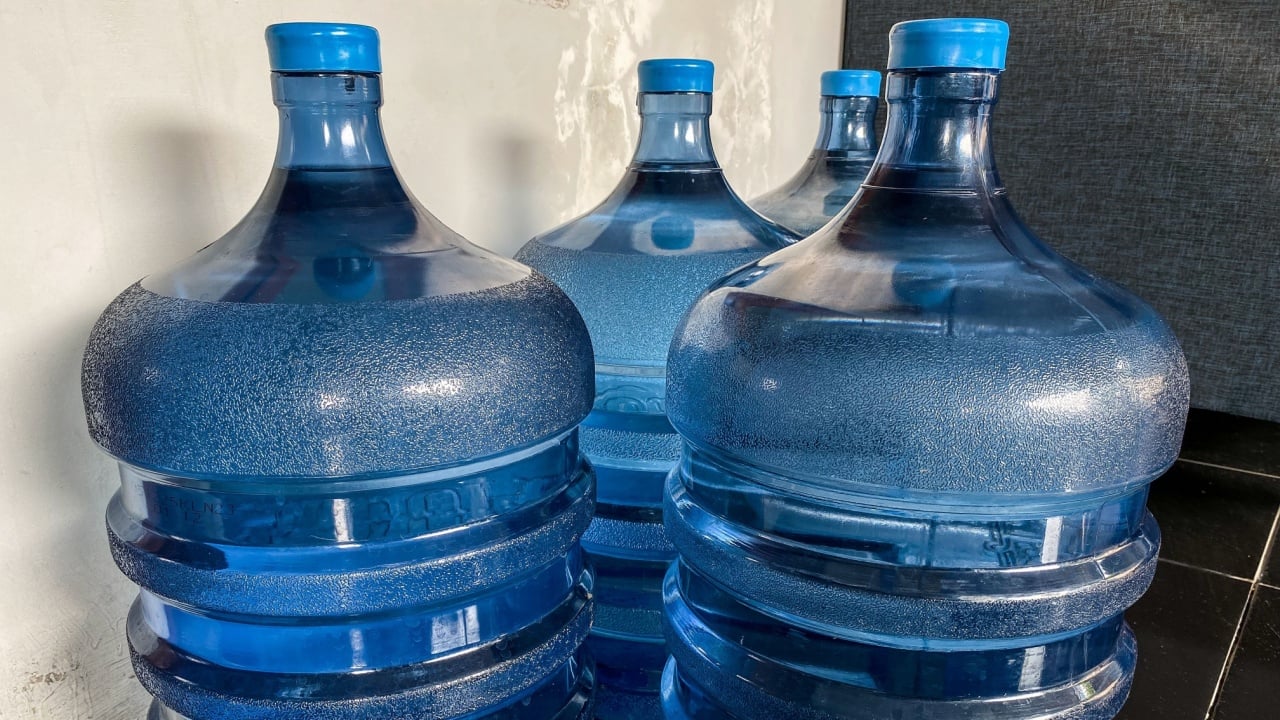
While purification is necessary, having immediate access to clean water is non-negotiable. Small bottles are convenient for travel, but they create a lot of waste and don’t hold enough for a family.
Rugged 5-gallon jugs are durable, stackable, and hold enough water to get a small family through several days of drinking and light hygiene usage. Aim for at least one gallon per person per day.
3. Water Storage Stabilizers

If you are storing water for the long haul, you need to treat it. Over time, bacteria and algae can grow in untreated water, making it unsafe to drink.
A good stabilizer keeps your stored water fresh and potable for up to five years (there are a lot of affordable options online for treating water to keep it fresh). This simple addition means you don’t have to constantly rotate your heavy water supply every six months.
4. Trauma-Level First Aid Kit

A box of Band-Aids won’t cut it in a real emergency. When professional medical help is unavailable or overwhelmed by triage protocols, you become the doctor. Your kit needs to handle serious injuries. Look for kits that include tourniquets, pressure dressings, splints, and clotting gauze.
Knowledge is just as important as the gear, so familiarize yourself with how to use these items before you need them.
5. Antibiotics
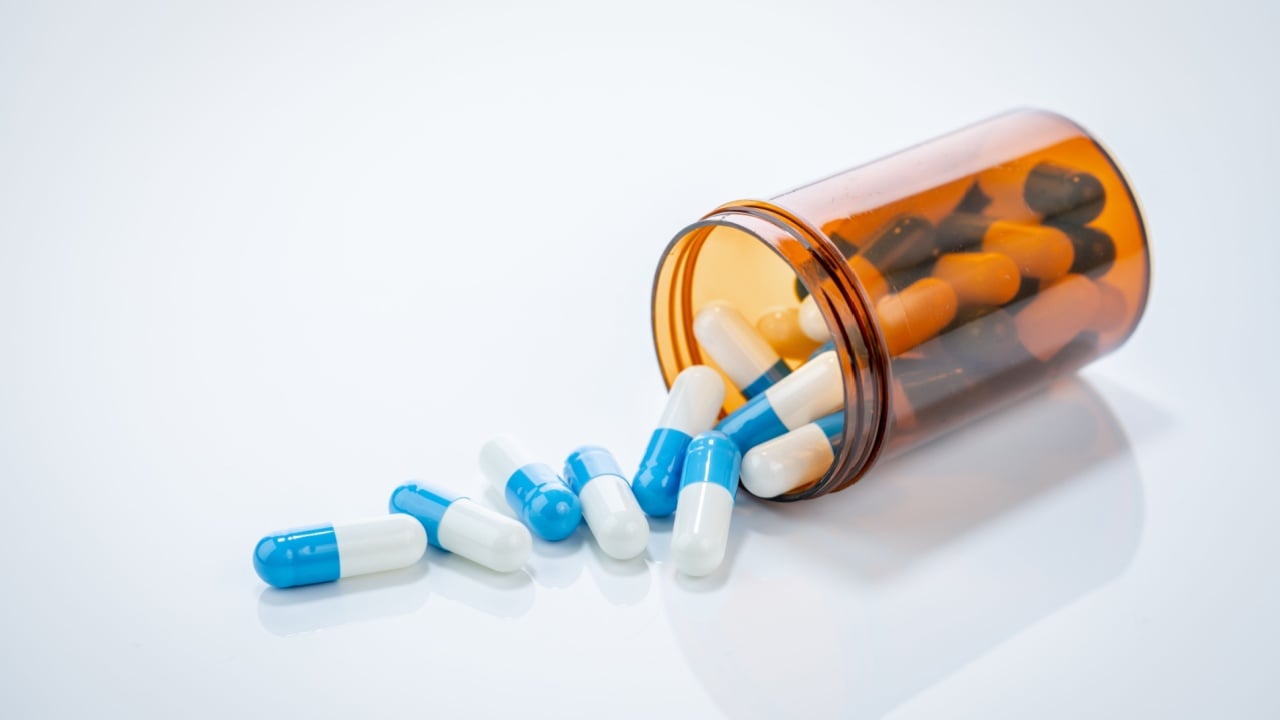
Infection was a leading cause of death before modern medicine, and it could be again in a grid-down scenario. Since you can’t just walk into a pharmacy during a crisis, having a supply of broad-spectrum antibiotics is a game-changer.
Many preppers secure legitimate prescriptions through telemedicine services specifically designed for travelers and long-term emergency preparedness.
6. OTC Painkillers and Fever Reducers
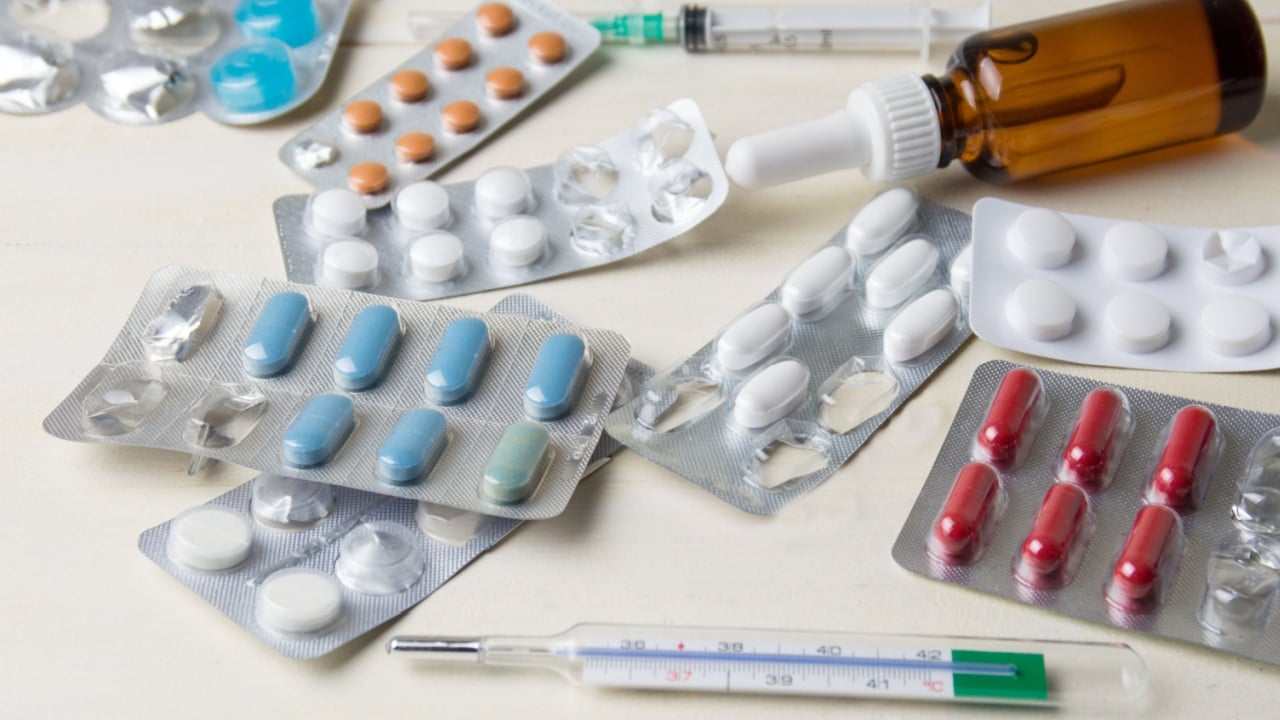
Minor ailments can become major debilitations when you are under stress. A toothache or a high fever can render you useless when you need to be active and alert.
Stockpile Ibuprofen (Advil), Acetaminophen (Tylenol), and Aspirin. These are cheap, easy to find now, and invaluable for managing pain and inflammation when doctors aren’t an option.
7. Hygiene Essentials (Soap and Toothpaste)

Sanitation standards drop rapidly after a disaster, leading to illness. Government aid packages often prioritize food over hygiene, leaving you with a single bar of soap for a family of four.
Stockpile bulk bar soap, toothpaste, and shampoo. Staying clean boosts morale and prevents infections that could otherwise become life-threatening without medical care.
8. Bleach and White Vinegar
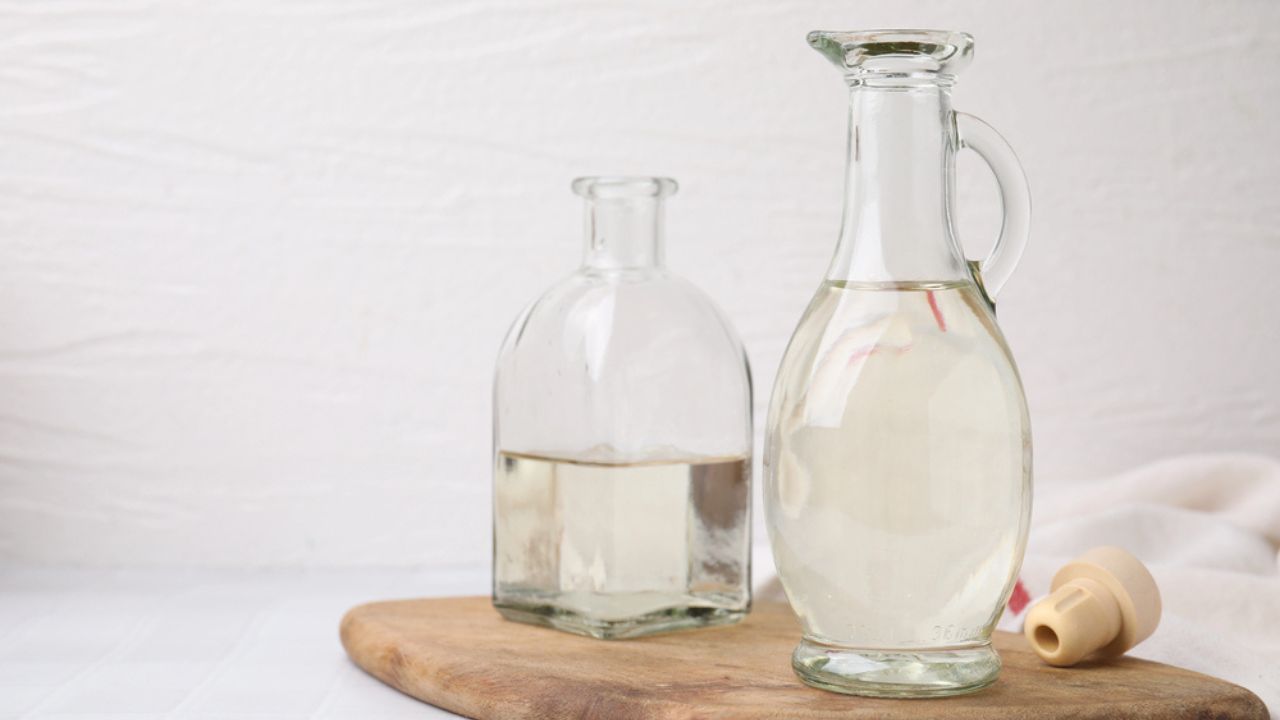
You need powerful cleaning agents to sanitize your environment, especially if plumbing fails. Bleach is excellent for disinfecting water and surfaces, but has a short shelf life (about six months to a year).
White vinegar lasts indefinitely and is a versatile cleaner (not a disinfectant, though) for surfaces, laundry, and even food preservation. Both are cheap and essential for keeping your home safe from disease.
9. Toilet Paper and Feminine Hygiene Products

We all remember the shortages of 2020. Don’t get caught off guard again. These items are the first to disappear from shelves and are rarely distributed in sufficient quantities by relief agencies. As a woman, having a reusable cup can be a game changer as well (for preparaedness and lowering monthly waste).
Beyond comfort, these items are critical for sanitation and cleanliness. Stockpile more than you think you need (but not when everyone is in panic mode)—they don’t spoil, and they are excellent barter items if things get desperate.
10. Long-Lasting MREs (Meals Ready-to-Eat)
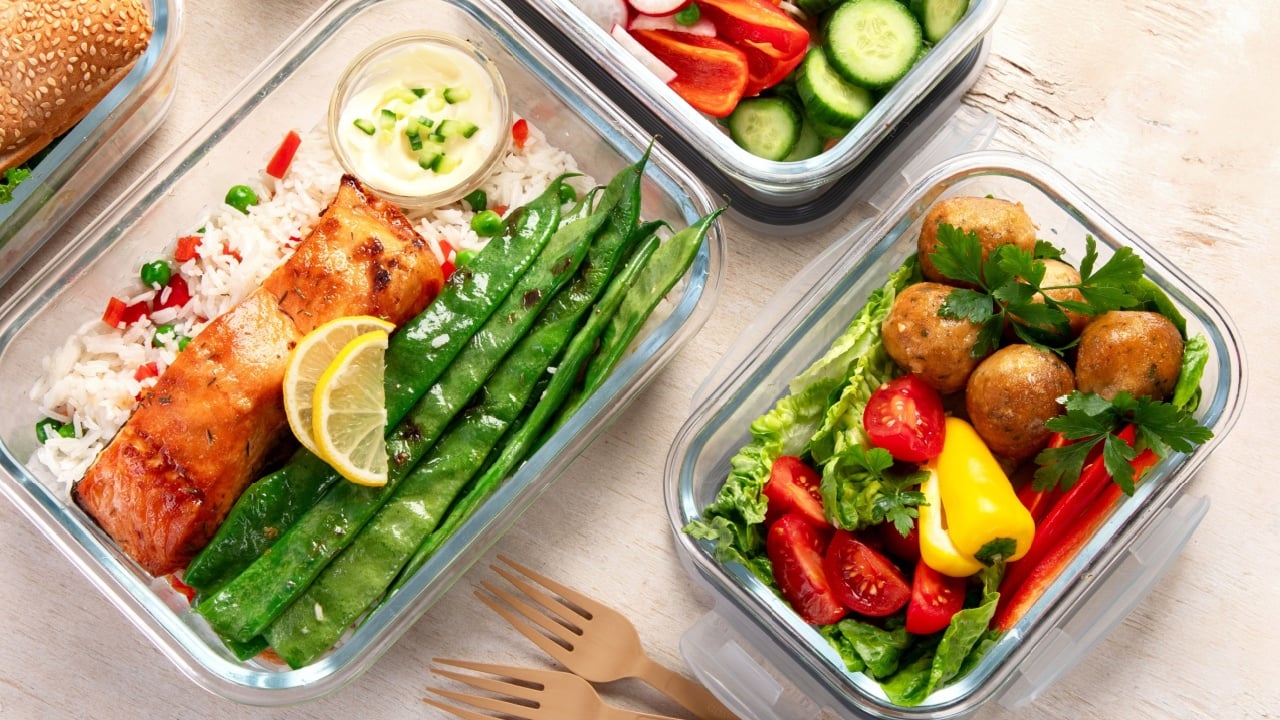
When the power is out and you are exhausted, cooking from scratch isn’t always feasible. Military-style MREs are calorie-dense, require no cooking, and last for years.
While you shouldn’t rely on them for every meal due to their high sodium content, having a case per family member ensures you have instant, portable nutrition during the chaotic first few days of a disaster.
11. Canned Proteins and Vegetables
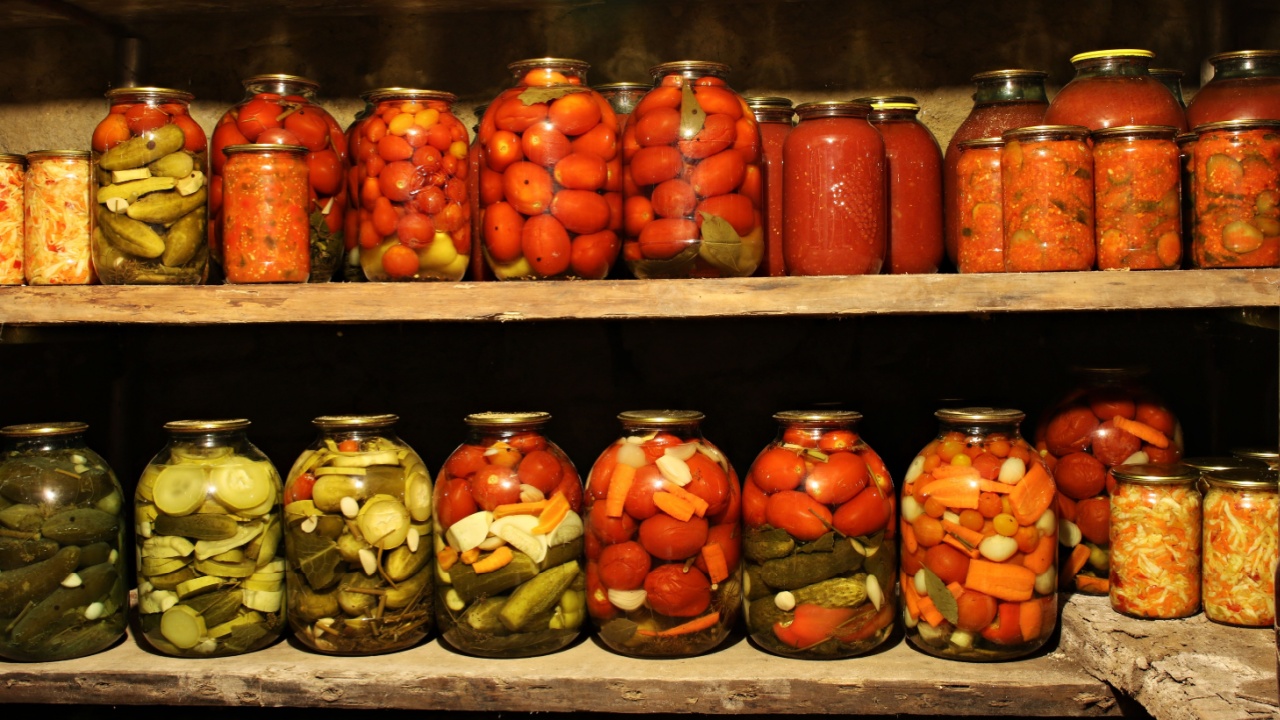
Canned goods are the backbone of any food stockpile. They are pre-cooked, protected from pests, and last for years past their “best by” dates.
Focus on high-protein options like tuna, chicken, and beans, as well as nutrient-dense vegetables. They provide the energy required for manual labor and stress without requiring fuel to prepare.
12. Heirloom Seeds and Garden Tools
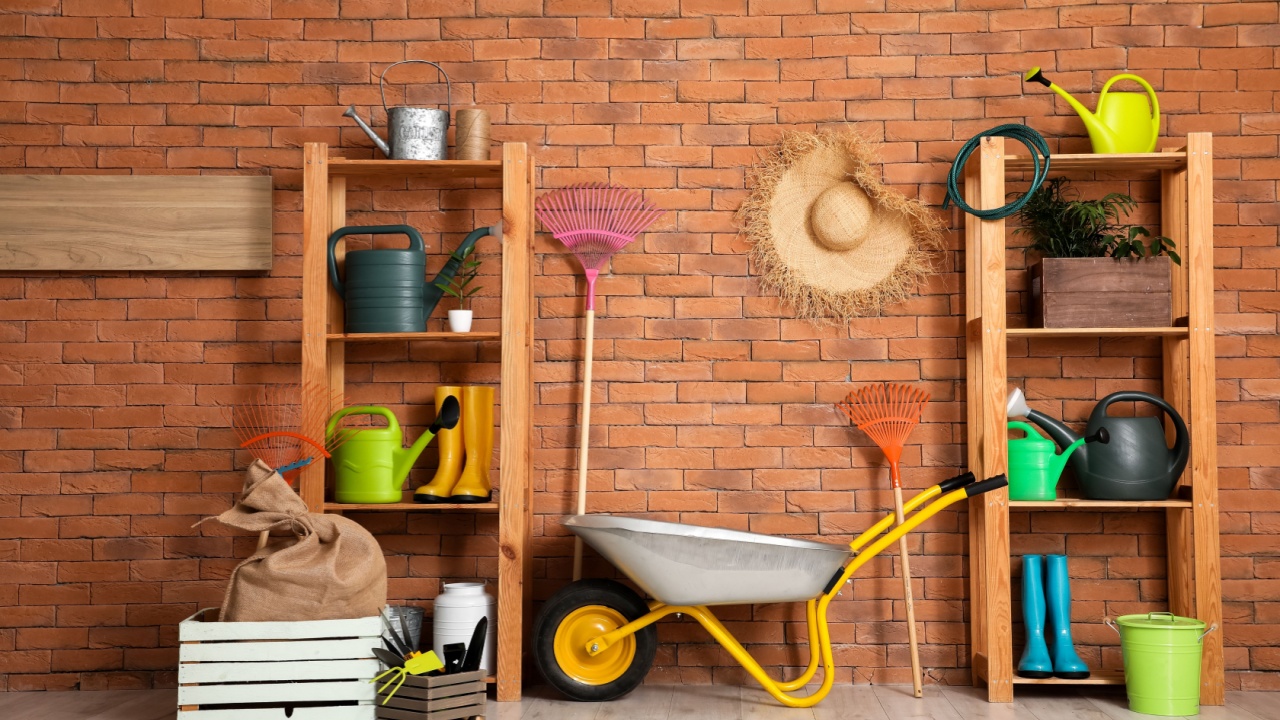
If the supply chain is broken for months, your pantry will eventually empty. The only true long-term security is the ability to produce your own food.
Heirloom seeds allow you to harvest crops and save the seeds for the next season—something you can’t do with many store-bought hybrid seeds. Pair these with sturdy hand tools, as gas-powered equipment may become useless.
13. Camping Cook-Kit and Portable Stove

Having food is useless if you can’t cook it safely. An electric stove won’t work in a blackout, and an indoor gas range can be dangerous without ventilation.
A dedicated camping cook set and a portable stove (propane, butane, or wood-burning) allow you to boil water and heat meals safely outdoors or in a ventilated area.
14. Solar Generator and Panels
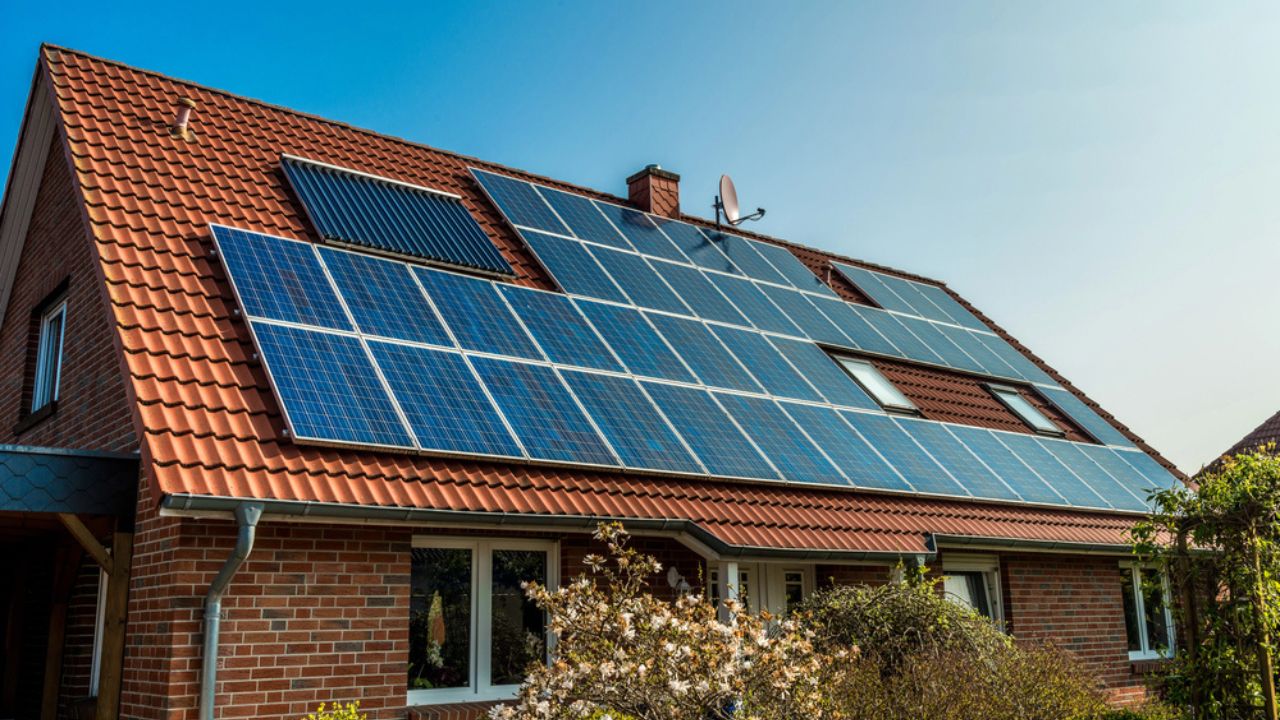
Gas generators are loud, require fuel that may be scarce, and announce your presence to the neighborhood (although still very useful, too!). A solar generator is silent, renewable, and safe to use indoors.
While it may not run your central AC, it can keep phones charged, run LED lights, and power small medical devices or rechargeable batteries, keeping you connected and functional.
15. A Faraday Cage
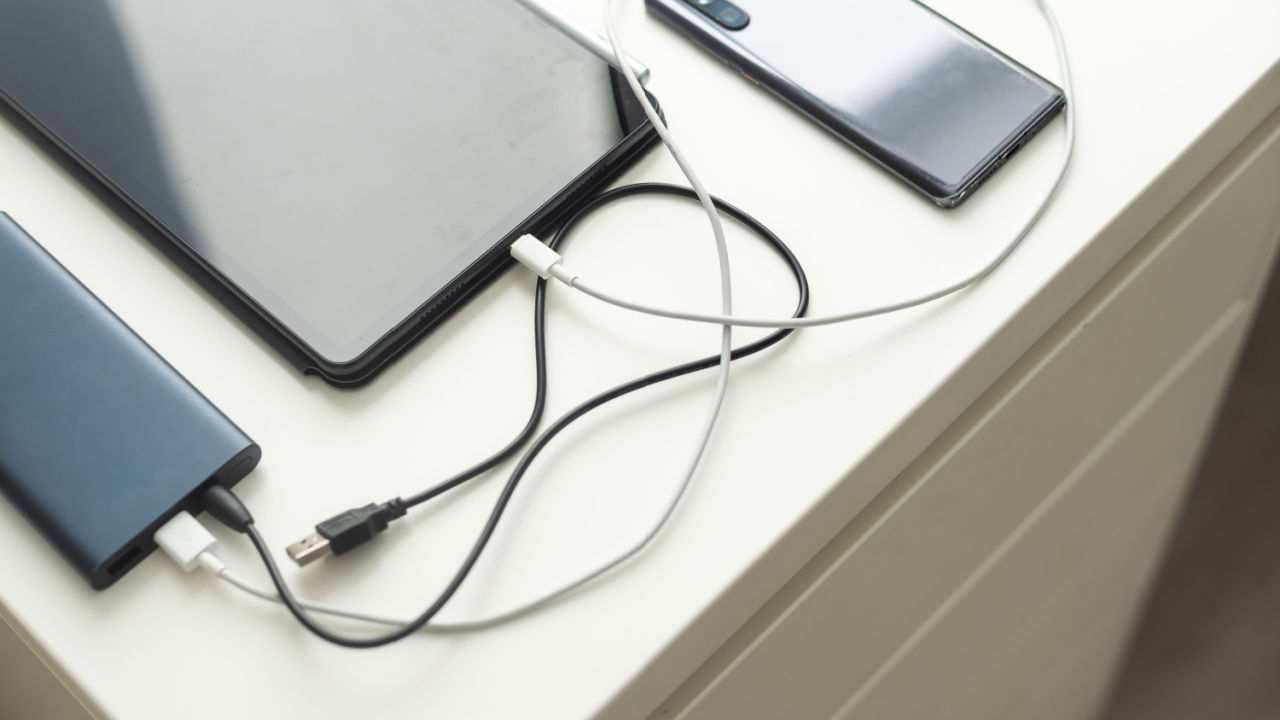
Our modern electronics are incredibly vulnerable to an Electromagnetic Pulse (EMP) or a massive solar flare. A government response to a fried grid could take years. Protecting critical electronics, like a radio, solar charger, or digital backup of important documents, in a Faraday cage ensures you aren’t thrown back into the Stone Age instantly.
16. Wood Stove or Alternative Heat Source
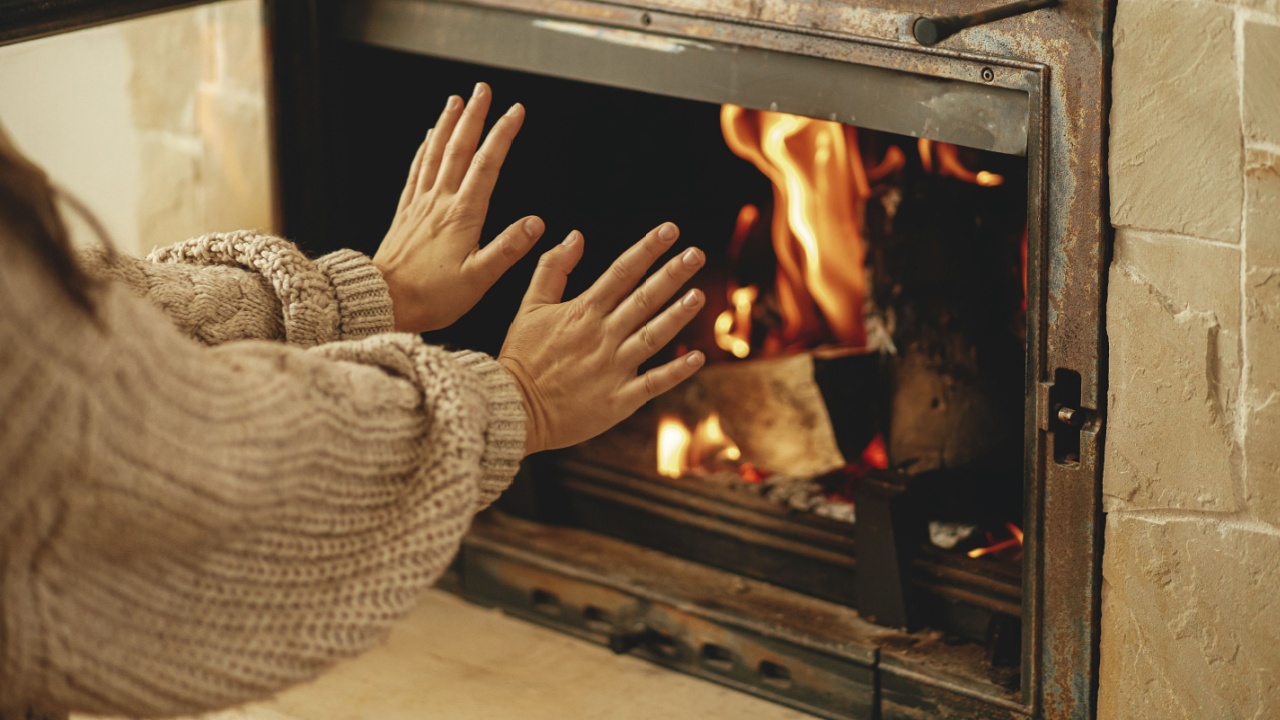
Freezing to death is a very real threat in many parts of the country. If the gas lines shut off and the grid fails, your furnace is a giant paperweight.
A small wood stove not only heats a room effectively but also provides a surface for cooking. If a wood stove isn’t an option, look into kerosene heaters or propane options rated for indoor use (with a CO detector).
17. Solar Rechargeable Lighting
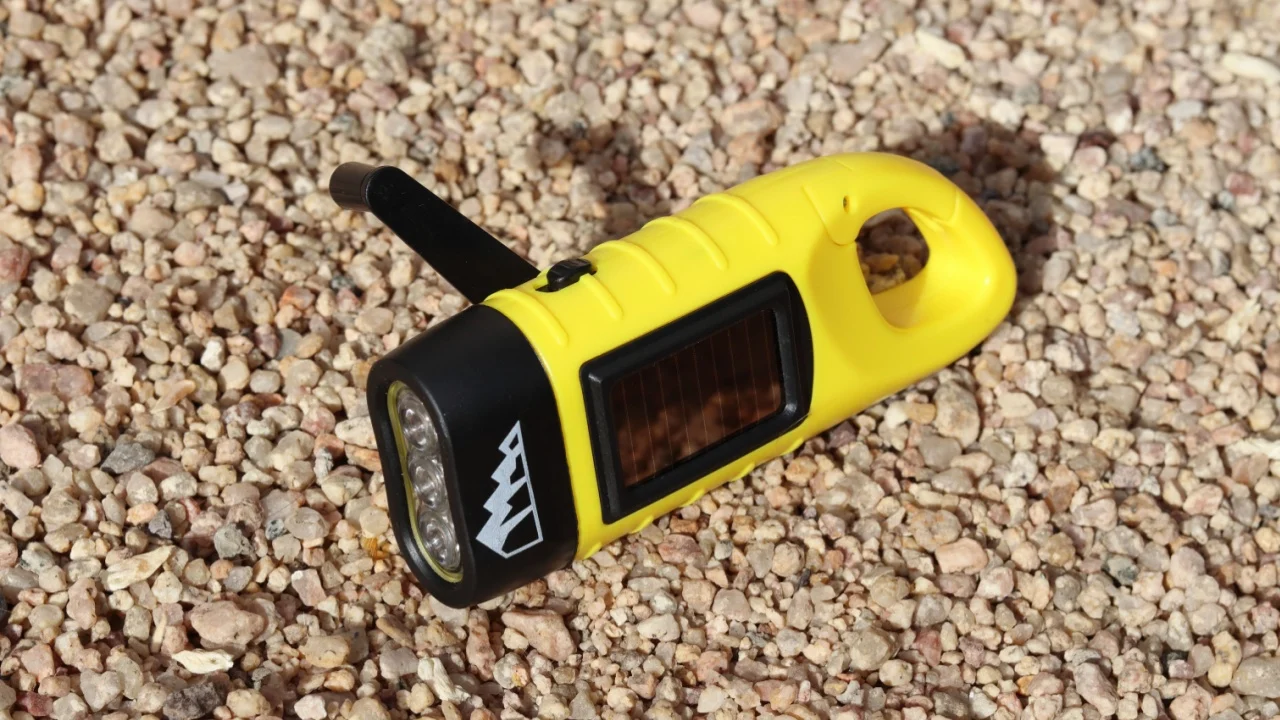
Candles are romantic but constitute a major fire hazard. In a survival situation, you need a reliable, bright light. Solar-powered lanterns and flashlights charge during the day and provide safe illumination at night.
They eliminate the need to stockpile hundreds of disposable batteries and allow you to work or move safely after dark.
18. Tent and Sleeping Bags

Your home might not always be safe. Floods, fires, or civil unrest might force you to evacuate. Government shelters are often overcrowded, unsanitary, and dangerous. Having a quality tent and cold-weather sleeping bags gives you the option to set up camp on your own terms, maintaining your privacy and safety away from the chaos of public shelters.
Take Control of Your Survival Today
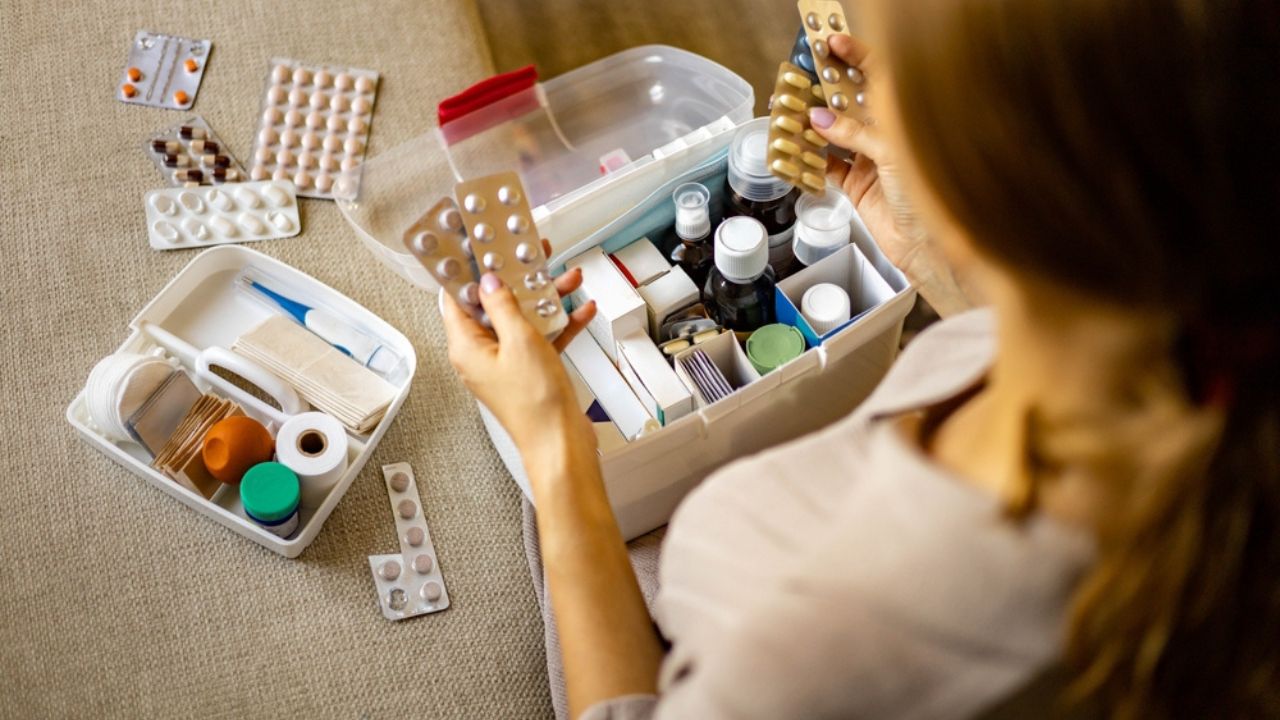
This list might seem like a lot, especially when it comes to cost and space, but don’t stress—you don’t have to get everything at once. Start small with basics like water and hygiene, and add more as your budget allows. Every item you get is a step closer to being prepared and having peace of mind.
Don’t wait for the next emergency to remind you how fragile things can be. Check out a local surplus store or do some quick online research and start building the security your family needs.