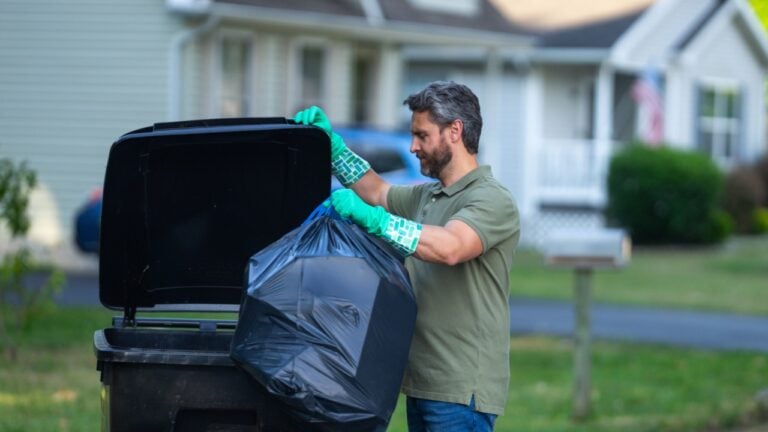
Is Your HOA on a Power Trip? 12 Rules They Can’t Legally Enforce
Homeowners associations (HOAs) can be great for keeping the neighborhood looking good and organizing community events. But sometimes, they get a little power-hungry and create rules that are totally illegal. If you live in an HOA community, it’s important to know where they can and can’t tell you what to do.
Federal laws like the Fair Housing Act and rules from the Federal Communications Commission (FCC) put clear limits on an HOA’s power. On top of that, state laws often step in to protect basic homeowner rights from overly restrictive community rules.
It’s becoming more and more common for homeowners to get annoyed with their HOAs. People often get fined for doing things that are perfectly legal under state or federal law. Knowing the difference between a real rule and an illegal one is a key part of owning a home in an HOA.
Here’s a list of rules your HOA might try to enforce, but can’t legally back up. We’ll explain why they’re illegal and what you can do if you find yourself in one of these situations.
1. Banning You from Suing the Board

Sometimes, an HOA acts like it’s above the law. The community’s rules might even say you can’t sue the board of directors. But legal experts are clear: no neighborhood document can take away your basic right to take someone to court.
It all comes down to accountability. If your HOA board is doing something shady or illegal, you have every right to hold them accountable in court. Any rule that tries to protect the board from being sued won’t hold up in front of a judge.
If you have a problem, start by asking for a formal meeting to try and sort it out. If the board won’t listen or fix the issue, your next step is to talk to a real estate attorney. Make sure to keep a record of all your conversations; it’ll be a big help if you do end up in court.
2. Hiding Lawsuits from Residents

HOA boards often try to keep lawsuits under wraps to make the community look good. They might even make rules against sharing information about legal issues with other residents. However, most states require HOAs to be transparent and tell everyone about any ongoing lawsuits.
This is all about open and honest leadership. You pay dues and have a financial stake in the community, so you have a right to know if the HOA is in legal trouble that could affect your money. Trying to hide this information is a violation of standard disclosure rules.
If your board is being secretive, check your community’s governing documents and your state’s laws about disclosure. Sending a formal written request for the community records can often force them to share the information. You can also contact local housing authorities for help.
3. Discriminating Against Certain People

Some HOA rules, whether on purpose or not, unfairly target certain groups of people. Boards are not allowed to make rules that single people out because of their race, religion, nationality, or family status. The Fair Housing Act makes these kinds of discriminatory practices illegal everywhere in the U.S.
This is about everyone having an equal housing opportunity. An HOA can’t stop you from buying a home, fine you unfairly, or try to kick you out based on who you are. Many states also have laws that add protections for sexual orientation and gender identity.
If you feel you’re being discriminated against, write down what happened and save any related messages. You should report the behavior to the Department of Housing and Urban Development (HUD), which will start an official investigation. A lawyer can also help you fight back against a violation of your civil rights.
4. Entering Your Property Without a Good Reason

It’s a common worry: an HOA board member just walking onto your property or into your home. Some HOAs write rules that give them the right to enter your property for inspections whenever they want. But the law is very clear that they can only enter in specific situations and usually have to give you plenty of notice.
You have a right to privacy and security in your own home. An HOA can only come onto your property in a true emergency, to do approved maintenance on shared property, or for an official inspection after giving you a written warning. Showing up unannounced for no good reason is trespassing.
If you’re dealing with uninvited visits, check the rules in your governing documents about property access. Putting up security cameras can help you document any unauthorized visits. If it keeps happening, you can file a trespassing complaint with the police.
5. Banning Outdoor Clotheslines

Many HOAs hate the look of laundry hanging outside to dry and try to ban it. But with a growing focus on being eco-friendly, many states have passed “right to dry” laws. These state laws make any local ban on clotheslines illegal and unenforceable.
This is a classic case of neighborhood looks versus being green. Using a clothesline saves energy and makes your clothes last longer. In states with “right to dry” laws, you have the right to hang your laundry out to dry, no matter what your HOA’s aesthetic rules say.
Look up your state’s laws on solar drying and energy conservation. If your HOA fines you for using a clothesline in a state where it’s protected, you can send them a copy of the law to get the fine canceled. The only exception might be in shared backyards, where some rules could still apply.
6. Making Up Fines on the Spot

Sometimes, board members will try to fine you for things that just personally annoy them. But for a fine to be legal, it has to be clearly spelled out in the community’s official rules. An HOA can’t just invent fines for things that aren’t in the documents.
A fair community runs on clear, written rules that everyone agrees to when they buy their home. If a fine isn’t officially on the books, the board has no power to make you pay it. Making up fines is a classic power move by overeager board members.
If you get a fine that seems fishy, ask the board to show you the exact rule in the governing documents that says you should be fined. Challenging it at a board meeting will often make them back down. Teaming up with your neighbors can also help stop the board from abusing its power.
7. Changing Rules Without Telling Anyone

Has your HOA ever suddenly banned a certain paint color or type of plant? Community rules usually require a strict process for making changes, which includes notifying all the residents. If the board just changes a rule without a community vote or proper notice, that new rule isn’t legally valid.
Good governance means being transparent and following the rules. You bought your home based on the rules that were in place at the time, and you deserve to have a say in any changes. Making up new rules on the fly is chaotic and breaks the contract between you and the HOA.
Read your community’s bylaws to understand how rules are supposed to be changed. Going to community meetings helps you keep an eye on the board and challenge any improper changes. If a board is ignoring its own rules for making amendments, taking legal action is a very effective way to stop them.
8. Banning Satellite Dishes
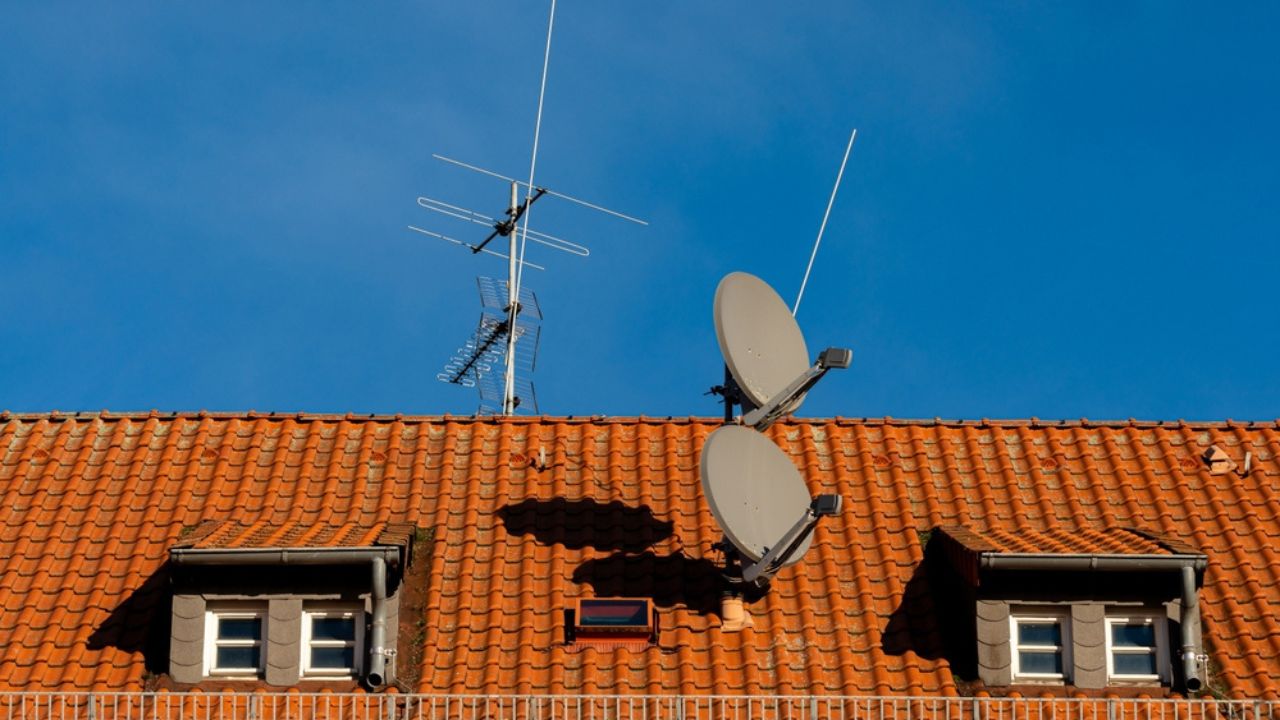
HOAs often ban satellite dishes from roofs and balconies because they don’t like how they look. But the Federal Communications Commission (FCC) has a rule called the Over-the-Air Reception Devices (OTARD) rule, which protects your right to access TV programming. This federal rule means your HOA can’t force you to take down a standard satellite dish.
Federal law always wins over local community rules. Even if your HOA’s documents have a ban on satellite dishes, it’s been legally invalid since the late 1990s. The HOA can ask you to put the dish in a less obvious spot, but they can’t stop you from having one.
If you get a fine for your satellite dish, print out the FCC’s guidelines and show them to the board. Most of the time, they’ll drop it immediately. If the HOA refuses to follow the FCC rule, it could face serious penalties.
9. Prohibiting Native Plants and Gardens

We all know that perfectly green lawns use a ton of water and chemicals. That’s why several states have passed laws that protect a homeowner’s right to have eco-friendly gardens with native plants. In these states, your HOA can’t force you to have a water-guzzling lawn or ban your drought-resistant yard.
This is a conflict between a uniform neighborhood look and modern, sustainable practices. State laws in places like Texas, California, and Florida now put conservation ahead of neighborhood design rules.
If you want to create a native plant garden, do some research on the benefits and the laws in your state that protect you. It can help to present a well-thought-out plan to your HOA’s architectural committee. You could even inspire your whole neighborhood to be more sustainable.
10. Banning Political Signs

During election season, many HOAs try to ban all political signs. But many states have passed laws that protect your freedom of speech, including your right to display political signs on your own property. A total ban on these signs often gets overturned in court.
There’s always a debate about balancing free speech with neighborhood appearance. While an HOA might be able to limit the size of your sign or how long you can display it, they usually can’t ban them completely. State laws recognize that political expression is important, even in a private community.
Check your state’s laws about political signs in HOA communities. If your board tries to make you take down a sign illegally, showing them the specific law usually clears things up. Just make sure to follow any reasonable rules about how long you can display your signs.
11. Denying Service Animals

HOAs with “no pets” policies sometimes try to stop residents from having service animals or emotional support animals. But the Fair Housing Act says that HOAs have to make reasonable accommodations for people with disabilities. That means a “no pets” rule can’t legally be used to block a recognized assistance animal.
Assistance animals are not considered pets; they are legally seen as necessary support for people with disabilities. Denying housing or fining someone for having one is a direct violation of federal civil rights laws. Boards need to understand the difference between a pet and an animal that provides essential medical or emotional support.
If you need an assistance animal, give the board the required documentation from your doctor. If the HOA still denies your request, you should file a complaint with the federal housing authorities. A lawyer can also help you get compensation for discrimination.
12. Forcing You to Use Specific Contractors

Some HOA boards demand that you use a specific company for any home repairs. However, laws that promote fair competition prevent HOAs from forcing you to hire a single, pre-approved contractor. You have the right to hire any licensed and insured professional you want to work on your private property.
Requiring specific contractors can be a sign of a conflict of interest or a sketchy financial deal between the board and the company. As a homeowner, you have the right to shop around for the best price and quality. The HOA can set standards for the work, but they can’t tell you who to hire.
If you’re told to use a specific company, ask for the board’s official policy on choosing vendors and conflicts of interest. Getting quotes from several different contractors shows that you’re being reasonable. If you suspect a kickback scheme, reporting it to the proper authorities can protect your whole community from being ripped off.
Check Your Community’s Rules Today

Knowing your rights is the best way to protect your property and your sanity. Take a look at your HOA’s governing documents and see how they stack up against state and federal laws. You might find some completely unenforceable rules.
When you stand up against unfair rules, you help make your neighborhood a better place for everyone. If you get a suspicious fine, talk to a local real estate attorney to build a strong defense for your rights as a homeowner.