Is The Heat To Blame for Your Struggling Vegetable Garden This Summer? Stop Making These 7 Mistakes
It is not the 95°F afternoon that is killing your vegetable garden; it is what happens after the sun goes down.
Most gardeners watch their tomato blossoms shrivel in the July heat and assume the blazing midday sun is to blame. But according to the University of Delaware Cooperative Extension, it is actually warm nighttime temperatures above 70°F to 75°F that interfere with pollen tube growth and prevent normal fertilization. The flower you watched drop this morning was likely doomed by a warm night seven to fifteen days ago.
The USDA reports that fresh vegetable prices have risen 6.8% since last March, and the National Garden Bureau estimates the average home gardener saves roughly $500 a year by growing their own produce. Every week your garden sits idle in the heat is money left on the table. If you have been wondering whether it is too hot for vegetables to grow, the honest answer is: probably not, but how you respond to the heat will determine whether your garden recovers or gives up entirely.
Here are seven mistakes that are making the damage worse, and what to do instead to salvage what’s left of your garden.
1. You’re Watering at the Wrong Time
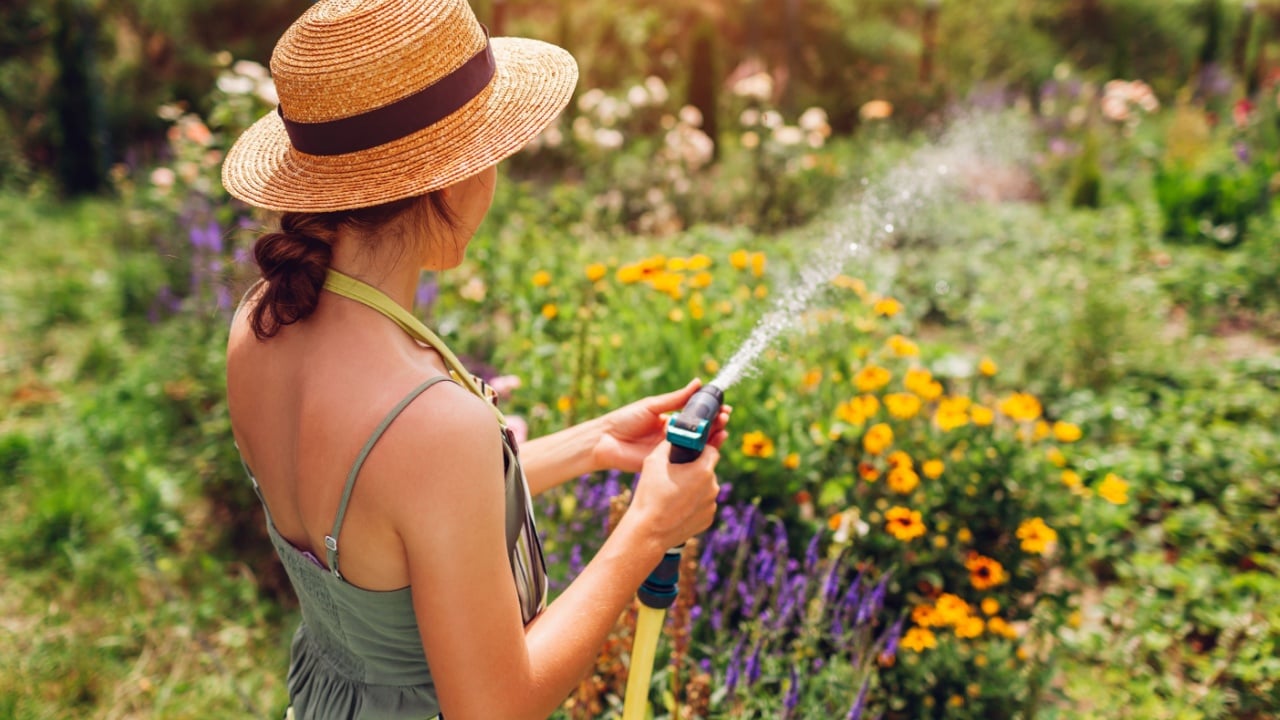
The single most common heat-wave mistake is watering at midday, when most of the moisture evaporates before it ever reaches the roots. According to the University of Minnesota Extension, shallow, frequent watering during extreme heat actually trains roots to stay near the surface, where soil temperatures are highest, and moisture disappears fastest.
Water deeply and early. Soak the soil in the first hours of morning, before the heat sets in, and let roots chase the moisture downward where the ground stays cooler. If your plants wilt at noon but recover by the next morning, they are fine. That midday droop is a survival mechanism, not a cry for more water.
2. You’re Blaming the Sun When the Real Problem Happens After Dark

According to research published by the University of Delaware, constant exposure to day and night temperatures of 95°F and 80°F, respectively, significantly reduces both the number of pollen grains a tomato flower produces and the pollen’s viability. Three hours or more at 103°F on two consecutive days can cause complete fruit set failure.
Night temperature is the hidden variable most people never think to check. When nights stay above 75°F, tomatoes, peppers, and beans simply stop setting fruit. The plant looks healthy. The flowers appear. But nothing happens. Nursery professionals know this, but it rarely makes it onto the seed packet.
3. You’re Overfeeding Plants That Are Trying to Survive
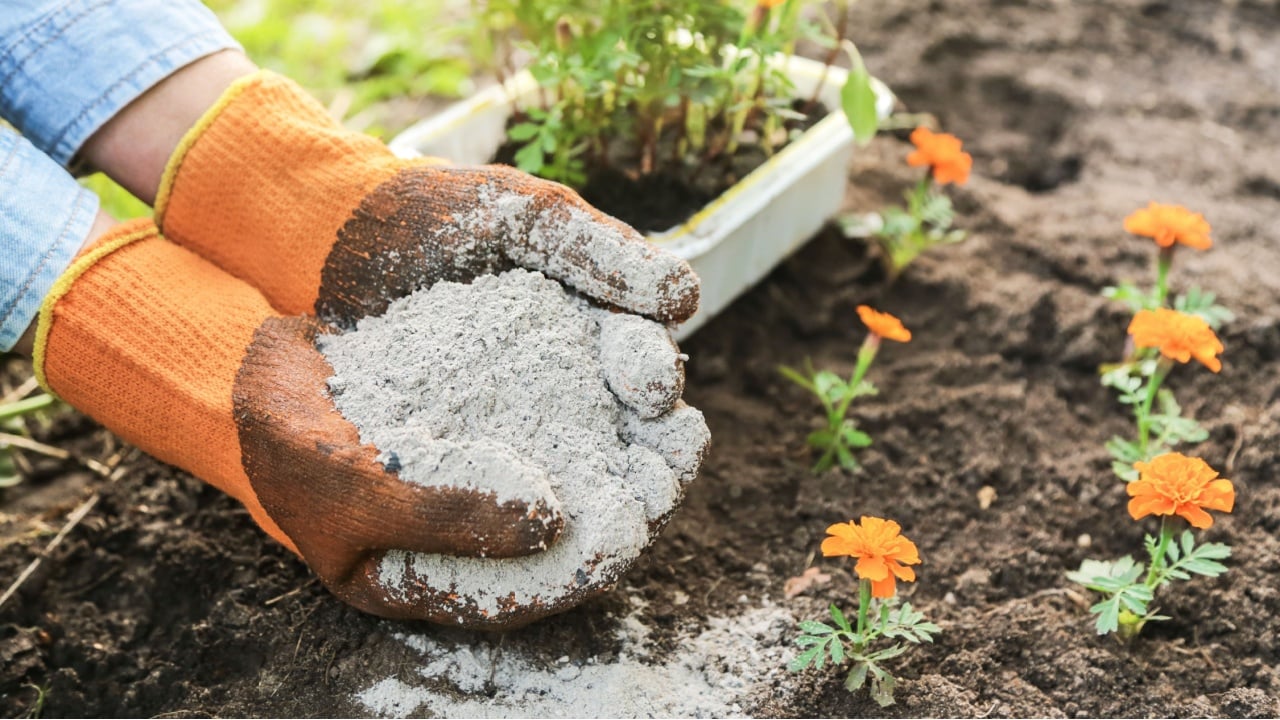
When growth slows in July, many gardeners reach for the fertilizer. It feels logical: the plant is struggling, so give it a boost. But according to Harvest to Table, extra nitrogen during a heat wave forces tender new leaf growth that demands even more water than the plant can supply. You are essentially asking a runner with heat exhaustion to sprint.
Stop fertilizing when daytime temperatures are consistently above 90°F. The plant is not hungry; it is hot. Resume feeding when temperatures moderate and the plant starts putting out new growth on its own.
4. You’re Leaving Your Soil Completely Exposed
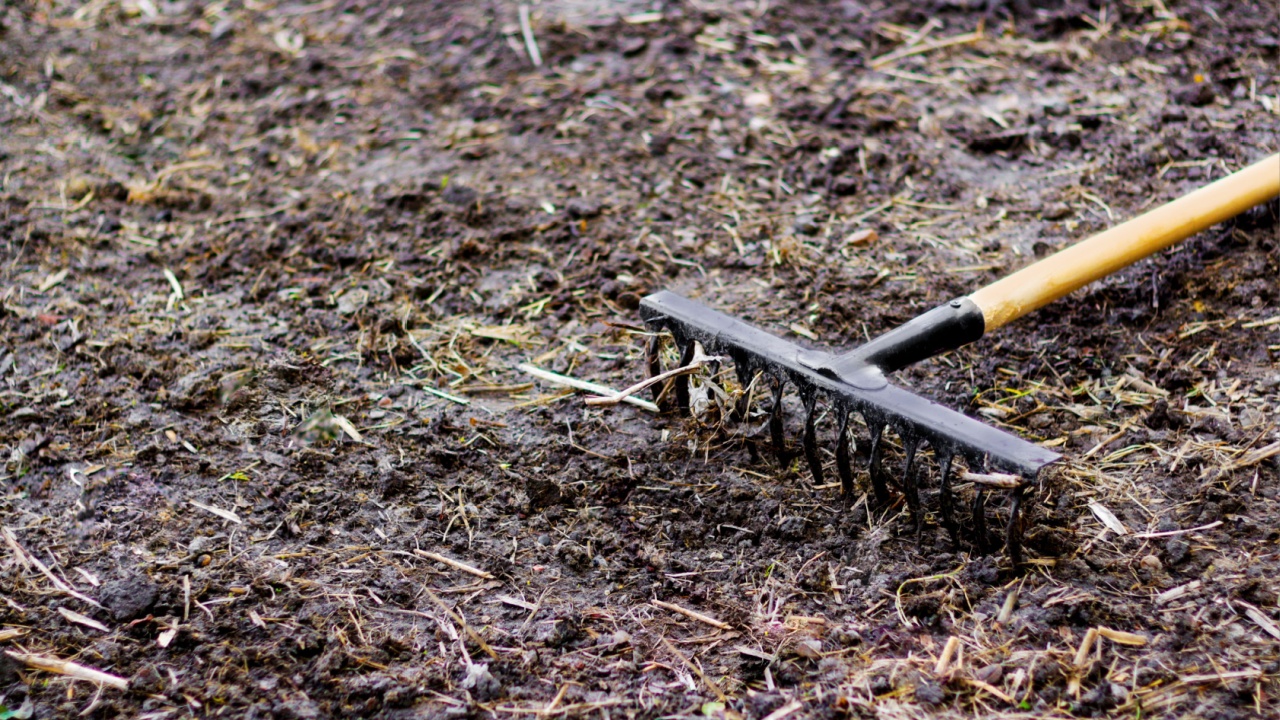
Bare soil in July is like a parking lot. Penn State Extension notes that unmulched garden beds can reach surface temperatures high enough to damage roots and kill beneficial soil organisms. Meanwhile, moisture evaporates at alarming rates, leaving you watering twice as much for half the result.
Two to three inches of organic mulch, such as straw, shredded leaves, or even grass clippings, costs almost nothing and can lower soil temperature by 10 to 15 degrees. It is the single cheapest investment you can make in your garden right now, and it pays for itself by cutting your water usage almost in half.
5. You Haven’t Pulled Your Cool-Season Crops Yet
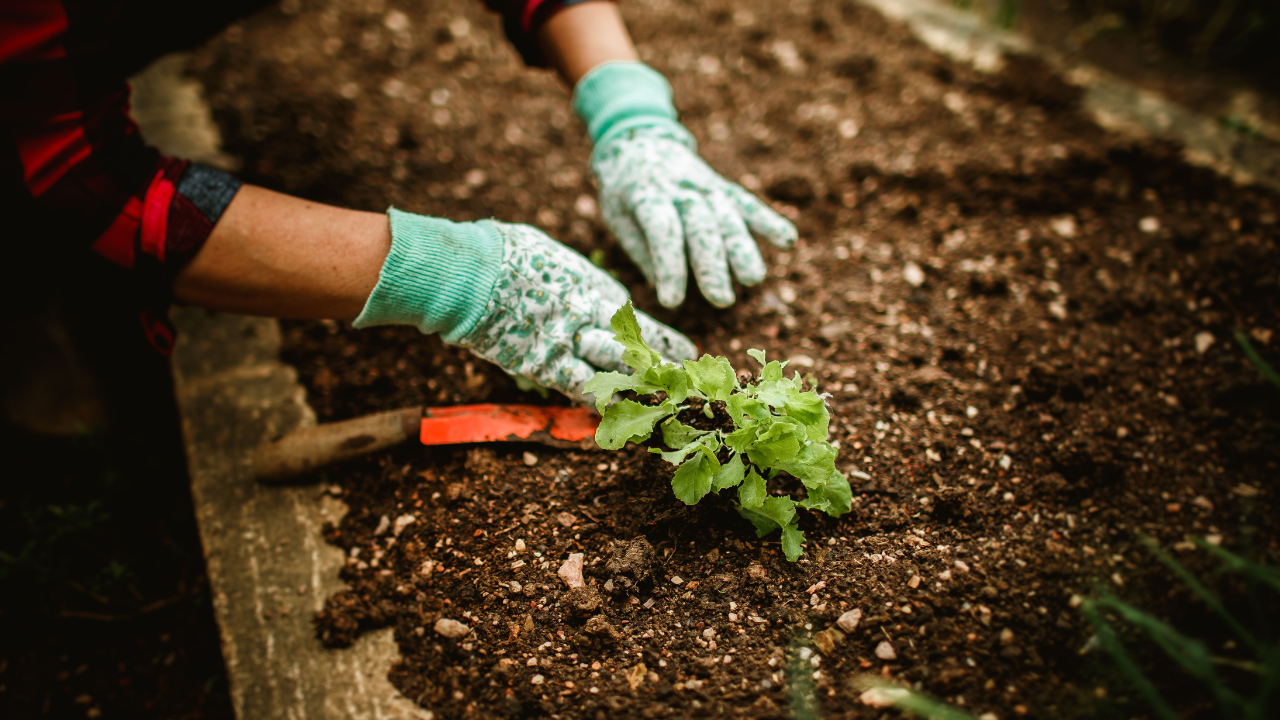
If you still have bolted lettuce, leggy spinach, or browning peas hanging on in your garden, stop watering them. They are finished. Every drop of water and every square foot of space they occupy is a resource your heat-tolerant crops could be using instead.
Rip them out this weekend and replace them with what actually thrives above 90°F: okra, sweet potatoes, peppers, eggplant, and Swiss chard. The University of Florida’s IFAS Extension confirms these crops not only tolerate extreme heat but actively produce through it. For gardeners who are tired of fighting tomato blossom drop every July, this is the single most liberating change you can make. Stop growing what the season has rejected and start growing what the season rewards.
6. You’re Pruning When You Should Be Shading
Heavy summer pruning is one of the quieter mistakes. According to South Dakota State University Extension, removing too much foliage in the heat exposes fruit directly to the sun, causing sunscald; those white, papery patches on tomatoes and peppers that ruin otherwise healthy fruit.
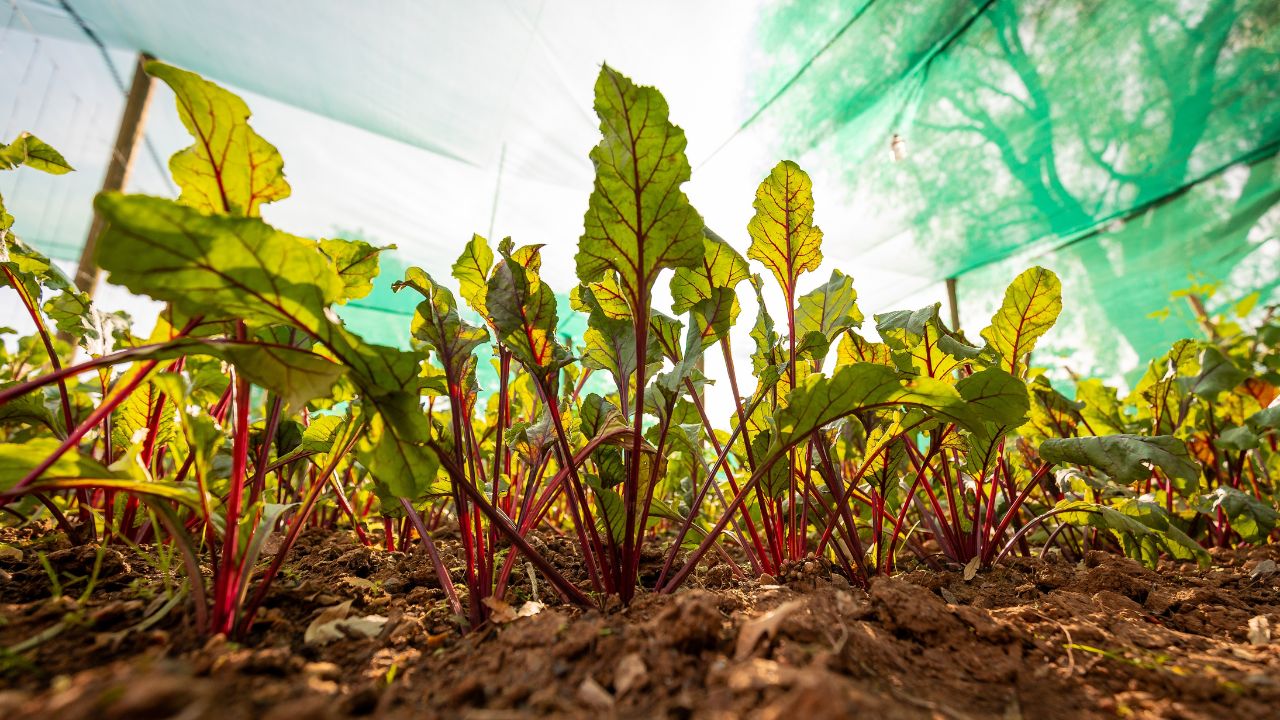
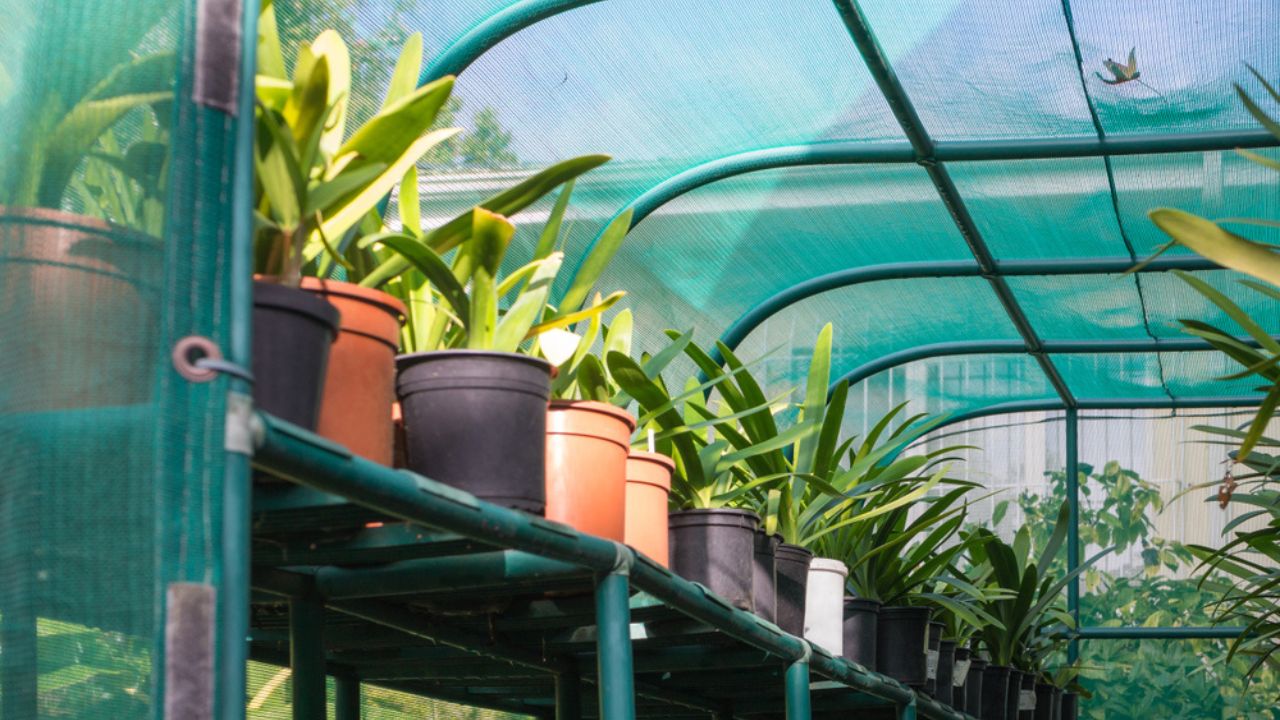
Your plants need their leaves right now more than ever. If anything, add coverage. A 30 to 40 percent shade cloth suspended above your rows (never touching the plants) can drop temperatures around your crops by several degrees. No shade cloth? A bedsheet draped over stakes works in a pinch and costs nothing. The goal is filtered light, not darkness.
7. You’re Fighting the Heat Instead of Working With It
Experienced Southern gardeners figured this out generations ago: midsummer is not growing season. It is rest season. They plant hard in spring, let the garden coast through July and August, and then plant a second wave of cool-season crops in September for a fall harvest that often outproduces spring.
According to NC State Cooperative Extension, this two-season approach is the most productive strategy for any gardener dealing with sustained heat above 90°F. Instead of pouring energy into a garden that the weather will not cooperate with, spend late July and August starting fall seedlings indoors. Plant them out when nights cool below 70°F, and you will be harvesting fresh lettuce, broccoli, and carrots well into November.
Your Garden Will Come Back
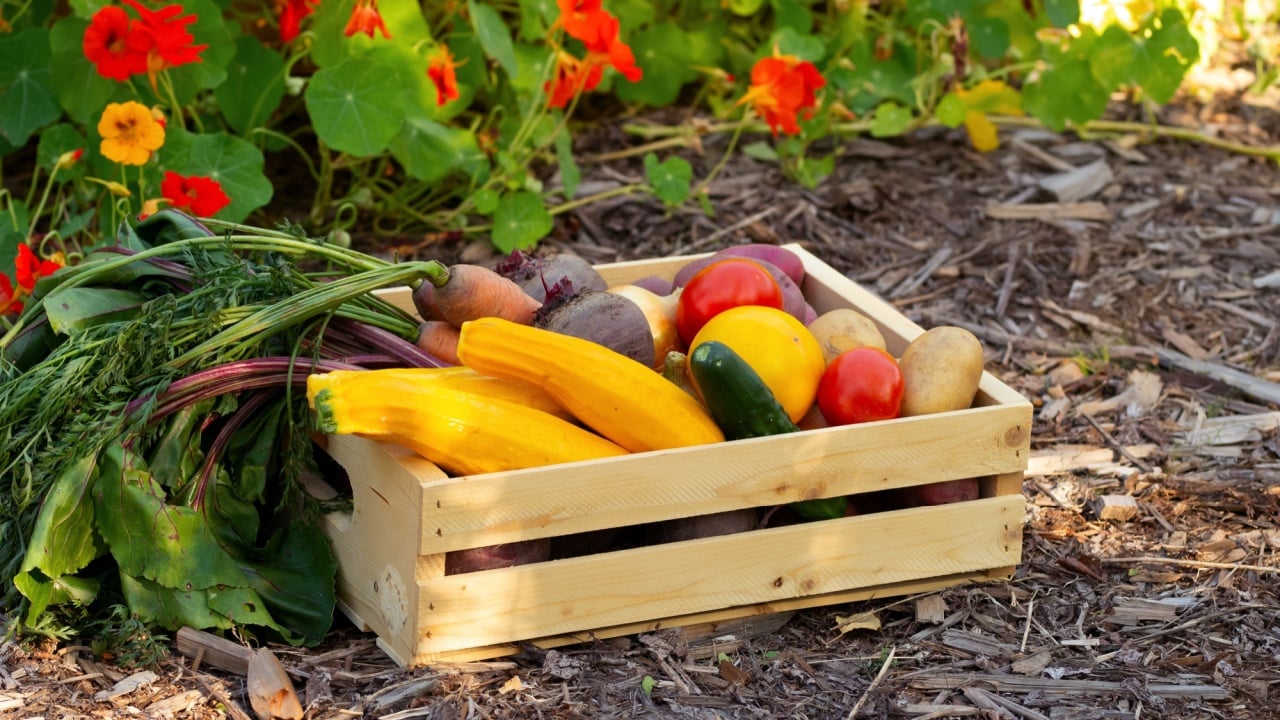
Keep it simple. First, mulch every exposed inch of soil. Second, pull any cool-season crops that have bolted or stopped producing and replace them with heat-tolerant varieties. Third, check your watering schedule: deep and early, not shallow and often.
The most important thing to understand when it is too hot for vegetables to grow is that this is temporary. Healthy, well-mulched plants almost always bounce back once nighttime temperatures drop below 70°F. You will see a second flush of flowers, a fresh round of fruit, and a fall harvest that can easily make up for what July took away.
Stop fighting the heat. Work with the season. And remember that the $500 you save growing your own food this year is not decided by what happens in the hardest weeks of summer; it is decided by whether you are still standing in the garden when September arrives.
Read more:
7 perennial planting mistakes to stop making right now
How to Grow Zucchini Vertically: 7 Steps That Save Space and Double Your Harvest