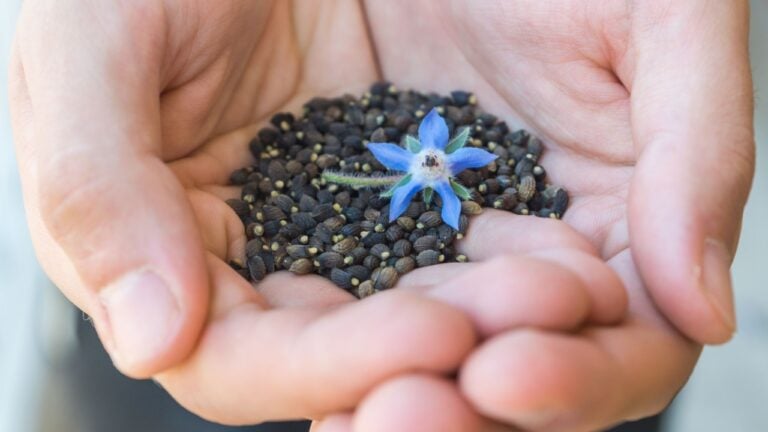
Stop Planting! These 9 Plants That Could Send Your Child to the Emergency Room
That cottage garden you’ve been tending for years? It may already be one of the most hazardous spaces in your yard.
The plants most likely to send a child or a pet to the emergency room aren’t the exotic specimens or the ones marked with warning labels at the nursery. They’re the classics: the same foxglove, lily-of-the-valley, and wisteria that appear on every cottage-garden inspiration board and fill the yards of gardeners who’ve been growing them for decades without incident.
Nurseries rarely label plants as toxic at the point of sale. You can buy a stunning pot of lily-of-the-valley, carry it home, and tuck it into a shaded border with no indication that every part of that plant is capable of causing cardiac collapse in a small child or a pet. The plants are beautiful, the packaging says nothing, and the risk stays invisible until something goes wrong.
The following list highlights the most common garden plants that pose genuine risks to children and pets, including several that have been grown in American yards for generations and still appear on virtually every cottage-garden plant list. If you have young children, grandchildren who visit, or friends with kids who spend time at your home, this list deserves your attention before you add another flat of annuals to the garden.
1. Foxglove (Digitalis purpurea)
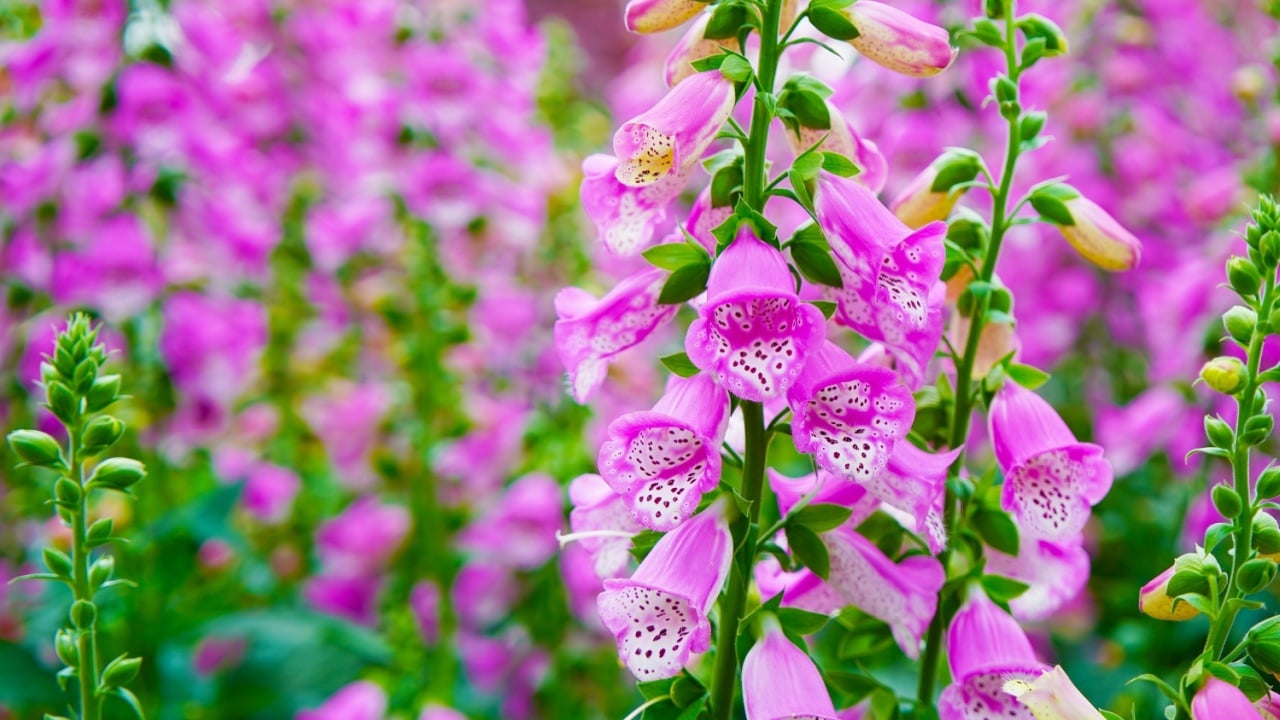
Foxglove is one of the most beautiful and most dangerous plants in the spring garden, and the combination is exactly what makes it so risky. Its tall spikes of tubular purple, pink, and white blooms are irresistible to children, and the flowers are shaped in a way that practically invites a small hand to pull one off and peer inside. All parts of the plant contain the cardiac toxins digitalin, digitonin, and digitoxin.
According to the National Capital Poison Center, ingesting any part of foxglove can cause irregular heartbeat, dangerously low blood pressure, and death. Children have been poisoned simply by drinking water from a vase that contained foxglove cuttings.
2. Lily-of-the-Valley (Convallaria majalis)
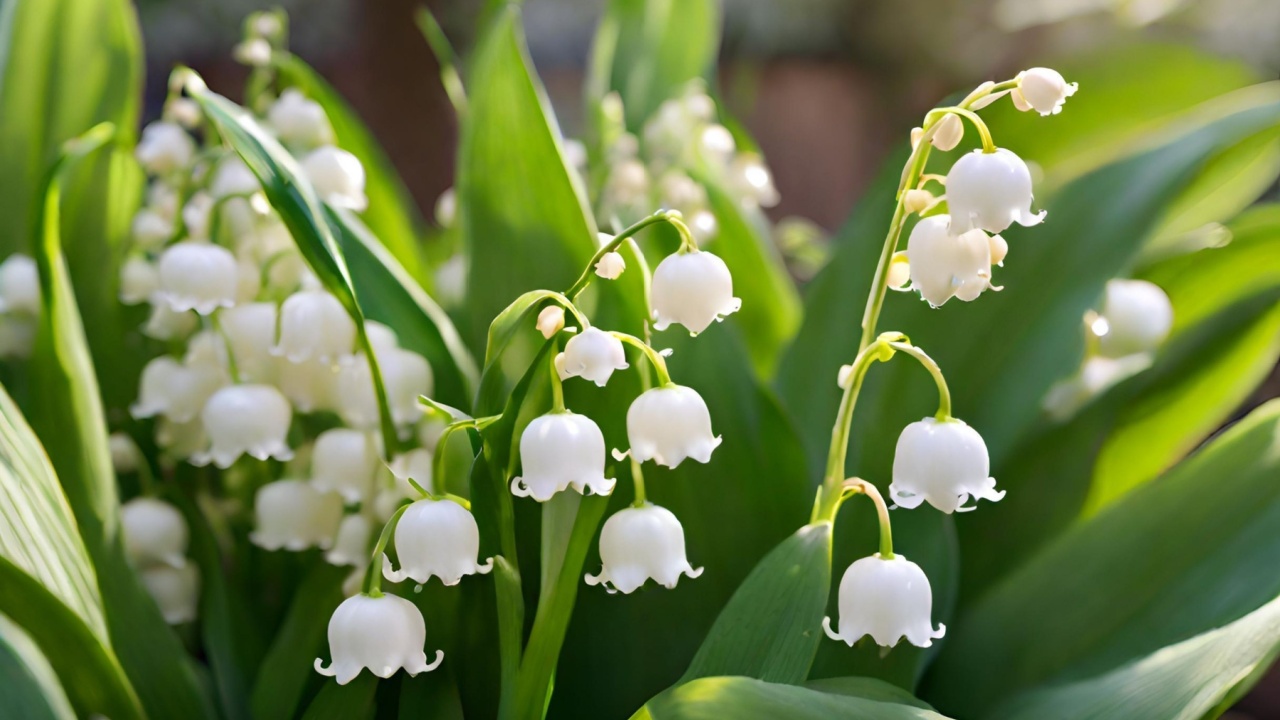
Lily-of-the-valley contains more than 40 different cardiac glycosides, a concentration of heart-disrupting compounds that makes it, ounce for ounce, more chemically dangerous than many prescription heart medications. The Missouri Botanical Garden identifies it as toxic to humans, dogs, cats, and horses, with symptoms including blurred vision, slowed heartbeat, and collapse.
Lily-of-the-valley spreads freely as a groundcover, which means it can appear in areas of the yard where children and pets spend the most time. Do not assume that because it is a traditional, old-fashioned plant, it carries old-fashioned risk. It doesn’t.
3. Monkshood (Aconitum spp.)
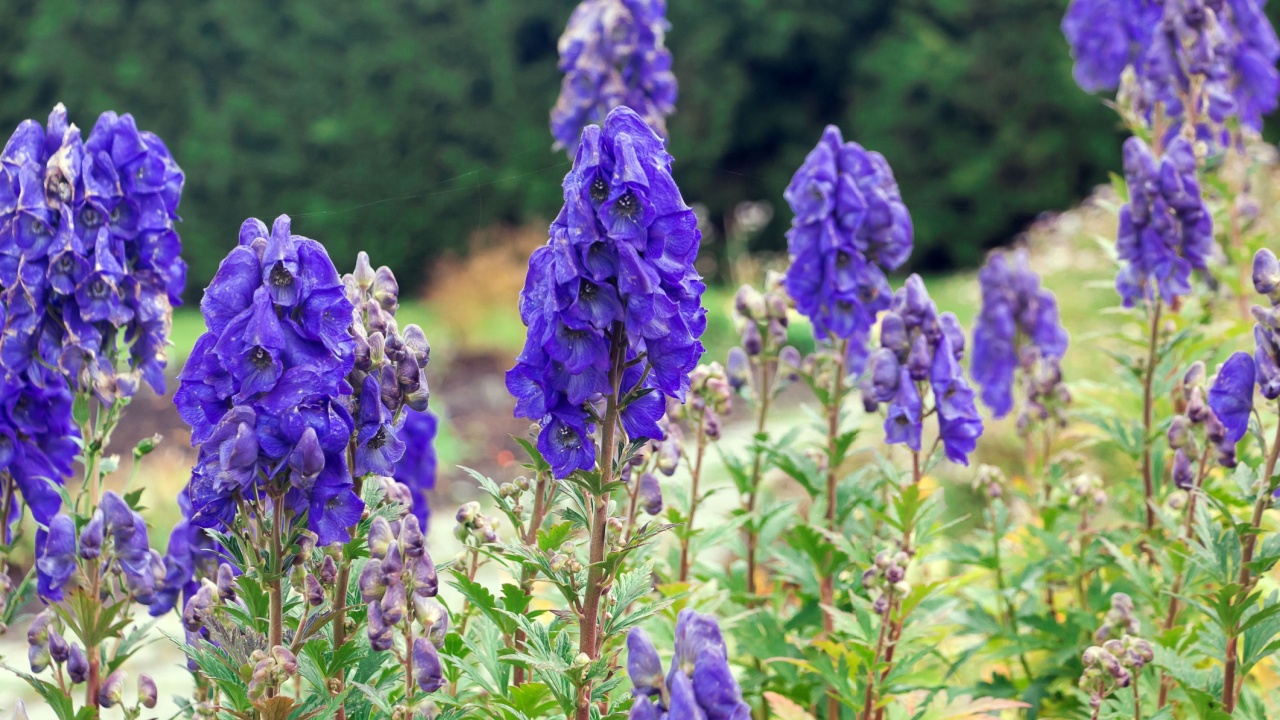
Monkshood is the plant your grandmother may have grown for its gorgeous hooded blue-purple flowers, and it is also one of the few garden plants that can poison you just by touching it. The toxin aconitine enters the body through the skin as well as through ingestion, meaning that a child who handles the plant while playing in the garden doesn’t need to put anything in their mouth to be at risk.
The National Capital Poison Center states that swallowing any part of the plant could be deadly, with symptoms appearing within minutes. Wear gloves every time you work near it; better yet, consider removing it if children or pets regularly have access to the area.
4. Oleander (Nerium oleander)
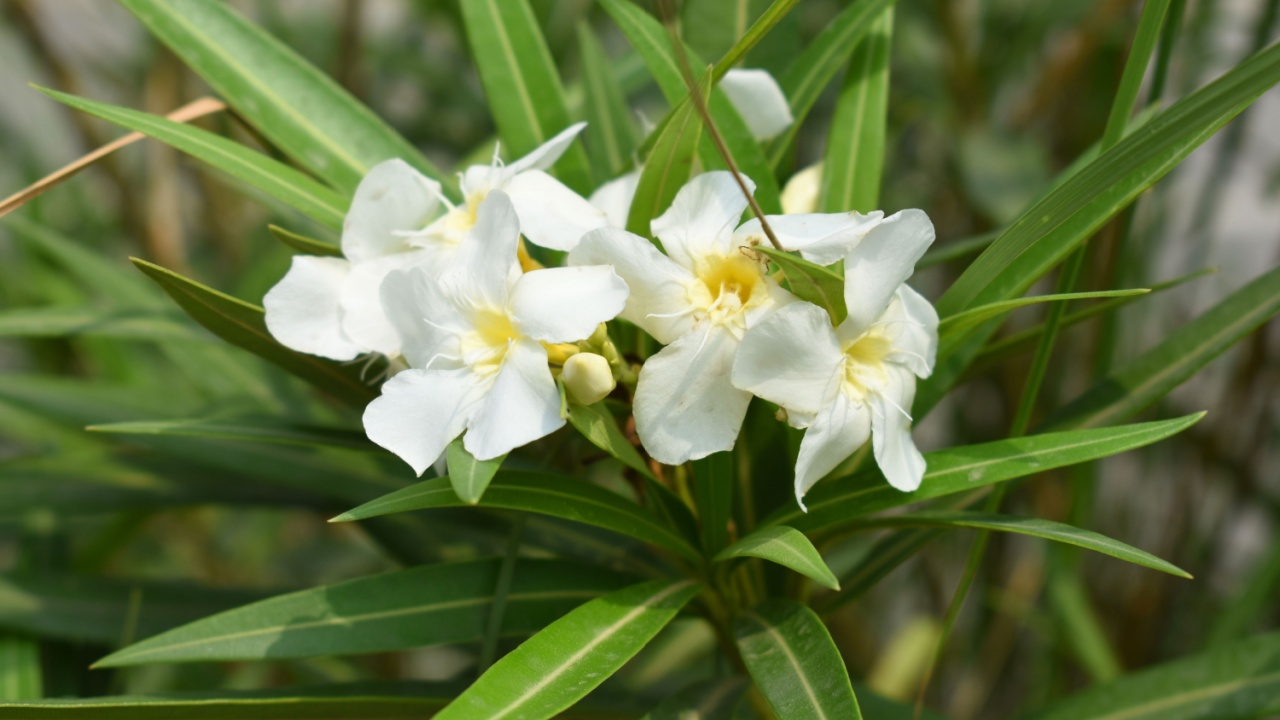
Oleander is one of the most commonly planted ornamental shrubs in warm-climate American yards, particularly across the South and Southwest, and it is also among the most lethal plants a family can grow.
The ASPCA confirms that all parts of the plant — flowers, leaves, stems, nectar, and sap — are poisonous, containing oleandrin, a toxin that damages the heart and can cause fatal arrhythmia. Even the smoke from burning cut oleander stems is toxic to inhale.
If you have oleander on your property and young children or pets, it warrants a serious conversation about relocation or removal this spring.
5. Wisteria (Wisteria spp.)

Wisteria is one of the most romantic plants in the spring garden, and its seed pods are one of the most overlooked dangers.
The pods and seeds contain the glycoside wisterin, and the pods look enough like pea or bean pods that children frequently mistake them for something edible. Wisteria seed pods can split and fling their seeds several feet as they dry, which means children can encounter seeds well away from the plant itself.
The ASPCA also lists wisteria as toxic to dogs, cats, and horses, with symptoms including vomiting, dehydration, and diarrhea.
6. Azalea and Rhododendron (Rhododendron spp.)
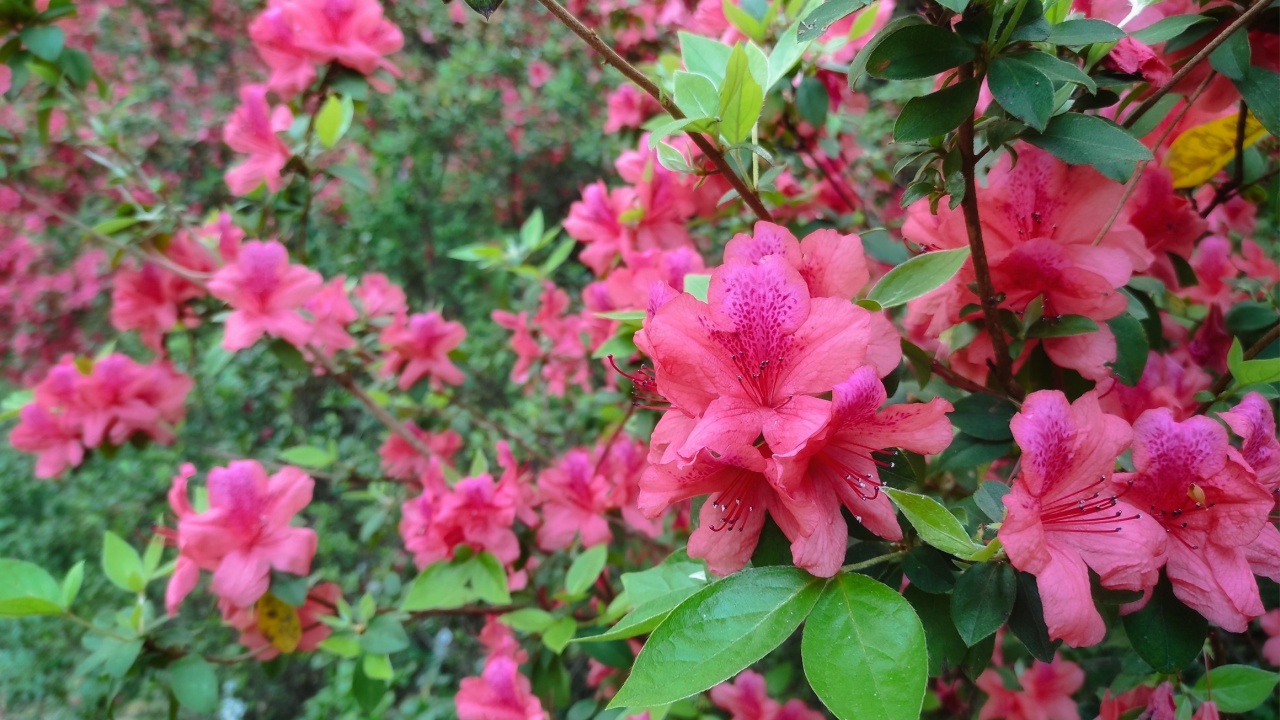
Few shrubs are more ubiquitous in American yards than azaleas and rhododendrons, which is precisely why this entry matters. These are not rare or exotic plants.
According to the National Capital Poison Center, swallowing large amounts of any part of the plant or honey made from the flowers can cause life-threatening symptoms. Your grandmother’s azalea hedge may have been there your entire life; that doesn’t make it safe for a toddler who discovers the blooms this May.
7. Castor Bean (Ricinus communis)
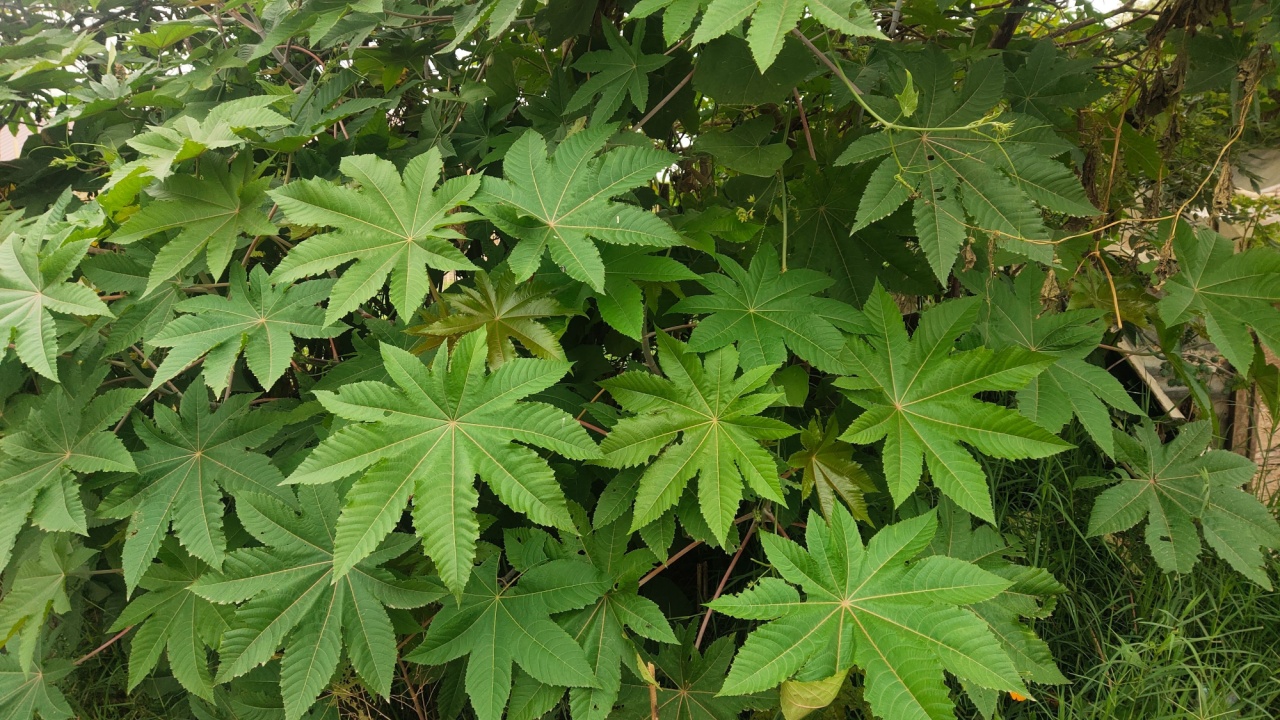
Castor bean is a bold, dramatic-looking annual that shows up in garden centers every spring, often without any clear indication of how dangerous it actually is. Its seeds contain ricin, the same compound that has been used in bioterrorism and assassination, and the seeds are visually striking, which makes them attractive to young children.
According to the UC Davis Toxic Plant Garden, ricin is one of the most toxic naturally occurring substances known. This is not a plant to grow in a yard with children or pets under any circumstances. Consider it a priority removal this season.
8. Angel’s Trumpet (Brugmansia and Datura spp.)
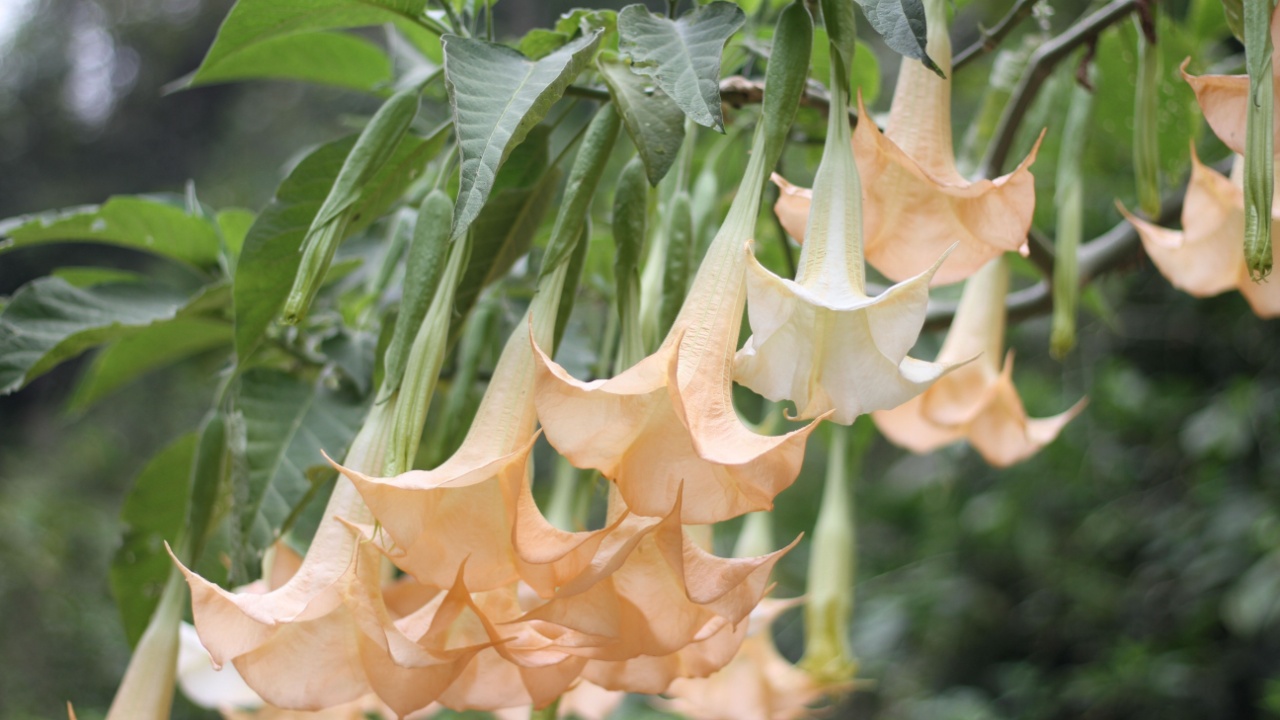
Angel’s trumpet is beloved for its dramatic, pendulous blooms, but it has been linked to multiple human fatalities. The entire plant contains toxic alkaloids, and the danger doesn’t stop when you stop touching it: burning pruned stems release toxic compounds in the smoke.
The weed jimsonweed (Datura stramonium), which belongs to the same family, can appear in the garden on its own without being planted, and is equally dangerous. If you have angel’s trumpet or notice jimsonweed growing near a play area, removal is the safest course.
9. Hydrangea (Hydrangea spp.)
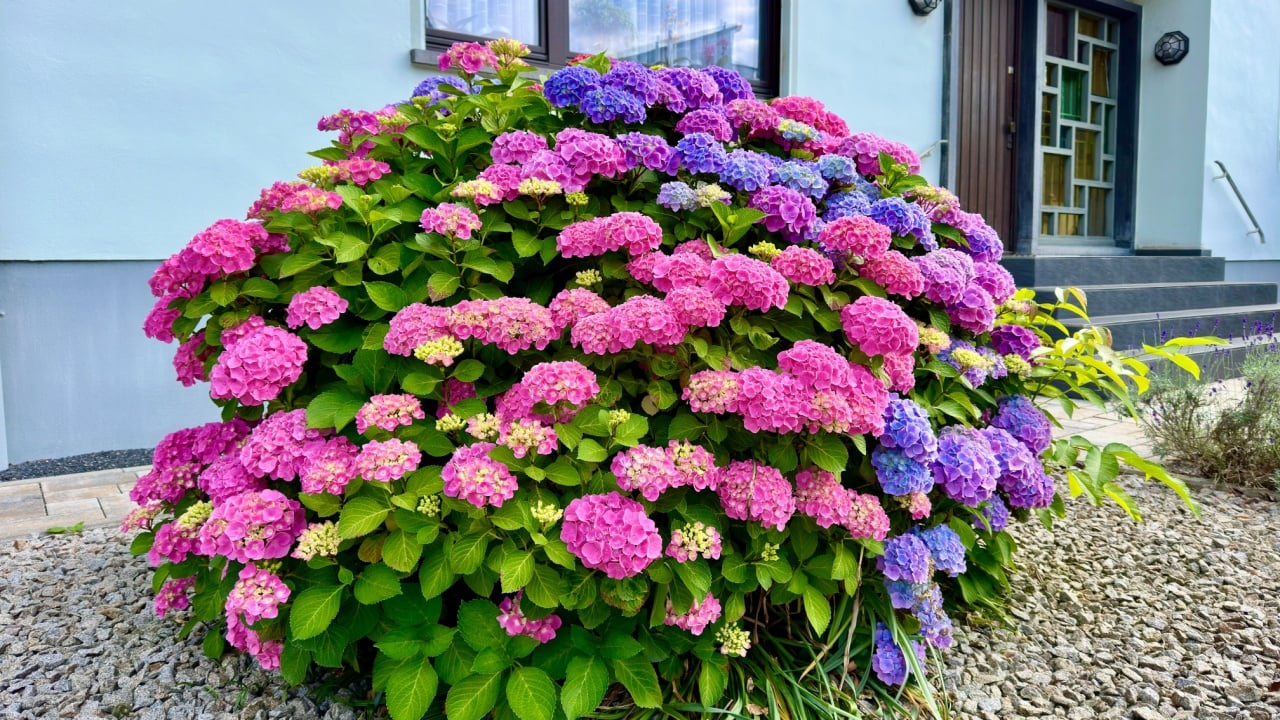
Hydrangeas are one of the most-planted shrubs in American residential gardens, which is why their toxicity comes as such a surprise to most families.
All parts of the hydrangea plant, including the flower buds, which are accessible at exactly the height a toddler or curious dog can reach in spring, contain cyanogenic glycosides that the body converts to cyanide. Symptoms of ingestion include vomiting, diarrhea, lethargy, and in severe cases, difficulty breathing and collapse. You do not have to remove hydrangeas from your property, but fencing off established plants or relocating young children’s play areas is a reasonable precaution.
The Warning Signs of Plant Poisoning Most Parents Miss
The most important thing to understand about plant poisoning is that the severity spectrum is wide. ‘Toxic’ can mean anything from mild mouth irritation (philodendron, pothos) to cardiac arrest (foxglove, lily-of-the-valley, oleander). Mild symptoms like drooling, vomiting, or pawing at the mouth often appear within 30 minutes of ingestion and can escalate rapidly.
If you suspect a child has ingested any part of a plant, call Poison Control immediately: 800-222-1222. Do not wait for symptoms to appear; many cardiac toxins act quickly. For pets, the ASPCA Animal Poison Control Center operates 24 hours a day at 888-426-4435. Bring a sample of the plant or take a photo; identification speeds treatment significantly.
Signs that indicate a serious ingestion requiring emergency care: irregular heartbeat, difficulty breathing, seizures, extreme lethargy, or loss of consciousness. These are not ‘wait and see’ symptoms.
The Garden You Want Is Still Possible

None of this is meant to make gardening feel like a minefield.
Most families with well-established gardens go years without an incident, and many of the plants above cause only mild GI upset unless consumed in quantity. The goal isn’t fear; it’s informed awareness.
What has changed for many gardeners is the household itself: a new grandchild, a recently adopted dog, a visiting toddler who has become suddenly mobile. The garden that was perfectly safe for a decade can become genuinely risky in a single spring, simply because the people sharing it have changed. The gardeners who catch problems early are the ones who revisit their plant list whenever their household does.
This month, take thirty minutes to walk your yard with a phone and the ASPCA’s toxic plant database open. Cross-reference what you’re growing against who is spending time in your garden this season. Those thirty minutes could be worth more than any amount of emergency room bills, or worse.
Read more:
7 perennial planting mistakes to stop making right now
How to Grow Zucchini Vertically: 7 Steps That Save Space and Double Your Harvest