Is America’s AI Boom Coming at the Expense of Farmland, Water, and Cheap Electricity?
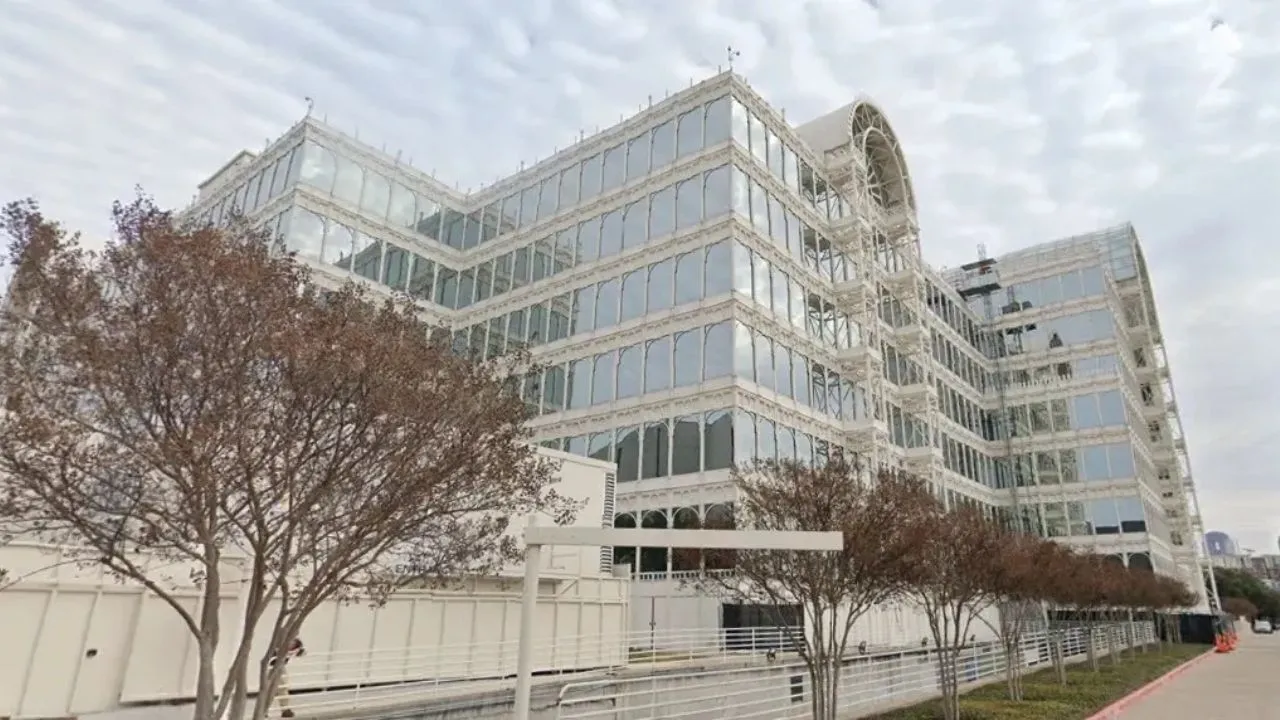
Big Tech wants more data centers, but some Americans are asking why they should pay the price. With companies building massive facilities to power artificial intelligence, concerns are growing over farmland, water supply, and the cost of electricity.
A Facebook post questioning the sudden rush to build these facilities has sparked a heated discussion. Its author argues that corporations are moving ahead while the public gets too little say about what happens to local land and resources.
Some commenters are willing to give up faster internet speeds to protect their communities. Others think the complaints miss an important point: data centers already run much of the internet people use every day.
But the debate raises a bigger question. If AI companies stand to make billions from these new facilities, who should cover the cost of the electricity, infrastructure, and resources needed to keep them running?
Who’s Really Benefiting?
Embedded media follows; please allow a moment to load.
One commenter said they would gladly accept slower internet and downloads in exchange for farmland, clean water, and lower electricity prices.
One commenter asked why these buildings are being placed so close to population centers. Several others wanted to know why the country needs so many of them in the first place.
Not everyone agreed with the complaints. Some pointed out that social media, smartphones, and online services all depend on data centers.
That much is true. These buildings house computers that store information and keep websites running. They are not a new invention, although the growth of AI is adding much greater demand.
The Power Problem
The numbers help explain why this debate is getting louder.
According to the International Energy Agency, data centers used about 485 terawatt-hours of electricity worldwide in 2025. That amount could reach 950 by 2030.
In America, the increase could be even harder to ignore.
A 2026 report from Lawrence Berkeley National Laboratory projects that data centers could consume between 9.5% and 15.3% of the nation’s electricity by 2030.
Keeping all those computers running requires power plants, electric lines, and other equipment. Building that infrastructure costs money.
And while the companies need reliable electricity, nearby residents have reason to ask whether any of those extra costs will end up on their monthly bills.
Higher data center demand does not automatically mean higher household rates. Local utility rules and how new projects are funded determine who pays.
What About Water?
Electricity is only part of the concern.
Some data centers use water to cool their computers. Others use air cooling or different systems that need less water on-site.
The Environmental Law Institute cites research estimating that American data centers directly consumed about 17.4 billion gallons of water in 2023.
Those demands can become a concern in places where water is already scarce.
Large construction projects can also take up land that might otherwise remain farmland or natural habitat. How much harm they cause depends on the site and the plans for construction.
For people living nearby, promises about jobs and new technology may not settle those concerns.
Who Gets a Say?
The Facebook discussion also showed how divided people are over the issue.
Some commenters demanded answers about why the facilities are necessary. Others mocked the concerns, pointing out that people questioning data centers were using the internet to do it.
But using a service does not mean people must accept every cost tied to expanding it.
Data centers can bring tax revenue, construction work, and permanent jobs. They also support businesses and services that millions of Americans rely on.
Whether those benefits outweigh the local costs is something each community must consider.
Residents can ask developers and local officials to explain how much electricity and water a project will need, what land will be affected, and who will fund any required upgrades.
With global data center electricity use projected to nearly double between 2025 and 2030, those questions are becoming harder to ignore.