Insurance Agents Say These 12 Claims Are Rising — And Costing Homeowners Big
For years, home insurance has been one of those quiet necessities, something you pay for, rarely think about, and hope you never need. Yet lately, insurance agents are seeing a shift toward certain types of claims once considered occasional or even rare. Moreover, the impact isn’t limited to the homeowners filing them.
Rising claims are one of the key reasons premiums are climbing across the board, even for people who’ve never filed a claim.
In other words, you don’t have to make a mistake to pay for one. Industry data shows that everything from extreme weather to everyday maintenance issues is driving a surge in payouts.
As costs rise, insurers are passing that risk back to homeowners, often in the form of higher premiums, reduced coverage, or stricter policy terms. We’ve identified the most common claims insurance agents say are increasing, examining why they’re becoming so expensive.
1. Water Damage from Leaks and Burst Pipes
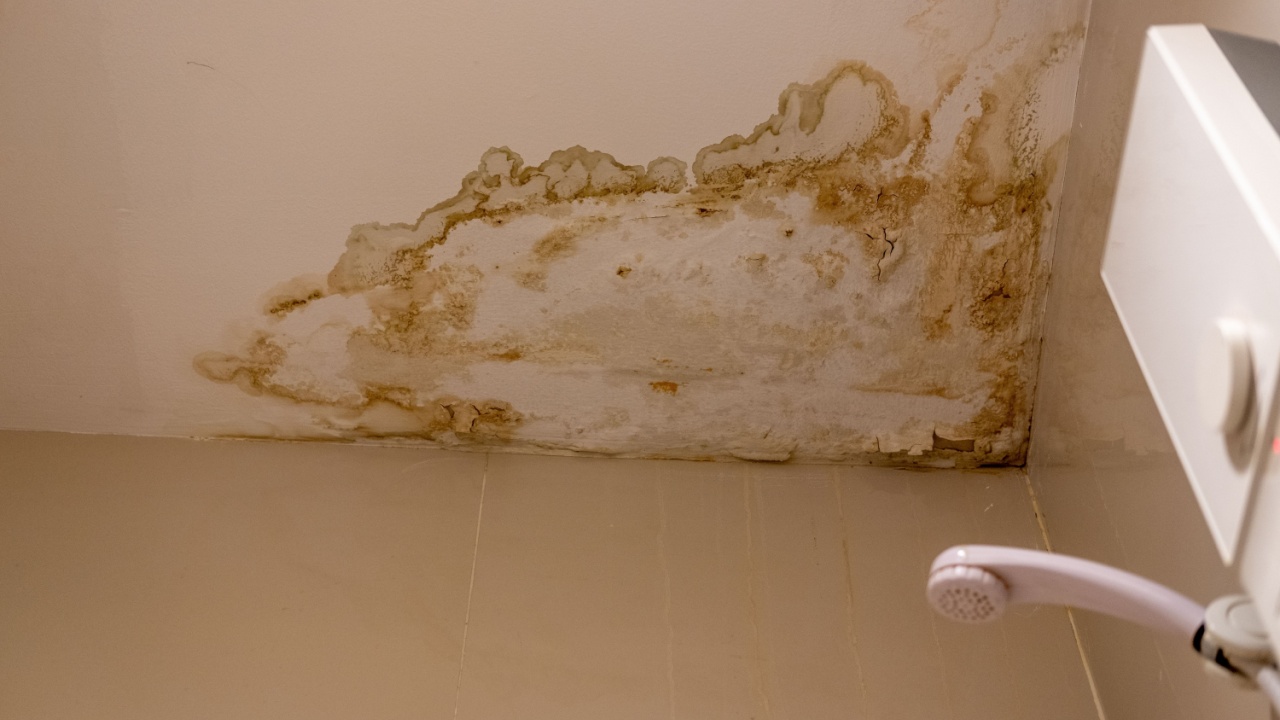
It’s one of the most common claims, and one of the most expensive is domestic water damage, which can even come from neighbors if you live beneath their apartment.
“Every year, approximately 1 in 60 insured homes files a property damage claim caused by water damage or freezing,” writes Robby Brumberg of Consumer Affairs. Small leaks, aging pipes, and sudden bursts can all lead to major repairs, especially if the damage goes unnoticed. What starts as a minor issue can quickly escalate into thousands in restoration costs.
According to Stock Titan, Mercury Insurance reports that up to 30% of roof leak claims are reaching the $10,000 mark. Such claims from any homeowner are only going to push those monthly premiums even higher.
2. Roof Damage from Severe Weather
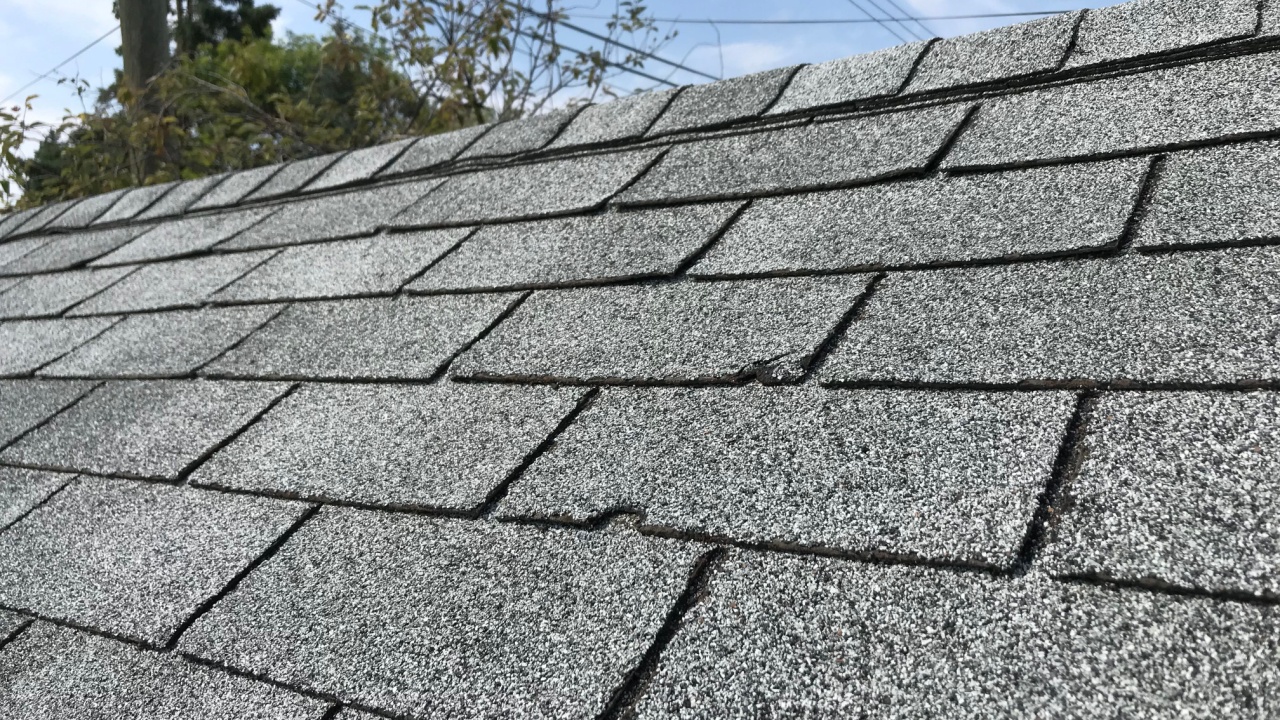
Storms are getting stronger, and roofs are taking the hit. The National Oceanic and Atmospheric Administration has reported a steady increase in billion-dollar weather disasters in recent years, many involving wind, hail, and heavy rain for homeowners, which translates directly into more frequent and more expensive roof claims.
A post from Climate Central, which continues tracking this data, confirms the trend. “During the first six months of 2025, there have been 14 separate billion-dollar weather and climate disasters in the U.S., costing $101.4 billion,” reads the “Billion-Dollar Disasters” database.
Even if you live in a storm-averse area, your insurer is likely absorbing losses from regions that don’t.
3. Flooding and Heavy Rain Events
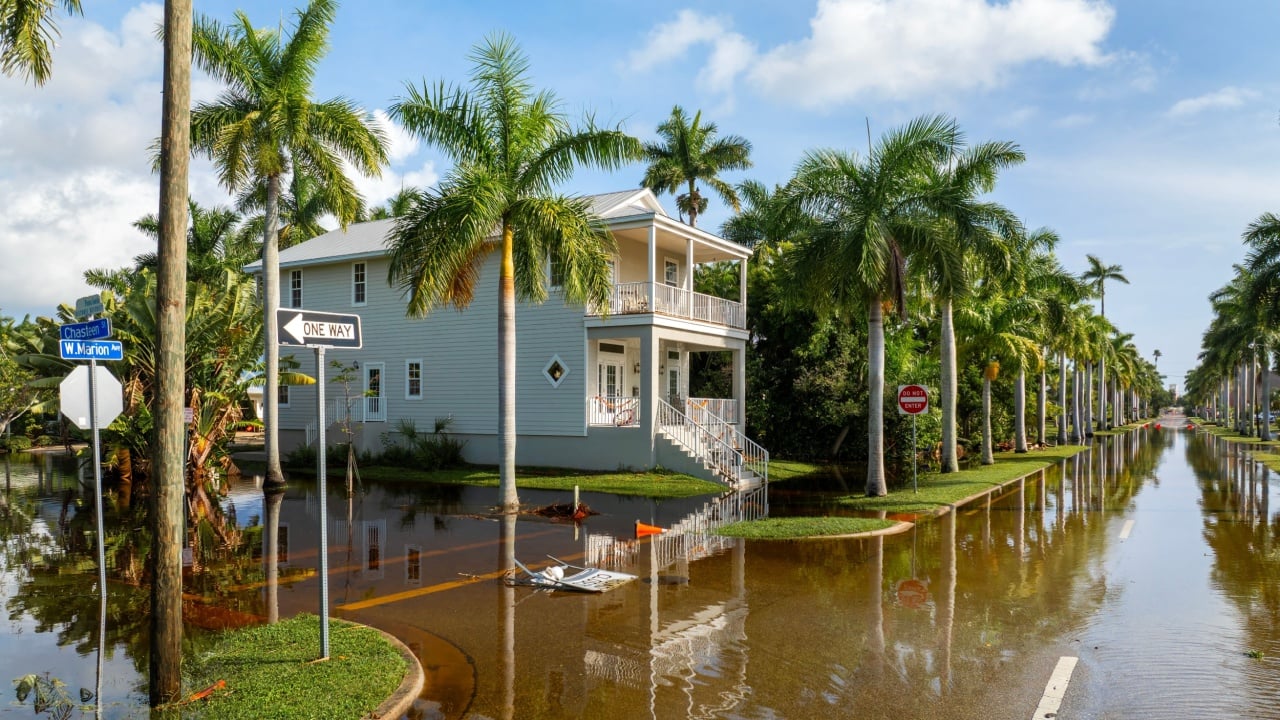
Flooding isn’t just a coastal problem anymore.
The memories of Hurricane Helene are still painful for many of North Carolina’s Appalachian residents, a storm felt as far inland as Asheville. Furthermore, more intense rainfall events are overwhelming drainage systems and seeping into homes that were never considered high-risk. Because standard policies often don’t cover flood damage, the financial hit can be even more severe.
Excess rainfall is now a national concern. Outside of the most arid regions, few homeowners are entirely insulated from the risk.
4. Fire and Electrical Issues
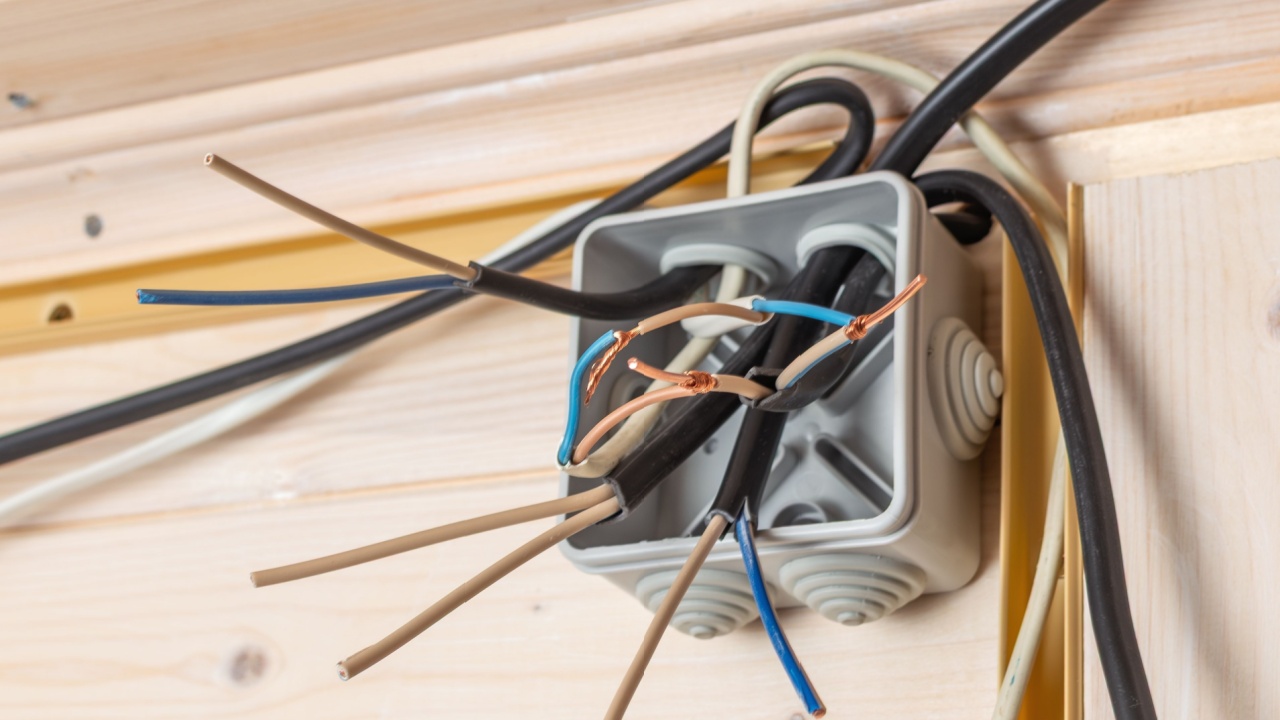
Fires remain one of the most devastating and costly types of claims. It takes very little time for a fire to cause lasting emotional and financial damage.
Even a relatively small fire can result in extensive structural damage, smoke contamination, and long-term repair costs.
Data from the National Fire Protection Association (NFPA) shows that electrical failures and cooking equipment are among the leading causes of residential fires. Electrical issues, in particular, can occur overnight while residents are asleep, compounding the danger.
5. Liability Claims from Injuries on Your Property

All it takes is one accident. Slip-and-fall incidents, dog bites, and other injuries can quickly turn into liability claims, sometimes involving legal costs as well as medical bills. These cases are becoming more common and significantly more expensive, and worse still, embarrassing.
“There is ‘social inflation,’ which is a combination of legal and behavioral trends that make claims more complex and expensive to manage across the industry,” explains Gosha Olszewski, Vice President at Gallagher. This trend includes more aggressive litigation and a shift toward larger jury awards for personal injury cases.
6. Theft and Package Piracy

Anyone with a phone knows that stealing delivery packages is the scourge of neighborhoods across the United States.
Online shopping has created a new niche theft method, even carried out by the delivery drivers themselves. If you don’t believe that, check out this New York Post video where a driver was caught red-handed. Package theft has become a widespread issue, fueled by the rise in online shopping. As more deliveries arrive daily, theft, particularly from doorsteps, is on the rise.
While individual losses may seem small, repeated incidents can add up, and larger theft claims are becoming more frequent.
7. Mold Damage
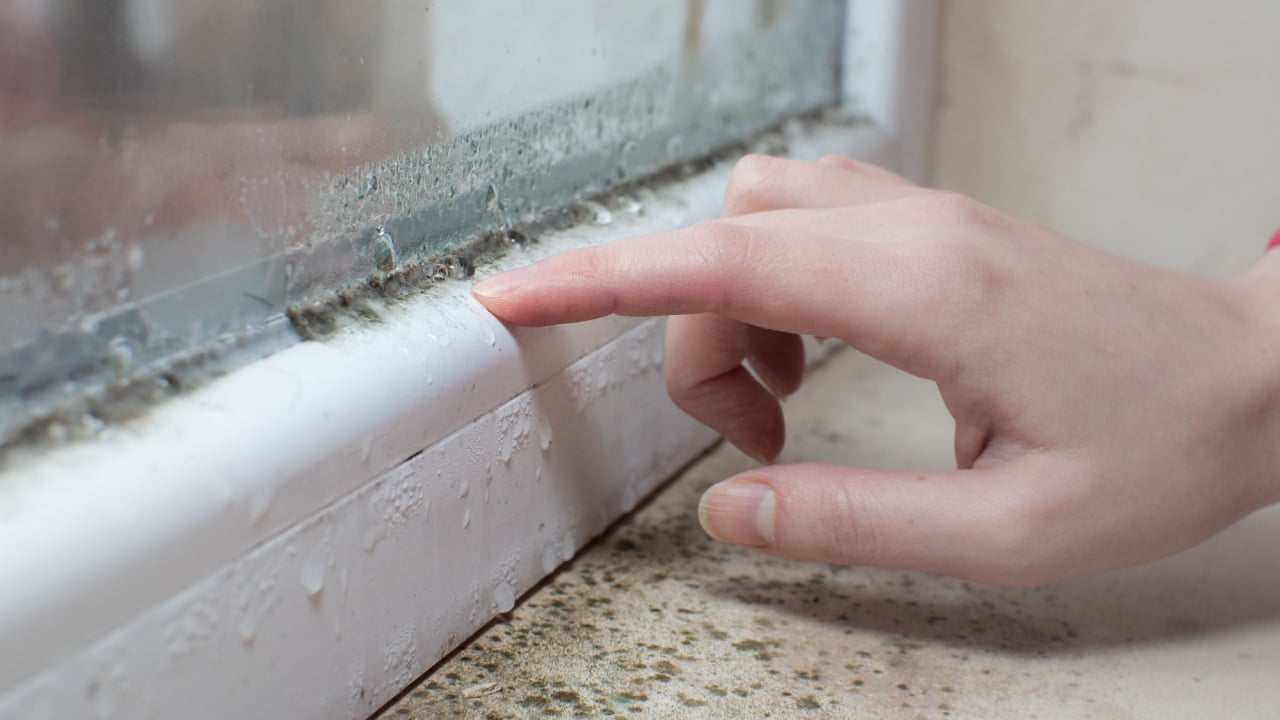
There are a few red flags as bold as finding mold in a property. Mold is often the result of something else, usually water damage.
Once it takes hold, it can be costly to remove, and it causes several health complications. Further, remediation often involves tearing out walls, flooring, or insulation, making it one of the more disruptive (and expensive) claims homeowners face.
California Department of Public Health (CDPH) lists the ways you can combat mold in a property, chasing any premium-bashing claims away. What’s clear is that attacking it early is the only pathway to victory.
8. Sewer Backups and Drain Issues
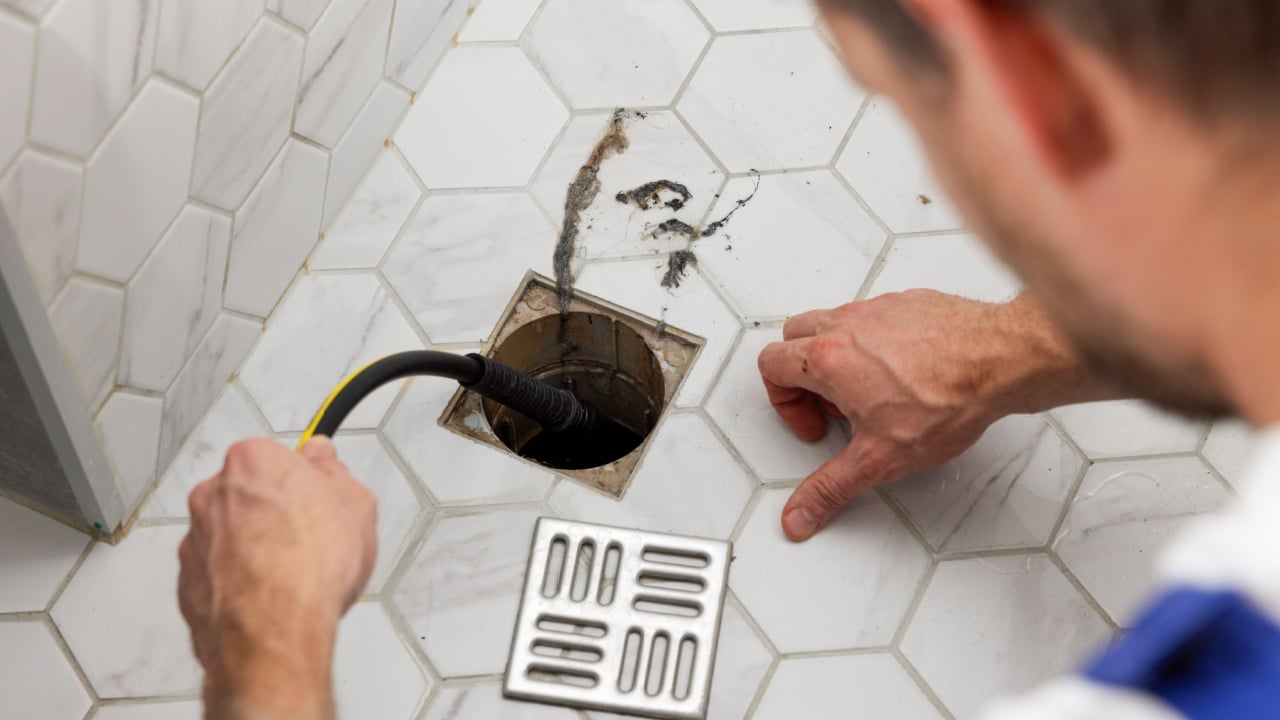
“In New York, as of 2022, nearly 40% of the state’s 35,000 miles of sewers are more than 60 years old, and about 10% were built before 1925,” reads an Openly article.
Aging infrastructure, heavy rainfall, and blocked pipes are contributing to more sewer backup claims. Cleanup and repairs can be extensive, especially when wastewater enters living spaces.
9. Foundation Cracks and Structural Damage
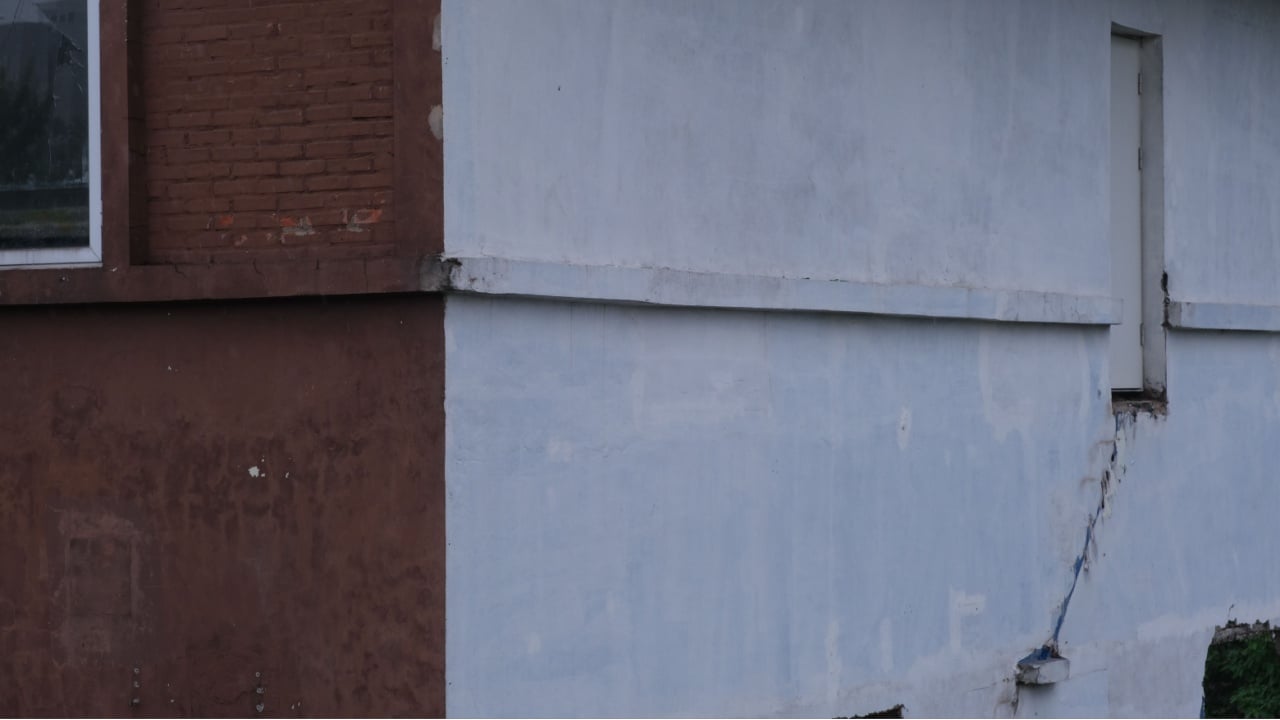
Shifting soil, extreme weather, and poor drainage are putting increasing stress on home foundations. These issues can develop slowly, but once they reach the point of a claim, repairs are often complex and costly, sometimes involving major structural work.
“It’s an eerie creaking sound,” Nashvillian homeowner Steven Derse told The New York Times several years ago. “You lose your sense of security. You love your home, and then it literally turns on you.”
Add to this scenario an insurance claim and subsequent premium spikes, and have the perfect problem.
10. Wildfire Damage
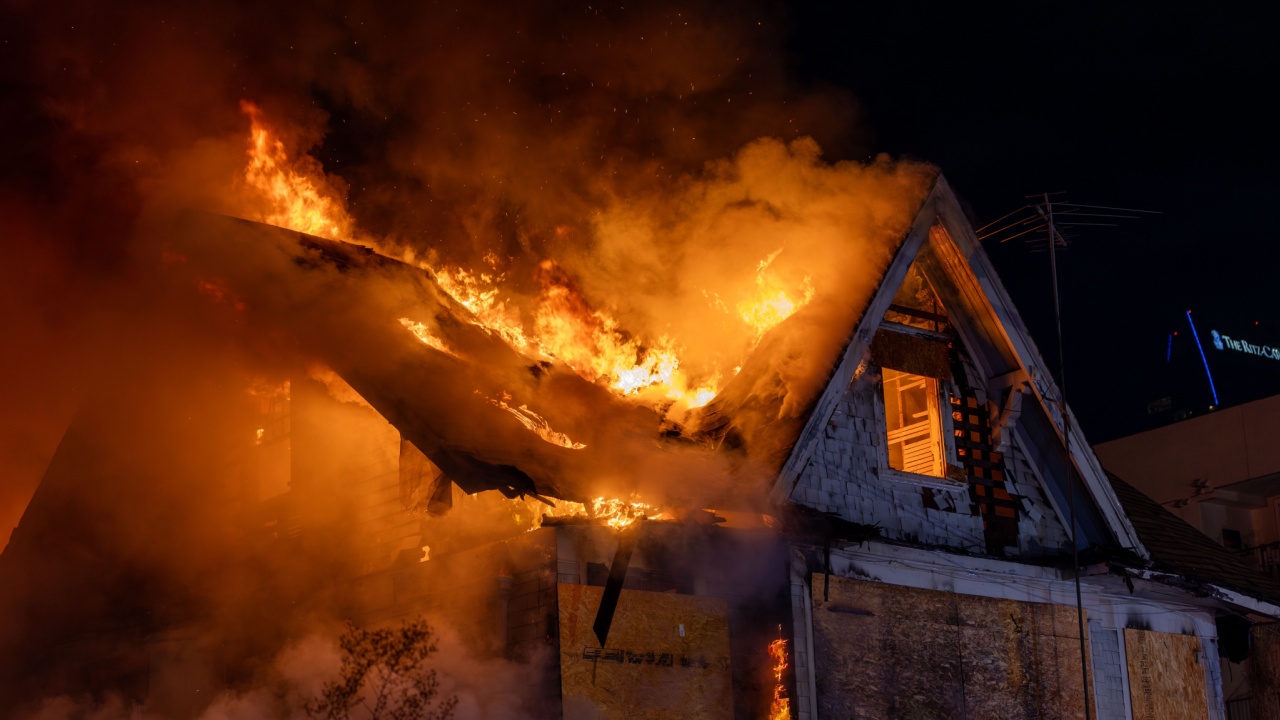
In certain regions, wildfire risk has surged dramatically. States like California, Hawaii, and Texas have all felt the impact in recent years. Wildfires don’t just destroy property; they erase irreplaceable belongings and family history.
“In 2025, the U.S. suffered a billion-dollar disaster every 10 days,” notes a PreventionWeb report. As a result, insurers are paying out more than ever for fire-related claims and in some cases, pulling back coverage altogether. Even homeowners far from traditional wildfire zones are feeling the impact through rising premiums.
11. Hail Damage
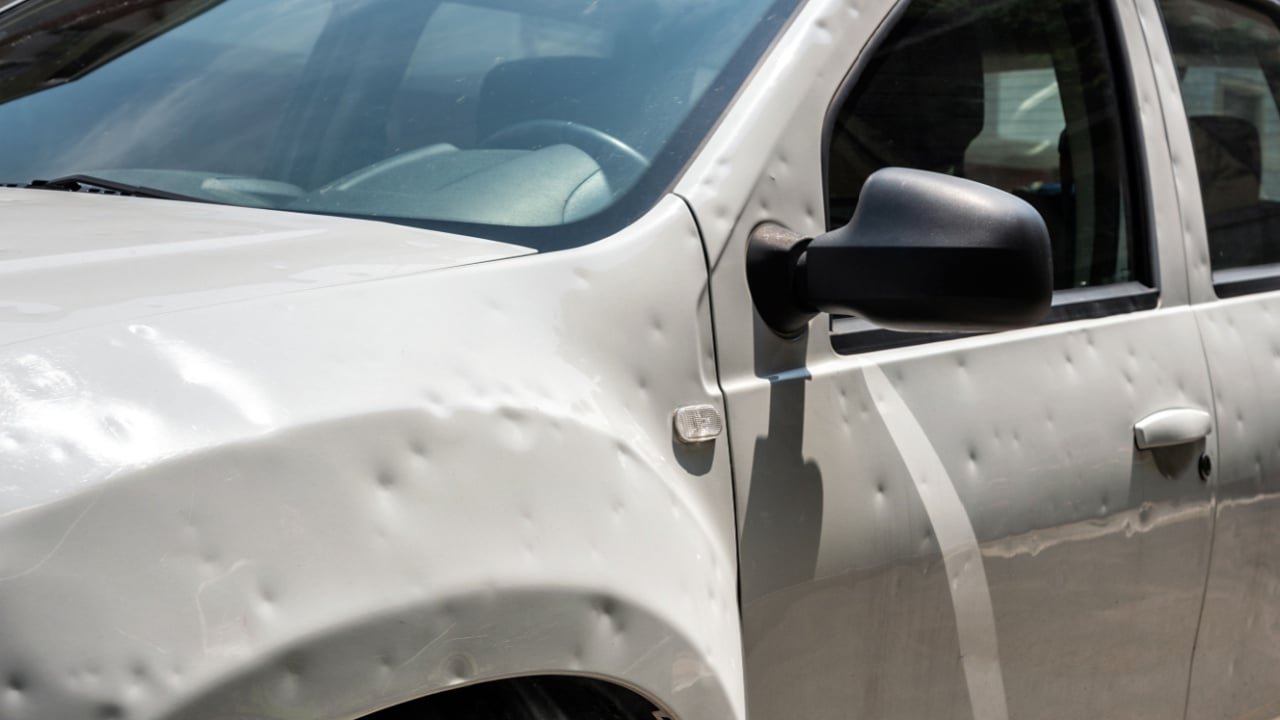
Hailstorms are causing more damage and more claims than many homeowners expect. Yet, to most citizens, hailstorms are a mere side effect of meteorological conditions; for others, they are like having an avalanche of deadly golf balls dropped from above.
To illustrate this phenomenon, a Facebook Post from the Weather Channel shows the deadly cost. Roofs, siding, windows, and even vehicles can be affected. Because hail damage isn’t always immediately visible, it can worsen over time, increasing repair costs.
“Some states get hit far more often than others, and some experience bigger, costlier hail events that drive up insurance rates,” state YPA Public Adjusters. “Texas, Colorado, and Nebraska are among the most affected.”
12. “Wear and Tear” Disputes
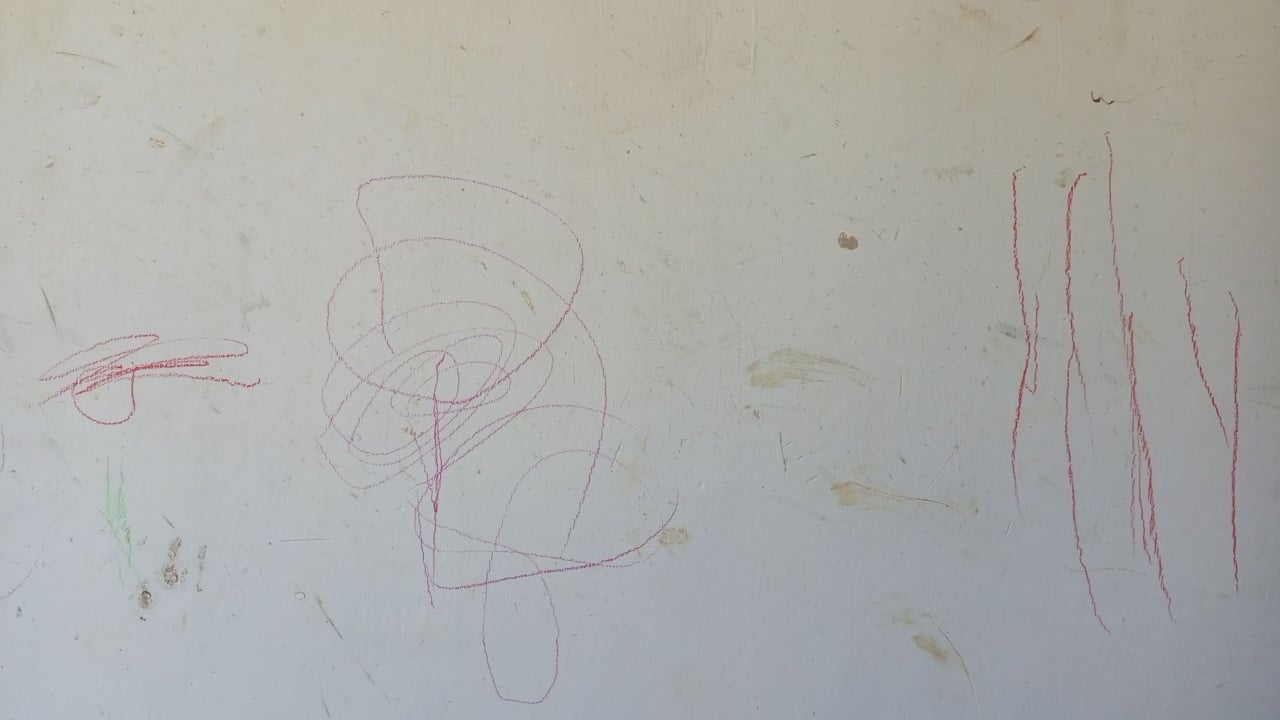
Not every claim is straightforward. One growing issue is disputes over what counts as sudden damage versus long-term wear and tear. While normal wear, like scratched walls or aging fixtures, is expected, insurers may deny claims they consider preventable maintenance issues, leaving homeowners to cover the full cost themselves.
For homeowners renting out to tenants, it becomes complicated trying to determine what counts as wear and tear and what counts as negligent damage. A broken window isn’t a natural occurrence: a crayon-scribbled wall might be.