Is That Fixer-Upper a Trap? Here’s the 6 Telltale Signs
Purchasing an older home often looks completely rewarding on television shows. People see a rough exterior and instantly imagine a beautiful transformation. Renovating a worn-down property involves significant financial risks. Hidden damages quickly drain your bank account before you even buy paint.
Many buyers ignore severe structural flaws because they fall in love with original hardwood floors or vintage trim. Cosmetic charm easily hides dangerous underlying conditions from an untrained eye. You must look past the attractive surface details to spot expensive problems lurking within the walls. Protecting your investment requires careful observation during your initial walkthrough.
A proper inspection often reveals massive issues costing tens of thousands of dollars to fix. Sometimes a cheap property sits on the market because multiple contractors have walked away from the job. Repairing a severely neglected building demands intense physical labor and massive financial resources (and probably isn’t as great as you imagine in your dreams0. Knowing the exact red flags saves buyers from acquiring a total disaster.
This guide outlines the most common warnings that hide in distressed properties. We detail exactly which physical defects usually require major structural or mechanical repairs. You will learn to spot dangerous materials and failing systems before making an offer. Review these six warning signs carefully to protect your hard-earned money.
1. Major Foundation Cracks and Uneven Floors
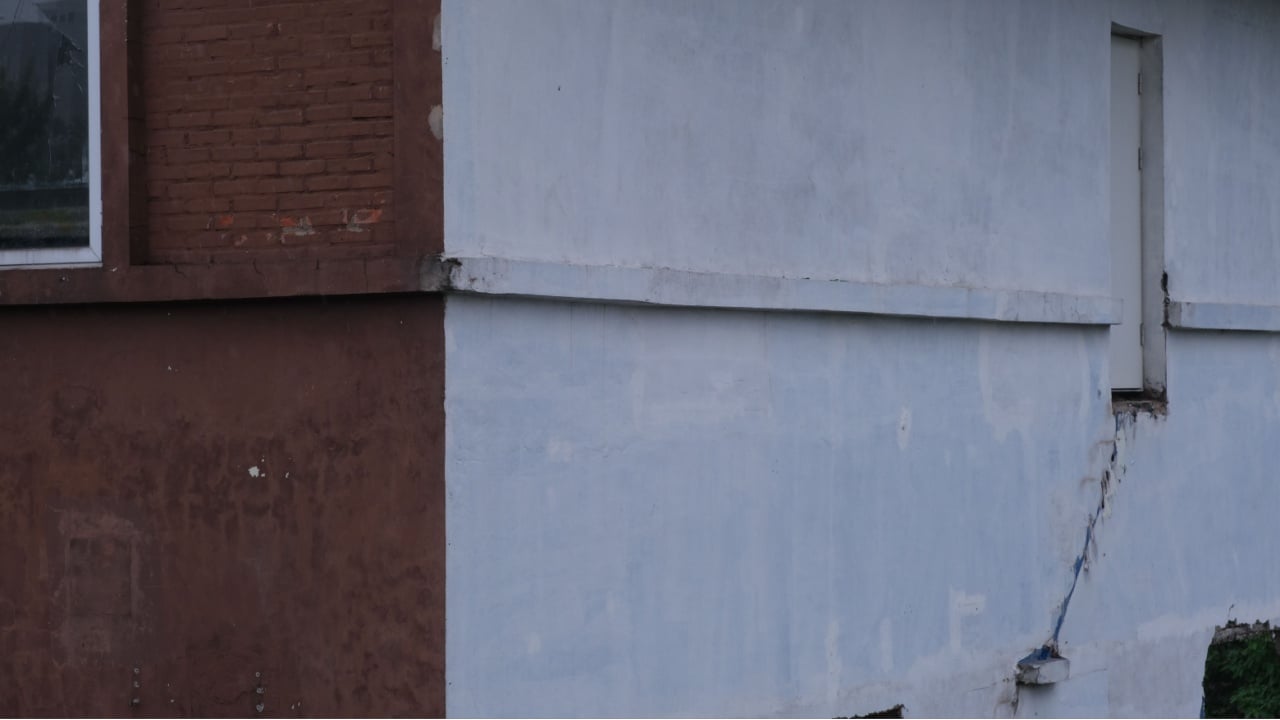
A severely cracked foundation creates massive instability throughout the entire structure. Wide cracks in the basement walls indicate shifting soil beneath the footings.
Doors that stick frequently or windows refusing to open often point straight back to foundation movement. Repairs to a compromised concrete base usually cost thousands of dollars and require heavy machinery.
Buyers should examine the exterior brickwork for staircase-shaped cracks traveling up the walls. Hire a structural engineer immediately if you spot large gaps near the corners of the building. Correcting a settled house demands specialized hydraulic equipment and extensive excavation work. Skipping a thorough foundation assessment leaves you vulnerable to massive, unexpected repair bills.
2. Outdated and Dangerous Electrical Systems
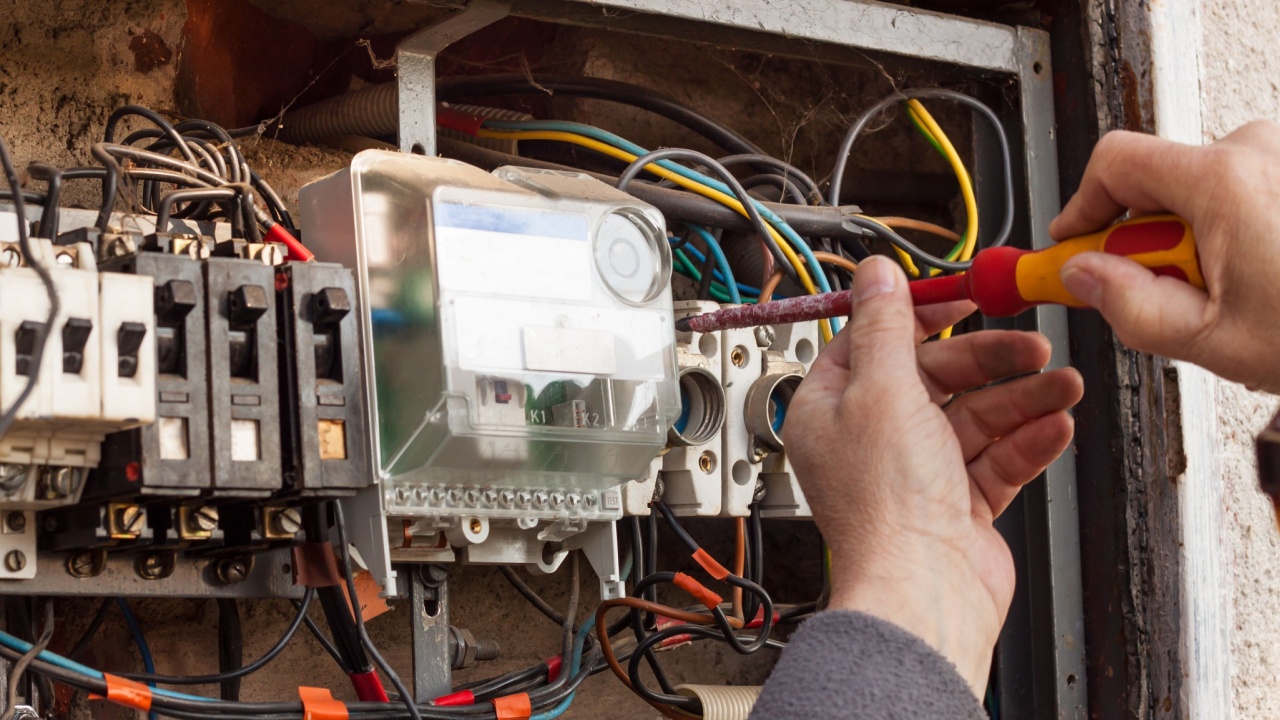
Vintage houses frequently contain obsolete wiring methods completely unsuited for modern appliances. Old knob-and-tube electrical layouts present extreme fire hazards inside enclosed wall spaces.
Flickering lights or ungrounded two-prong outlets often reveal a severely neglected electrical grid. Replacing an entire electrical panel and running new wire requires pulling down large sections of drywall.
You should ask a licensed electrician to evaluate the main breaker box during your inspection period. Upgrades to the service capacity usually involve pulling new lines directly from the street. Many insurance companies refuse to write policies for properties containing dangerous electrical panels.
3. Corroded Plumbing and Severe Water Damage
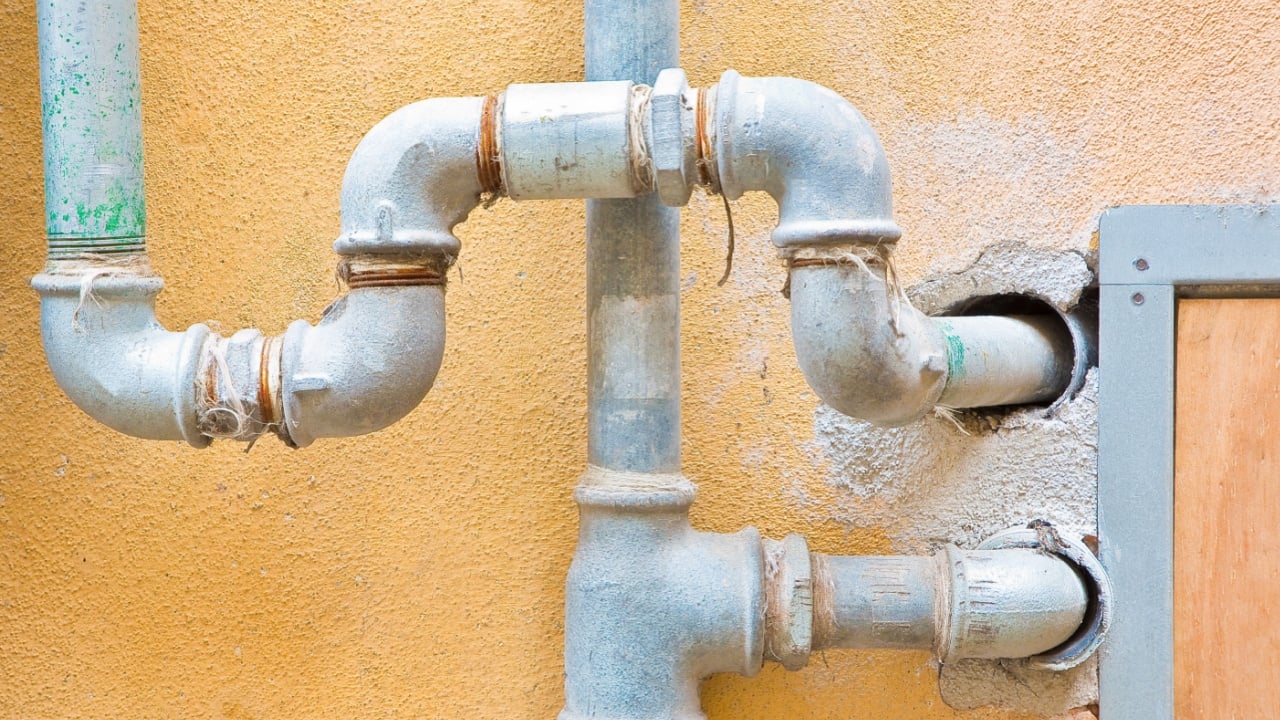
Rusty pipes and extremely low water pressure strongly indicate a failing plumbing infrastructure. Musty odors trapped inside cabinets usually indicate active leaks that continually destroy surrounding materials.
Brown stains spreading across ceilings suggest overflowing fixtures or badly degraded supply lines hidden above. Ripping out rotten floors to replace broken sewer lines severely delays your moving schedule.
Bring a powerful flashlight to inspect the exposed pipes inside the basement or crawlspace. You must identify any galvanized steel pipes actively corroding underneath the main bathrooms. Replacement of a collapsed main sewer line often destroys front-yard landscaping and concrete driveways. Ignoring slow drains during your initial walkthrough frequently leads to raw sewage backing up later.
4. Extensive Wood Destroying Pest Infestations
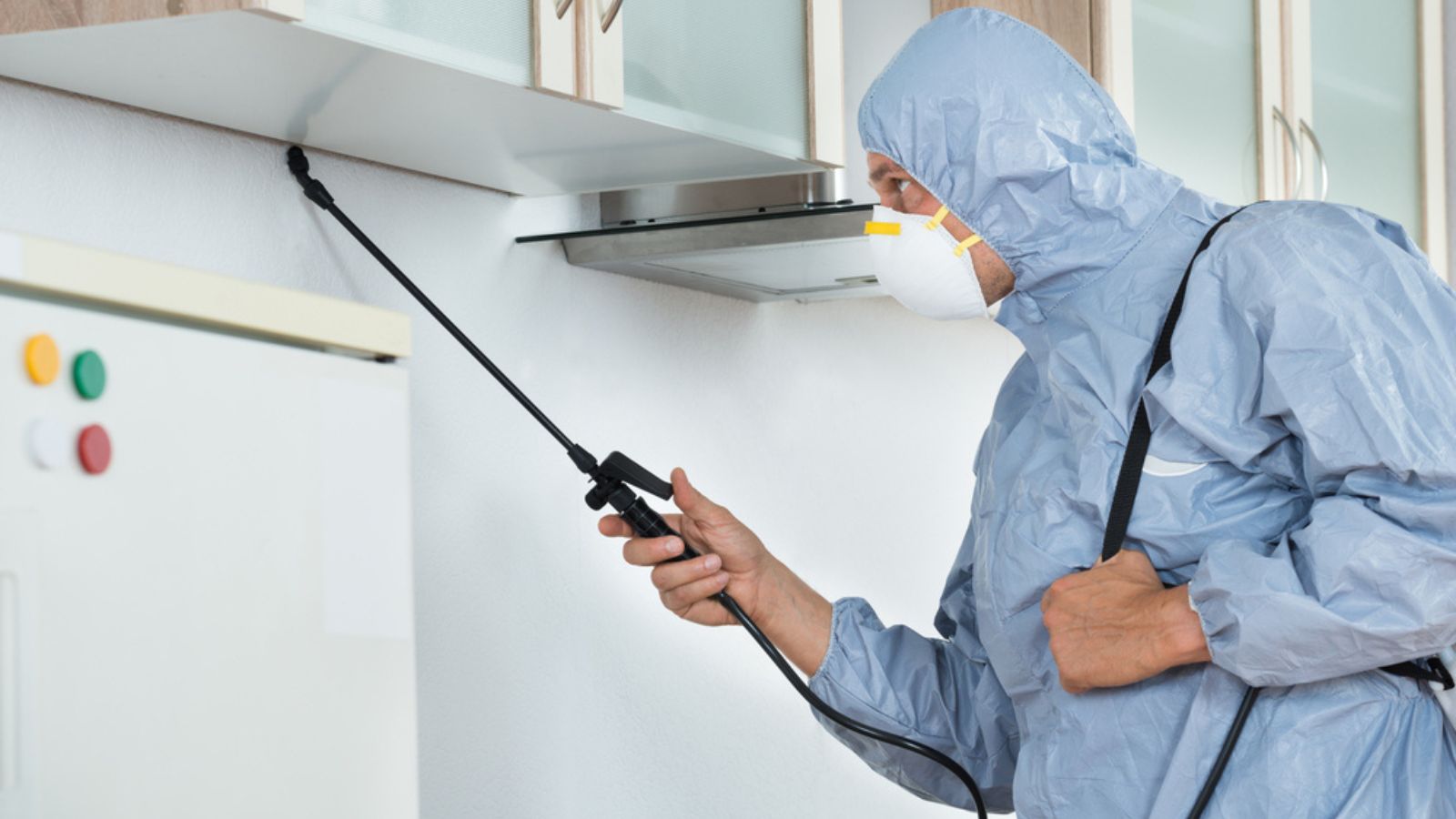
Termites and powderpost beetles quietly devour structural supports while remaining completely hidden from view. Small piles of discarded wings near window sills indicate an active swarm recently entered the building.
Hollow-sounding wood trim often indicates that insects have completely eaten the interior framing studs. Repairs for extensive insect damage require removing multiple layers of building materials to assess the extent of the loss.
Professional pest control experts need to perform a specialized evaluation before you sign any paperwork. Extermination of an active colony often involves tenting the entire property with toxic gas for several days.
Rebuilding chewed floor joists requires lifting the house slightly to slide in new timber. A massive infestation easily destroys your renovation budget within the first few weeks of ownership.
5. Toxic Asbestos Materials and Lead Paint
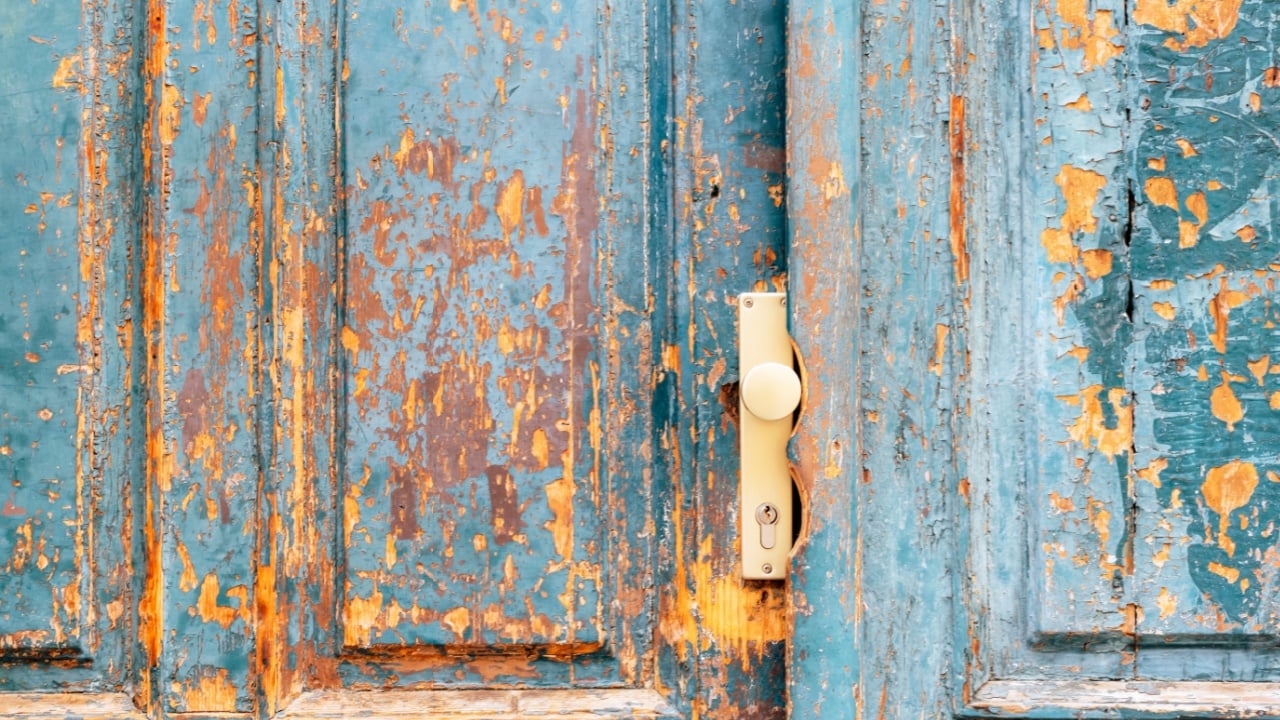
Houses built several decades ago heavily relied on extremely hazardous building materials for insulation and paint. Disturbing old floor tiles or pipe wrapping often releases dangerous microscopic asbestos fibers into the air.
Peeling paint layers on exterior siding frequently contain high levels of toxic lead. Inhaling these airborne contaminants causes severe long-term health problems for anyone working inside the building.
Specialized abatement crews must handle the removal of these dangerous substances in accordance with strict safety protocols. These certified professionals charge premium rates to safely seal and dispose of contaminated debris.
Regular contractors refuse to work on jobs involving heavy metals or hazardous fibers without prior abatement. Discovering these materials halfway through a demolition project halts all progress until they are resolved.
6. Sagging Ceilings and Sloping Upper Floors

A visually bowed ceiling strongly suggests the roof framing lacks proper support beams. Sloping upper levels often happen when amateur carpenters improperly remove load-bearing walls on the ground floor.
Noticeable dips in the center of a room indicate that the floor joists are actively failing under load. Corrections for these massive structural failures require significant engineering plans and temporary support columns.
Walk across every room slowly to feel for soft spots or drastic changes in elevation. Stand completely still and drop a marble to see if it rapidly rolls toward the center.
Rebuilding the structural skeleton requires stripping the house entirely down to the wooden studs. Taking on a property with a failing roof requires an incredibly large contingency fund.
Protect Your Renovation Budget From Disaster

Spotting these severe warning signs prevents buyers from pouring money into a failing structure. Every renovation project uncovers a few surprises hidden behind walls or underneath old carpets.
Early identification of massive structural failures keeps you from signing a bad contract. A thorough professional inspection always provides the best defense against catastrophic repair bills.
Keep your emotions entirely separate from the financial realities of rebuilding a distressed property. Walking away from a terribly damaged house remains the smartest financial decision you can make.
Read More:
14 Home Renovations That Are Better Left to the Professionals