Want Sharper Kitchen Knives? Quit Making These Mistakes
Before a knife ever loses its edge, it usually picks up a few bad habits. Hard surfaces, rushed cleaning, careless storage. Small mistakes stack up fast, and sharp blades quietly turn dull and stubborn.
Most knife damage comes from daily routines that slip under the radar. A few practical changes can protect blades, improve safety, and make food prep easier in any home kitchen.
1. Stop Cutting on Hard Surfaces

Glass, granite, marble, and ceramic boards grind knife edges down with every cut. These surfaces do not give at all, so the thin edge takes the full impact each time it meets the board. Even light slicing slowly bends and blunts the blade, which leads to frequent sharpening and a shorter knife lifespan.
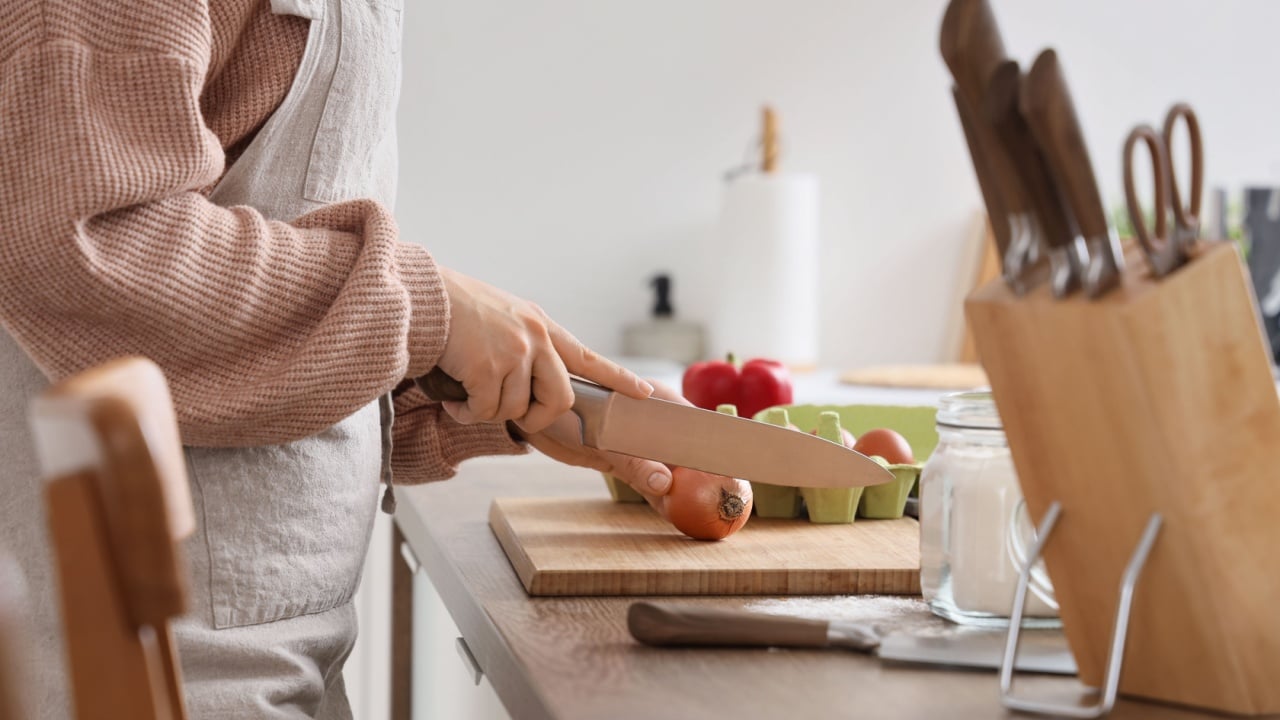
Wood and rubber boards offer a bit of cushion, reducing stress on the edge and keeping knives sharper longer. For everyday cooking, a dedicated wooden board makes a noticeable difference.
2. Keep Knives Out of the Dishwasher

Dishwashers are rough on knives. High heat, strong detergent, and rattling racks dull edges and damage handles. Moisture trapped during the drying cycle can leave spots or trigger rust, even on stainless steel.
A single wash can undo careful use. Hand washing keeps blades stable and clean without exposing them to harsh conditions.
3. Store Knives So They Don’t Clash

Loose drawers are a common reason knives lose their edge early. When blades slide into each other or hit drawer walls, tiny chips and bends form along the edge.
Safe storage keeps knives separated and prevents accidental cuts when reaching in. Magnetic strips, blade guards, or in-drawer trays protect both the knife and the user.
4. Use a Honing Rod the Right Way

Honing rods straighten an edge that has folded slightly during regular use. They do not remove much metal, which makes them useful for routine maintenance. Used gently and often, honing keeps knives cutting cleanly and delays full sharpening. Heavy pressure defeats the purpose and can damage the edge.
5. Sharpen on a Sensible Schedule

Waiting until a knife barely cuts leads to aggressive sharpening, which removes more steel than needed.
Regular sharpening keeps the edge healthy with fewer passes and less wear. For most home cooks, one or two sharpening sessions a year is enough when honing and proper use are part of the routine.
6. Match the Knife to the Job

Knives are not built for every task. Twisting a blade through bones, prying lids, or cutting frozen food stresses the edge and can cause chips.
Using the right knife for the right job protects the blade and keeps cuts clean. Chef’s knives handle slicing and chopping, not heavy force.
7. Wipe During Prep, Not After

Acidic ingredients can stain or pit blades if residue sits too long. Sticky buildup also increases friction, which dulls edges during cutting.
Wiping the blade during prep keeps it clean and reduces drag, especially when moving between ingredients.
Keeping Knives Sharp for the Long Run

Sharp knives rely on steady habits rather than special tools or drastic fixes. Gentle cutting surfaces, calm cleaning, safe storage, and light maintenance keep blades in good shape year after year.
Review the cutting board, storage setup, and washing routine first. Once those basics are handled, sharpening becomes easier, less frequent, and far less frustrating.