Drowning Your Plants with Love? Try These 14 Houseplants That Will Thrive Anyways
You found the perfect decorative pot, a real statement piece. The only problem is that it has no drainage hole. A lesser plant parent might sigh and put it back on the shelf, defeated. But you won’t, because if you didn’t know that some plants are just built differently, this is your eureka moment.
Growing plants in containers without drainage holes is a fantastic way to protect your furniture from water stains and expand your decor options. It just requires choosing the right plant and a slightly different approach to watering.
Get ready to meet the botanical superstars that can handle life without an escape route for water. Your stylish, hole-free pots are about to meet their match.
1. Snake Plant
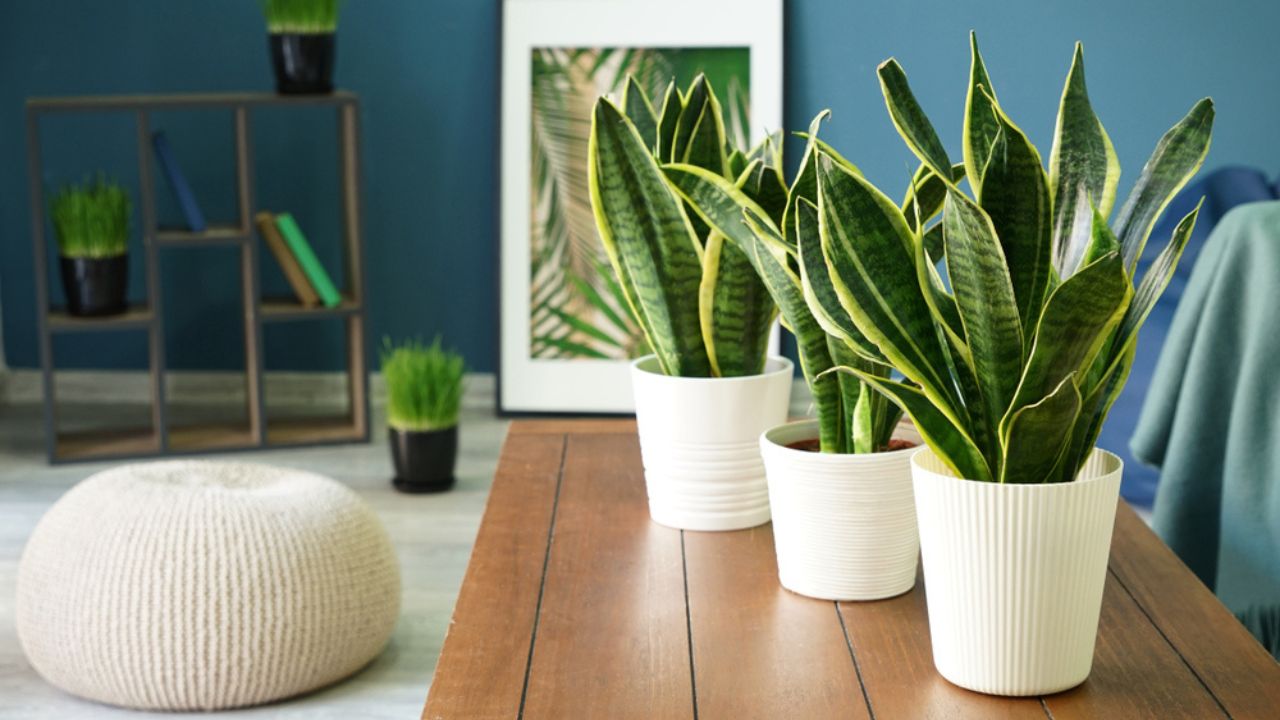
The Snake Plant is the definition of “tough love” in plant form. It’s so resilient, it practically thrives on neglect. The succulent-like leaves store water, making it incredibly drought-tolerant. This water-hoarding ability means it’s far less likely to succumb to root rot in a pot without drainage.
This plant is a master of adaptation, tolerating a wide range of light conditions, from bright, indirect sun to low-light corners. Its stiff, upright leaves add a sharp, modern accent to any room. When you do water, do it sparingly.
Quick Care Checklist:
- Watering: Infrequently; allow soil to dry out completely.
- Light: Prefers bright, indirect light but tolerates low light.
- Soil: Use a well-aerating mix, like one for cacti or succulents.
- Tip: If you see yellowing leaves, you’re probably watering too much. Just stop.
2. ZZ Plant
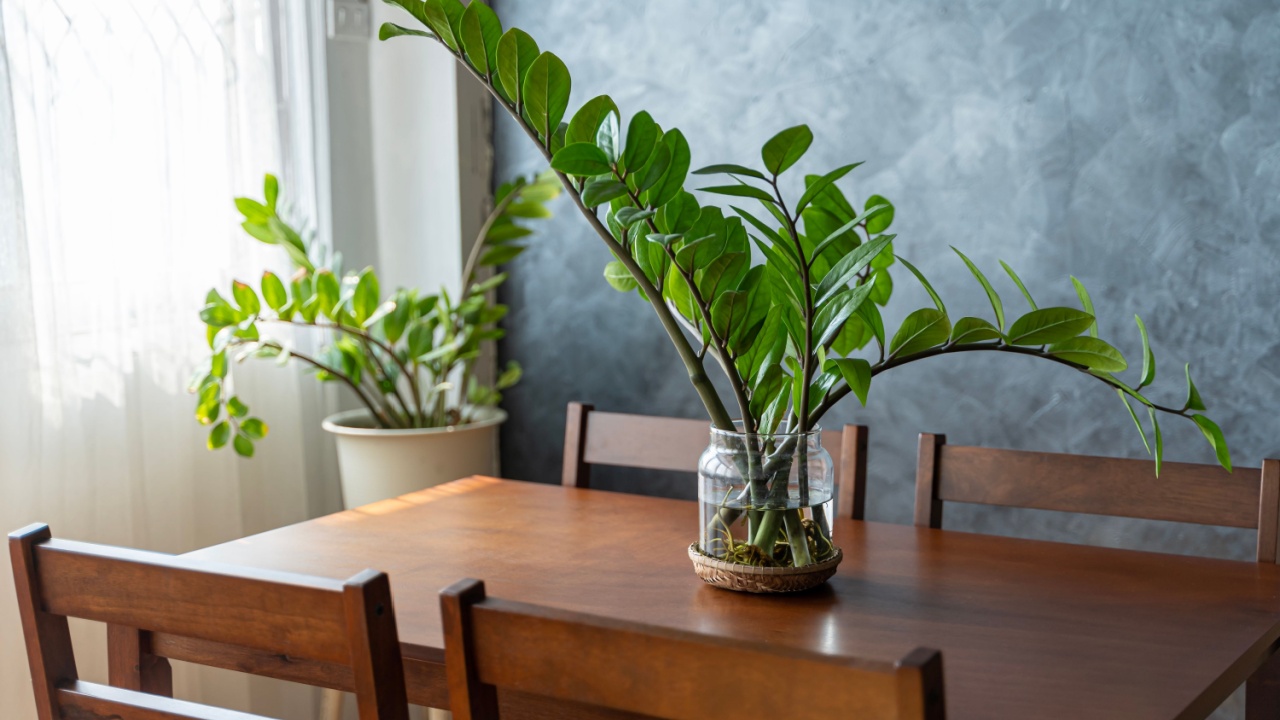
If the Snake Plant is tough, the ZZ Plant is a nearly indestructible houseplant. This plant has large, water-storing rhizomes (underground stems) that look like potatoes. These rhizomes allow the plant to survive long periods of drought, so a little extra moisture at the bottom of a sealed pot is less of a death sentence. It’s the ideal plant for beginners or anyone with a self-proclaimed “black thumb.”
With its glossy, dark green leaves, the ZZ Plant looks polished and elegant without demanding any real effort. It handles low light like a hiding bug, making it perfect for office cubicles or rooms with few windows. It would be better for you to forget about it for a month than water it weekly.
Quick Care Checklist:
- Watering: Very sparingly; wait for the soil to be bone dry.
- Light: Thrives in low to bright, indirect light. Avoid direct sun.
- Soil: A fast-draining potting mix is your best bet.
- Tip: Its slow growth means you won’t need to repot it for years.
3. Pothos
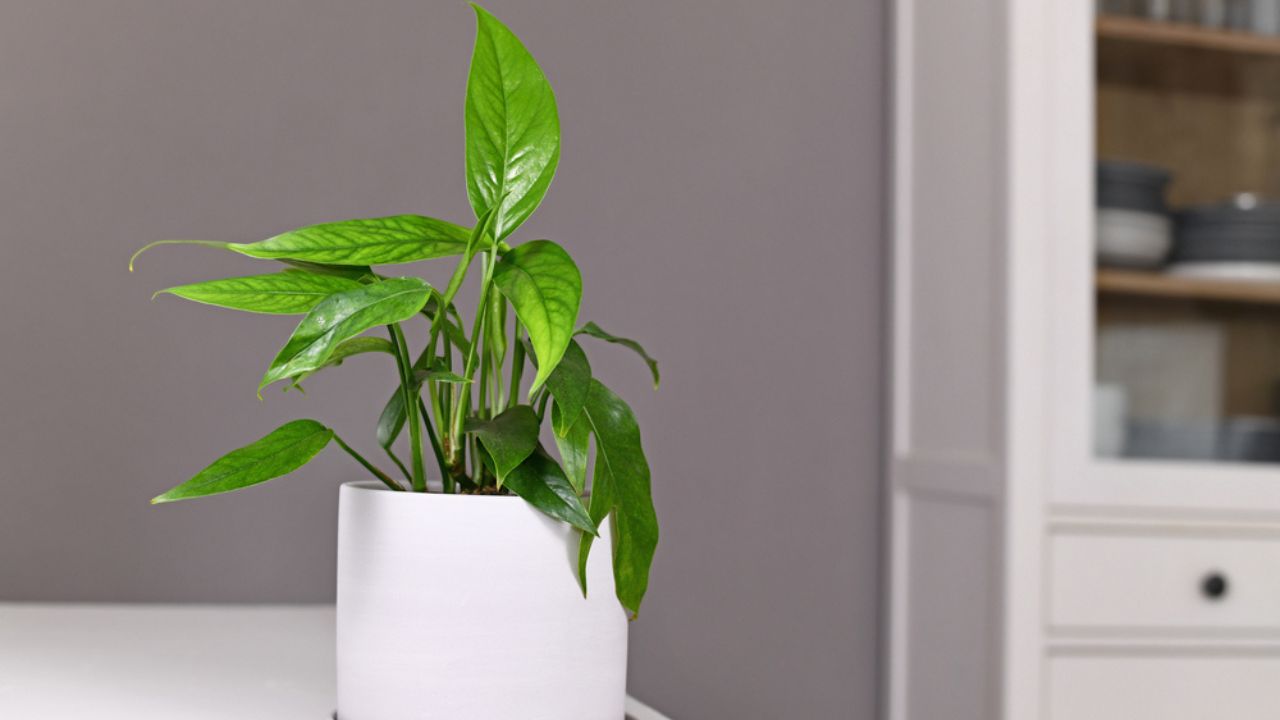
Pothos is the classic trailing plant you see everywhere for a reason: it’s incredibly forgiving. It can grow in soil or just a vase of water, which tells you everything you need to know about its tolerance for moisture. In a pot without drainage, Pothos is surprisingly adaptable. As long as you don’t leave it swimming in water, its roots are tough enough to handle the conditions.
Its heart-shaped leaves and vining nature make it perfect for hanging baskets or shelves where its foliage can cascade down. Pothos will even communicate with you; when it’s thirsty, its leaves will start to droop slightly. Give it a little water, and it will perk right back up.
Quick Care Checklist:
- Watering: When the top inch of soil is dry, or leaves start to wilt.
- Light: Prefers bright, indirect light but adapts to lower light levels.
- Soil: Standard, all-purpose potting soil works well.
- Tip: Trim the vines to encourage a fuller plant and use the cuttings to grow new ones.
4. Spider Plant

Spider Plants are famously resilient and known for their air-purifying qualities. They have thick, fleshy roots that store water and nutrients, which helps buffer them against inconsistent watering. While they don’t love sitting in soggy soil, their robust root system makes them more forgiving in a pot without drainage than many other houseplants.
These plants are famous for the “spiderettes” they produce, which are baby plants that dangle from the mother plant like spiders on a web. They look great in hanging containers and are incredibly easy to propagate. Just be mindful not to let water collect at the bottom of the pot, and your Spider Plant will continue to produce babies for you to share with friends.
Quick Care Checklist:
- Watering: Water thoroughly when the top 1-2 inches of soil feel dry.
- Light: Bright, indirect light is ideal.
- Soil: A general-purpose potting mix is sufficient.
- Tip: Brown tips on the leaves can be caused by minerals in tap water; try using distilled or filtered water.
5. Cast Iron Plant
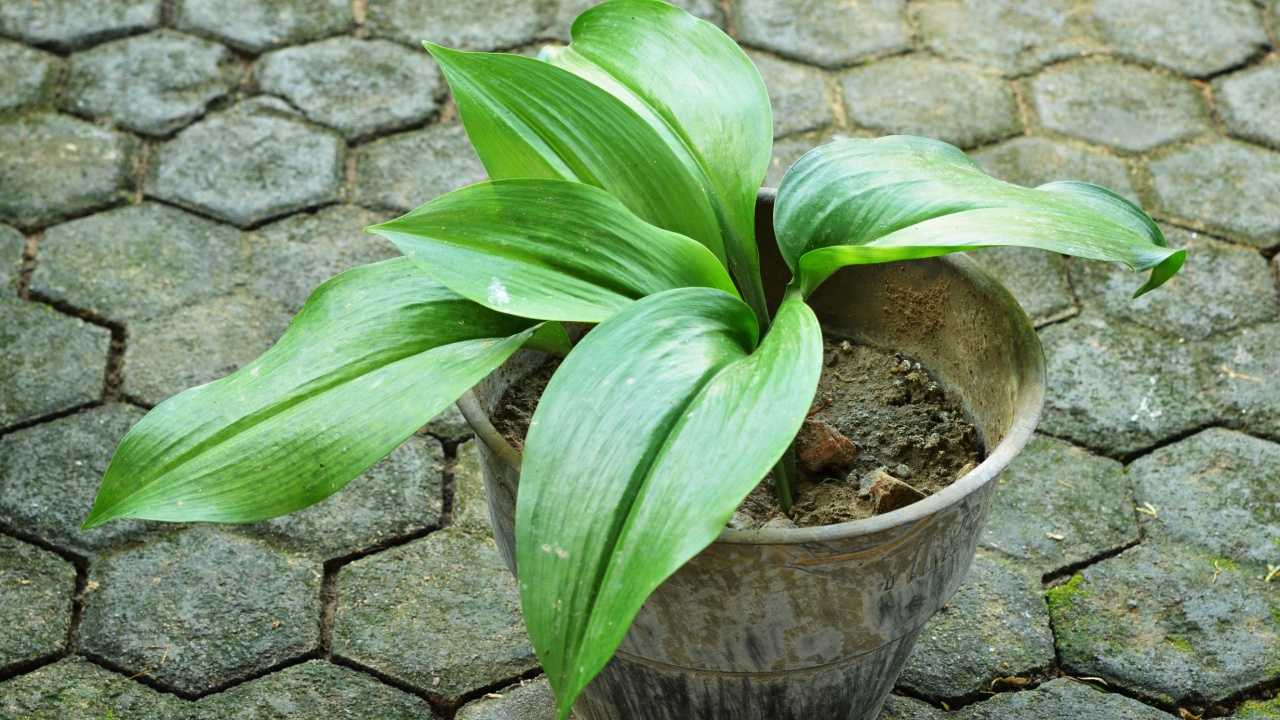
The name says it all. The Cast Iron Plant is tough as nails and can withstand conditions that would kill lesser plants: low light, infrequent watering, and temperature fluctuations. This hardiness extends to its roots, which are surprisingly tolerant of the moist environment in a no-drainage container. It’s the set-it-and-forget-it houseplant of your dreams.
With its long, elegant, dark green leaves, the Cast Iron Plant adds a touch of classic sophistication to any space. It’s a slow grower, so you can put it in a decorative pot and not worry about it for years. Just water it sparingly and wipe down its leaves occasionally to keep them dust-free and glossy.
Quick Care Checklist:
- Watering: Infrequently; allow the soil to dry out between waterings.
- Light: Prefers low light; direct sun will scorch its leaves.
- Soil: Any well-draining potting mix will do.
- Tip: This plant is an excellent choice for dark corners where nothing else seems to grow.
6. Chinese Evergreen

Chinese Evergreens are prized for their beautiful, patterned leaves and their ability to thrive in low-light conditions. They are also quite tolerant of moist soil, making them a solid choice for pots without drainage. As long as you avoid turning the soil into a swamp, this plant will be happy. Its roots are more resilient to wet conditions than many of its leafy peers.
This plant comes in a variety of colors, from deep green to silver and pink. It’s a relatively slow grower that maintains a nice, bushy shape. The Chinese Evergreen is a low-maintenance beauty that can brighten up a dim room without asking for much in return.
Quick Care Checklist:
- Watering: When the top 1-2 inches of soil are dry.
- Light: Low to medium, indirect light.
- Soil: Standard potting soil is fine.
- Tip: Rotate the plant occasionally to ensure all sides get some light for even growth.
7. Heartleaf Philodendron

Much like its cousin, the Pothos, the Heartleaf Philodendron is a vining plant known for its hardiness and classic heart-shaped leaves. It’s exceptionally adaptable and can handle a variety of sins, including being planted in a pot with no drainage. It can even grow directly in water, so its roots are no strangers to a constantly moist environment.
This plant is perfect for adding a touch of green to high shelves or hanging baskets. Its trailing vines can grow several feet long, creating a lush, jungle-like feel. It’s a fast grower that’s incredibly easy to care for, making it rewarding for both new and experienced plant owners.
Quick Care Checklist:
- Watering: When the top inch of soil feels dry.
- Light: Medium, indirect light is best, but it tolerates low light.
- Soil: A standard, well-aerated potting mix.
- Tip: If the vines get too long, just snip them back. This encourages fuller growth.
8. Air Plant
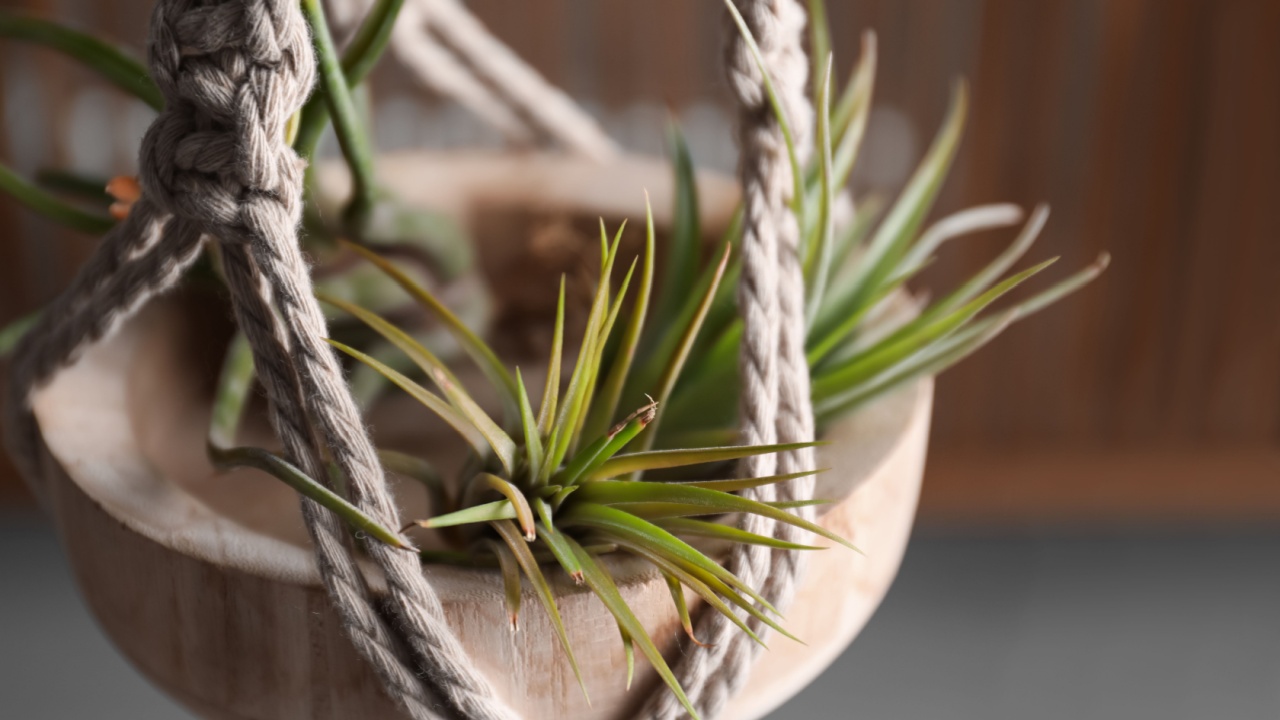
This one is almost cheating. Air Plants don’t need soil at all, so drainage is a completely moot point. These unique plants, also known as Tillandsia, absorb water and nutrients through their leaves. You can display them in anything: a glass terrarium, a decorative bowl, or mounted on a piece of driftwood. The possibilities are endless.
Care involves soaking the plant in room-temperature water for 20-30 minutes every one to two weeks. After its bath, gently shake off any excess water and let it dry upside down for a few hours before returning it to its display. This drying step is crucial, as standing water can cause the plant to rot from the inside out.
Quick Care Checklist:
- Watering: Soak weekly or bi-weekly; allow to dry completely.
- Light: Bright, indirect light.
- Soil: None.
- Tip: They love good air circulation, so avoid stuffing them into sealed containers.
9. Prayer Plant
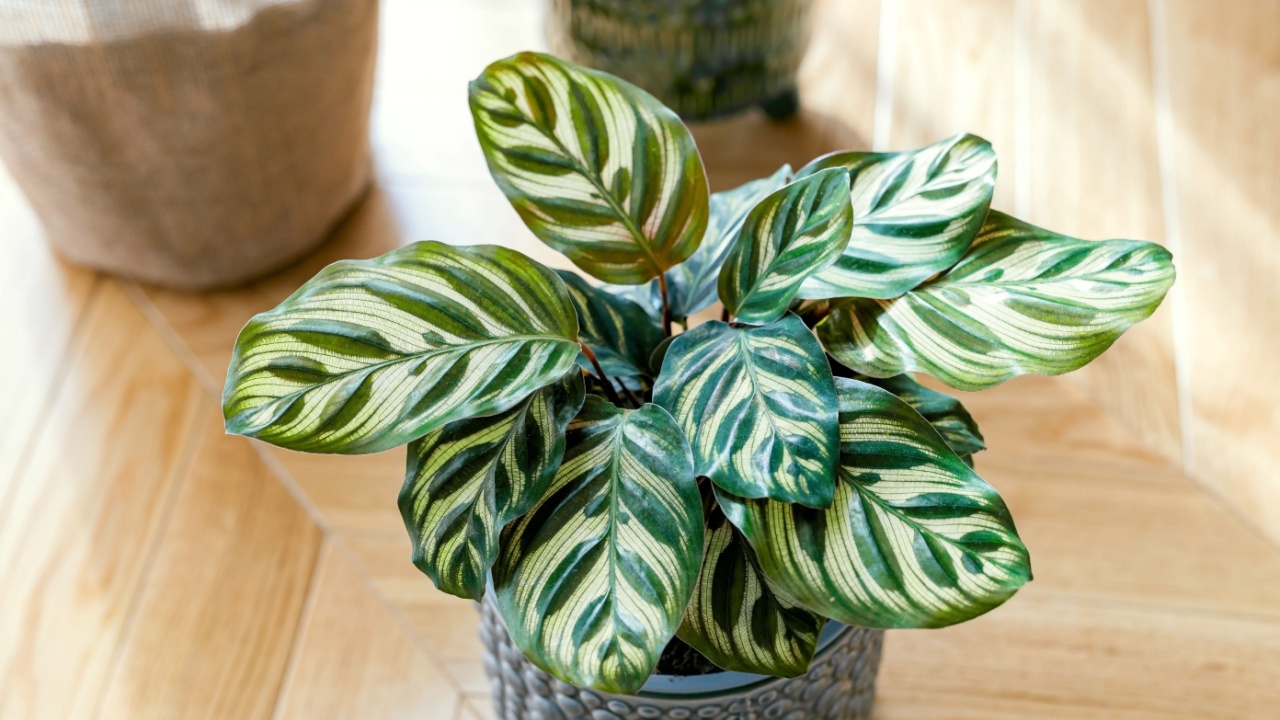
The Prayer Plant gets its name from the way its leaves fold up at night, resembling praying hands. These plants appreciate consistently moist soil, which can make them a good candidate for a no-drainage pot if you are a careful waterer. They don’t want to be waterlogged, but they also don’t want to dry out completely. A sealed container can help maintain that delicate moisture balance.
With their stunning, intricately patterned leaves, Prayer Plants are a visual delight. They do require a bit more attention than some others on this list, particularly regarding humidity. Placing them in a bathroom or kitchen, or on a pebble tray, can help keep them happy.
Quick Care Checklist:
- Watering: Keep soil evenly moist but not soggy.
- Light: Bright, indirect light. Direct sunlight will fade the leaf colors.
- Soil: A peat-based mix that retains moisture works well.
- Tip: The leaf-folding movement, called nyctinasty, is a response to daily light cycles.
10. Staghorn Fern

Staghorn Ferns are epiphytes, meaning they naturally grow on other plants (like trees) instead of in soil. This makes them perfect for a no-drainage setup because they are typically mounted on a board or grown in a wire basket with moss. There’s no traditional pot, so there’s no need for a drainage hole.
These ferns have two types of fronds: small, flat ones that anchor the plant and absorb nutrients, and large, antler-shaped ones that give the plant its name. To water a mounted Staghorn Fern, simply take it to the sink and soak the root ball for 10-15 minutes, then let it dry before rehanging.
Quick Care Checklist:
- Watering: Soak the root ball when it feels dry, about once a week.
- Light: Bright, indirect light.
- Soil: No soil needed; typically grown in sphagnum moss.
- Tip: These make incredible living wall art.
11. Peperomia Obtusifolia

Often called the Baby Rubber Plant, Peperomia obtusifolia has waxy, spoon-shaped leaves and an upright growth habit. Its semi-succulent nature means it stores water in its leaves and stems, making it quite forgiving of both drought and the occasional overwatering. This resilience makes it suitable for pots without drainage, as long as you’re careful.
It’s a compact plant that doesn’t get too big, making it ideal for desks, windowsills, and small shelves. It thrives on a bit of neglect and prefers its soil to dry out between waterings. Its glossy leaves bring a touch of green without demanding much space or attention.
Quick Care Checklist:
- Watering: Allow the top half of the soil to dry out before watering.
- Light: Medium to bright, indirect light.
- Soil: A chunky, well-aerating mix is ideal.
- Tip: Peperomia is sensitive to overwatering, so when in doubt, wait another day.
12. Parlor Palm

Parlor Palms bring a tropical feel indoors with their classic, feathery fronds. They are remarkably adaptable and can tolerate lower light and less-than-perfect watering schedules. They appreciate staying evenly moist, which can be easier to manage in a pot without drainage. Just be careful not to let water pool at the bottom.
This slow-growing palm is a great choice for adding vertical interest to a room without taking up too much space. It’s one of the hardier palms for indoor growing and remains a manageable size for years.
Quick Care Checklist:
- Watering: Keep soil lightly moist; don’t let it get waterlogged.
- Light: Low to bright, indirect light. Keep it out of direct sunlight.
- Soil: Any standard potting mix will work.
- Tip: These palms are non-toxic, making them a safe choice for homes with pets and children.
13. Arrowhead Plant

The Arrowhead Plant, or Syngonium, is a versatile and fast-growing plant. It can be grown as a bushy, upright plant or allowed to trail from a hanging basket. It’s quite tolerant of having wet feet and can even be grown in water, making it an excellent candidate for a no-drainage container.
Its leaves are shaped like arrowheads when young and change shape as the plant matures. It comes in a range of colors, from green to pink and burgundy. It’s an easy-going plant that will happily grow in a beautiful, hole-less pot with minimal fuss.
Quick Care Checklist:
-
- Watering: Water when the top inch of soil is dry.
- Light: Prefers bright, indirect light but can handle lower light.
- Soil: A general-purpose potting mix is fine.
- Tip: Prune it regularly to maintain a compact, bushy shape.
14. Bird’s Nest Fern
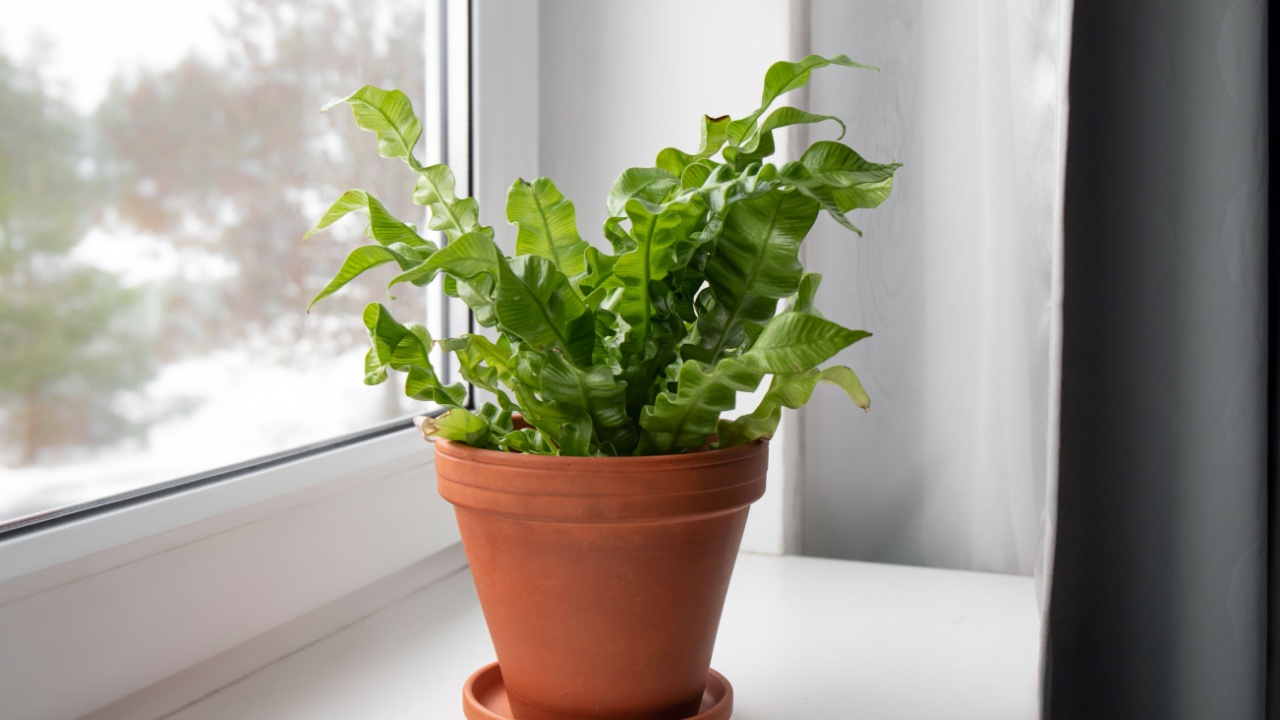
The Bird’s Nest Fern has beautiful, wavy fronds that grow in a circular pattern, resembling a bird’s nest. Unlike many ferns, it’s quite sturdy and its roots don’t mind staying consistently moist. This makes it a great option for a sealed container, where the humidity and moisture levels can remain more stable.
These ferns add a lush, vibrant green to any space. They prefer the soil to be damp but not waterlogged. The key to watering is to pour it around the base of the plant, not into the central “nest,” as this can cause rot.
Quick Care Checklist:
- Watering: Keep the soil consistently moist.
- Light: Medium to bright, indirect light.
- Soil: A rich, peat-based potting mix is best.
- Tip: They love humidity, so a bathroom or kitchen is a perfect spot.
Drainage-Free Houseplant Success

Ready to liberate your plants from the tyranny of the drainage hole? When potting your preferred plant, you can add a layer of activated charcoal at the bottom of the container. This helps absorb impurities and can manage excess water.
Use a light, airy potting mix, perhaps amending it with perlite or orchid bark to improve aeration and prevent compaction. The most important part is your watering technique. Always check the soil before adding more water. Start with a small amount of water and see how the plant responds.
Read more:
14 Myths About Houseplants (And Their Care) That Don’t Hold Any Truth