

Remember when the loudest sound in the house was the dial-up modem connecting? Or when your biggest worry was someone taping over your favorite show recorded on a VHS tape? Our homes have transformed so much over the decades, with once-essential items disappearing faster than leftovers after a holiday dinner.
We’ve traded bulky for sleek, manual for automatic, and physical for digital. We are not (entirely) complaining; it’s a celebration of where we’ve been. Taking a look back at these household relics can be a fun trip down memory lane. For younger generations, it’s a glimpse into a world before everything fit into a pocket.
Take a look at these 15 items that were once the heart of the home but have since become charming relics of the past.
1. Landline Phones

Image Credit: Shuuterstock.com.
Before everyone had a personal communicator in their pocket, the landline phone was the family’s communication hub. Usually stationed in the kitchen, its long, coiled cord was a constant source of tangled frustration and a physical tether to one spot. You had to talk to your friend’s parents first, and privacy meant stretching that cord as far as it would go around a corner.
Many homes still keep a landline for emergencies, but smartphones have become the primary personal communications device. Many households now rely on smartphones, so the shared home landline has become much less common.
Upcycling Idea: Old rotary or push-button phones make fantastic planters. Hollow out the handset or the base, fill it with soil, and plant some trailing succulents or air plants. It’s a guaranteed conversation starter on a bookshelf or patio table.
2. The Mighty Rolodex
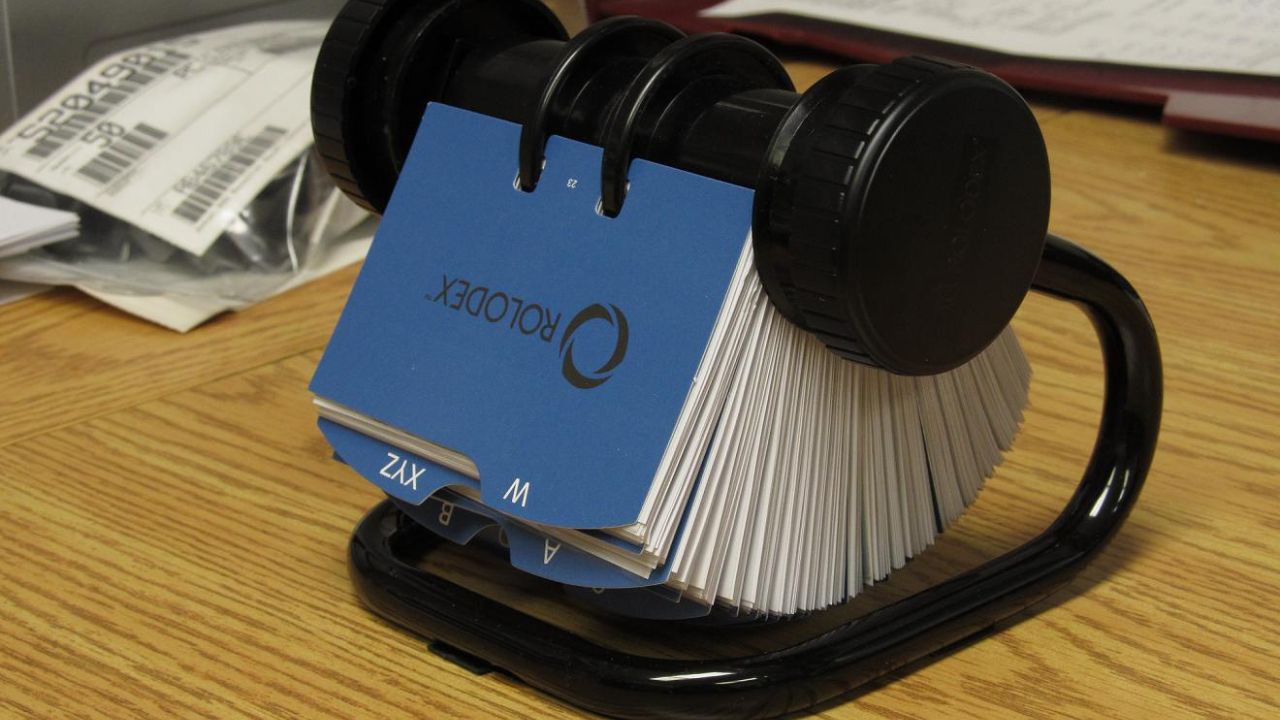
Photo Credit: Poolcode – Own work – CC BY-SA 3.0/Wiki Commons.
Before your phone magically stored thousands of contacts, there was the Rolodex. This rotating marvel of analog data storage sat proudly next to the landline. Each card held a precious name, address, and phone number. The satisfying whir of flipping through cards to find a contact was part of its charm. It was your personal, physical network.
Today, digital contact lists on our phones and computers have made the Rolodex obsolete. The convenience of syncing contacts across devices means we no longer need a desktop device for storing phone numbers.
Upcycling Idea: A Rolodex can be repurposed into a unique recipe card holder for the kitchen. You can also use it in the garden shed to organize seed packets alphabetically or by planting season.
3. Boxy Televisions
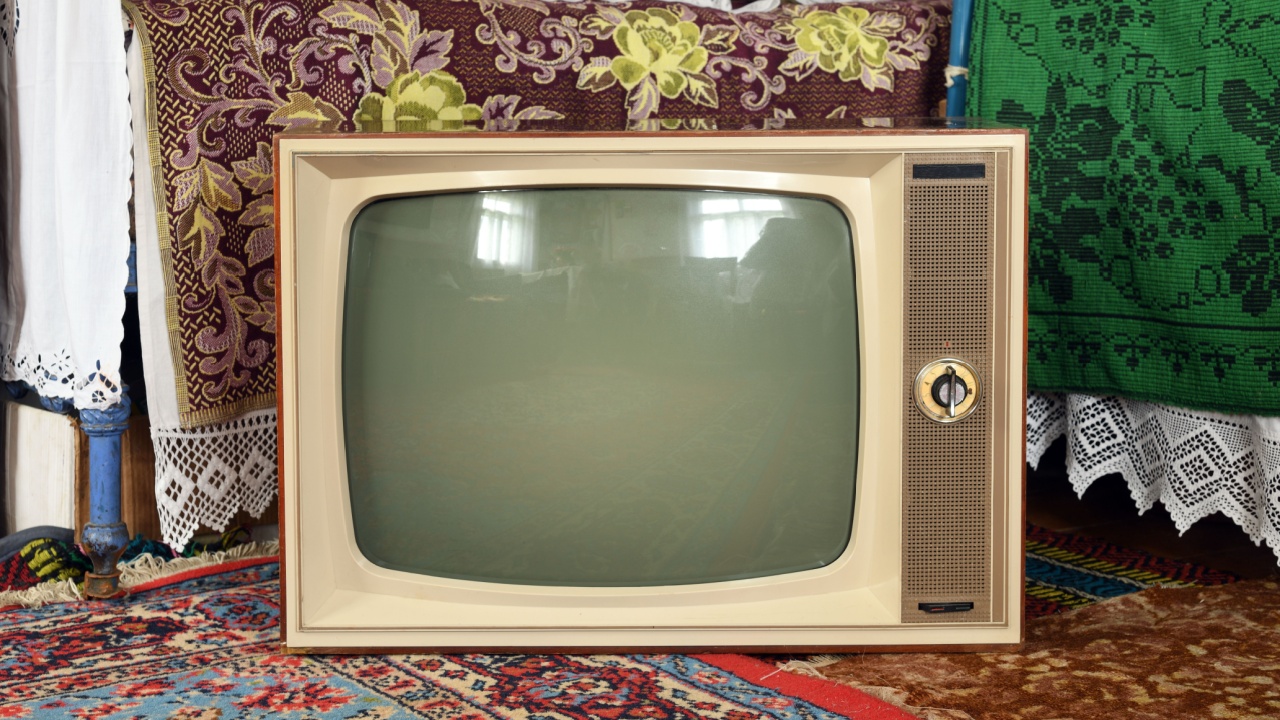
Image Credit: Shutterstock.com.
Remember the television that was more furniture than electronics? These deep, heavy boxes commanded a significant footprint in the living room. Moving one required a team lift and a careful plan. The screens were small, the picture was grainy, and “turning it off” often involved waiting for a white dot to fade from the center of the screen.
Flat-screen technology made these CRT (cathode-ray tube) giants obsolete. Modern TVs are slim, lightweight, frameless, curved, and offer stunning high-definition pictures that were once the stuff of science fiction.
Upcycling Idea: A hollowed-out vintage TV console makes an excellent pet bed or a creative diorama. For the garden, it can be turned into a miniature greenhouse for seedlings or a whimsical fairy garden enclosure.
4. Encyclopedias
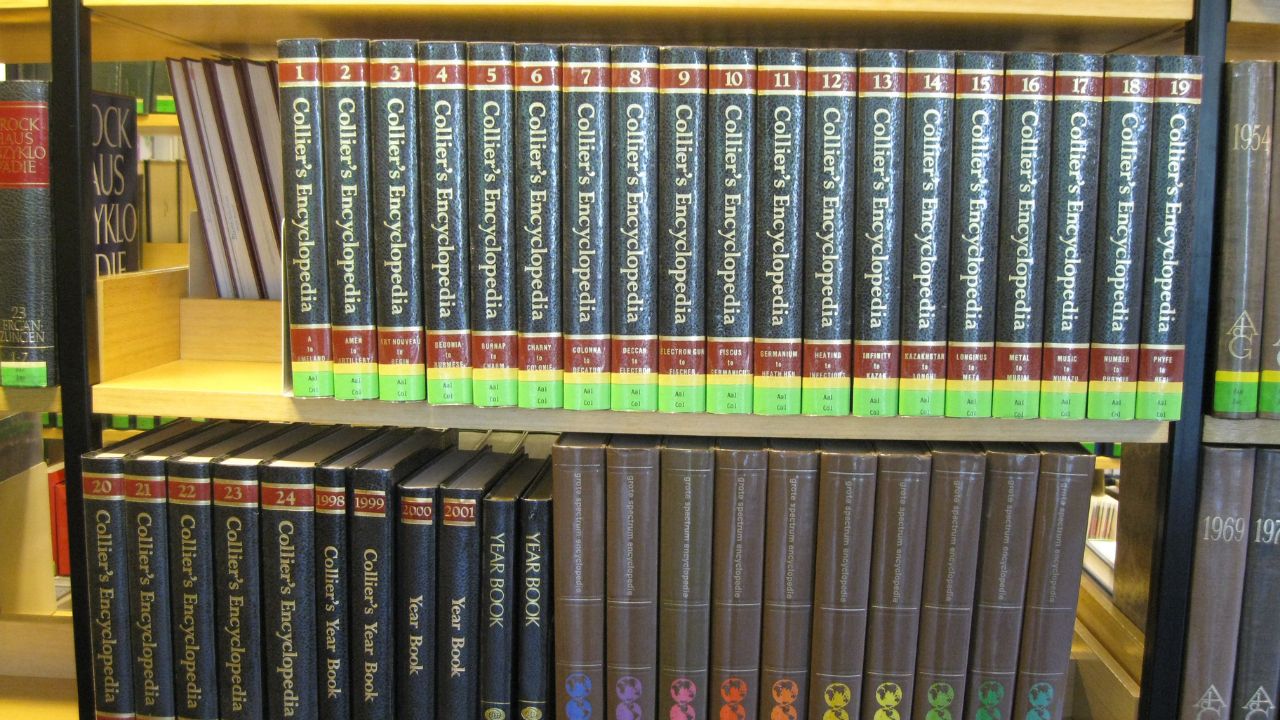
Photo Credit: Ziko – Own work – CC BY-SA 4.0/Wiki Commons.
Long before you could ask the internet any question, the answer was likely found within a set of encyclopedias. A full collection was a status symbol of knowledge, lining bookshelves with its formidable presence. Doing school research meant pulling a heavy volume from the shelf and getting lost in its pages, often discovering unrelated but fascinating facts along the way.
The internet, with its instant access to a limitless amount of information, made printed encyclopedias redundant for most households.
Upcycling Idea: Individual encyclopedia pages can be used for decoupage on furniture or planters. A stack of old volumes can be hollowed out to create a secret storage box or even transformed into a unique side table by securing them together.
5. Answering Machines
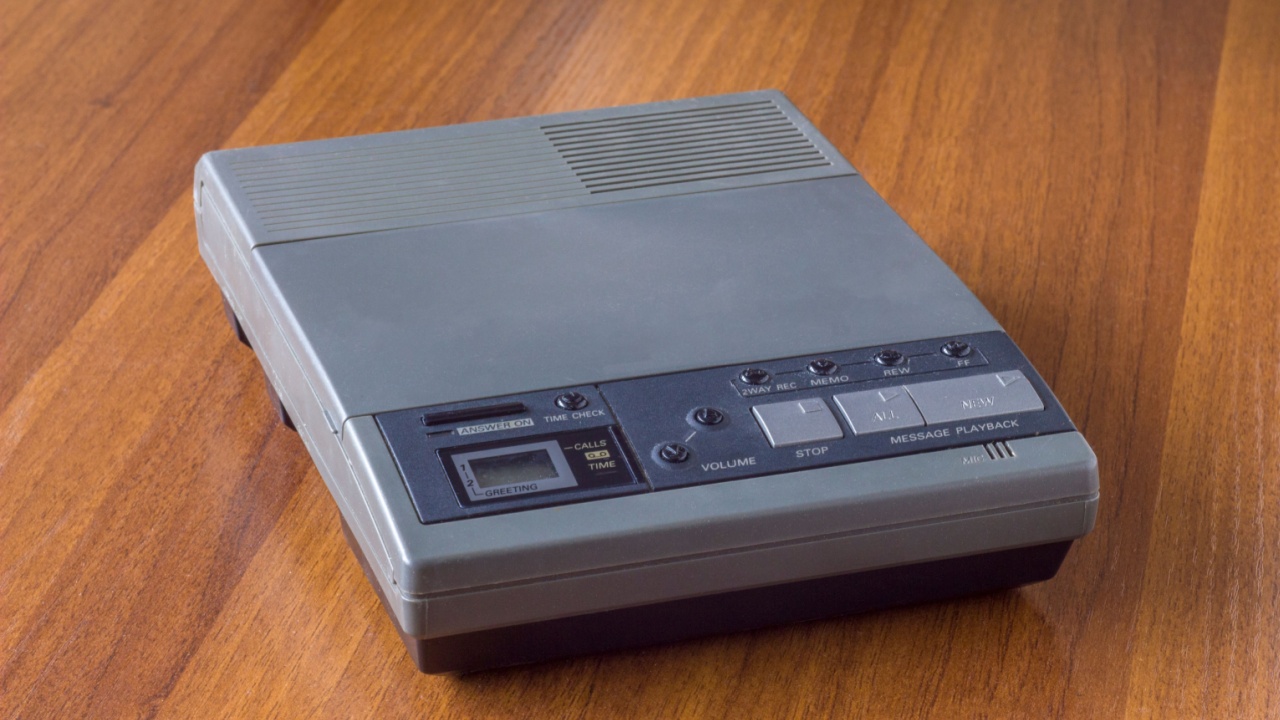
Image Credit: Shutterstock.com.
“Hi, you’ve reached the Smiths. We’re not home right now, so please leave a message after the beep.” That little blinking red light on the answering machine held so much promise. It was the first thing you checked when you got home. The tiny cassette tapes recorded every message, from your grandmother’s weekly check-in to your friend canceling plans.
Voicemail, integrated directly into our phone services, eliminated the need for a separate device. We lost the whirring of the tape rewinding, but we gained the convenience of checking messages from anywhere.
Upcycling Idea: The clear plastic cases for the microcassettes are perfect for organizing and storing seeds. The machine’s housing, with its buttons and vents, can be painted and used as a futuristic-looking planter for small succulents.
6. CD Towers
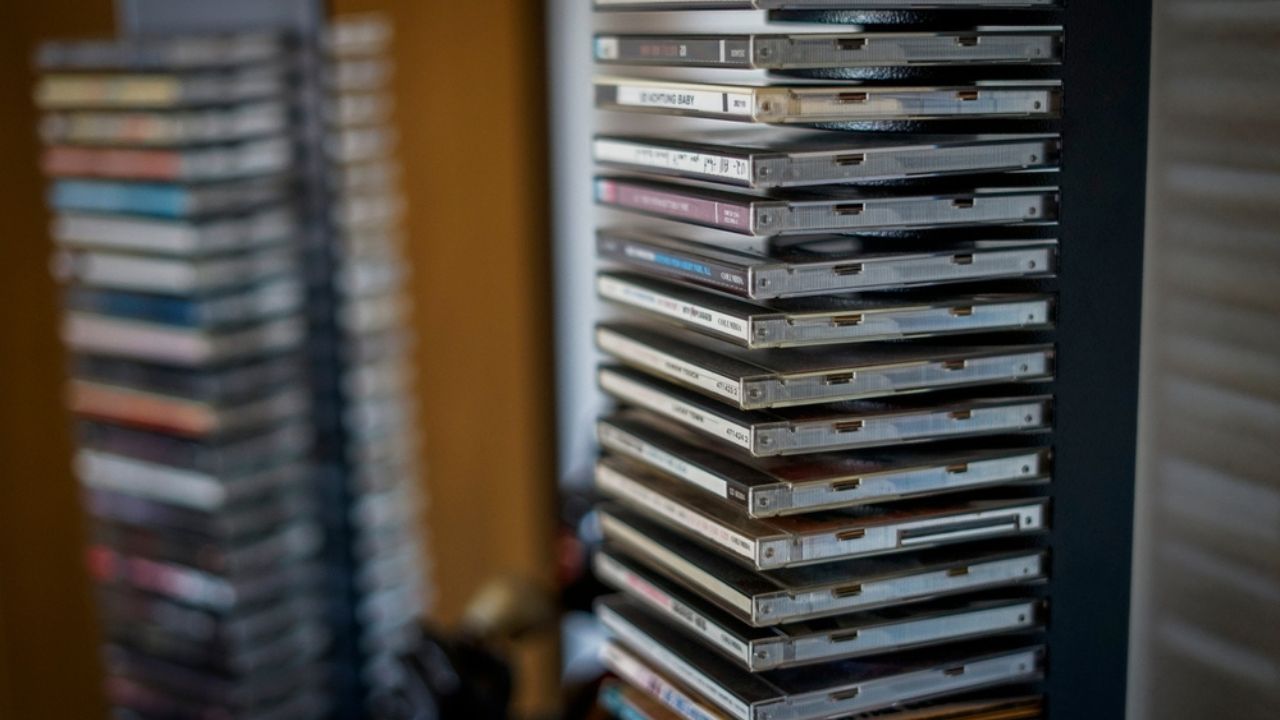
Image Credit: Thomas Nuehnen at Shutterstock.
In the ’90s and early 2000s, your music collection was a physical statement. CD towers, tall and slender, stood as monuments to your musical taste. Arranging your CDs alphabetically, by genre, or by the color of the spine was a personal ritual. You could proudly display your library for all to see.
Streaming services have made massive physical music collections a thing of the past. Our playlists are now digital, invisible, and stored in the cloud, accessible from any device.
Upcycling Idea: A CD tower is perfectly designed to be a vertical planter. Its small shelves are ideal for holding little pots of herbs or succulents. Place it on a balcony or in a sunny kitchen window for a compact garden.
7. Slide Projectors
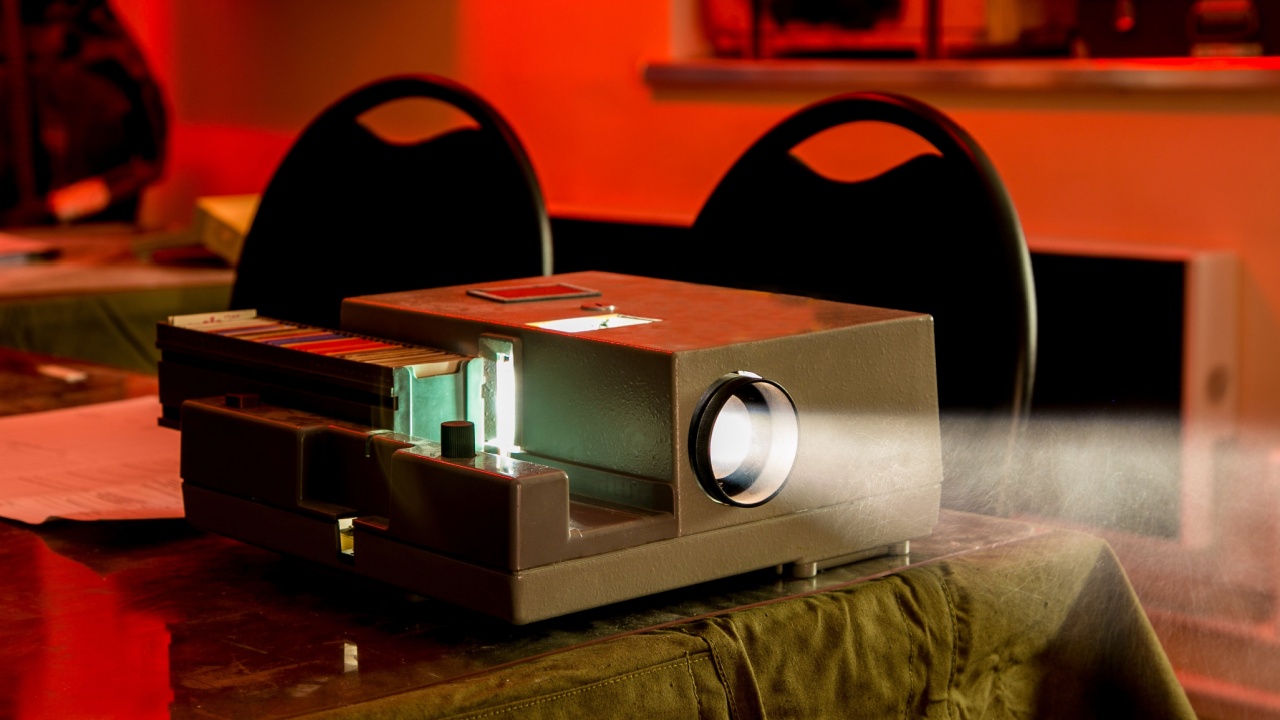
Image Credit: Shutterstock.com.
Family gatherings often included a slideshow. A slide projector would be set up, a screen pulled down, and the lights dimmed for a visual tour of the last family vacation. The rhythmic click-clack of the carousel advancing slides is a sound many associate with warm, shared memories, even if the commentary was sometimes a bit lengthy.
Digital photography and the ease of sharing photos on screens and social media have made the cumbersome process of developing and projecting slides obsolete.
Upcycling Idea: A vintage slide projector can be a unique piece of industrial-style decor. The individual slides can be transformed into a beautiful suncatcher or a window curtain by stringing them together.
8. TV Guide
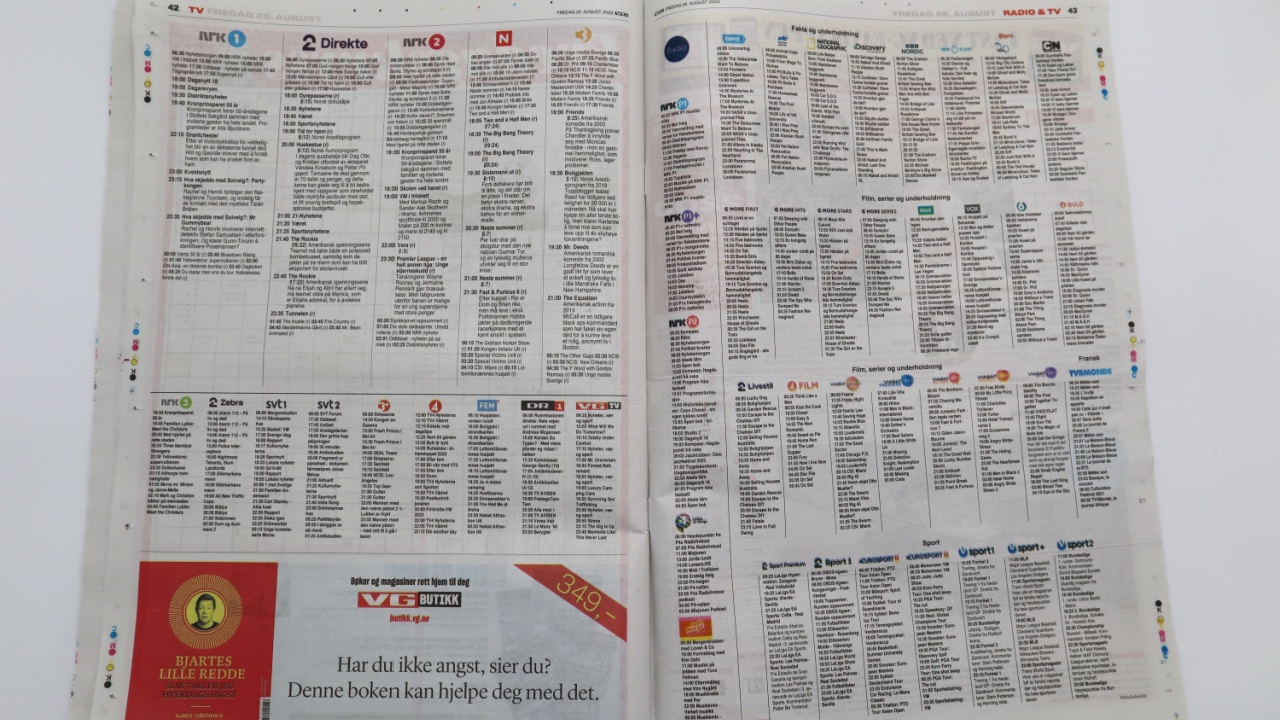
Image Credit: SiljeAO / Shuttertsock.com.
Before on-screen guides and streaming menus, the TV Guide was the sacred text of television viewing. This weekly magazine was the only way to know what was on and when. Families would circle their must-watch shows, and losing the TV Guide could spark a household-wide panic.
The on-screen program guide provided by cable and satellite companies, followed by the rise of on-demand streaming, has reduced its role as the listings guide as on-screen guides have grown. Today, we mostly watch what we want, when we want.
Upcycling Idea: Pages from old TV Guides are fantastic for creating nostalgic collages or for decoupaging a small piece of furniture, like a side table or a tray. They add a retro pop-culture flair.
9. Phone Books

Image Credit: Shutterstock.com.
The annual arrival of the Yellow Pages and White Pages was a notable event. These massive books were a comprehensive directory of every person and business in your area. They were used for everything from finding a plumber to serving as a booster seat for the youngest child at the dinner table.
Search engines like Google have completely replaced the need for printed phone books. Finding a business or a phone number is now as simple as typing a few words into a search bar.
Upcycling Idea: Phone book pages are thin and absorbent, making them a great base layer for starting a compost pile or for lining the bottom of planters to help with drainage. You can also use them to craft paper-mâché planters.
10. Lawn Darts (Jarts)
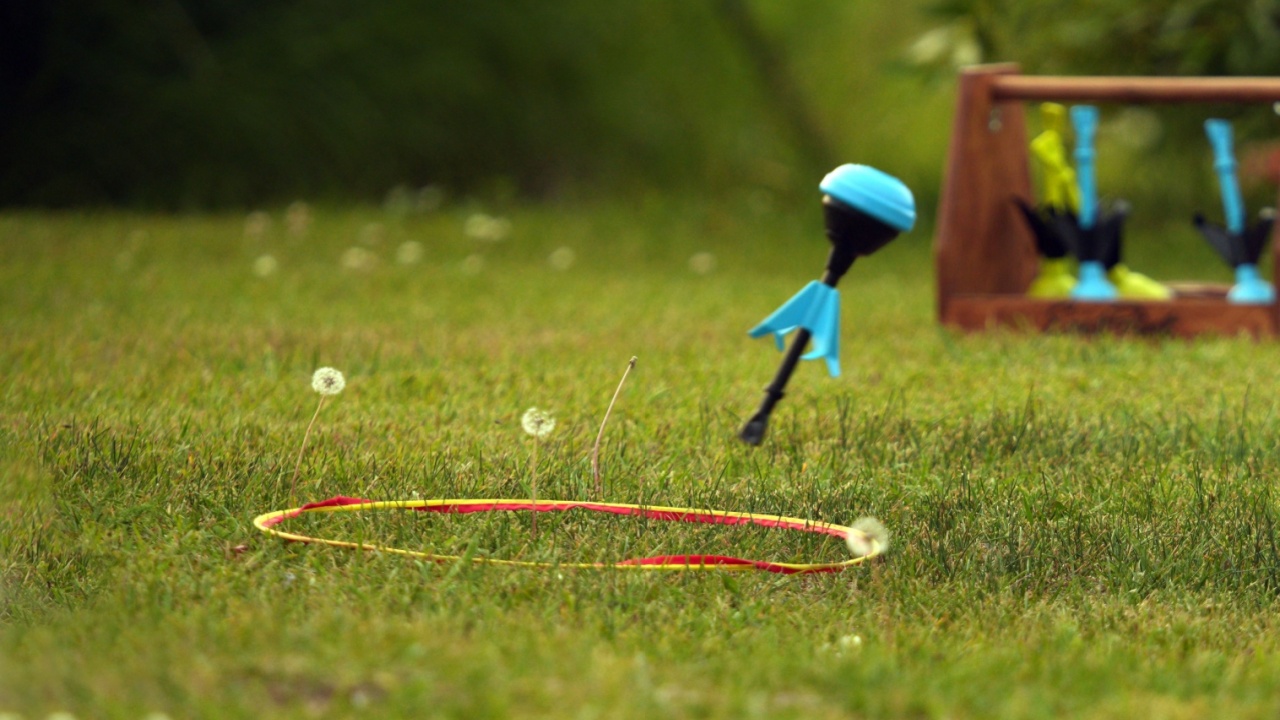
Image Credit: Shutterstock.com.
In the 1970s and ’80s, a backyard barbecue wasn’t complete without a game of lawn darts. These large, heavy darts with sharp metal tips were thrown underhand toward plastic rings on the ground. It was a game of skill and questionable safety that was incredibly popular.
After numerous accidents and injuries, lawn darts were banned in the United States in 1988. They were deemed too dangerous for consumer use, and families switched to safer alternatives like cornhole and badminton.
Upcycling Idea: While the original sharp-tipped versions are rare and best left as historical artifacts, modern, safety-approved versions exist. The vintage rings, however, can be repurposed as small garden bed borders or as guides for planting seedlings in a neat circle.
11. Plastic-Covered Furniture
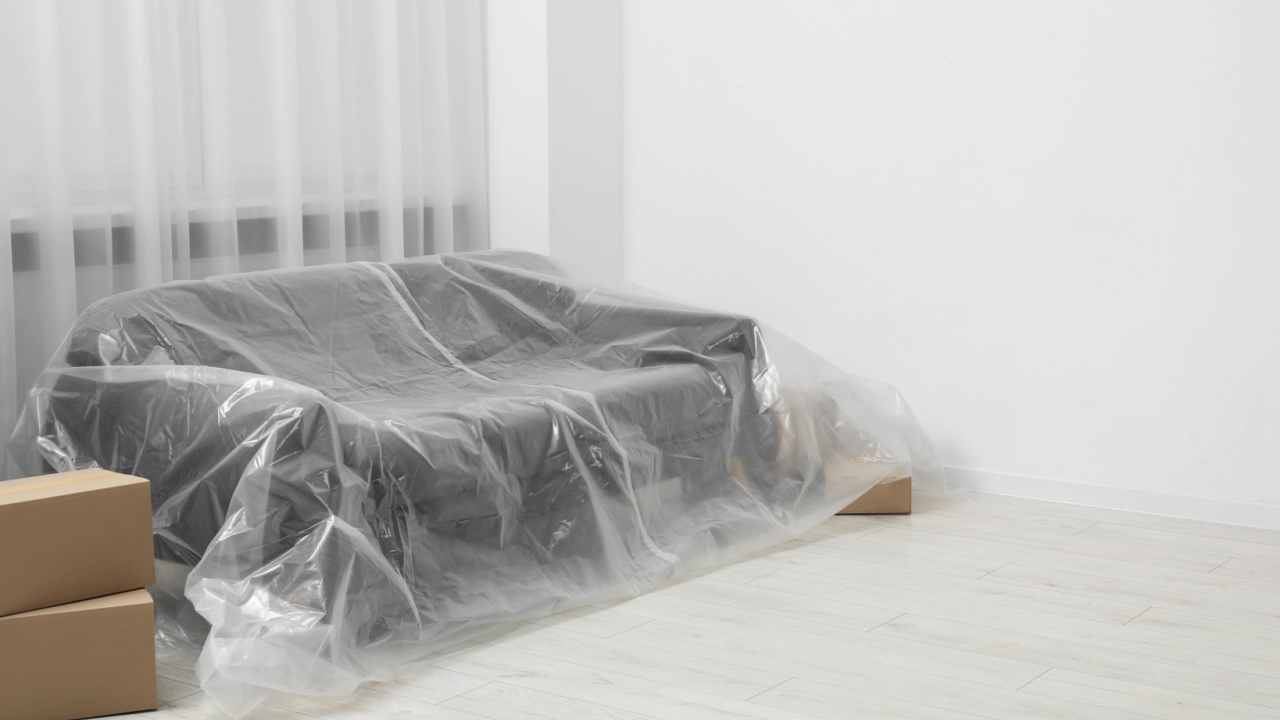
Image Credit: Shutterstock.com.
For a certain generation, protecting the “good” furniture was paramount. Sofas and armchairs were encased in thick, clear plastic covers. While they did an impeccable job of shielding the upholstery from spills and stains, they were also sticky, noisy, and generally uncomfortable, especially on a warm day.
Modern fabric protection treatments and a more relaxed approach to home decor have made these plastic shields a relic. We now prefer to live on our furniture rather than preserve it under a layer of vinyl.
Upcycling Idea: While you likely won’t find these covers anymore, the idea of protection lives on. Use durable, clear vinyl from a hardware store to create custom-fit covers for outdoor furniture cushions during the off-season or to build a small, simple greenhouse frame.
12. Ashtrays
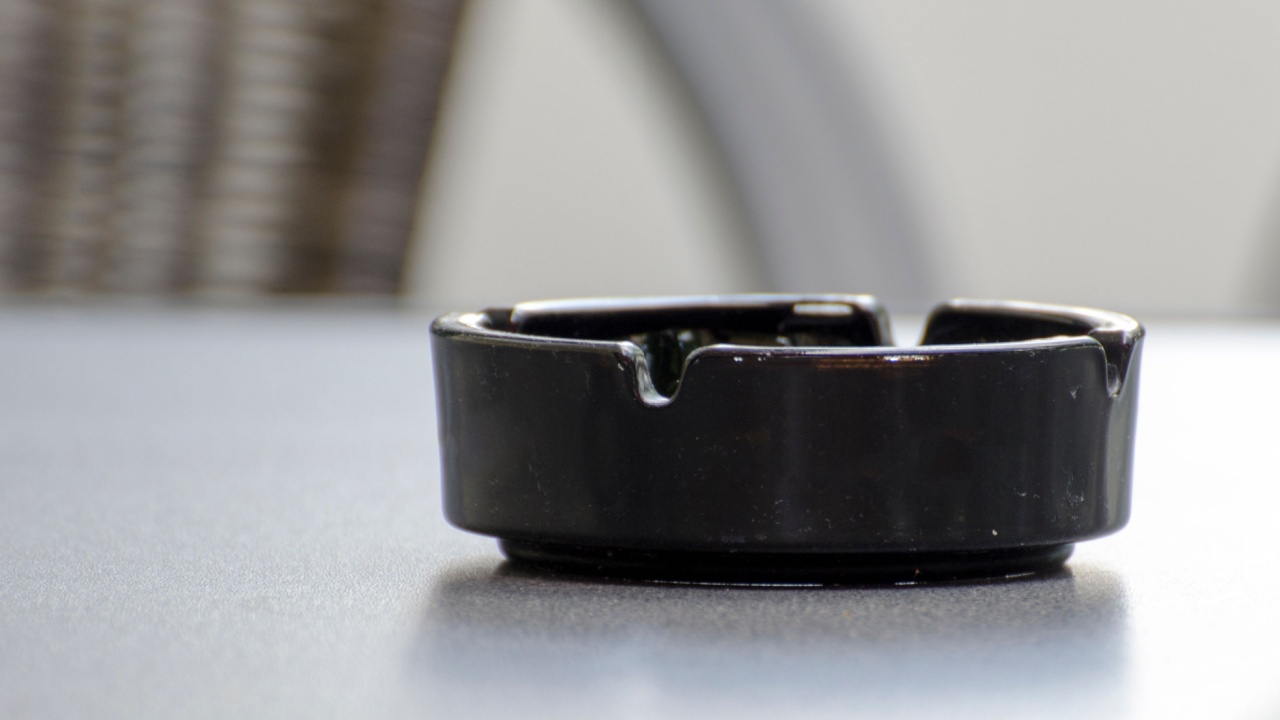
Image Credit: Shutterstock.com.
There was a time when ashtrays were a standard home accessory, found on coffee tables, nightstands, and even mounted in cars. Even non-smoking households kept them for guests. They came in all shapes and sizes, from simple glass dishes to ornate ceramic pieces, and were often collected as decorative items.
With a dramatic decline in smoking rates and a greater awareness of its health risks, indoor smoking has become rare. Consequently, the ashtray has disappeared from most homes.
Upcycling Idea: Decorative vintage ashtrays are perfect for other uses. They can serve as beautiful soap dishes, ring holders, or small planters for succulents and air plants. Their unique designs can add a touch of retro charm to any room.
13. Manual Juicers
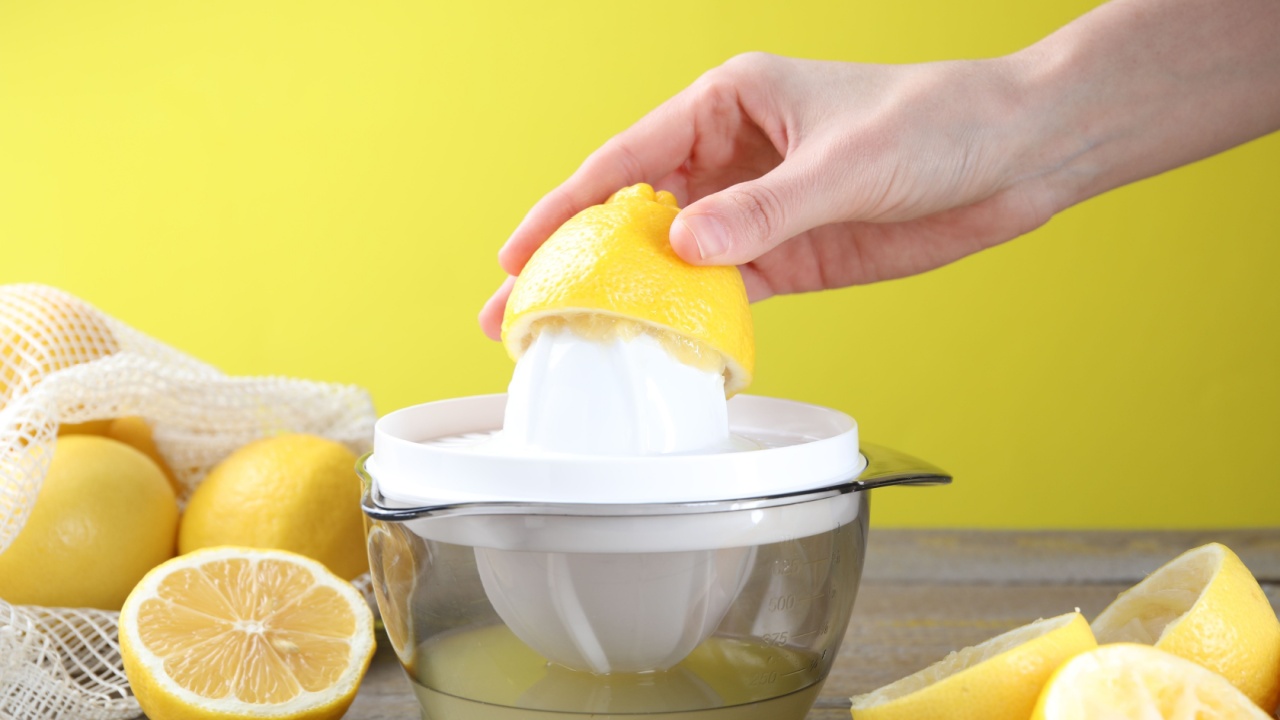
Image Credit: Shutterstock.com.
Before high-powered electric juicers that could pulverize a whole carrot in seconds, there was the humble manual juicer. Usually made of glass or ceramic, it required you to press and twist half a citrus fruit to extract the juice. It was a mini-workout for your wrist, but produced the freshest-tasting orange or lemonade.
Electric appliances offer speed and convenience that the manual method can’t match. While some purists still appreciate the simplicity, most have opted for machines that do the hard work for them.
Upcycling Idea: A vintage glass juicer is a beautiful piece to display in the kitchen. It can also be repurposed as a small succulent planter, with the spout providing natural drainage. It’s a lovely, functional nod to a bygone era.
14. Magazine Racks
Image Credit: Shutterstock.com.
Positioned next to a favorite armchair or in the bathroom, the magazine rack was essential for keeping reading material organized. It held the latest issues of lifestyle, news, and hobby magazines, along with the daily newspaper. It was a small but important piece of living room furniture.
The shift to digital media means most of us now read our news and magazines on tablets or phones. The need for a dedicated rack to hold printed publications has dwindled.
Upcycling Idea: A magazine rack is wonderfully versatile. In the garden shed, it can be used to neatly store small hand tools, gloves, and seed packets. Inside, it can hold kitchen cutting boards or organize mail and important papers.
15. Typewriters
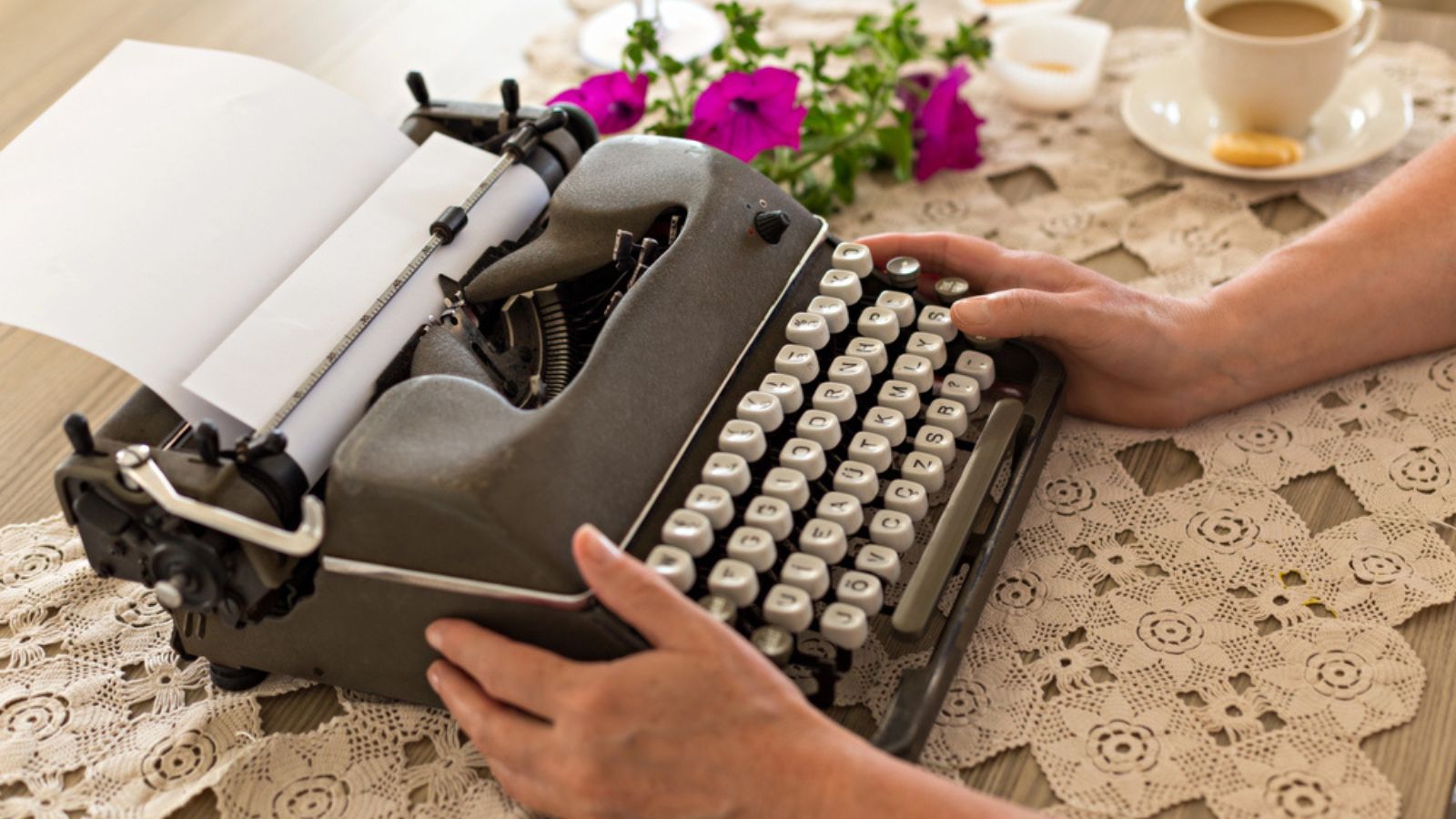
Photo Credit: Depositphotos.com.
The rhythmic clatter of a typewriter was once the sound of productivity. Whether for a student’s school paper or a letter to a relative, the typewriter was the tool for creating clean, legible text. Each press of a key was a commitment, with mistakes requiring correction fluid or a careful backspace and strikeover.
Personal computers and word processing software offered an ease of editing that typewriters could never match. The ability to delete, copy, and paste text effortlessly made the typewriter a charming but impractical tool.
Upcycling Idea: A vintage typewriter is a stunning decorative object on its own. It can also be repurposed into a unique planter by removing some of the internal mechanisms and placing a small plant within its frame. You can also use its keys for jewelry or other craft projects.
A New Life for Old Treasures
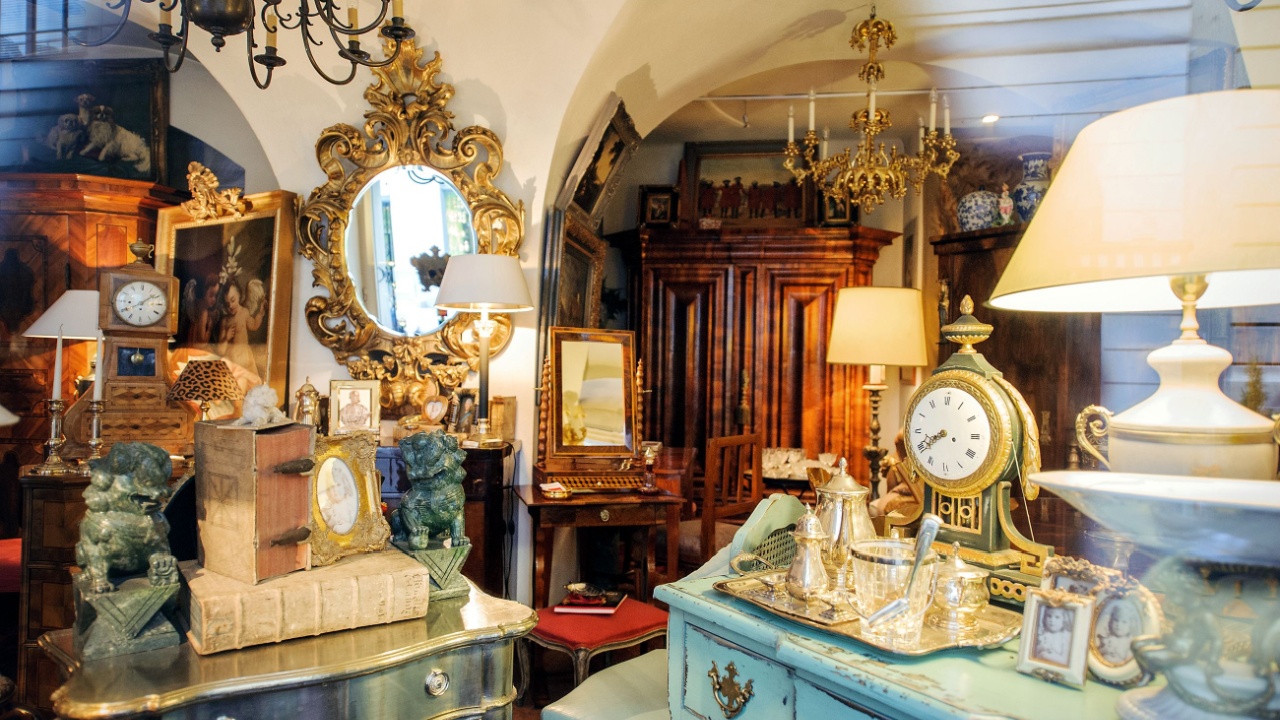
Image Credit: Hadrian / Shutterstock.com
The past wasn’t perfect, but it sure had style. Those clunky gadgets and curious inventions remind us that creativity never really goes out of fashion; it just changes form. So before tossing that old piece from your grandparents’ era, give it another glance. You might find your next beautiful centerpiece or weekend project hiding in plain sight.