

Modern convenience makes daily life easy, but it’s also led many of us to lose touch with skills that once formed the backbone of every household. When you cultivate homesteading abilities—many of them practiced by generations before us—you’re reclaiming independence, nourishing your family, and building resilience for whatever the future may bring.
Below are 22 invaluable homesteading skills, how to begin learning them right now (even if you’re new or live in a city), and why each matters more than ever for today’s world.
1. Growing Your Own Food
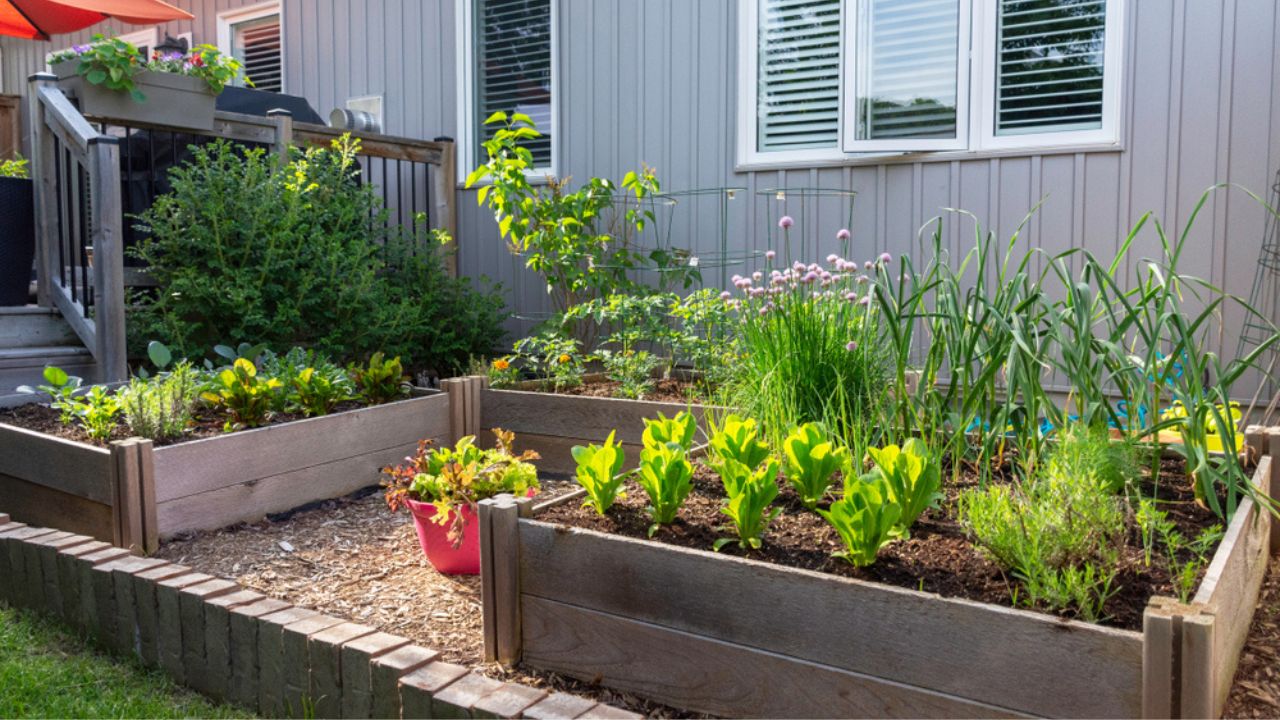
Image Credit: Shutterstock.
Gardening is at the heart of every self-reliant home, connecting you directly to nourishment and the rhythms of nature.
How to Learn
Start with container gardens or raised beds—even a sunny windowsill can host herbs. Read regional gardening books, join local gardening groups, or tap into cooperative extension resources. Experiment with seasonal crops, rotate plantings, and take note of what thrives in your unique conditions. Don’t hesitate to ask older family members or neighbors for advice—they likely possess practical tips lost to modern guides.
Why It Matters
Homegrown produce means fewer trips to the store, control over what goes into your food, and a direct line to fresh, nutrient-rich meals. It’s also a proven way to reduce stress and connect children to where their food comes from, inspiring lifelong healthy habits.
2. Preserving Food (Canning, Freezing, Drying, Fermenting)

Image Credit: Shutterstock.
Being able to keep seasonal abundance allows you to eat well year-round—and reduces food waste.
How to Learn
Take a class on water-bath and pressure canning (extension offices or community centers often offer them), or learn from trusted books like the Ball Blue Book of Preserving (to ensure you are doing it safely!). YouTube is full of visual guides for dehydrating or fermenting, but always cross-check instructions for safety. Start simple with jam, pickles, or freezer-safe veggies, then branch into more advanced methods.
Why It Matters
Pantry shelves lined with your own preserves provide a safety net against supply chain hiccups and grocery price shocks. Preserving teaches patience, stewardship, and deepens culinary skills while capturing wholesome, peak-season flavors.
3. Baking & Cooking from Scratch

Image Credit: Shutterstock.
Once a daily necessity, cooking from scratch is both a money-saver and a creative act.
How to Learn
Begin with basic recipes—homemade bread, soups, or pasta sauces—which don’t require special gadgets. Find an old family cookbook and work through the classics, or buddy up with a skilled friend for a weekend “cook-off.” Local adult-education classes and online tutorials can help if you want more structure.
Why It Matters
Cooking from scratch gives you autonomy over your health, saves a fortune long-term, and makes use of your own harvests or pantry stores. Meal preparation also fosters community and tradition—many cherished family memories are built around a bubbling pot or a fresh loaf of bread.
4. Foraging and Wild Edibles Knowledge
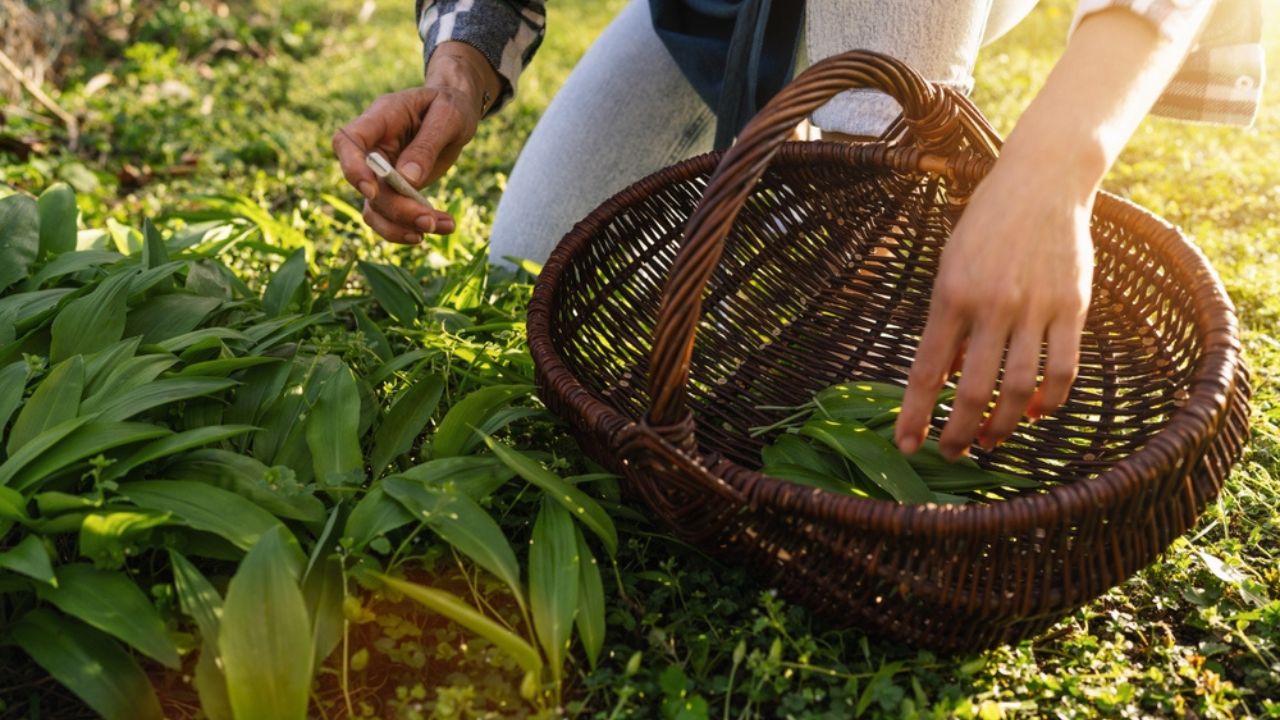
Image Credit: Shutterstock.
In much of human history, knowing which wild plants were edible, medicinal, or useful was survival knowledge.
How to Learn
Join a local foraging tour for hands-on identification practice. Field guides with clear photos, and apps like iNaturalist, are helpful—always cross-reference and never eat anything you cannot confidently ID. Take notes on seasonal changes and edible species specific to your region.
Why It Matters
Foraging builds a new relationship with your environment and can supplement your diet with highly nutritious wild greens, berries, or mushrooms. It’s self-sufficiency at its most primal and brings forgotten food traditions back to life.
5. Composting
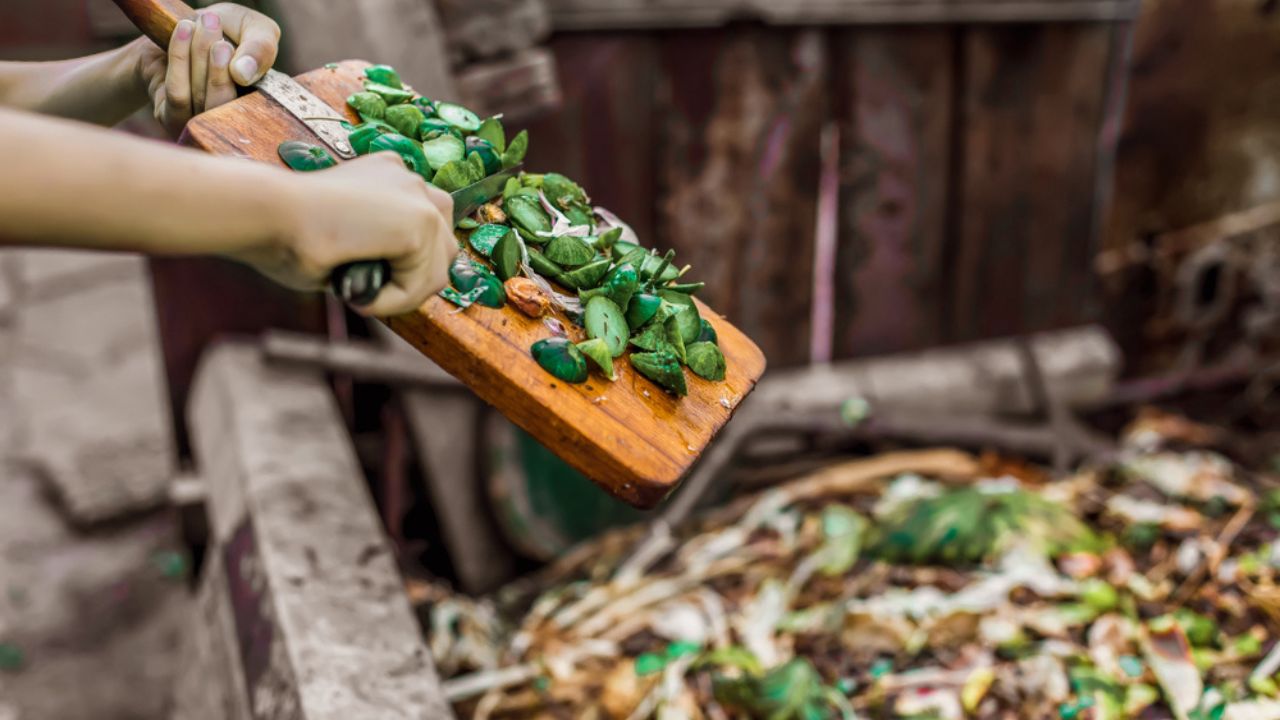
Image Credit: Shutterstock.
Transforming food scraps and yard trimmings into nutrient-rich soil closes the loop in your garden ecosystem.
How to Learn
Start a simple backyard pile or use a closed bin if space is tight. Learn what can (and cannot) be composted, and how to balance browns and greens. Local municipalities sometimes offer free workshops or discounted bins.
Why It Matters
Compost feeds your soil and plants for free, drastically lowers waste going to landfills, and reduces the need for synthetic fertilizers. It’s one of the simplest ways to make an environmental impact at home.
6. Seed Saving

Image Credit: Shutterstock.
A lost art for many, saving seeds allows you to adapt plants to your microclimate and break dependence on seed catalogs.
How to Learn
Begin with easy self-pollinators like beans or tomatoes. Let some plants fully mature and dry on the vine, then collect and store seeds in a cool, labeled place. Plenty of books and online seed-saving guides exist—look for those that explain open-pollinated varieties versus hybrids.
Why It Matters
Seed saving empowers you to grow the same high-yield, tasty plants every year—no purchase required. It preserves plant diversity and is a gift you can share with friends and neighbors.
7. Raising Poultry or Small Livestock
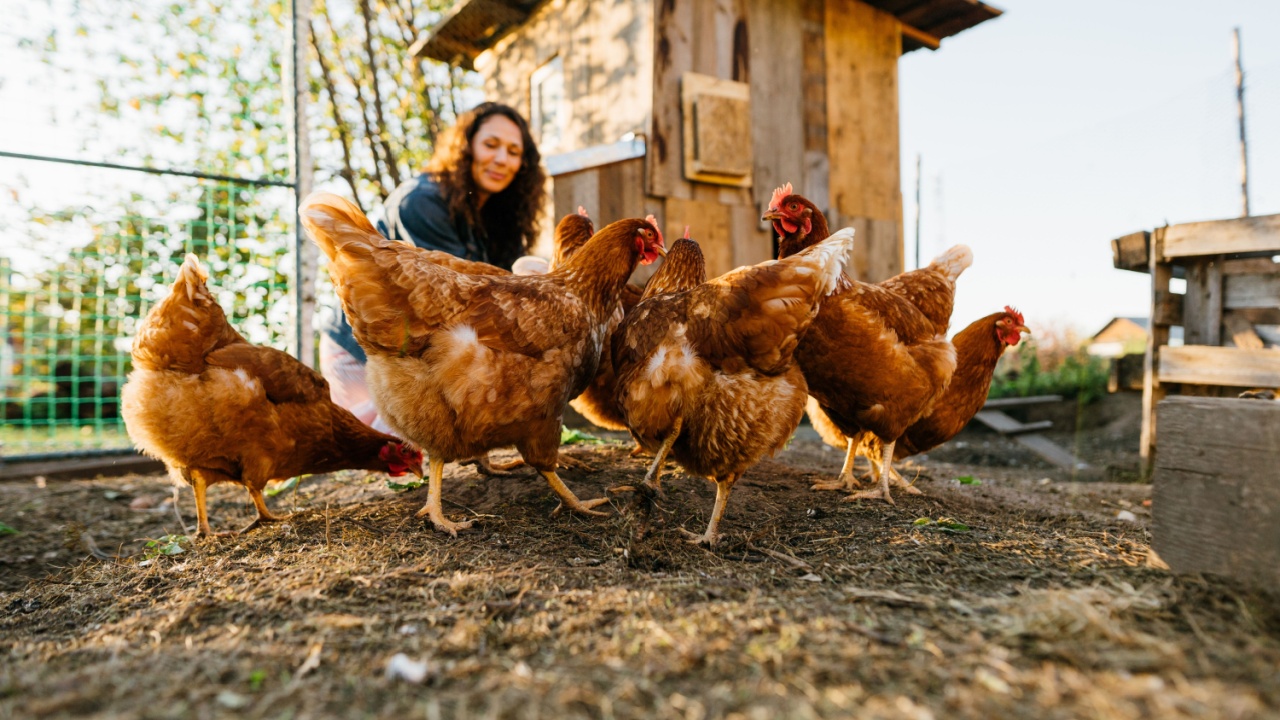
Image Credit: Shutterstock.
Whether for eggs, milk, or meat, keeping animals transforms waste into food and fertilizer.
How to Learn
Start with research on local laws, then choose beginner-friendly animals like chickens or rabbits. Network with local farmers, attend a 4-H event, or find a mentor who’ll let you “intern” for hands-on skills. Many urban areas now allow small backyard flocks—consider renting a coop to start.
Why It Matters
Animals like chickens enrich the soil, eat food scraps, and offer a reliable protein source. Animal care is also a wellspring of practical lessons for kids and builds empathy and routine.
8. Herbal Medicine and Natural Remedies

Image Credit: Shutterstock.
Learning to grow or forage medicinal herbs keeps communities healthy outside of pharmacies.
How to Learn
Cultivate easy herbs like mint, calendula, or chamomile, and experiment with teas, tinctures, or salves using reliable recipes. Join a local herbalist group or take an herbal medicine basics class online.
Why It Matters
Natural remedies fill gaps when the store is closed or you want to address simple ailments without drugs. Knowledge of herbal traditions also preserves cultural wisdom that’s at risk of disappearing.
9. Hand Sewing, Mending, and Textile Repair

Image Credit: Shutterstock.
Once taught to every child, these skills keep clothes and linens in circulation longer.
How to Learn
Watch beginner sewing videos, learn a few needle-and-thread basics like the running stitch, or upcycle old garments into rags or quilts. Attend a sewing circle or ask a grandparent to share their “invisible mending” tricks.
Why It Matters
Being able to fix a torn seam or patch jeans on the fly saves money, reduces landfill waste, and leaves you less reliant on fast fashion and supply chains.
10. Woodworking and Simple Carpentry

Image Credit: Shutterstock.
DIY woodwork used to be the norm for home projects, repairs, and even furniture making.
How to Learn
Start with hand tools—hammer, saw, screwdriver—and build simple items like birdhouses or garden beds. Local makerspaces and YouTube channels are goldmines for the beginner. Safety first: always learn to use tools properly before tackling bigger projects.
Why It Matters
You can maintain and repair your home, build needed structures, and customize storage—skills that add up quickly in savings. Carpentry also unlocks a creative outlet that brings immense satisfaction.
11. Fire Building and Alternative Heating
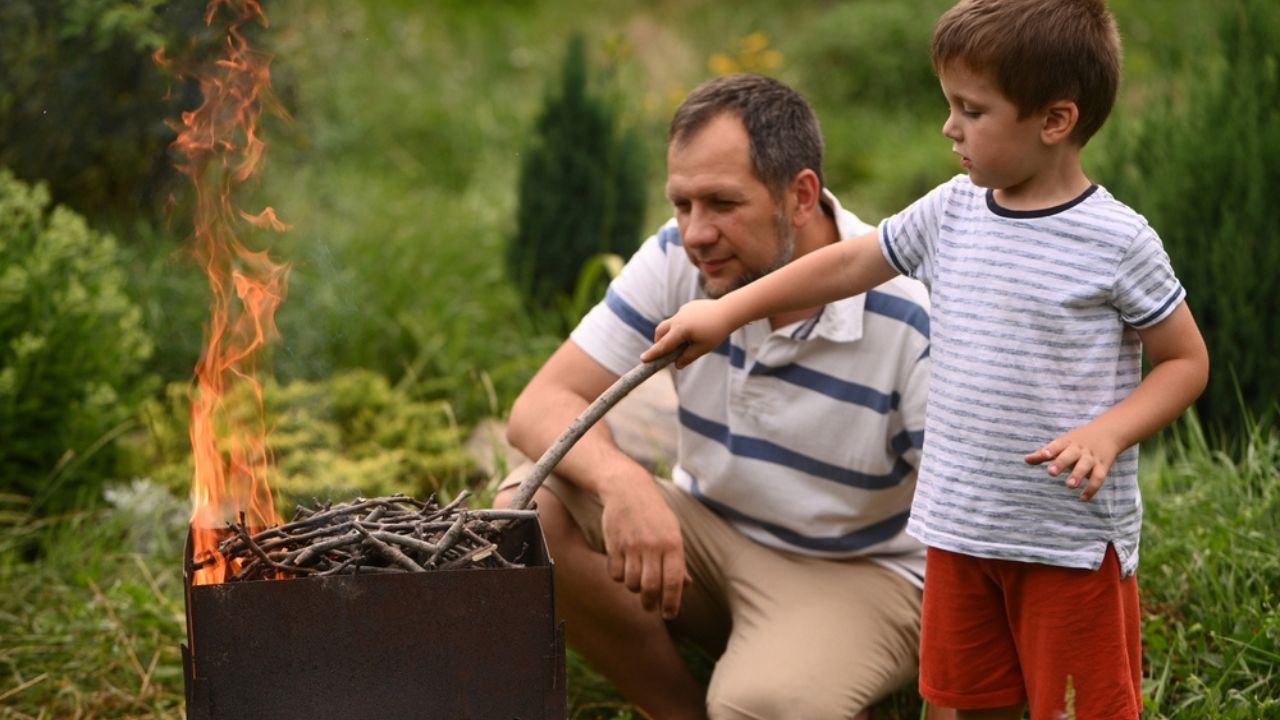
Image Credit: Shutterstock.
Stoking a fire to cook or heat your home is a timeless skill, crucial in power outages or rural areas.
How to Learn
Practice with backyard fire pits, camping stoves, or wood stoves. Learn fire safety, tinder selection, and how to manage airflow. Some regional fire departments offer safe-fire workshops adapted for homeowners.
Why It Matters
Fire craft means warmth and food, no matter what. Mastery of fire is empowering, cost-saving, and provides a fallback for emergencies.
12. Homemade Cleaning Supplies

Image Credit: Shutterstock.
Cleaning products were once made at home, often with ordinary kitchen staples.
How to Learn
Find tried-and-true recipes using baking soda, vinegar, Castile soap, and essential oils. Several blogs and books are dedicated entirely to natural homemaking. Test and tweak as you go, documenting what works for different surfaces.
Why It Matters
DIY cleaners save money, cut plastic waste, and are gentler on your body and the environment. Homesteaders gain a level of control and resourcefulness lost with store-bought options.
13. Food Preservation
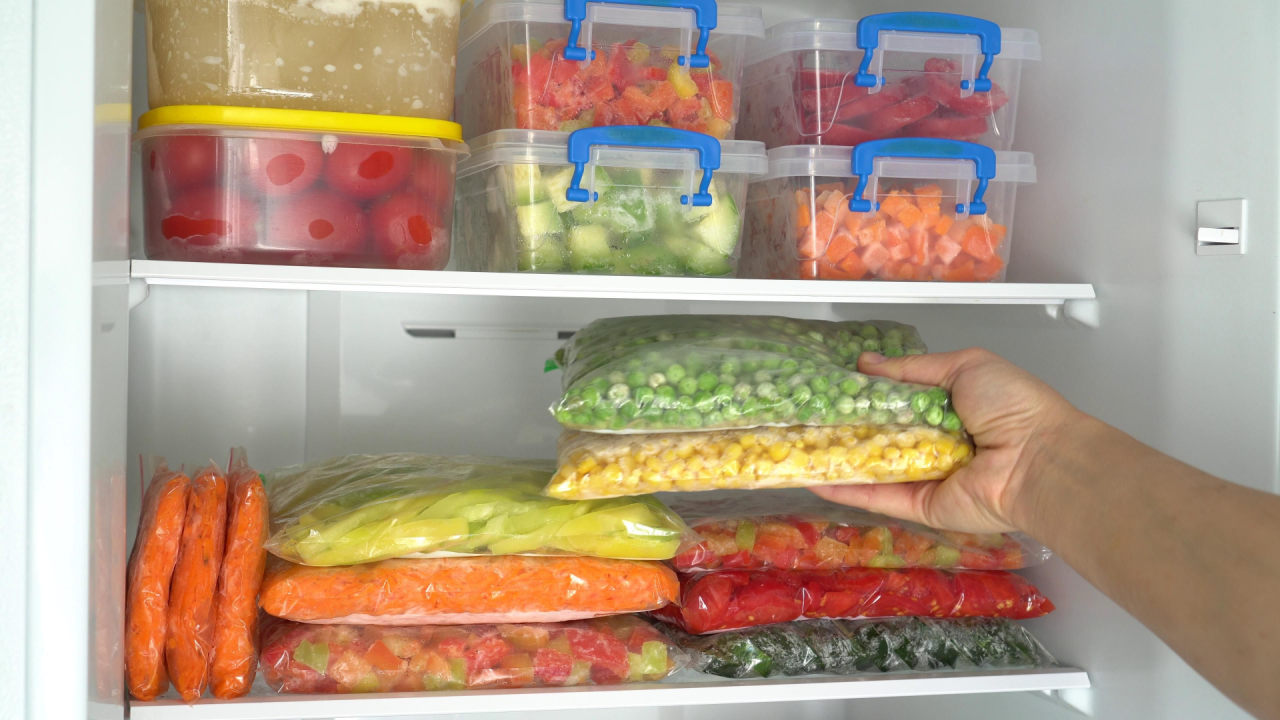
Image Credit: Shutterstock.
Outside of canning, there are other ways to preserve seasonal bounty. Options include fermentation, drying, and freezing. Each technique has its own benefits and challenges.
How to Learn
Books, online tutorials, and local workshops are great resources for learning about food preservation techniques. Experimenting with different methods on small batches of produce is a good way to start and find what works best for you.
Why It Matters
Preserving food allows for year-round availability of seasonal produce, reduces food waste, and can be a fun and rewarding skill to learn. Additionally, preserving your own food can also lead to healthier eating habits by encouraging the consumption of whole foods instead of processed ones.
14. First Aid and Emergency Medical Skills

Image Credit: Shutterstock.
Basic knowledge can make all the difference when professional help is delayed.
How to Learn
Take a Red Cross or community first aid/CPR class. Stock and learn how to use a first aid kit, and keep printed medical guides for emergencies.
Why It Matters
You’ll have peace of mind and self-reliance to address minor injuries, fevers, or wounds before help arrives, which is especially vital in rural or disaster situations.
15. Beekeeping

Image Credit: Shutterstock.
Hive management not only provides honey but also supports garden pollination.
How to Learn
Apprentice with a local beekeeper, join a club, or take hands-on workshops. Start with a bee suit and basic hive in the backyard if zoning allows.
Why It Matters
Pollinators are crucial to home gardens and food production worldwide. Beekeeping ensures fruit yields, creates valuable products, and connects you deeply to the cycles of blooming plants around your home.
16. Rainwater Harvesting
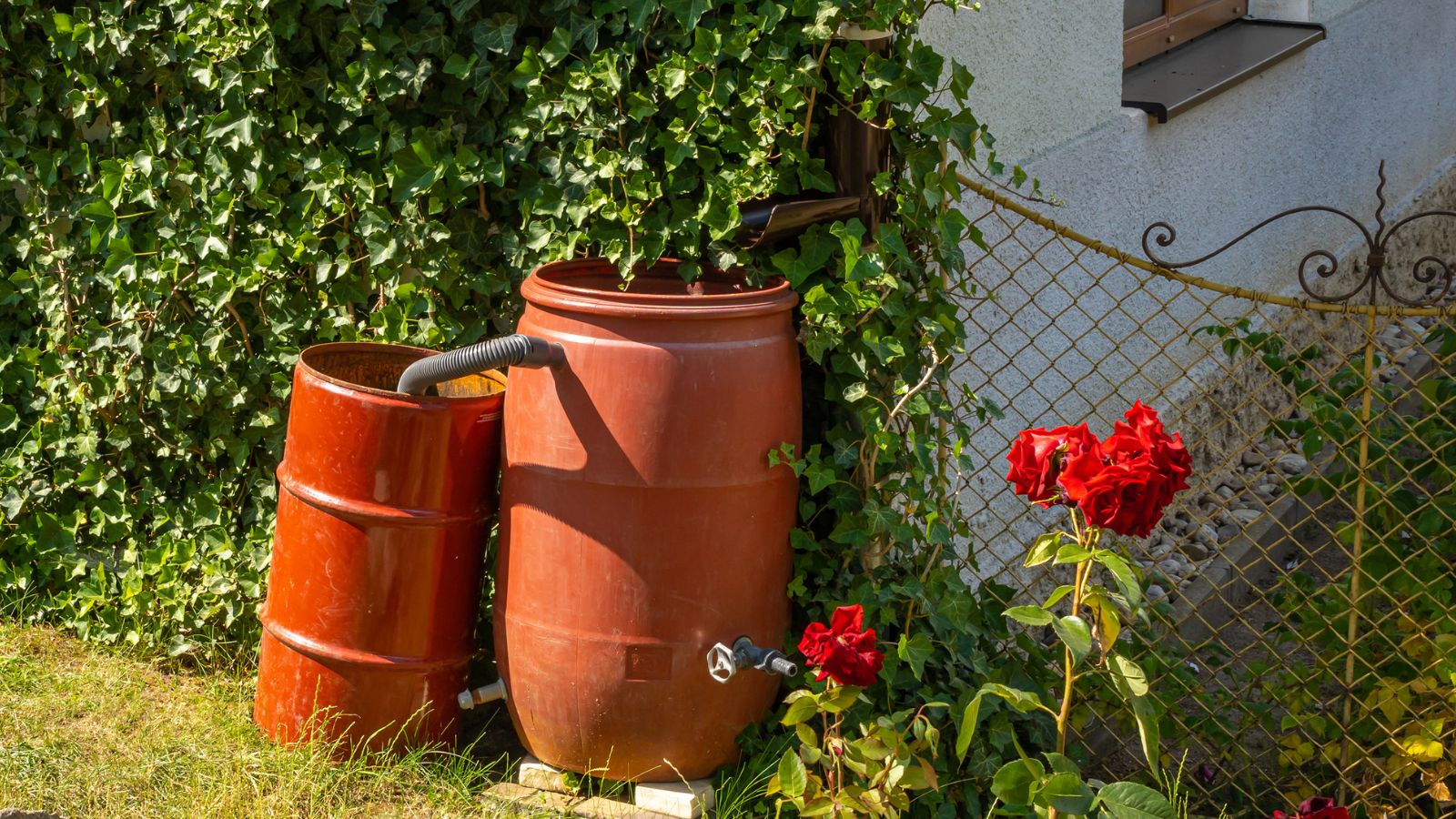
Image Credit: Depositphotos.com.
Catching and storing rainwater means resilience in drought or when city supplies are interrupted.
How to Learn
Install a simple rain barrel, learning the basics of filtration and safe storage. Master more advanced systems for irrigation or even potable water with online guides and local conservation agencies.
Why It Matters
It lowers your utility costs, reduces strain on pipes or wells, and establishes independence from city infrastructure.
17. Maple Sugaring (or Simple Sugar Making)

Image Credit: Shutterstock.
Turning sap into syrup is a sweet homesteading tradition with practical benefits.
How to Learn
If you live in the right climate, research tree identification, local tapping regulations, and simple boiling setups. Try a “backyard boil” in late winter and ask a local producer for a tour during sugaring season.
Why It Matters
Homemade syrup is pure, local, and a treat you can gift or barter. Plus, it’s a direct taste of regional heritage—few store-bought products compare when you do it yourself.
18. Fishing and Wild Game Processing

Image Credit: Depositphotos.com.
Supplying your own protein is a time-honored, resourceful, and ethical way to eat.
How to Learn
Learn state regulations and safe, respectful harvest methods. Join a fishing club, take a hunter safety course, or shadow an experienced friend. Learn about cleaning, filleting, or dressing game through classes or reputable online resources.
Why It Matters
You deepen self-reliance, understand animal stewardship, and enjoy the freshest possible food from your environment. It’s also an avenue for time in nature and ecological awareness.
19. Making Natural Beverages (Kombucha, Herbal Teas, and Simple Wines)

Image Credit: Depositphotos.com.
Historically, homes brewed their own live cultures and traditional drinks.
How to Learn
Experiment with starter kits or online guides for kombucha, water kefir, or herbal infusions. Attend local workshops on wild fermentation or mead-making. (Caution: Always practice safe fermentation practices.)
Why It Matters
DIY beverages are more affordable, free of additives, and let you control both flavor and health benefits. Fermenting also nurtures patience and lets you use garden harvests creatively.
20. Decluttering and Simple Living

Image Credit: Shutterstock.
Living with less was once built into every homestead; now, it’s an intentional practice that makes room for what matters.
How to Learn
Read books on minimalism or study the wisdom of resourceful families. Tackle an area at a time and donate or repurpose useful cast-offs, freeing up space for meaningful activity.
Why It Matters
A focused, tidy home saves time, reduces stress, and helps you identify what truly supports your modern homestead journey.
21. Basic Handyman Skills

Image Credit: Depositphotos.com.
Every homesteader once knew how to fix a leaky faucet or mend a fence.
How to Learn
Start with small repairs: unclogging drains, patching walls, or changing light fixtures. Use resources from trusted DIY sites, or ask for demonstrations from skilled friends or neighbors.
Why It Matters
Handiness makes you more resilient in emergencies, saves service costs, and fosters confidence to tackle whatever needs fixing on your property.
22. Lifelong Learning & Community Sharing
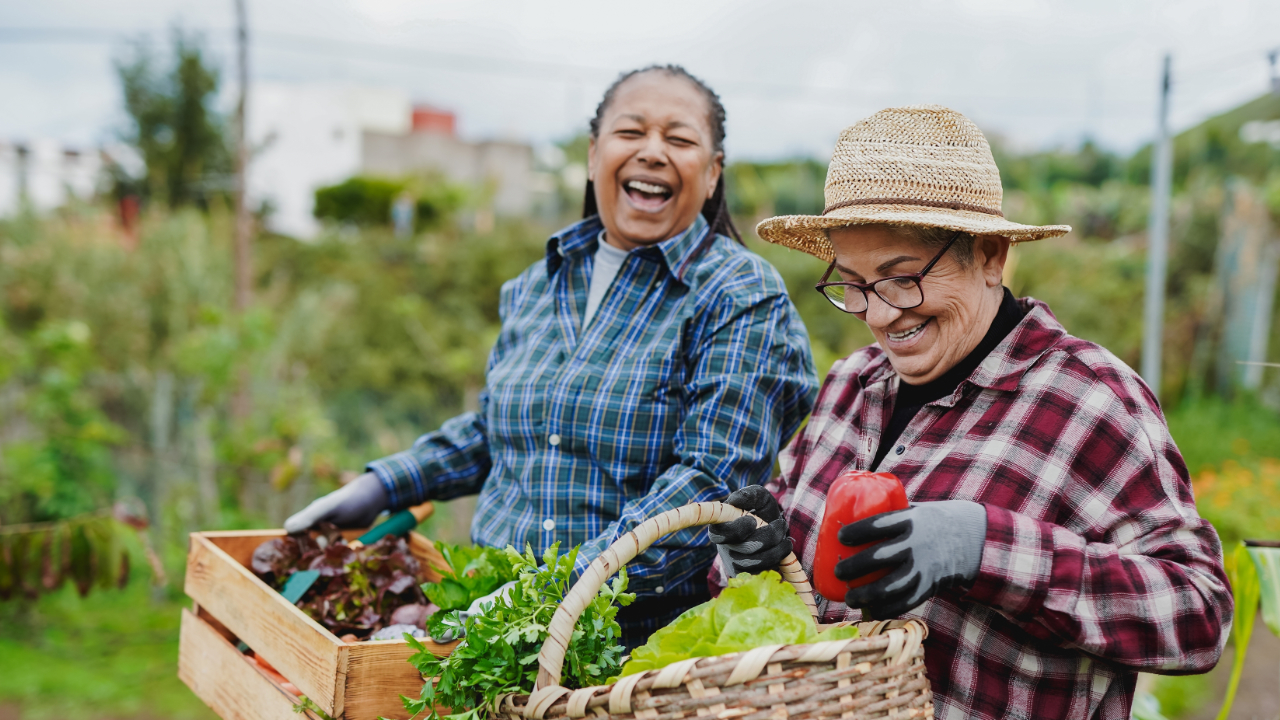
Image Credit: Shutterstock.
Perhaps the most vital skill is the habit of learning—and then passing skills to others.
How to Learn
Seek out local elders, books, and community classes. Share what you master with neighbors, children, or online communities. Learn and trade skills—bartering knowledge is part of the homesteading tradition.
Why It Matters
Lifelong learning ensures the skills above don’t disappear with you, but ripple through families and communities, making everyone stronger. In an unpredictable world, it’s our shared knowledge that ensures not just survival, but a full, meaningful life.
Ready to reclaim lost skills and build a more resilient, rewarding home life? Pick one that speaks to you and start today—the journey to self-reliance is built one small, confidence-boosting step at a time.