Homeowners Outside Flood Zones Face Costly Damage After Sudden Flash Flooding
South Carolina homeowners who were not in a mapped flood zone are facing soaked belongings, damaged homes, torn fencing, erosion, and denied insurance claims after sudden flash flooding hit parts of Irmo.
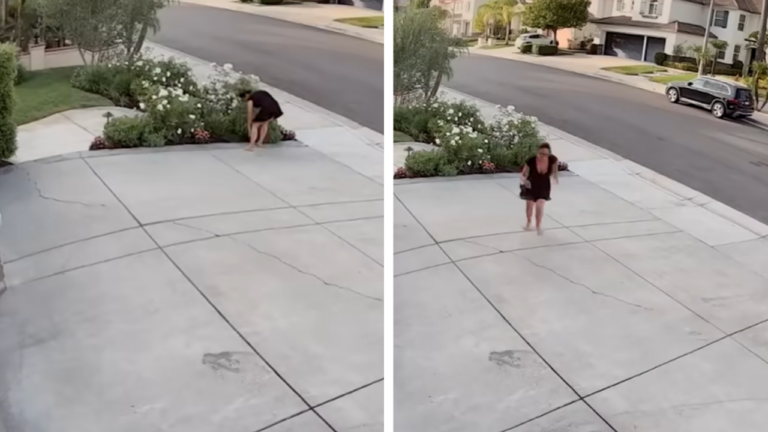
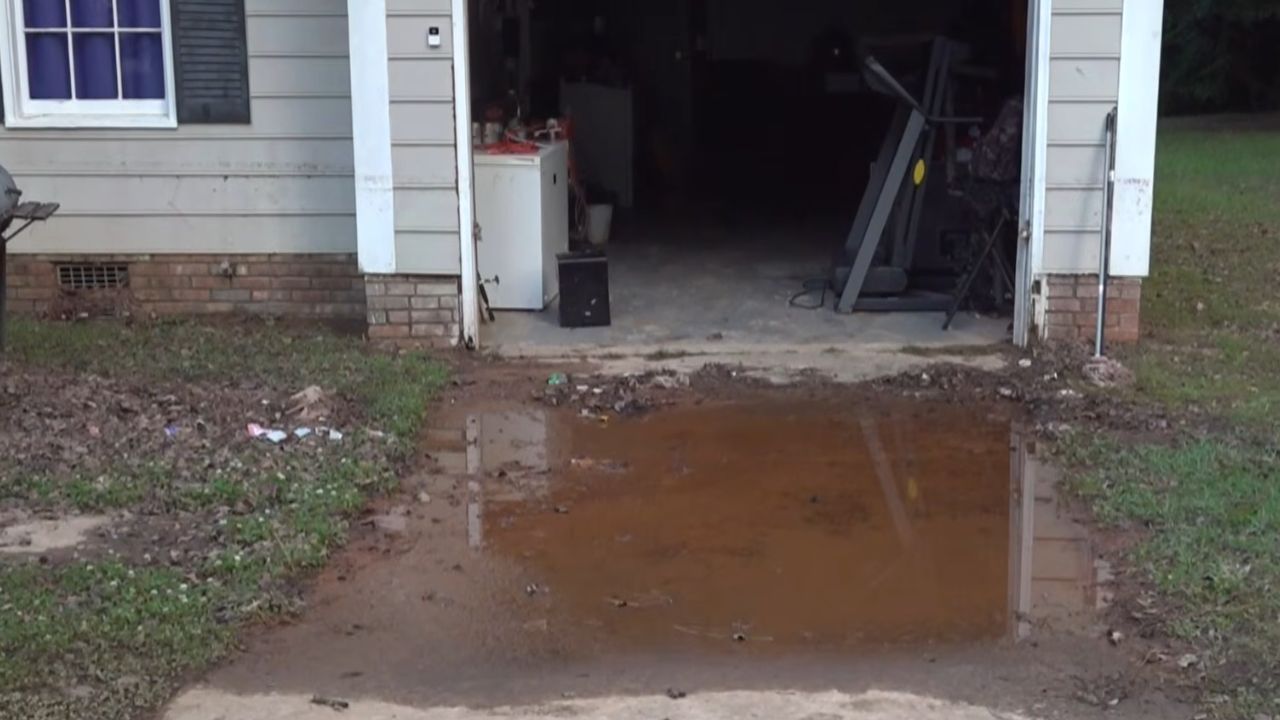
The flooding followed a May 23 severe thunderstorm in Richland County. According to The State, Laura Easley Hayes said a “wave of water” blocked the entrance to her Stonegate home, tore apart her fence, and left her belongings soaked.
Her insurance would not cover the damage because Stonegate is not in a designated flood zone.
Neighbor Racheal Savage also told The State that her claims were denied after water flooded her crawlspace and forced her to carry her young children through rushing water.
The Flooding Hit Homes Outside Mapped Flood Zones
The State reported that most residential areas in Richland and Lexington counties are outside FEMA-mapped flood zones, leaving many owners exposed to repair costs if they do not carry separate flood insurance.
FEMA confirmed that flood zones in parts of the Irmo region were last updated in 2017, according to The State.
The South Carolina Department of Insurance says homeowners should consider flood coverage regardless of whether a property is officially considered inside a flood zone.
Runoff And Erosion Became A Property Problem
Residents said the stormwater did not behave like flooding they had seen before. Hayes and other neighbors pointed to nearby development and drainage concerns, though The State noted it is unclear whether infrastructure growth contributed to the flooding.
Less than three miles away, homeowner Tracy Duckworth said a surge of water pushed heavy rocks and sediment through a normally dry ditch toward Lake Murray, leaving erosion that she worries could threaten her home.
The U.S. Geological Survey explains that urban development can increase runoff when vegetation and soil are replaced by pavement, rooftops, grading, and drainage systems.
Standard Homeowners Policies May Not Help
The insurance gap is the part many owners do not see until after a storm. The South Carolina Department of Insurance says standard homeowners insurance typically does not cover flood damage, and flood insurance must usually be purchased separately.
FEMA says floods can happen almost anywhere, and flood insurance is a separate policy that can cover buildings, belongings, or both.
Before the next heavy rain, homeowners can check their FEMA flood map, ask an insurance agent about separate flood coverage, photograph drainage problems, document yard erosion, keep claim records, and report stormwater issues before another downpour turns a ditch, fence line, crawlspace, or backyard into a repair bill.