Homeowners Are Trying “Chaos Gardening,” but Experts Say It Still Needs a Plan
Homeowners tired of perfect lawns are trying a looser style of planting that starts with scattered seeds and leaves more of the final design to the yard itself.
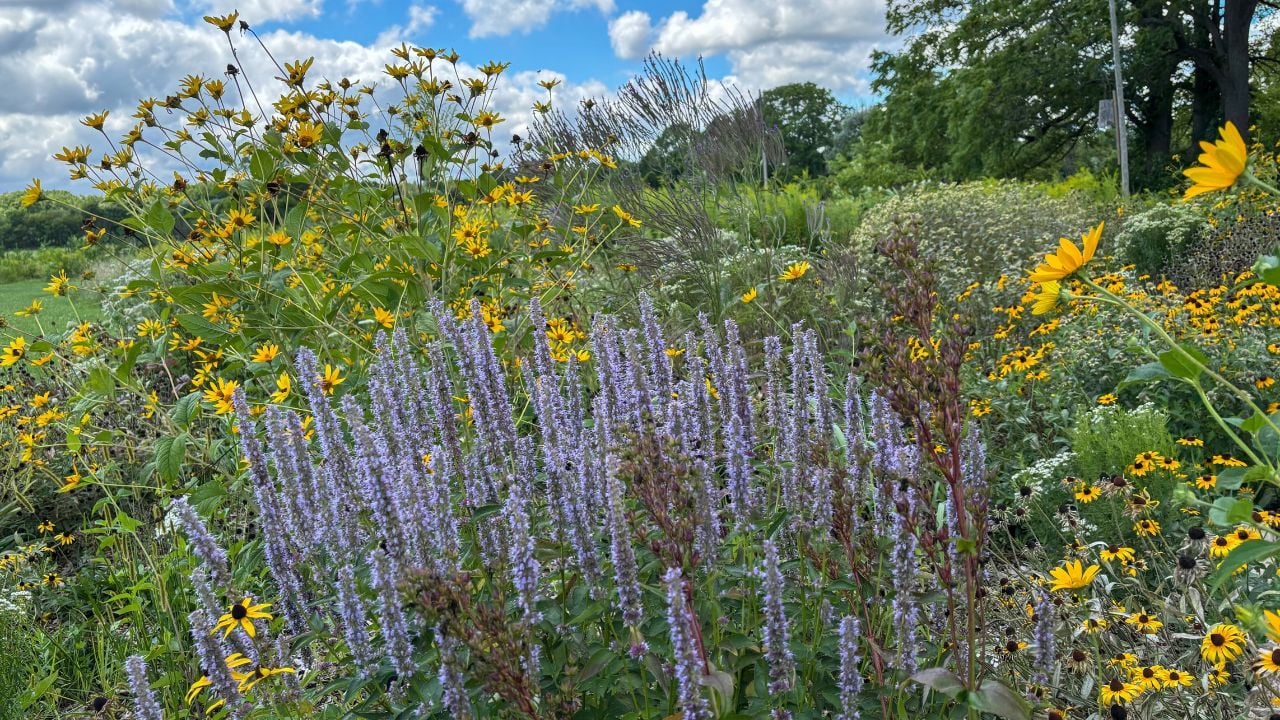
The trend is called chaos gardening. According to The Cool Down, Massachusetts homeowners are showing growing interest in the practice, especially when native plants are used to support pollinators and local wildlife.
The method usually involves spreading a seed mix across a prepared area instead of arranging every plant in formal rows or tightly planned beds. Soil, sunlight, rain, and plant competition then shape what survives.
A wild-looking bed can reduce lawn area, add flowers, and draw bees and butterflies, but the best results still depend on seed choice, site conditions, and basic maintenance.
It Is Not Just Throwing Seeds on the Ground
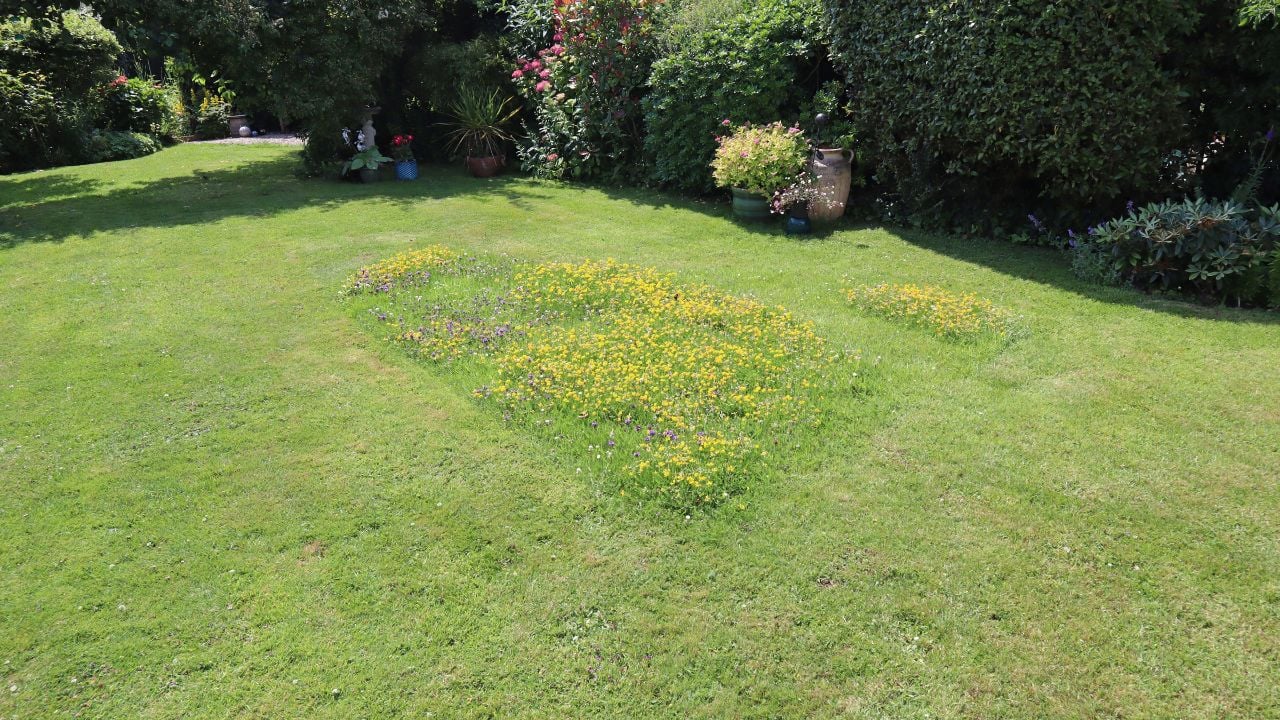
The Pennsylvania Horticultural Society says randomly throwing seeds onto a plot and walking away can simply feed birds, mice, and squirrels.
Its guidance recommends roughening the soil, removing obvious weeds, marking the borders, scattering larger seeds first, covering lightly with compost, and watering or waiting for rain.
A defined edge, path, or bed shape can also help a loose planting read as intentional rather than neglected, especially in front yards, shared neighborhoods, and HOA communities.
The Right Seed Mix Is Important
Alabama Extension says gardeners should match plants to the site’s actual conditions. Seeds with opposite needs, such as drought-tolerant plants and moisture-loving plants, may not perform well in the same patch.
Extension experts also warn homeowners to check seed mixes for invasive species. Even a relaxed garden can cause problems if aggressive plants spread beyond the bed and crowd out native species.
Native Meadows Take Time
The Cool Down noted that local garden experts say native meadows often take longer to establish than social media suggests. Some native seeds may take years to flower, which can surprise homeowners expecting instant color.
Homeowners may get better results by starting with a small bed, choosing local native seeds or starter plants, keeping the border clean, and treating the first season as a test of what grows well in that exact soil and light.