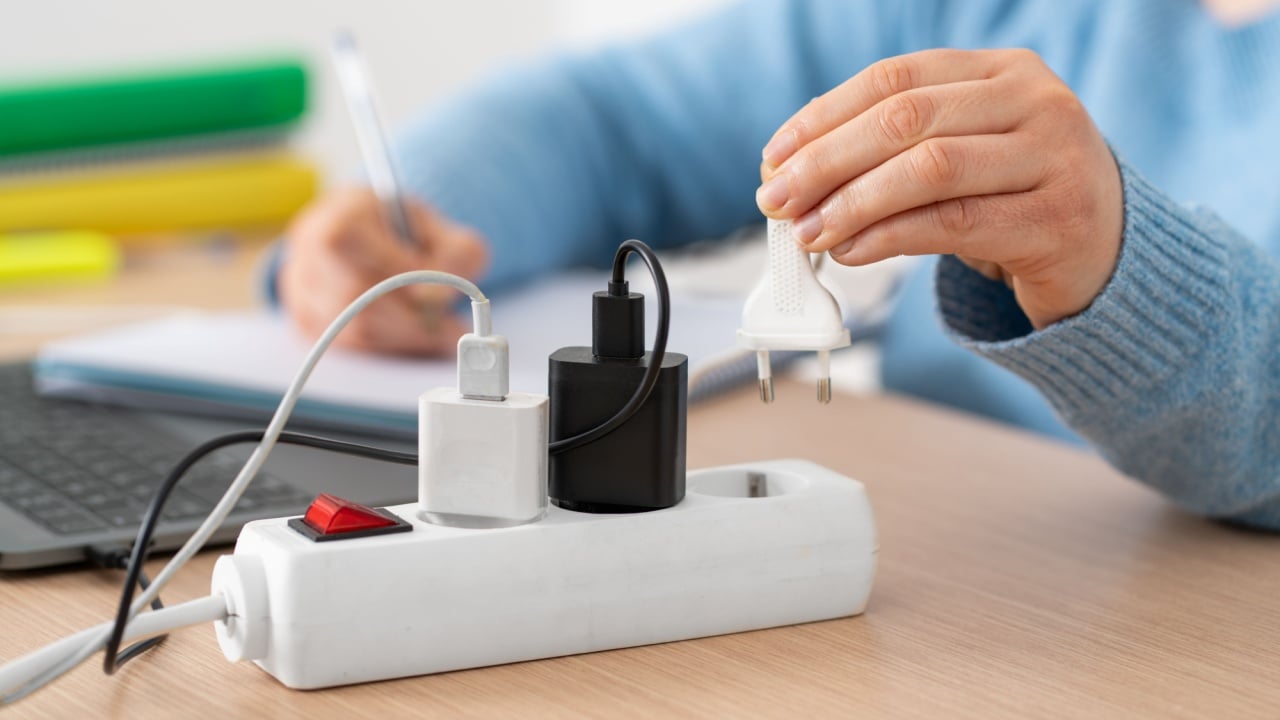
15 Mistakes People Make with Power Strips, Putting Their Homes at Fire Risk
Power strips offer incredible convenience for powering multiple devices from a single wall receptacle. Many households rely on these gadgets to run entertainment centers, home offices, and kitchen appliances simultaneously.
The National Fire Protection Association reports that overloaded outlets and extension cords cause nearly one-third of all home electrical fires. Misusing these common electrical accessories creates serious hazards that often go unnoticed until it is too late.
Electrical safety experts from organizations like Underwriters Laboratories frequently warn against common practices that push strips beyond their limits. Their research shows that improper usage degrades components and significantly raises the risk of overheating.
This guide details the most dangerous pitfalls associated with these devices. Reading through these common errors will help identify hidden hazards and provide clear solutions to maintain a safe electrical setup at home.
1. Overloading the Power Strip
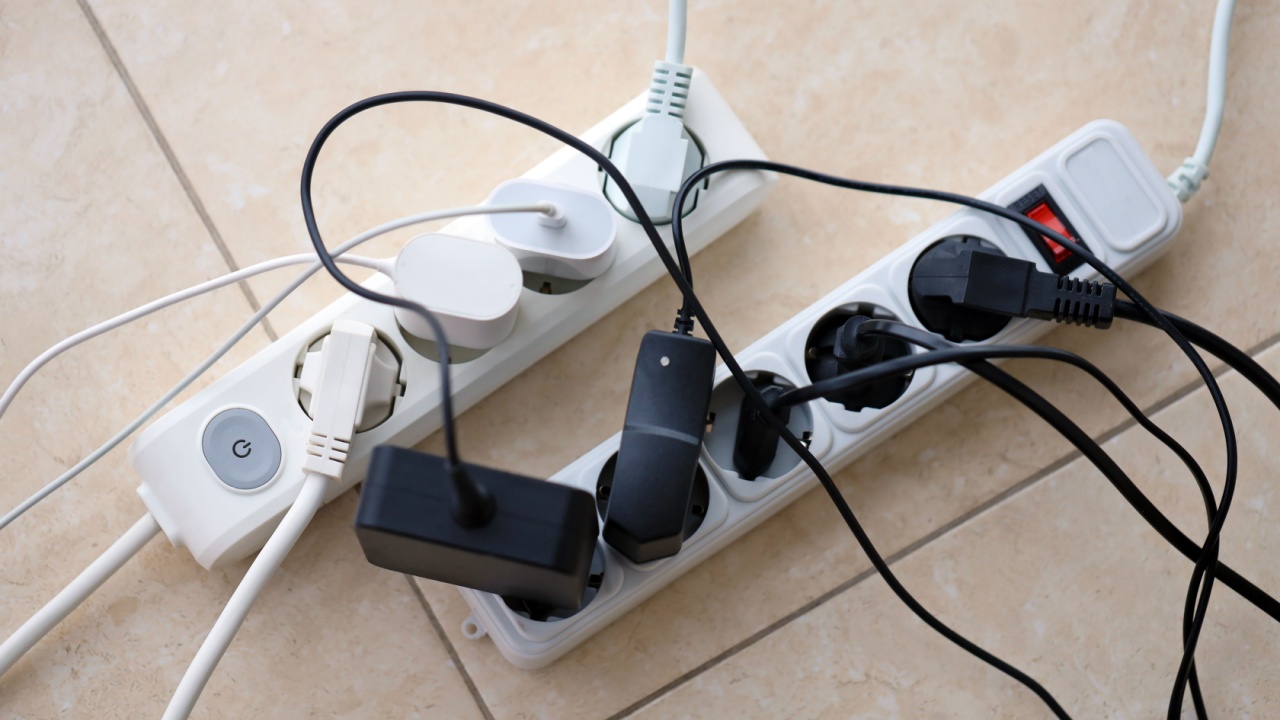
Plugging too many high-wattage appliances into a single strip causes the internal components to overheat. Devices like space heaters, microwaves, and toasters draw massive amounts of electricity that exceed the typical capacity of a standard unit.
Excessive demand melts the plastic casing and exposes live wires to surrounding materials.
Review the wattage limits printed on the back of the strip before connecting new devices. Calculate the total power draw of all connected equipment to keep the load within a safe range. Use a dedicated wall receptacle for heavy appliances to eliminate this severe risk.
2. Using Them as Permanent Solutions
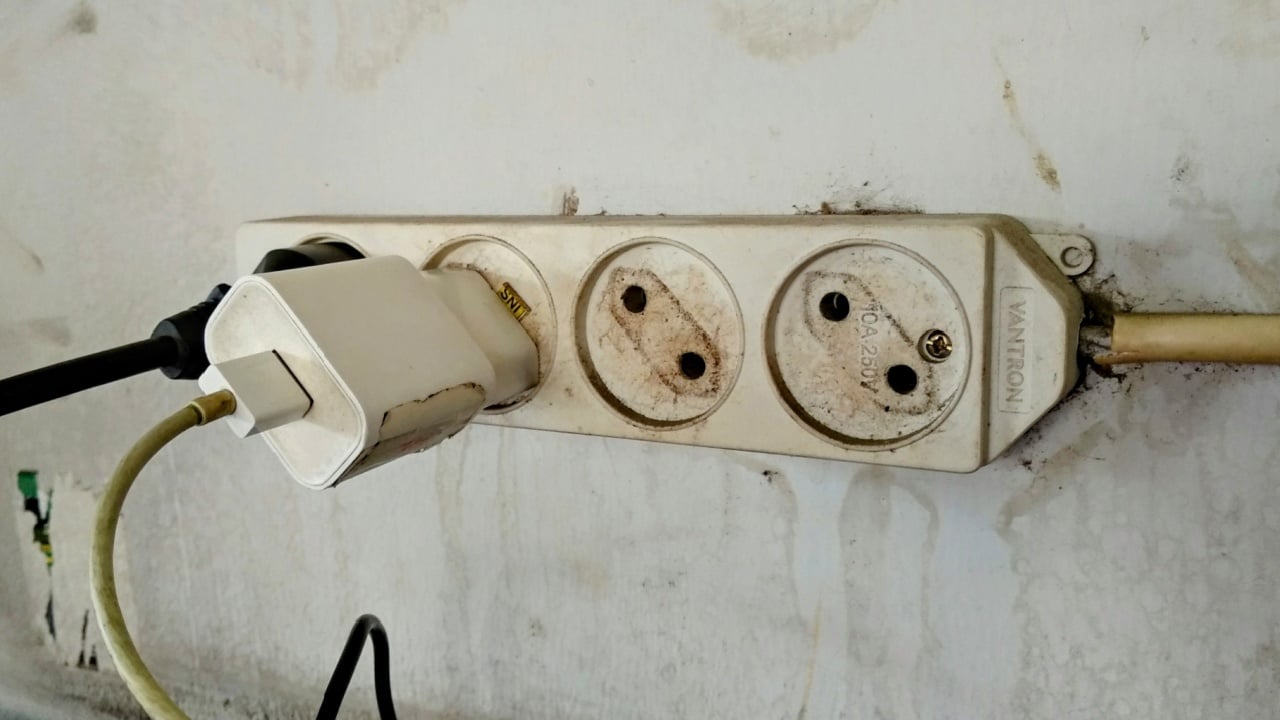
Manufacturers design power strips strictly for temporary use, yet many households leave them tucked behind furniture for years. Continuous use degrades the internal wiring and weakens the connection points. This silent deterioration creates electrical resistance that generates dangerous amounts of heat.
Hire a licensed electrician to install additional wall receptacles if an area requires constant power for multiple devices. Regularly inspect temporary setups and remove strips that have remained in one spot for several months.
Rotating devices and utilizing hardwired outlets prevent the long-term wear that leads to sudden electrical failures.
3. Daisy Chaining Multiple Strips Together
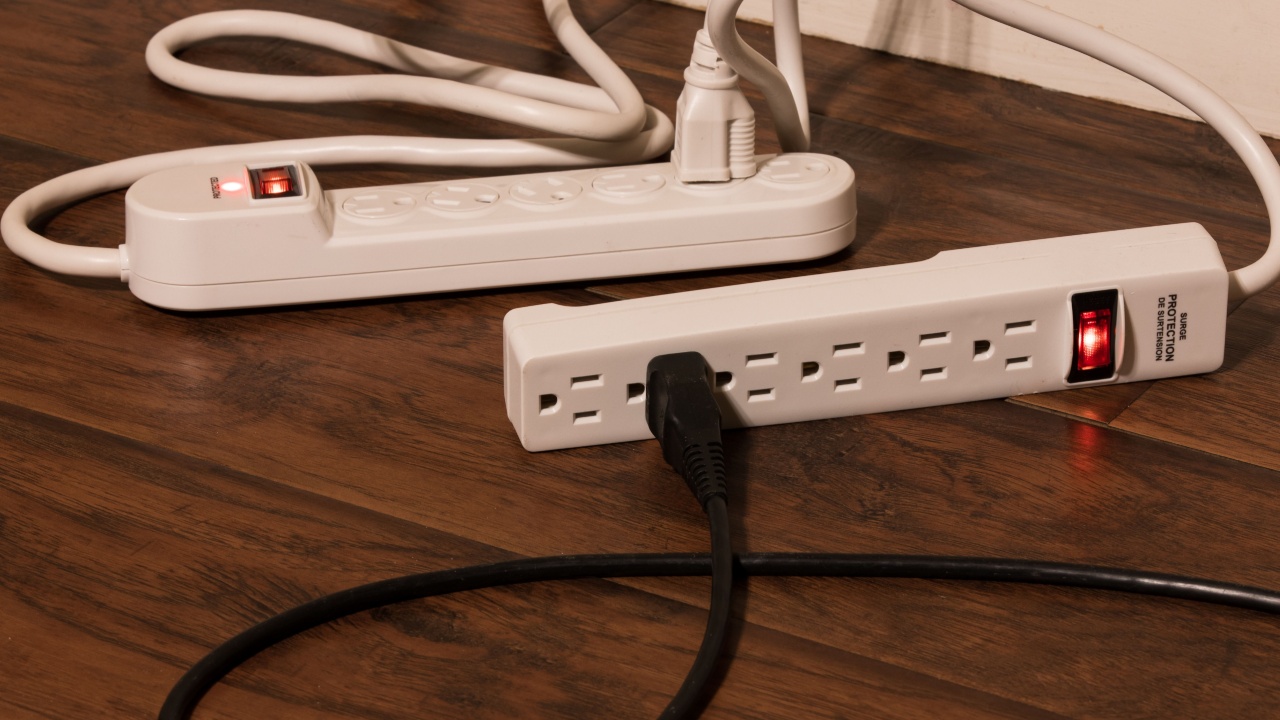
Connecting one power strip to another multiplies the electrical load on a single wall receptacle. This practice creates a severe bottleneck of electricity that easily trips circuit breakers or sparks a fire. The combined resistance of multiple cords generates extreme heat along the entire chain of connections.
Always plug a power strip directly into a grounded wall receptacle. Rearrange furniture and electronic devices to place them closer to existing power sources.
If a cord cannot reach the wall, purchase a single strip with a longer cable instead of linking several shorter ones.
4. Ignoring Visible Damage and Wear
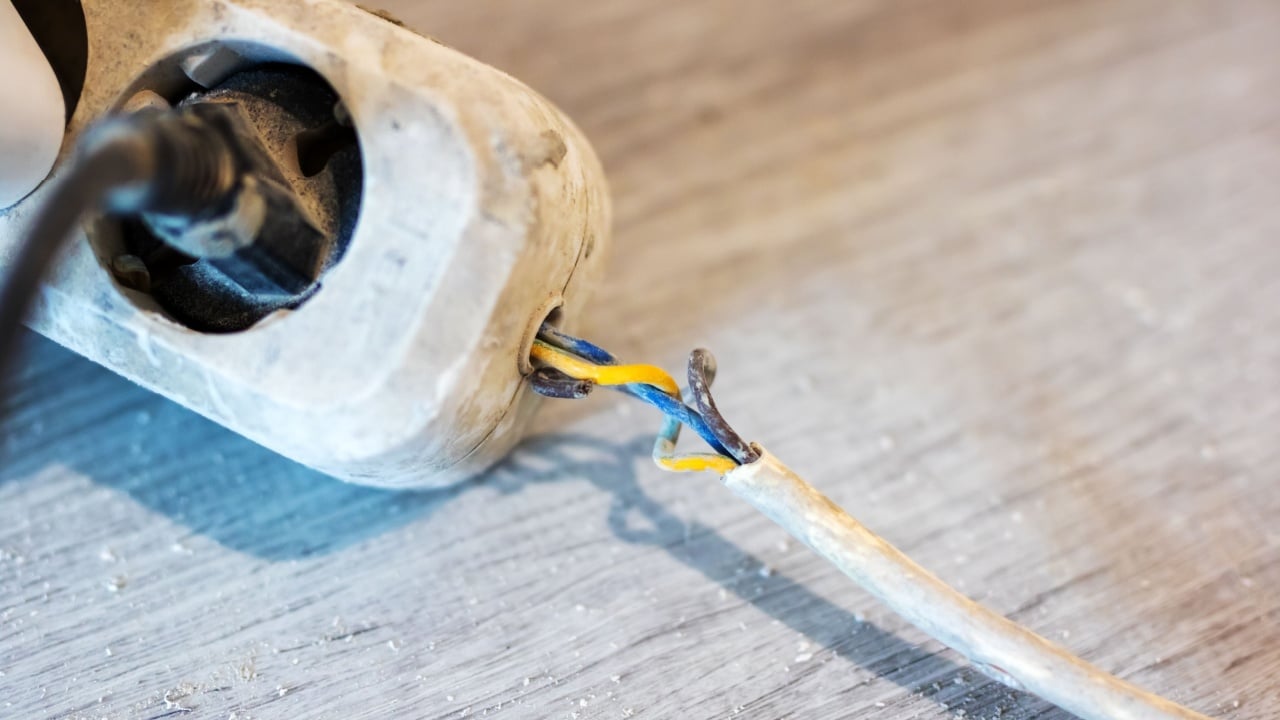
Hidden behind desks and televisions, strips easily suffer physical damage without anyone noticing. Frayed cords, cracked plastic housings, and loose plug receptacles severely compromise the safety of the device. These physical defects lead directly to electrical shorts and catastrophic sparks.
Establish a routine to visually inspect all electrical accessories every few months. Discard and replace any strip showing signs of discoloration, melted plastic, or exposed wires.
Purchasing a fresh replacement immediately removes a hidden fire hazard from the living space.
5. Placing Strips in Damp Areas
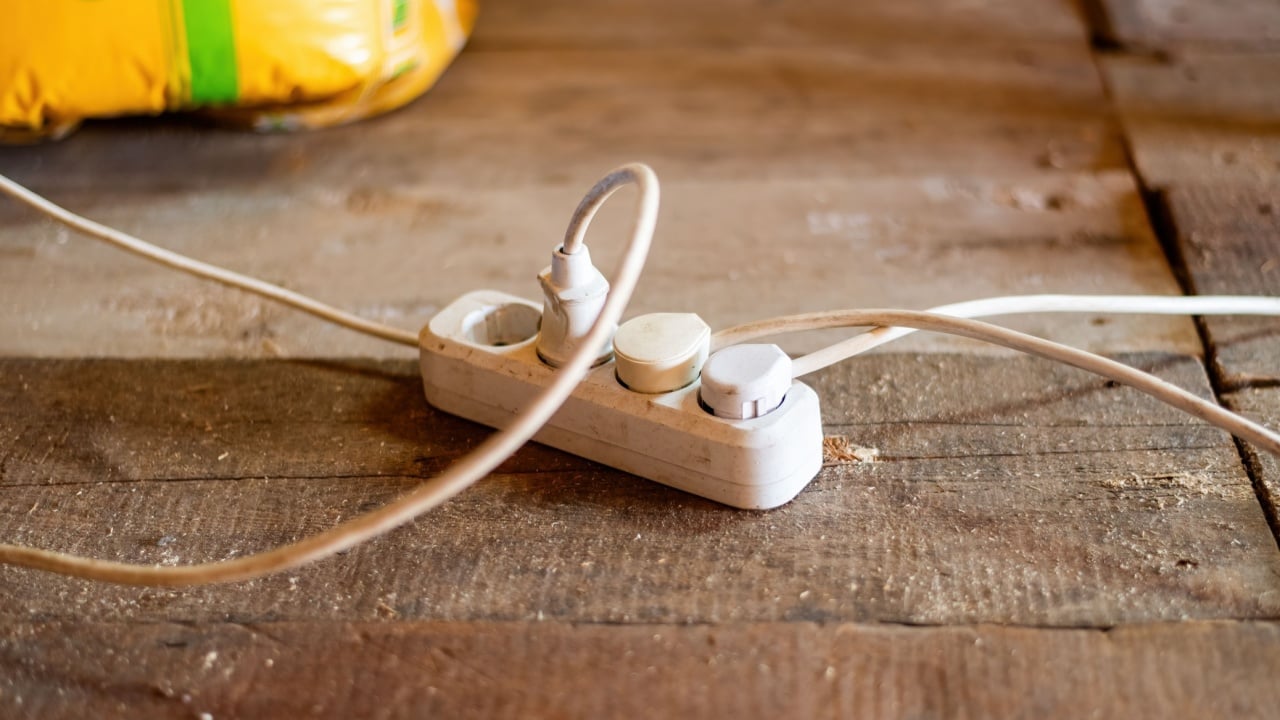
Electricity and moisture create a fatal combination, yet strips frequently end up in kitchens, bathrooms, and damp basements. Even small splashes or high humidity can cause water to enter the open sockets.
The U.S. Consumer Product Safety Commission warns that water exposure leads to severe shocks and rapid electrical fires.
Keep all multiple-outlet devices far away from sinks, bathtubs, and washing machines. Rely on Ground Fault Circuit Interrupter outlets installed by professionals for areas prone to moisture. Relocating electronics to dry areas provides a much safer environment for daily power usage.
6. Leaving Devices Plugged in Continuously
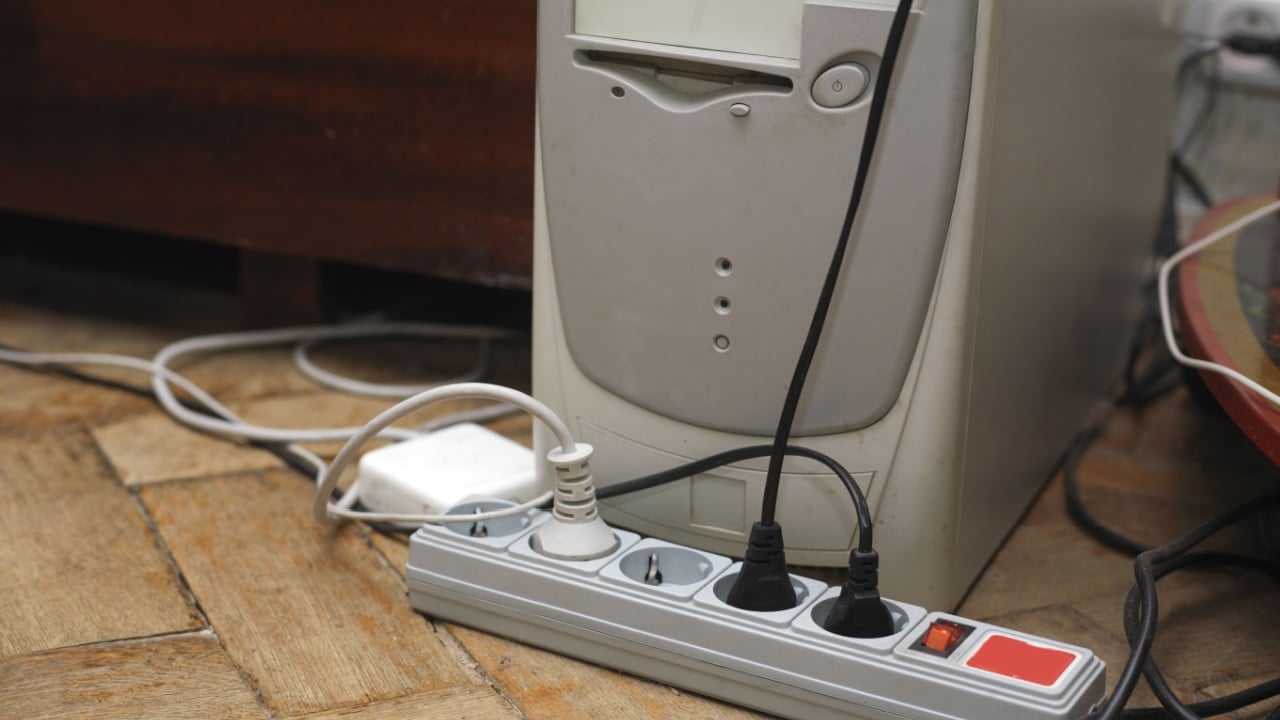
Appliances and electronics continue to draw phantom power even when switched off. This constant electrical flow forces the strip to work continuously, slowly degrading its internal parts. Constant connection also leaves expensive electronics vulnerable to sudden grid surges.
Unplug devices that rarely see use to reduce the constant electrical burden. Select strips featuring individual on/off switches to easily cut power to specific electronics.
Disconnecting unused items lowers monthly utility bills and removes unnecessary strain from the household wiring.
7. Assuming Every Strip Offers Surge Protection
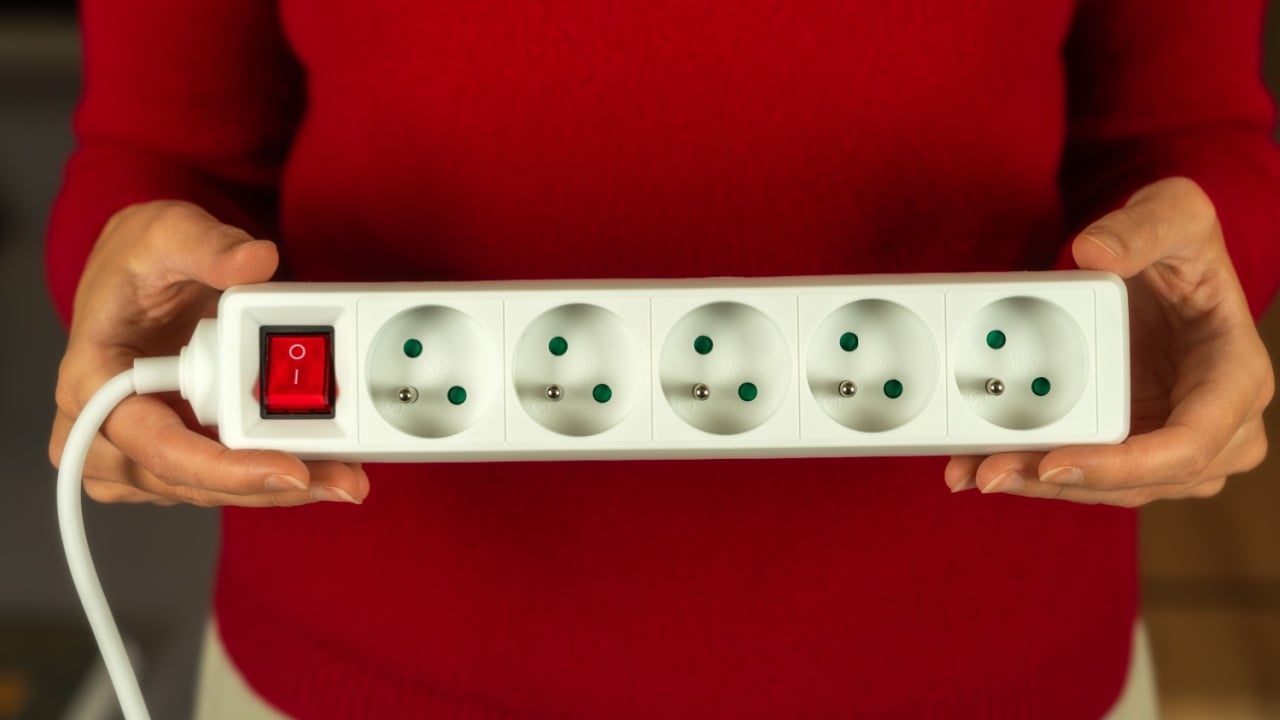
Consumers often confuse basic power strips with true surge protectors. A simple strip only expands the number of outlets and offers zero defense against voltage spikes caused by lightning or grid fluctuations. Plugging expensive computers or televisions into an unprotected strip leaves them completely exposed to electrical damage.
Verify the packaging or the label on the device to confirm it includes a specific joule rating for surge protection.
Replace basic cords with verified surge protectors for all valuable electronics. Upgrading to the correct equipment saves thousands of dollars in potential damage from a single electrical storm.
8. Disregarding the Lifespan of the Device
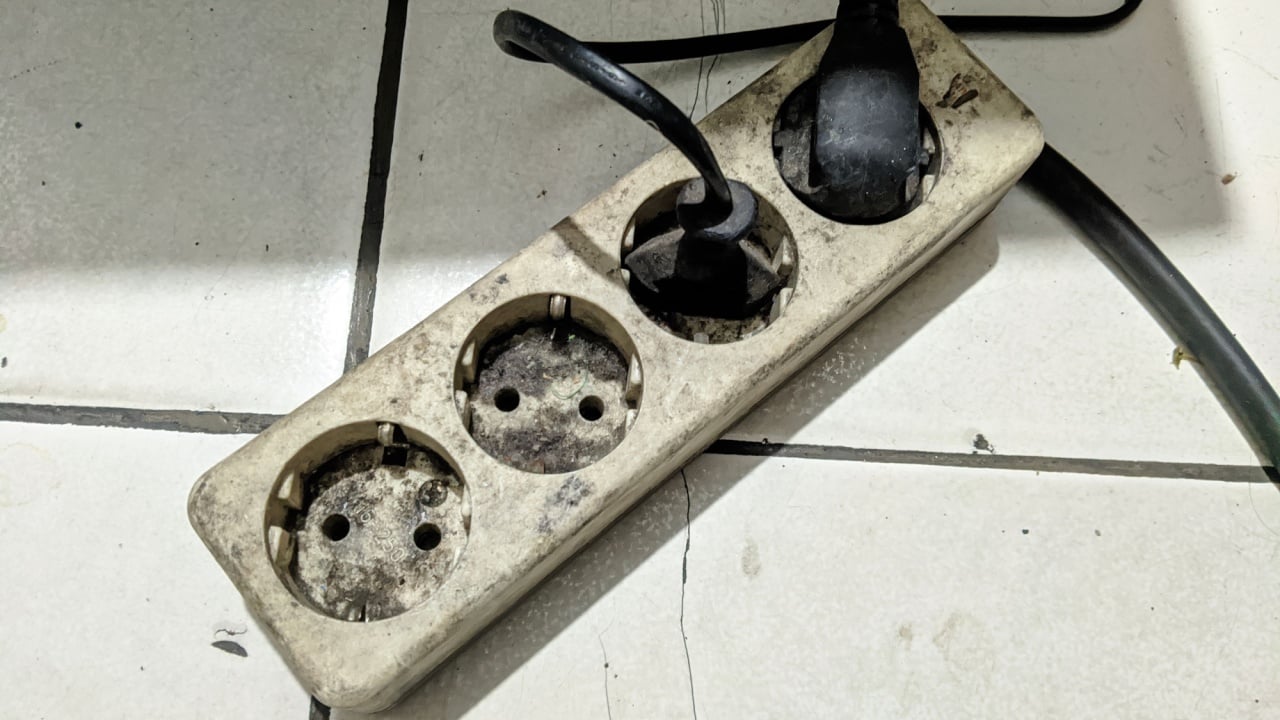
Electrical components do not last forever, and power strips naturally lose their effectiveness after years of use. Internal surge protection mechanisms degrade every time they absorb a minor voltage spike. Eventually, an old strip offers no protection and becomes a hazard itself due to worn-out parts.
Treat these accessories as consumable items that require replacement every three to five years. Write the date of purchase on the bottom of the device with a permanent marker to track its age.
Swapping out old units for modern models provides continuous defense against electrical fires.
9. Selecting the Wrong Type for the Job
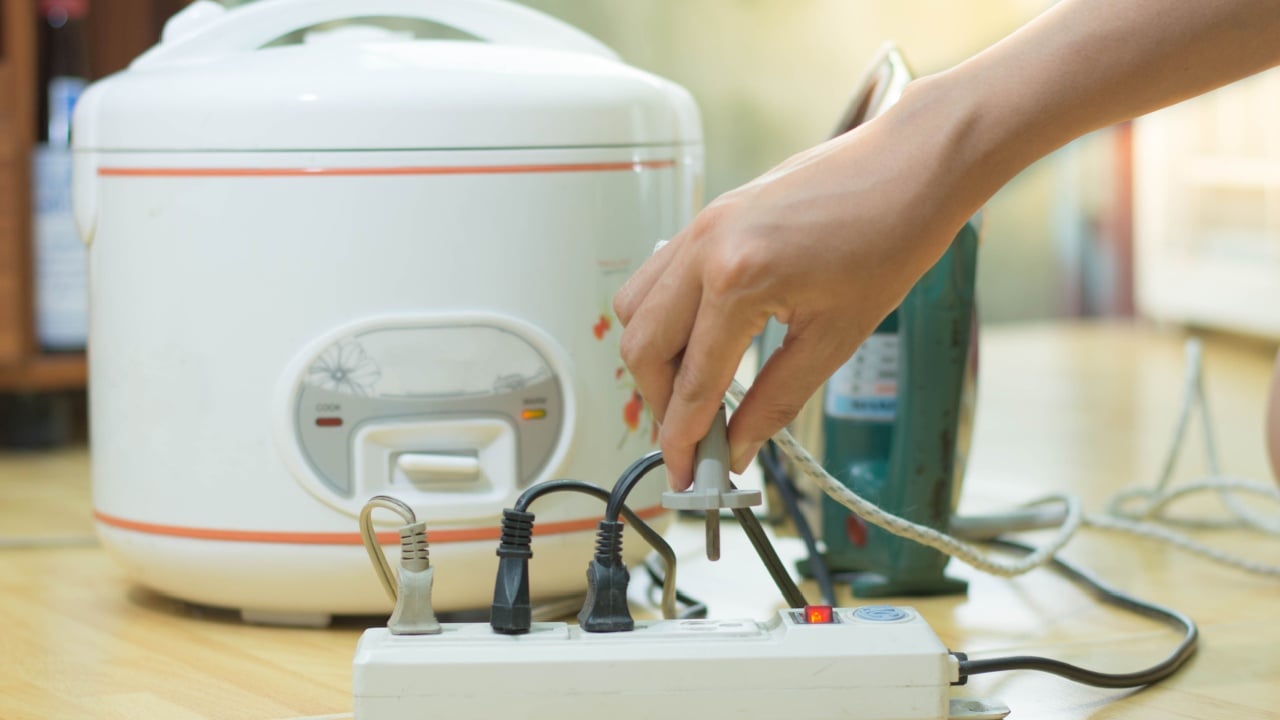
Using a light-duty strip for heavy power tools or major kitchen appliances quickly overloads the unit. Manufacturers build different models with varying wire gauges and amperage ratings to handle specific tasks.
A mismatch between the capability of the device and the required power draw causes rapid overheating.
Check the amperage rating on both the strip and the connected devices to guarantee compatibility. Purchase heavy-duty, commercial-grade units for garages, workshops, and large entertainment systems. Matching the equipment to the specific power requirement eliminates the risk of an overload.
10. Combining Strips with Extension Cords
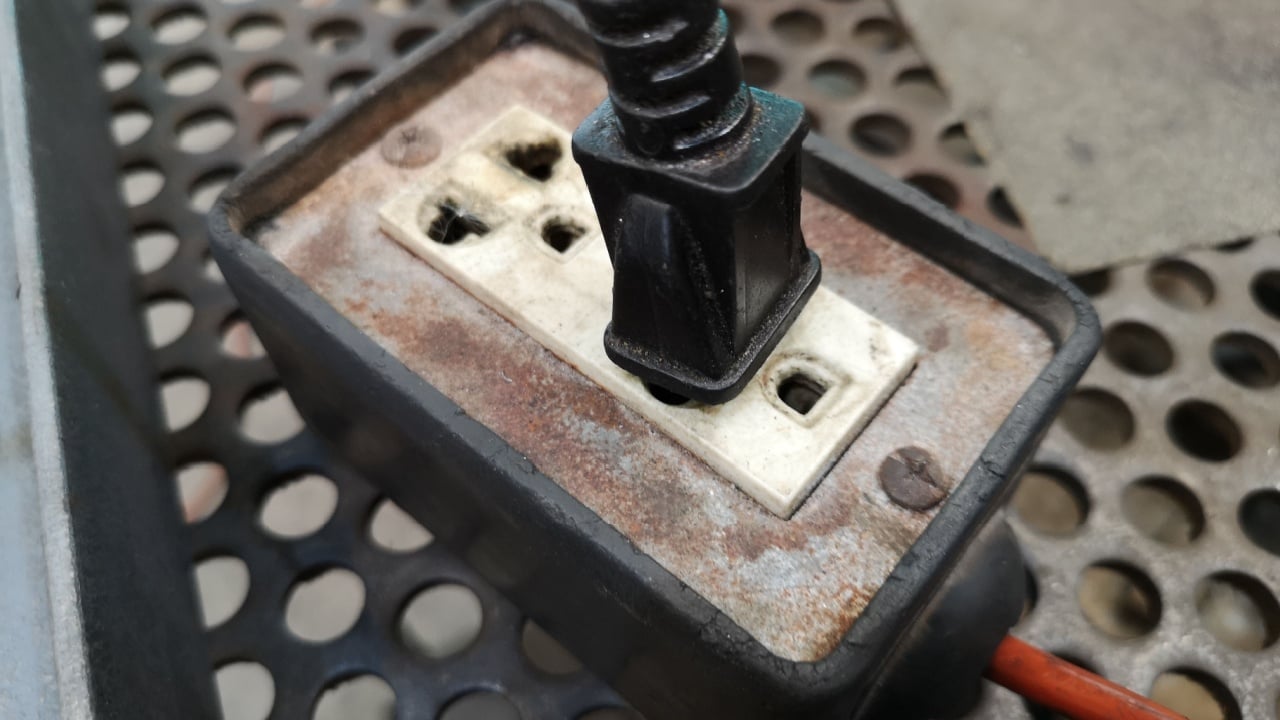
Stretching the reach of a power strip by plugging it into a separate extension cord creates dangerous electrical resistance. Most household extension cords feature thinner wires that cannot handle the multiplied load of a fully populated strip.
This setup generates intense heat along the cord and frequently results in melted insulation.
Reconfigure the room layout so devices comfortably reach the wall receptacle without extra length. Buy a single strip equipped with a factory-installed extra-long cord to safely bridge gaps. Eliminating the extension cord removes a major weak point in the electrical path.
11. Routing Cords Under Rugs and Carpets

Hiding electrical wires under floor coverings seems like a neat organizational trick. However, heavy foot traffic compresses the wires and breaks down the protective insulation.
The trapped heat generated by the electricity cannot escape through the thick carpet, creating a hidden ignition source.
Route all cables along the baseboards where they remain visible and uncompressed. Use specialized cord covers designed to rest safely on top of the flooring to prevent tripping hazards. Keeping cables in the open allows heat to dissipate naturally and prevents unseen damage.
12. Using Indoor Strips Outdoors
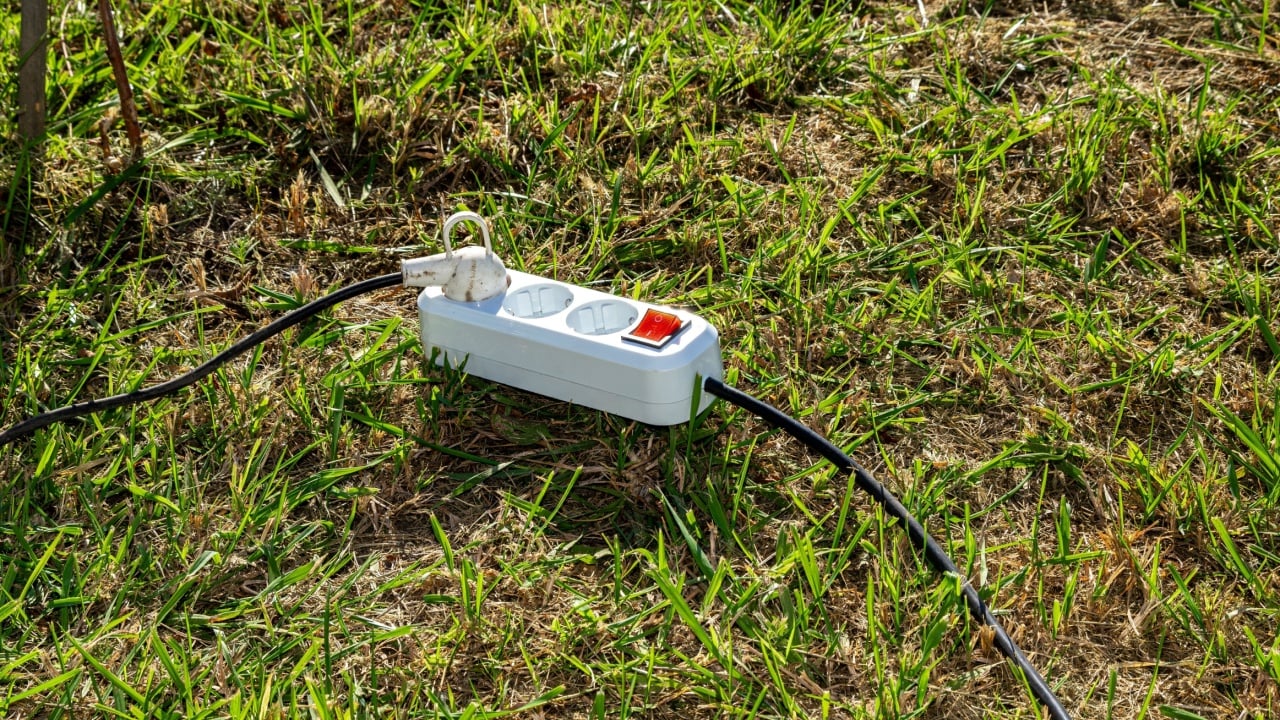
Taking a standard indoor strip outside to power holiday lights or garden tools exposes it to weather and extreme temperatures. These models lack the weatherproofing required to keep rain, dew, and dirt out of the sensitive electrical contacts. Moisture easily bridges the gap between the live terminals and triggers a massive short circuit.
Purchase dedicated outdoor power stakes and weatherproof splitters for any exterior electrical needs.
Keep all connections elevated above the ground to avoid standing water. Sticking to appropriately rated exterior equipment stops sudden shocks and outdoor fires.
13. Blocking the Ventilation of the Strip
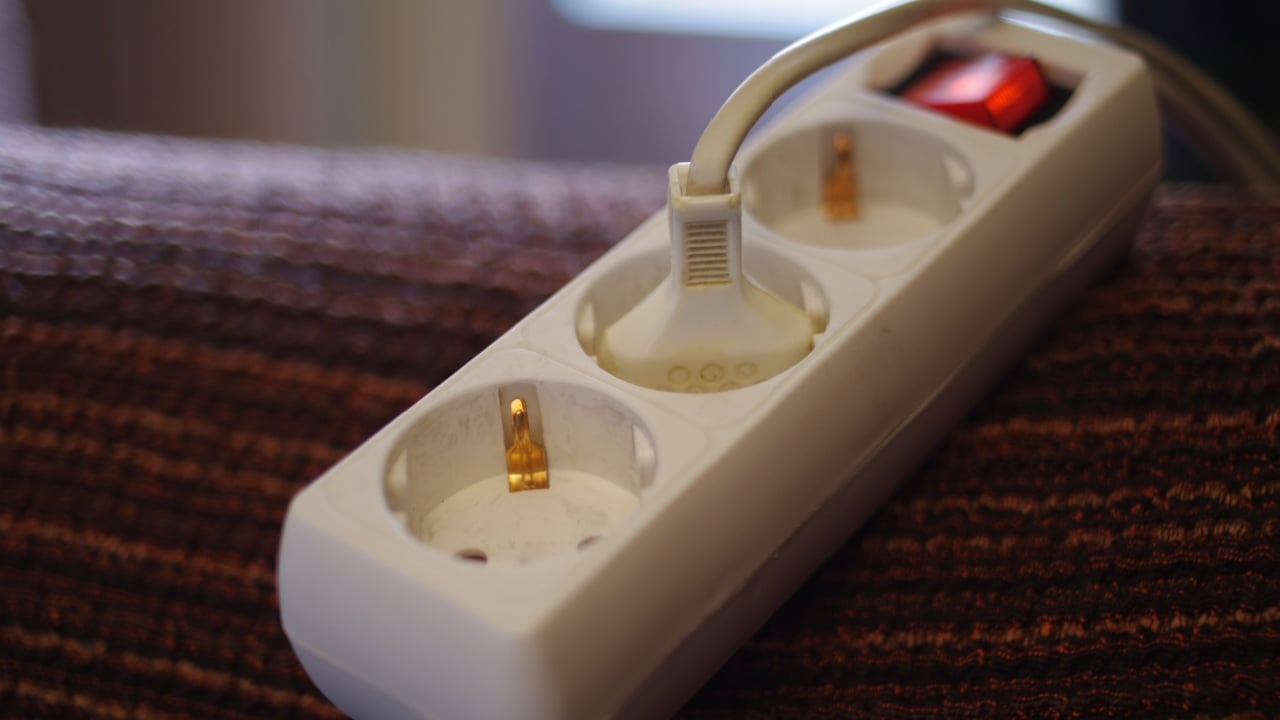
Power strips naturally generate a small amount of heat during normal operation. Shoving them tightly between a couch and a wall or burying them in a box of cables traps that heat entirely. Without proper airflow, the internal temperature rises steadily until the plastic components begin to smolder.
Position the unit in an open area where air circulates freely around the plastic housing. Avoid covering the device with blankets, clothing, or dense bundles of other wires.
Providing adequate breathing room keeps the internal temperature completely stable during heavy use.
14. Forgetting to Check for Product Recalls

Millions of electrical accessories face recalls every year due to manufacturing defects that pose severe fire risks. Many people continue to use dangerous models simply because they never check the safety bulletins. Defective soldering or faulty internal breakers can fail without warning.
Register new electrical purchases with the manufacturer to receive direct notifications of any safety issues.
Periodically search the brand and model number of existing strips on government consumer safety websites. Immediately stop using and discard any product that appears on a national recall list.
15. Ignoring Tripped Internal Breakers
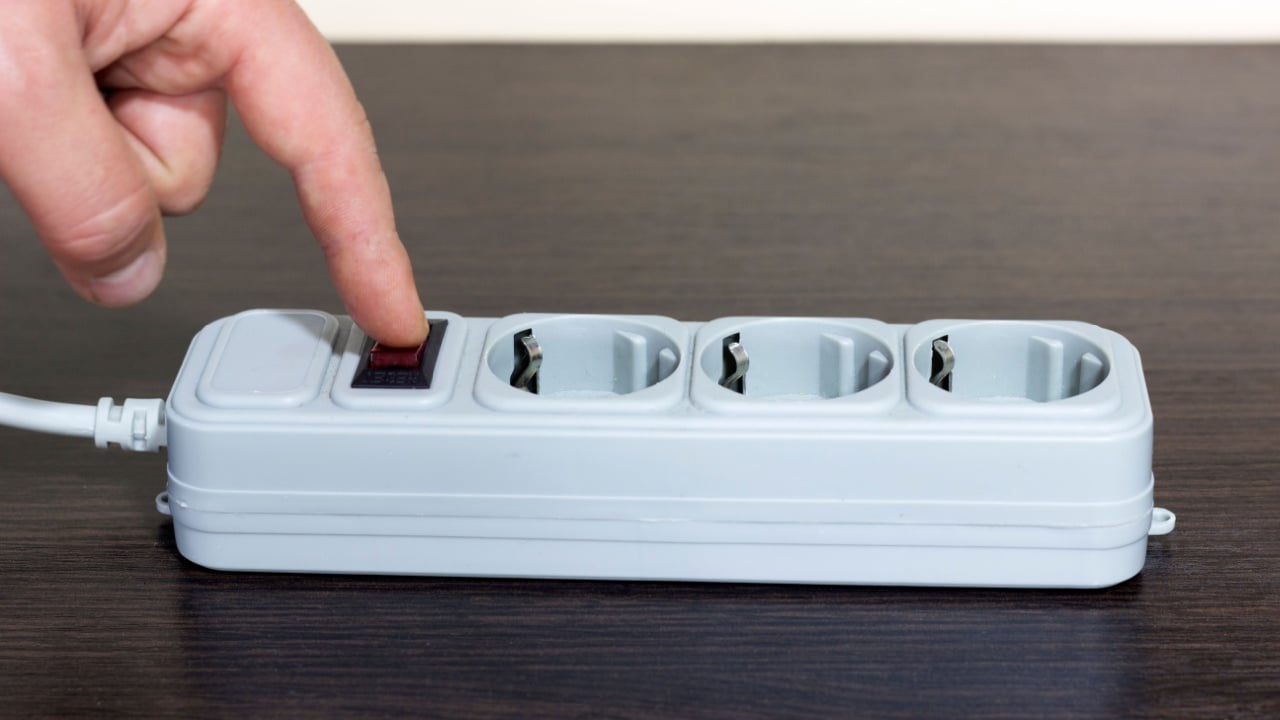
Many strips feature a built-in breaker switch that trips when the unit experiences a severe overload. Continually resetting this switch without investigating the cause forces electricity back into a compromised circuit.
A frequently tripping breaker signals a dangerous power demand that the strip simply cannot handle safely.
Unplug all connected devices immediately if the internal breaker trips. Calculate the wattage of the electronics to find out which item caused the excessive draw. Move high-power items to a different circuit entirely before resetting the strip for lighter electronics.
Prioritizing Fire Prevention
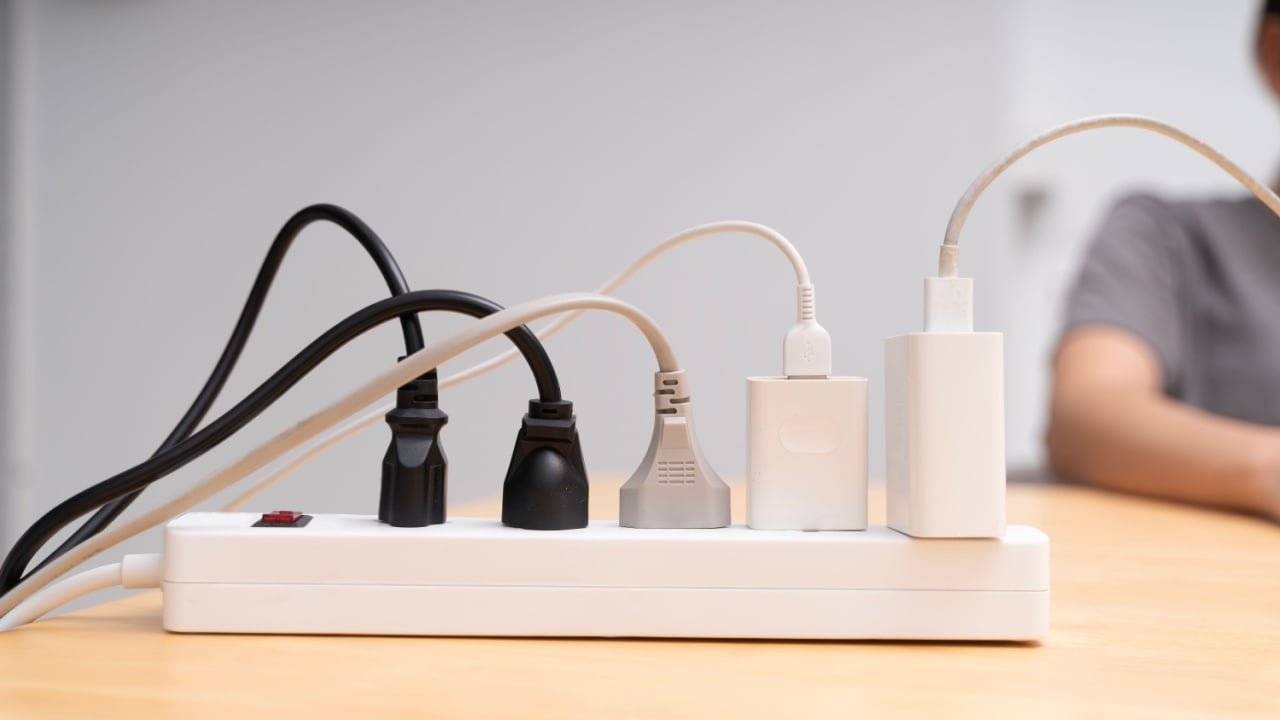
Keeping a home safe from electrical fires requires diligence and proper usage of everyday accessories. Take a walk through every room today to evaluate all current plug configurations and immediately correct any dangerous setups.
Invest in the appropriate heavy-duty equipment and hire a professional electrician to add permanent wall outlets where needed to protect your household from preventable disasters.