
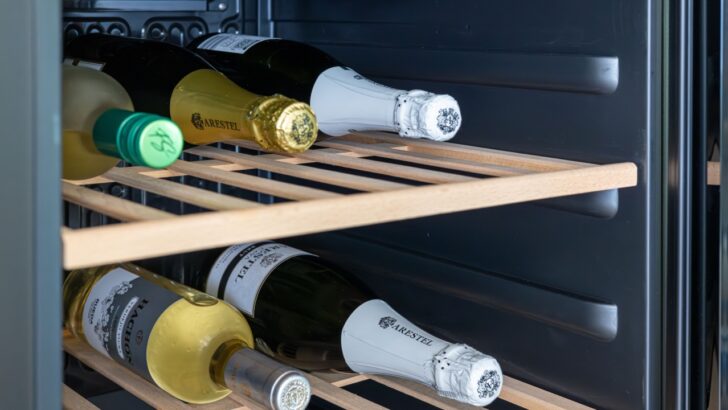
If you have never fallen down the rabbit hole of home improvement shows and glossy design magazines, you are fortunate. Many people have looked at their perfectly functional kitchen and then convinced themselves they cannot possibly live without a built-in wine fridge that connects to WiFi and a bathroom that resembles a five-star spa (it happens). Before you grab the mallet to knock down the bathroom wall, ask yourself, “Do I really need this upgrade?”
The urge to upgrade is strong, but many of these “improvements” can lead to expensive headaches and serious regret. They promise luxury and convenience, but often deliver just dust, debt, and disappointment. Trust me. You absolutely deserve a tilt-out hamper drawer, but you also deserve to know which upgrades are totally overhyped.
Here are 18 upgrades that we could do without.
1. The Outdoor Kitchen

Image Credit: Deposit Photos.
The vision is captivating: hosting lively summer barbecues, mixing drinks for friends, and enjoying meals under the stars, all without running back and forth to the house. An outdoor kitchen, complete with a built-in grill, sink, and mini-fridge, seems like the ultimate backyard enhancement.
However, the reality often involves battling bugs, cleaning up pollen, and protecting expensive appliances from the elements. Unless you live in a climate that permits year-round outdoor living, your high-end outdoor kitchen may sit unused for much of the year, collecting leaves and depreciating in value. These setups also require extensive utility work, including running gas, water, and electrical lines, which significantly increases the cost.
- A Better Way: A high-quality portable grill, a sturdy outdoor cart for prep space, and a well-placed cooler can provide a similar experience for a fraction of the cost and effort. This setup gives you flexibility and is much easier to maintain.
2. A Swimming Pool
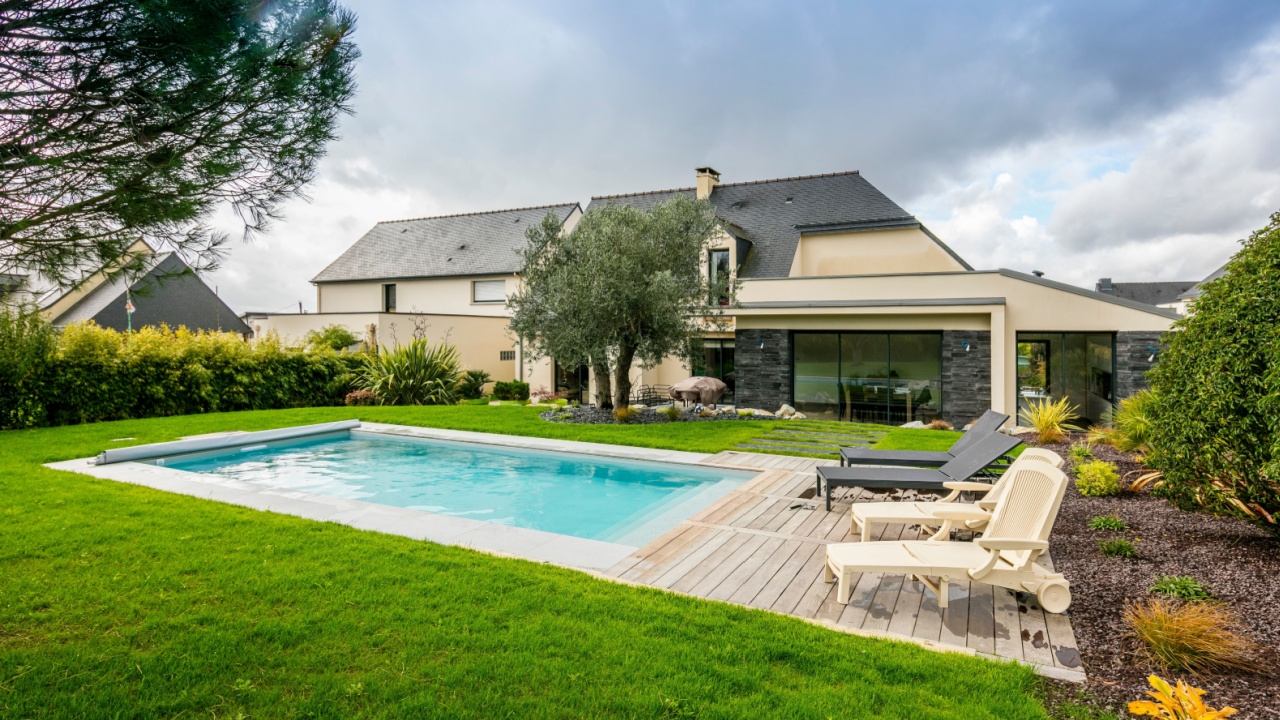
Image Credit: Shutterstock.
A sparkling swimming pool is the epitome of backyard fun and relaxation. The idea of a private oasis for cooling off on hot days is tempting, but the commitment is immense. Pools are notoriously expensive to install, with costs easily running into the tens of thousands of dollars.
The expenses do not stop there. Regular maintenance involves a constant cycle of chemical balancing, skimming, vacuuming, and filter cleaning. You will also see a significant increase in your utility bills from running the pump and heater. Safety is another major consideration, requiring fencing and constant vigilance, especially with children and pets. For many homeowners, the actual swim time does not justify the relentless upkeep and cost.
- A Better Way: Consider a membership to a community pool or club. You get all the benefits of swimming without any of the maintenance headaches. For an at-home option, high-quality, temporary above-ground pools have improved dramatically and can offer a seasonal solution.
3. The Koi Pond

Image Credit: Shutterstock.
A tranquil koi pond with graceful, colorful fish gliding through the water can add a serene, Zen-like quality to a garden. It seems like a beautiful, living water feature that brings nature right to your doorstep. What many do not anticipate is that a koi pond is essentially an outdoor aquarium that requires dedicated and specialized care.
You become a fish-keeper, responsible for water quality, filtration systems, and the health of the inhabitants. Predators like herons and raccoons can become a problem, and the fish themselves are an ongoing expense. Clogged pumps and algae blooms are common frustrations that can quickly turn your peaceful retreat into a source of stress.
- A Better Way: A simple, self-contained fountain provides the soothing sound of moving water without the complexities of supporting aquatic life. If you love the look of a pond, a small, fishless water garden with aquatic plants is far easier to manage.
4. Replacing Grass with Pavers
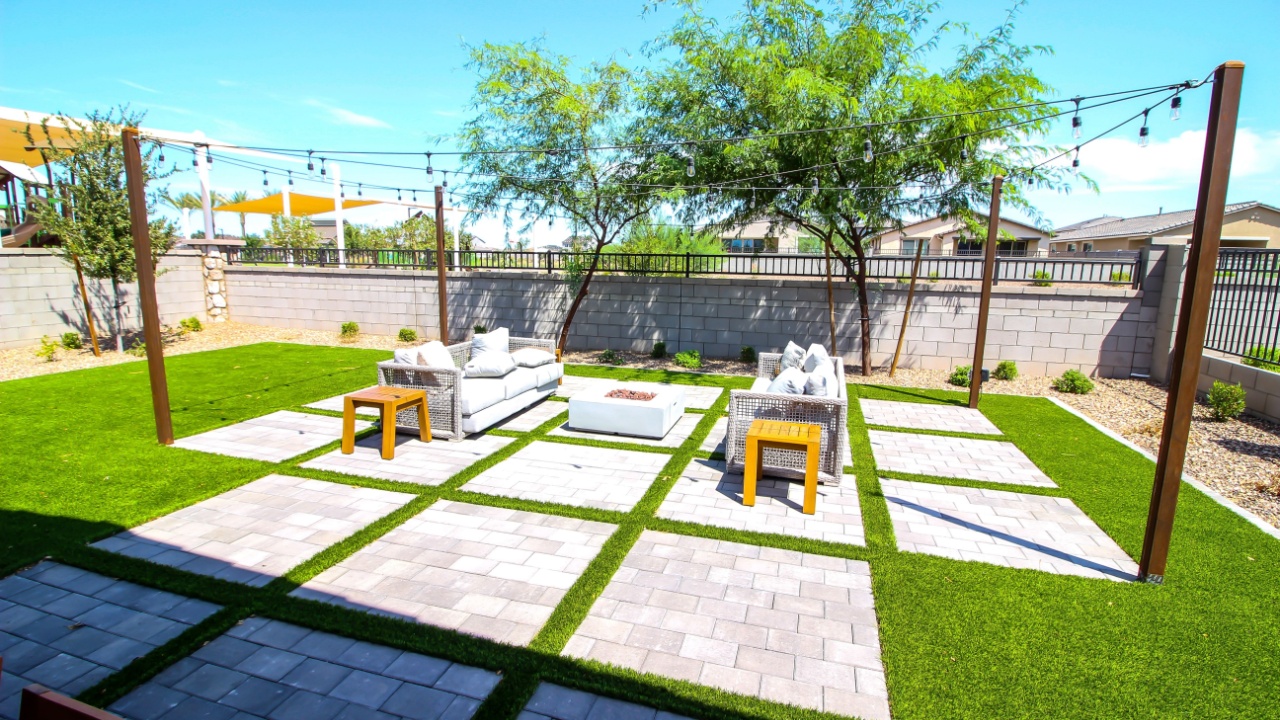
Image Credit: Shutterstock.
Fed up with mowing, watering, and fertilizing, some homeowners opt to pave over their lawns for a low-maintenance yard. The appeal of a neat, uniform surface that requires no upkeep is strong, especially for those with busy lifestyles. While you will save time on lawn care, you might be trading one set of problems for another.
Large paved areas can create significant water runoff issues, potentially leading to flooding in your yard or your neighbor’s. They also absorb and radiate heat, making your outdoor space much hotter during the summer. Weeds are surprisingly persistent and will find their way through the cracks, requiring a different kind of maintenance. Many people also miss the softness and natural feel of a green lawn.
- A Better Way: Explore low-maintenance ground covers like clover, creeping thyme, or native grasses that require less water and mowing. Reducing the size of your lawn with mulched garden beds filled with perennials is another effective strategy.
5. A Sauna or Hot Tub

Image Credit: Deposit Photos.
Having a personal spa at home sounds like the pinnacle of self-care. The thought of unwinding in a hot tub after a long day or detoxifying in a sauna is incredibly appealing. It is an investment in your well-being. I feel warm just thinking about it. However, the initial excitement can fade when the reality of ownership sets in.
Both saunas and hot tubs consume a great deal of energy, which will be reflected in your electricity bill. Hot tubs demand regular water testing, chemical treatments, and filter changes to remain sanitary and functional. For many, the novelty wears off, and the hot tub becomes a large, water-filled planter or simply an unused deck ornament that is a hassle to drain and maintain.
- A Better Way: Treat yourself to a day pass at a local spa or gym that has a sauna and hot tub. You can enjoy the experience whenever you like without the cost and responsibility of ownership.
6. Smart Appliances
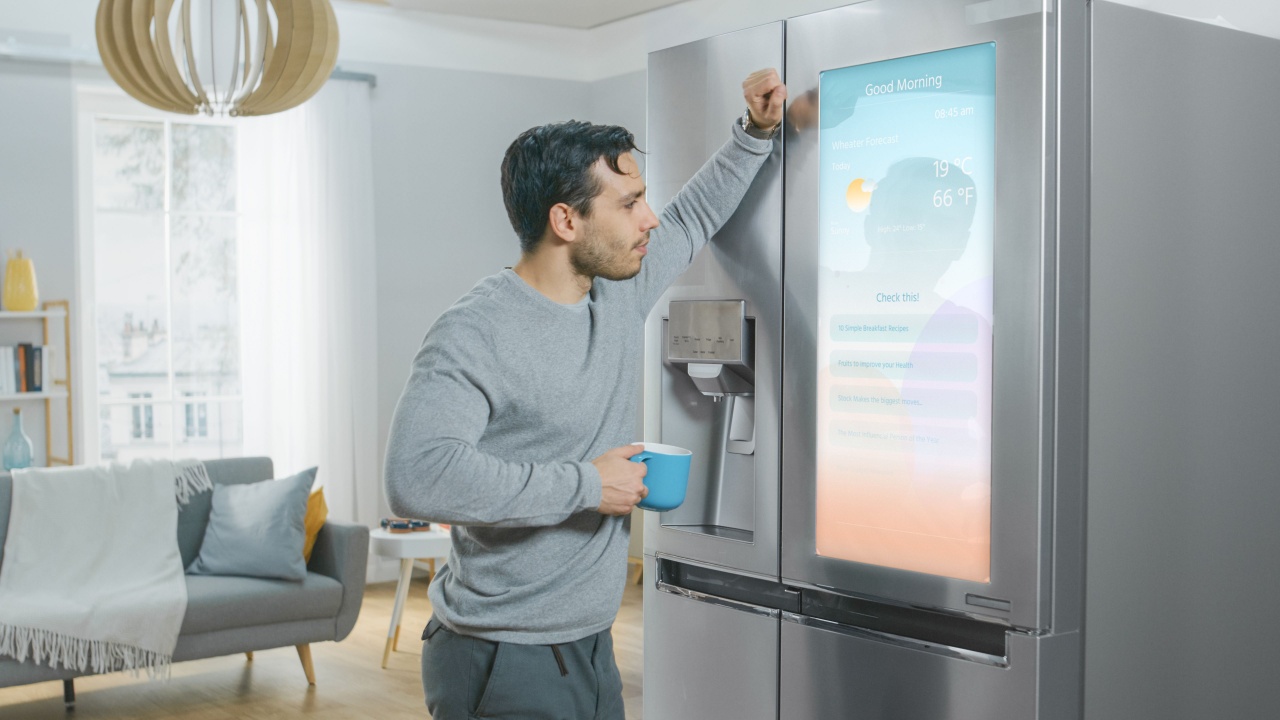
Image Credit: Shutterstock.
A refrigerator that tells you you’re out of milk, or a Wi-Fi-connected oven you can preheat from your phone, sounds both futuristic and convenient. Smart appliances often promise to streamline your life and make your home more efficient. However, if you don’t already own one, an upgrade might not be necessary.
In practice, these “smart” features often add a layer of complexity without providing significant benefits. The software can be buggy, internet connectivity can be unreliable, and the integrated screens and electronics are just more components that can break. When they do, repairs are often more expensive than for their “dumb” counterparts. Many people find they rarely use the advanced features they paid a premium for.
- A Better Way: Focus on buying appliances that excel at their primary function: a refrigerator that keeps food fresh, an oven that heats evenly. Prioritize reliability and energy efficiency over connectivity. A simple smart plug can add remote control to a basic appliance if needed.
7. Marble Countertops
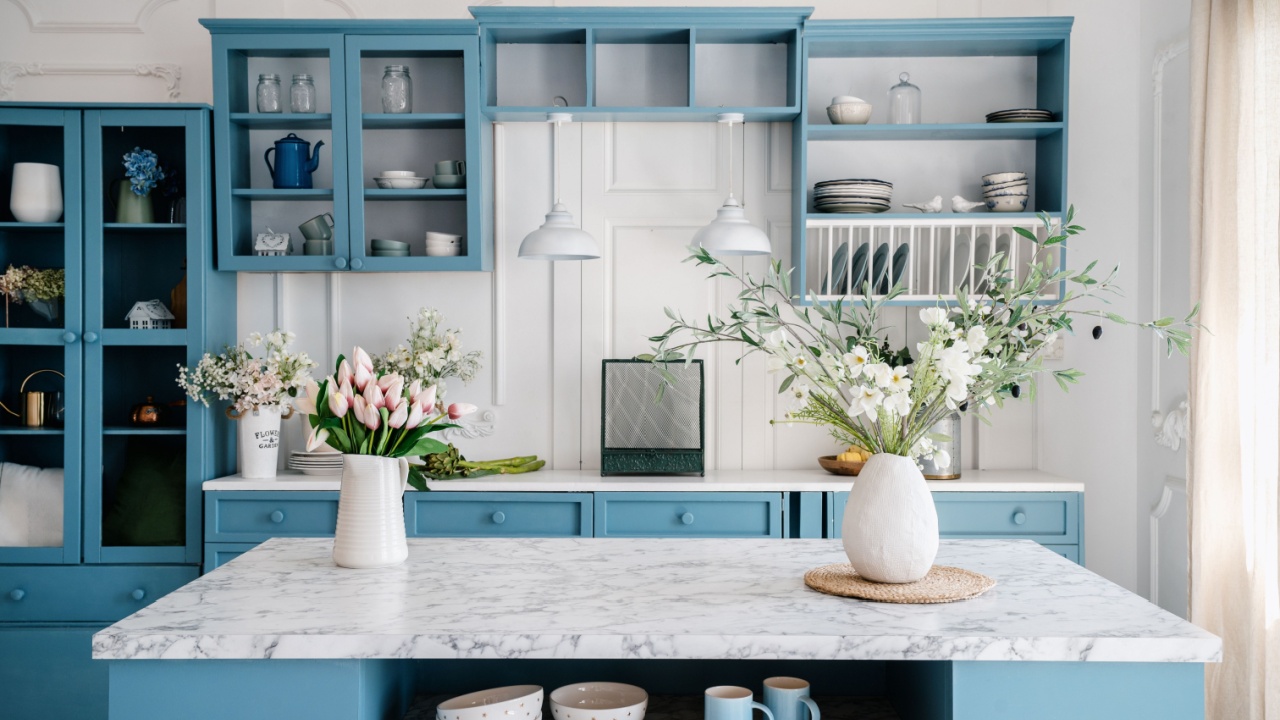
Image Credit: Shutterstock.
Marble is undeniably beautiful, with its elegant veining and luxurious feel. It is a classic material that elevates the look of any kitchen or bathroom, and it is a popular choice in high-end design. Unfortunately, marble is as high-maintenance as it is beautiful.
It is a soft, porous stone, which means it scratches, chips, and stains with shocking ease. A forgotten splash of lemon juice, a drip of red wine, or a dropped pan can leave a permanent mark. It requires regular sealing to offer some protection, and even then, you will find yourself living in constant fear of damaging your expensive countertops.
- A Better Way: Quartz countertops offer a similar high-end look with far superior durability. Quartz is non-porous and highly resistant to scratches and stains. For a natural stone alternative, granite is much more resilient than marble.
8. High-End Furniture with Pets or Kids

Image Credit: Shutterstock.
That stunning, light-colored linen sofa or that sleek, expensive walnut coffee table looks perfect in the showroom. You can picture it in your living room, creating a sophisticated and comfortable space for your family. Introducing children or pets into that picture changes everything.
High-end or delicate furniture often cannot withstand the reality of sticky fingers, muddy paws, spilled juice, and sharp claws. You may find yourself constantly policing your family’s every move, which is a stressful way to live. The beautiful piece you invested in can quickly become a source of anxiety rather than enjoyment. If you already have a pet, protect your furniture by choosing pet-friendly fabrics and sofa protectors.
- A Better Way: Opt for durable, performance fabrics that are designed to resist stains and wear. Look for solid wood furniture with forgiving finishes that can be easily touched up. Slipcovered furniture is another excellent choice, as the covers can be removed and washed.
9. Trend-Based Remodels

Image Credit: Shutterstock.
Right now, a specific cabinet color, tile shape, or metal finish might be all the rage. It is tempting to overhaul a perfectly functional kitchen or bathroom just to keep up with the latest design trends.
The problem is that trends, by their nature, are fleeting. What looks fresh and modern today can look dated and tired in just a few years. Tearing out a perfectly good kitchen because the cabinets are oak instead of green is not only wasteful but also a recipe for a cycle of expensive updates. A major remodel based purely on aesthetics is a massive investment with a short-lived return on satisfaction.
- A Better Way: If your space is functional, work with what you have. You can incorporate trends in less permanent ways, such as through paint, textiles, lighting fixtures, and decor. These are much easier and cheaper to change when your tastes or the trends evolve.
10. Patterned Decorative Tiles

Image Credit: Shutterstock.
Bold, intricate, and colorful patterned tiles can make a dramatic statement on a floor or backsplash. They inject personality and visual interest into a space, serving as a form of functional art for your home. This is a classic case where a little can go a long way.
A large area covered in a busy pattern can quickly become overwhelming and visually jarring. It is also a very specific design choice that you might tire of quickly. Tile is difficult and expensive to replace, so a bold pattern is a significant commitment. What you love today might be something you regret in five years.
- A Better Way: Use patterned tile as an accent in a smaller, contained area, like the floor of a small powder room or a niche in the shower. This provides that pop of personality without dominating the entire space. Removable tile decals can also give you the look without the long-term commitment.
11. Renovating Immediately After Moving In

Image Credit: Shutterstock.
You have the keys to your new home, and your head is spinning with ideas. The urge to start tearing down walls and picking out new finishes right away is strong. You want to make the space your own as soon as possible. Living in a home for a while reveals its unique patterns.
You learn how the light moves through the house during the day, which rooms you naturally gravitate towards, and how the existing layout functions for your family’s daily routines. Rushing into a major renovation without this understanding can lead to costly mistakes and design choices that do not actually suit your lifestyle.
- A Better Way: Give yourself at least six months to a year before undertaking any major renovations. Use this time to observe and plan. You will make much more thoughtful and effective decisions after you have truly lived in the space.
12. Upgrades Done Only for Resale Value

Image credit: Depositphotos.com.
Many homeowners make improvement decisions based on what they believe a future, hypothetical buyer will want. They install neutral-colored flooring or a specific style of kitchen, hoping it will increase the home’s resale value. While it is wise to be mindful of resale, your home is primarily for you to live in and enjoy right now.
Designing your space solely for a future buyer can lead to a home that feels generic and lacks personal character. There is also no guarantee that your choices will align with the tastes of buyers when you do decide to sell. Market trends can shift, and what is popular today might not be tomorrow.
- A Better Way: Design your home for your own enjoyment and needs. Choose finishes and features that you love. A home that is well-maintained and tastefully personalized is often just as appealing to buyers as one that is generically “updated.”
13. Hardwood Floors with Kids or Pets

Image Credit: Joseph Hendrickson / Shutterstock.
Hardwood floors are timeless, beautiful, and often seen as a premium feature in a home. They offer a clean, classic look that works with any decor style. The reality with active kids and pets is that hardwood floors are prone to scratches from claws and dropped toys.
Spills that are not wiped up immediately can warp the wood or damage the finish. While you can refinish them, it is a costly and disruptive process. You might spend more time worrying about protecting the floors than enjoying their beauty. Choose floors that are kid and pet-friendly, such as porcelain tile and carpet flooring.
- A Better Way: Modern luxury vinyl plank (LVP) flooring offers an incredibly realistic wood look with superior durability. It is waterproof, scratch-resistant, and much more forgiving of the daily chaos of family life. Laminate is another durable and cost-effective alternative.
14. Heated Floors
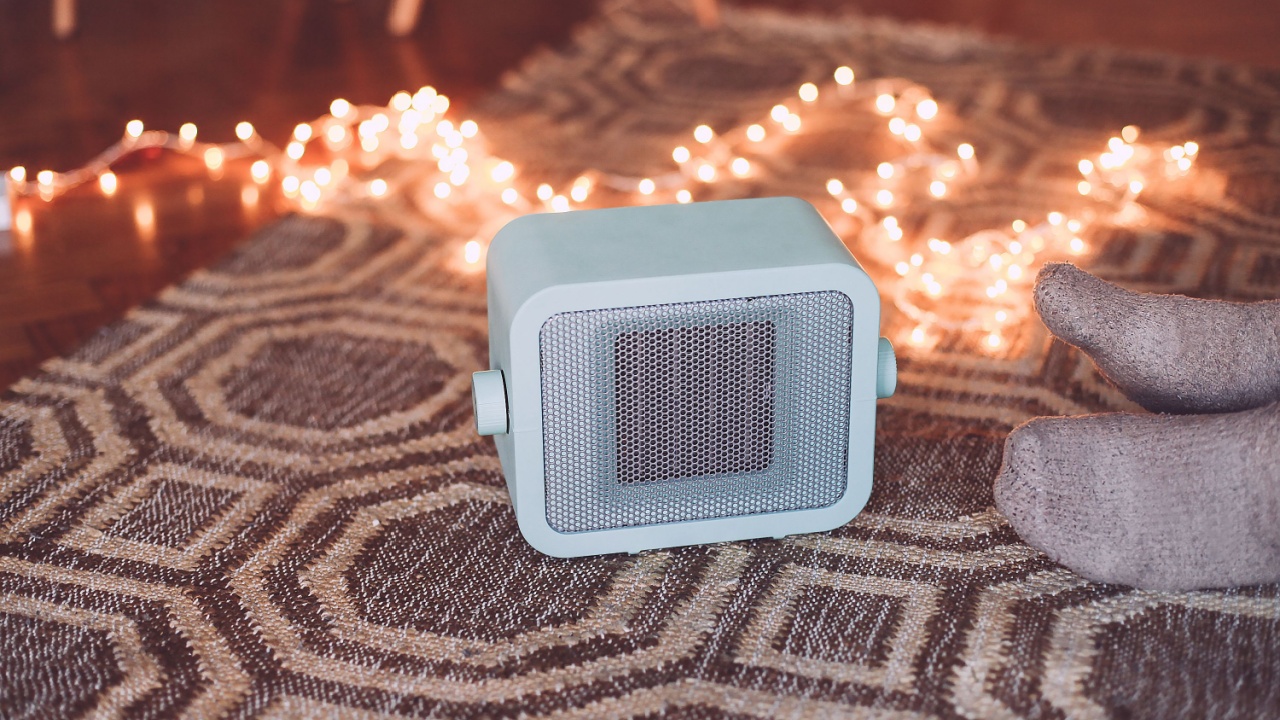
Image Credit: Shutterstock.
The allure of stepping onto toasty floors on a winter morning is hard to resist. Heated flooring systems promise luxurious comfort throughout your home, making tile or stone feel inviting during colder months. For those who dislike cold feet or live in climates with long winters, radiant heat can sound like the ultimate upgrade.
The reality is, installing heated floors comes at a steep price, especially in fully finished homes where retrofitting is labor-intensive. Electric systems drive up energy costs, while hydronic (water-based) versions require a complex network of pipes and a dedicated boiler. Repairs are inconvenient, as accessing the system usually involves removing your flooring.
- A Better Way: Instead of whole-home radiant flooring, try area rugs with plush, thermal padding in high-traffic spots. Add slippers and cozy socks for everyday warmth. Portable space heaters with safety features or heated mats can provide targeted comfort where you need it most—no major renovations required.
15. A Wine Fridge

Image Credit: Deposit Photos.
For the aspiring sommelier, a dedicated wine fridge seems like a sophisticated and necessary appliance. It promises to keep your wine collection at the perfect temperature, ready to be enjoyed at a moment’s notice. Unless you are a serious collector with a substantial investment in fine wines, a separate wine fridge is often an unnecessary luxury.
It takes up valuable space in your kitchen or living area and consumes electricity around the clock. For the average person who buys a bottle of wine to drink within a week or two, storing it in a cool, dark place like a pantry or even a regular refrigerator for a short time is perfectly adequate.
- A Better Way: A simple wine rack in a cool, dark closet or basement works well for short-term storage. If you enjoy chilled white wine, simply placing it in your main refrigerator an hour or two before serving does the job effectively.
16. Built-in Bookshelves
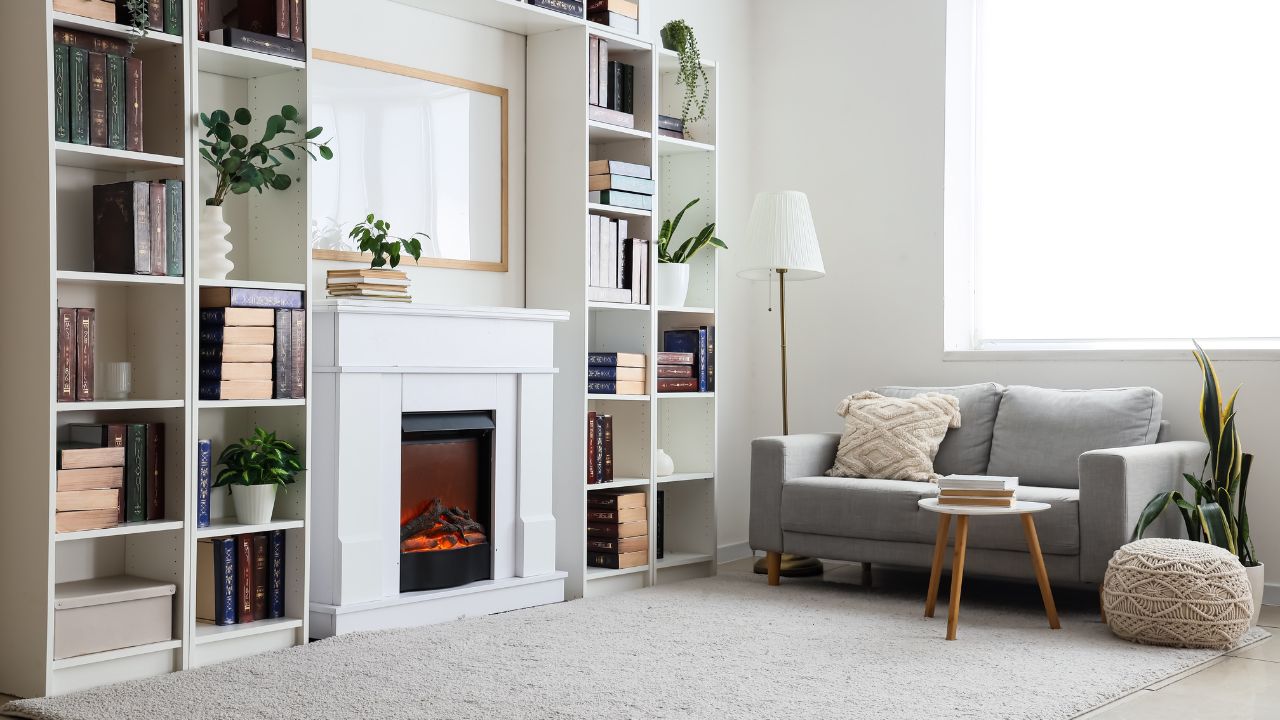
Image Credit: Shutterstock.
Custom-built-in bookshelves evoke a sense of grandeur and intelligence. They can create a stunning feature wall and provide a home for a beloved book collection, making a room feel established and personal.
The main drawback of built-ins is their permanence. They are a very specific design feature that can be difficult to remove or alter. They also dictate the function of a room, which can be limiting if your needs change. A wall of bookshelves can also make a room feel smaller and requires a lot of “stuff” to look good. If you are not an avid book collector, you may find yourself struggling to style them attractively.
- A Better Way: Freestanding bookcases offer much more flexibility. You can move them from room to room or take them with you when you move. They come in a vast array of styles and sizes, allowing you to create a similar look without the permanent commitment.
17. Expensive, Rarely Used Tools
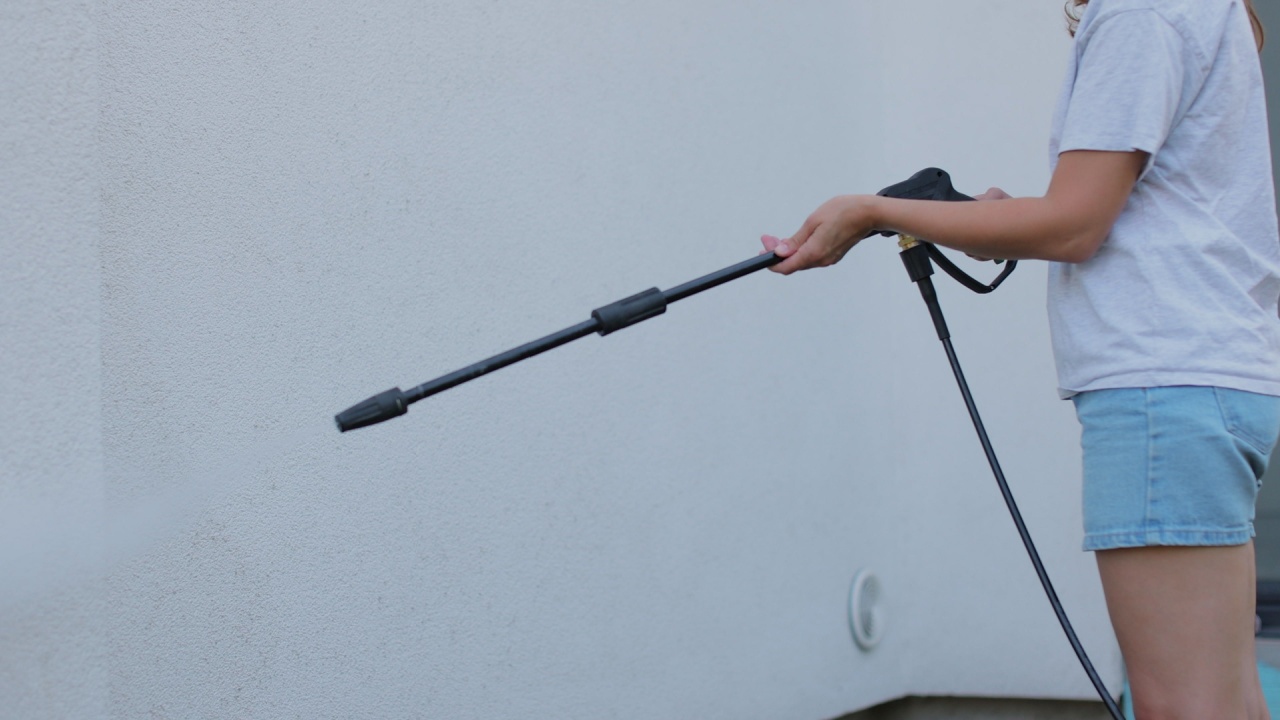
Image Credit: Shutterstock.
When a specific project comes up, it is tempting to go out and buy the best, most powerful tool for the job. You might purchase a professional-grade tile saw for a small backsplash project or a high-end pressure washer for a one-time cleaning job.
These specialized tools are expensive and take up a lot of storage space. For a task you might only perform once every few years, the investment is hard to justify. They often end up collecting dust in the garage, representing hundreds of dollars that could have been used elsewhere.
- A Better Way: Most home improvement stores offer tool rental services. This allows you to use a professional-quality tool for a specific job at a fraction of the purchase price. You get the right equipment without the long-term cost and storage burden.
18. Gutter Guards
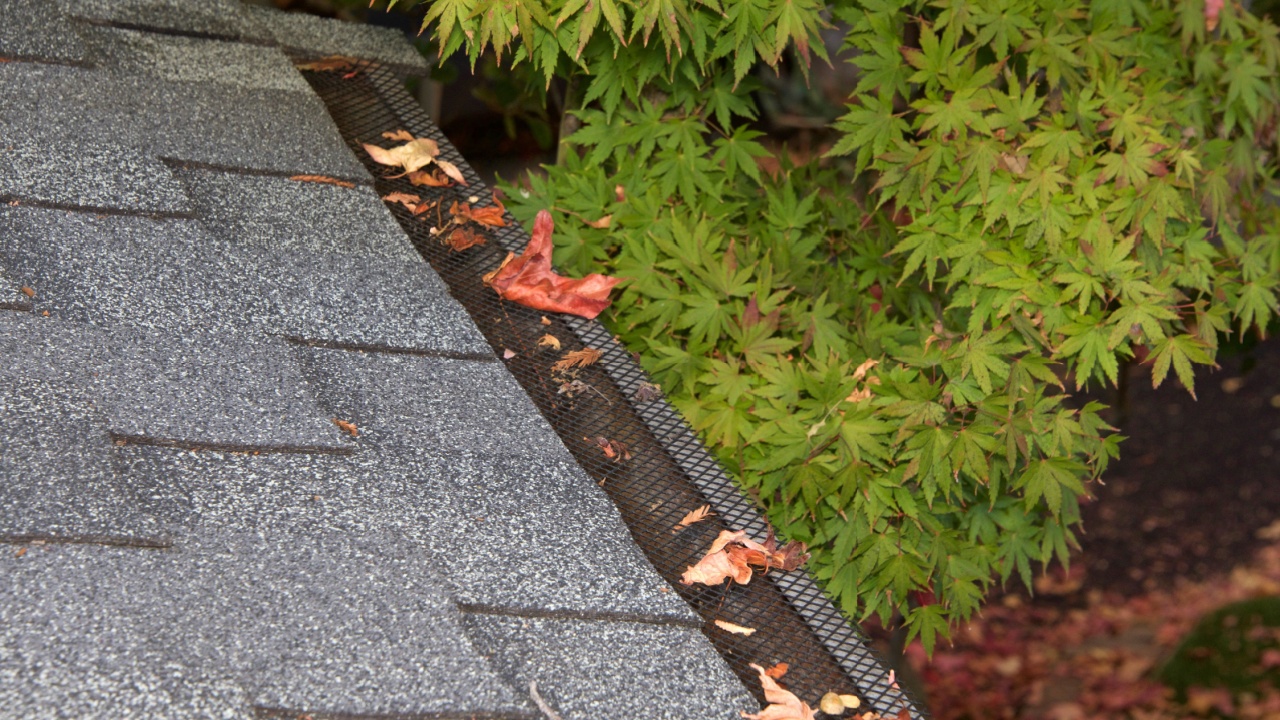
Image Credit: Shutterstock.
Gutter guards are marketed as a solution to the dreaded task of cleaning gutters. The promise is that these covers will let water in while keeping leaves and debris out, saving you from perilous trips up a ladder.
In many cases, gutter guards do not work as perfectly as advertised. Smaller debris like pine needles and roof grit can still get through, creating a sludge that is much harder to remove than whole leaves. In heavy rain, water can sheet right over the guards, bypassing the gutters entirely and potentially causing water damage to your foundation. They can also create issues in winter with ice dams.
- A Better Way: The most reliable method is still the old-fashioned one: cleaning your gutters once or twice a year. If you are uncomfortable on a ladder, hiring a professional service is often a more effective and safer investment than an expensive and sometimes problematic guard system.
Making Smart Choices for Your Home

Image Credit: Shutterstock.
Your home should be a place of comfort and joy, not a source of financial strain or maintenance-related stress. Before jumping into any major upgrade, take the time to consider its true impact on your lifestyle and your budget. Often, the most satisfying improvements are not the biggest or the trendiest, but the thoughtful changes that make your daily life a little easier and more enjoyable. Prioritize function and personal happiness over fleeting trends and create a home you will love for years to come.