Here’s How Long Foods Last in the Fridge Before They Need to Be Tossed
Managing a refrigerator properly keeps food fresh, saves money on groceries, and protects everyone in the home from getting sick. Many people find it difficult to determine exactly when an item has been on the shelf for too long. Tossing food out too early wastes money, but waiting too long can lead to food poisoning from invisible bacteria.
To keep things safe, experts look at how fast bacteria grow on different types of food at cold temperatures. The guidelines below come from official food safety studies that track these germs.
Keeping your refrigerator set below 40°F is the best way to slow down this growth and keep your meals fresh.
We have simplified the timeline for sixteen common household foods, from raw meats to everyday condiments. You will learn how many days each item stays fresh, why it spoils, and how to store it correctly. Here is what you need to know to keep your kitchen running safely.
1. Uncooked Raw Poultry

Raw chicken and turkey hold a lot of moisture, which creates a perfect place for germs to grow quickly. Leaving raw poultry in the fridge for too many days allows cold-loving bacteria to take over the meat. This category requires fast action to make sure these germs do not spread to other foods in your refrigerator.
Raw poultry stays safe for only one to two days in the fridge. This short time limit applies to whole chickens, chicken breasts, and ground turkey. It is best to keep the meat in its original store packaging and place it on the very bottom shelf, where temperatures are the coldest.
If you cannot cook the poultry within two days, you should move it to the freezer right away to stop bacterial growth. Wrapping the package in an extra layer of plastic wrap or a freezer bag helps prevent freezer burn. Labeling the bag with the date helps you remember how long it has been stored.
2. Fresh Raw Seafood
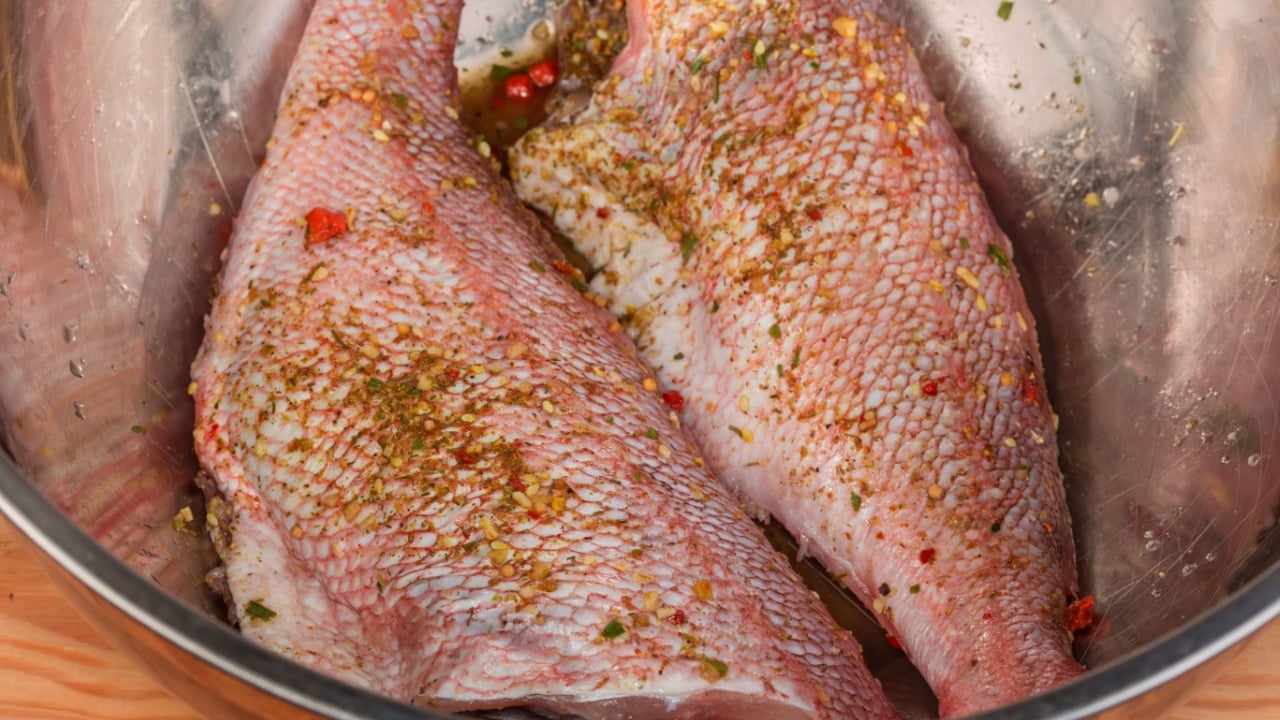
Fish and shellfish break down much faster than beef or chicken because of their delicate chemical structure. The proteins and fats in seafood degrade quickly, even when kept in the refrigerator.
Raw fish and shellfish should only stay in your refrigerator for one to two days before cooking. Finfish like salmon or cod should be wrapped tightly in plastic wrap to keep the fish odors from spreading to other shelves. Raw shrimp or clams should be kept in a container that allows just a little bit of air to circulate.
To keep your seafood as fresh as possible, you can place the wrapped fish on top of a bowl of ice inside your fridge. This keeps the temperature right around freezing, which stops spoilage dead in its tracks. Cooking the fish quickly ensures the best flavor and prevents any chance of foodborne illness.
3. Ground Meats
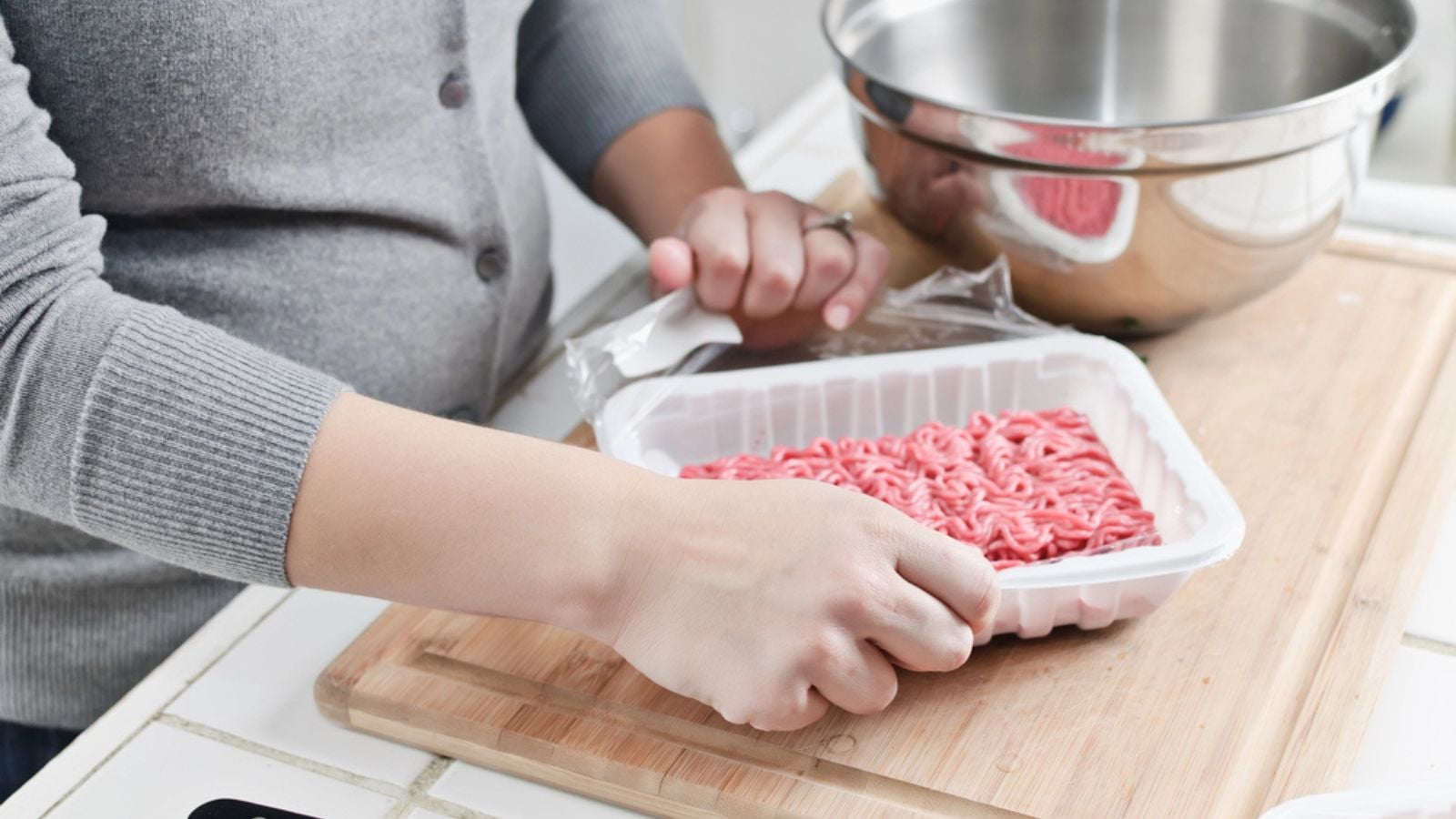
The machine process of grinding meat breaks up the muscle fibers and spreads surface bacteria through the entire batch. This means that ground beef or pork has much more exposure to air than a solid steak or chop. Because of this extra handling, ground meats spoil much faster than whole cuts of meat.
You must cook or freeze raw ground beef, pork, or lamb within one to two days of purchasing it. The introduction of oxygen during grinding causes the meat to change color and lose its freshness quickly. While a gray color on the inside can just mean a lack of oxygen, a sour smell means bacteria have already multiplied.
When you buy large packages of ground meat, it helps to divide them into smaller portions as soon as you get home. Freezing the portions you do not need immediately keeps the meat perfectly safe for future meals. This practice reduces waste and makes dinner preparation much easier later on.
4. Uncooked Raw Beef, Pork, and Lamb Cuts
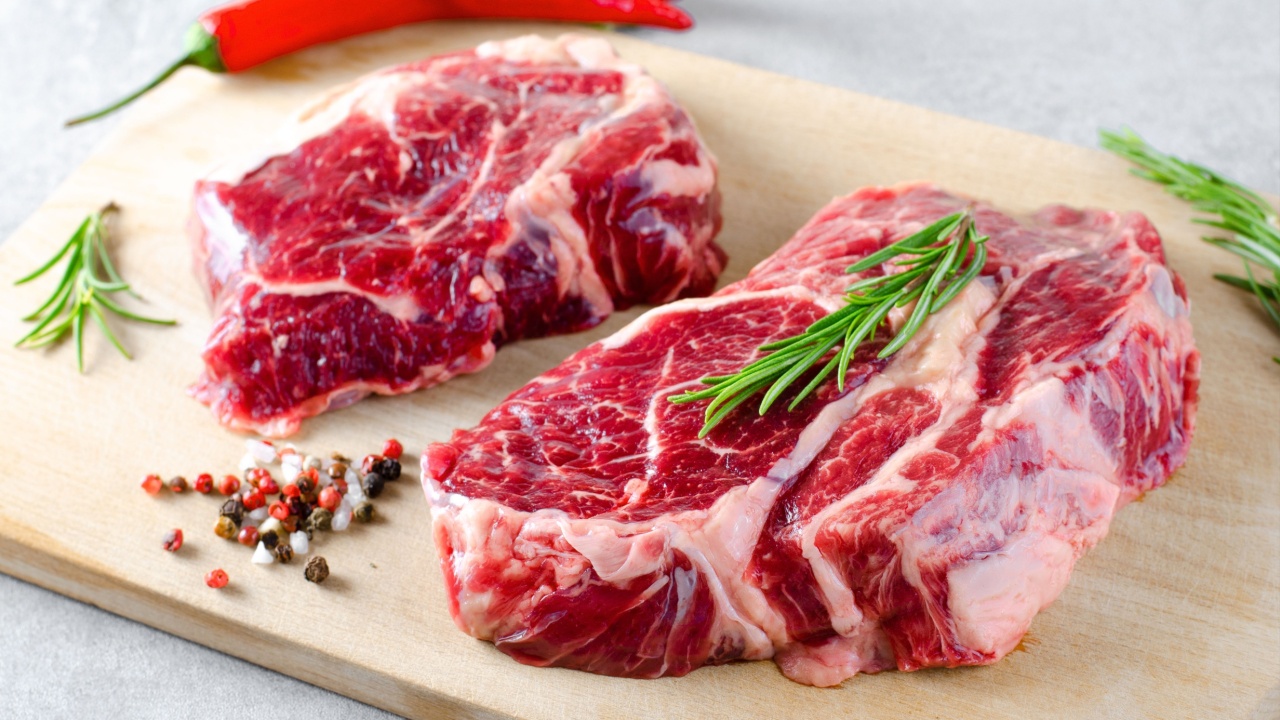
Whole pieces of meat like steaks, chops, and roasts are safer from bacteria than ground meat because the interior of the muscle is solid. Germs can only live on the outside surfaces that were exposed to the air during butchering.
Raw steaks, beef roasts, and pork chops can stay in the refrigerator for three to five days. This longer timeframe gives you more flexibility during a busy week of cooking. Keeping the meat in its original store wrapping helps maintain the clean environment created by the butcher.
Placing a plastic tray or plate under the meat package catches any juices that might leak out onto your shelves. If the meat ever develops a slimy texture or an off-odor before the fifth day, it is no longer safe and must be thrown away. Regular inspection keeps your fridge safe and clean.
5. Cooked Meats, Poultry, and Seafood Leftovers

Cooking food kills off the bacteria that live on the raw meat, but the cooling process introduces new germs from the air. Spores that survived the heat or bacteria from spoons and forks can start to grow once the food cools down. This is why even fully cooked leftovers have a strict expiration date.
Cooked leftovers of any meat, poultry, or seafood remain safe to eat for three to four days in the fridge. This rule is exactly the same whether you are storing roasted chicken, beef stew, or grilled fish. Putting your leftovers into shallow containers helps them cool down quickly to a safe temperature.
Dividing a large pot of warm food into smaller containers prevents the hot food from warming up the inside of your refrigerator. Consuming these items within four days keeps your family safe from bacteria that cause stomach upset. This simple timeline removes any guesswork about what is safe to eat.
6. Bacon and Opened Hot Dogs
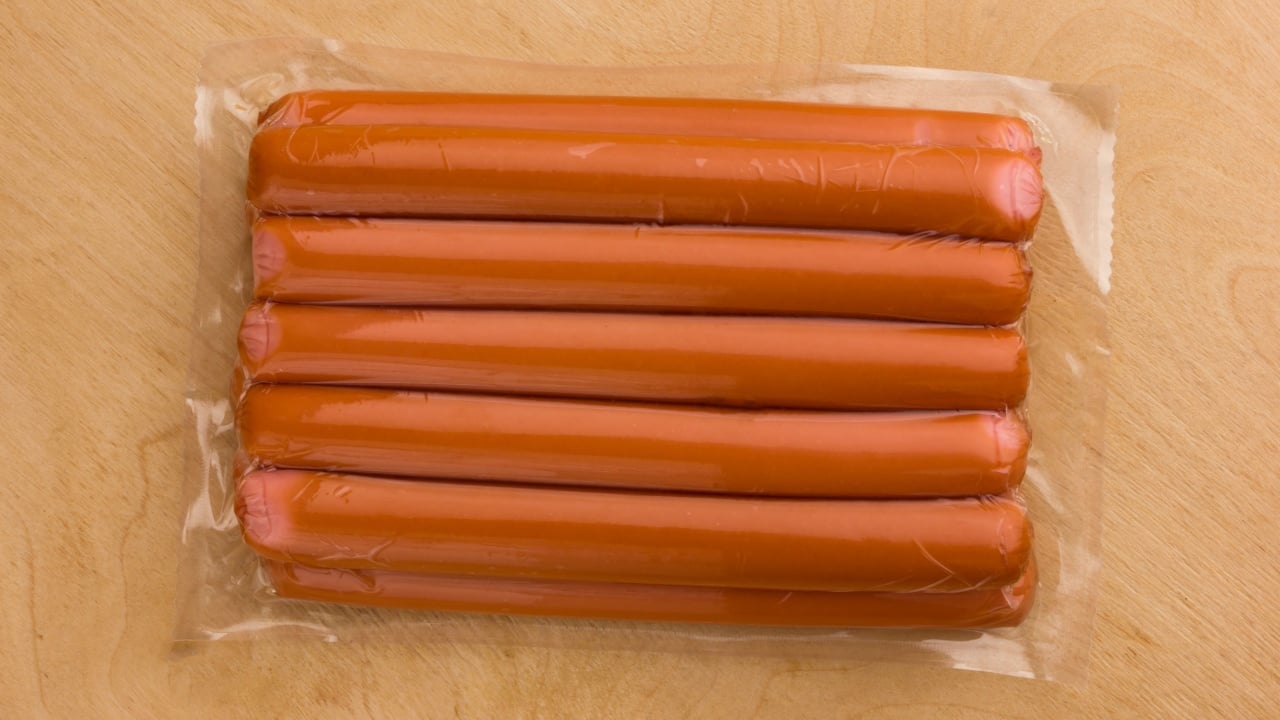
Bacon and hot dogs go through a curing process that uses salt and preservatives to slow down the growth of bacteria. These ingredients give cured pork products a much longer shelf life than fresh meat. However, once the package is opened, exposure to the air causes the protection to fade.
You can keep uncooked bacon and opened packages of hot dogs in the fridge for up to seven days. Unopened hot dogs can actually last for two full weeks, but that time drops to one week the moment you break the seal. The moisture inside an open package can easily attract mold if left alone for too long.
Using a resealable plastic bag or a tight container keeps the edges of the bacon from drying out and turning hard. Writing the date you opened the package on the front of the bag keeps you on track. This ensures you use the meat before it goes bad.
7. Opened Lunch Meats

Slicing deli meat at the counter exposes the surface of the meat to air, human hands, and slicing machines. Even though these meats contain preservatives, the high moisture levels make them targets for cold-resistant bacteria. This means that opened lunch meat requires careful tracking to avoid contamination.
Once a package of lunch meat is opened, it stays safe in the refrigerator for three to five days. Unopened pre-packaged lunch meats can last for two weeks, but you must use them quickly after opening. If the meat feels slimy or smells sour, bacteria have grown, and the food should be tossed.
Buying smaller amounts of meat at the deli counter ensures you can finish the package before the five-day limit ends. Storing your lunch meat in a dedicated deli drawer protects it from temperature changes when the fridge door opens. This small habit preserves the quality of your sandwiches.
8. Hard-Boiled Eggs
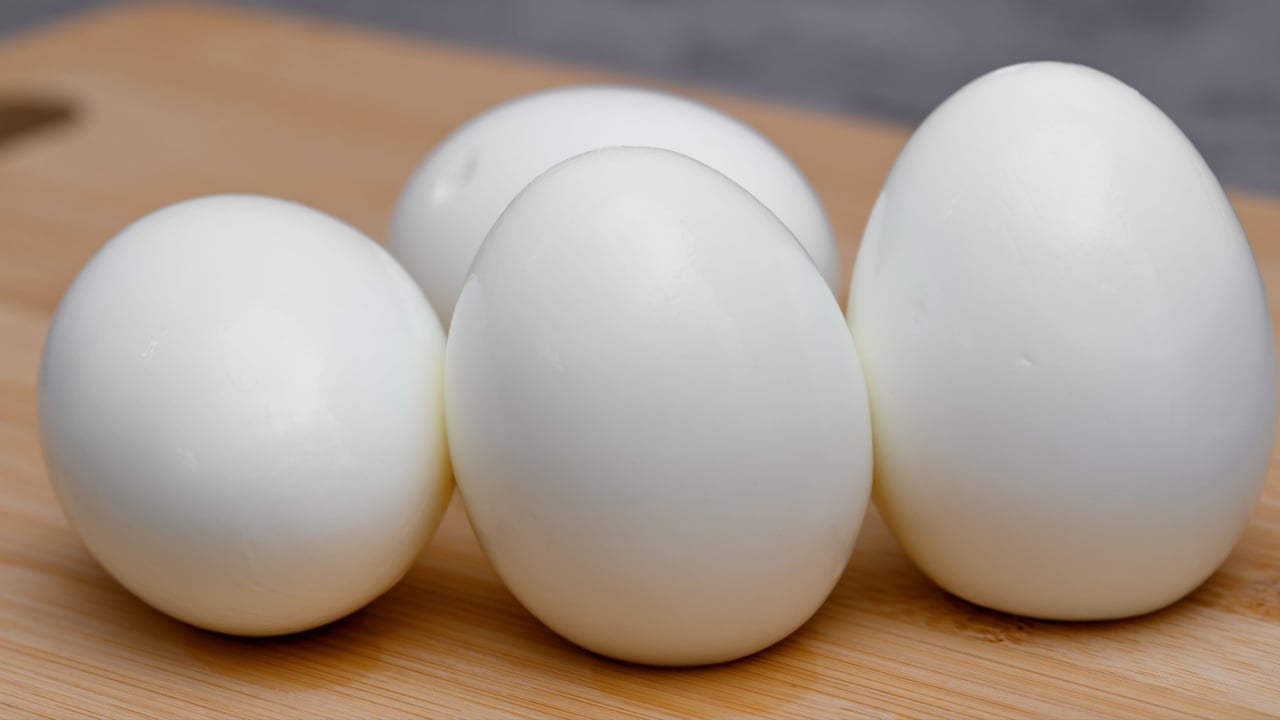
Boiling an egg washes away a natural waxy coating on the shell that usually keeps bacteria out of the tiny pores. Without this protective layer, environmental germs can easily slip inside the shell and cause the egg to spoil. Because of this change, a cooked egg does not last nearly as long as a raw one.
Hard-boiled eggs can stay fresh in your refrigerator for up to one week. This seven-day rule applies whether you leave the shell on or peel the egg immediately after cooking. Storing the eggs on the middle shelf of the fridge keeps them at a constant, reliable temperature.
Keeping your hard-boiled eggs in a sealed container prevents them from absorbing the odors of foods like onions or garlic. Peeling the eggs right before you plan to eat them gives you the best flavor and texture. This makes them an easy, healthy snack to keep on hand.
9. Raw Whole Eggs
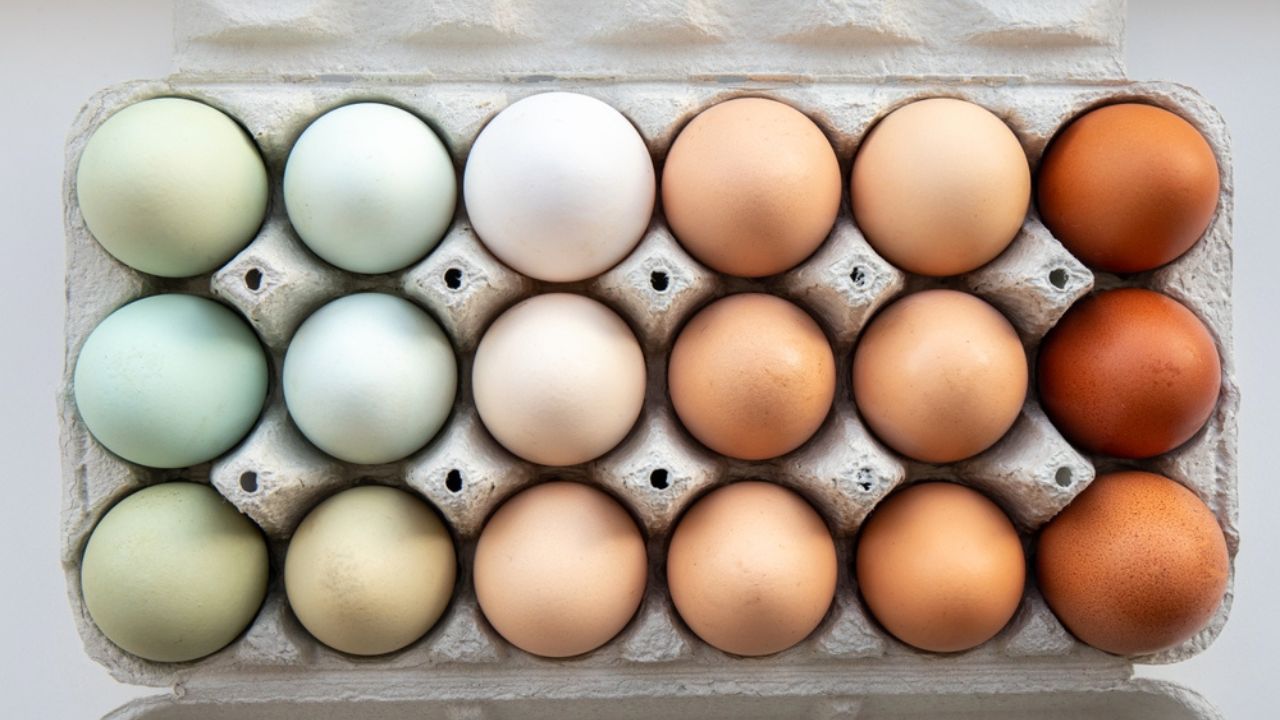
Raw eggs have great natural defenses, including an intact shell coating and special proteins in the egg white that fight off germs. These natural boundaries keep the inside of the egg fresh for a surprisingly long time when kept cold. This makes whole eggs one of the most durable perishable items in your kitchen.
Raw eggs inside their shells last for three to five weeks in the refrigerator. Keeping them in their original cardboard or plastic carton protects the fragile shells from cracking against other items. The carton also stops the eggs from absorbing strong smells through their porous shells.
Always store your egg carton on an inside shelf rather than in the refrigerator door, where the temperature changes every time you open it. If you are unsure about an egg, you can place it in a bowl of water to see if it sinks or floats. Older eggs float because of an internal air pocket, but a quick sniff after cracking is the ultimate safety test.
10. Fresh Berries
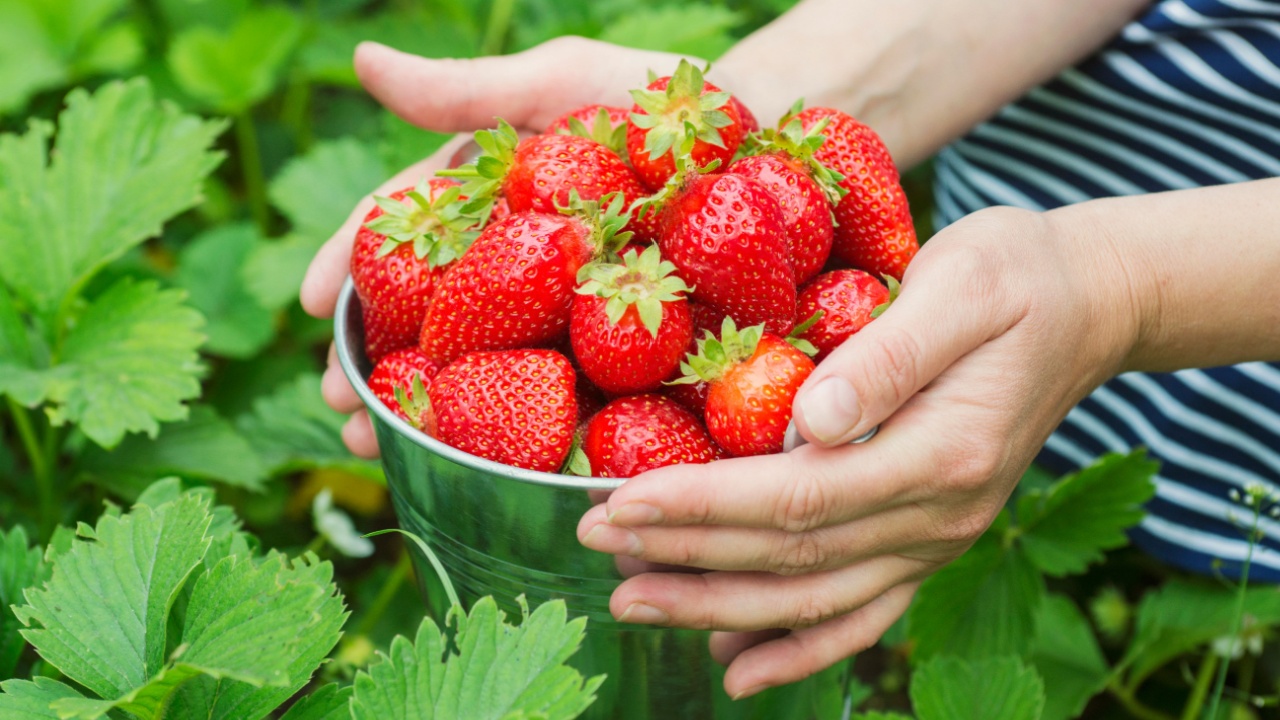
Soft fruits like strawberries, raspberries, and blackberries have very thin skins and contain a lot of water. These qualities make them an easy target for mold spores that travel through the air in your kitchen. Once mold starts on one berry, it can spread to the rest of the container within hours.
Fresh berries generally last for four to five days in the refrigerator before they begin to soften or mold. Checking the container as soon as you get home from the store allows you to throw away any crushed or damaged fruit. Keeping the berries dry until you are ready to eat them prevents early decay.
Storing your berries in a container lined with a dry paper towel helps absorb any extra humidity. Washing them right before you eat them is the best practice for freshness. If you must wash them ahead of time, make sure they are completely dry before putting them back in the fridge.
11. Leafy Greens

Green vegetables like spinach, romaine lettuce, and kale have broad leaves that lose moisture quickly, causing them to wilt. When extra water drops get trapped inside the plastic container, the delicate leaves can break down and turn into a wet slime. This slime is a clear sign that the greens are rotting.
Delicate greens like baby spinach may only last 3-5 days, while sturdy heads of iceberg lettuce can last up to a week. Pre-washed salad mixes packed in plastic tubs often last a little longer if the lid stays sealed tightly. If you notice yellowing leaves or liquid at the bottom, the greens need to be tossed.
Placing a clean, dry paper towel inside your salad bag absorbs the excess moisture that causes wilting and slime. It is also smart to store your greens away from fruits like apples and bananas, which release a gas that makes vegetables age faster. This keeps your salads crunchy and fresh.
12. Root Vegetables and Alliums
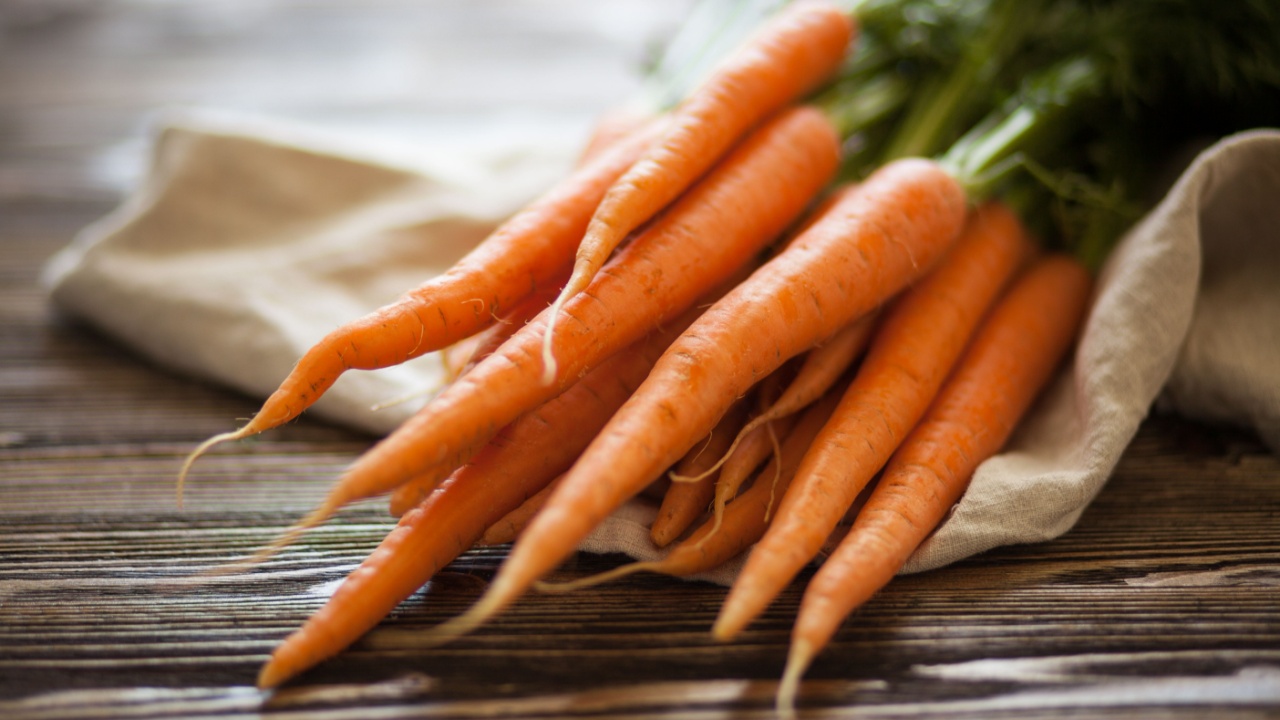
Vegetables that grow underground develop thick skins and dense interiors to survive the soil environment. This tough structure makes them highly resistant to losing water and breaking down over time. Because of this durability, they need less humidity and last much longer than leafy greens.
Carrots can last up to three weeks in the fridge, while beets and radishes stay fresh for one to two weeks. Whole onions can actually last for up to two months in a refrigerator (it’s not recommended, though). They are best stored at room temperature. Cutting the green tops off carrots before storing them keeps the root from drying out.
Placing these vegetables in your crisper drawer with the humidity slider set to low prevents moisture from building up on the skins. Checking them occasionally for soft spots or wrinkled skin helps you know when it is time to cook them. This simple storage routine reduces food waste significantly.
13. Hard Cheese

The process of making hard cheeses like Cheddar, Swiss, and Parmesan removes most of the liquid water and adds salt. This creates a dry, salty environment where bacteria and molds find it very difficult to survive and grow. This structural difference allows hard cheese to last for months.
An unopened block of hard cheese can stay fresh in the refrigerator for up to six months. Once you open the plastic seal, the cheese remains good for three to four weeks. If a small spot of green mold appears on a hard cheese block, you can simply cut off that section and eat the rest safely.
Wrapping your opened cheese in wax paper or parchment paper lets the cheese breathe without drying out into a hard crust. Keeping the wrapped block inside a dedicated cheese drawer protects it from the drying air of the main fridge compartment.
14. Soft Cheese and Cultured Dairy
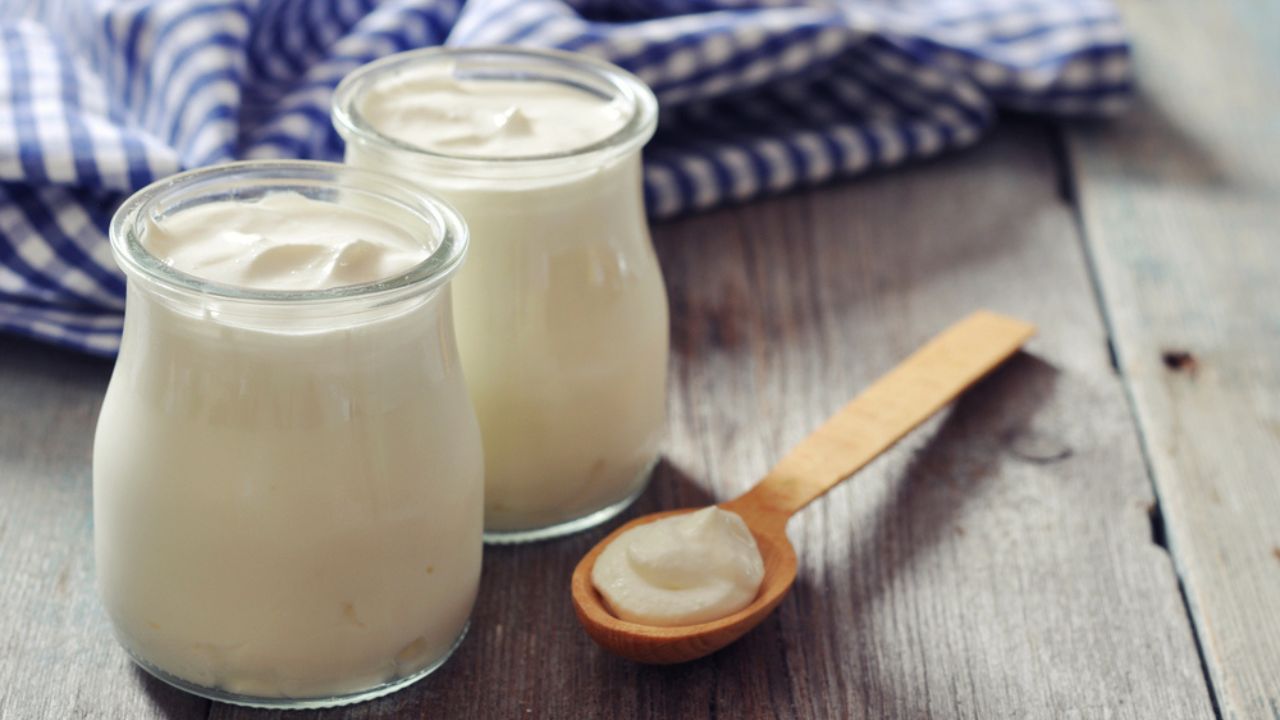
Soft cheeses and cultured dairy products like yogurt and sour cream contain a lot of liquid water. This high moisture content makes it much easier for molds and yeasts to grow over time. While the friendly bacteria in yogurt offer some protection, these items still spoil relatively quickly.
Soft cheeses like Brie, cottage cheese, and ricotta generally last for about one week after you open the container. Yogurt and sour cream can stay fresh for one to three weeks, depending on how carefully they are handled. A little liquid separating on top is normal, but a sour odor or fuzzy mold means it is time to throw it out.
Always use a completely clean spoon to scoop out your dairy portions to avoid introducing new germs into the tub. Pressing the plastic lids down firmly after every use keeps the air out. This simple habit keeps your breakfast yogurt tasting fresh for weeks.
15. Pasteurized Milk and Cream

Commercial milk goes through a heat treatment called pasteurization to kill off dangerous pathogens, but a few harmless spoilage germs always survive. These remaining bacteria slowly multiply in the cold temperatures of your refrigerator, eventually turning the liquid sour and thick.
An opened jug of milk usually lasts for about one week past the date printed on the carton. Heavy whipping cream can last for up to a full month, while half-and-half only lasts three to four days due to its specific balance of fat and protein. Because the refrigerator door gets warm when opened, milk belongs on an inside shelf.
Keeping the cap twisted on tight prevents your milk from absorbing the flavors of other foods on the shelf. If your milk smells sharp or develops chunks, it has spoiled and should be poured down the drain. This keeps your morning coffee and cereal tasting great.
16. Plant-Based Milk Alternatives

Milks made from soy, almonds, or oats are packed in sterile containers that allow them to sit on a pantry shelf for months when unopened. However, the exact moment you break the seal and expose the liquid to the air, bacteria from the environment enter the carton and start the countdown.
An opened carton of almond, oat, or soy milk should be consumed within one week of refrigeration. Unopened cartons can wait in your cupboard until their expiration date, but they must go into the fridge immediately after opening. Signs of spoilage include a puffing carton, a thick texture, or a bitter taste.
Shaking the carton well before each use ensures that the ingredients stay mixed together uniformly. Storing the container upright on a main shelf guarantees that it stays at a stable, cold temperature. This keeps your dairy-free options fresh until the last drop.
Smart Kitchen Habits for Fresher Food
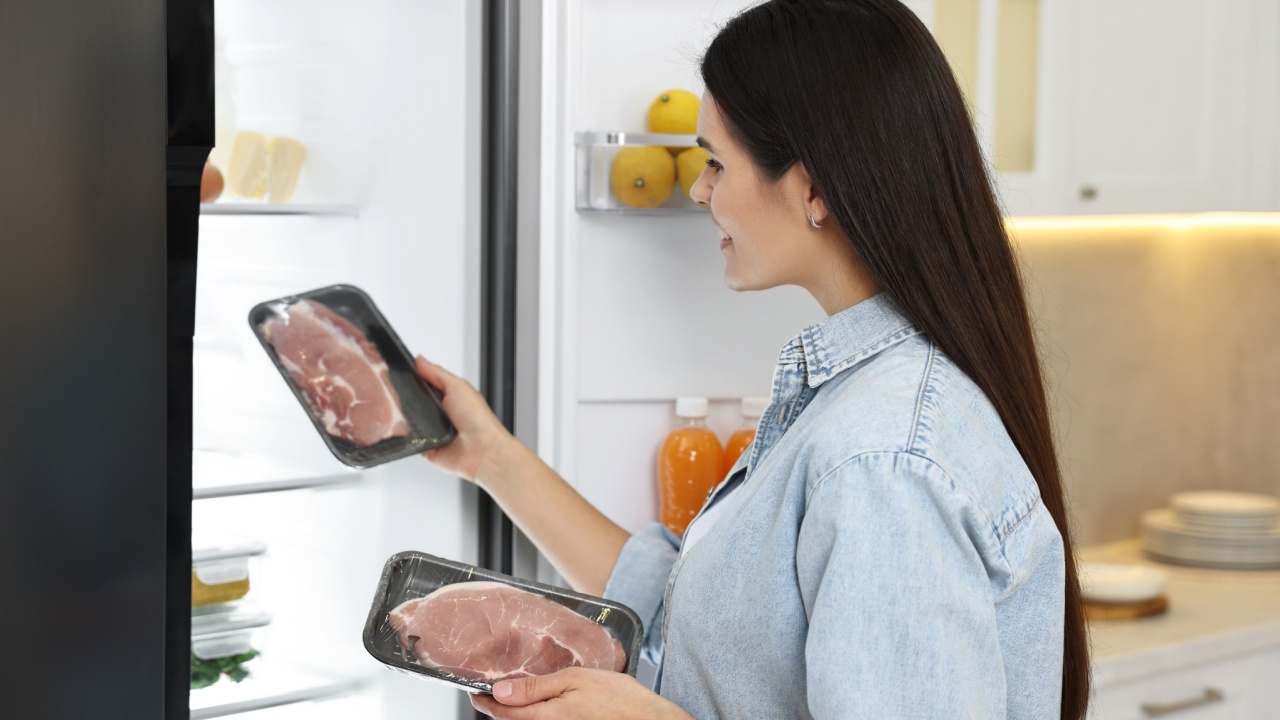
Learning the specific timelines for different food categories takes the stress out of managing your kitchen. When you apply these easy guidelines to your shopping and storage habits, you will throw away less food and save more money.
Checking your refrigerator regularly guarantees that every meal you serve is fresh, delicious, and perfectly safe.