
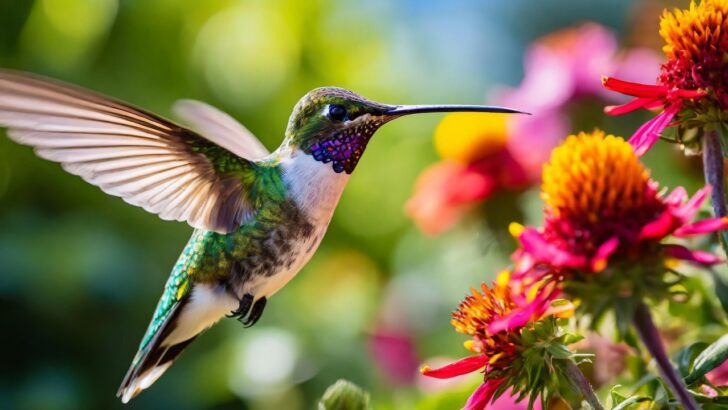
Hummingbirds bring vibrant life to any garden, but they also attract a range of predators and pests that can threaten their survival. From stealthy hunters to unassuming insects, these creatures can rob hummingbirds of nectar, trap them as prey, or contaminate their food sources. Protecting your feathered visitors requires awareness and strategic planning.
Here’s a closer look at 14 harmful predators and pests you need to guard against, with tips to ensure your garden remains a hummingbird haven.
1. Snakes
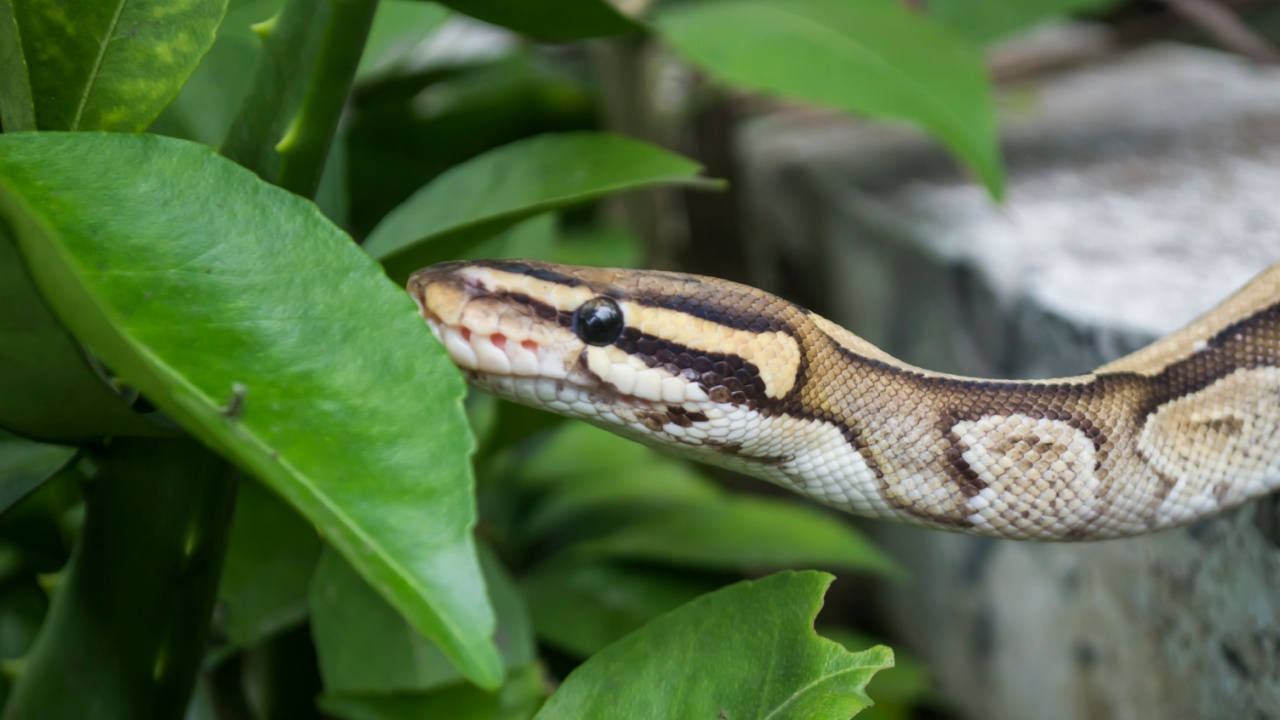
Image Credit: Shutterstock.
Silent Tree-Climbers
Snakes can easily access hummingbird nests and feeders, targeting eggs, hatchlings, or even the birds themselves. Their slithering nature allows them to climb shrubs and trees unnoticed, making hummingbird nesting sites vulnerable. To protect your hummingbirds, position feeders away from trees and bushes. You can also encourage thorny or textured plants, like cacti or holly, nearby to deter these unwanted visitors.
2. Praying Mantises
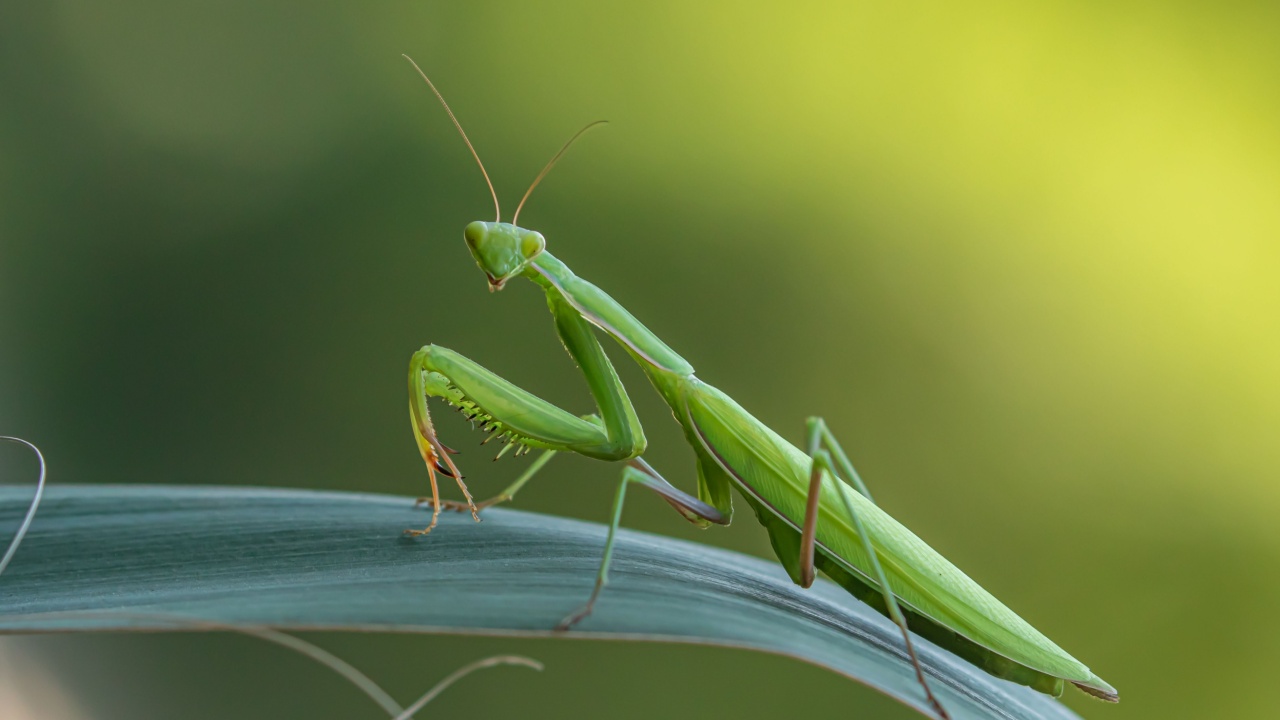
Image Credit: Shutterstock.
Opportunistic Hunters
Praying mantises are beneficial in controlling garden pests, but they can become unexpected threats to hummingbirds. These stealthy insects perch near feeders and pounce on unsuspecting birds in an attempt to feed. Relocate mantises if spotted near feeders, or reposition the feeders to ensure they’re out of reach.
3. Cats
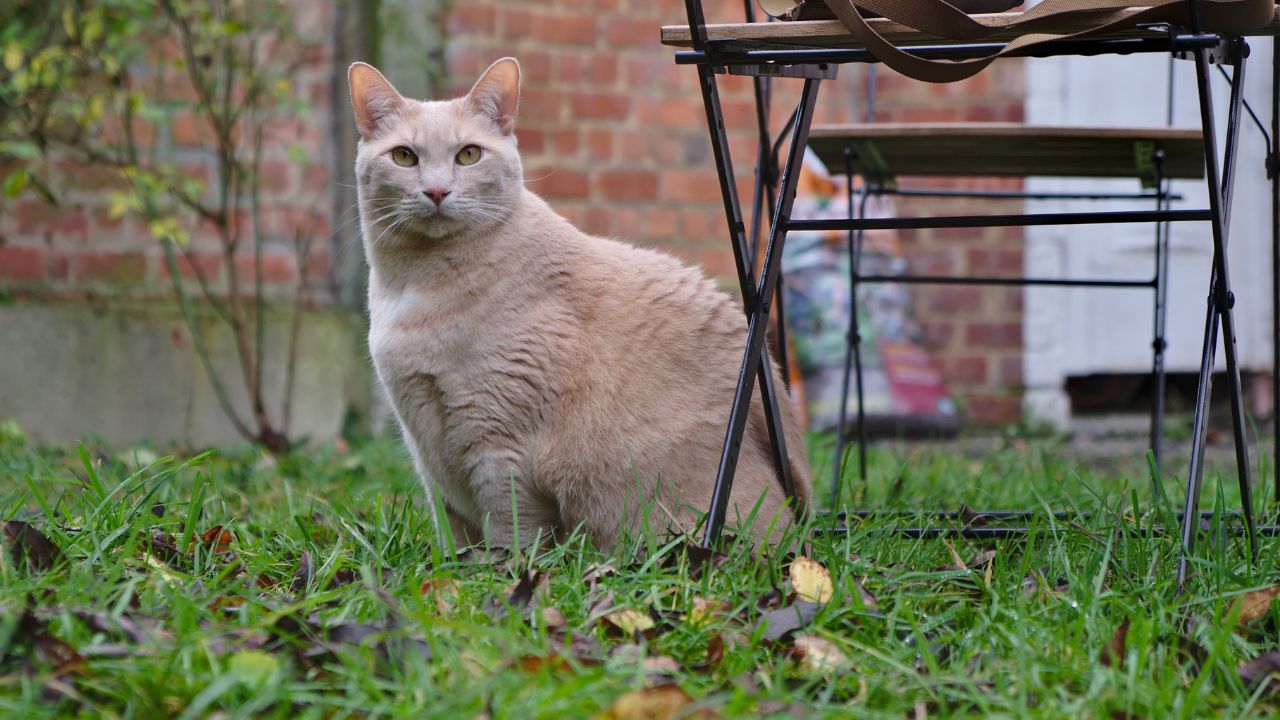
Image Credit: Trougnouf – Own work, CC BY 4.0/Wiki Commons.
The Lurking Predators
Domesticated cats are natural hunters, often posing a significant threat to birds, including hummingbirds. They may stalk feeder areas or ambush from ground cover like shrubbery. Keep feeders at least 5 feet off the ground and away from fences or vegetation where cats can hide. Thorny plants or scents like lavender and citrus can also repel cats from your garden.
4. Frogs
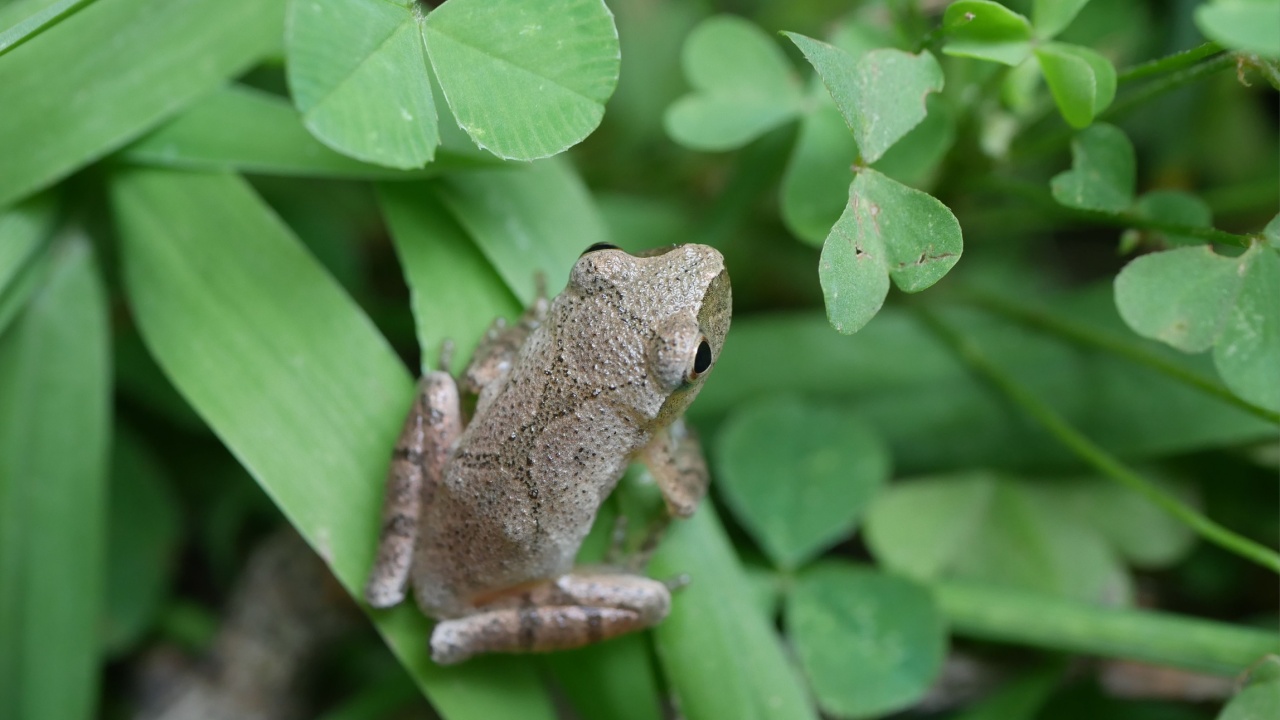
Image Credit: Shutterstock.
Quick Reflexes, Hidden Danger
Frogs, especially near water features, can target hummingbirds for a quick snack. These jumpers wait near ponds, suddenly leaping to grab hummingbirds with their sticky tongues. Opt for feeders positioned far from damp areas or water sources, and elevate them where frogs cannot easily access.
5. Raccoons and Skunks
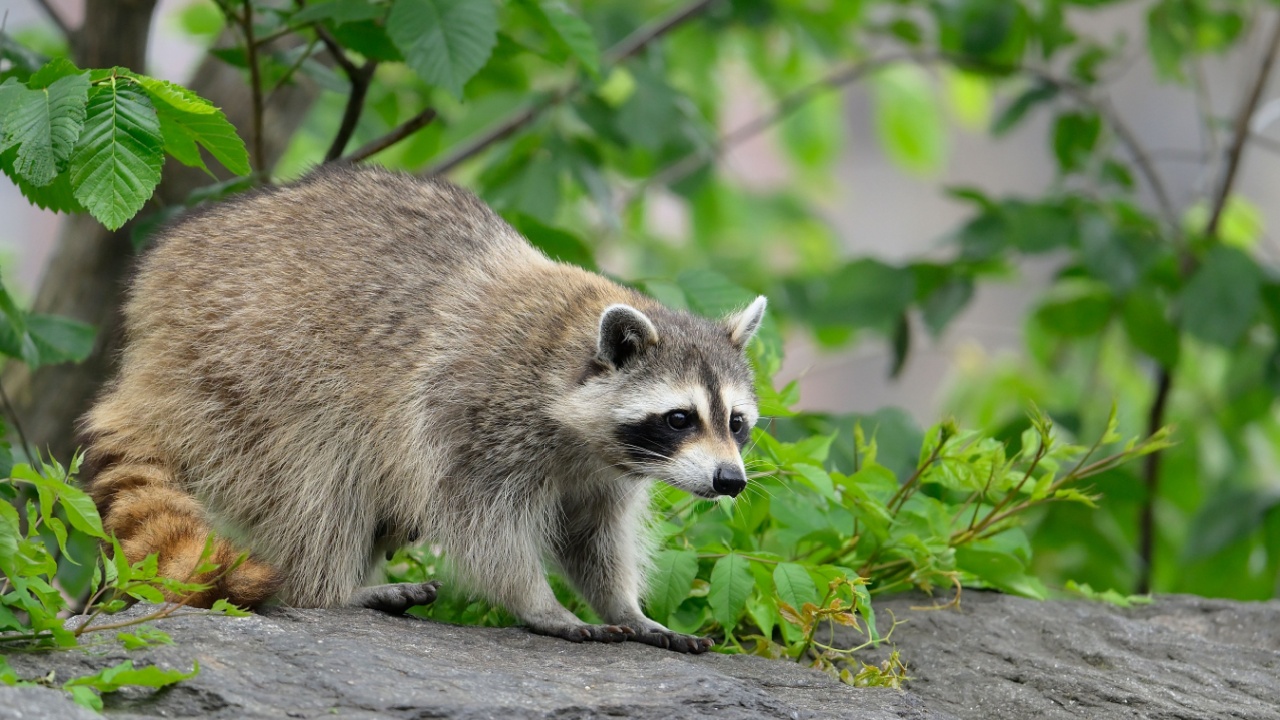
Image Credit: Shutterstock.
Nighttime Raiders
Raccoons, skunks, and even opossums are notorious for scavenging at night, often targeting hummingbird feeders for sugary treats. Their destructive tendencies may damage feeders or deter hummingbird visits. Hang feeders high off the ground and invest in sturdy, escape-proof designs to keep these pests at bay.
6. Spiders
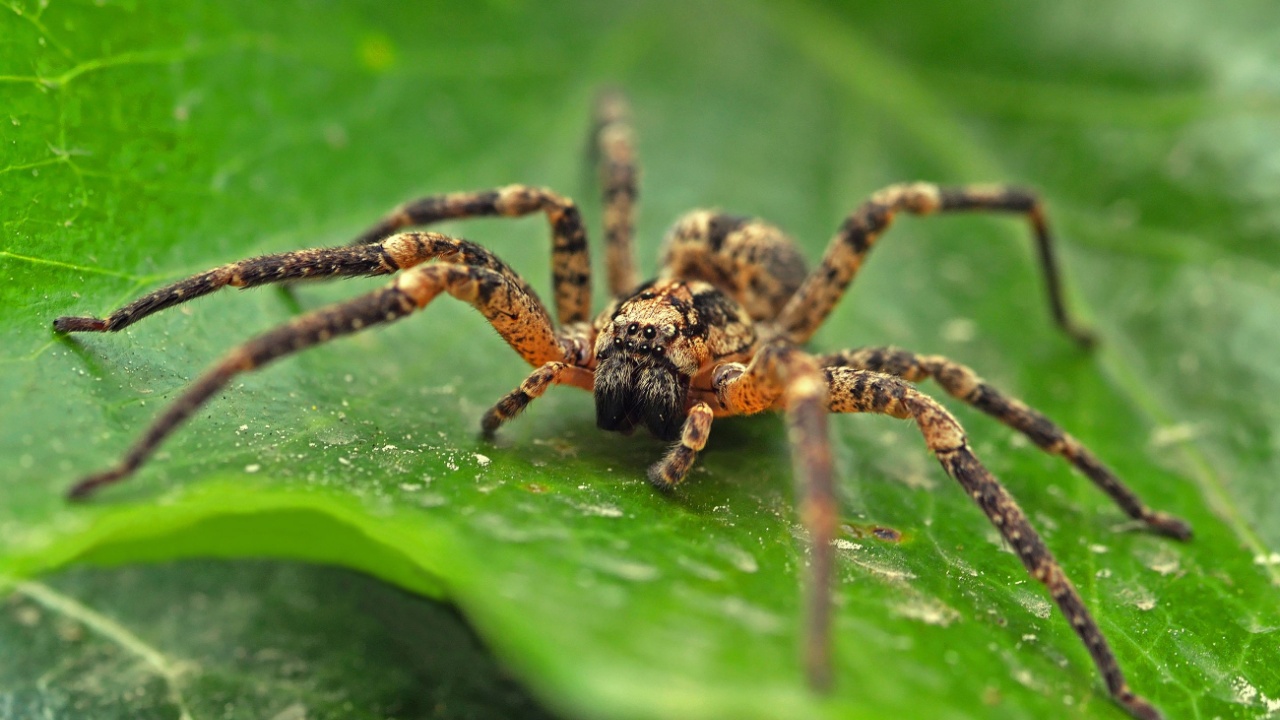
Image Credit: Shutterstock.
Tricky Tangles
Spiders are both allies and foes for hummingbirds. While hummingbirds use spider webs in nest-building, their feathers can easily become trapped in these sticky threads. Clear webs from areas near feeders, and keep garden pathways open to prevent insects and birds from becoming ensnared.
7. Squirrels and Chipmunks
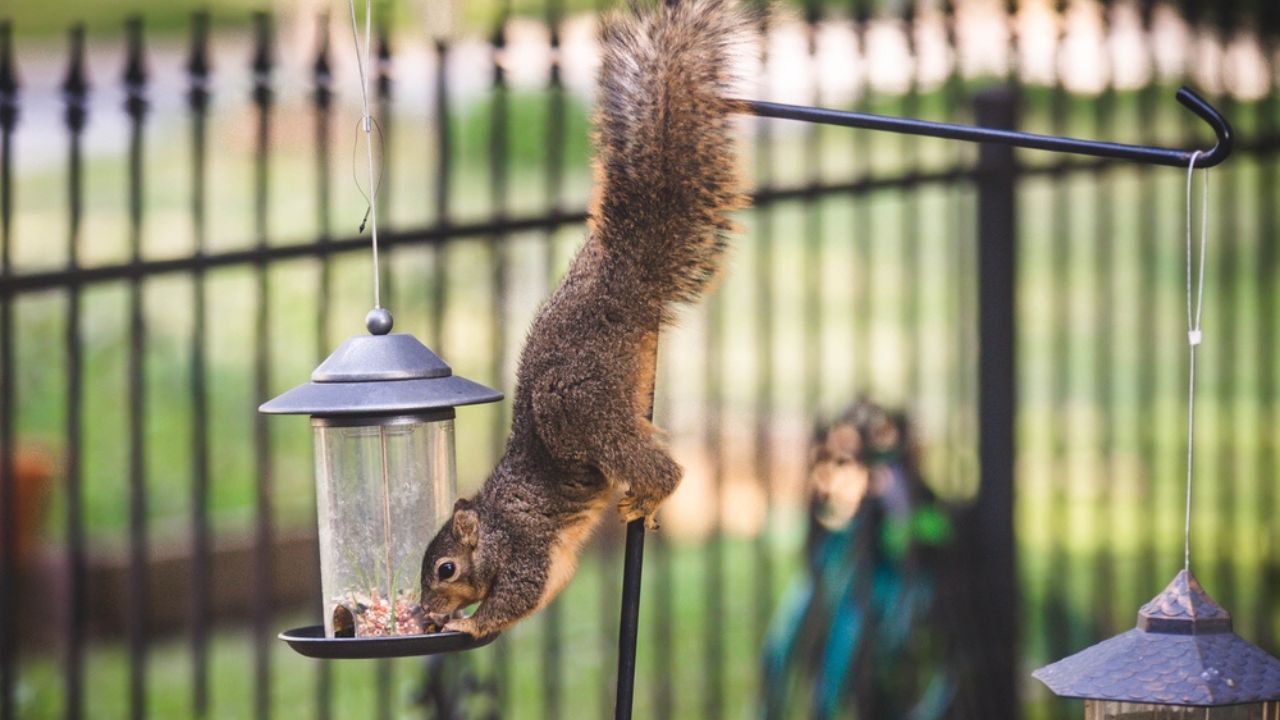
Image Credit: Shutterstock.
Feeder Thieves
Squirrels and chipmunks enjoy raiding feeders for sugar water or seeds, causing disruptions that frighten hummingbirds away. Additionally, some have been known to prey on bird eggs and hatchlings. Place feeders on poles and use baffles to prevent climbing. Incorporate naturally repellent scents such as peppermint oil around the area for extra protection.
8. Bees and Wasps

Image Credit: Shutterstock.
Fierce Competitors
Bees and wasps flock to sugary nectar, often outcompeting hummingbirds for food at feeders. Some wasps may even become aggressive, stinging the tiny birds. Implement bee-proof hummingbird feeders equipped with nectar guards, and regularly clean feeders to reduce residue that attracts insects.
9. Birds of Prey
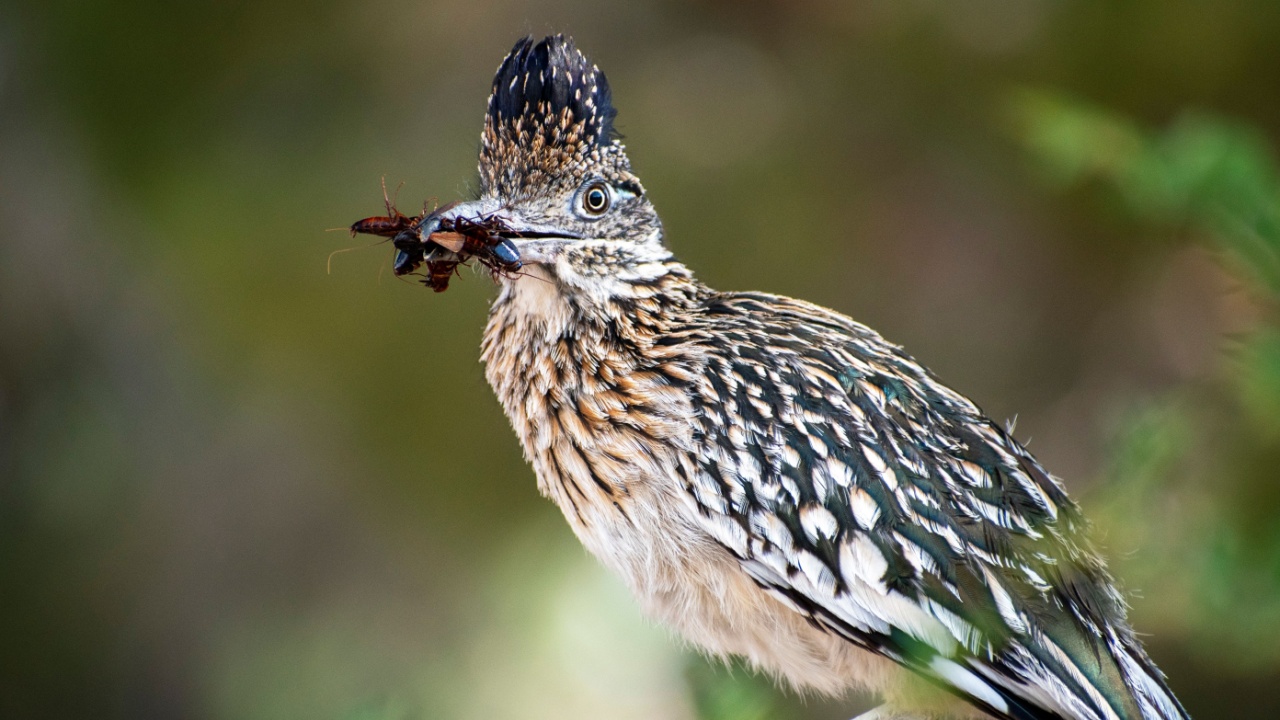
Image Credit: Shutterstock.
Unexpected Attackers
Although hummingbirds are small, they still fall prey to certain birds, such as Mississippi kites, roadrunners, and even blue jays. These larger species may actively hunt hummingbirds or raid their nests. To deter predators, maintain tall shrubs or thorny plants near feeders, offering hummingbirds shelter and escape routes.
10. Ants
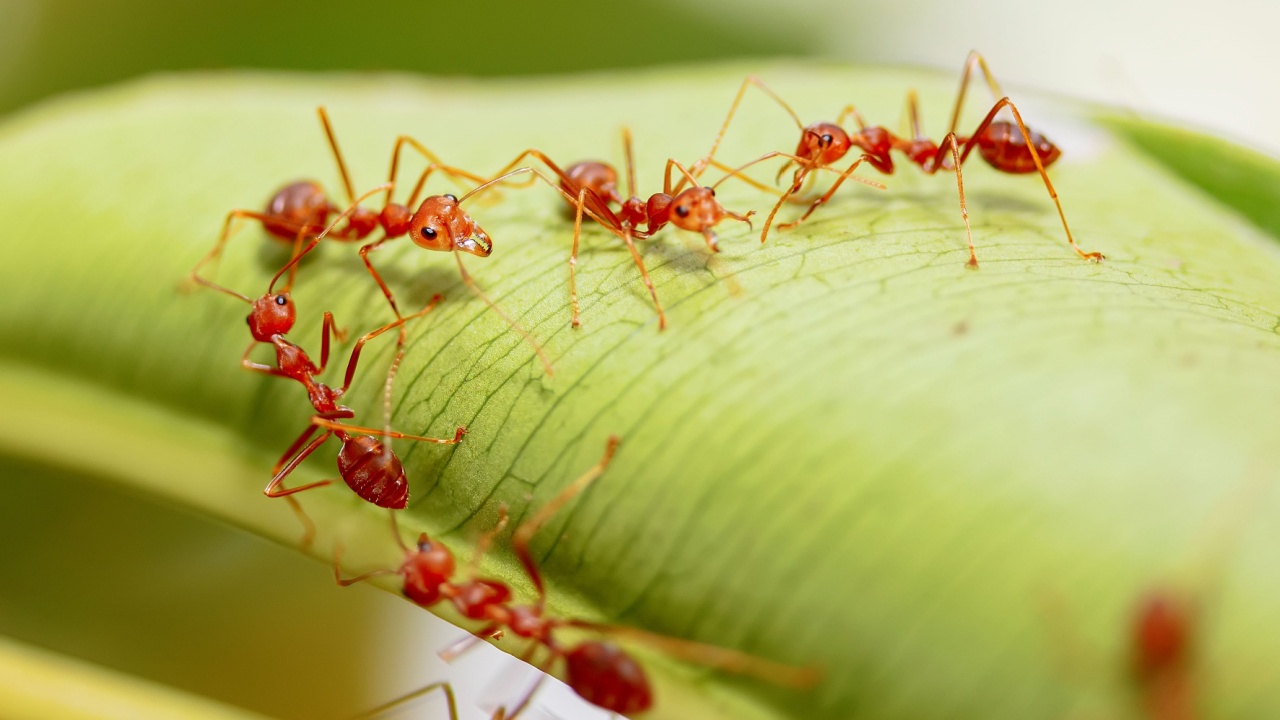
Image Credit: Shutterstock.
Nectar Invaders
Ants quickly infiltrate hummingbird feeders, contaminating the nectar and making it unappealing for the birds. To stop ants, opt for feeders with built-in ant moats, and hang them away from tightropes or branches that ants use as bridges. Keep these moats filled with water for continuous protection.
11. Dragonflies
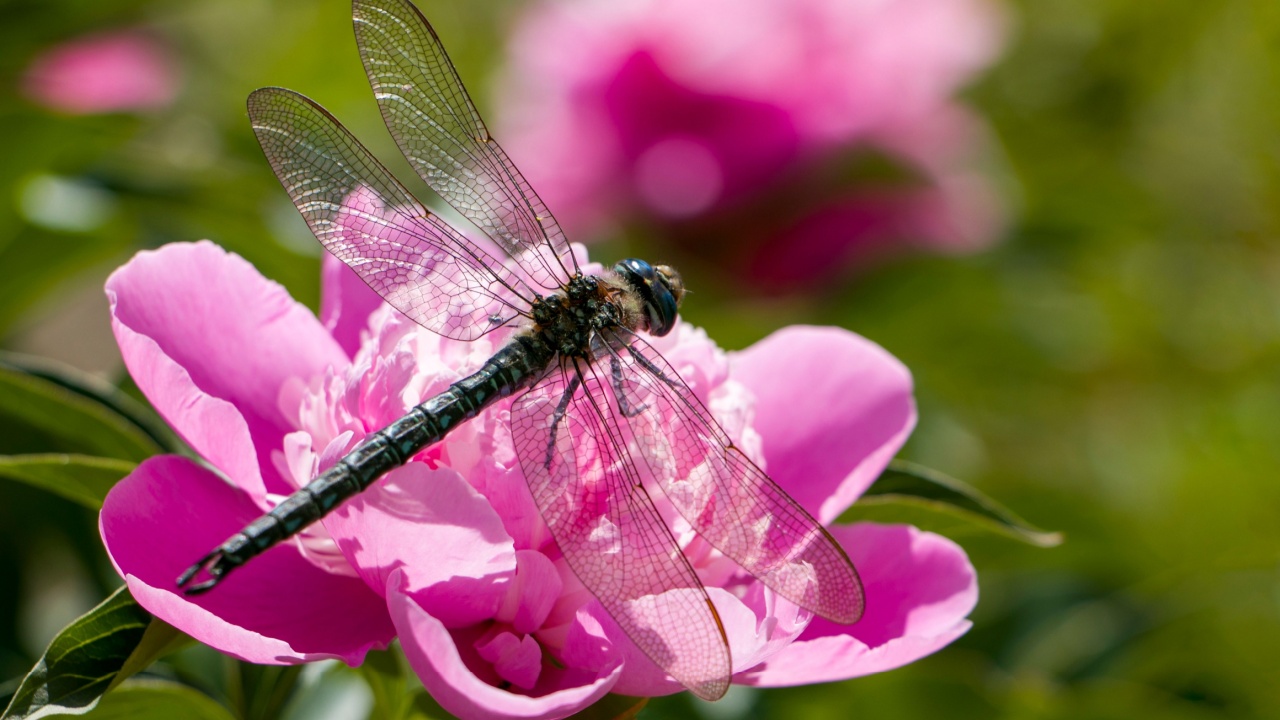
Image Credit: Shutterstock.
Surprisingly Formidable Foes
Dragonflies, though helpful in reducing mosquito populations, occasionally prey on hummingbirds. Their similar size and speed make them unexpected but skilled hunters. Keep feeders away from heavily shaded or damp areas where dragonflies are likely to linger.
12. Rats
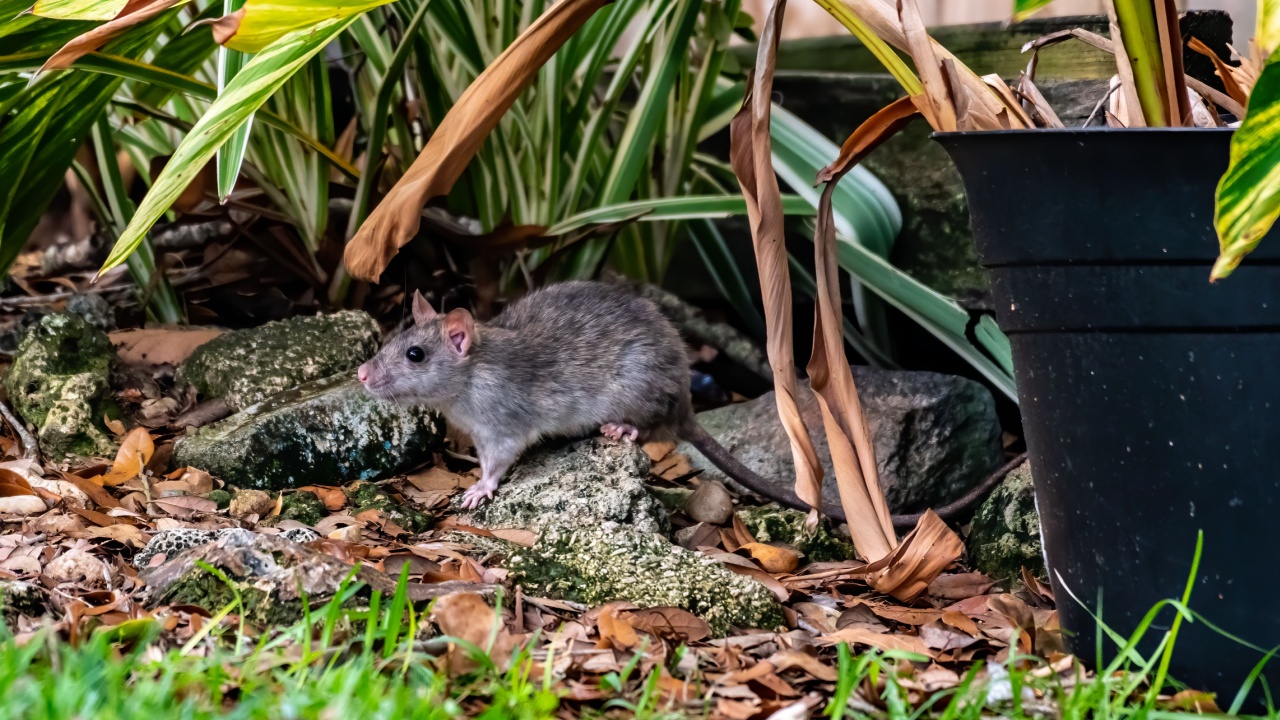
Image Credit: Shutterstock.
Diligent Feeder Raiders
Rats are not only a nuisance indoors but also a major problem outdoors as they target hummingbird feeders at night. Their ability to climb poles and gnaw through materials makes them persistent pests. Opt for pest-resistant feeders and keep nearby areas clear of food debris that could attract them.
13. Gnats
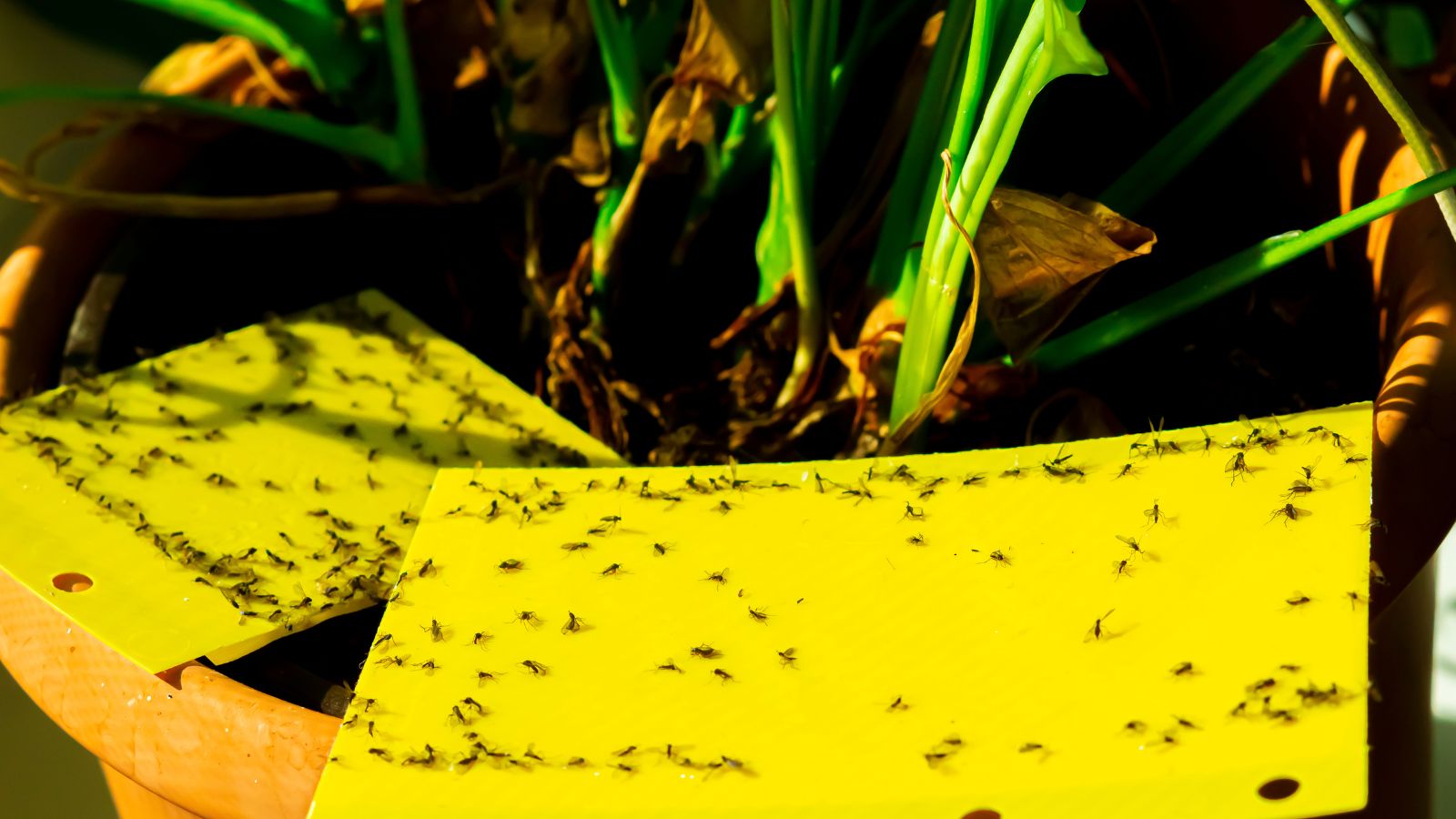
Image Credit: Depositphotos.com.
Tiny, Big Trouble
Gnats swarm around feeders, contaminating nectar with bacteria and fungi. While hummingbirds aren’t deterred by the insects themselves, the microorganisms can harm their delicate systems. Reduce the sugar concentration in your nectar and clean feeders every few days to prevent buildup.
14. Bats
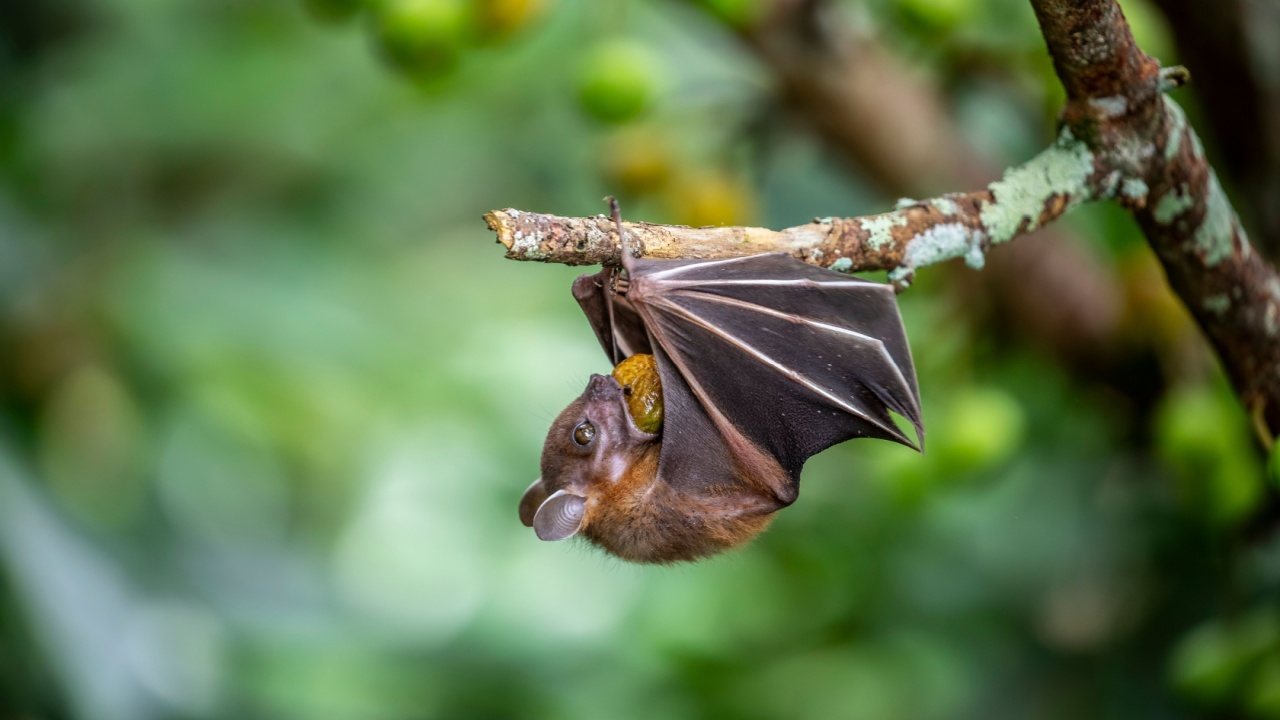
Image Credit: Shutterstock.
Nocturnal Nectar Raiders
While bats play a vital ecological role by controlling insect populations and pollinating night-blooming flowers, they can sometimes become unintentional nuisances at hummingbird feeders. In warmer regions, nectar-feeding bats—such as the lesser long-nosed bat—may visit feeders at night, draining the nectar before hummingbirds get a chance. Their visits can also cause wear on feeders and attract other nighttime pests. To prevent this, bring feeders inside at dusk or use bat-deterring covers. This helps preserve nectar for the intended guests and keeps your feeder system running smoothly.
Want to attract more hummingbirds to your yard? Try planning these perennials.
Keep Hummingbirds Safe with Smart Practices
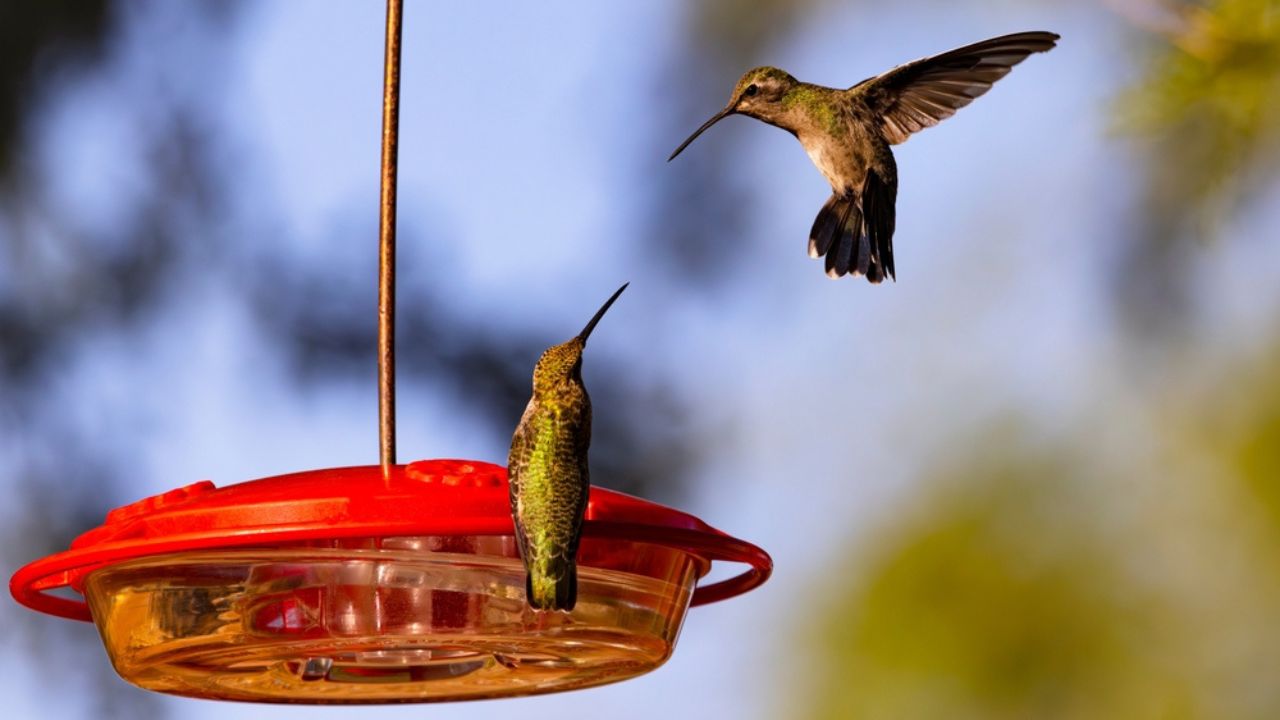
Image Credit: Shutterstock.
Protecting hummingbirds requires more than offering nectar—it takes vigilance against predators, pests, and poor feeder habits. To keep your garden a safe haven:
- Place feeders wisely: Keep them away from trees, shrubs, fences, and damp areas to reduce access for snakes, cats, frogs, and insects.
- Elevate and secure feeders: Use tall poles with baffles to prevent access by raccoons, squirrels, rats, and chipmunks.
- Clean feeders often: Wash feeders every 2–3 days, especially in warm weather, to prevent bacterial growth and deter gnats, ants, and wasps.
- Use pest-proof equipment: Choose feeders with bee guards and ant moats, and keep moats filled with water.
- Avoid nighttime visitors: Bring feeders indoors at dusk in bat-prone areas or use bat-deterring covers.
- Discourage predators naturally: Add thorny plants nearby for protection and use scents like peppermint or citrus to deter cats and rodents.
By combining these simple practices, you can create a thriving, safe space for hummingbirds—supporting their health and encouraging regular visits all season long.