6 Tricks to Make Hand-Washing Dishes a Breeze
Do the dishes in your house seem like they multiply by binary fission? You use one glass, look away, and the sink is teaming with utensils you don’t remember using.
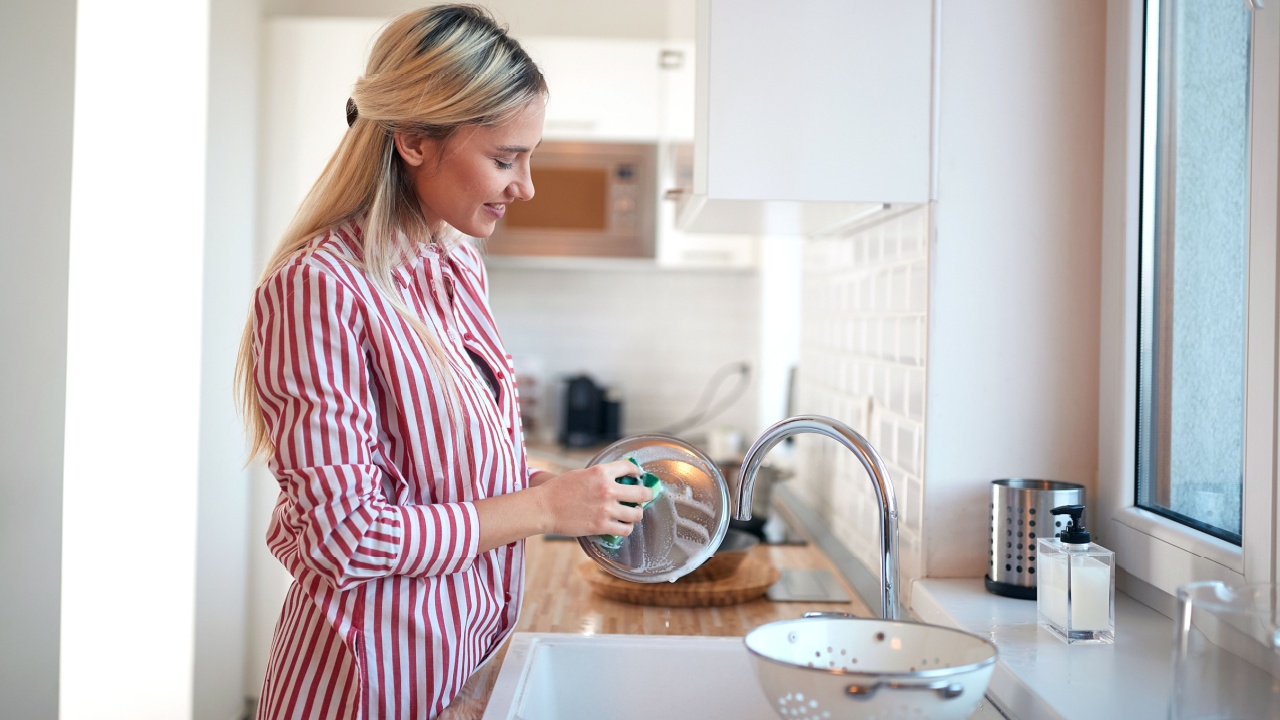
Washing dishes by hand is one of those household chores that can feel like a never-ending cycle. A sink full of dirty plates and greasy pans can test the patience of even the most domestic-minded person. But it does not have to be a daily struggle.
How do you transform this task from a dreaded chore into a surprisingly simple part of your day? This article will explore seven practical tips to help you wash dishes faster, more efficiently, and with much less effort.
1. Work With a Smaller Pile
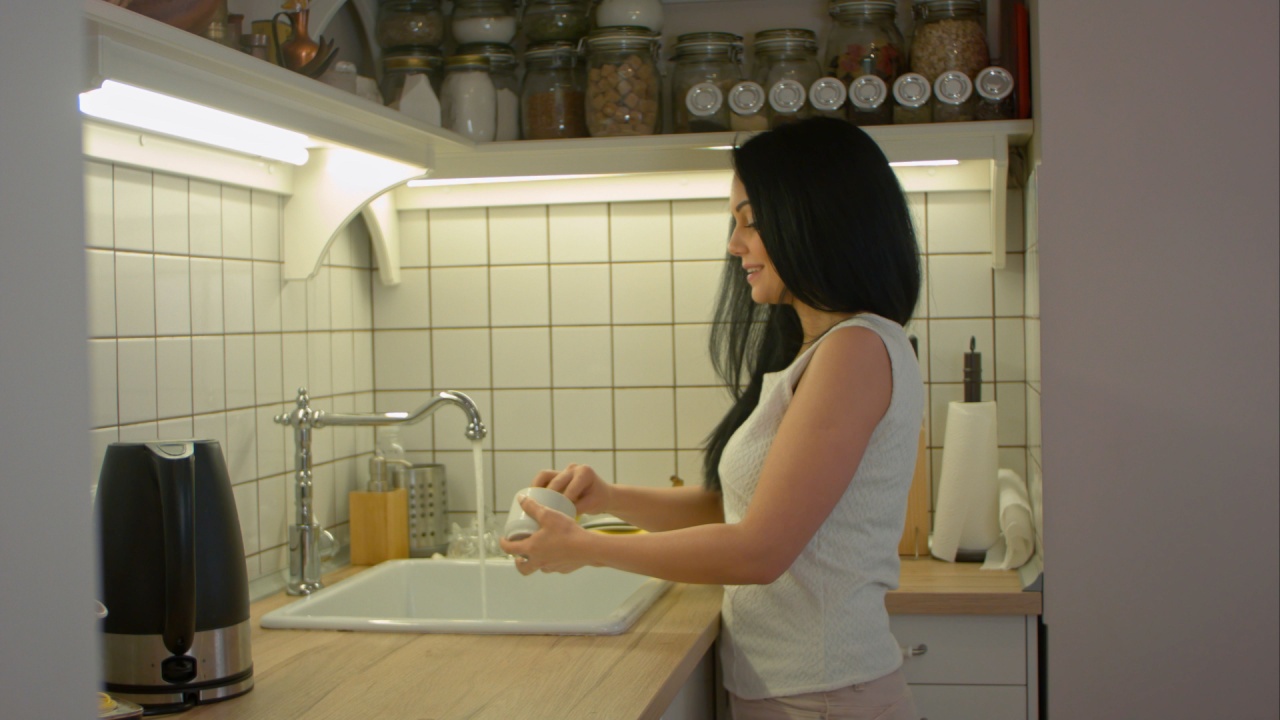
Staring down a mountain of dirty dishes is overwhelming. A great way to tackle the job is to break it down into smaller, more manageable groups. Instead of trying to wash everything at once, sort the items by type. Start with the glasses and mugs, then move on to plates and bowls, and save the greasiest pots and pans for last.
This approach creates a sense of accomplishment as you finish each small batch. Completing one category gives you a mental boost to continue with the next. You will find that the entire process feels less monumental and goes by much quicker when you are not facing a chaotic jumble of cookware and dinnerware all at once.
2. Fill a Large Pot With Soapy Water

Instead of filling the entire sink with water, grab the largest dirty pot or bowl from your pile and fill it with hot, soapy water. Use this as your personal wash basin for all the other dishes. This technique contains the mess and makes it easy to soak smaller items like cutlery while you work on other things. It is an effective tactic when you have limited water or want to conserve, too.
Using a pot as a basin is especially useful if you have a single-basin sink or need the other side for rinsing. It concentrates your soap and hot water where you need them most, leading to a more effective clean. When you are done, you just have to wash the pot itself, which is already full of soap and has been soaking.
3. Scrape Food Off First
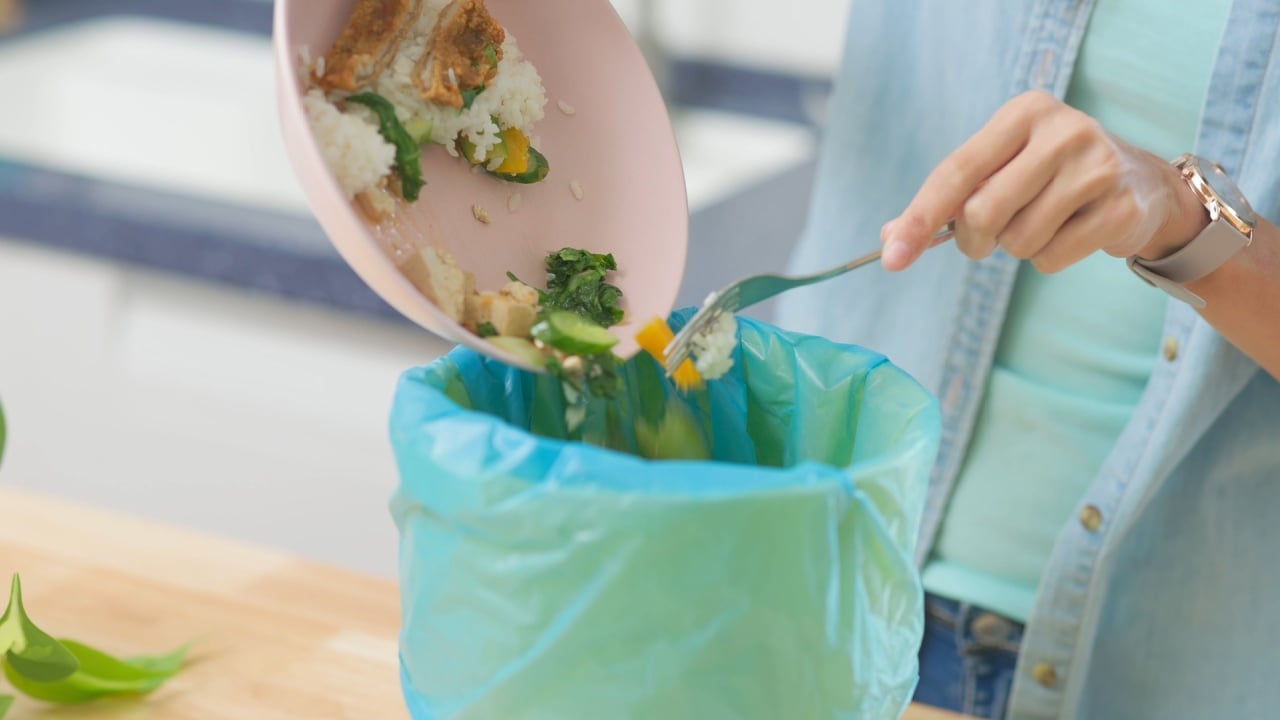
One of the biggest mistakes is trying to wash dishes that are still covered in food scraps. This just makes your water dirty and gross almost immediately. Before any dish touches the water, give it a good scrape with a spatula or a dedicated pan scraper. Getting rid of leftover sauces, crumbs, and grease beforehand is a big step toward a cleaner wash.
This simple preparation step helps keep your water, sponge, and sink cleaner throughout the process. You will use less soap and will not have to change the water as often. A pan scraper is particularly good for tackling stubborn, baked-on food, reducing the amount of intense scrubbing you will have to do later.
4. Get a Good Drying Rack
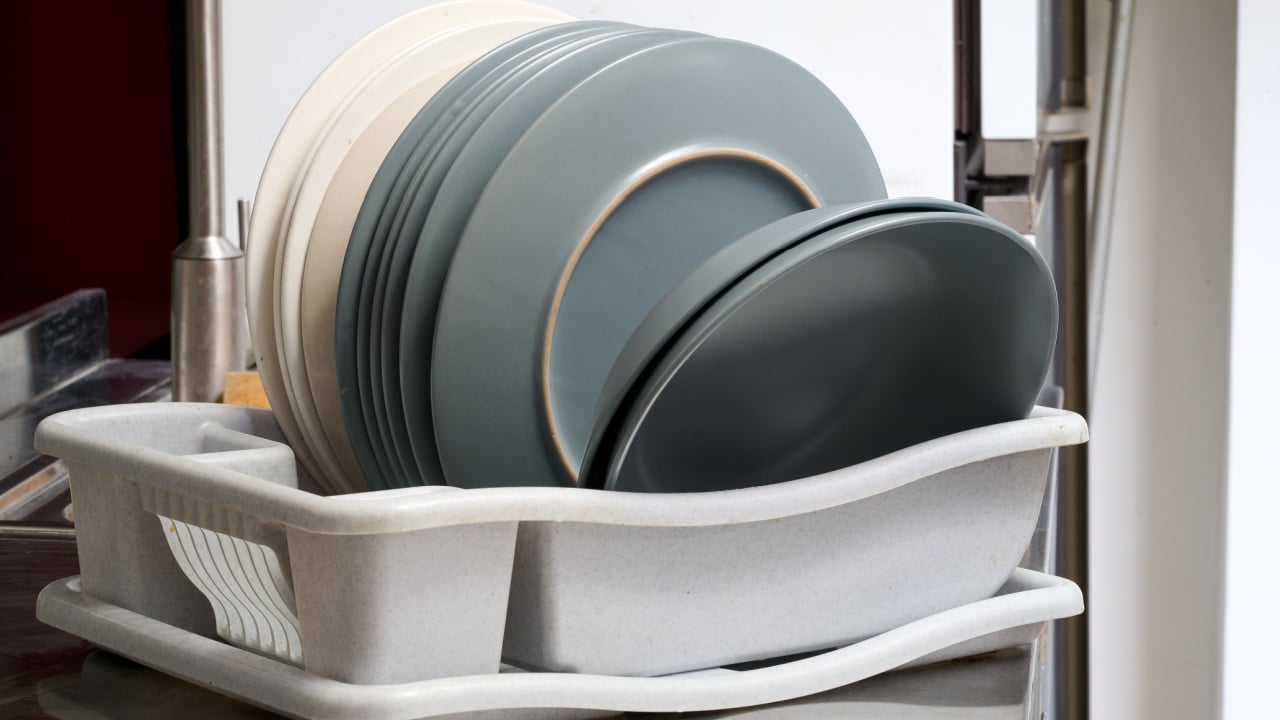
A crowded, disorganized counter is a recipe for frustration. A quality dish drying rack provides a designated space for everything, allowing air to circulate and dry your dishes properly. Look for one with different compartments for plates, bowls, and cutlery. This will help you keep things organized and prevent water from pooling on your countertops.
Proper air-drying is more hygienic than towel-drying, which can spread germs if the towel is not fully clean. A well-designed rack allows water to drip away, preventing water spots and speeding up the drying time. This simple tool brings order to the chaos and makes the final step of putting dishes away much easier.
5. Use Hot Water and Gloves
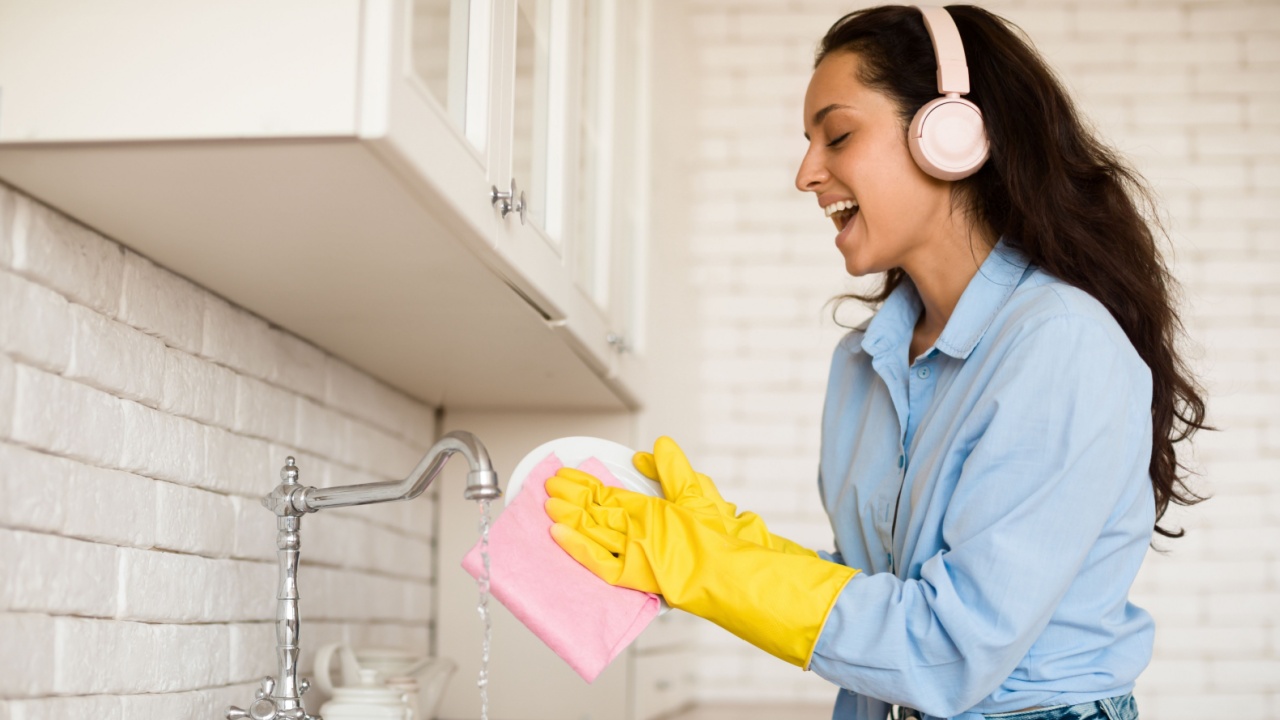
Washing dishes in lukewarm or cold water is simply less effective. Hot water is much better at cutting through grease and sanitizing surfaces. It helps to loosen stuck-on food and dissolve soap more efficiently, which means less scrubbing for you. The hotter the water, the quicker your dishes will get clean.
Of course, using very hot water can be harsh on your hands. You need a good pair of rubber gloves. They protect your skin from the heat and harsh detergents, allowing you to use the water temperature needed for an effective clean. As a bonus, your hands will stay soft and dry.
6. Try a Dish Wand
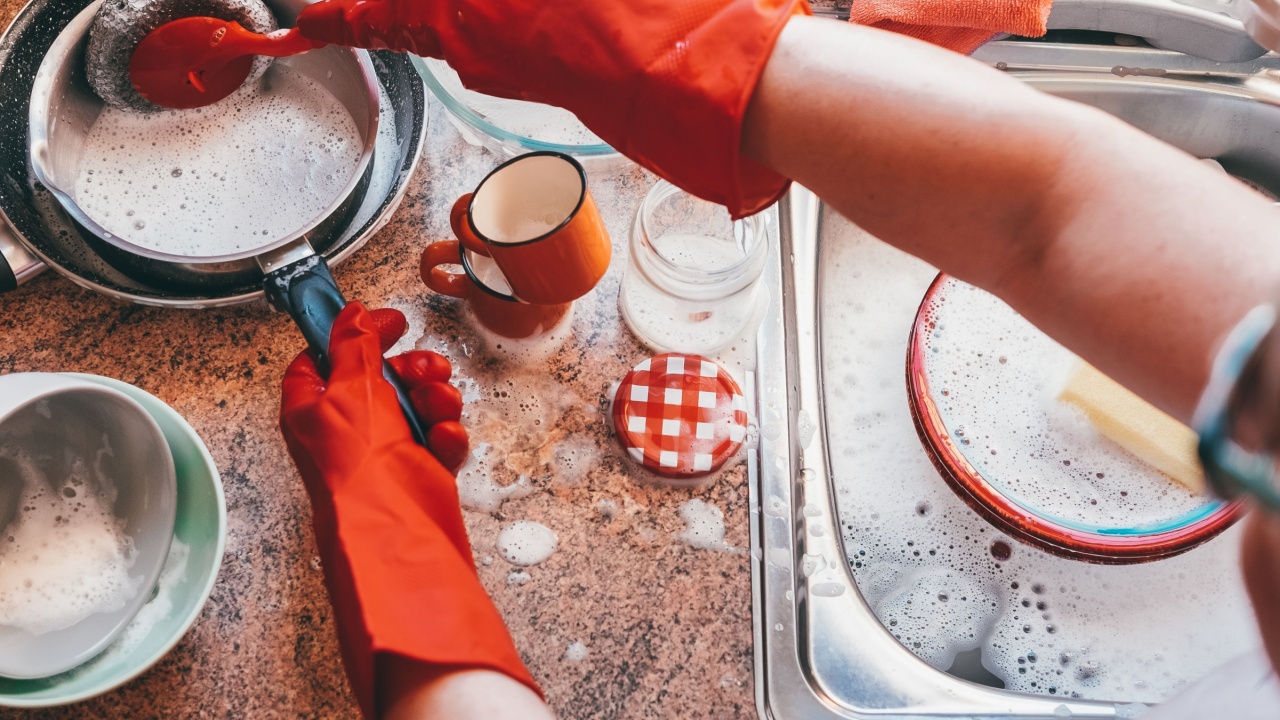
How often do you reach for the soap when cleaning an extra greasy pot? A dish wand, which is a handle that you can fill with soap, is a fantastic alternative. The soap dispenses directly through the sponge head as you scrub, so you always have suds right where you need them. This provides a continuous cleaning action without constantly reaching for the soap bottle.
Dish wands also keep your hands out of the mess a little more than a regular sponge. Since the soap is contained within the handle, you get a controlled, steady supply that helps you clean more efficiently. Many models have replaceable heads, so you can easily swap out a worn-out sponge for a fresh one.
Suds Up and Smile
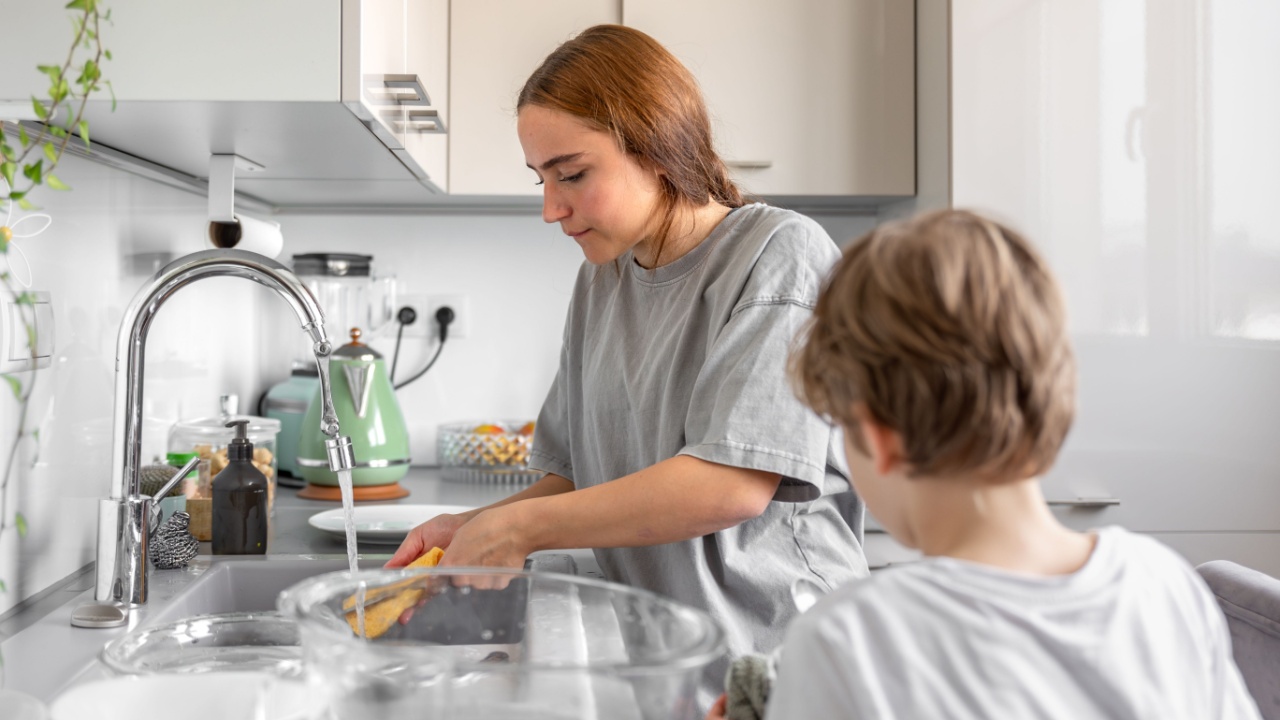
Some people never leave dirty dishes in the sink overnight, while others walk by and pretend they didn’t see them. Whichever camp you belong to, hand washing dishes doesn’t have to be the bane of kitchen chores.
With these handy tricks in your back pocket, you might just surprise yourself with how efficient (and almost enjoyable) the task becomes. Ready to banish the mountain of dirty dishes? Roll up those sleeves, cue up your favorite playlist, and watch dish duty shrink to its proper, manageable size.