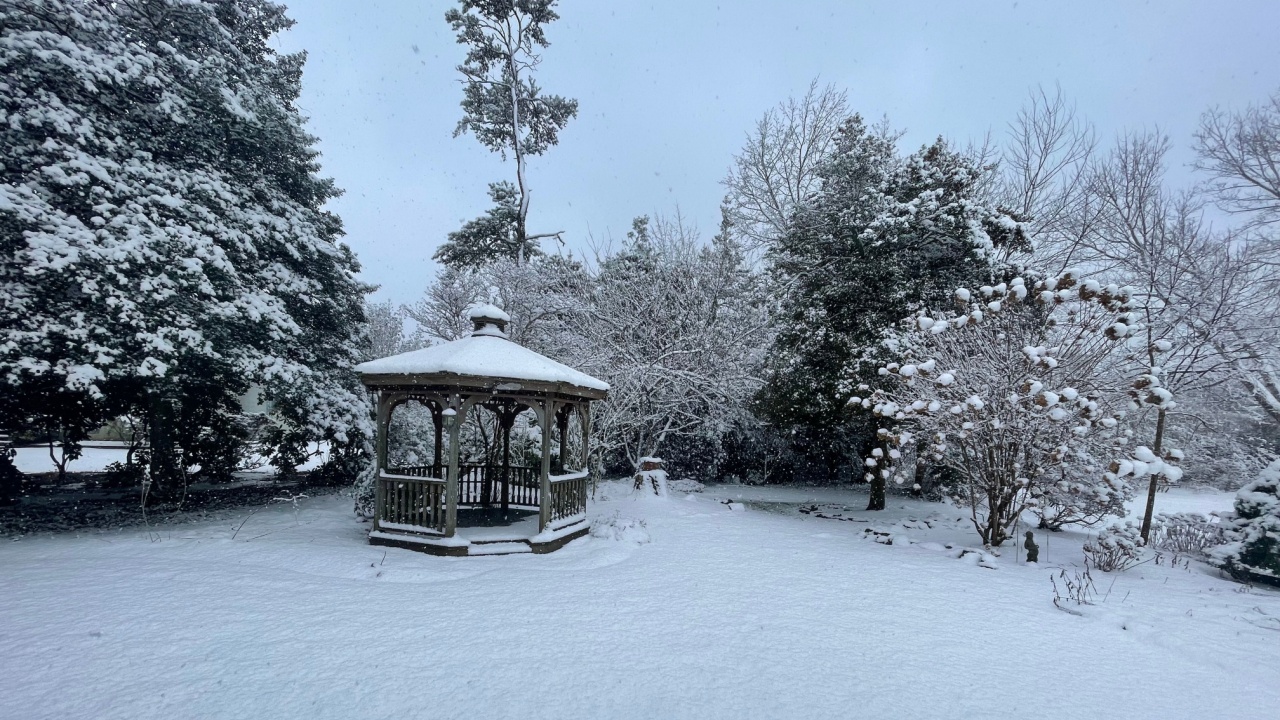
5 Garden Structures That Create a Winter Wonderland
Some gardeners spend the colder months staring out the window at a flat, grey landscape. The vibrant flowers have retreated underground, leaving behind a yard that feels somewhat empty and lacking in character. Snow can cover a multitude of sins in a landscape, but it also has a habit of revealing exactly where a garden lacks good bones.
Without foliage to distract the eye, the hardscape becomes the primary focus. This is the moment when permanent features justify their existence. Adding vertical elements and architectural interest changes a barren plot into a scene worthy of a holiday card. These structures catch the snow, create shadows, and provide a reason to look outside even when the temperature drops below freezing.
The following five structures will help you create a winter wonderland.
1. Arbors, Arches, and Moon Gates
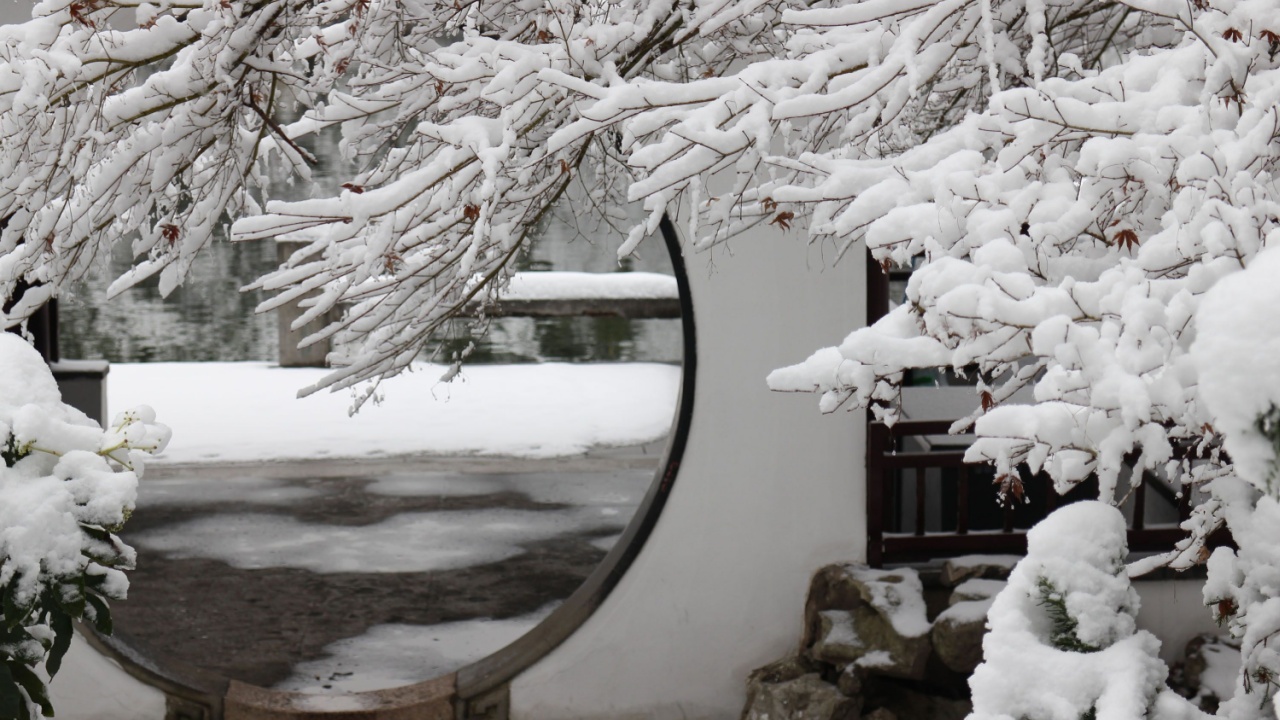
Entryways in a garden usually serve to mark a transition from one area to another. During the growing season, they might be covered in climbing roses or clematis, barely visible beneath the blooms. In winter, however, the frame itself takes center stage. Arbors and arches provide a crisp geometric contrast to the soft, undulating lines of snowdrifts. A metal arch with a dusting of frost highlights the path and draws the eye upward, preventing the garden from looking like a single plane of white.
Moon gates offer a similar function but with a distinct aesthetic. These circular openings, traditionally found in Chinese gardens, act as a living frame for the landscape behind them. A round moon gate covered in snow creates a portal effect.
At a Glance:
- Why It Works: These structures provide immediate vertical interest and frame specific views, forcing the viewer to look at the garden perspective rather than just the ground.
- Material Selection: Metal structures withstand heavy snow loads better than thin wood. If choosing wood, select rot-resistant varieties like cedar or redwood.
- Placement: Position these at the entrance of a path or to frame a specific view, like a large evergreen or a bench.
- Lighting Tip: Wrap string lights around the arch or gate frame. The snow reflects the light, amplifying the glow and creating a lantern effect in the yard.
- Maintenance: Brush heavy, wet snow off the very top if it begins to accumulate more than a few inches to prevent warping, although most metal arches are sturdy enough to handle it.
2. Pergolas and Gazebos
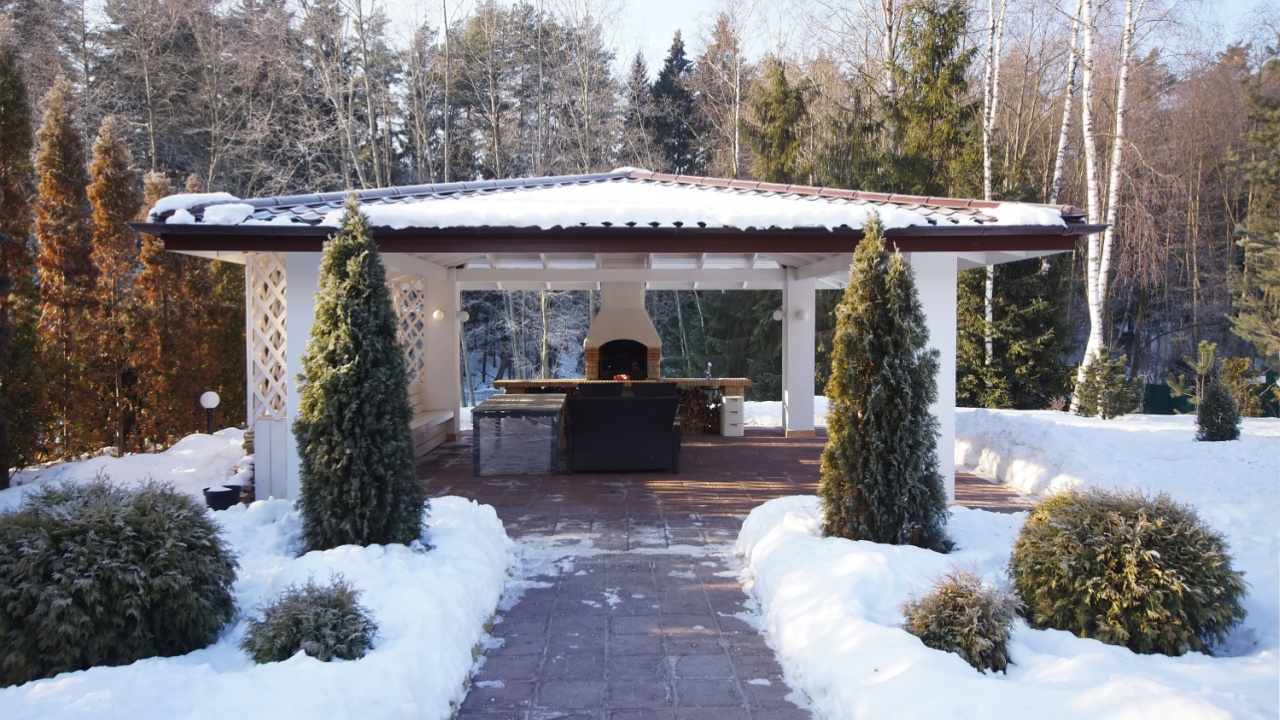
A flat yard often feels smaller in winter because the boundaries are clearly visible. Pergolas and gazebos add volume and destination points. A pergola creates a ceiling for an outdoor room, defining the space even when the furniture is packed away. The overhead slats cast intricate shadow patterns on the snow below, which change throughout the day as the sun moves.
This interplay of light and shadow adds texture to the ground that would otherwise be a blank white sheet. Gazebos offer an even more substantial presence. They act as a solid anchor in the landscape. Because they have a roof, they provide a shelter that looks inviting, suggesting that the garden is still a place to be inhabited, not just observed.
At a Glance:
- Why It Works: They add significant visual weight and define specific “rooms” within the landscape, preventing the “wasteland” look of an open, snowy yard.
- Structural Integrity: Inspect the footings and joints before the first freeze. Heavy snow on a roof exerts massive pressure.
- Visual Anchoring: Keep a weather-resistant table or bench inside the structure so it does not look completely deserted.
- Decoration: Hang evergreen wreaths or durable ornaments from the rafters to catch the wind and add color.
- Safety: Watch for ice dams on gazebo roofs, similar to how you would monitor a house roof. Clear icicles if they form over pathways.
3. Trellises and Privacy Screens
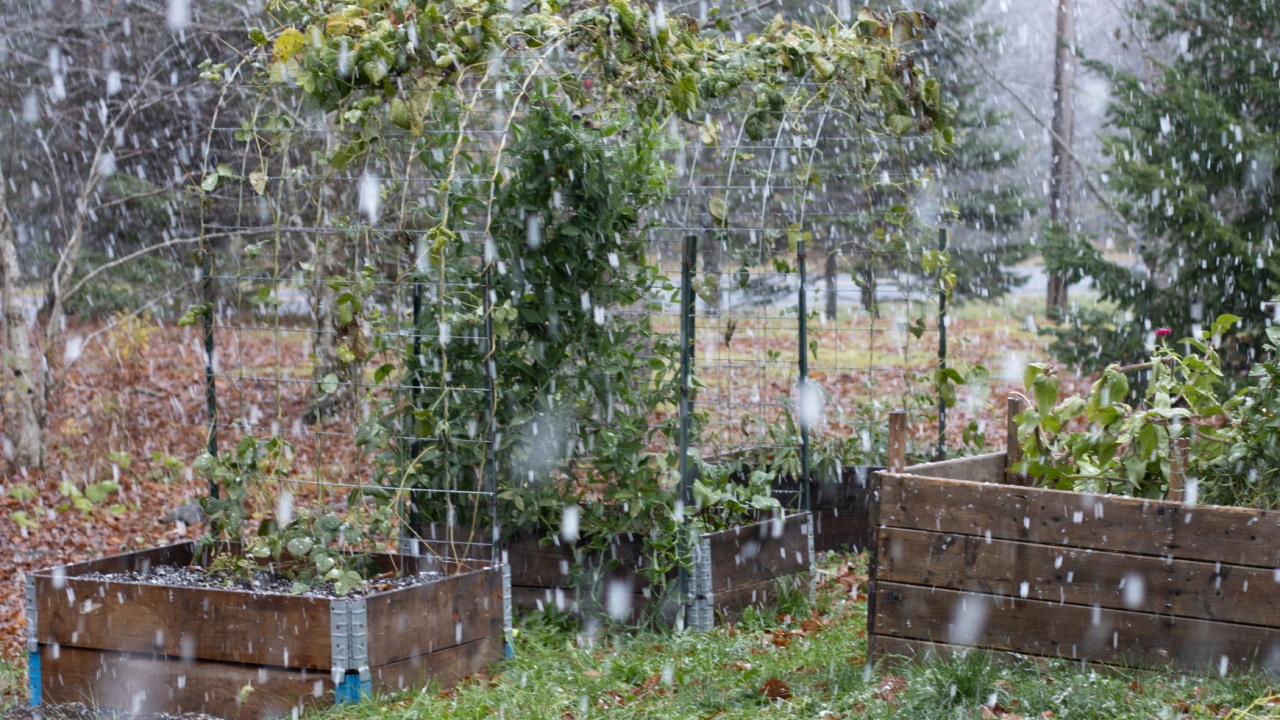
Fences and screens are often viewed strictly as functional items to keep neighbors out or pets in. However, decorative trellises and privacy screens serve a higher artistic purpose when the leaves fall. A bare wall or fence line can look bleak and imposing in winter. Placing a decorative screen in front of it adds depth.
Freestanding trellises in garden beds double as sculptures, with their structure becoming the art when free of vines. Obelisk trellises are particularly striking, adding a pyramid shape that mirrors evergreens and brings dimension to flat, lifeless flower beds. Privacy screens also hide unsightly views exposed by bare deciduous trees, such as a neighbor’s compost pile or a parked car.
At a Glance:
- Why It Works: They provide intricate patterns and textures that catch snow, while simultaneously hiding areas of the garden (or neighboring yards) that are less attractive in winter.
- Wind Protection: Secure freestanding screens deeply into the ground. Winter winds can turn a flat screen into a sail, causing it to tip over.
- Contrast: Dark metal or stained wood creates the best contrast against white snow. Avoid white trellises if you want them to stand out.
- Layering: Place screens in front of evergreen hedges for a multi-layered look snow on the screen, green behind it.
- Care: Metal screens should be powder-coated to prevent rust from constant moisture exposure.
4. Garden Bridges
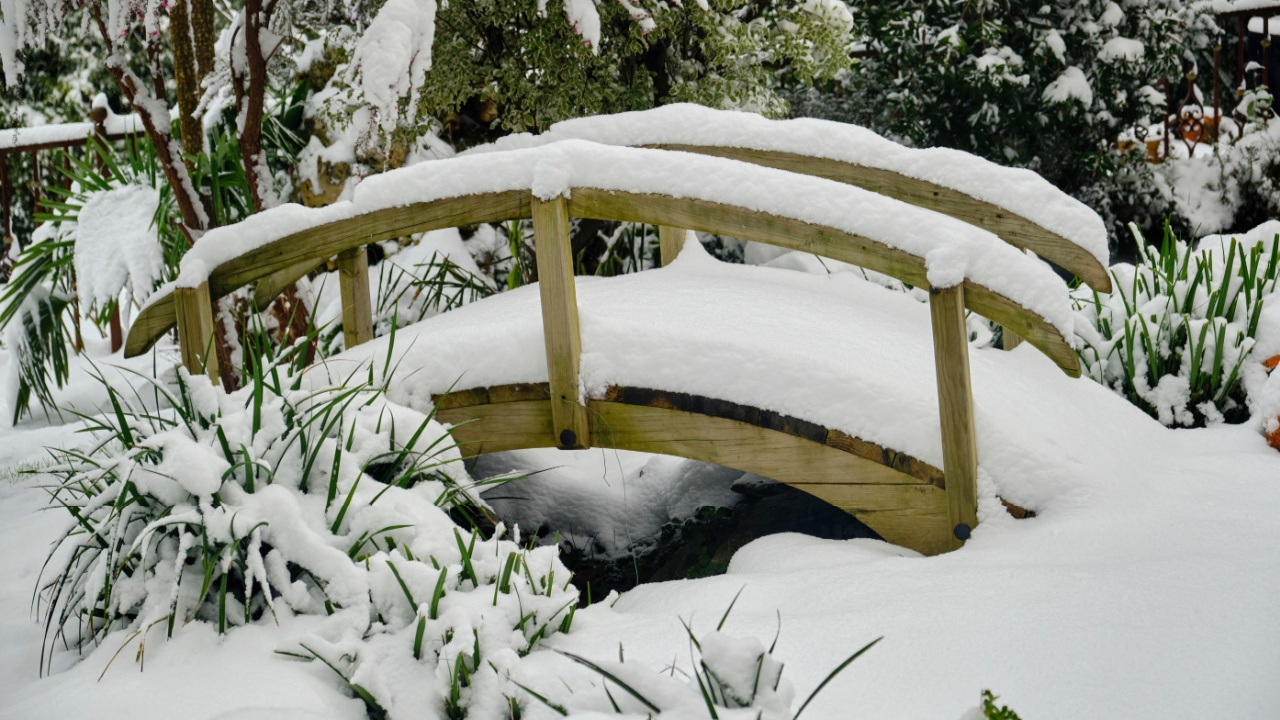
Water features often freeze or are drained for the season, leaving a depression in the ground that looks awkward. A garden bridge solves this problem by maintaining the visual flow. A bridge implies movement and a journey, even if the creek below is dry or frozen solid. The arch of a bridge is one of the strongest shapes in a landscape.
It lifts the eye off the ground and creates a distinct separation between the foreground and the background. In Asian-inspired gardens or naturalistic woodlands, a bridge is often the defining feature. When covered in snow, the railings and the arch become a bold line drawing. Even on flat ground, a small decorative bridge placed over a dry riverbed of stones keeps the garden interesting.
At a Glance:
- Why It Works: It introduces a curved, horizontal line that breaks up flat expanses and implies a water feature, adding a psychological element of fluidity to a frozen landscape.
- Safety: If the bridge is part of a walkway, apply a non-slip strip or keep it cleared. Wood bridges get incredibly slick with frost.
- Visuals: Leave a small pile of river rocks visible at the ends of the bridge so the snow doesn’t completely bury the transition points.
- Material: Teak or treated pine creates a warm color contrast against the blue-white tones of snow.
- Lighting: Run rope lighting under the handrails to cast a glow downward onto the snow or ice below.
5. Garden Statues and Sculptures
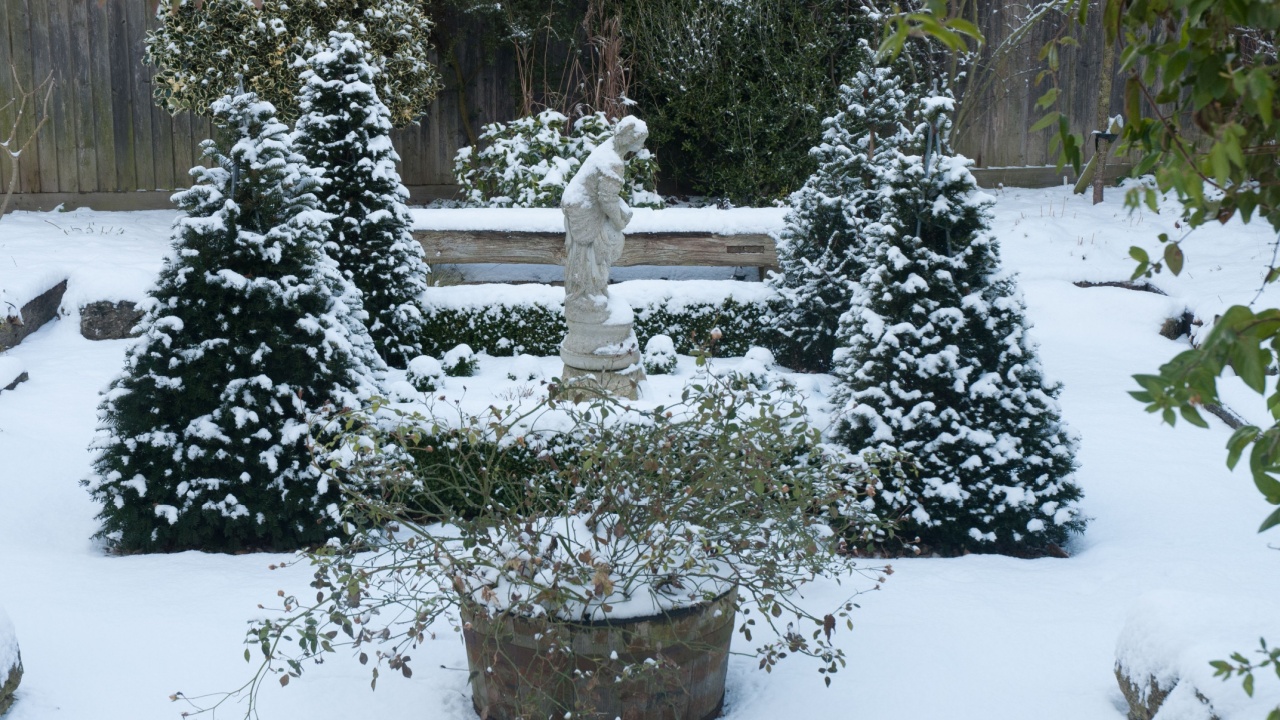
While not always structural in the building sense, large statues and sculptures function as the permanent residents of the garden. A stone angel, a modern metal sphere, or a concrete pagoda provides a focal point that commands attention. Snow interacts with sculptures in fascinating ways. It caps the head of a statue, fills the bowl of a birdbath, or rests on the curves of an abstract piece.
This interaction changes the appearance of the art daily depending on the wind and the amount of snowfall. Placement is critical here. A sculpture tucked away in a corner might be lost in a drift. Bringing these pieces closer to pathways or windows allows them to be enjoyed from indoors. Durable materials like stone, bronze, or corten steel are essential.
At a Glance:
- Why It Works: Sculptures act as deliberate focal points that anchor the eye, preventing the gaze from wandering aimlessly over a blank yard.
- Elevation: Place statues on plinths or pedestals to keep them above the snow line.
- Protection: heavy concrete can crack if water gets into crevices and freezes. Seal concrete statues before winter or cover delicate ones.
- Lighting: Uplighting is crucial for sculptures. A spotlight aimed at the base creates dramatic shadows against the snow.
- Color: Consider sculptures in bright colors like red or blue to pop against the monochrome background.
Building Your Winter View
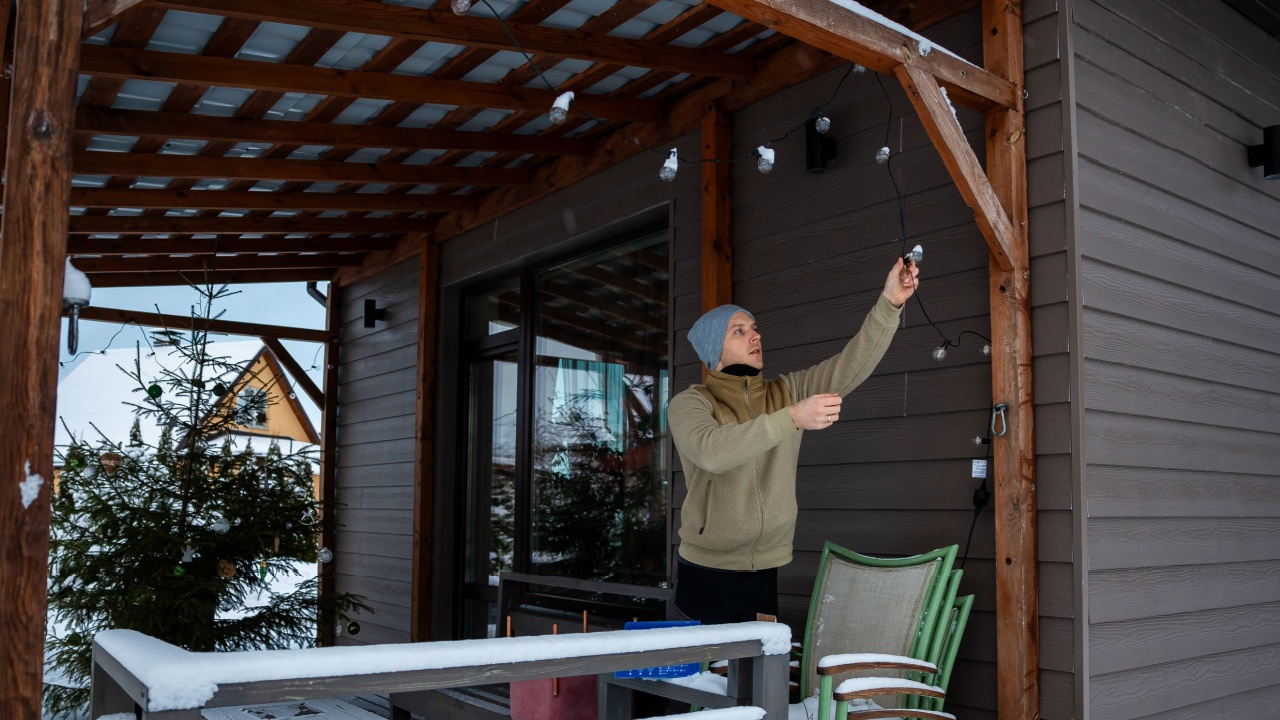
Creating a winter wonderland does not happen by accident. It requires looking at the garden as a skeleton rather than a collection of plants. Identify the empty spots where the eye gets bored. That is precisely where an arbor, a trellis, or a bench needs to go.
Remember to check the durability of any item you place outdoors. Winter is harsh on materials. Treat wood, seal stone, and choose rust-proof metals. Finally, figuring out how you will light these structures. The sun sets early in winter, meaning your garden structure will be in the dark for fourteen hours a day unless you intervene.