

Buying food used to be one of the few things that was fun and not trying to bankrupt you. However, for some, the grocery bill feels more like a car payment and college tuition combined. Lately, strolling through the supermarket aisles makes you wonder if the store manager added a zero to some food items by mistake.
What used to be simple, affordable staples have transformed into luxury items, leaving many of us staring at the shelves in disbelief, anger, and hunger. The joy of cooking with fresh ingredients is being challenged by soaring costs. Here is a list of the things we used to afford a few years ago, but can barely afford today.
1. Coffee: Your Morning Jolt Now Jolts Your Wallet
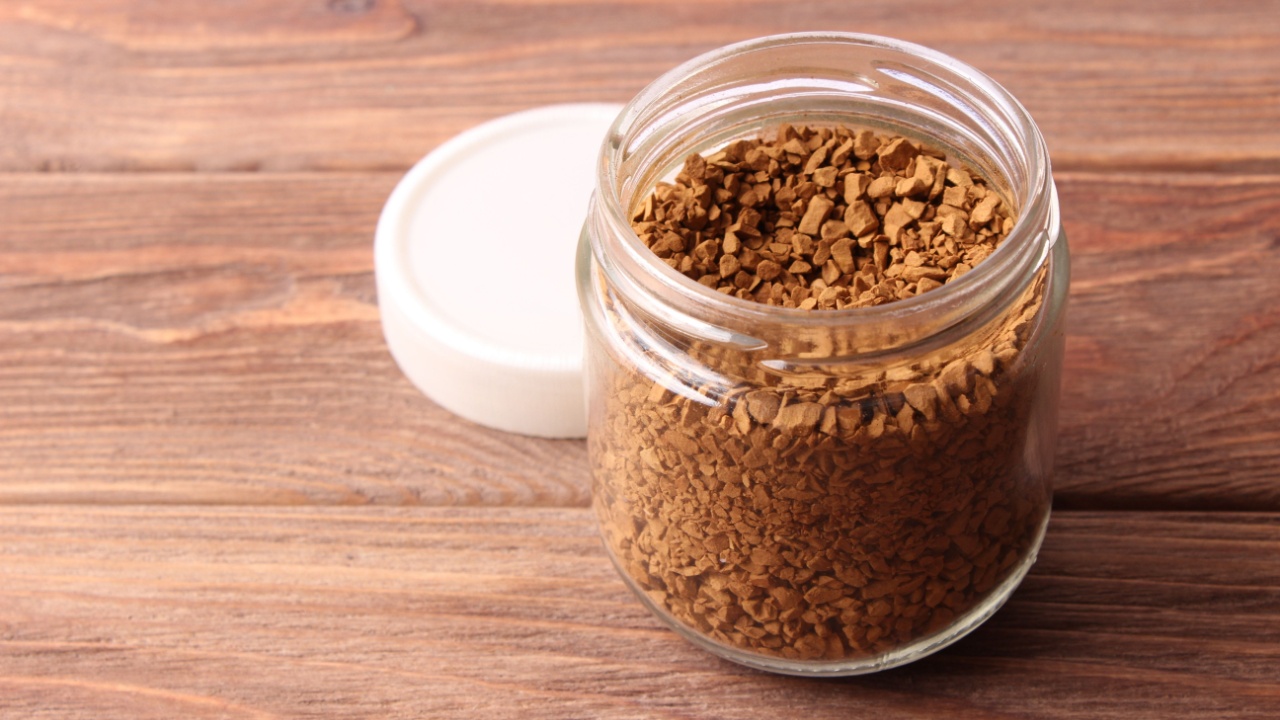
Image Credit: Shutterstock.com.
The majority of us are running on coffee and hope, and even that comforting morning ritual has become a pricey habit. Climate change, combined with supply chain hurdles, has caused the cost of getting those precious beans from the farm to your cup to skyrocket. Even brewing at home offers little escape from the expense.
Coffee is more than just a caffeine delivery system; it’s rich in antioxidants and has been linked to numerous health benefits. But you don’t have to give it up. Consider switching to more affordable brands or buying whole beans in bulk during sales. You can also make your supply last longer by blending premium coffee with a less expensive variety.
Quick Tips:
- Grow It: While not practical for most, some dedicated gardeners in warm climates (zones 10-11) can try growing a coffee plant in a pot.
- Alternatives: Explore herbal teas from your garden, like mint or chamomile, for a warm, comforting beverage without the high cost.
- Smarter Brewing: Measure your grounds precisely instead of eyeballing to avoid waste and make each bag last longer.
2. Beef: The Weeknight Staple Turned Special Occasion
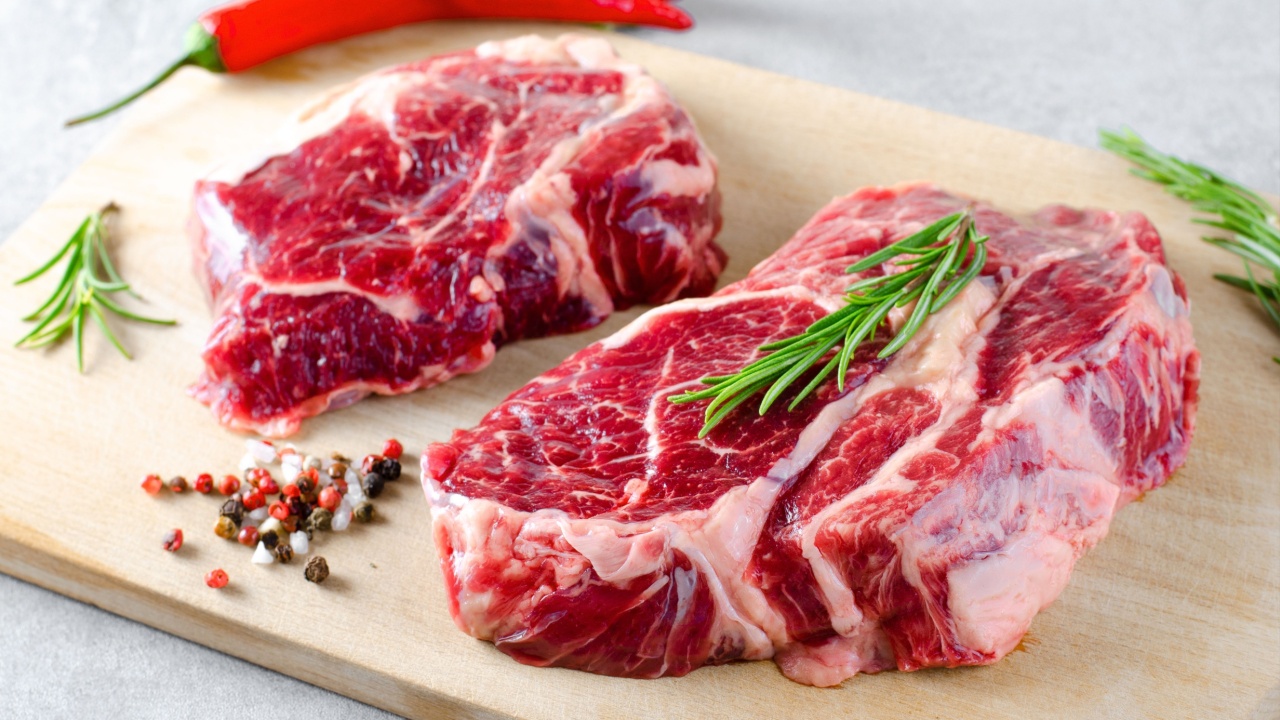
Image Credit: Shutterstock.com.
Remember when ground beef was the hero of budget-friendly meals? Now, seeing prices like $8.99 a pound can make your jaw drop. The cattle industry has been hit hard by droughts, which increase the cost of feed and labor shortages at processing plants. These factors mean ranchers can’t produce beef as cheaply, and those costs are passed directly to you at the meat counter.
To keep beef in your meal plan without eating into your children’s college fund, look for cheaper cuts and learn to cook them low and slow. You can also stretch your ground beef by mixing it with mushrooms, lentils, or beans.
Quick Tips:
- Budget Cuts: Choose less expensive cuts like chuck roast or brisket and use a slow cooker to make them tender and flavorful.
- Alternatives: Ground turkey, chicken, or plant-based crumbles are excellent substitutes in tacos, spaghetti sauce, and casseroles.
- Portion Control: Use beef as a flavor enhancer rather than the star of the show. A little goes a long way in stews and stir-fries.
3. Eggs: No Longer a Cheap Protein Trick
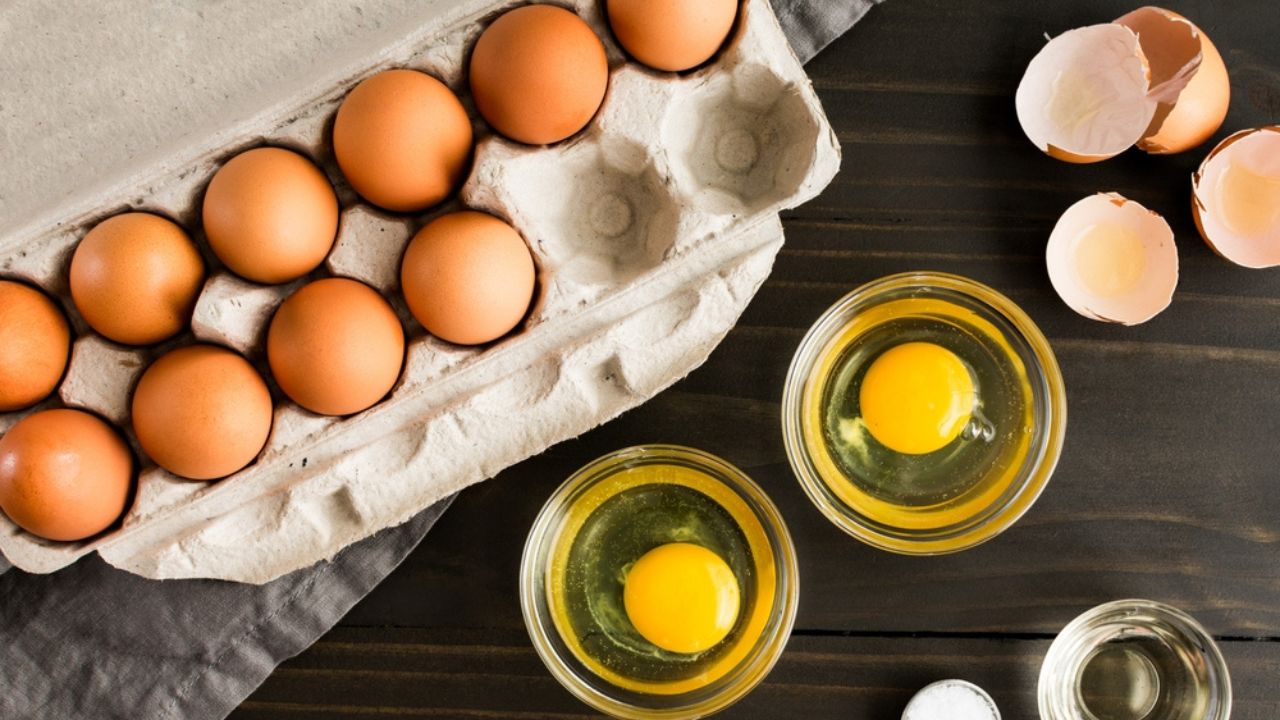
Image Credit: Shutterstock.
Scrambled, fried, or baked in a cake, eggs were once the undisputed champion of affordable protein. Not anymore. Widespread avian flu outbreaks have significantly reduced chicken flocks, creating a severe supply shortage and resulting in “eggs-orbitant” prices.
Eggs are a nutritional powerhouse, providing high-quality protein and essential nutrients like vitamin D and choline. To navigate the high prices, consider buying directly from a local farm if possible, as their prices may be more stable. You can also start your own small backyard flock for a fresh, consistent supply.
Quick Tips:
- Grow It: Raising a few backyard chickens is a rewarding way to get fresh eggs daily. Check your local regulations first!
- Baking Substitutes: In baking, you can replace eggs with 1/4 cup of unsweetened applesauce, mashed banana, or a “flax egg” (1 tablespoon ground flaxseed mixed with 3 tablespoons water).
- Shop Smart: Compare prices between different sizes. Sometimes medium or large eggs are a better value per ounce than extra-large.
4. Olive Oil: The Mediterranean Treasure Now Costs a Fortune

Image Credit: Shutterstock.com.
A drizzle of good olive oil can elevate any dish, but that drizzle now feels like liquid gold. Extreme weather in the Mediterranean, including droughts and heatwaves, has devastated olive harvests in major producers like Spain and Italy. The result is a sharp decline in supply, causing prices for this kitchen staple to nearly double.
Extra virgin olive oil is prized for its flavor and heart-healthy monounsaturated fats. To make your bottle last, adopt a two-oil strategy. Use a less expensive oil (like canola or vegetable) for general cooking and save your high-quality extra-virgin olive oil for finishing dishes, salads, and bread dipping, where its flavor can truly shine.
Quick Tips:
- Grow It: Gardeners in warm, dry climates (zones 8-10) can grow an olive tree in a large container or in the ground for a truly long-term investment.
- Alternatives: For high-heat cooking, consider avocado or grapeseed oil. For dressings, walnut or flaxseed oil can be interesting alternatives.
- Buy in Bulk: If you find a good sale on a large tin of olive oil, buy it. Store it in a cool, dark place to maintain its quality.
5. Bread: Your Daily Loaf is on the Rise

Image Credit: Shutterstock.com.
Even the humble loaf of sandwich bread hasn’t escaped inflation. Global wheat supplies have been strained, partly due to the conflict in Ukraine, a major wheat exporter. Bakeries are also facing higher energy, labor, and packaging costs, all of which contribute to the rising price of everything from artisan sourdough to a simple white loaf.
We all need our daily bread. To save money, consider baking your own. A bread machine can make it incredibly simple, or you can enjoy the therapeutic process of kneading by hand. The ingredients—flour, yeast, water, salt—are still relatively cheap compared to a store-bought loaf.
Quick Tips:
- Grow It: While growing enough wheat for bread is a major undertaking, you can grow herbs like rosemary or thyme to bake into your homemade loaves for gourmet flavor.
- Smart Storage: Store bread in the freezer and take out slices as needed. This prevents waste from mold, ensuring you use every last pricey slice.
- Alternatives: Explore making your own flatbreads or tortillas, which often use less flour and are quick to prepare.
6. Avocado: The Toast of the Town is Now a True Luxury

Image Credit: Shutterstock.
The creamy green fruit that defined a generation of breakfast trends has become a legitimate splurge. The little guacamole has turned avocados into green gold. That simple pleasure of avocado toast now comes with a side of financial guilt.
Avocados are full of healthy fats, fiber, and potassium. To keep enjoying them, buy them when they’re on sale, even if they’re harder than a coconut. Let them ripen on your counter, and once they yield to gentle pressure, move them to the fridge to extend their life for a few more days.
Quick Tips:
- Grow It: You can sprout a pit in a glass of water and grow an avocado tree as a houseplant. With patience and the right conditions (and often a second tree for pollination), you might get fruit.
- Alternatives: For a creamy green spread, try making “mockamole” with green peas or edamame. It’s surprisingly delicious and much cheaper.
- No Waste: If you only use half an avocado, store the other half with the pit still in, brush the flesh with lemon juice, and wrap it tightly to prevent browning.
7. Cheese: The Price is Starting to Grate

Image Credit: Shutterstock.com.
That block of cheddar or bag of mozzarella for pizza night is taking a bigger bite out of the budget. What was once an everyday ingredient now feels like a gourmet treat.
Cheese is a great source of calcium and protein. To cut costs, buy cheese in blocks instead of pre-shredded, as you get more for your money. You can also try using stronger-flavored cheeses like Parmesan or sharp cheddar; a smaller amount delivers a bigger flavor punch.
Quick Tips:
- Make It: Making simple, fresh cheeses like ricotta or farmer’s cheese at home is surprisingly easy and requires just a few basic ingredients.
- Mix It Up: For recipes, mix a pricey cheese like Gruyère with a more affordable one like mild cheddar to get great flavor without the high cost.
- Proper Storage: Wrap cheese in wax or parchment paper, not plastic wrap. This allows it to breathe and prevents it from getting slimy, reducing waste.
8. Canned Vegetables: No Longer a Guaranteed Bargain
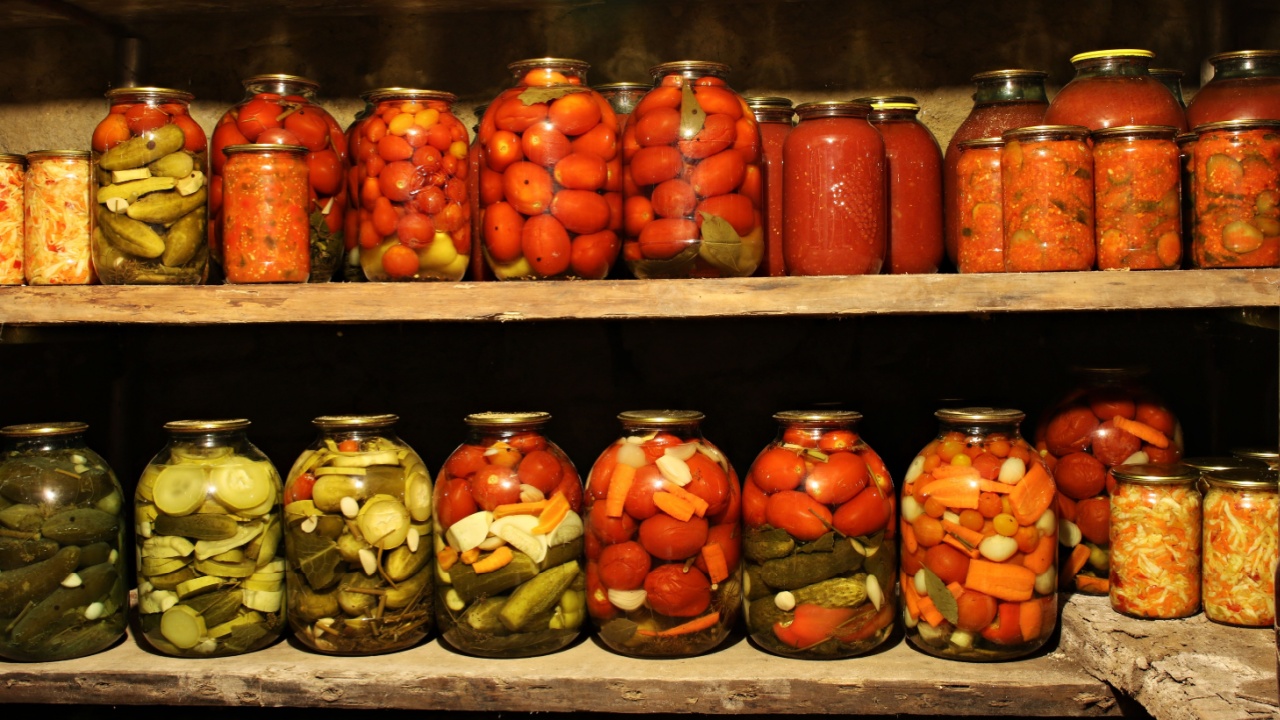
Image Credit: Shutterstock.
The ultimate pantry staple for budget-conscious cooks has seen its prices climb. The cost of metal for cans has risen, and labor shortages at processing plants and higher transportation costs have added to the expense. That simple can of corn or green beans isn’t the cheap and easy solution it once was.
Canned veggies are convenient, but frozen vegetables often offer better value and retain more nutrients. Better yet, you can learn to can or preserve your own produce from the garden when it’s in season.
Quick Tips:
- Grow It: Green beans, tomatoes, and cucumbers (for pickling) are some of the easiest vegetables for beginners to grow.
- Preserve It: Learn basic water-bath canning to preserve your summer harvest. You’ll have delicious, high-quality “canned” goods all winter long for a fraction of the store price.
- Choose Frozen: Frozen vegetables are picked and frozen at peak ripeness, locking in nutrients. They are often cheaper than their canned counterparts.
9. Chicken: The Affordable Protein Takes Flight

Image Credit: Shutterstock.
Chicken, the long-reigning king of affordable meat, has been dethroned. Poultry producers are grappling with the same issues as other farmers: high feed costs, labor shortages, and expensive transportation. Avian flu outbreaks have further tightened supply, making everything from wings to boneless breasts more expensive.
Chicken is a lean, versatile protein. To save money, buy a whole chicken instead of individual parts. It’s much cheaper per pound, and you can roast it for one meal, use the leftover meat for another, and make a rich, nutritious broth from the carcass.
Quick Tips:
- Learn Butchery: A few YouTube videos can teach you how to break down a whole chicken into breasts, thighs, wings, and drumsticks.
- Use Every Part: Don’t throw away the bones! Simmer them with vegetable scraps (onion peels, carrot ends) to make a flavorful and free chicken stock.
- Embrace Dark Meat: Thighs and drumsticks are almost always cheaper and more flavorful than chicken breasts.
10. Fruit Juice: Squeezing Your Budget Dry

Image Credit: Shutterstock.com
A glass of orange juice for breakfast is a classic, but its price tag is anything but traditional. Florida’s citrus industry has been battling citrus greening disease and hurricane damage for years, leading to dramatically smaller harvests.
Fruit juice can be a source of vitamins, but it’s also high in sugar. A great alternative is to infuse water with fruits and herbs from your garden. A few slices of lemon, some crushed berries, or a sprig of mint can create a refreshing, healthy, and nearly free beverage.
Quick Tips:
- Grow It: Grow your own lemons or limes in a pot (bring them indoors for winter). Strawberries, raspberries, and mint are also easy to grow for flavoring water.
- Dilute It: If you still buy juice, dilute it with water to make it last twice as long and cut down on sugar.
- Make Smoothies: Blend a small amount of whole fruit with water or milk for a more nutritious and filling drink than juice.
11. Butter: The Golden Staple Now Costs Gold
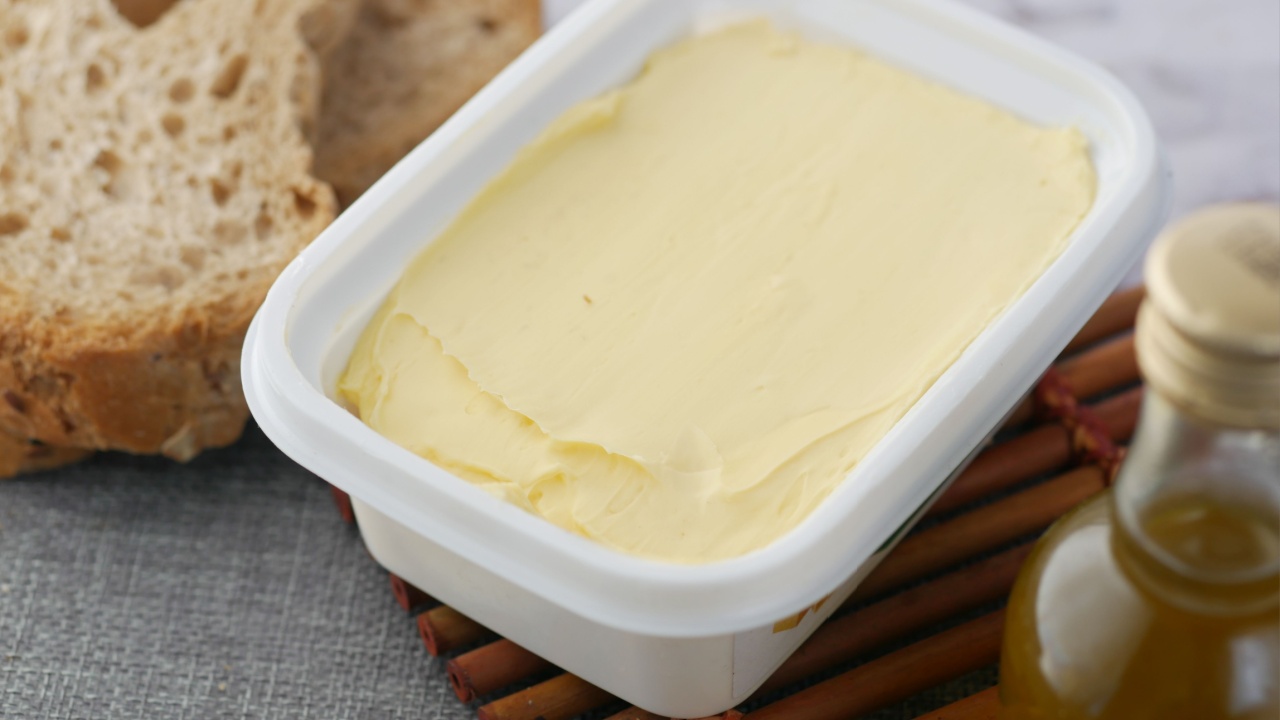
Image Credit: shutterstock.com.
That creamy, delicious stick of butter has become a high-priced luxury. Global dairy supply issues, combined with the increased costs of production and transportation, have sent butter prices soaring. It’s no longer an ingredient you can toss into your cart without a second thought.
The rich flavor of real butter is hard to replace. To make it more economical, consider making compound butter. Let a stick of butter soften and whip it with a good-quality oil (like olive or avocado oil). This increases the volume, makes it more spreadable, and stretches your butter supply.
Quick Tips:
- Grow It: Grow your own herbs like chives, parsley, or dill to mix into your butter for a gourmet touch at no extra cost.
- Save It for Flavor: Use less expensive fats for cooking and save the real butter for toast, pancakes, and finishing sauces where its taste is the star.
- Baking Swaps: In some recipes, you can substitute half the butter with yogurt, applesauce, or oil without a major change in texture.
12. Nuts: A Crazy Expensive Snack
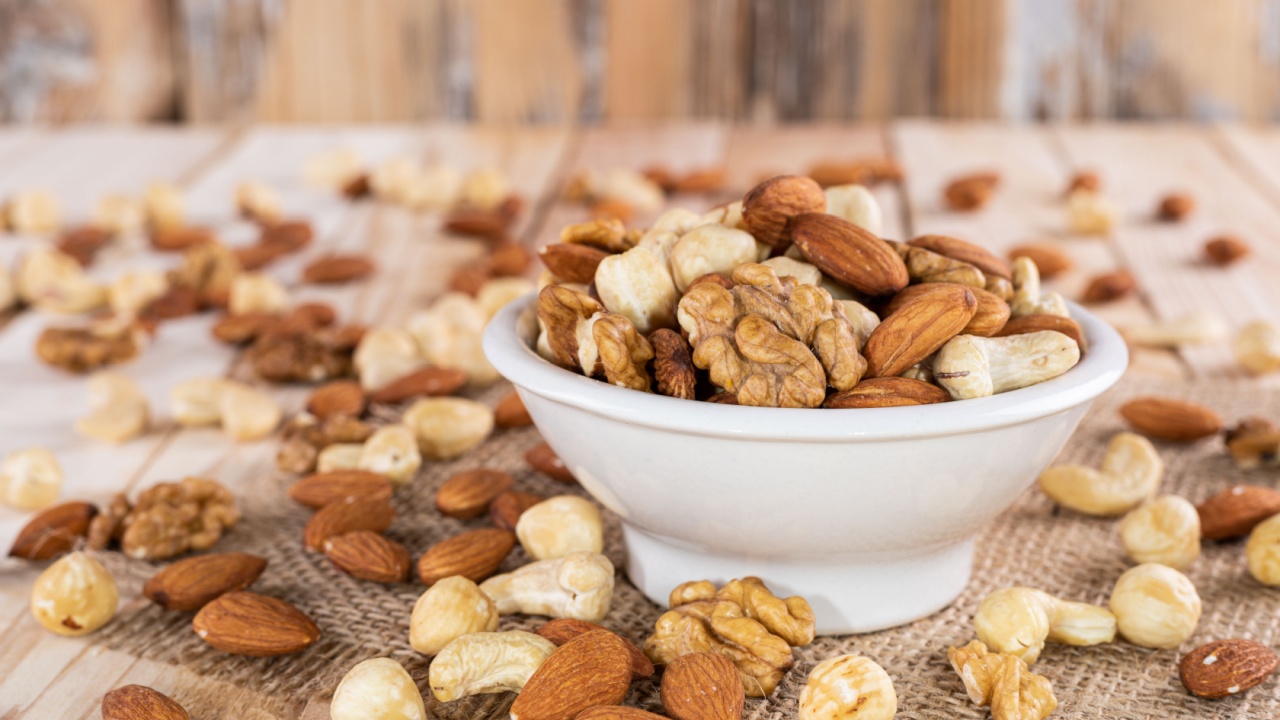
Image Credit: Shutterstock.com.
A simple bag of almonds or cashews now comes with some serious sticker shock. Nut trees are incredibly thirsty, and droughts in places like California have devastated almond and walnut production. Add in processing and transportation costs, and you have a recipe for a very expensive snack.
Nuts are a great source of healthy fats, protein, and fiber. To avoid the high prices, look for seeds like sunflower or pumpkin seeds, which offer similar nutritional benefits at a much lower cost. When you do buy nuts, get them from the bulk bins where they are often cheaper.
Quick Tips:
- Grow It: While most nut trees are a long-term project, some gardeners can grow hazelnuts (filberts), which are productive shrubs.
- Buy in Bulk: Purchasing from bulk bins allows you to buy only what you need, reducing waste and cost.
- Store Properly: Nuts can go rancid due to their high oil content. Store them in an airtight container in the freezer to keep them fresh for months.
13. Pasta: The Penny-Pincher’s Dream is Fading

Image Credit: Shutterstock.
Pasta night has always been the ultimate cheap and easy meal, but even that is becoming less affordable. Droughts in Canada and Europe have created a shortage of durum wheat, the key ingredient in quality pasta. This, combined with manufacturing and shipping costs, has caused the price of spaghetti and other shapes to climb.
Pasta is a wonderfully versatile pantry staple. To make your meals more budget-friendly, change the ratio. Use less pasta and bulk up the dish with more vegetables from your garden or the freezer aisle. A sauce packed with zucchini, tomatoes, and peppers is healthy and filling.
Quick Tips:
- Grow It: Tomatoes, basil, oregano, and garlic are the heart of any great pasta sauce and are all easy to grow at home.
- Make Your Own: Fresh pasta requires just flour and eggs. It’s a fun project and can be cheaper than buying premium imported brands.
- One-Pot Meals: Use pasta as one component in a larger dish, like a soup or casserole, rather than the main event.
14. Salmon: Swimming Out of Financial Reach
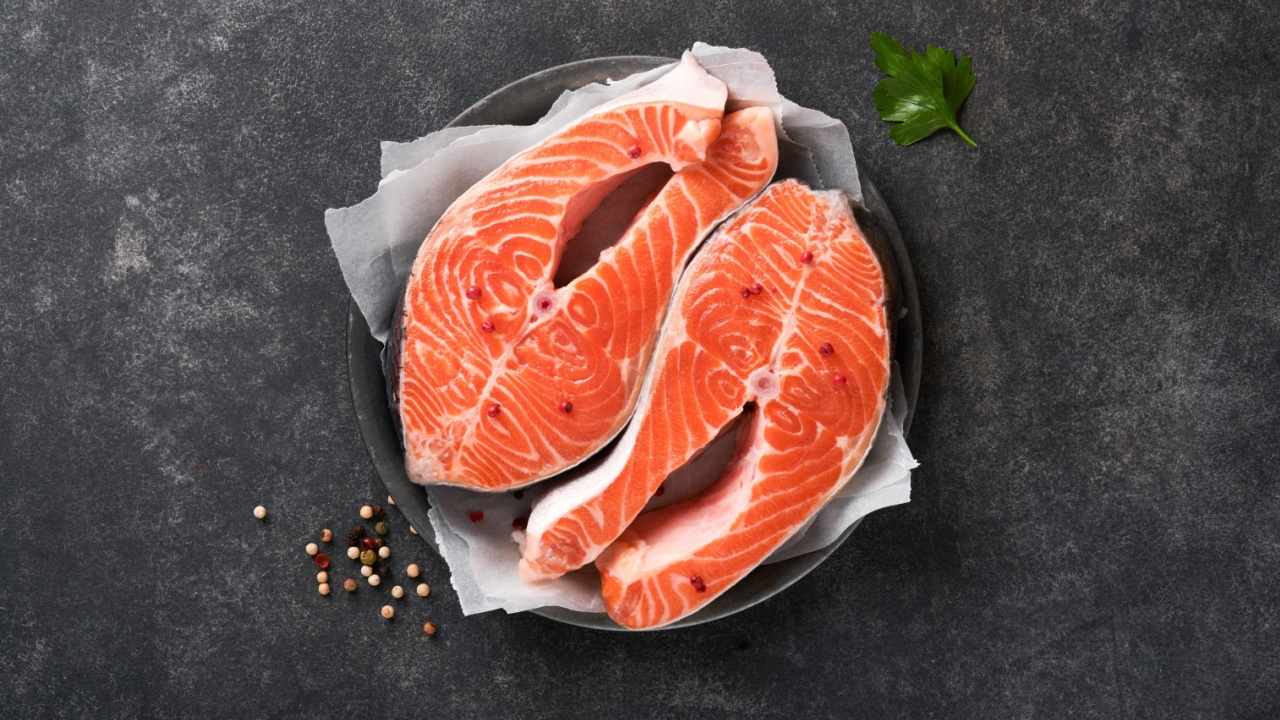
Image Credit: Shutterstock.com.
This heart-healthy fish has become a pricey delicacy. Environmental factors like warming oceans have reduced wild salmon populations, while farmed salmon operations face rising feed costs. The result is that a fresh fillet of salmon can now cost as much as a restaurant meal.
Salmon is celebrated for its omega-3 fatty acids. For a more affordable omega-3 boost, try canned salmon or mackerel, which is significantly cheaper and just as nutritious. You can use it for salads, burgers, or croquettes.
Quick Tips:
- Choose Canned: Canned pink or sockeye salmon offers the same great health benefits at a fraction of the cost of fresh fillets.
- Try Other Fish: Explore less expensive but still delicious fish like tilapia, cod, or pollock.
- Buy Frozen: Frozen salmon portions are often more affordable than fresh and allow you to use only what you need, reducing waste.
15. Milk: The Price is Unbelievable

Image Credit: Shutterstock.com.
A simple gallon of milk has seen a steady price increase. Small dairy farms are struggling with high feed costs and labor shortages, while transportation and processing costs continue to climb. That staple of childhood and cooking is becoming an item you have to budget for carefully.
Milk is a key source of calcium and vitamin D. To save money, consider using powdered milk for baking and cooking. The taste is undetectable in most recipes, and it’s a fraction of the cost of fresh milk.
Quick Tips:
- Try Powdered: Keep a box of dry milk powder in your pantry for recipes. It has a long shelf life and saves your fresh milk for drinking or cereal.
- Don’t Waste a Drop: If your milk is nearing its expiration date, freeze it in an ice cube tray to use later in smoothies or sauces.
- Consider Alternatives: Plant-based milks like oat or soy can sometimes be cheaper, especially if you learn to make your own at home.
Taking Control of Your Kitchen

Image Credit: Shutterstock.com.
Seeing these price hikes can be disheartening, but it doesn’t have to mean giving up on delicious, healthy food. Every seed you plant, every scrap you save for broth, and every herb you grow on your windowsill is a step toward reclaiming control over your food costs.
Your next steps can start small. Pick one item from this list and try a budget-friendly alternative. Start a small container garden with herbs and lettuce. Learn one new skill, from baking bread to canning tomatoes. By getting a little more creative in the kitchen and a little dirtier in the garden, you can navigate these rising prices and continue eating well without going broke.