10 Nut Trees That Can Grow in Pots on the Patio
Don’t let limited space cramp your nut harvest dreams! With the right variety, container, and care, you can cultivate a mini-orchard on a patio or balcony.
Nut trees in pots offer flavorful yields, seasonal interest, and a hands-on connection to your food—all from a compact footprint.
Here’s the top 10 container-friendly nut picks, each chosen for space efficiency, productivity, and reliability. You may not be able to live off an endless supply of nuts with a few pots, but you can enjoy the taste and throw them in a salad or dish to enjoy during harvest season!
We made sure to source all of our info from university extensions (such as Utah State) to give you the best insights for starting your own nut harvest.
1. Hazelnut (Corylus spp.)

Why it’s great: Compact, shrubby hazelnuts like ‘Barcelona’ thrive in pots and are self-pollinating (although most benefit from cross-pollinating), producing delicious nuts with catkins adding winter interest. Full-sun tolerant and perfect for small spaces
How to grow: Use a 20–25 L pot with fertile, well-drained soil. Prune every spring to maintain shape and remove suckers. Feed in early spring and fall with balanced fertilizer.
2. Almond (Prunus dulcis)
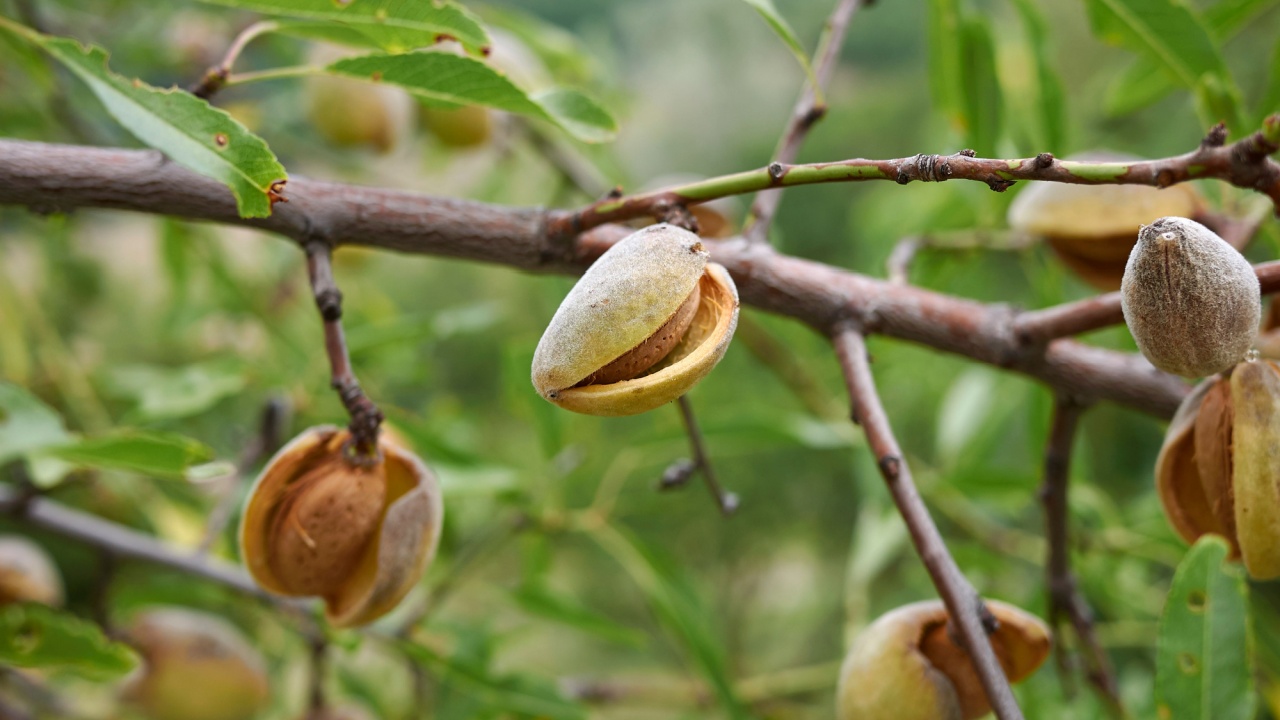
Why it’s great: Dwarf almonds such as ‘Garden Prince’ bloom in spring with showy pink flowers and reward containers with home-shelled nuts by year three. Self-fertile varieties simplify pollination.
How to grow: Plant in at least an 18″ deep container with excellent drainage and sandy-loam soil. Give 6–8 hours of sun. Water regularly, taper off before chill periods, and apply balanced fertilizer in early spring.
3. Chestnut (Castanea mollissima)

Why it’s great: Chinese chestnuts remain compact and boast spiky burs that are ornamental through autumn, yielding sweet nuts when container-grown.
How to grow: Use a 30-gal pot with acidic, well-draining soil. Keep evenly moist—chestnuts dislike drought. Expect fruit in 3–5 years; gently shake burs into buckets under the canopy.
4. Pistachio (Pistacia vera)

Why it’s great: Heat-tolerant and drought-adapted, pistachio trees thrive in warm climates—even in containers. Their decorative foliage and pink nut clusters are as attractive as they are tasty.
How to grow: Patio pot ≥ 24″ deep with fast-draining sandy mix. Provide 6–8 hours of sun; in colder zones, pots can be moved indoors. Ensure a hardiness zone above 7 for reliable fruiting. (Note: Will need male and female plants to cross-pollinate.)
5. Pecan (Carya illinoinensis)

Why it’s great: Certain cultivars like ‘Pawnee’ or ‘Caddo’ are suitable for containers (at least short term), providing classic Southern flavor and valuable healthy fats.
How to grow: Requires a 30-gallon container packed with organically enriched soil. Keep soil evenly moist; pecans tolerate some heat. Annual root pruning helps maintain a manageable size. If you’re pecan tree stops thriving, it might need to be transplanted into the ground after a while.
6. Walnut (Juglans regia or nigra)
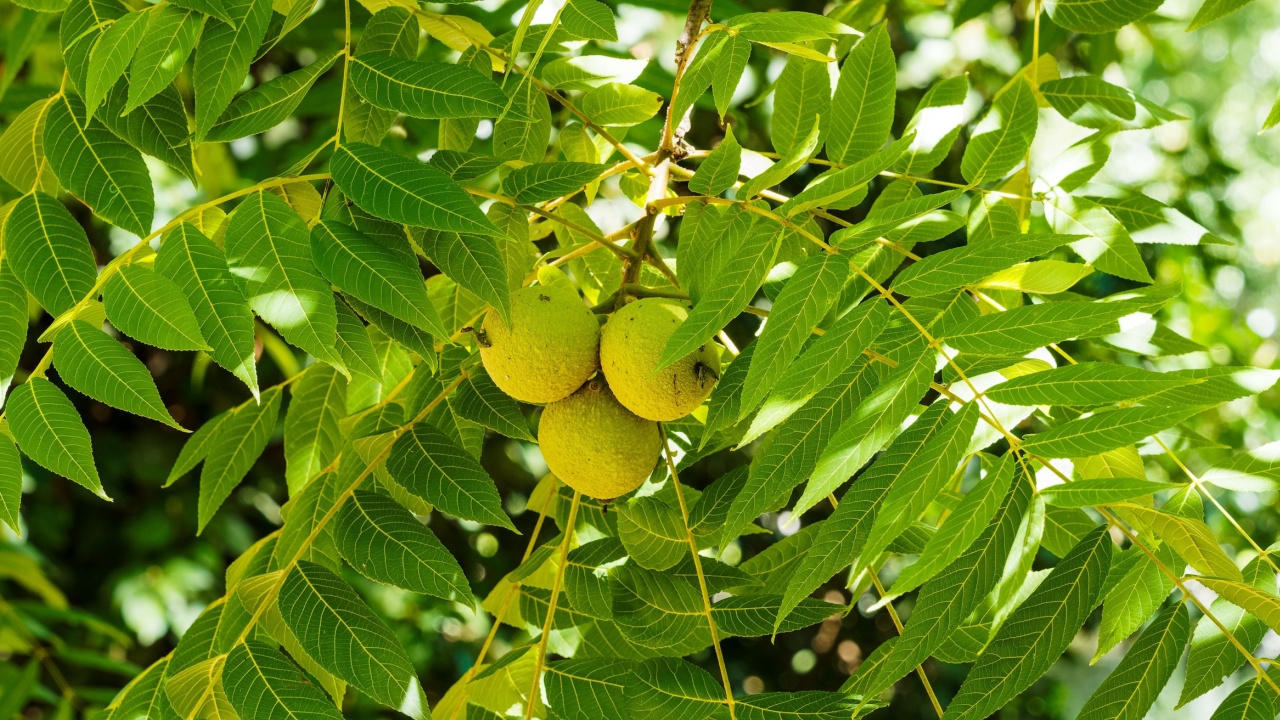
Why it’s great: Dwarf and English walnut varieties can thrive in pots (at least short term- then they might require transplanting), promising large nuts and lush shade foliage. Asian-type varieties are suitable for containers.
How to grow: Plant in a 30-gallon pot (minimum) with deep, fertile soil. Requires 6–8 hours of sun and well-watered conditions. Prune roots yearly to limit size while encouraging fruiting.
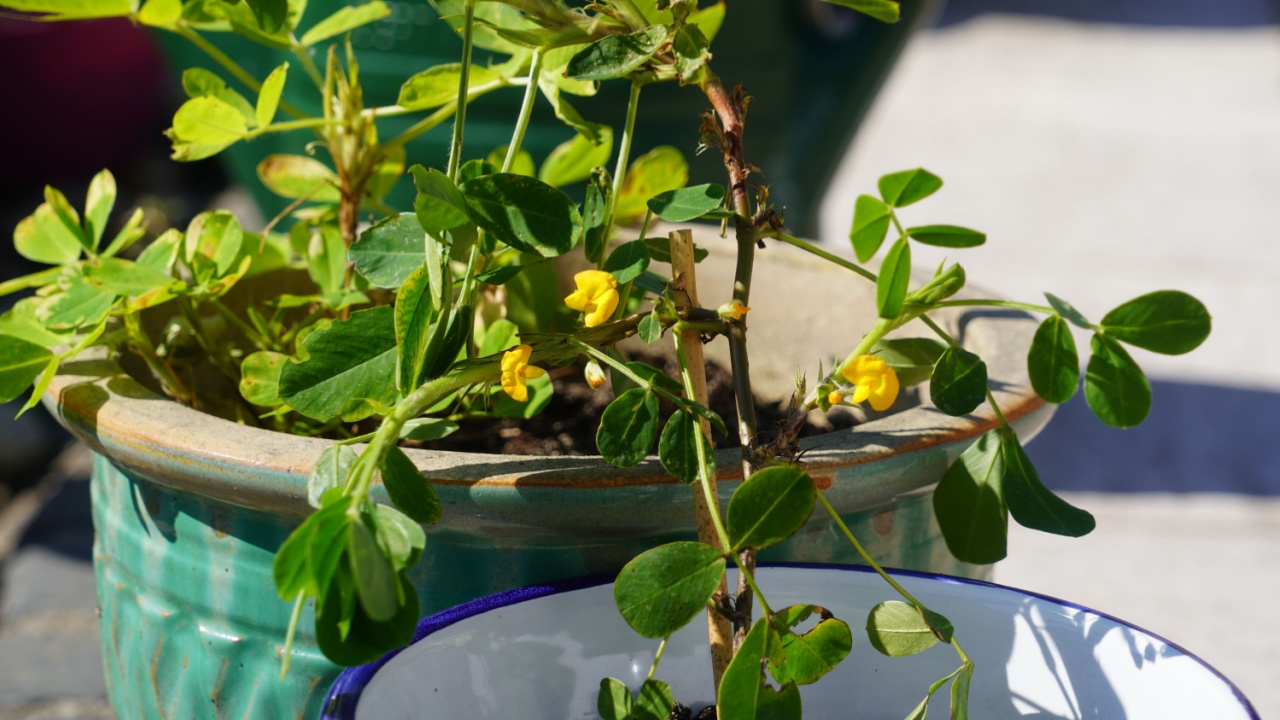
7. Peanut (Arachis hypogaea)

Why it’s great: Technically a legume, peanuts are a fun, seasonal container crop. They flower above ground and then bury their pods—perfect for small patio plans.
How to grow: Use an 8–12″ pot filled with sandy loam. Sow post-frost, water regularly, and harvest only ~120 days later. Great for family gardens or educational projects.
8. Macadamia (Macadamia integrifolia)
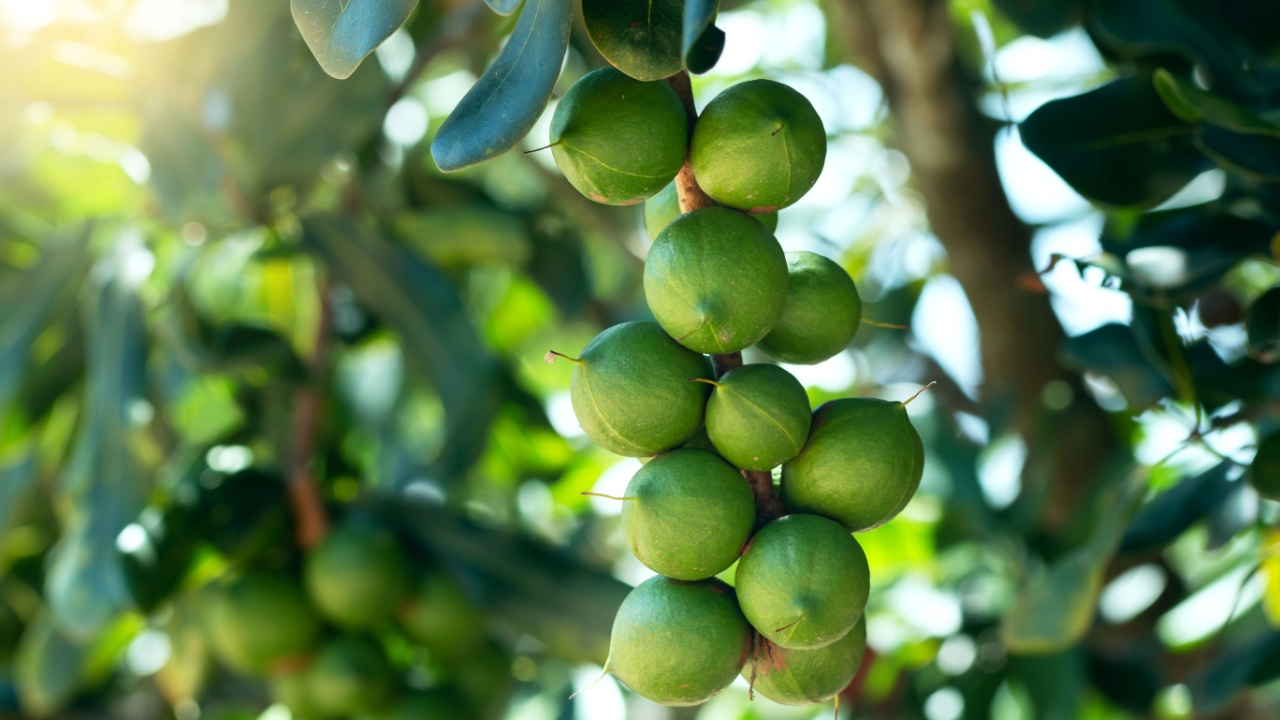
Why it’s great: Though slower to fruit, macadamias are tropical, rich in flavor, and lend evergreen appeal to patios in warmer zones. Growers enjoy the glossy leaves and high-value nuts.
How to grow: Requires zonal warmth (9–11), well-drained potting medium, and deep watering cycles with a slight dry period. Expect blooms in 3–5 years.
9. Butternut (Juglans cinerea)

Why it’s great: Related to black walnut but with sweeter kernels, butternut is smaller and more container-friendly. Offers nutty harvests and attractive foliage. Its only drawbacks are susceptibility to cankcr disease and its difficulty to find.
How to grow: Plant in a 30-gallon container (minimum) with rich soil, full sun, and consistent moisture. The tree produces in ~8 years and benefits from rust-lime trunk paint in winter.
10. Hickory (Carya spp.)

Why it’s great: Hickories like shagbark or pignut add textured leaves and decorative nuts to container landscapes. Hardier and tolerant once established.
How to grow: Use large 30-gallon containers and prune roots annually. Provide rich soil and full sun. Expect nut production after 8–12 years.
Tips for Container Nut Success

Cheer to your new garden pots! Here are extra tips for success:
- Pot size matters: Aim for ≥30-gallon containers for trees; 10–20 L for shrubs/legumes.
- Soil & drainage: Use premium potting mixes and ensure ample drainage.
- Fertilizing: Summer feedings with balanced fertilizers support heavy fruit production.
- Watering: Keep soil consistently moist, especially during flowering and nut fill.
- Pollination: Note which trees are self-fertile; cross-pollination may be needed for others (hazelnut, walnut, pecan).
This mini-nut orchard proves that big rewards don’t always require big space. With thoughtful variety selection, potting, and maintenance, you can enjoy home-grown nuts while adding ornamental interest to patios or balconies.
Read more
Landscaping Under Black Walnut Trees: Know Which Plants to Love or Leave
11 Trees and Shrubs to Never Prune in Spring (And When to Cut Them Instead)