8 Foods That Faced the Biggest Inflation in 2025
Remember when groceries seemed like a harmless expense and not like you’re taking out a second mortgage? These days, supermarket trips are starting to resemble minor heists, complete with heart palpitations at checkout. As inflation keeps flexing its muscles, several foods are inching their way into “splurge” territory.
According to economists and consumer analysts, 2025 is poised to bring another wave of food price hikes. This may be driven by climate volatility, global supply chain stress, and persistent demand. That’s why we’re calling it early and laying out the eight foods most likely to hit your wallet hardest.
1. Eggs
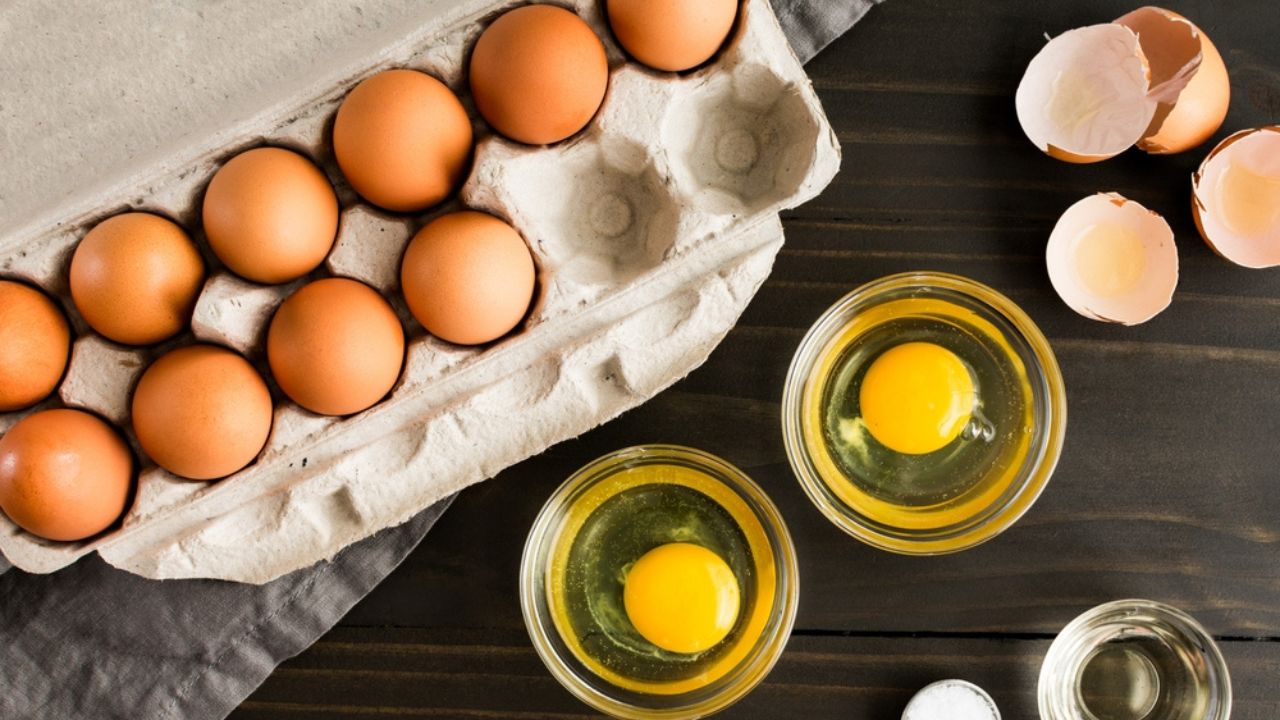
Eggs continue to lead the pack in grocery price hikes, and 2025 isn’t offering much relief. The combination of avian flu outbreaks, elevated feed costs, and strong consumer demand has kept prices unpredictable. Even when supply rebounds slightly, producers face higher operational expenses that prevent prices from settling. The result is a carton that costs more than it did last year, with no clear sign of stabilization.
For shoppers, this means eggs may be smaller, more expensive, or occasionally missing from shelves. Bulk buying during sales can help, especially if you use eggs frequently. Local farmers’ markets may offer better deals or fresher options. If prices spike, consider using egg substitutes in baking or cooking—many recipes adapt well with alternatives like flaxseed, chia, or commercial replacers.
What’s Driving It:
- Avian flu outbreaks are shrinking the supply
- High feed and operational costs for producers
- Continued strong demand in households and food services
How This Impacts You: Eggs may be smaller, pricier, or harder to find at times. Try buying in bulk when prices are low, checking farmers’ markets, or using egg alternatives in recipes.
2. Beef and Veal
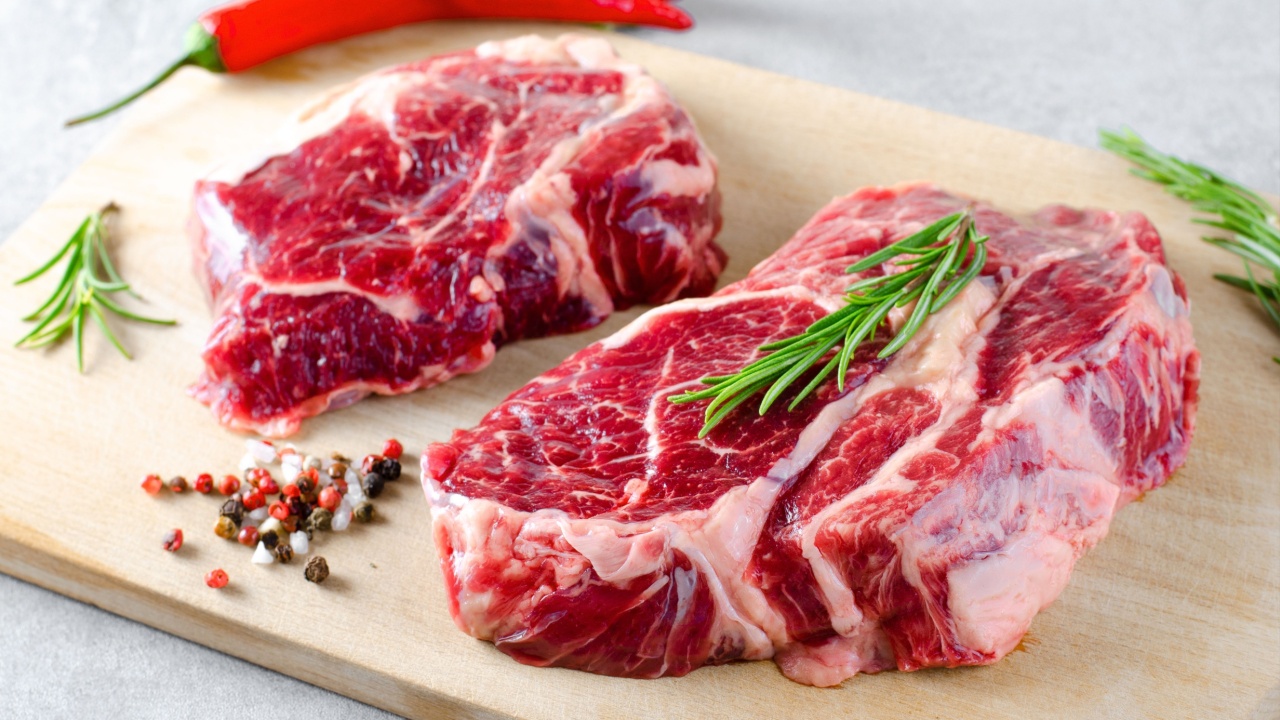
Beef prices are climbing again in 2025, and the reasons go far beyond your local butcher. Years of drought across major cattle-producing regions have forced ranchers to reduce herd sizes, and rebuilding those numbers takes time. Feed costs remain high, and water scarcity continues to challenge grazing conditions. Even as some areas recover, the lag in supply is pushing prices upward just as demand for beef stays strong in both households and restaurants.
Transportation and processing costs are also contributing to the rise. Fuel prices, labor shortages, and facility upgrades have added pressure across the supply chain. For shoppers, this means higher prices for steaks, ground beef, and veal cuts. To manage costs, look for sales on larger cuts that can be portioned out over several meals. Cheaper cuts like chuck or round can be tenderized or slow-cooked for flavor and savings.
What’s Driving It:
- Drought and expensive feed are leading to herd reductions
- Transportation and processing costs are rising
- Persistent consumer demand for beef products
How This Impacts You: Lean on sales, opt for larger cuts to portion out meals, or branch out to other proteins. Cheaper cuts can be tenderized or slow-cooked for flavor and savings.
3. Coffee

Coffee prices are climbing faster than your caffeine tolerance in 2025. Brazil’s Arabica farms are still recovering from drought and frost damage, while Vietnam’s Robusta growers are dealing with erratic rainfall and crop disease. These disruptions have tightened global supply just as demand continues to surge. More countries are developing a taste for coffee, and existing markets aren’t cutting back.
Retailers and roasters are scrambling to secure inventory, and futures markets are reflecting the pressure. For everyday drinkers, this means higher prices at cafés and grocery stores. Buying beans in bulk, switching to less expensive blends, or brewing at home can help keep your budget intact. If you’re loyal to your morning cup, now’s the time to get strategic.
What’s Driving It:
- Climate impacts on major coffee-growing countries
- Lower production yields and disease outbreaks
- Global shipping disruptions
How This Impacts You: Your daily coffee habit now comes with more sticker shock. Buy in larger quantities if you have space, try new brands or blends, and brew at home to trim costs.
4. Apples
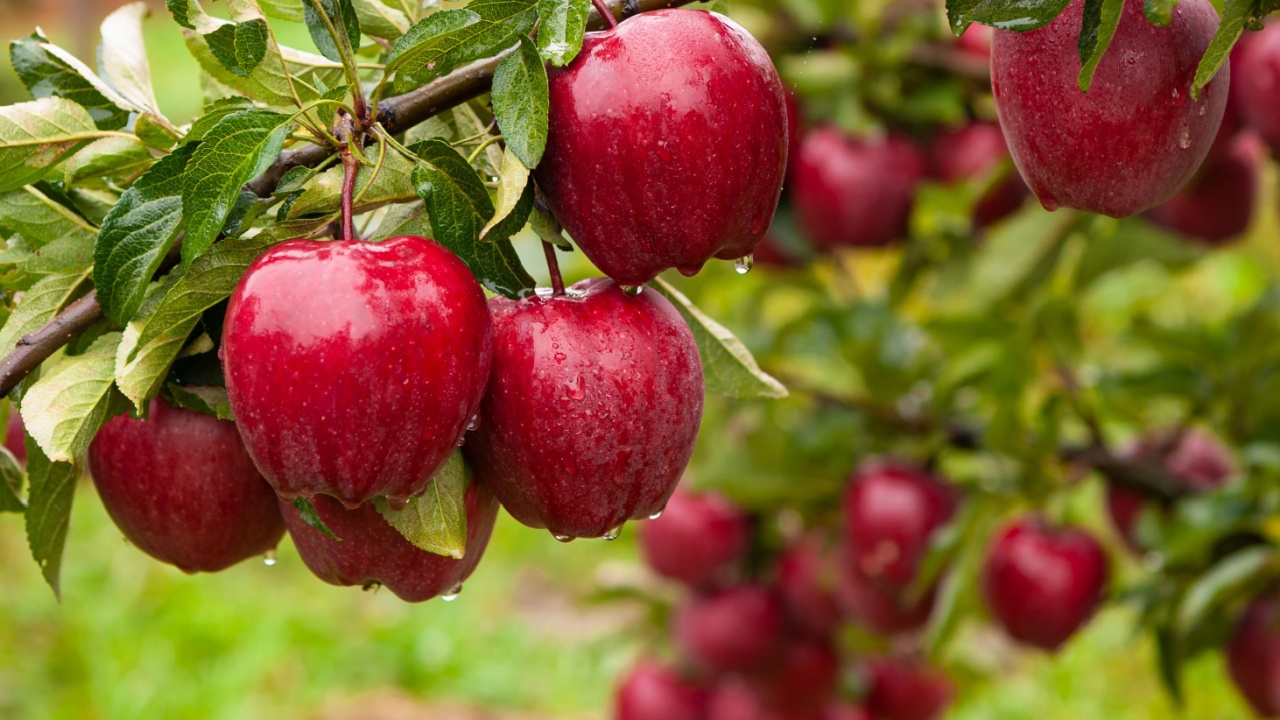
Apples haven’t made headlines like eggs or beef, but they’re quietly edging up in price this year. In parts of the U.S., erratic weather, including late frosts and dry spells, has affected harvests, especially for popular varieties like Honeycrisp and Gala. Labor shortages have also made it harder to pick and process apples efficiently, adding to costs for growers and distributors. These factors are nudging prices higher, even if the national average hasn’t spiked dramatically.
For shoppers, this means fewer deals and slightly higher prices per pound, especially for premium or organic apples. You might notice smaller selections or more blemished fruit on display. To save money, look for less popular varieties like Fuji or Empire, which often cost less. Apples store well in cool, dark places, so buying a few extra during sales can help stretch your budget without sacrificing freshness.
What’s Driving It:
- Erratic weather is hurting apple harvests
- Fewer laborers are available for picking
- Higher storage and delivery expenses
How This Impacts You: Watch for deals on less popular varieties and don’t shy away from slightly blemished fruit. Apples keep best in a cool, dark place.
5. Oranges
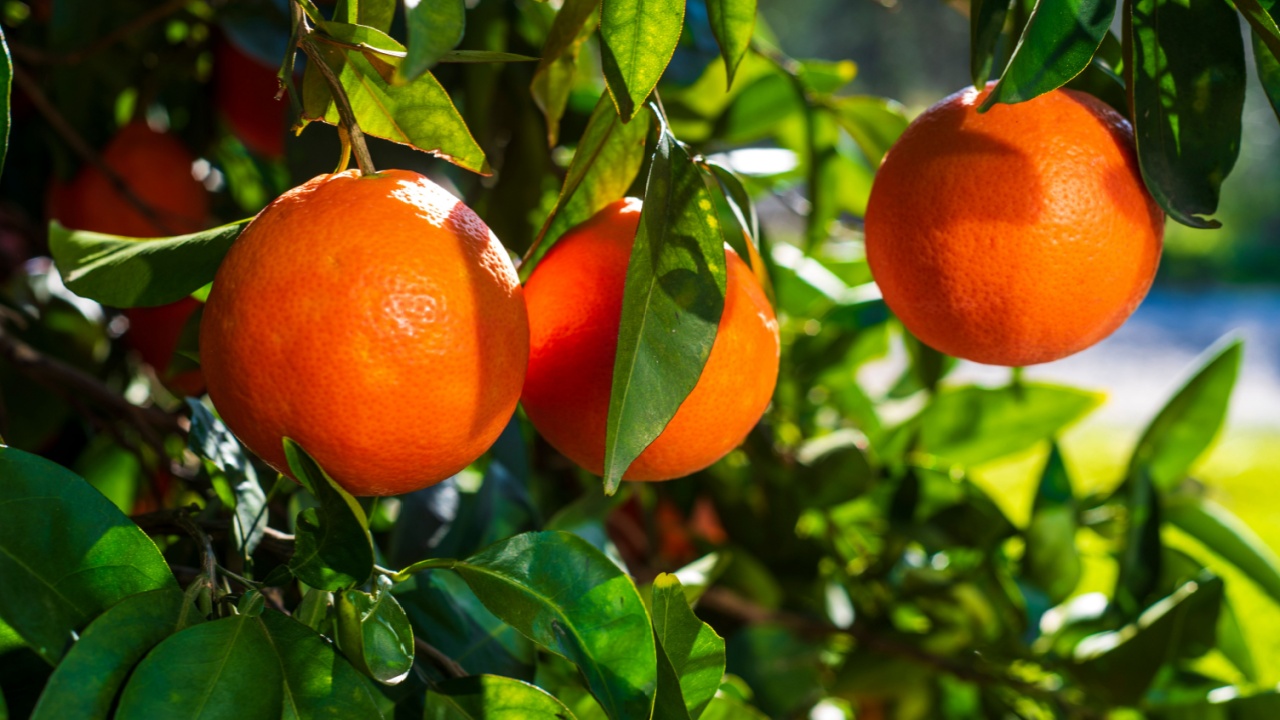
If you love a glass of orange juice in the morning, get ready to pay a premium. Florida’s groves are still reeling from citrus greening disease and the fallout of turbulent hurricane seasons. Low harvests mean any citrus is more expensive to get on your table. Brazil, which supplies most of the world’s orange juice, has been hit hard by drought and extreme heat. These conditions have slashed crop yields, making it harder for producers to meet global demand.
For shoppers, this means fewer discounts and more expensive juice, especially imported brands. You might notice smaller fruit or shorter shelf life, depending on where it’s sourced. To save money, look for locally grown options when available, or switch to other vitamin C-rich fruits like pineapple or papaya. If juice is a staple in your household, buying concentrate or frozen options can stretch your budget further.
What’s Driving It:
- Devastating crop disease shrinking supply
- Ongoing severe weather is damaging orchards
- Rising costs for growers to salvage any harvest
How This Impacts You: Buy when sales hit, freeze juice if you see a deal, or look for clementines and mandarins as alternatives, depending on season and availability.
6. Bananas
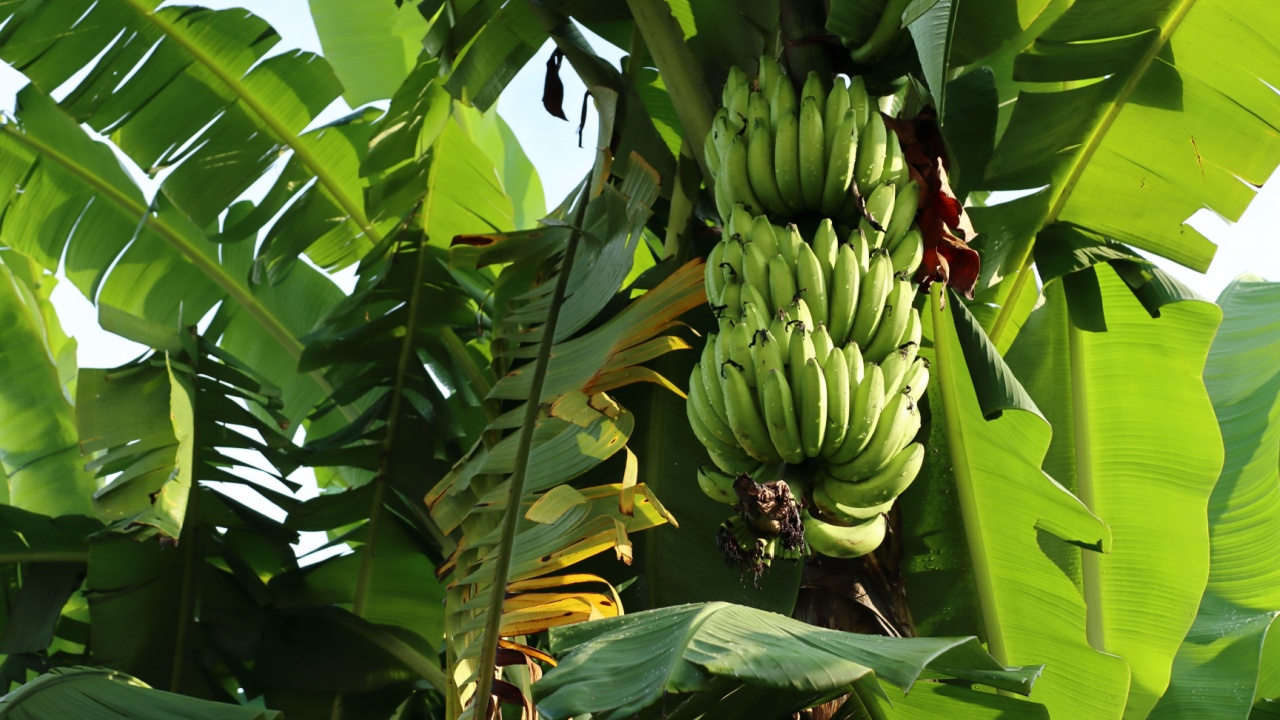
Bananas are usually the budget-friendly fruit in your cart, but 2025 is testing that reputation. Unpredictable weather, especially La Niña patterns, has disrupted production in Central America, while cold snaps and flooding have damaged crops in Colombia and Ecuador. These regions supply a huge share of the global banana market, so when their harvests shrink, prices climb.
Diseases like Black Sigatoka and Tropical Race 4 are also spreading in key growing areas, weakening plants and reducing yields. To save money, consider buying underripe bananas and letting them ripen at home. They tend to last longer and cost less. Frozen bananas are another affordable option for smoothies and baking.
What’s Driving It:
- Storms and droughts in growing regions
- Higher shipping and fuel costs
- Continued demand from households and eateries
How This Impacts You: Choose bananas with a bit of green to stretch shelf life. Branch out to seasonal fruits when prices are steep.
7. Sugar

Sugar, hiding in so many kitchen favorites, is another item seeing a significant jump. Key producers like India and Thailand have faced problematic weather patterns and tougher government export restrictions, so the global supply is thinner. Processing and shipping costs pile on, further boosting prices for that sweet addition to drinks, baking, and more.
Scaling back in recipes can help, as well as trying less-processed alternatives like honey or maple syrup, where practical. Shopping the sales on bulk sugar is worthwhile, especially if you do a lot of canning or baking.
What’s Driving It:
- Unfavorable weather conditions for sugarcane and beets
- Export limits by key global suppliers
- Elevated processing and transportation costs
How This Impacts You: Reduce sugar in recipes, substitute with honey or other sweeteners occasionally, and compare store brands for better deals.
8. Chocolate

If you have a weakness for chocolate, you’re feeling the pinch right along with other dessert fans. Cocoa production in West Africa has taken a hit due to disease and problematic weather. The journey from bean to bar now faces more hurdles, and higher prices are popping up on every shelf.
Chocolate’s role as a treat and baking staple makes the increase especially frustrating. Buy high-quality bars and savor them, or explore less expensive ways to indulge, like cocoa powder for brownies or homemade hot chocolate.
What’s Driving It:
- Disease and erratic rainfall are affecting cocoa crops
- Labor shortages in cacao-growing regions
- Rising costs for processing and shipping
How This Impacts You: Higher prices for bars and baking chocolate. Savor treats mindfully and keep chocolate stored in a cool, dry place to extend its life.
Navigating Rising Food Prices at Home

If your grocery list now feels like a wish list, you’re definitely not alone. As prices rise on essentials and treats alike, small changes at home can help. Try batch-cooking meals, making use of leftovers, and stocking up when stores run specials on foods you use often. Experimenting with different recipes and ingredients can stretch your shopping budget and bring a little creative spark to your kitchen.
Paying attention to local in-season produce can help you avoid the highest spikes, and a little extra planning turns shopping from a stressor into a strategy. With some flexibility and knowing how to shop smart, you’ll be ready to face whatever the next receipt brings while still keeping meals satisfying and your options open.
Read More:
Things to Stockpile at Home That Aren’t Water, Food, or Weapons