4 Unexpected Little Habits That Add to Health and Comfort
Why do some years feel lighter, healthier, and more put-together even without big life changes? The answer often hides in the smallest daily choices. Tiny habits like how mornings start or how nights wind down shape energy levels, sleep quality, and overall well-being. These everyday actions may seem too small to matter, but repeated over time, they build routines that support both body and mind, especially within the comfort of home.
Science supports this idea. A study found that small, repeated behaviors can become automatic over time, making healthy routines easier to maintain without extra effort. This research highlights that consistency, not intensity, is what truly drives long-term change and proves that simple daily habits can lead to a noticeably better year.
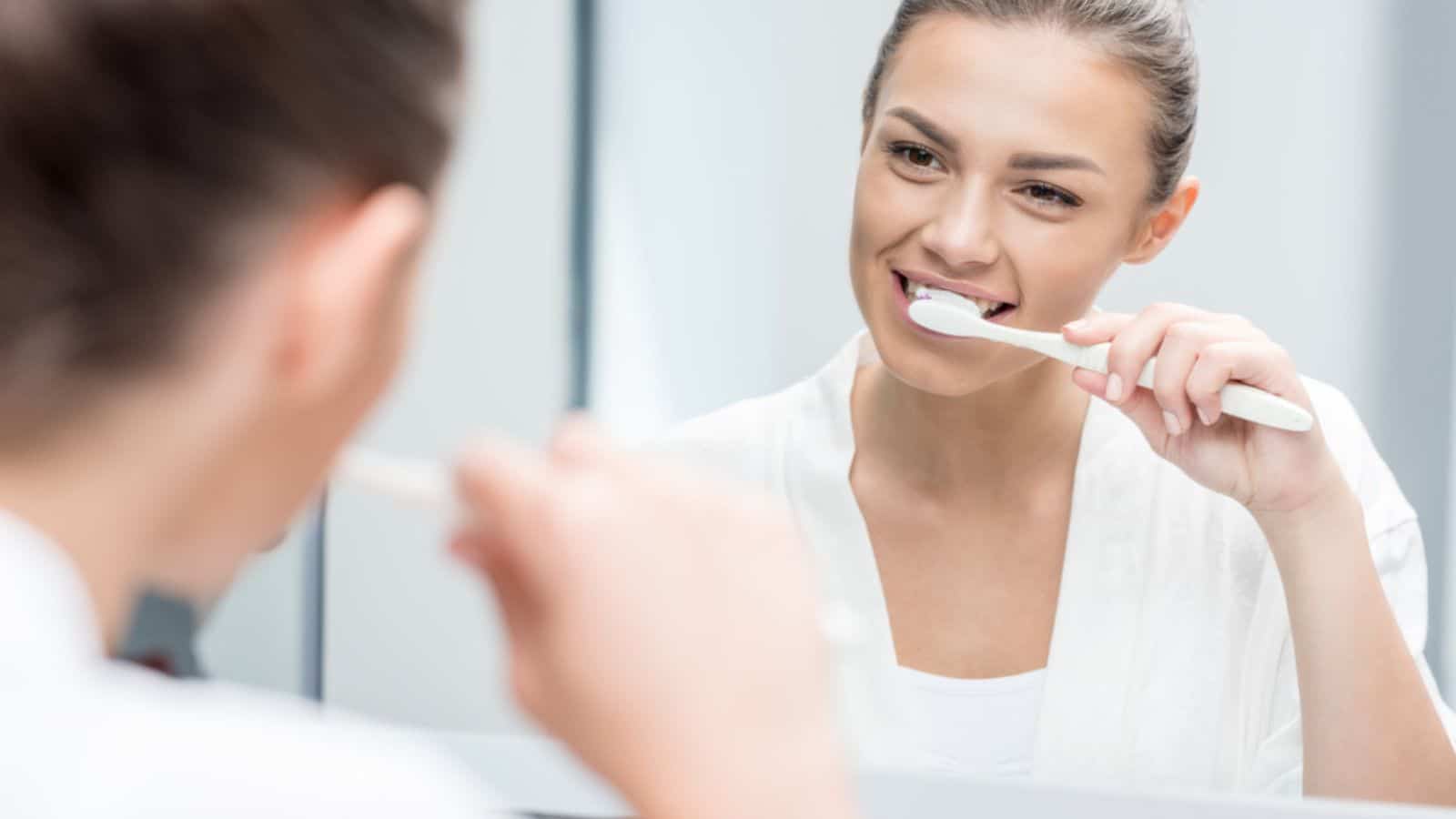
1. Brush Your Teeth Before and After Breakfast

Most people brush after eating, which is good, but brushing before breakfast removes bacteria that build up overnight, so your food tastes better and your mouth starts cleaner. Then brushing after eating clears food particles and plaque that cause cavities and gum disease. Poor oral health has links to inflammation and heart problems.
This habit works best when kept simple. Keep your toothbrush visible near the sink so it’s easy to remember. Even if both brushes feel like too much at first, starting with just one extra brush a day is still a step toward healthier teeth and gums.
Or if you aren’t currently brushing your teeth even twice a day, try adding a morning brush!
2. Clean Your Ears Gently and Safely

Many people think ears need deep cleaning, but that’s not true. Earwax actually protects your ears by trapping dust and dirt. Cleaning too deeply with cotton swabs can push wax further inside or even hurt the ear canal.
A safer habit is gently wiping the outer ear after a shower when the skin is soft. If your ears feel blocked or uncomfortable, it’s better to see a doctor instead of trying to fix it at home. Keeping ear care gentle helps prevent pain, infections, and hearing problems.
3. Use Deodorant and Antiperspirant the Smart Way

Deodorant helps control smell, while antiperspirant helps reduce sweat. Antiperspirant works best when applied at night because sweat glands are less active, giving the product time to work properly. Deodorant can still be used during the day for freshness.
This small timing change can make a big difference, especially during warm weather or busy days. Applying products to clean, dry skin helps them work better and keeps you comfortable without needing to reapply often.
If you’re trying to reduce your toxin overload (as we all should!), look for aluminum-free options, too.
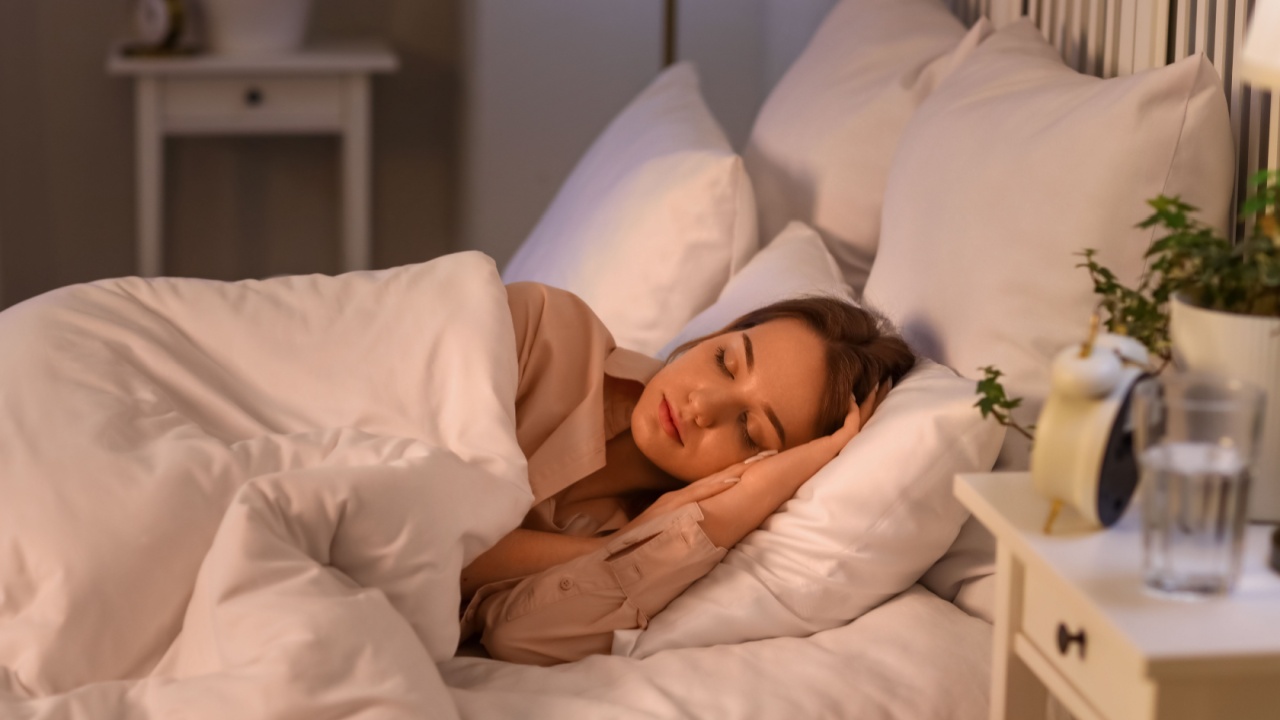
4. Wear Socks to Bed

Wearing socks to bed might sound strange, but it can actually help you fall asleep faster. Warm feet help your body cool down in the right way, which signals to your brain that it’s time to sleep.
Soft, breathable socks work best, especially in cooler months. If socks feel uncomfortable, keeping the room cool or using a light blanket can also help. Good sleep supports energy, mood, and focus the next day, making this habit surprisingly helpful.
Little Steps, Big Results Over Time
These habits don’t require special tools, extra money, or big lifestyle changes. They work because they fit easily into daily routines and don’t feel stressful. Choosing just one or two to start with is enough.
These small actions add up eventually, making days feel smoother and healthier. Stick with what feels easy, build slowly, and let simple habits quietly improve the year ahead.