Flu in the House? Here Are 15 Things to Clean ASAP
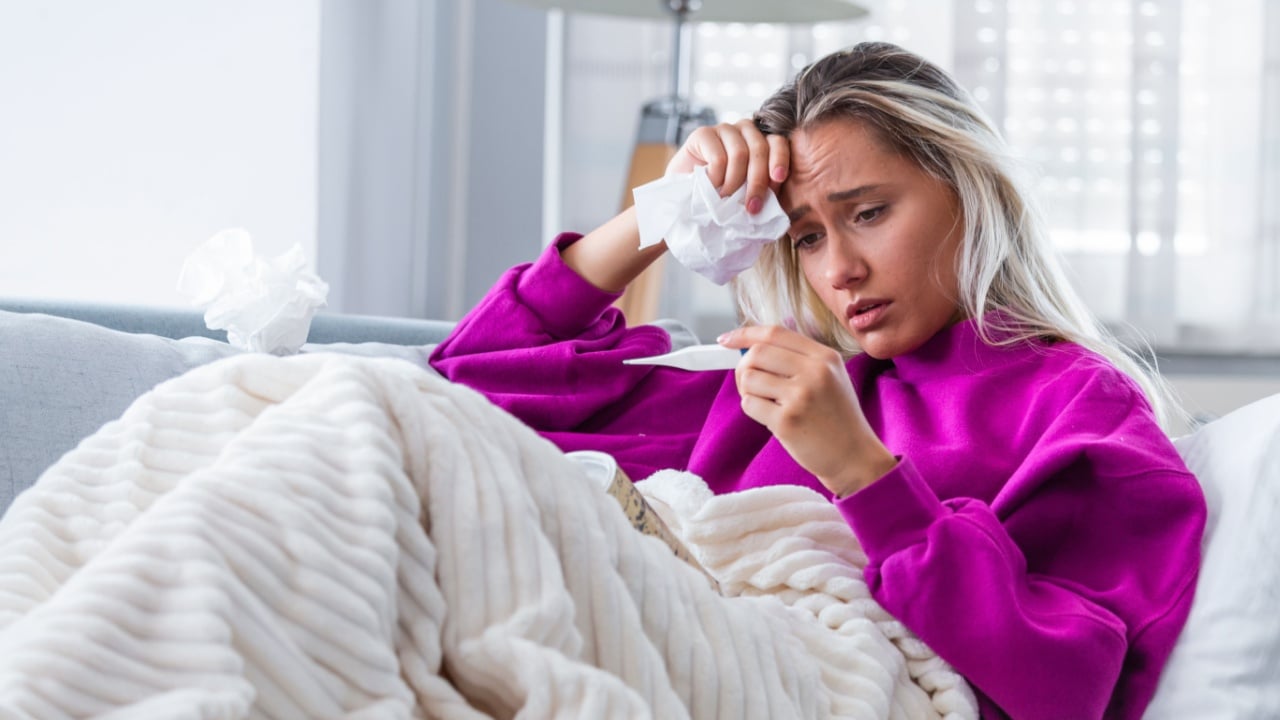
Flu season has a way of arriving uninvited, and it rarely travels alone. The moment someone in your household starts feeling off, the clock starts ticking on every surface they’ve touched. And that list is longer than most people realize.
According to healthcare professionals, the flu virus spreads most aggressively in the very early stages of illness, sometimes even a day before symptoms appear. They advise starting to use antimicrobial wipes or sprays as soon as someone in your home feels sick. Cleaning experts agree that, while the illness is present, light, consistent cleaning is recommended, followed by a thorough deep clean seven to ten days after recovery.
With that in mind, here are the 15 surfaces that deserve immediate attention once the flu walks through the door, whether the sick person is confined to one room or wandering freely through the house.
1. Pillowcases
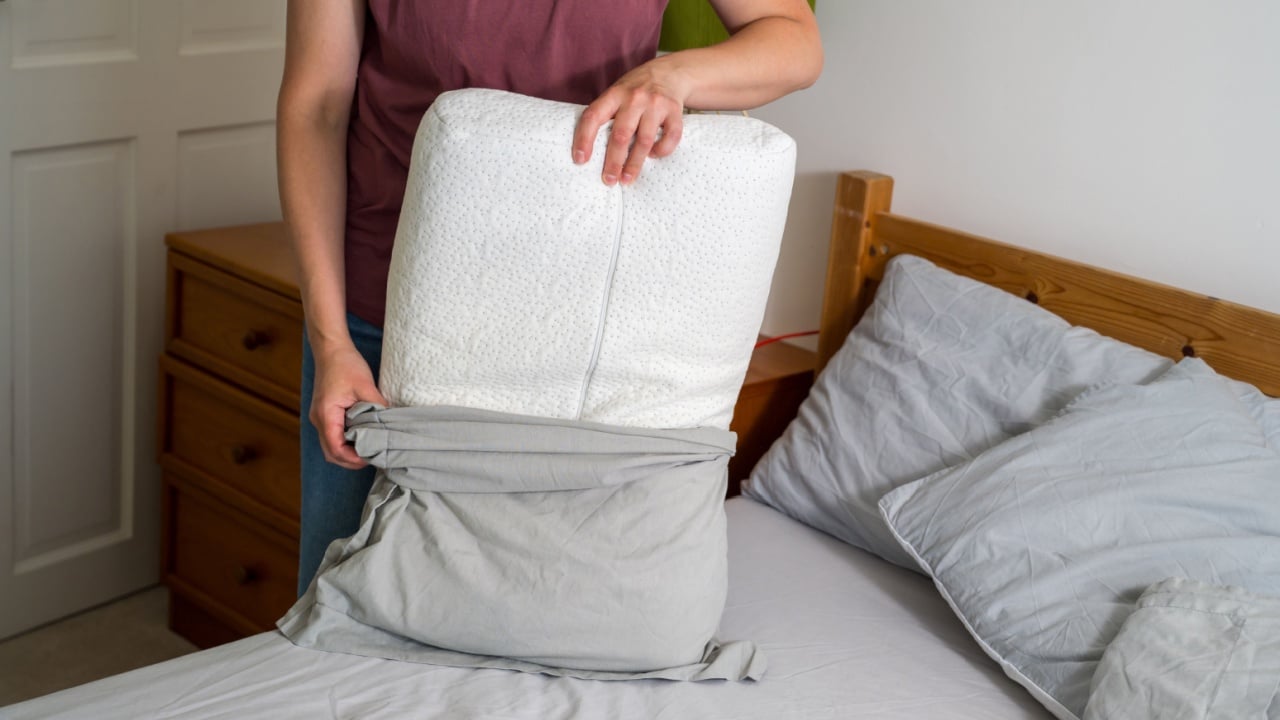
When someone is sick, their pillowcase is in direct and prolonged contact with their face for hours at a time, collecting germs and viruses. To prevent reinfection and spread, you should change pillowcases daily while they are ill. Wash the used pillowcases in hot water to effectively kill any lingering pathogens.
Keeping a fresh stack of clean pillowcases nearby makes this simple swap even easier, ensuring a clean and hygienic barrier between the sick person and their bedding throughout their recovery.
2. Sheets and Bedding
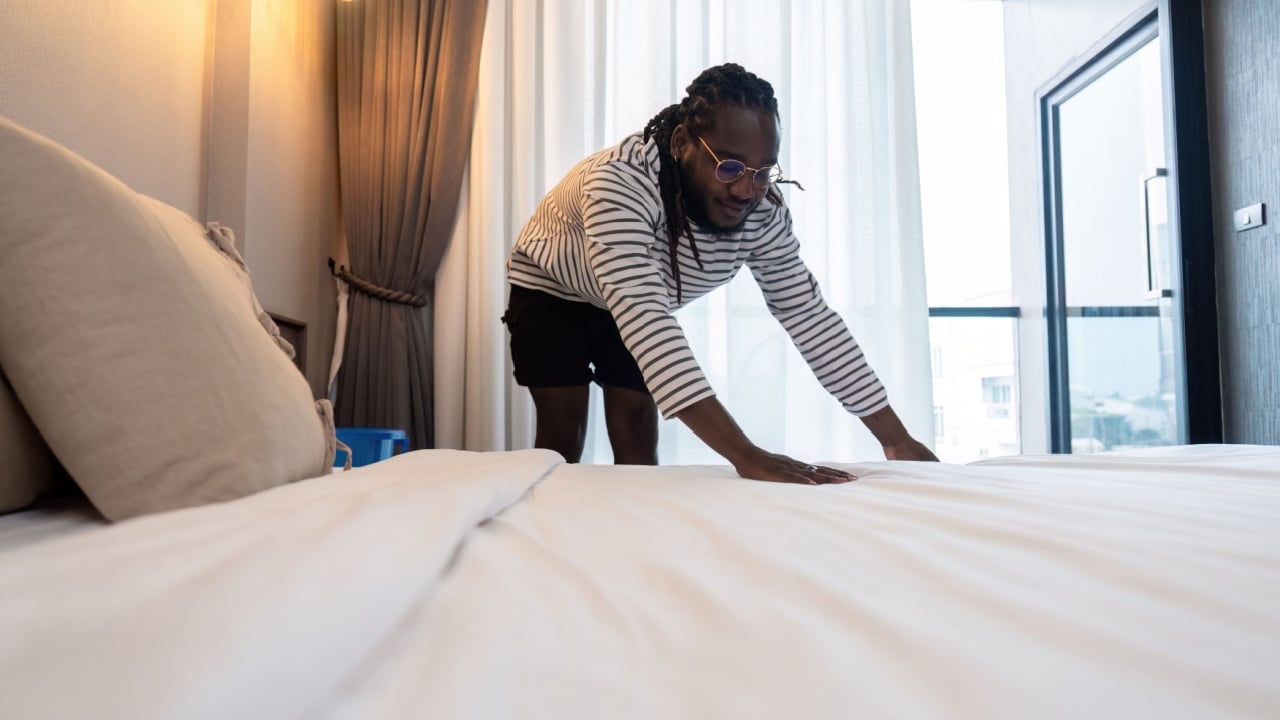
Just like pillowcases, sheets, and blankets can quickly become breeding grounds for germs from sweat, mucus, and respiratory droplets. To prevent the spread of illness, strip the bed and wash all bedding as frequently as possible. Use the hottest water setting that is safe for the fabric to ensure you’re killing off any lingering pathogens.
For larger items like comforters, always check the care label first. Many can be sanitized in a home washing machine, but if yours is too bulky, a trip to a laundromat with large-capacity machines will do the trick.
3. Bedside Tables and Nightstands
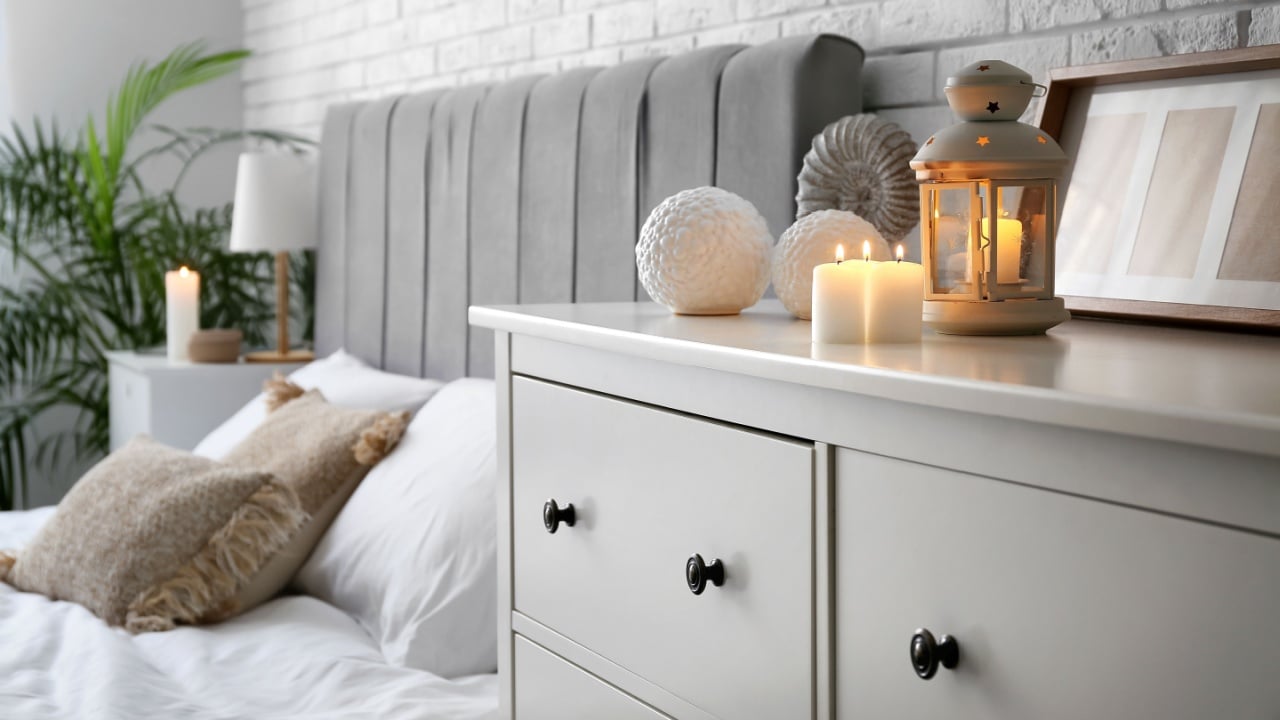
During flu season, your nightstand can become a hub for germs. Think about it: used tissues, medicine bottles, water glasses, and your phone are all gathered in one place, creating a perfect environment for viruses to spread.
To keep things clean, wipe down the entire surface with an antimicrobial spray or a disinfecting wipe at least once a day while you’re sick. Don’t forget to pay extra attention to the edges and drawer pulls, as these frequently touched areas are easy to miss.
4. Door Knobs
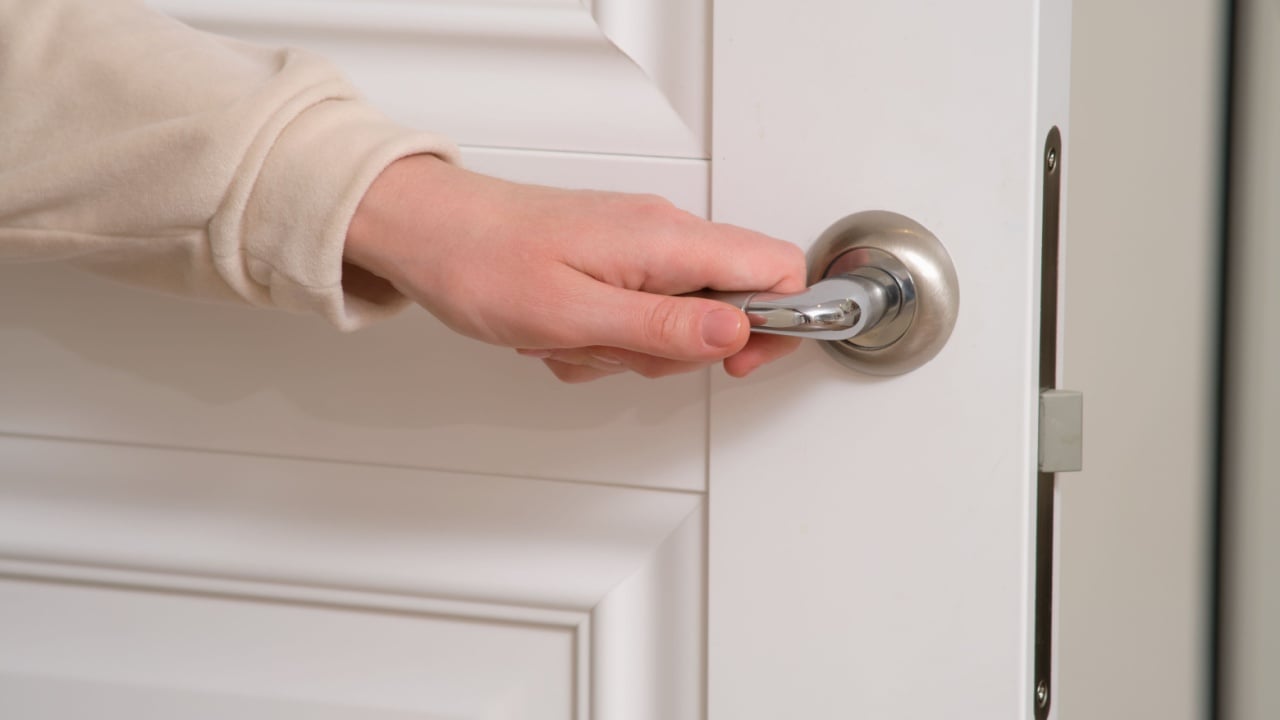
Door knobs are one of the highest-touch surfaces in any home, contacted by almost every person who passes through a room. When someone is sick, every trip to the bathroom or kitchen leaves behind viral traces on each handle they touch along the way.
To minimize spread, wipe these down multiple times a day with a disinfecting wipe. Be thorough and don’t forget the handles on interior doors, including bedrooms, bathrooms, and closets.
5. Light Switches
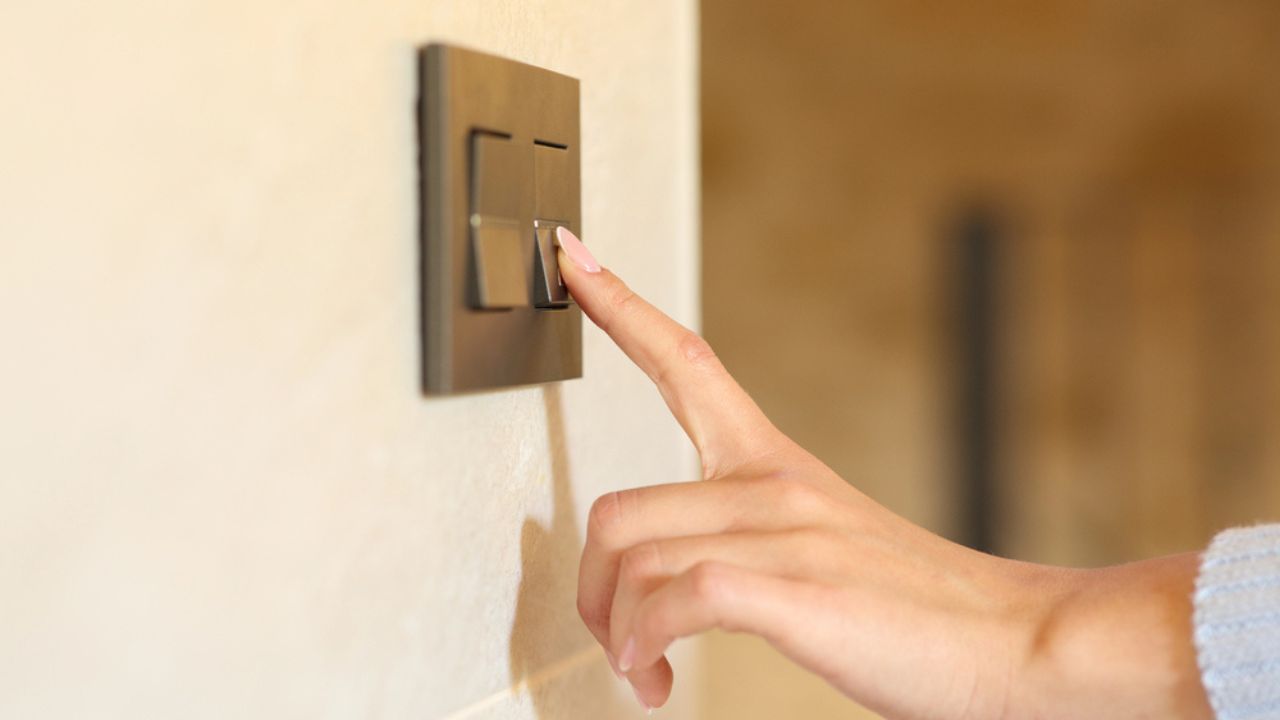
Just like door knobs, light switches are touched constantly without a second thought, making them prime real estate for germs. During flu season, this becomes a major transmission point.
Thankfully, it only takes a few seconds to run a disinfecting wipe over the switch plate. Make this quick task a priority, especially in rooms the sick person frequently uses, like hallways and bathrooms.
6. Bathroom Faucet Handles

The bathroom is a hotspot for germs. Since faucet handles are touched both before and after washing hands, they become a major transfer point for the flu virus. Make sure to wipe them down with a disinfectant daily, or even more often if the sick person is using that bathroom.
While hot water and soap clean your hands, the faucet handle itself needs its own direct disinfecting to stop the spread.
7. Toilet Handles
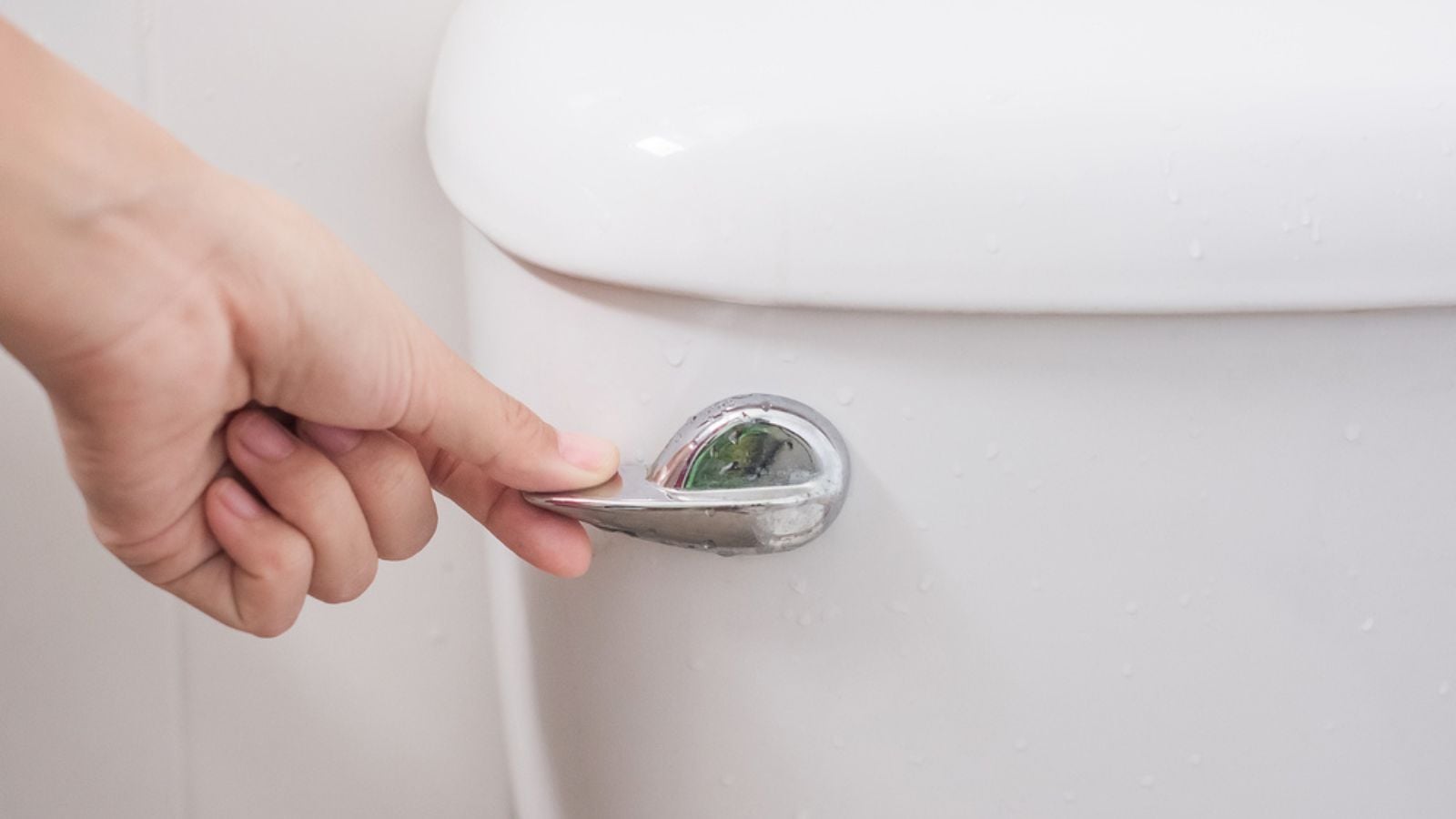
The toilet handle is one of the most germ-covered surfaces in any home. Touched at one of the least hygienic moments of the day, it’s a critical spot to clean daily, especially during flu season. To properly disinfect it, use a disinfecting spray or wipe that’s suitable for the handle’s material.
Let the disinfectant sit and air dry rather than wiping it away immediately, as this contact time is necessary for it to kill germs effectively. In a shared bathroom, cleaning the toilet handle more than once a day is a wise move to prevent the spread of illness.
8. Countertops (Bathroom and Kitchen)
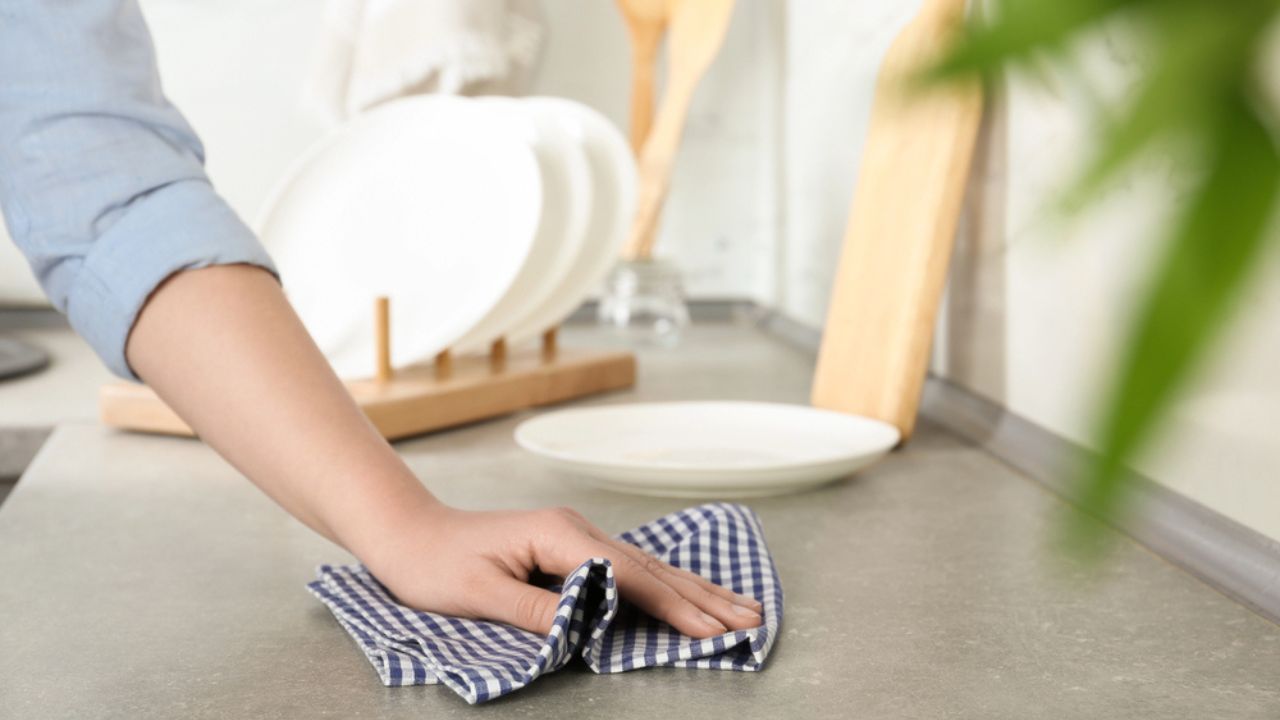
Countertops in both the bathroom and kitchen are high-traffic areas, serving as landing zones for all sorts of items and hands. This makes them prime surfaces for the flu virus, which can survive for hours. In the bathroom, it’s particularly important to disinfect the area around the sink where hands often rest after washing.
In the kitchen, be sure to wipe down the entire counter, paying special attention to the sink area and any surfaces used for food preparation. For thorough disinfection, use a spray or wipe that’s registered with the EPA, and let it sit for the recommended contact time to ensure it effectively eliminates germs.
9. Refrigerator Door Handles

The refrigerator door handle is a major hotspot, getting grabbed every time someone reaches for a drink, a snack, or medication. Throughout an illness, this means multiple daily contacts from both the sick person and their caretakers, creating a high risk for transmission.
To prevent this surface from becoming a problem, give it a quick wipe-down with a disinfectant after each use, or at least once a day. Don’t forget the freezer handle, which deserves the same thorough treatment if it’s used separately.
10. Cabinet Knobs and Drawer Pulls
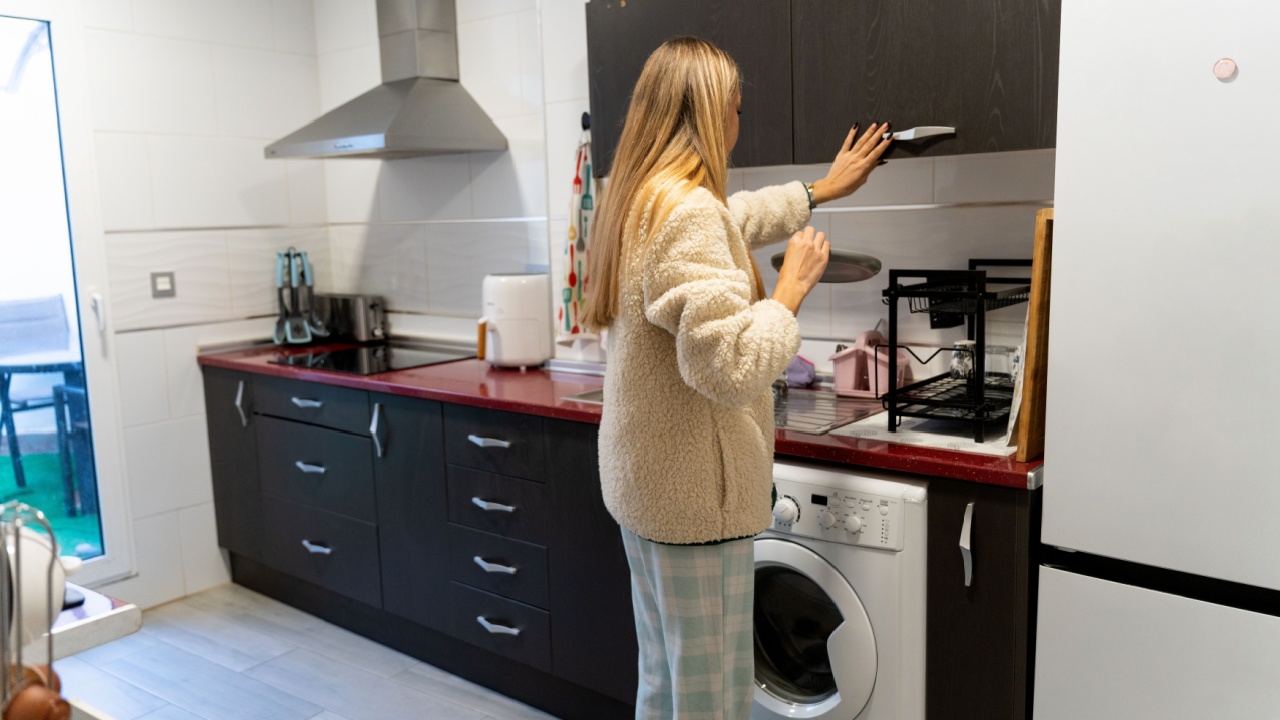
Though small, cabinet knobs and drawer pulls in the kitchen and bathroom are major germ hotspots. They’re gripped frequently, often by unwashed hands, making them prime real estate for the flu virus.
To clean them effectively, don’t just give them a quick swipe. Wrap a disinfectant wipe completely around the knob or pull to ensure you’re cleaning the entire surface area. This is particularly crucial for shared bathrooms or any cabinets the sick person uses often.
11. TV Remotes

The TV remote is one of the most-handled objects in a living space and one of the least frequently cleaned. During the flu, it’s practically a petri dish.
Remove the batteries before wiping it down with a disinfecting wipe to avoid moisture damage to the battery compartment. Use a cotton swab dampened with isopropyl alcohol to get into the crevices around each button.
12. Phones

Your phone is a germ magnet, especially when you’re sick. It’s constantly against your face, resting on various surfaces, and being handled throughout the day. To keep it clean, wipe it down daily with a disinfecting wipe or a cloth lightly dampened with 70% isopropyl alcohol.
Be careful to avoid getting moisture in any of the ports. Using a wipeable phone case makes this much easier, and if you can remove the case to clean it separately, that’s even better for a thorough disinfection.
13. Computer Keyboards
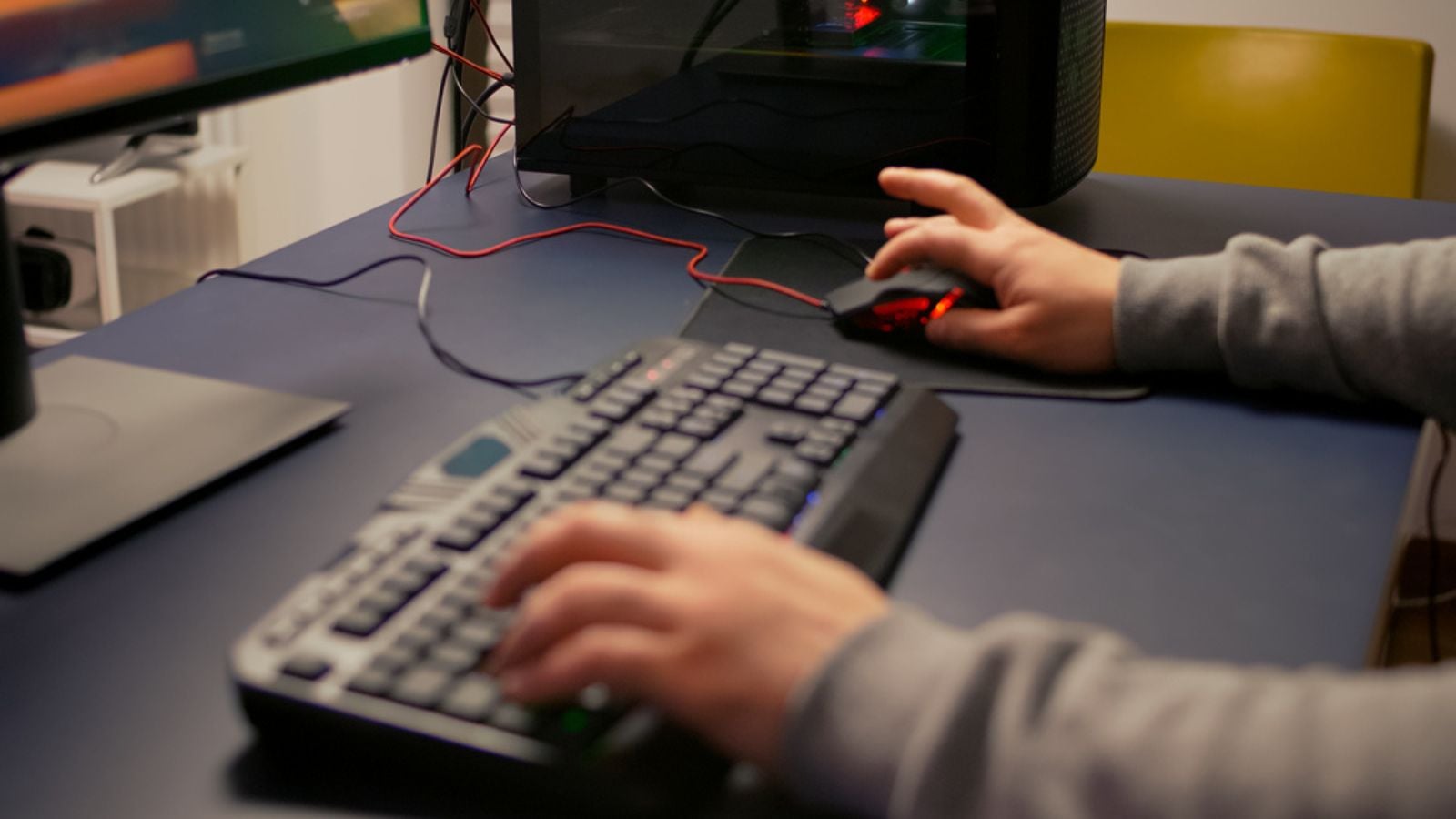
Keyboards are another high-touch surface, constantly in use while you might be coughing, sneezing, or handling tissues. To clean it, first turn it off and unplug it. Then, use a can of compressed air to dislodge any debris from between the keys where germs can accumulate.
Afterward, wipe the surface with a disinfecting wipe to kill any remaining pathogens. For easier cleaning during cold and flu season, consider using a silicone keyboard cover, which can be wiped down quickly and effectively.
14. Stair Railings
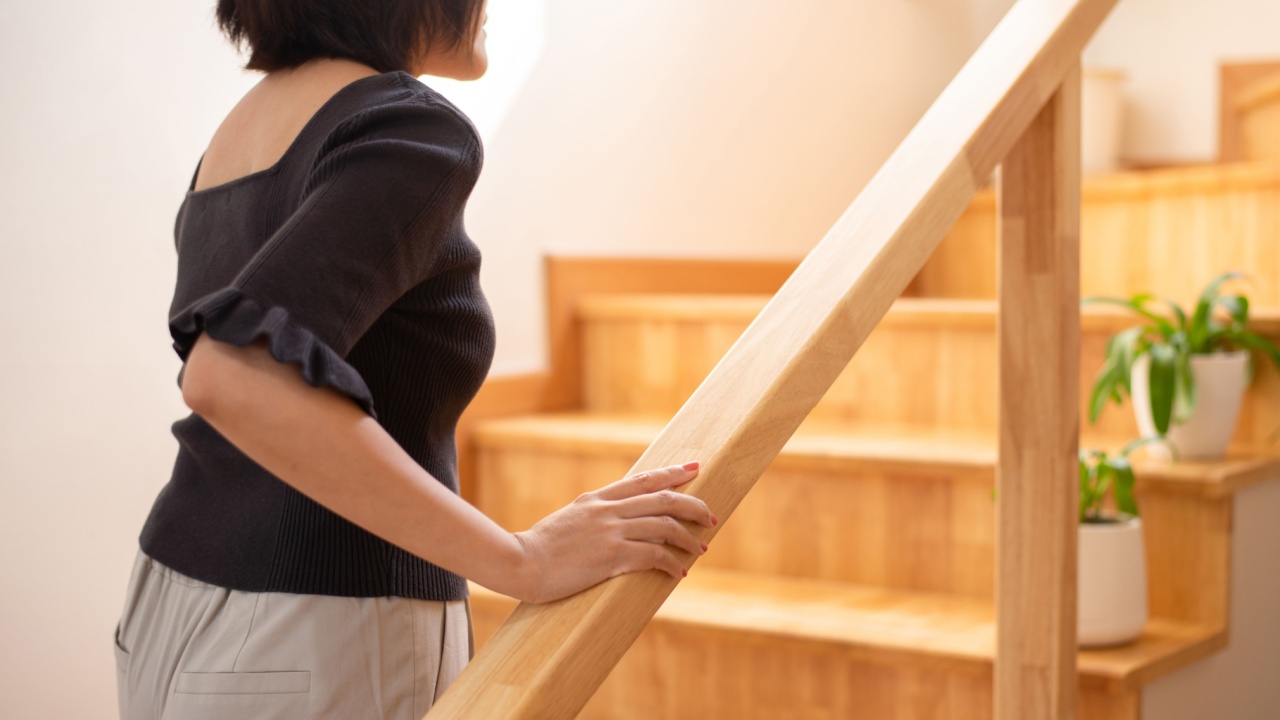
Stair railings are gripped by multiple household members throughout the day, making them a prime spot for germ transfer. If a sick person is moving between floors, it’s crucial to wipe down the railing at least once daily to prevent the spread of viruses.
To clean them effectively, apply a spray disinfectant to a cloth instead of spraying directly onto the railing. This prevents drips and ensures even coverage. Make sure to wipe down the entire length of the railing, including the top, sides, and bottom.
15. Laundry Basket Handles

Laundry baskets are a major vehicle for flu germs, transporting contaminated clothing and bedding from the sickroom to the washing machine. As the virus transfers from the soiled items to the basket itself, the handles become a hotspot.
The person doing the laundry (often the primary caregiver) tries to stay healthy, then picks up the virus on their hands. To break this chain of transmission, wipe down the handles with a disinfectant wipe both before and after each load. It’s also wise to wear disposable gloves when handling laundry from a sick household member.
Stop Flu Germs in Their Tracks

Flu germs don’t limit themselves to one corner of a home, so the cleaning routine shouldn’t either. A consistent, targeted approach during illness, combined with a thorough deep clean around day seven to ten of recovery, is the most effective way to keep the virus from spreading further.
Stock up on disinfecting wipes, place them in every room where the sick person spends time, and make a quick wipe-down part of the daily routine. The sooner cleaning starts, the better the outcome for everyone else in the house.
Read More: