Fix These 12 Home Money Wasters Before It’s Too Late
It feels like every time you turn around, another bill appears, or the price of something has gone up again. Keeping a household budget on track can feel like a full-time job.
Many of us look for big ways to save, like refinancing a mortgage or cutting out a major expense. The truth is, small, seemingly innocent habits around the house add up to a significant amount of wasted cash each year.
This article will show you 12 common ways money quietly slips through your fingers at home and what you can do to stop it. We will focus on simple changes you can make to your daily routines and shopping habits that can lead to surprisingly big savings.
1. Using Inefficient Old Appliances

That refrigerator from the last decade might still keep your food cold, but it could be costing you a fortune to run. Older appliances, especially refrigerators, dishwashers, and washing machines, were built before modern energy efficiency standards were in place. They can consume a surprising amount of electricity compared to their newer counterparts, leading to consistently higher utility bills.
Upgrading to a newer, Energy Star-certified model can lead to significant savings. While the initial purchase is an investment, the reduction in your monthly electricity bill can help the appliance pay for itself. These modern units are designed to use less power and water without sacrificing performance.
2. Paying for Expensive Cleaning Supplies
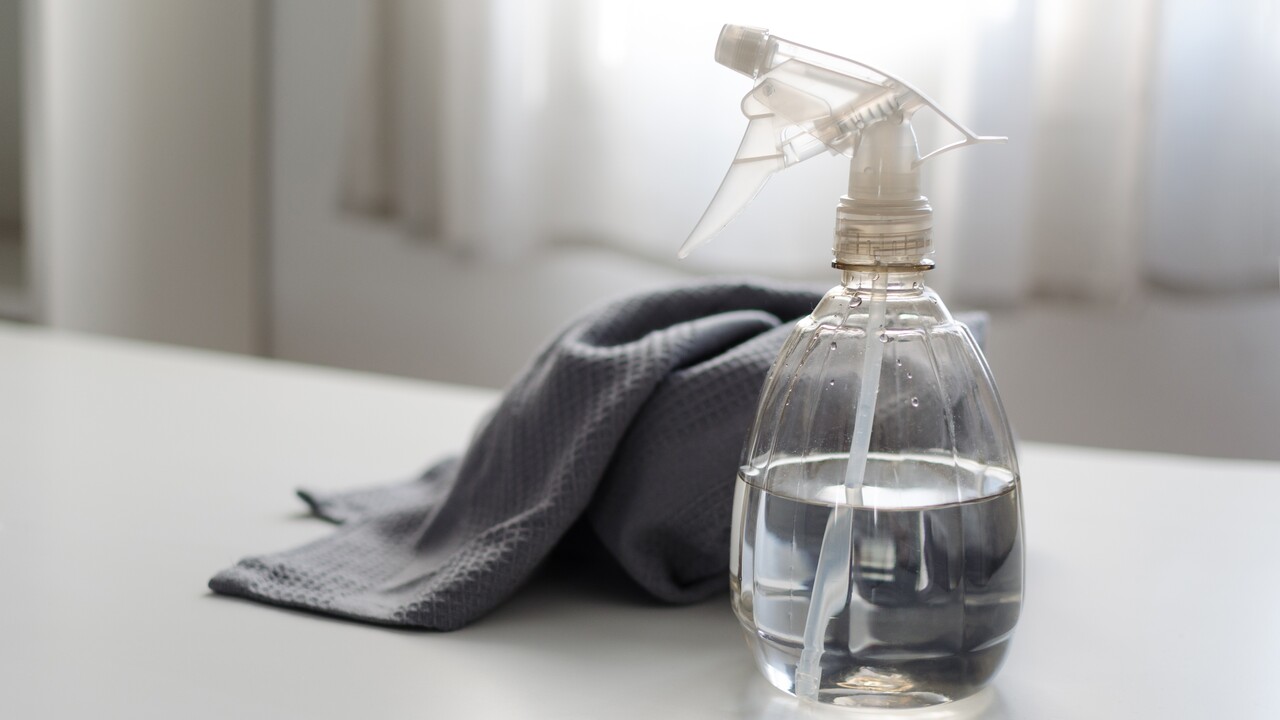
The cleaning aisle at the supermarket is a colorful display of specialized products for every imaginable surface. There are sprays for glass, creams for stovetops, and wipes for countertops, each promising miraculous results. Buying a separate cleaner for every job is a clever marketing tactic that results in a cabinet full of bottles and a much lighter wallet.
Most of these products are composed of similar basic ingredients packaged differently. You can save a remarkable amount of money by using simple, effective alternatives. A solution of white vinegar and water can handle most surfaces, from windows to floors, with excellent results. Baking soda works as a fantastic abrasive for scrubbing sinks and tubs without harsh chemicals.
3. Keeping a Disorganized House

A cluttered and disorganized home can lead to financial stress. When you cannot find what you need, you are more likely to buy a replacement. How many times have you purchased new batteries, light bulbs, or a roll of tape, only to find a stockpile of them later? This cycle of misplacing and re-buying items is a direct result of disorganization and leads to wasted money and excess clutter.
Implementing a simple organization system can put a stop to this unnecessary spending. Designate specific spots for common household items and make sure everyone in the home knows where things belong. Taking a weekend to declutter and organize closets, drawers, and the garage can reveal what you already own, preventing duplicate purchases.
4. Sticking with Old-School Light Bulbs

The traditional incandescent light bulb wastes energy. A huge portion of the energy they consume is lost as heat, not light. If you still have these old bulbs in your lamps and fixtures, you are paying far more than necessary on your electricity bill. While the upfront cost of one of these bulbs is low, their short lifespan and high energy use make them a poor financial choice.
Switching to LED bulbs is an incredibly simple way to cut household costs. LEDs use a fraction of the electricity to produce the same amount of light, and they last for years, sometimes even decades. The initial cost of an LED bulb is higher, but the long-term savings on your energy bill and the infrequency of replacements make them a clear winner.
5. Letting Phantom Electricity Siphon Your Power
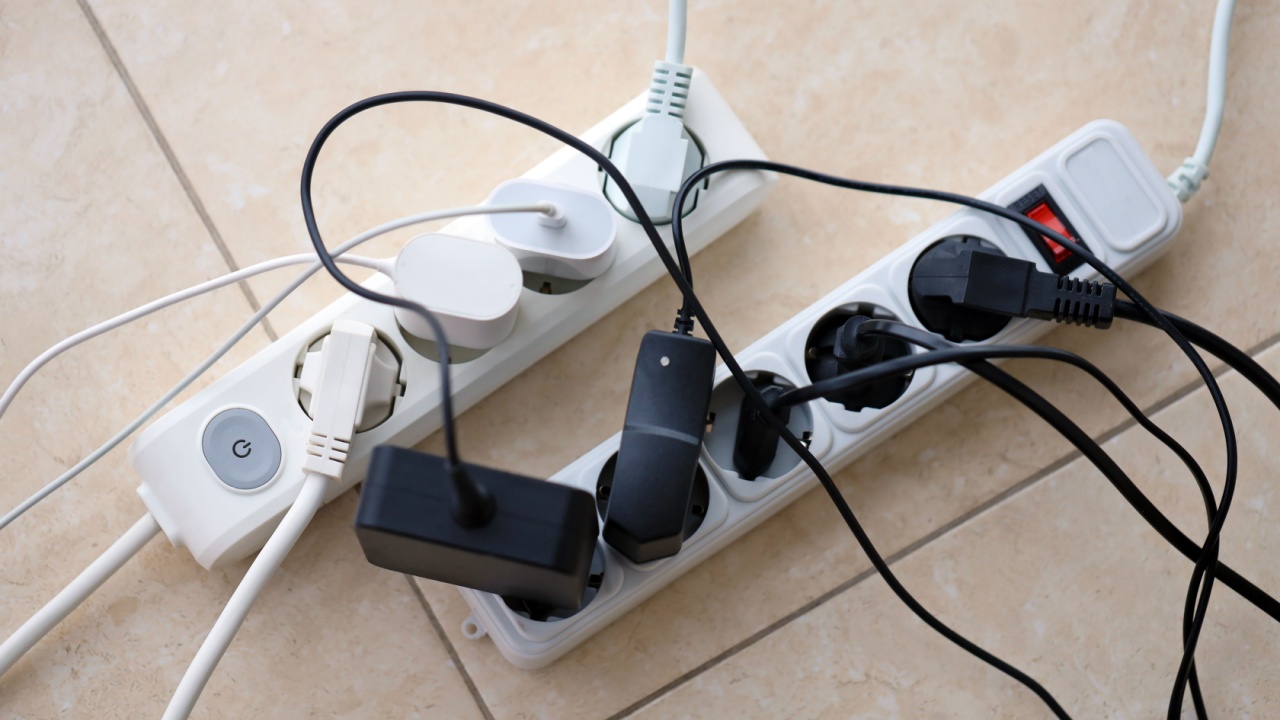
Many of your electronic devices continue to draw power even when they are turned off. This “phantom” or “vampire” load comes from devices in standby mode, chargers left plugged in, and appliances with digital displays. Your television, coffee maker, and computer are all silent culprits, slowly adding to your electricity bill 24 hours a day. While the power draw of a single device is small, the cumulative effect of a whole house full of them can be substantial.
Unplug devices when they are not in use. To make this easier, plug multiple electronics, like your entertainment center components, into a single power strip. With the flip of one switch, you can cut the power to all of them at once. Getting into the habit of unplugging chargers and small appliances after you are done with them is a free and effective way to reduce your energy consumption and lower your monthly bills.
6. Ignoring Water Leaks
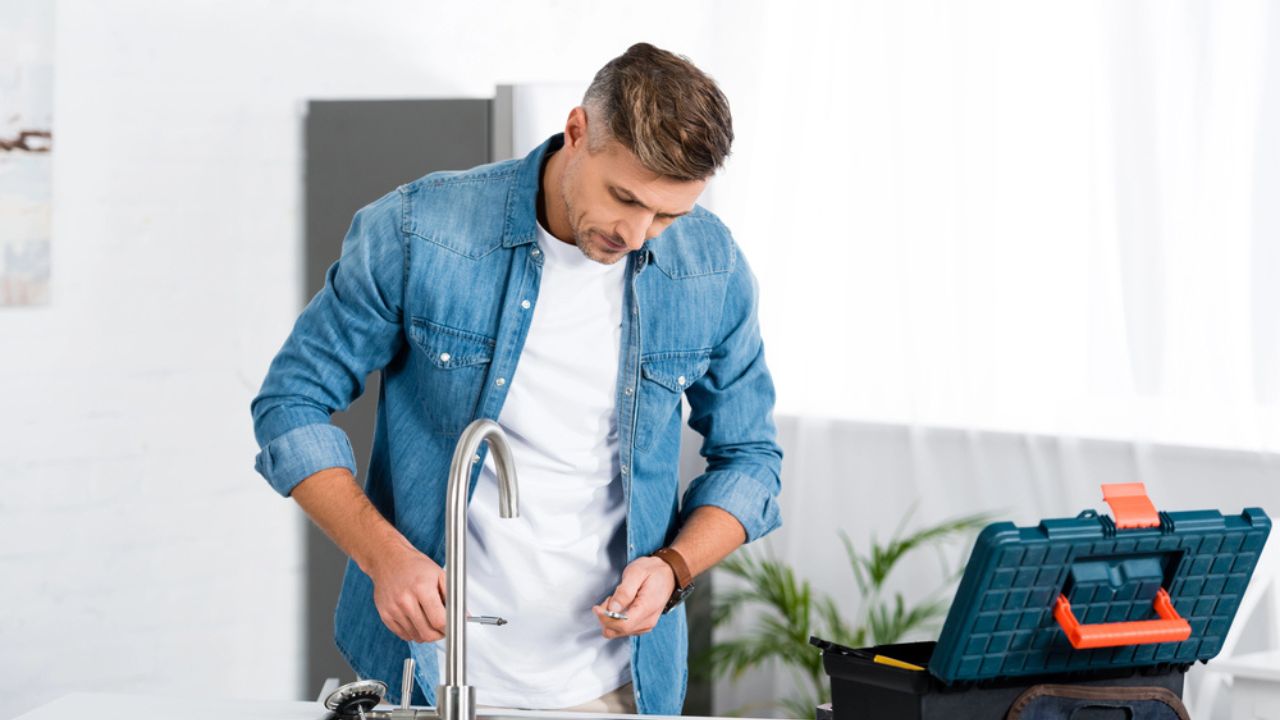
A slow drip from a faucet or a constantly running toilet is not just annoying, they are literally money going down the drain. A single leaky faucet can waste gallons of water every day, adding up to a surprisingly high water bill over the course of a year (plus, they can lead to a costly repair if ignored for too long). These small leaks are often ignored because they do not cause immediate, visible damage, but their financial impact is real and continuous.
Regularly check your home for leaks. Listen for running toilets and check under sinks for any signs of moisture. Replacing a worn-out flapper in a toilet tank or a washer in a faucet is an inexpensive repair that can save you a significant amount of money.
7. Buying Extended Warranties

When you purchase a new appliance or electronic device, you will almost certainly be offered an extended warranty. The sales pitch makes it sound like a sensible protection plan against future problems. However, for most products, these warranties are an unnecessary expense.
Modern appliances are generally reliable, and if a defect exists, it is likely to show up during the standard manufacturer’s warranty period. Instead of paying for an overpriced insurance policy, a better strategy is to set aside the money you would have spent on the warranty in a dedicated savings account for home repairs. This way, the money is yours to keep if nothing breaks.
8. Washing Clothes in Hot Water
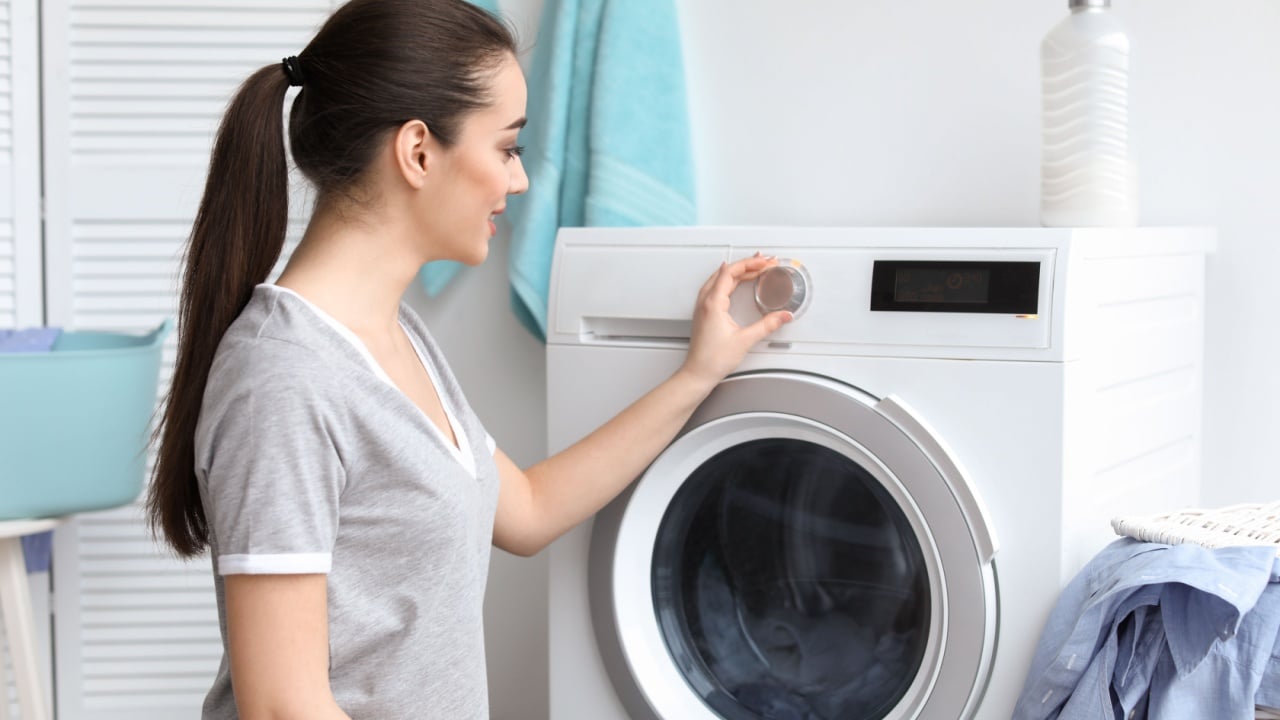
Many people believe that hot water is necessary to get clothes truly clean. For most laundry loads, this is simply not true. Modern detergents are formulated to work effectively in cold water, and heating the water for each wash cycle consumes significant energy. In fact, most of the energy a washing machine consumes goes toward heating the water, not to the machine’s operation.
Switching to cold water for most, if not all, of your laundry can lead to a noticeable drop in your energy bill. Save the hot water cycles for heavily soiled items, like greasy work clothes or cloth diapers. For everyday laundry, cold water does the job perfectly well, and it has the added benefit of being gentler on your fabrics, helping them last longer.
9. Forgetting to Shop Around Online

The convenience of online shopping has made it easier than ever to buy what you need without leaving your home. However, it has also made it easy to fall into the habit of buying from the first retailer you find. Prices for the same exact item can vary dramatically from one website to another. Failing to do a quick price comparison before clicking “buy” is like voluntarily paying more than you have to.
Before making any online purchase, take a few minutes to check a few different retailers. Use browser extensions or price comparison websites that can automatically search for better deals and available coupon codes. Sometimes, waiting a day or two can result in a price drop or a special promotion.
10. Opting for Single-Use Disposables

Our homes are filled with single-use items designed for convenience: plastic storage bags, paper plates, plastic cutlery, and more. While these products can save you a few minutes of cleanup time, their cost adds up quickly. You are essentially paying for an item that you will use once and then throw away. This creates a constant cycle of purchasing and waste that is both expensive and harmful to the environment.
Investing in reusable alternatives is a smart financial move. Purchase a set of glass or durable plastic food storage containers instead of plastic bags. Use real plates and cutlery for meals at home. A set of reusable silicone bags can replace hundreds of disposable ones. While these items have a higher initial cost, they save you money over the long run.
11. Using Too Much Detergent
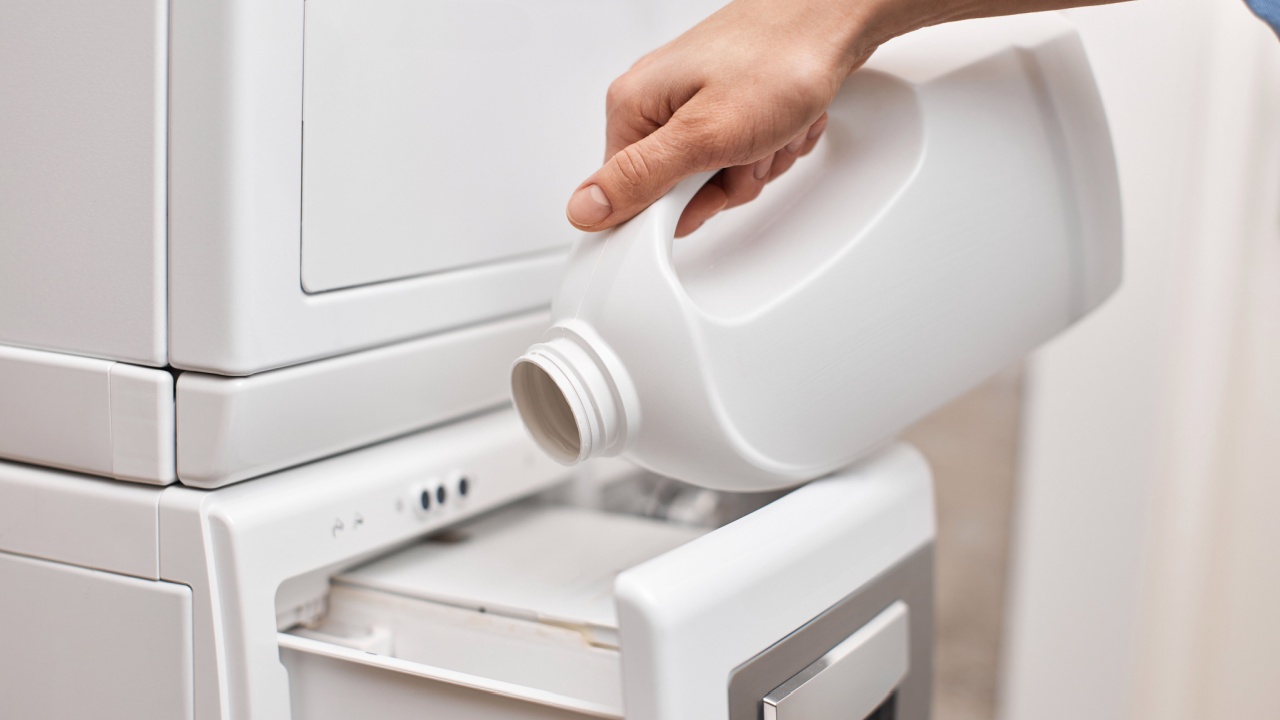
When it comes to laundry detergent, more does not mean cleaner. High-efficiency washing machines, which are now the standard, use much less water than older models. Using too much detergent in these machines creates an excess of suds that the machine cannot properly rinse away. This leaves a residue on your clothes and leads to buildup inside your washer, potentially causing odors and mechanical problems.
Always follow the manufacturer’s instructions for your washing machine and use the amount of detergent recommended on the product label. The measurement lines on the caps are often much larger than what is actually needed for a typical load. Using the correct, smaller amount of detergent will get your clothes just as clean, extend your detergent’s life, and protect your washing machine from damage.
12. Buying Name-Brand Groceries

Walking down the grocery aisles, you are surrounded by familiar, heavily advertised brand names. It is natural to reach for these products, as marketing has trained us to associate them with quality. However, in most cases, the store-brand or generic version of a product is made with nearly identical ingredients and often in the same facility as its name-brand counterpart. The primary difference is the packaging and the price.
A simple way to reduce your grocery bill is to give store brands a try. For pantry staples like flour, sugar, canned vegetables, and spices, the difference in quality is usually nonexistent. By swapping just a few name-brand items for their generic equivalents on each shopping trip, you can achieve substantial savings without sacrificing taste or quality.
Budget-Friendly Living Made Easy

Cutting back on waste at home isn’t a Herculean challenge or a test of willpower. It comes down to being aware of the choices you make every day and how those habits affect your budget. Try making a small change or two, like using cold water for laundry or grouping electronics on a single power strip to make unplugging simple. As you notice little wins here and there, it gets easier to spot other easy fixes.