First Short-Tailed Tsushima Leopard Cat Raises Alarm Among Researchers
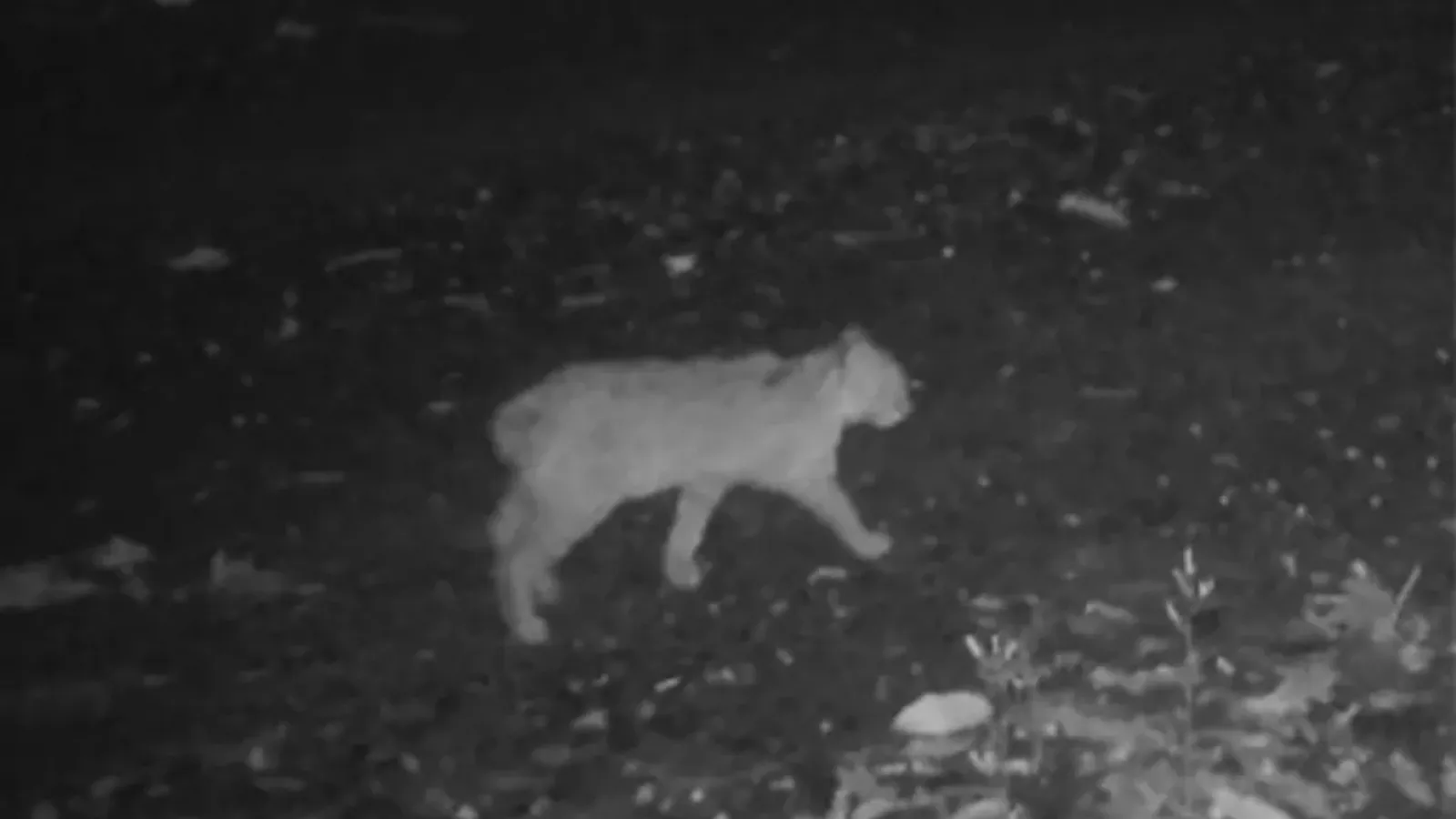
Researchers studying one of Japan’s rarest wild cats encountered something they had never documented before: a Tsushima leopard cat with a dramatically shorter tail.
Then they found more. And as that number grew, so did their concern.
At least three short-tailed Tsushima leopard cats were spotted during field surveys on the Japanese island of Tsushima, Kyoto University shares. Researchers eventually captured one for examination and found that its tail was only around half its normal length.
A curious observation to some, but for researchers, this finding served as a conservation warning. Short tails are relatively common among domestic cats, though they had never previously been reported in leopard cats. This then raised the possibility that domestic cats and the critically endangered wild population had begun interbreeding.
Researchers Turned To The Cat’s DNA For Answers
Embedded media follows. Please allow a moment for it to load.
Introgression is the incorporation of genes from one population or species into another through hybridization and repeated breeding, according to Nature Education. In an endangered population, that can become a significant conservation concern when genes from another population begin spreading through successive generations.
“An unusual phenotype can immediately raise concerns about hybridization, but we wanted to determine objectively what the genome actually tells us before drawing conclusions from appearance alone,” said first author Yuki Matsumoto in the Kyoto University release.
Researchers analyzed the short-tailed cat’s entire genome alongside 15 other Tsushima leopard cats, five domestic cats from the island and four Amur leopard cats. Their study, published in Global Ecology and Conservation, found no evidence that the unusual animal resulted from recent breeding with domestic cats.
Its mitochondrial DNA also matched other Tsushima leopard cats rather than domestic cats.
The Short Tail is Still A Mystery
The genetic results were reassuring; they did not, however, explain why the cat’s tail was so unusual.
Researchers found no known domestic-cat genetic variants that could account for the shortened tail, and the individual leopard cat did not show unusually high levels of inbreeding compared with the other Tsushima leopard cats tested.
The team next hopes to study additional short-tailed animals and develop ways to collect genetic information without having to capture them.
Tsushima leopard cats are not particularly populous. Japan’s Ministry of the Environment reported this year that the species remains confined to Tsushima, although its range has recently expanded within the island and the population is showing signs of recovery.