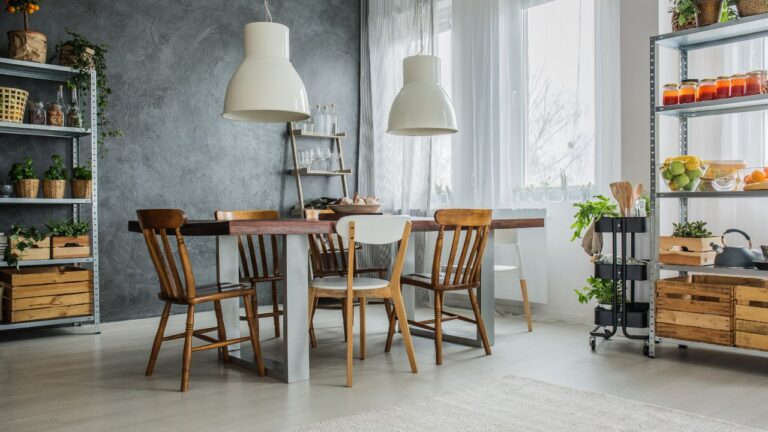
12 Finishing Touches That Make a Room Feel Finished
Sometimes, your space feels functional, but it lacks personality and polish. Do you look at a room and feel like something is missing, but you can’t quite put your finger on what it is? You’ve painted the walls, arranged the big furniture, and maybe even remembered where you put the TV remote. Often, it’s the finishing touches.
This is the point where many of us get stuck, living in a state of “almost done.” Taking a room from 90% to 100% complete is all about the details. Here are some finishing touches that elevate a space from a collection of items to a cohesive, inviting home.
1. Trim and Molding
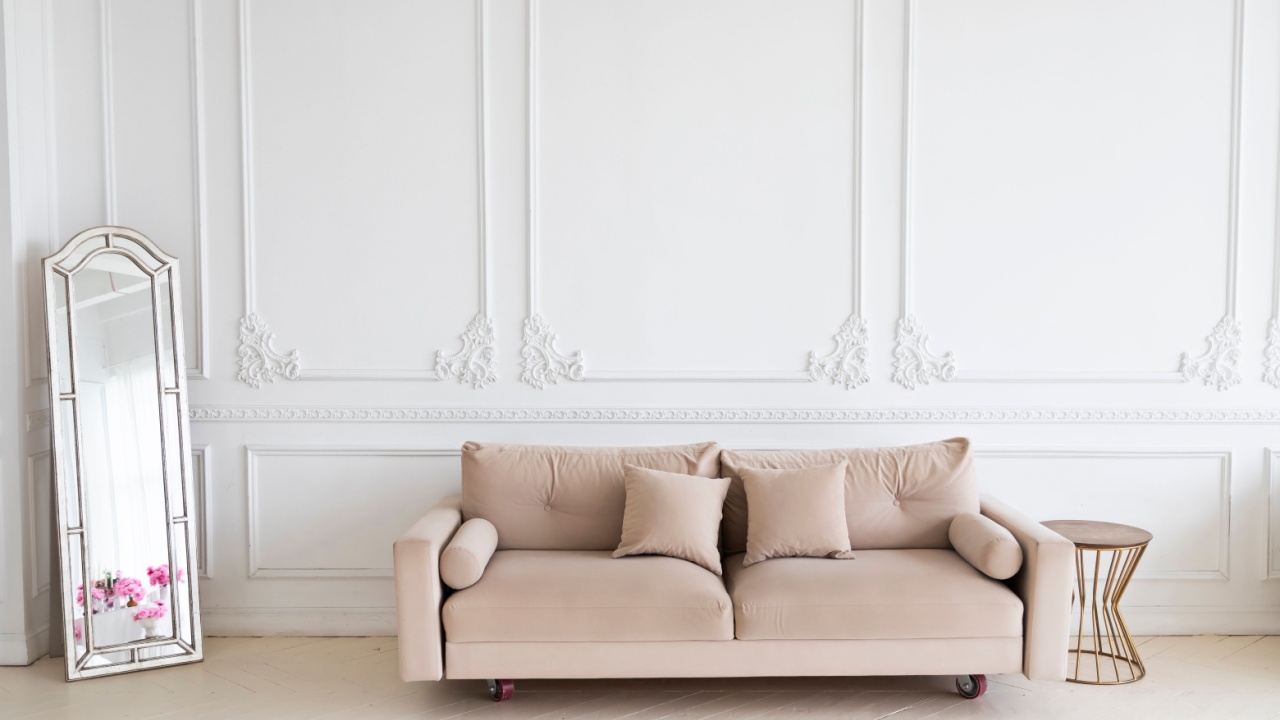
Architectural details like crown molding, baseboards, and window casings add a layer of sophistication that’s hard to replicate. They frame the room, providing clean lines and a sense of completeness. It’s the difference between a hastily drawn sketch and a masterpiece in a gallery frame. Molding draws the eye upward, making ceilings appear higher, while substantial baseboards ground the space with a look of quality construction.
Why it’s a good option:
- Adds architectural interest and character.
- Creates a polished, high-end appearance.
- It can conceal imperfections where walls meet floors and ceilings.
Next Steps:
- For a subtle effect, paint the trim the same color as the walls but in a different finish, like semi-gloss.
- For a bold statement, use a contrasting color that complements your wall paint and decor.
- Hire a professional for complex jobs like crown molding to get clean cuts and seamless joints.
2. Window Treatments
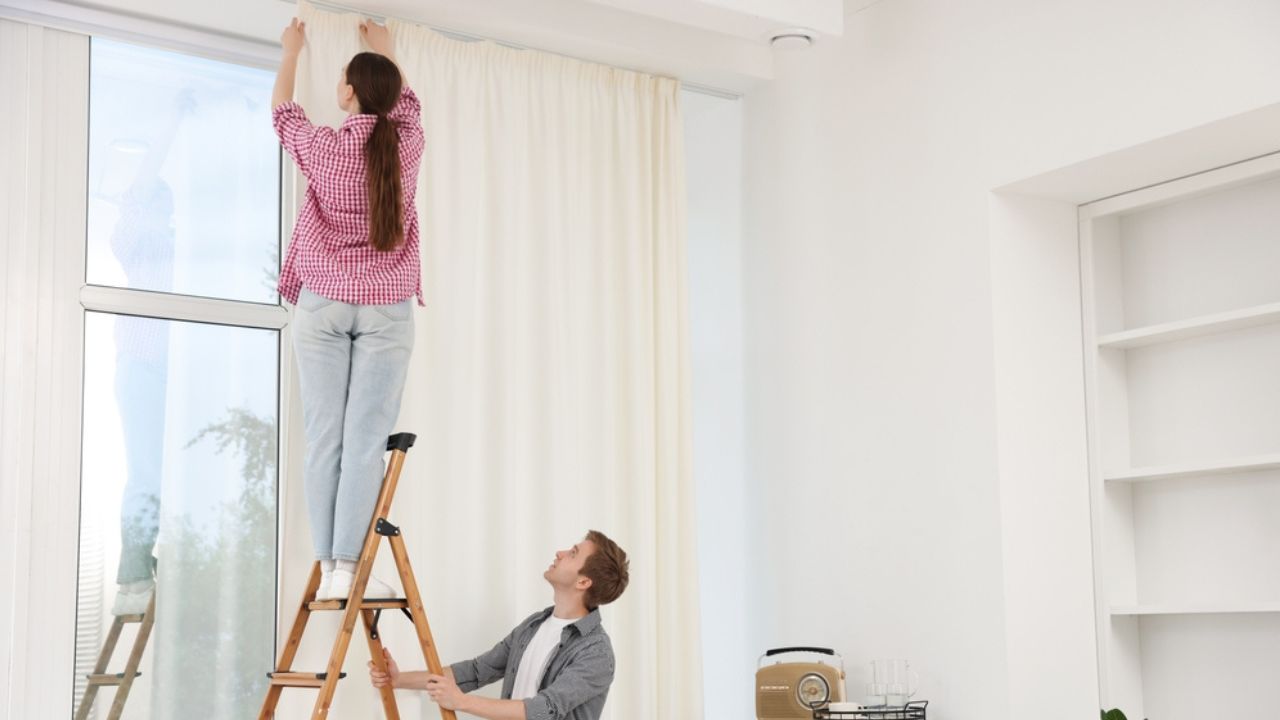
Bare windows can leave a room feeling exposed and unfinished. Window treatments like curtains, blinds, or shades offer privacy, light control, and a major opportunity for adding color, pattern, and texture. Drapes can soften the hard edges of a window frame, while a Roman shade offers a clean, tailored look. The right choice can make a window appear larger and a room feel more put-together.
Why it’s a good option:
- Controls natural light and adds privacy.
- Introduces softness, color, and texture.
- It can visually alter the proportions of a window or room.
Next Steps:
- Hang curtain rods high and wide—several inches above and beyond the window frame—to create an illusion of height and width.
- Choose a fabric that suits the room’s function. Lightweight linens work well for a breezy, light-filtering effect, while heavier velvets or lined drapes provide better insulation and room darkening.
- Layer treatments, like pairing bamboo blinds with fabric curtains, for added dimension and versatility.
3. Rugs: Size, Material, and Placement
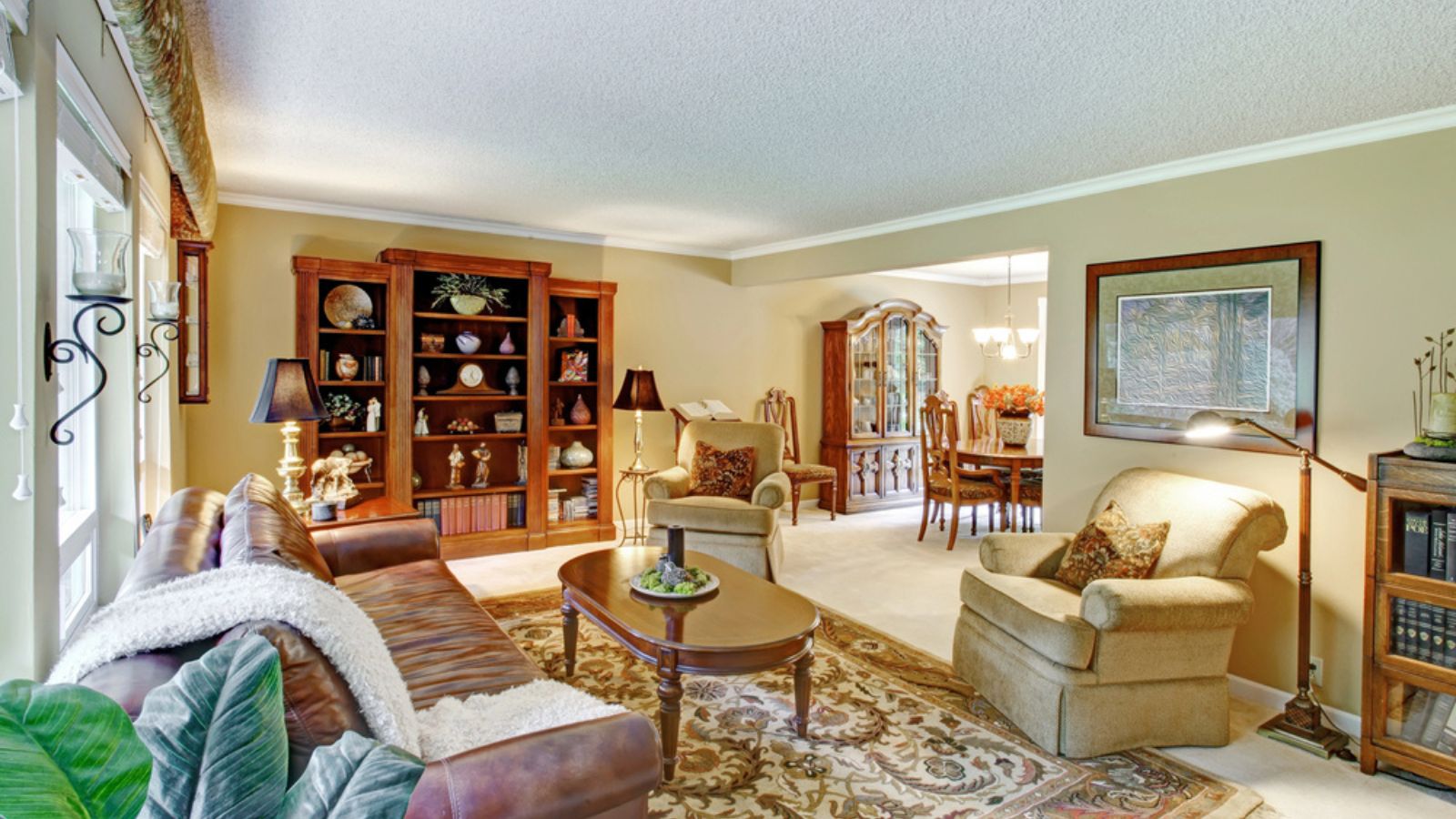
A rug can define a seating area, add warmth underfoot, and tie all your furniture pieces together into a unified whole. The most common misstep is choosing a rug that’s too small. An undersized rug can make a room feel disjointed and smaller than it is. The proper rug size will anchor the furniture and create a sense of cohesion.
Why it’s a good option:
- Defines zones within an open-concept space.
- Adds texture, color, and pattern to the floor.
- Absorbs sound, making a room quieter.
Next Steps:
- A good rule of thumb for living rooms is to have at least the front legs of all major furniture pieces on the rug. In a dining room, the rug should be large enough that chairs remain on it even when pulled out.
- Consider the material based on the room’s traffic. Natural fibers like wool are durable and soft, while synthetics are often stain-resistant and budget-friendly. Jute and sisal add great texture but can be rougher underfoot.
- Use a rug pad to prevent slipping and add extra cushion.
4. Artwork and Wall Styling
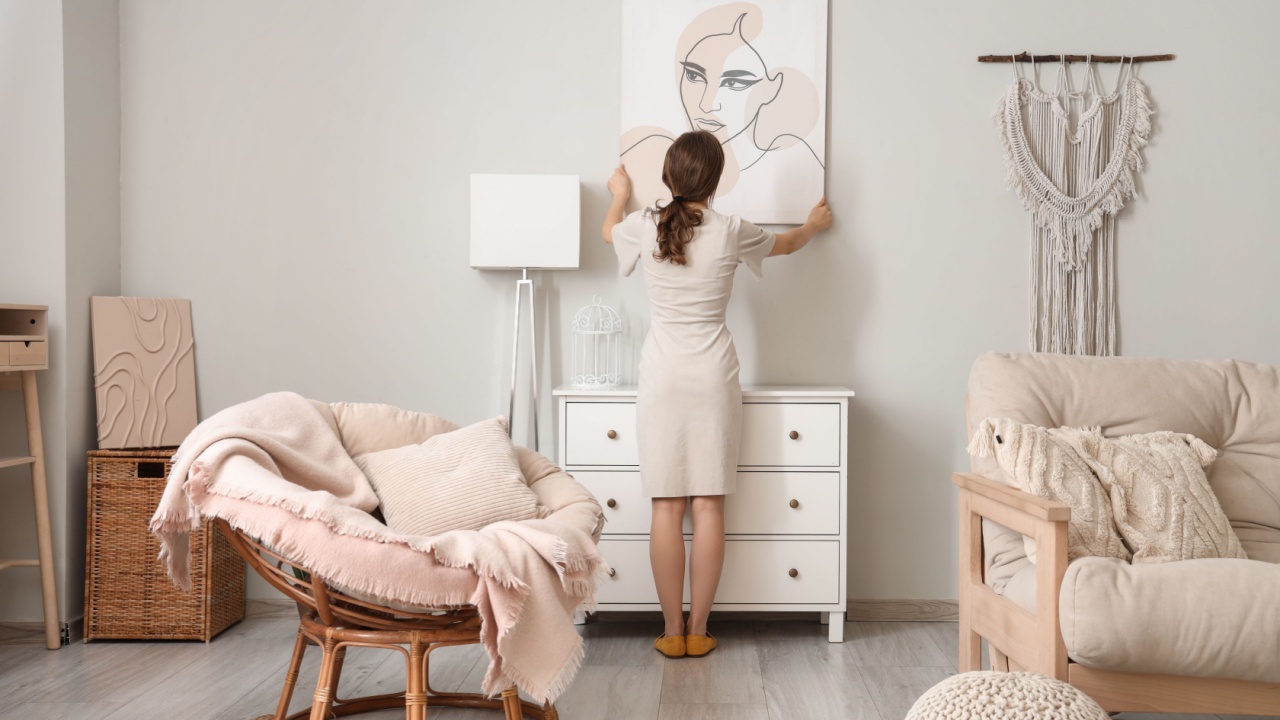
Blank walls are a clear sign of an incomplete room. Art, photos, and mirrors are the soul of a space, reflecting the personality of those who live there. A gallery wall of family photos, a single large-scale painting, or an arrangement of mirrors can serve as a stunning focal point. This is your chance to tell a story and make the space uniquely yours.
Why it’s a good option:
- Injects personality and color into a room.
- Creates a focal point and conversation starter.
- Mirrors can make a space feel larger and brighter by reflecting light.
Next Steps:
- When hanging art above furniture, aim for the bottom of the frame to be 6-8 inches above the piece.
- For a gallery wall, lay out your arrangement on the floor first. Use paper templates cut to the size of your frames to test the layout on the wall before making any holes.
- Don’t limit yourself to just pictures. Woven wall hangings, decorative plates, or even architectural salvage can make for interesting wall decor.
5. Lighting Layers and Statement Pieces

A single overhead light fixture rarely does a room justice. A well-lit space uses a layered approach: ambient (general lighting), task (for specific activities like reading), and accent (to highlight features). Beyond function, lighting fixtures are also decorative elements. A striking chandelier or a sculptural floor lamp can act as jewelry for the room.
Why it’s a good option:
- Creates a functional and inviting atmosphere.
- Allows you to adjust the mood of the room for different occasions.
- Statement fixtures can serve as a form of art.
Next Steps:
- Install dimmer switches on your main light sources. This gives you complete control over the brightness and mood.
- Aim for at least three sources of light in each room, such as a ceiling fixture, a floor lamp, and a table lamp.
- Choose bulbs with the right color temperature. Warm white (2700K-3000K) is generally best for living areas and bedrooms, creating a welcoming glow.
6. Textiles: Throws, Pillows, and Blankets

Textiles are the easiest and most affordable way to add layers of comfort and style. A few well-chosen throw pillows can revive a tired sofa, and a soft blanket draped over a chair invites you to sit and stay a while. These elements are your opportunity to experiment with texture, pattern, and color without a big commitment.
Why it’s a good option:
- Adds visual softness and physical comfort.
- Easy to swap out seasonally or when you want a change.
- Introduces color and pattern in manageable doses.
Next Steps:
- Mix different textures, such as velvet, linen, wool, and faux fur, for a rich, layered look.
- Vary the size and shape of your pillows to create more visual interest than a row of identical squares.
- Don’t just place pillows perfectly. A slightly casual arrangement feels more authentic and lived-in.
7. Hardware and Fixtures
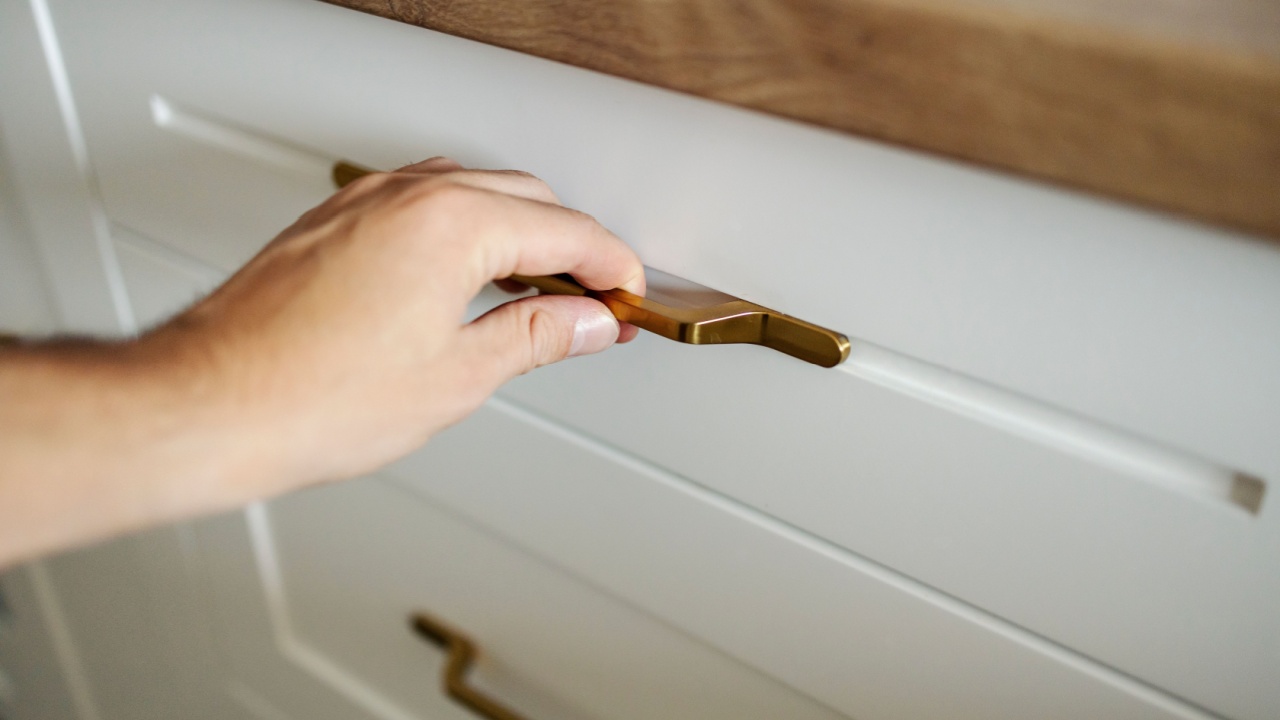
Small details can make a big impact. Builder-grade cabinet pulls and doorknobs are often overlooked, but upgrading them can instantly elevate the look of a room. Take hardware as the buttons on a well-made coat; the right choice completes the garment. Swapping out these functional items for something with more style is a simple project with a high return on polish.
Why it’s a good option:
- Provides a custom, high-end look for a small investment.
- Unifies the metallic finishes throughout a room.
- A simple DIY project that can be done in an afternoon.
Next Steps:
- Choose a finish that complements other elements in the room, such as lighting fixtures or faucets. Brass, matte black, and nickel are popular choices.
- Carry a consistent finish throughout the space for a cohesive feel.
- Remember to replace hinge hardware on doors and cabinets for a truly complete look.
8. Organic Elements
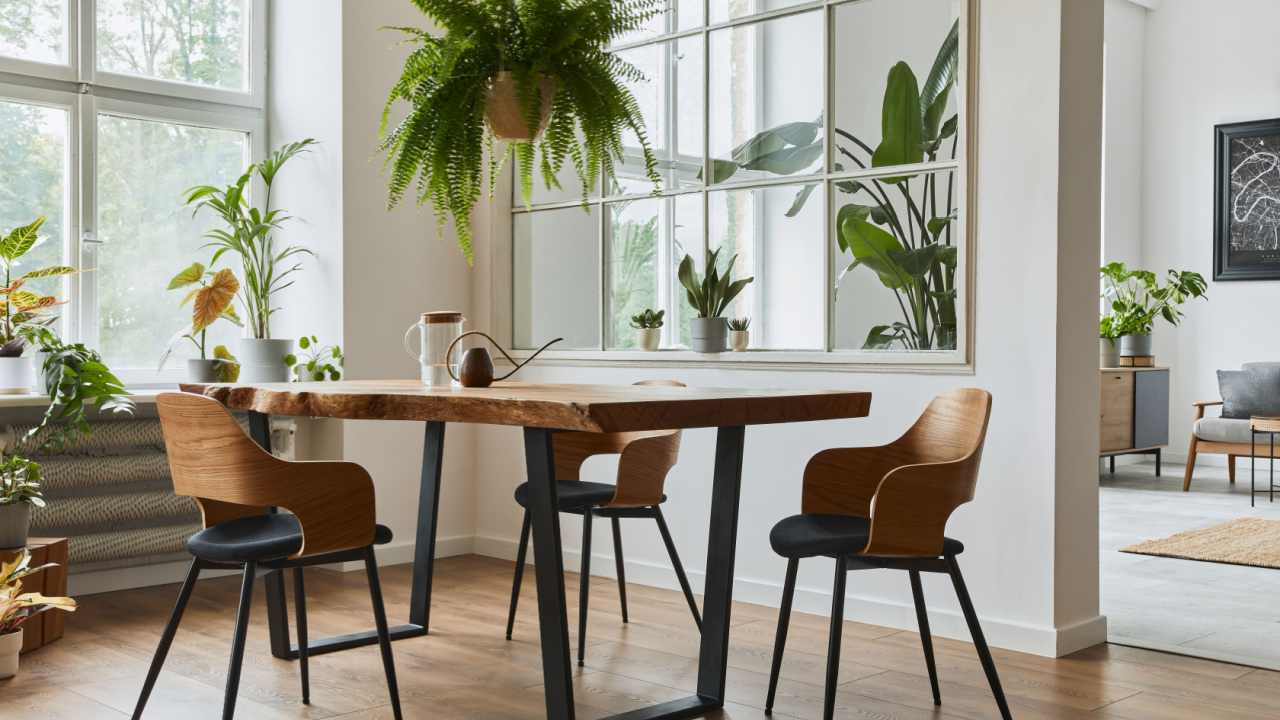
Bringing a touch of nature indoors breathes life into a room. Plants can act as decor; flowers and natural materials like wood and stone connect a space to the outdoors and prevent it from feeling sterile. Even a simple branch in a vase or a bowl of river rocks can add an organic, sculptural element that softens the hard lines of furniture and architecture.
Why it’s a good option:
- Adds life, color, and texture.
- Houseplants can improve air quality.
- Natural elements create a calming, grounding atmosphere.
Next Steps:
- Select plants based on the light conditions in your room. Snake plants and ZZ plants are famously low-maintenance for beginners.
- Use a variety of planters in different materials, sizes, and heights to create a dynamic display.
- If you lack a green thumb, high-quality faux plants or dried botanicals like eucalyptus or pampas grass can provide a similar effect without the upkeep.
9. Decorative Details
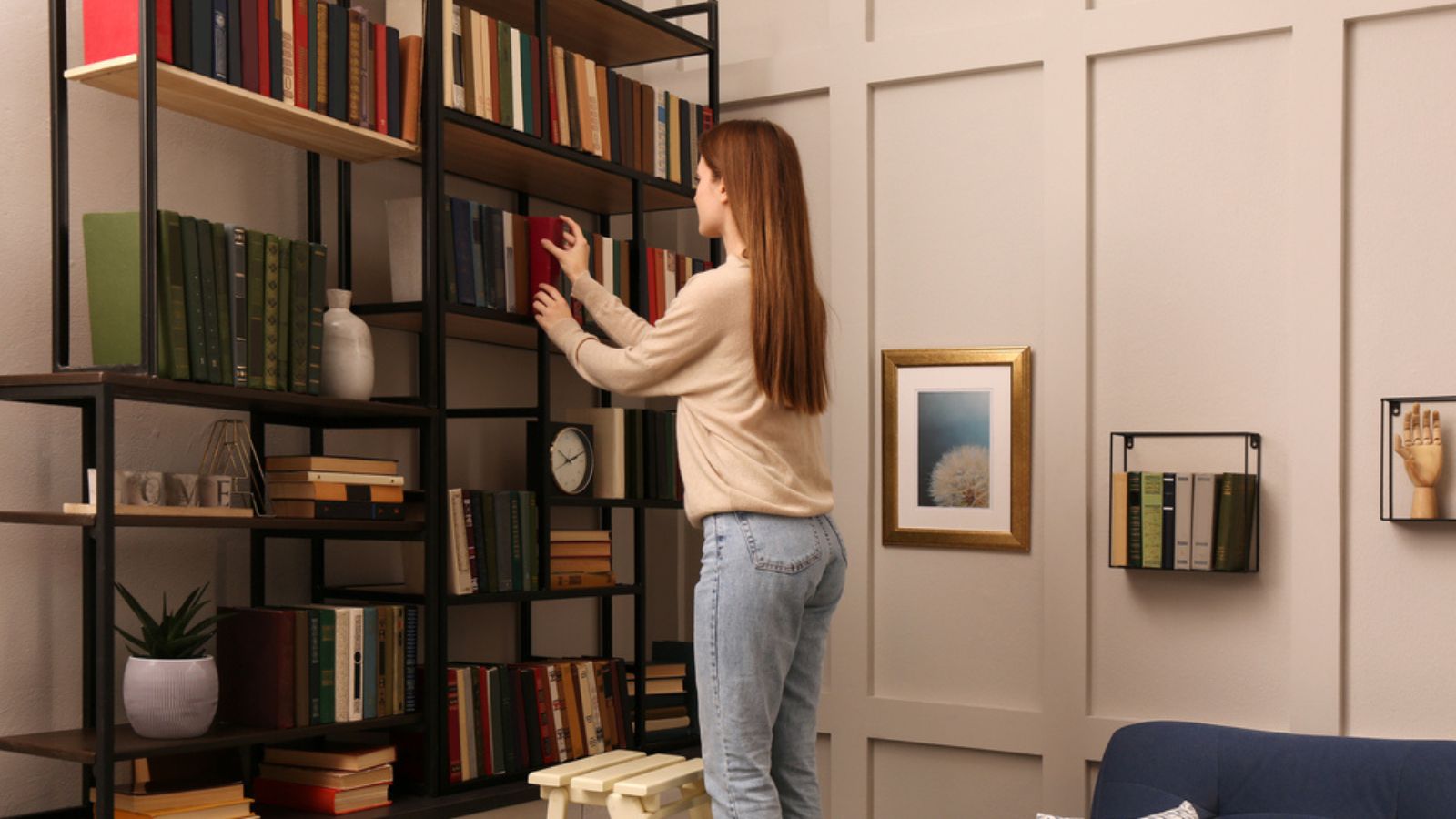
This is where you showcase your personality. These are the houseplants, books on the coffee table, the curated objects on a shelf, and the special tray on a dresser. These small collections tell your story and make a house feel like a home. Without them, a room can feel like a generic showroom. Styling surfaces with meaningful or beautiful objects is the final layer of personalization.
Why it’s a good option:
- Makes a space feel personal and unique.
- Offers a chance to display collections and treasured items.
- Fills empty surfaces with interest and style.
Next Steps:
- Style in odd numbers, particularly groups of three, for a visually pleasing arrangement.
- Vary the height, shape, and texture of objects on a surface to create a balanced composition.
- Use trays to corral smaller items on a coffee table or ottoman, making the collection feel intentional rather than cluttered.
10. Add Some Scent
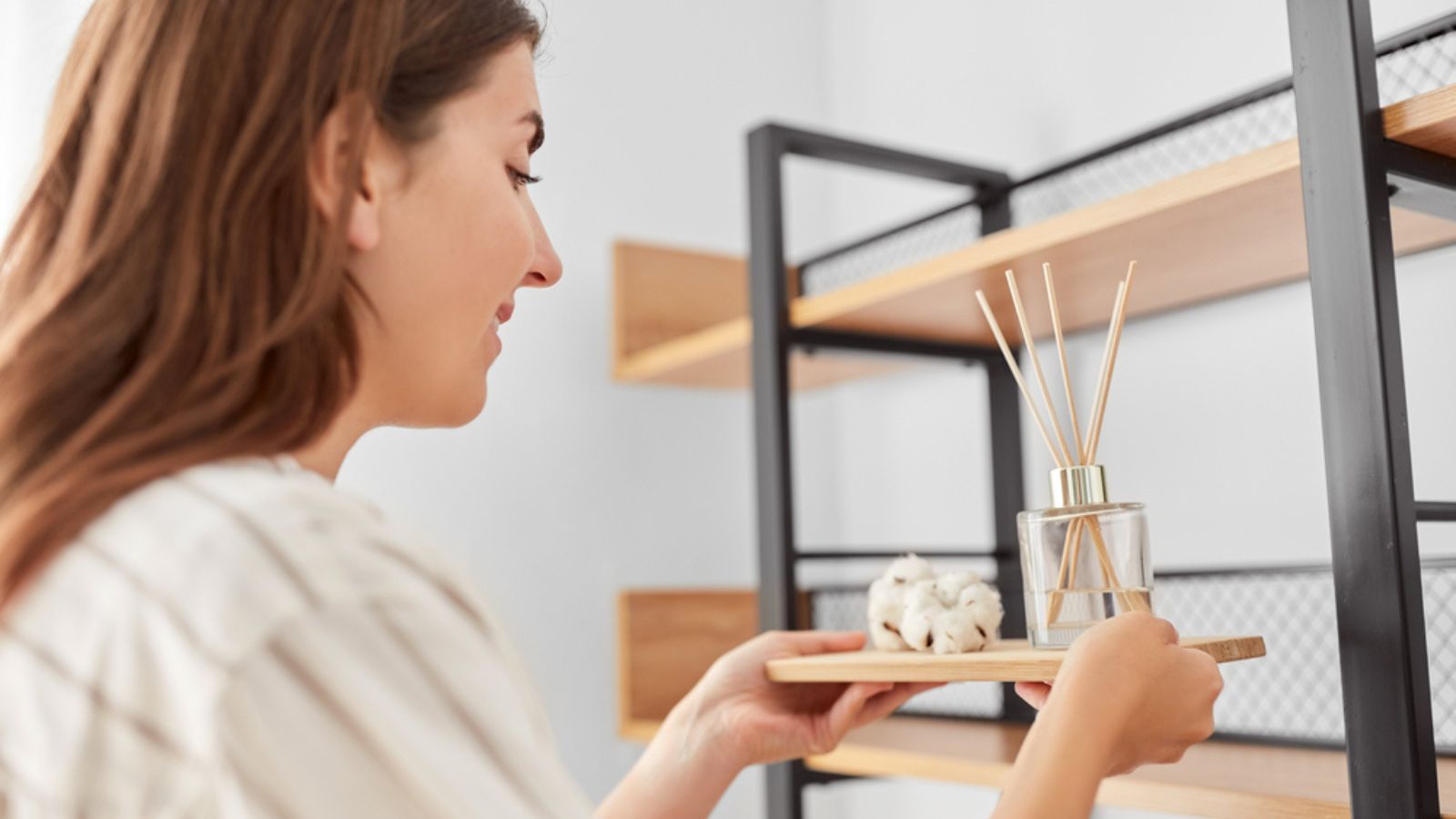
How a room feels is about more than just what you see. Scent is powerfully tied to memory and mood, and a signature fragrance can make your home instantly recognizable and welcoming. Be it from a candle, a diffuser, or fresh flowers, a pleasant scent is an invisible finishing touch that completes the sensory experience of a room. Use these to make your house smell great all year round.
Why it’s a good option:
- Creates a welcoming and memorable environment.
- It can mask unpleasant odors.
- Helps to define the mood of a space—calming lavender for a bedroom, or uplifting citrus for a living area.
Next Steps:
- Choose a scent that complements the season or the style of your home. Woody and spicy scents feel right in the fall, while light floral or citrus notes are great for spring.
- Reed diffusers offer a constant, subtle fragrance without an open flame.
- Be mindful not to overdo it. A gentle, background scent is more pleasant than an overpowering one.
11. Upgraded Switch Plates
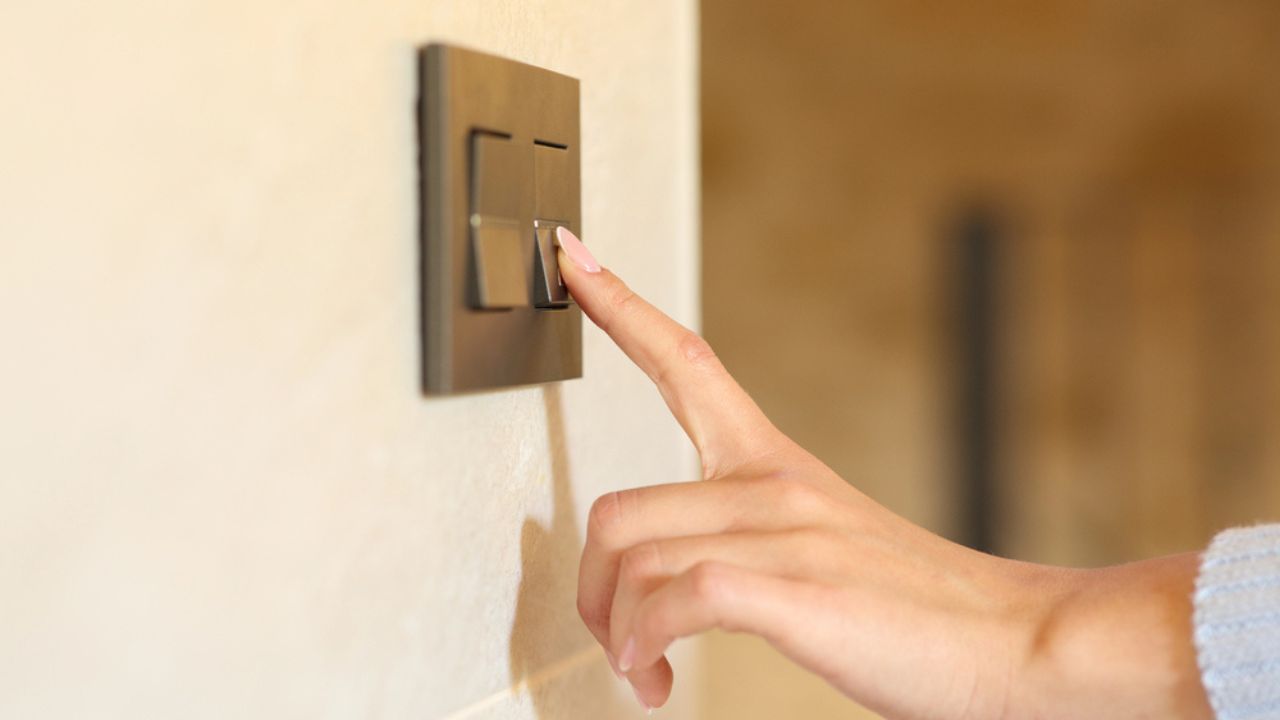
Often overlooked, standard plastic switch plates are a missed opportunity for a final touch of polish. Upgrading to metal, wood, or ceramic plates adds a small but noticeable detail of quality. It’s a subtle upgrade that signals attention to detail and a commitment to a cohesive design.
Why it’s a good option:
- A simple way to add a touch of luxury.
- Coordinates with other hardware and fixtures in the room.
- Shows that every detail has been considered.
Next Steps:
- Match the finish of your switch plates to your doorknobs and cabinet hardware for a unified look.
- Consider screwless plates for a super clean and modern aesthetic.
- This is an inexpensive upgrade that can be done room by room as your budget allows.
12. Smart Cable Management

A beautifully decorated room can be instantly undermined by a visible tangle of cords and cables. Hiding wires from TVs, lamps, and electronics is a crucial step for a clean, uncluttered look. A mess of cables creates visual noise and makes a space feel chaotic and unfinished.
Why it’s a good option:
- Creates a clean, organized, and streamlined appearance.
- Reduces visual clutter, making the room feel more peaceful.
- Eliminates tripping hazards and makes cleaning easier.
Next Steps:
- Use cord concealers that can be painted to match your wall color to make them nearly disappear.
- Bundle cables together with zip ties or velcro straps and secure them to the back of furniture.
- Invest in furniture with built-in cable management or look for decorative boxes to hide power strips and chargers.
From Almost Done to Truly Finished

Crossing the finish line in decorating is about layering in these final details that bring a room to life. Look around your space and identify the areas that may be lacking.
Perhaps the windows are bare, or a tangled mess of cords is distracting from your beautiful media console. Upgrade your light switch plates, find the perfect rug, or simply buy a new plant. Each small addition builds upon the last, gradually transforming your room from a collection of furniture into a polished and personal sanctuary.