
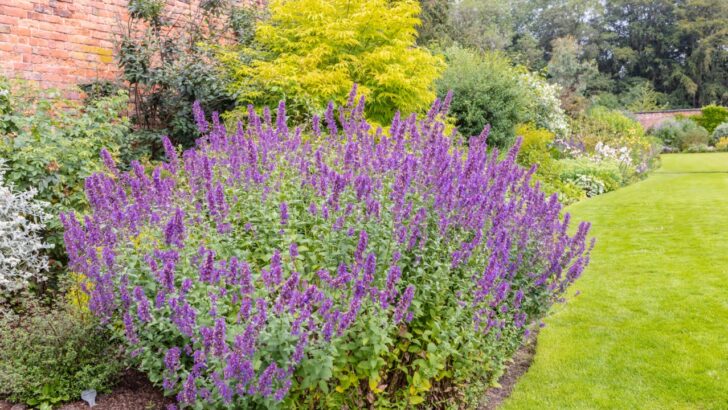
An eye-catching garden bed features plants of different sizes, shapes, and textures. While we often focus on the “thriller” plants, the show-stopping centerpiece blooms, a garden can feel sparse and disconnected without the right supporting cast.
This is where filler plants come in. These hardworking plants are the secret to creating a full, lush, and professional-looking landscape. They don’t just occupy space; they add layers of color, create a seamless flow between larger plants, suppress weeds, and provide continuous interest throughout the seasons. Choosing the right fillers will transform your garden from a simple collection of plants into a cohesive, vibrant ecosystem.
Let’s explore 15 excellent options that can add depth, dimension, and long-lasting beauty to your flowerbeds, sourced from and fact-checked by University horticulture extensions and other gardening experts.
1. Sweet Alyssum (Lobularia maritima)
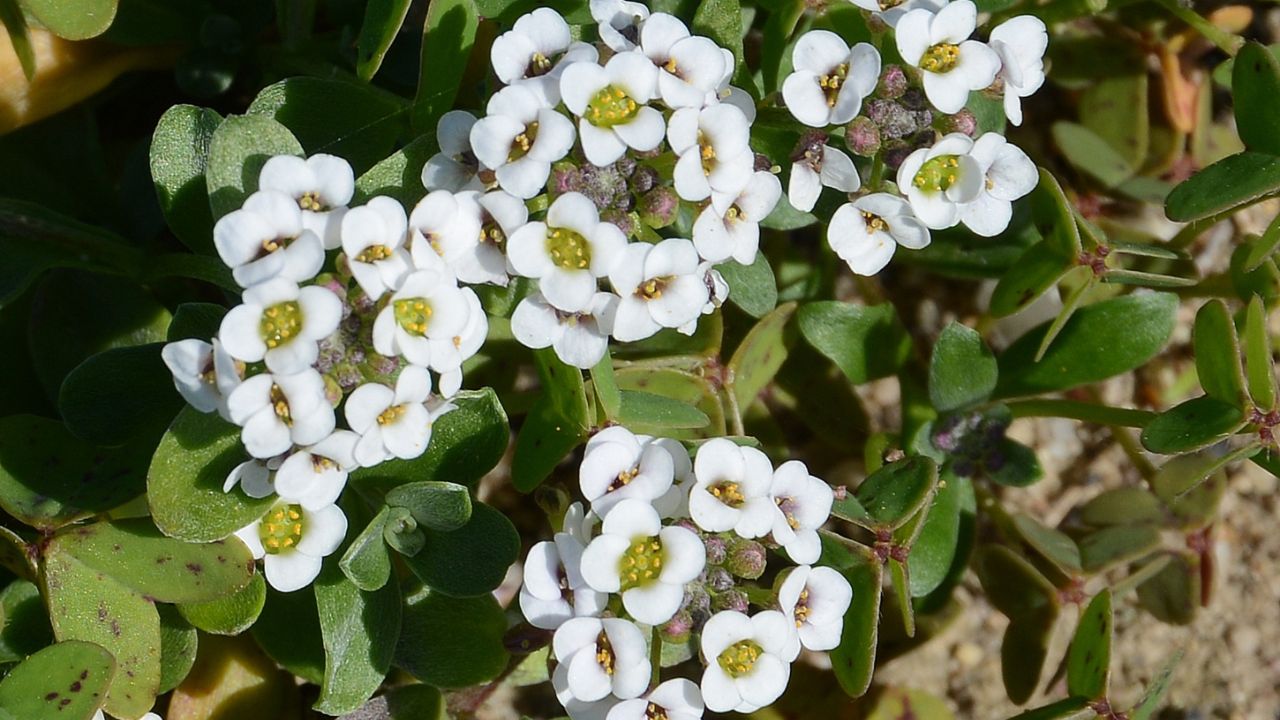
Image Credit: Alvesgaspar – Own work – CC BY-SA 4.0/Wiki Commons.
Sweet Alyssum is a delicate-looking but surprisingly tough annual that excels at filling the front of a border or spilling over the edges of containers. It forms a low-growing mat of foliage covered in dense clusters of tiny, fragrant flowers. The honey-like scent is a delightful bonus, attracting bees and other beneficial insects.
This plant is a fantastic choice because it blooms profusely from spring until the first hard frost, providing a long season of color. Its fine texture contrasts beautifully with plants that have larger leaves or bolder flowers. Use it to soften hard edges, fill gaps between stepping stones, or as a living mulch under taller plants like roses.
Care at a Glance:
- Sunlight: Full sun to partial shade. In very hot climates, it appreciates some afternoon shade.
- Soil: Prefers well-drained soil but is adaptable to various soil types.
- Water: Keep consistently moist, especially in hot weather.
- Tips: If blooming slows in mid-summer, give it a light trim (shear it back by about one-third) to encourage a fresh flush of growth and flowers. It often reseeds, so you may find new plants popping up the following year.
2. Catmint (Nepeta)
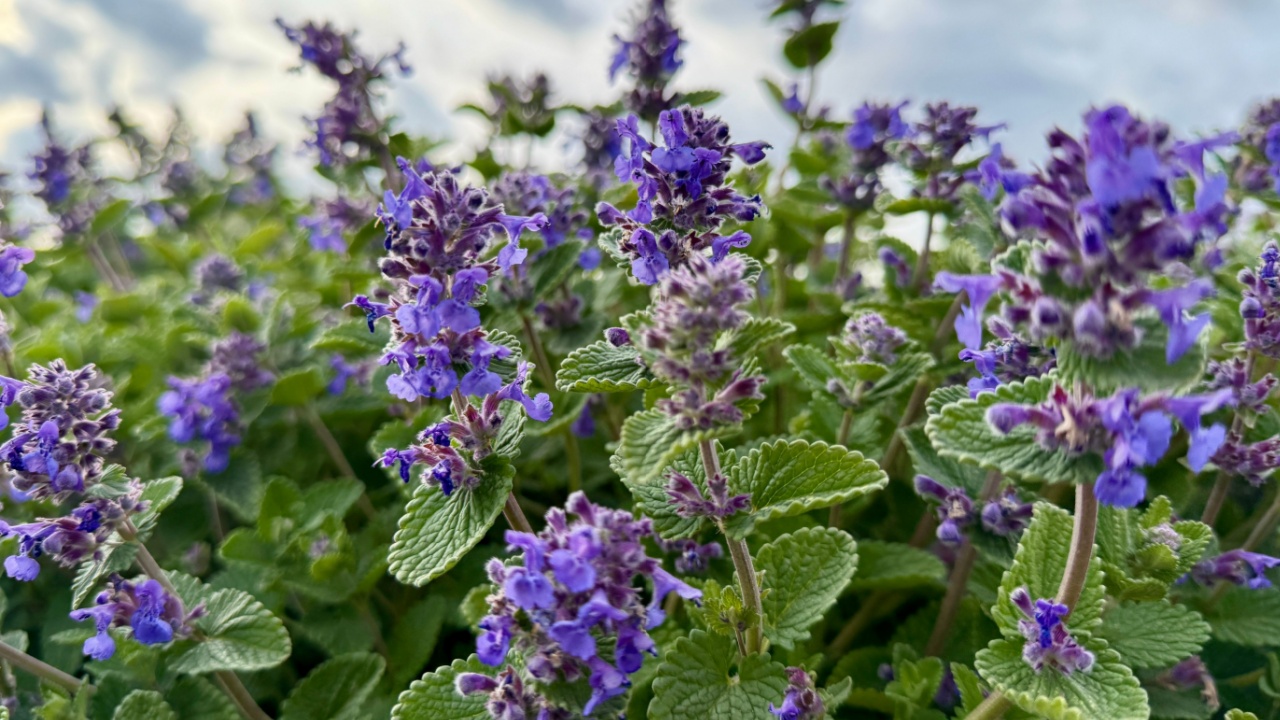
Image Credit: Shutterstock.
Catmint is a reliable and versatile perennial that offers a long season of interest with minimal effort. Its soft, gray-green, aromatic foliage creates a beautiful mound, which is topped with spires of lavender-blue flowers from late spring through summer. It has a slightly wild, informal feel that works perfectly in cottage gardens and naturalistic plantings.
It’s an excellent filler because its bushy, mounding habit easily fills in medium-sized gaps. It’s incredibly drought-tolerant once established, making it a star performer in hot, sunny spots where other plants might struggle. Plus, pollinators like bees and butterflies absolutely love it.
Care at a Glance:
- Sunlight: Full sun is best for the most compact growth and profuse flowering.
- Soil: Thrives in average, well-drained soil. It is not fussy about soil fertility.
- Water: Water regularly until established, then it becomes very drought-tolerant.
- Tips: Shear the plant back after its first major flush of blooms to promote a second wave of flowers later in the season. Varieties like ‘Walker’s Low’ are sterile and won’t self-seed aggressively.
3. Lamb’s Ear (Stachys byzantina)
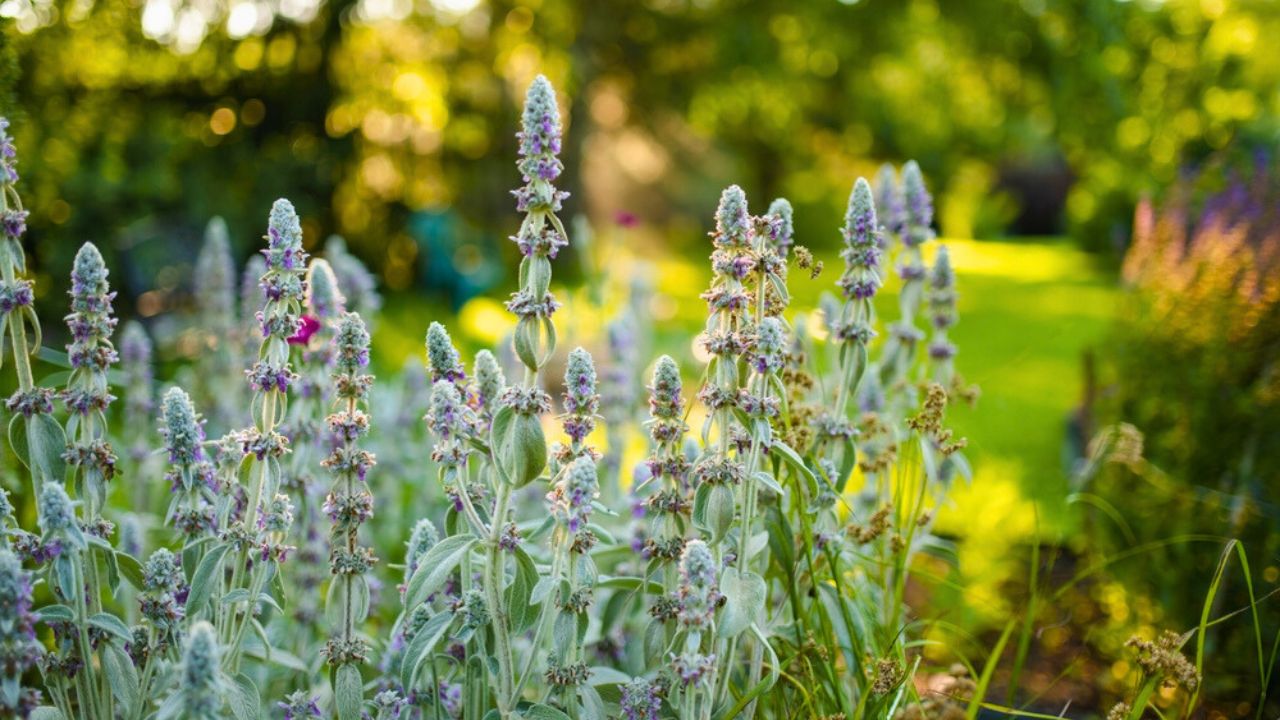
Image Credit: Shutterstock.
Valued more for its foliage than its flowers, Lamb’s Ear is a must-have for adding unique texture to the garden. Its name says it all—the leaves are thick, soft, and fuzzy, just like a lamb’s ear. The silvery-gray color of the foliage provides a stunning cool-toned contrast to the bright greens and vibrant flower colors of other plants.
As a filler, Lamb’s Ear excels as a ground cover, forming a dense, weed-suppressing mat. It’s perfect for lining pathways or filling the space at the feet of taller perennials and shrubs. Its unique texture and color make it a brilliant design tool for breaking up swathes of green.
Care at a Glance:
- Sunlight: Full sun to partial shade.
- Soil: Requires excellent drainage. It is prone to rot in soggy, heavy soil.
- Water: Drought-tolerant once established. Avoid overhead watering, which can trap moisture in the fuzzy leaves.
- Tips: In humid climates, the lower leaves may rot. Simply pull them off to improve air circulation. Some varieties produce tall spikes of magenta flowers; you can leave them for pollinators or cut them off to focus energy on the foliage.
4. Lantana

Image Credit: Depositphotos.com.
For a blast of continuous, vibrant color in the hottest parts of your garden, Lantana is unbeatable. This tough plant produces clusters of small flowers that often change color as they age, creating a multi-toned effect. Colors range from fiery oranges and reds to soft yellows, pinks, and lavenders.
Lantana is a superb filler for sunny, dry areas. Its dense, shrubby growth habit can quickly fill large spaces with a mound of color. Trailing varieties are excellent for spilling over walls or from hanging baskets. It’s also a magnet for butterflies and hummingbirds, adding life and movement to your garden beds.
Care at a Glance:
- Sunlight: Full, hot sun.
- Soil: Adapts to most soils but needs good drainage.
- Water: Water regularly after planting, but it is extremely drought-tolerant once established.
- Tips: In colder zones (below Zone 9), Lantana is treated as an annual. In warmer climates, it acts as a perennial shrub that may need cutting back in late winter to control its size and encourage fresh growth.
5. Coral Bells (Heuchera)
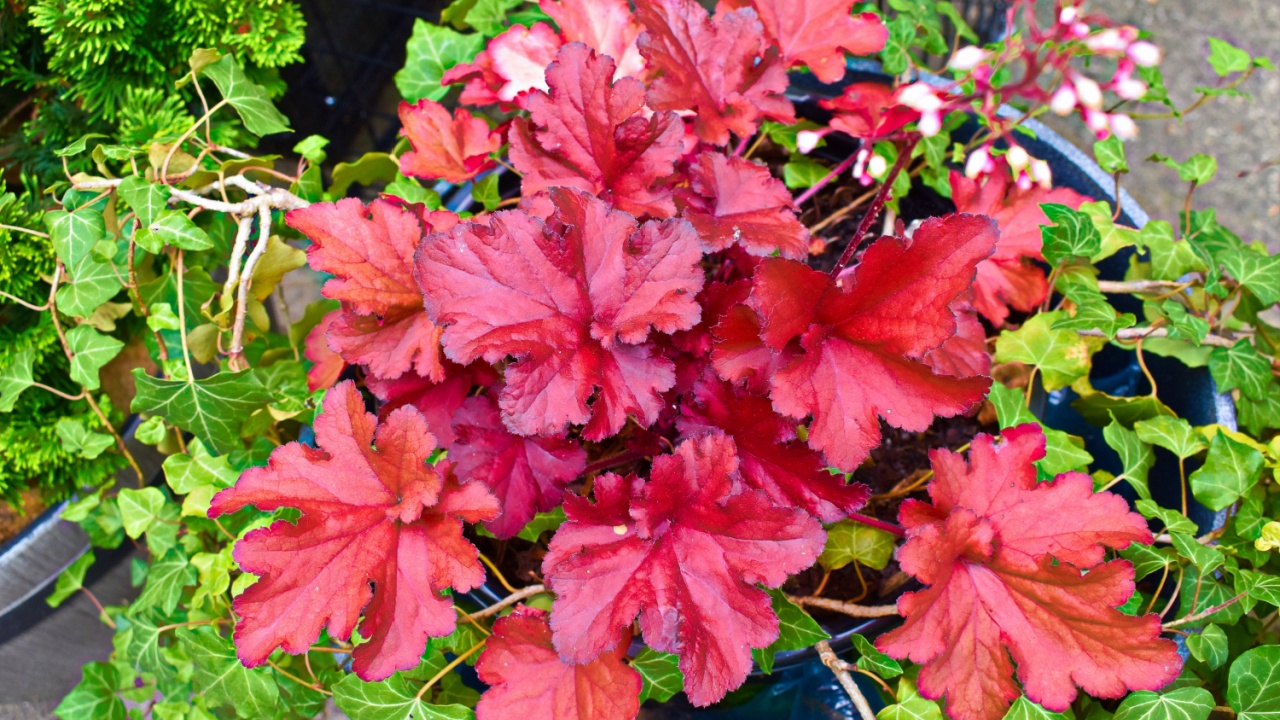
Image Credit: Shutterstock.
Coral Bells are the masters of foliage color. While they do send up delicate wands of bell-shaped flowers in spring or summer, their primary contribution is their stunning mounded foliage. Leaves come in an astonishing range of colors, from deep burgundy and near-black to bright chartreuse, amber, and silver-veiled green.
These perennials are perfect for filling in shady or semi-shady spots with a pop of season-long color. Their neat, mounding habit makes them ideal for the front of the border, for underplanting shrubs, or for creating colorful drifts in a woodland garden. They provide a beautiful textural contrast to ferns and hostas.
Care at a Glance:
- Sunlight: Partial shade is ideal. Some varieties tolerate more sun, especially in cooler climates, but the foliage color is often best with some protection.
- Soil: Rich, moist, and well-drained soil.
- Water: Needs consistent moisture but dislikes waterlogged soil.
- Tips: Divide the clumps every 3-4 years in the spring to rejuvenate them and prevent the woody center from becoming bare. Mulch in winter to protect the crowns from heaving out of the ground in freeze-thaw cycles.
6. Zinnias
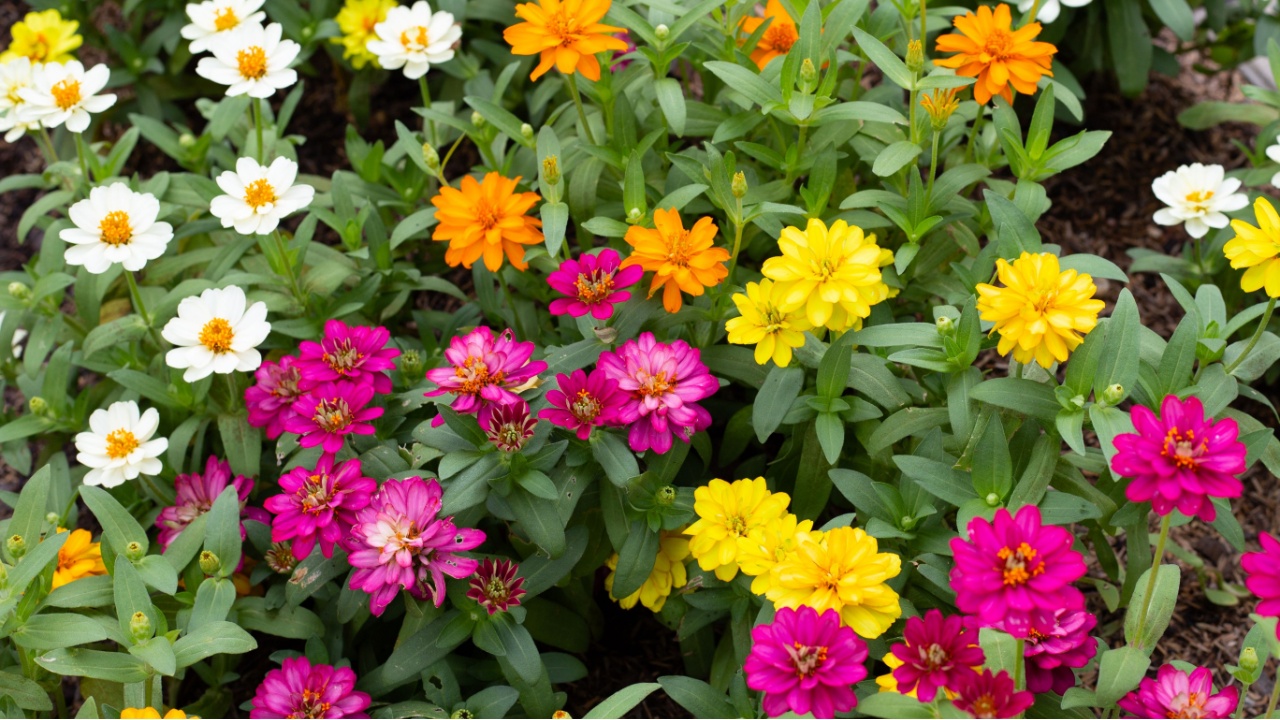
Image Credit: Shutterstock.
If you want instant impact and a summer-long flower factory, look no further than Zinnias. These easy-to-grow annuals come in a huge variety of sizes, forms, and nearly every color imaginable. From tall, dahlia-flowered types to low-growing, spreading varieties, there’s a Zinnia for every garden gap.
Zinnias are excellent fillers because they grow quickly from seed and put on a non-stop show until the first frost. They are perfect for filling empty spaces in a new perennial bed while you wait for the other plants to mature. Their cheerful, bold flowers are also fantastic for cutting and bringing indoors.
Care at a Glance:
- Sunlight: Full sun.
- Soil: Fertile, well-drained soil.
- Water: Water regularly, but allow the soil to dry slightly between waterings. Avoid wetting the leaves to prevent powdery mildew.
- Tips: Deadhead spent flowers regularly to encourage continuous blooming. For the best results, start seeds directly in the garden after the last frost date.
7. Geraniums (Pelargonium)
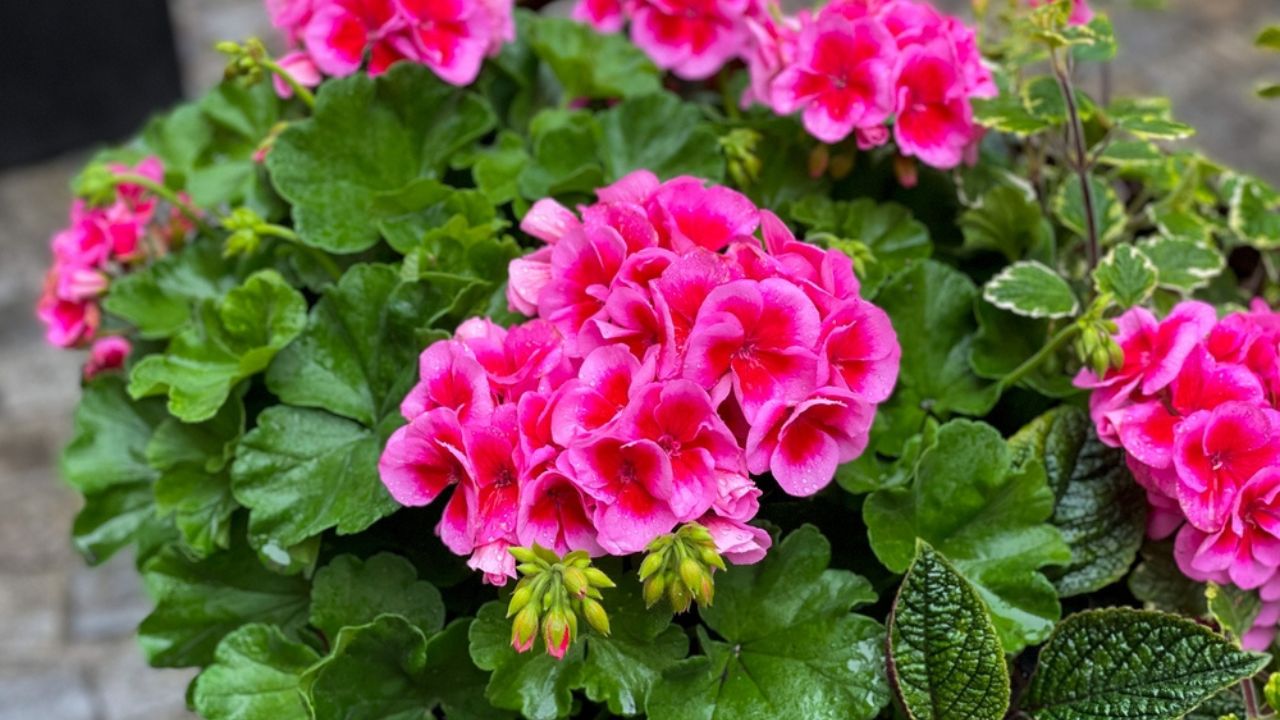
Image Credit: Shutterstock.
Often called annual Geraniums to distinguish them from perennial cranesbills, Pelargoniums are a classic choice for beds and containers. Their rounded clusters of flowers in shades of red, pink, white, and salmon provide reliable color all summer long. The foliage is often attractive as well, with some varieties featuring zoned or scented leaves.
Their bushy, upright habit makes them great for plugging holes in the middle of a border. They provide a substantial presence and a traditional, manicured look. They are incredibly versatile, thriving equally well in garden beds, window boxes, and hanging baskets.
Care at a Glance:
- Sunlight: At least 6 hours of full sun per day.
- Soil: Well-drained, moderately fertile potting mix or garden soil.
- Water: Water thoroughly when the top inch of soil feels dry. They are somewhat drought-tolerant but perform best with consistent moisture.
- Tips: Snap off spent flower stalks at the base to keep the plants looking tidy and to promote more blooms. You can easily overwinter geraniums indoors by taking cuttings or bringing the whole plant inside before the first frost.
8. Sedum (Stonecrop)
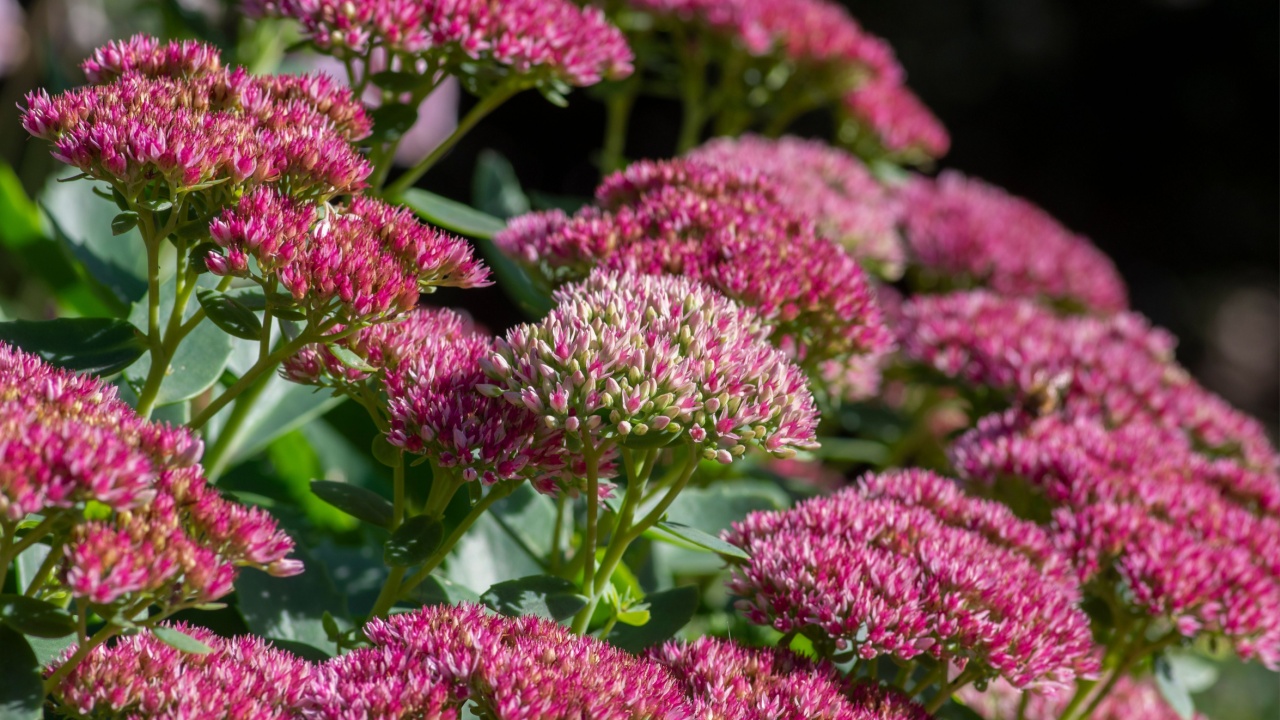
Image Credit: Shutterstock.
Sedum is a large and diverse group of succulents that includes low-growing ground covers and taller, upright varieties like ‘Autumn Joy’. All are known for their fleshy leaves and incredible toughness. They are champions of hot, dry, and sunny spots.
Upright Sedums are fantastic fillers for late-season interest. Their broccoli-like flower heads emerge in mid-summer and slowly open into large plates of pink, red, or white flowers in the fall, attracting droves of butterflies. The flower heads dry on the plant and provide structure and interest well into winter. Low-growing sedums form dense mats that are perfect for rock gardens or the front of a dry border.
Care at a Glance:
- Sunlight: Full sun.
- Soil: Requires sharply-drained soil. They will rot in heavy, wet conditions.
- Water: Extremely drought-tolerant once established.
- Tips: Don’t fertilize Sedum; rich soil can cause them to become floppy. To prevent taller varieties from splaying open, you can cut them back by half in late spring.
9. Petunias

Image Credit: Shutterstock.
Petunias are powerhouse annuals, famous for their ability to produce a cascade of trumpet-shaped flowers all season long. Modern hybrids are more vigorous and weather-resistant than ever, with “spreading” types like Wave Petunias able to cover a large area with a single plant.
They are ideal for quickly filling in bare spots with a blanket of color. Use them at the front of a bed, to trail over a retaining wall, or to fill an entire container with their blooms. With a rainbow of colors and patterns available, you can create any look you desire.
Care at a Glance:
- Sunlight: Full sun for best flowering.
- Soil: Fertile, well-drained soil. They are heavy feeders.
- Water: Keep consistently moist. Spreading types, in particular, are thirsty plants.
- Tips: For peak performance, feed them with a liquid fertilizer every few weeks. While many newer varieties are “self-cleaning” (don’t require deadheading), an occasional trim in mid-summer can reinvigorate a tired-looking plant.
10. Marigolds (Tagetes)
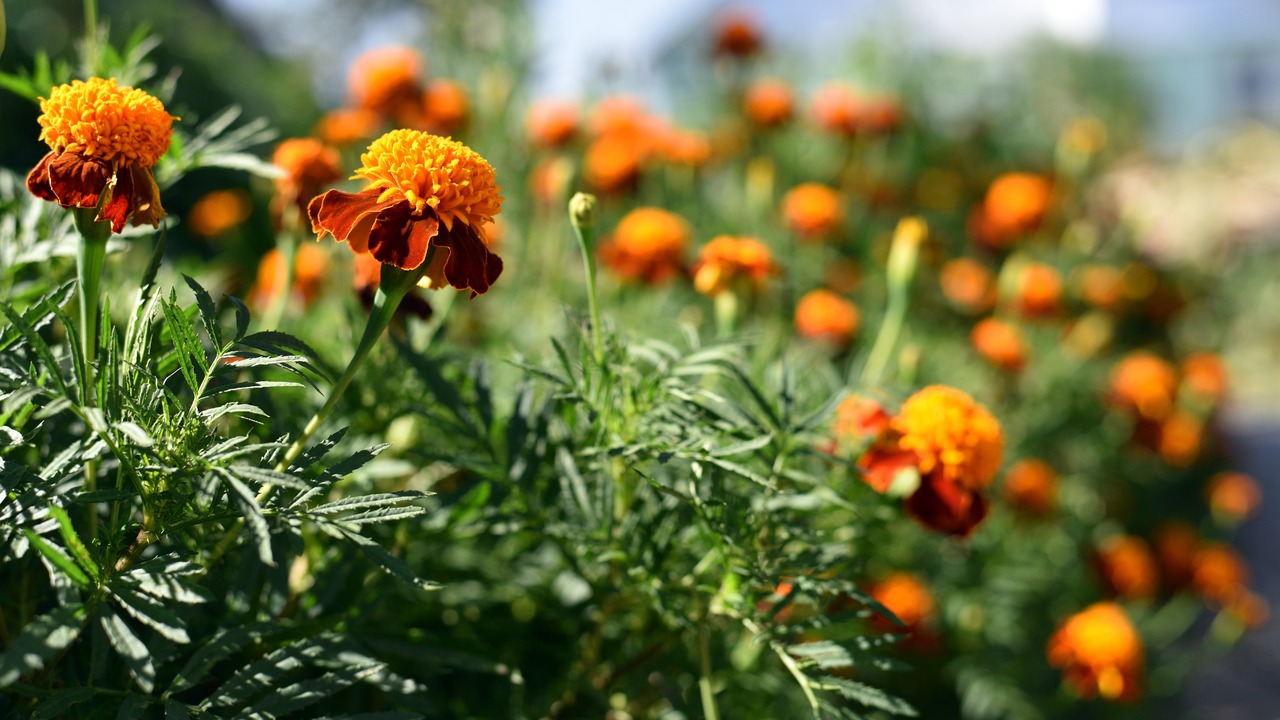
Image Credit: Shutterstock.
Marigolds are cheerful, reliable, and incredibly easy to grow. These annuals offer bright pom-poms of yellow, orange, and mahogany red from summer until frost. Their fern-like foliage has a distinct pungent scent that is known to deter some garden pests and nematodes in the soil.
Their bushy, compact growth makes them a perfect filler and edger for vegetable gardens and flower beds alike. They provide a dense block of color and can help protect neighboring plants. They are one of the most forgiving annuals for beginner gardeners.
Care at a Glance:
- Sunlight: Full sun.
- Soil: Adaptable to most garden soils but prefers good drainage.
- Water: Water at the base of the plant to keep foliage dry. They are quite tolerant of heat and dry spells once established.
- Tips: Deadheading is key to keeping marigolds blooming prolifically. Pinching off the first few buds on young plants can encourage bushier growth.
11. Dianthus (Pinks)
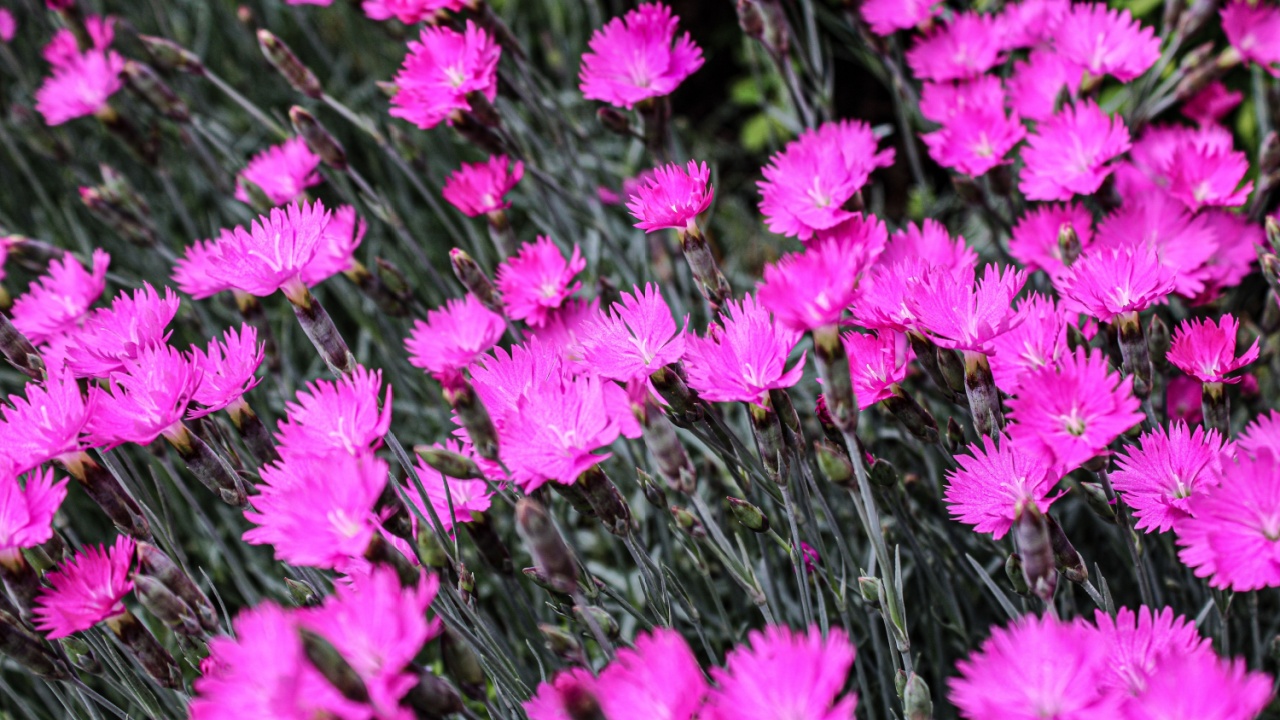
Image Credit: Shutterstock.
Dianthus, also known as “Pinks,” offers a charming, old-fashioned feel. The family includes annual, biennial, and perennial types, but most form low-growing mounds of grassy, blue-green foliage. They produce an abundance of fringed flowers, often with a spicy clove-like fragrance, in shades of pink, red, and white.
Perennial dianthus is an excellent filler for the front of a sunny border or rock garden. Its neat foliage looks good even when not in bloom, and its long bloom time in spring and early summer fills the gap between early bulbs and summer superstars.
Care at a Glance:
- Sunlight: Full sun.
- Soil: Must have well-drained, alkaline to neutral soil.
- Water: Water when dry; they dislike being constantly wet.
- Tips: After the main flush of flowers, shear the plants back to encourage reblooming and maintain a tidy shape.
12. Black-Eyed Susan (Rudbeckia)
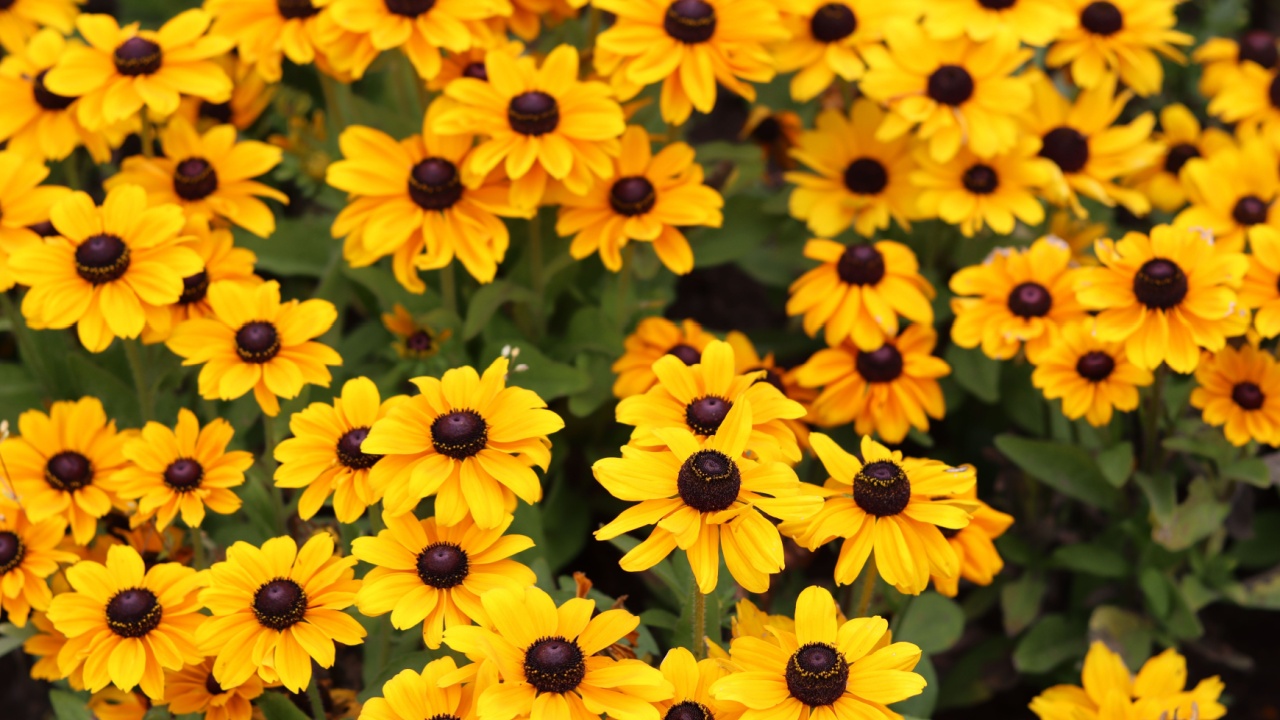
Image Credit: Shutterstock.
A quintessential flower of late summer and fall, Black-Eyed Susan brings a burst of golden sunshine to the garden. Its classic daisy-like flowers feature bright yellow or orange petals surrounding a prominent dark brown cone. They are tough, native-adjacent plants that are easy to grow and self-seed politely.
These plants are great for filling large areas in the middle or back of the border with bold, cheerful color. They bridge the gap between summer and fall, pairing beautifully with ornamental grasses and asters. They also attract a wide range of pollinators and provide seeds for birds in the winter.
Care at a Glance:
- Sunlight: Full sun.
- Soil: Tolerant of a wide range of soils, from clay to sandy, as long as it isn’t waterlogged.
- Water: Drought-tolerant once established.
- Tips: Deadheading can prolong the bloom season, but leaving the last flower heads standing provides food for finches and adds winter interest.
13. Aster
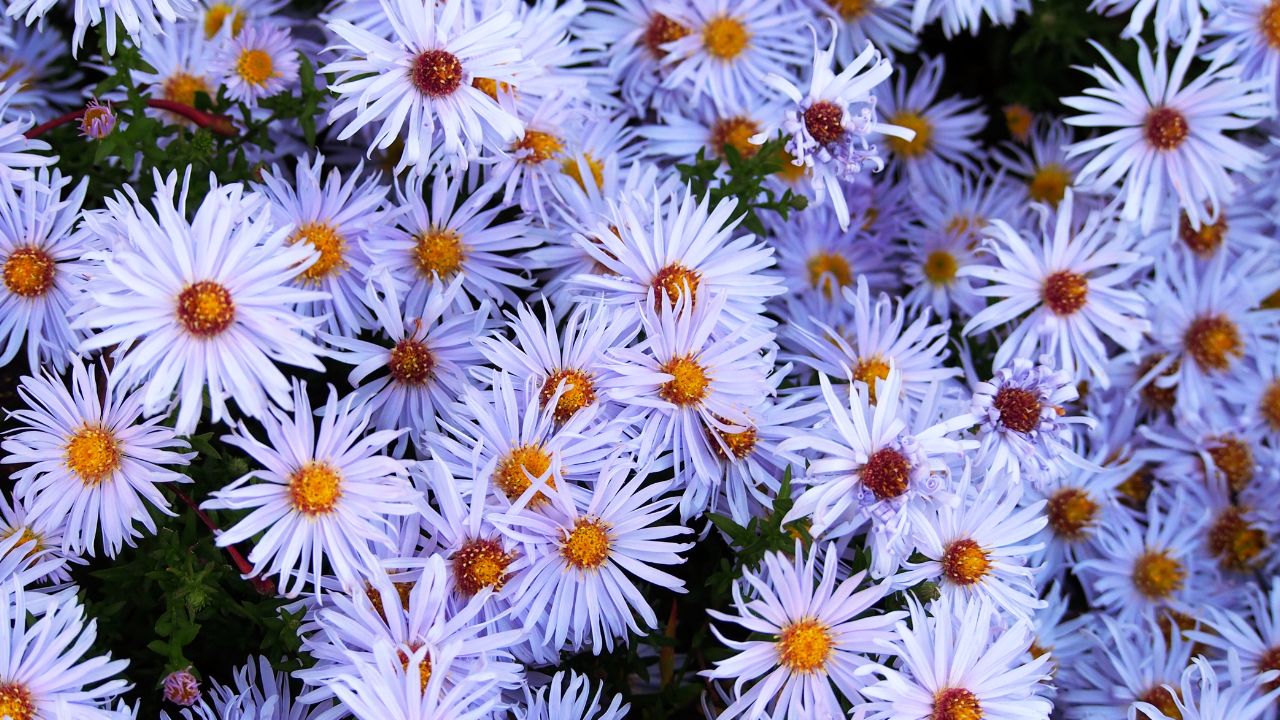
Image Credit: Agnieszka Kwiecień, Nova – Own work – CC BY-SA 4.0/Wiki Commons.
Asters are the stars of the autumn garden, exploding into bloom just as many other flowers are starting to fade. They produce masses of daisy-like flowers in shades of purple, blue, pink, and white, all with a bright yellow center.
They are invaluable for filling in gaps and extending the garden season. Their bushy habit fills space nicely, and their fall bloom time ensures your garden beds look full and colorful right up until the first hard frost. They are a critical late-season food source for pollinators.
Care at a Glance:
- Sunlight: Full sun to light shade.
- Soil: Average, well-drained soil.
- Water: Keep consistently moist, especially during dry spells, to prevent powdery mildew.
- Tips: To create denser, sturdier plants that won’t need staking, pinch or cut back the stems by about one-third to one-half in late spring or early summer (no later than the Fourth of July).
14. Lamium (Spotted Dead Nettle)

Image Credit: Shutterstock.
Lamium is a shade-loving ground cover prized for its attractive, often variegated foliage. The leaves can be silvery, green, or chartreuse with contrasting edges or centers. In spring and early summer, it produces small, hooded flowers in shades of pink, purple, or white.
It’s a perfect solution for filling in dry, shady areas where little else will grow, such as under trees or large shrubs. It spreads to form a dense carpet that brightens up dark corners and effectively suppresses weeds.
Care at a Glance:
- Sunlight: Partial to full shade.
- Soil: Prefers moist, well-drained soil but is tolerant of dry shade once established.
- Water: Water regularly until established.
- Tips: It can be an aggressive spreader in ideal conditions. Choose less vigorous cultivars or plant it where its spread is contained by pathways or edgings. It can be easily trimmed back if it oversteps its bounds.
15. Lavender (Lavandula)
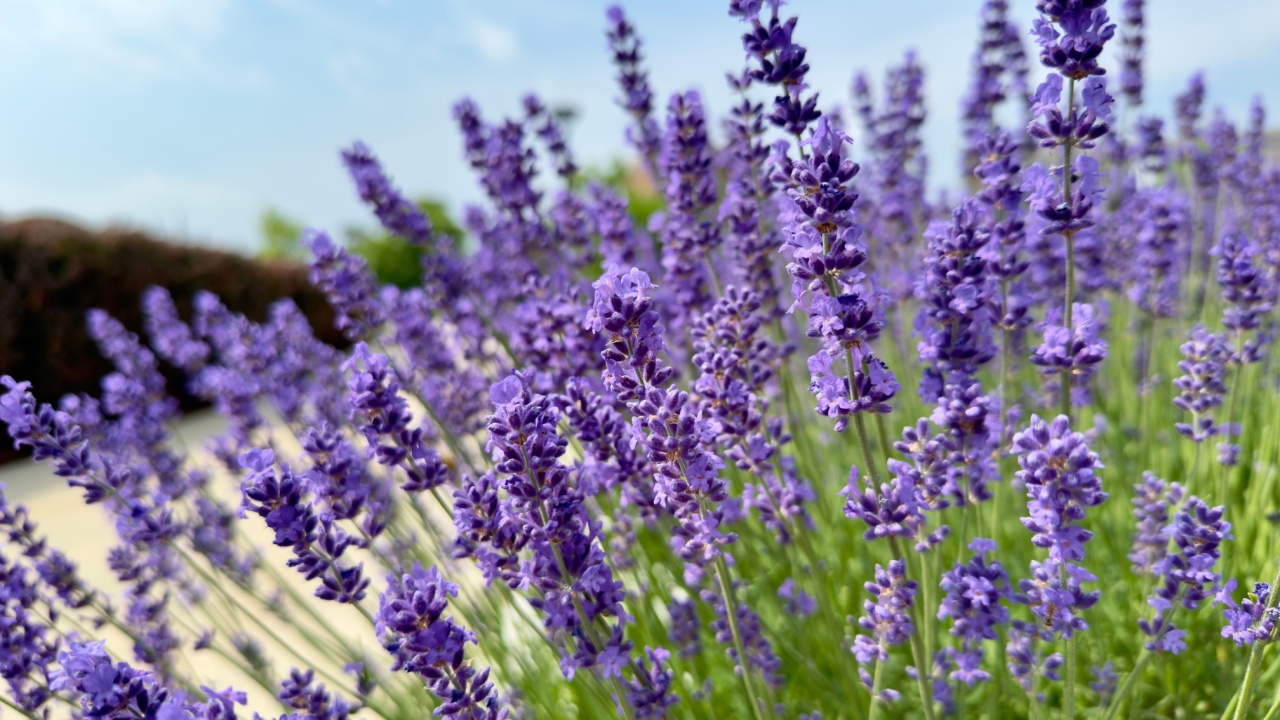
Image Credit: Shutterstock.
Best known for its iconic fragrance and silvery foliage, Lavender is a Mediterranean native that acts as a superb woody perennial filler in the right conditions. Its spikes of purple flowers rise above the foliage in summer, creating a haze of color and attracting bees.
Lavender works as a filler by providing structure, texture, and year-round presence. Its shrubby form can fill gaps beautifully, and its gray-green foliage offers a wonderful contrast to other plants. It is perfect for hot, dry, sunny borders where it will thrive on neglect.
Care at a Glance:
- Sunlight: Full, intense sun.
- Soil: Requires gritty, sharply drained, alkaline soil. This is non-negotiable.
- Water: Water to establish, then it is extremely drought-tolerant. Overwatering is the most common cause of death.
- Tips: Prune plants back by about one-third in early spring or after flowering to maintain a compact, bushy shape and prevent them from becoming woody and sparse.
Making Your Garden a Full Thriving System
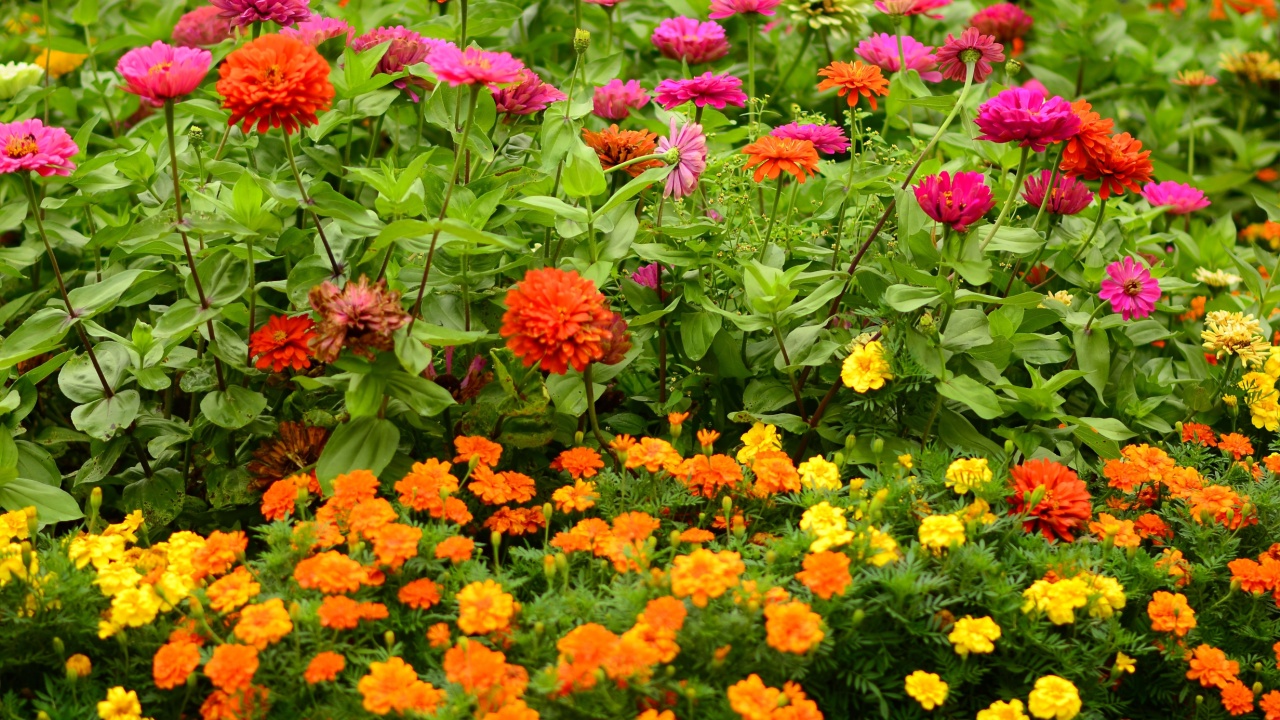
Image Credit: Shutterstock.
Now that you have a list of fantastic filler plants, it’s time to put them to use. Start by observing your garden. Identify the empty spots, note the sun exposure, and consider the surrounding plants. Are you looking for a low-growing carpet, a medium-sized mound of color, or something to add fine texture?
A combination of a fine-textured plant like Sweet Alyssum with a bold-foliage plant like Coral Bells can create a dynamic and visually interesting composition. By strategically placing these hardworking fillers, you can transform your sparse flowerbeds into the lush, cohesive, and beautiful garden you’ve always envisioned.