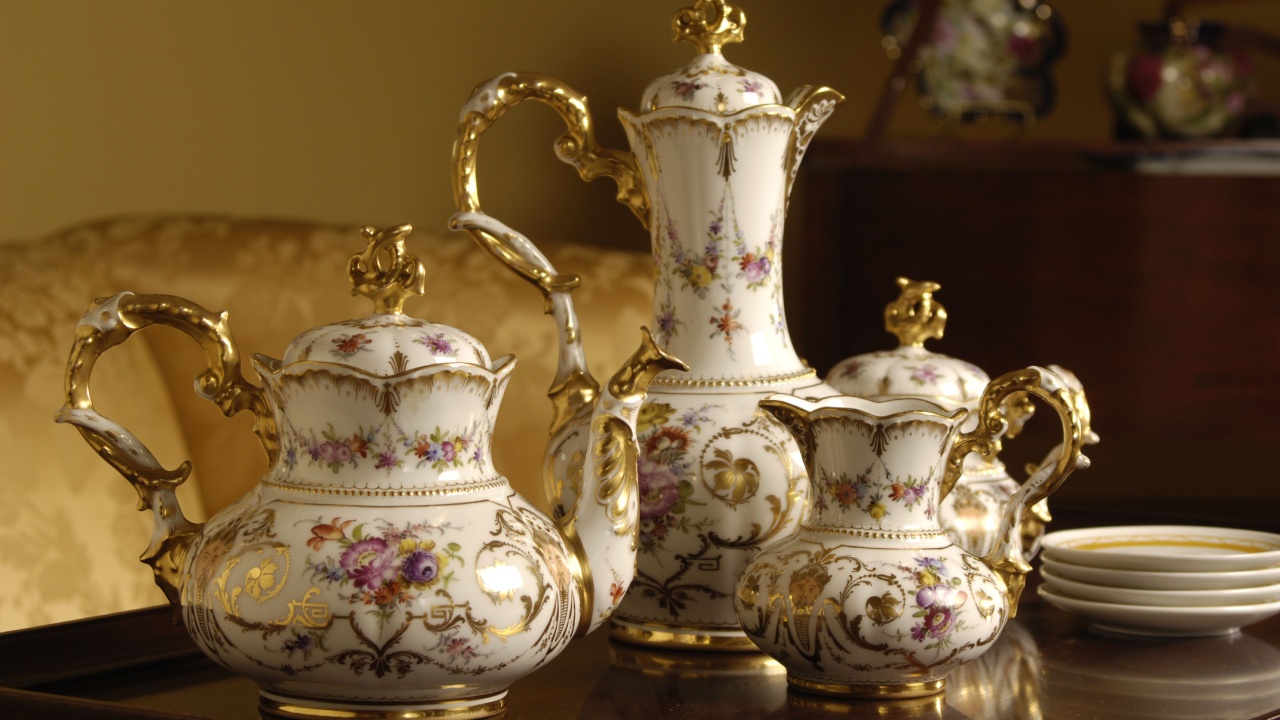
13 Charming Vintage Pieces From Our Grandparents We Shouldn’t Toss
Before the days of fast furniture and disposable goods, our grandparents lived in a world where things were built to last. They cherished their belongings, not just for their practical use, but for the stories they held and the memories they represented. When cleaning out an attic or a dusty corner of the garage, you might stumble upon these relics from a bygone era.
It’s tempting to see them as clutter, but many of these items hold more than just sentimental value. They offer a unique blend of history, craftsmanship, and surprising practicality that can enrich our modern homes and gardens.
Let’s explore some of these treasures you should think twice about ever throwing away. Of course, what’s worth keeping and not is ultimately up to your own unique home needs.
1. Vintage China Sets
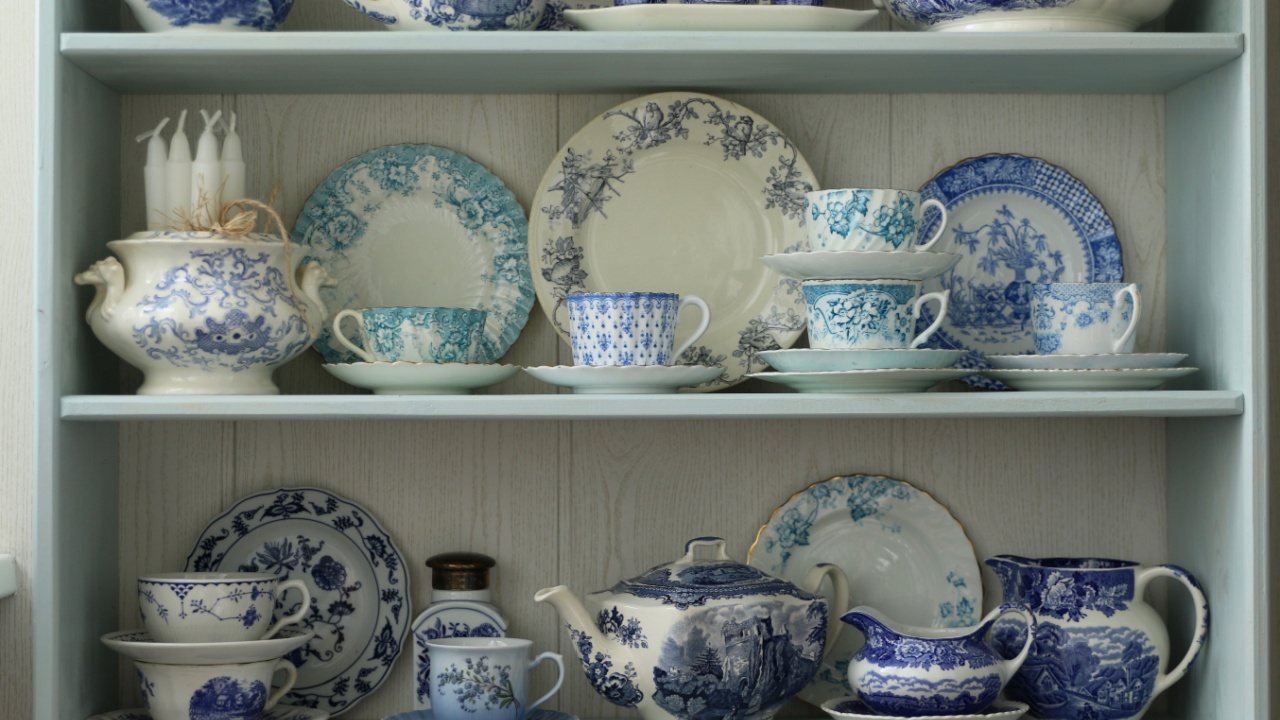
Those delicate, patterned dishes your grandmother reserved for special occasions are more than just old plates. Vintage china sets often represent a level of artistry and quality that is rare today. Full sets from well-known manufacturers like Spode, Wedgwood, or even regional potteries can be quite valuable to collectors. But their worth isn’t just monetary. Using these pieces can elevate a simple family dinner into a cherished event, connecting you to generations past.
- How to Use: Don’t let them gather dust. Use them for holiday meals, tea parties, or even a special Sunday brunch. Single pieces, like a teacup or a small plate, can be repurposed as a soap dish in a guest bathroom, a catch-all for jewelry on your nightstand, or a charming planter for a small succulent.
- Next Steps: Gently hand-wash your china with a soft cloth and mild soap; the harsh detergents and high heat of a dishwasher can damage the patterns and glaze. If you notice a chip, display the piece in a way that hides the imperfection, or seek a professional for repair if it holds significant value.
2. Hand-Stitched Quilts
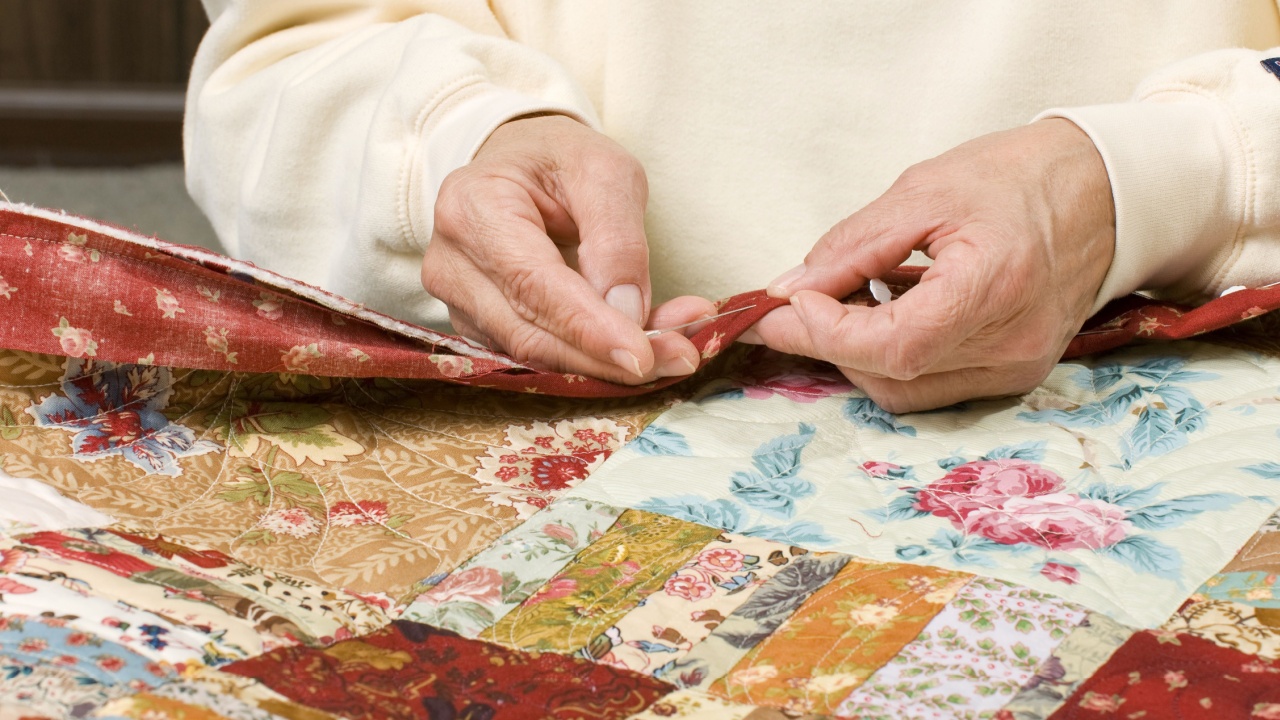
A hand-stitched quilt is a tapestry of family history, with each fabric scrap and careful stitch telling a story. Often made from worn-out clothing or leftover material, these quilts were born from resourcefulness and love. They were crafted to provide warmth, but they also became heirloom art pieces, passed down through the family. Unlike mass-produced blankets, a handmade quilt is a one-of-a-kind treasure filled with character and soul.
- How to Use: Drape a quilt over the back of a sofa or an armchair to add a cozy, colorful accent to your living room. Fold it at the foot of a bed for an extra layer of warmth and style. For quilts that are too delicate for regular use, consider hanging them on a wall as a stunning piece of textile art.
- Next Steps: To clean an old quilt, wash it by hand in a tub of cold water with a gentle, pH-neutral detergent. Avoid wringing it out. Instead, roll it in towels to absorb excess water and lay it flat to dry away from direct sunlight. For preservation, store it folded in a cotton or muslin bag, not a plastic container, which can trap moisture.
3. Woven Tapestries

Woven tapestries were a staple in our grandparents’ homes, adding texture, color, and a touch of worldly charm to a room. These pieces, whether they depict a scenic landscape or an abstract pattern, bring an element of softness and artistry that can’t be replicated by a simple print. Made from durable materials like cotton or wool, they were built to last and often carry the sentimental weight of being a centerpiece in the family home for decades.
- How to Use: The most obvious use is as wall art, instantly creating a focal point in a living room or bedroom. Smaller tapestries can be draped over a tabletop or the back of a piano. Thicker, sturdier tapestries can even be used as a unique and durable area rug in a low-traffic space.
- Next Steps: Use a vacuum with a soft brush attachment to gently remove dust. If a deeper cleaning is needed, consult a professional who specializes in textiles to avoid causing the colors to bleed or the fibers to shrink. When hanging, use a proper rod or mounting system that distributes the weight evenly to prevent stretching or tearing.
4. Repurposed Mason Jars

Long before they were a trendy item, mason jars were a pantry essential for canning and preserving the garden’s bounty. Our grandmothers knew their value extended far beyond the kitchen. The simple, timeless design and sturdy glass make these jars incredibly versatile. Finding a collection of vintage Ball or Kerr jars, with their unique markings and subtle blue-green tint, is like discovering a piece of functional history.
- How to Use: In the garden, use them as charming cloches to protect young seedlings from pests or late frosts. Inside, they make perfect rustic vases for fresh-cut flowers or holders for candles and fairy lights. You can also use them for stylish storage in your pantry for dry goods, in your office for pens, or in your workshop for nails and screws.
- Next Steps: Wash jars thoroughly with soap and water. For a creative touch, paint them, wrap them in twine, or use them to create a DIY chandelier. If you plan to use them for canning, inspect the rims for any nicks or chips that could prevent a proper seal.
5. Porcelain Figurines
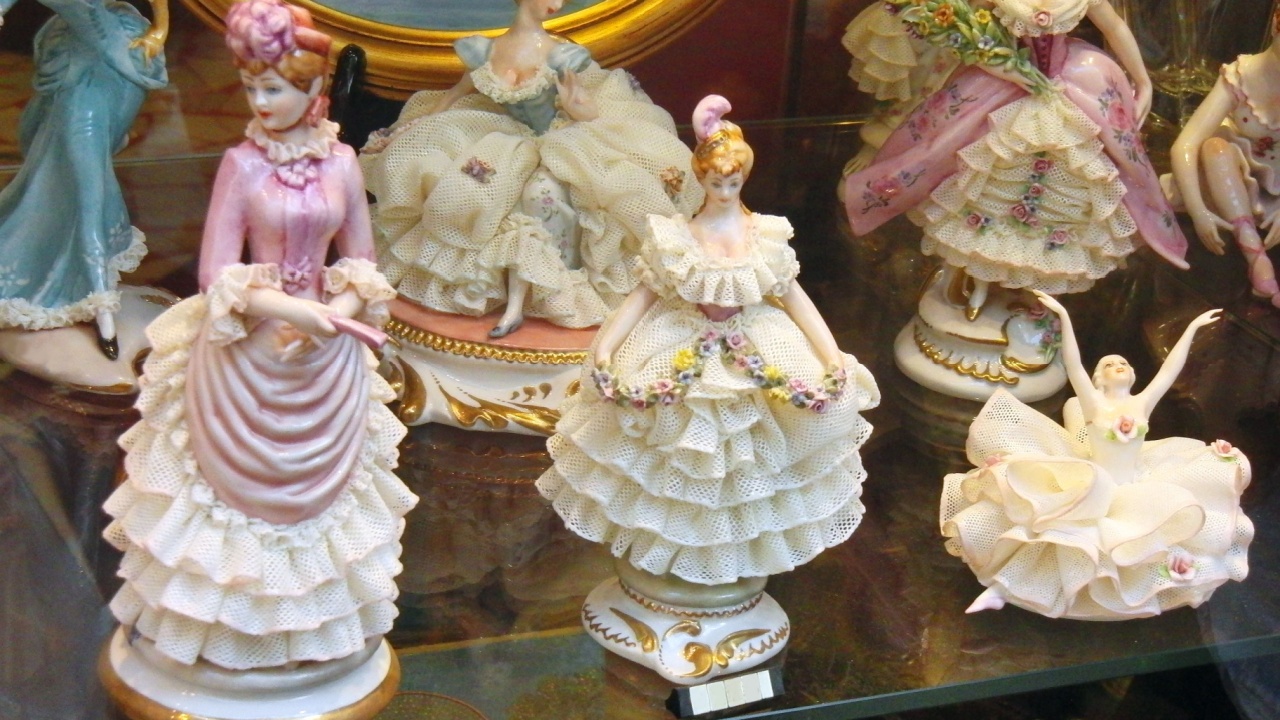
Those delicate porcelain figurines of dancers, animals, or cherubs that adorned your grandma’s mantelpiece might seem old-fashioned, but they are often charming keepsakes. Many of these pieces were collected over a lifetime and held special meaning. Some, particularly those from renowned makers like Hummel, Lladró, or Meissen, can be valuable collectibles. Even if they aren’t worth a fortune, they serve as a sweet reminder of your grandmother’s taste and the quiet moments she enjoyed.
- How to Use: Display a small collection on a bookshelf, inside a glass cabinet, or on a floating shelf. A single figurine can also add a touch of personality to a potted plant, nestled among the leaves, or placed on a stack of books on a side table.
- Next Steps: Dust figurines regularly with a soft, dry paintbrush to get into the small crevices. For a deeper clean, use a soft cloth dampened with water and a tiny drop of mild soap. Always check the bottom for a maker’s mark; a quick online search can help you identify its origin and potential value.
6. Antique Picture Frames
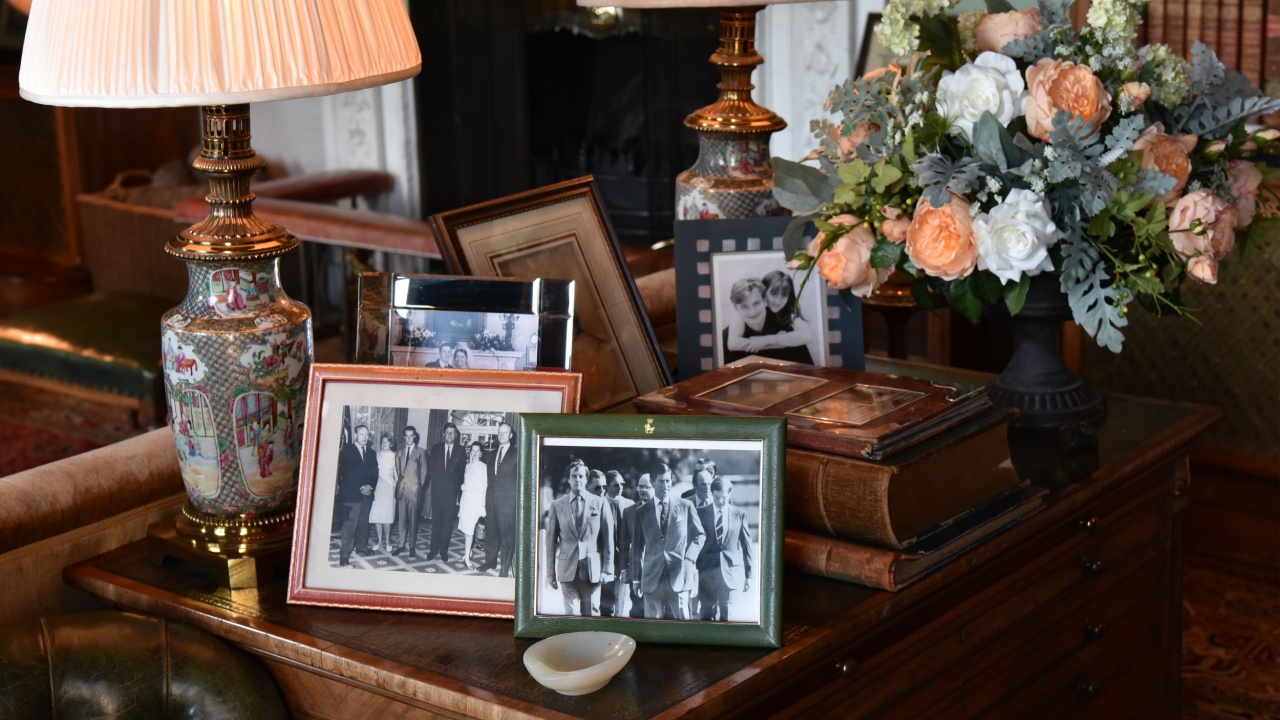
Old picture frames possess a character and craftsmanship that modern, mass-produced frames lack. With their ornate details, rich patinas, and solid wood construction, they are decorative objects in their own right. Whether they hold a faded family portrait or a simple landscape, these frames are vessels of memory. They connect us to the faces and places that came before us, adding a layer of history and personality to our walls.
- How to Use: Don’t just save them for old photos. Use an antique frame to add a touch of elegance to a modern art print, a child’s drawing, or even a mirror. A collection of mismatched vintage frames can be arranged into a stunning gallery wall, creating a powerful visual statement even if some are left empty.
- Next Steps: Clean the frame gently with a soft cloth. If the wood seems dry, you can revive it with a quality furniture polish or wax. Handle the old glass with care, as it is often thinner and more fragile than modern glass.
7. Butter Tubs and Old Tins
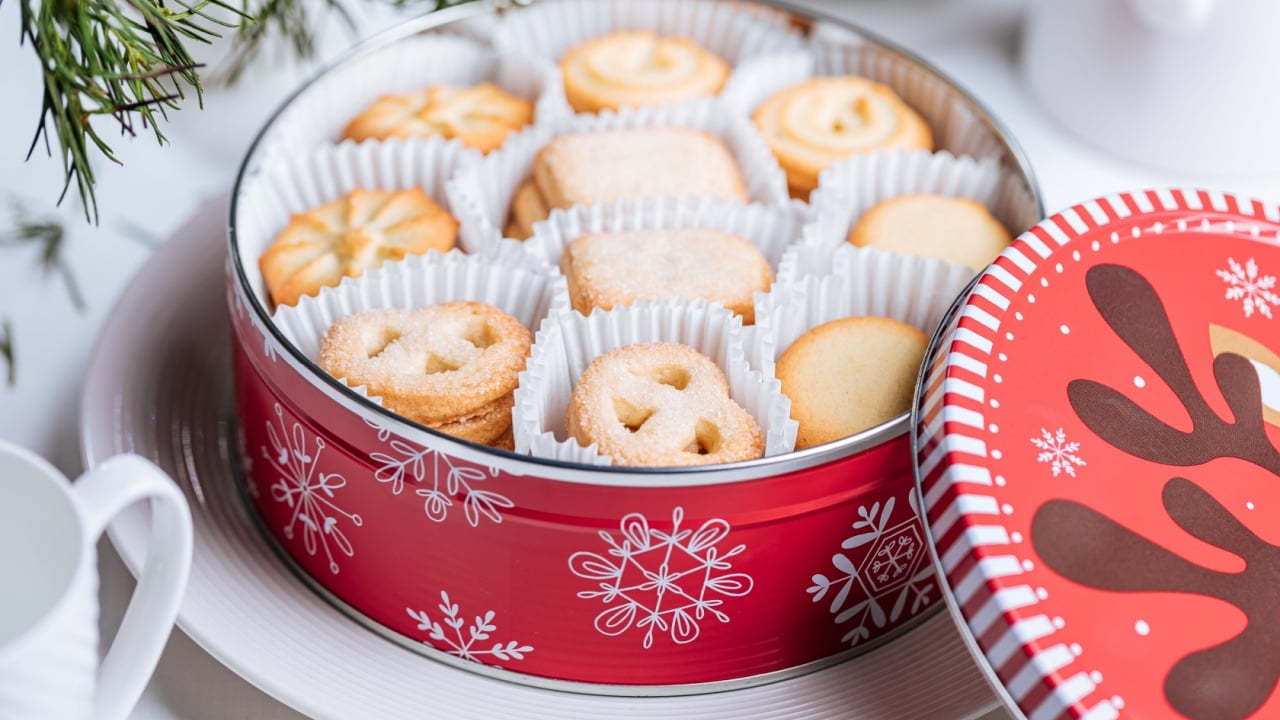
In a time when nothing went to waste, an empty butter tub or a colorful biscuit tin was a valuable resource. Your grandmother likely had a stash of these containers, using them to store everything from buttons and sewing supplies to screws and nails. While a plastic tub may not be a traditional heirloom, the principle of reuse it represents is a timeless lesson. Decorative metal tins, however, are often beautiful in their own right and are highly collectible.
- How to Use: Cleaned butter tubs are perfect for organizing small items in a garden shed, workshop, or craft room. Use them to start seeds or to mix small batches of custom soil. Vintage tins make excellent, decorative storage for tea bags, cookies, or office supplies on your desk.
- Next Steps: Wash plastic containers thoroughly before reuse. For vintage tins, simply wipe them clean. If you’re storing food, consider lining the tin with wax paper. Display colorful tins on open kitchen shelving for a touch of retro charm.
8. Old Newspapers with Family News
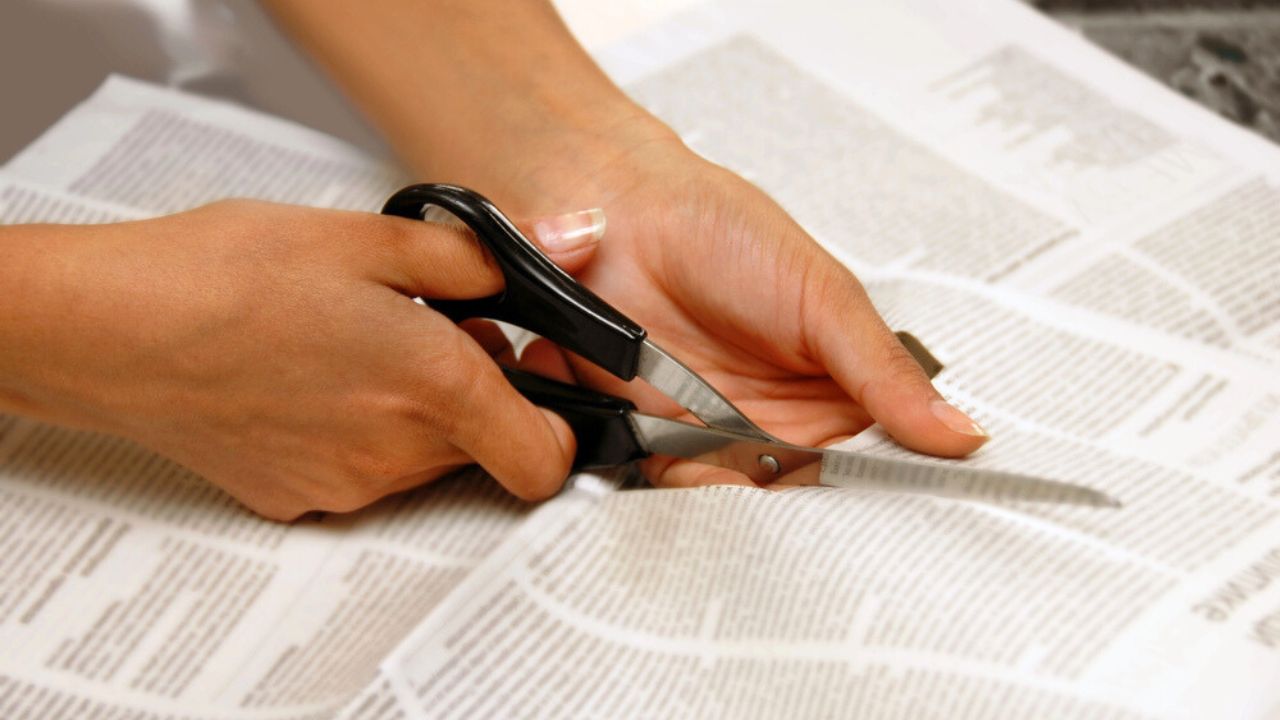
Tucked away in a chest or at the bottom of a drawer, you might find a stack of yellowed newspapers saved for a special reason. These aren’t just any old papers; they were kept because they announced a significant family event—a birth, a wedding, a graduation, or an accomplishment that made the local news. These clippings are tangible links to your family’s story, capturing a moment in time and preserving it for future generations to see.
- How to Use: The ink and paper are fragile, so they shouldn’t be handled often. The best way to preserve and display these articles is to have them professionally framed with UV-protective glass. You can also scan them at a high resolution to create digital copies that can be shared with family and reprinted without damaging the original.
- Next Steps: Store newspapers in a cool, dark, and dry place, away from light and humidity that can hasten their decay. Place them in an acid-free archival box or folder for long-term protection.
9. Handwritten Letters
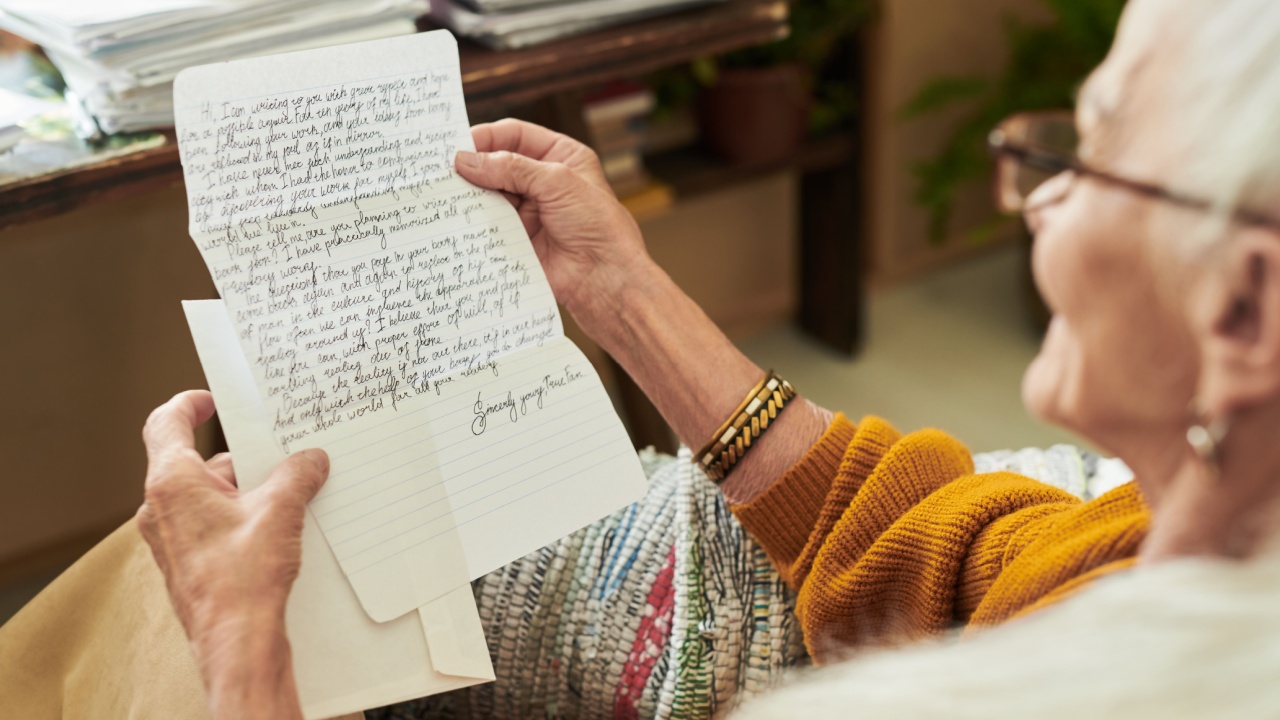
In our digital world, a handwritten letter is a rare and precious thing. The letters and cards from our grandparents are artifacts of emotion, carrying their thoughts, stories, and love in their own unique script. The handwriting itself is a part of their identity. These are not just words on paper; they are intimate conversations frozen in time, offering a glimpse into their personality and the world they lived in.
- How to Use: Framing a beautifully written letter or a postcard with a special message turns it into a meaningful piece of art. Display it in your office, hallway, or bedroom as a daily reminder of your heritage and the love that connects your family. You can create a collage with a letter, a photo, and other small mementos.
- Next Steps: To protect the letter from fading, use a frame with UV-protective glass and an acid-free mat. This will prevent the paper and ink from deteriorating over time. Like old newspapers, it’s also a great idea to scan the letters to create a digital archive.
10. Scrap Wood

Your grandfather’s workshop was probably full of odd-shaped pieces of wood that he refused to throw away. To him, these weren’t scraps; they were potential solutions. A small block could become a doorstop, a shim to level a wobbly table, or a custom-carved toy for a grandchild. This pile of scrap wood represents a mindset of ingenuity and preparedness, reminding us that value can be found in the things others discard.
- How to Use: Small wood pieces are perfect for garden projects, like making custom plant markers, small trellises for pots, or even a simple birdhouse. They can be used for home repairs, crafts, or cut into blocks for children to play with.
- Next Steps: Organize your scrap wood by size and type to make it easy to find what you need. Keep a small saw, sandpaper, and some wood glue on hand. The next time you need a small piece of wood for a project, check your scrap pile first before heading to the store.
11. Cast-Iron Cookware
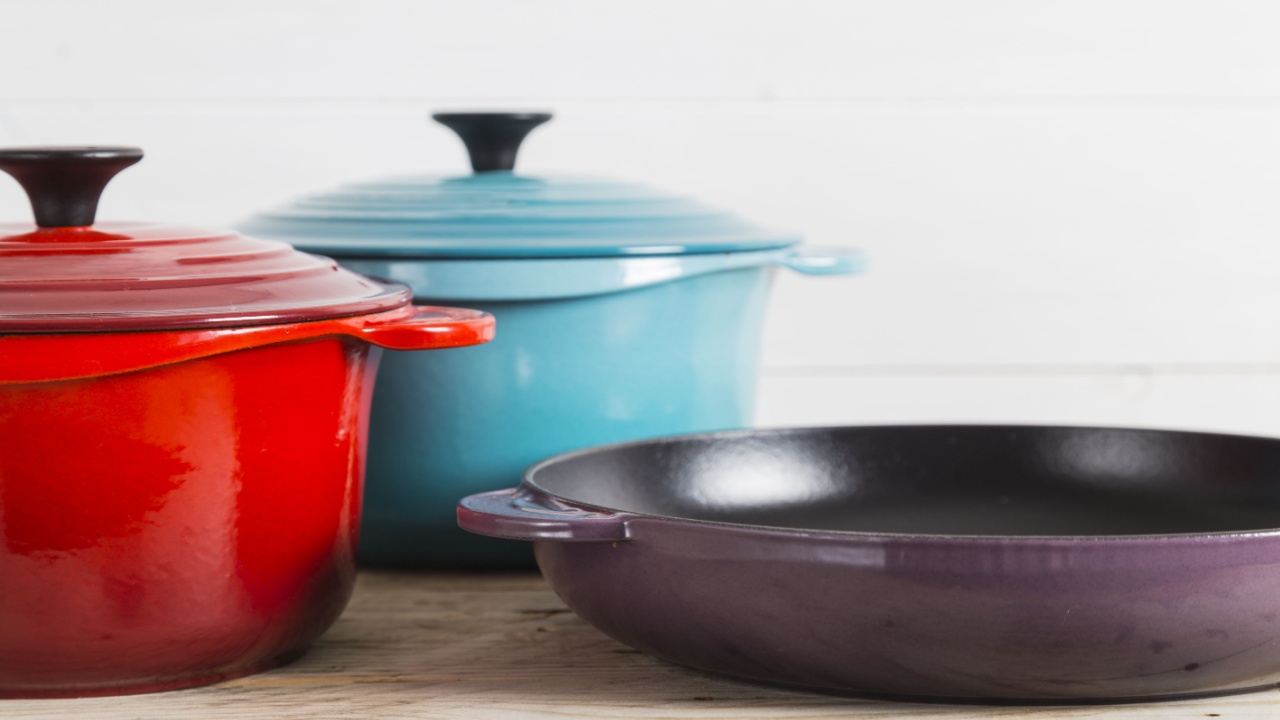
Heavy, black, and nearly indestructible, a cast-iron skillet was the workhorse of your grandmother’s kitchen. Passed down from one generation to the next, these pans only get better with age. With each use, a layer of polymerized fat, called seasoning, builds up, creating a natural, non-stick surface that is perfect for searing meats, frying chicken, and baking cornbread. A well-seasoned vintage skillet from a brand like Griswold or Wagner is a prized possession for any home cook.
- How to Use: Use it for everything! It excels at high-heat cooking on the stovetop, in the oven, or even over a campfire. Its ability to retain and distribute heat evenly makes it incredibly versatile.
- Next Steps: To clean, scrape out any food bits, scrub with a stiff brush and hot water, and avoid using soap if you can, as it can strip the seasoning. Dry it immediately and thoroughly on the stovetop over low heat, then wipe a thin layer of cooking oil inside while it’s still warm. Never put it in the dishwasher or let it soak in water.
12. Vintage Garden Tools
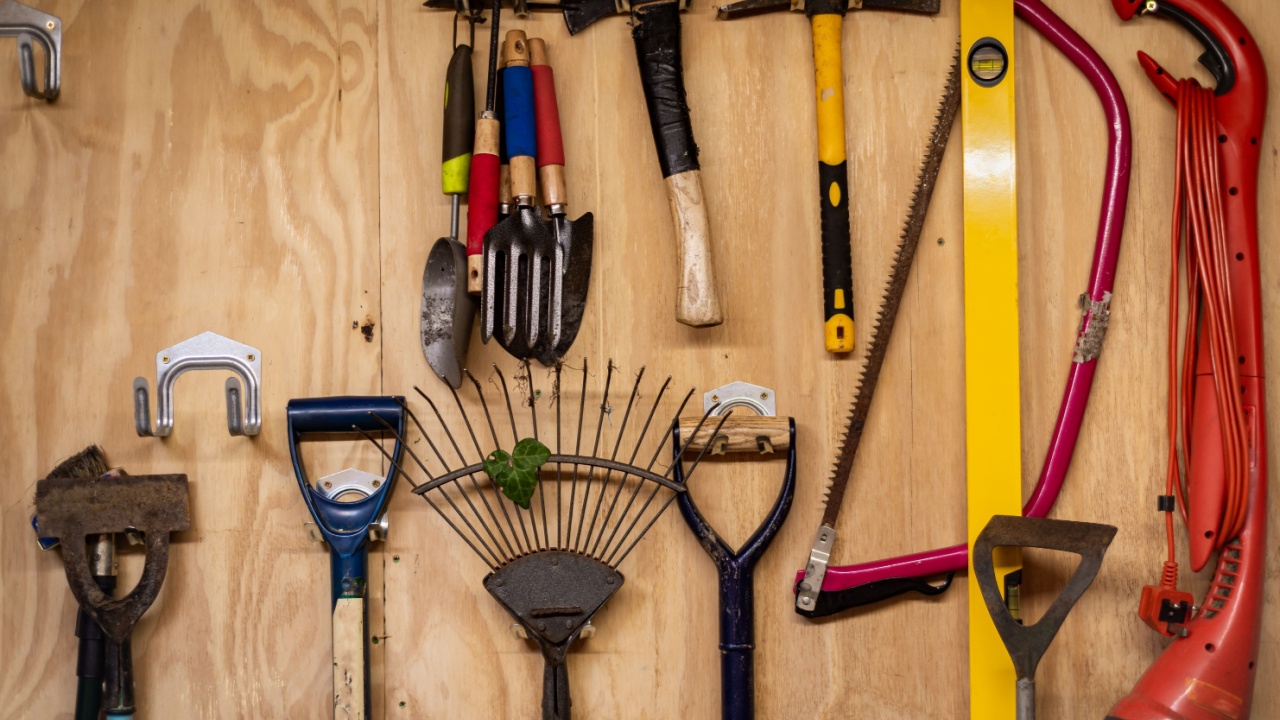
Before the era of plastic handles and flimsy metal, garden tools were made of forged steel and solid wood. Your grandfather’s trowel, hoe, or garden fork was likely built to withstand decades of hard work. These tools often have an ergonomic feel and a heft that you can’t find in modern equivalents. They may be a bit rusted or worn, but their quality and durability are unmatched. Using them connects you to the generations of gardeners who tended the same soil before you.
- How to Use: These tools are not just for display; they are meant to be used. Their strength makes them ideal for tough jobs like breaking up compacted soil or digging in rocky ground.
- Next Steps: Use a wire brush to remove any rust, then sharpen the edges with a file. Sand the wooden handles to smooth any splinters and rub them with linseed oil to protect the wood and restore its luster. With a little care, these tools will serve your garden for many more years to come.
Preserving the Past for the Future
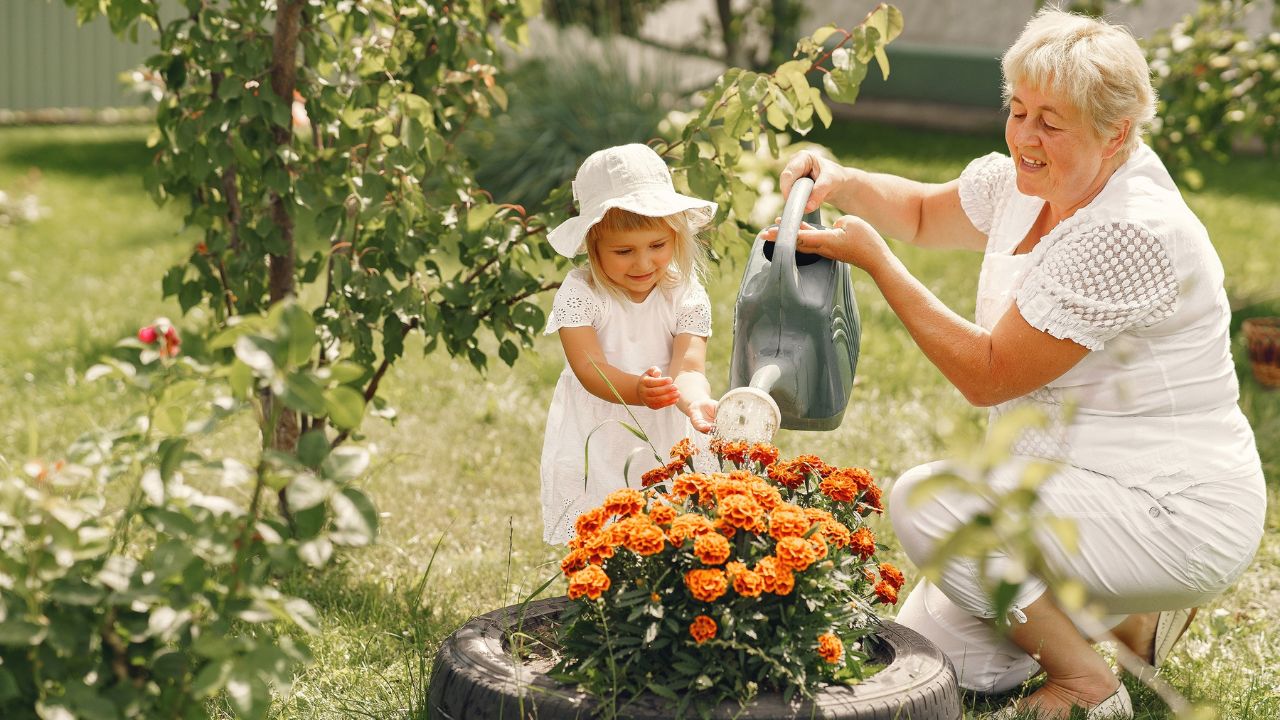
The items our grandparents cherished are more than just old things; they are pieces of our story. By recognizing their value, we do more than just declutter wisely—we keep a part of our heritage alive. The next time you uncover one of these treasures, take a moment to appreciate its history and think about how it can find a new purpose in your home or garden.
Your next step is to choose one item you have and give it a new life. Clean that cast-iron skillet, frame that old letter, or find a spot for your grandmother’s quilt. By integrating these pieces into your daily life, you honor the past while creating new memories for the future.