

If you missed the spring rush, you’re probably in good company with fellow late starters, procrastinators, and overthinkers. They’re somewhere, staring at bare garden beds and wondering if it’s too late to grow anything from seed now that summer is nearly halfway gone. It’s not!
Luckily, plenty of herbs, flowers, and vegetables are still on the table. Some even prefer a slightly later start, or will grow quickly if you get them in now. What matters is speed and heat tolerance, and all the plants on this list bring both. They will give you a harvest or a bloom before the season gives you side-eye.
So if you’ve got a few square feet of soil, a sunny windowsill, or even just a large pot, you’re in business. Grab these seeds and get planting.
1. Arugula
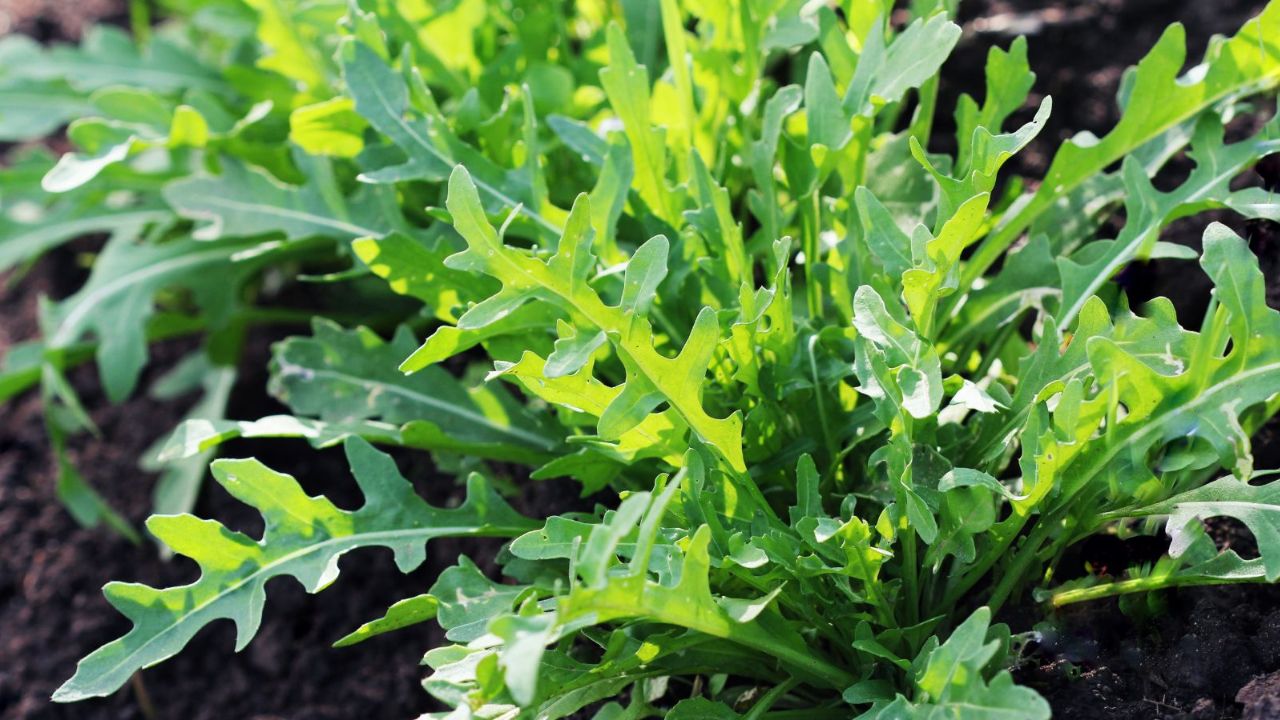
Image Credit: Depositphotos.com.
Arugula doesn’t wait around for perfect conditions. It bolts fast, tastes peppery, and goes from seed to salad in about three weeks. You can plant it now and be tearing off spicy little leaves in less than a month, even if you’re dealing with hot days and patchy watering. Just keep sowing a new row every 10 days, and it’ll keep you in fresh greens for weeks.
It also works in pots, window boxes, or weird plastic tubs you found in the garage. It doesn’t need deep soil or perfect drainage. Toss in the seeds, keep it moist, and you’ll get a decent yield. It doesn’t love being scorched by the afternoon sun, so give it a little shade break if you’re in a hot zone.
2. Zinnias
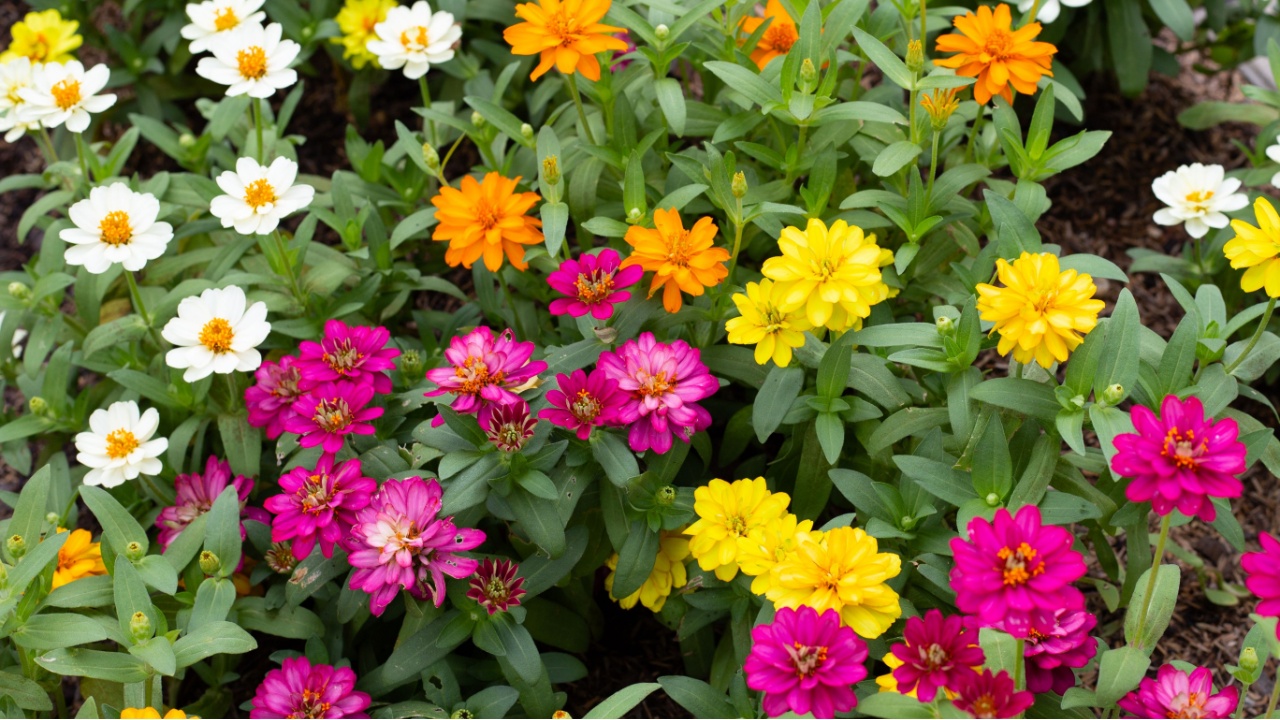
Image Credit: Shutterstock.
It only takes zinnias as little as 6 weeks from seed to bloom, which is practically instant gratification in flower time. They love the heat, laugh at inconsistent watering, and still put out bold, bright blooms that look expensive even if you bought the seeds for less than a sandwich.
Stick the seeds into soil where they’ll get sun, give them some water, and step back. They’ll handle the rest. You can direct-sow them right now, and they’ll bloom straight through late summer and fall. If your front porch needs help, or your flower beds are looking like a cautionary tale, zinnias can turn that around fast.
3. Basil

Image Credit: Shutterstock.
Basil was made for people who missed the start of the season. It germinates in a week, shoots up fast, and will give you leaves by the handful in less than a month. Even in July, you can still get a solid harvest going, especially if you’re the kind of person who forgets to water every single day. Basil forgives.
You can grow it in beds, planters, or even plastic cups on a windowsill. Snip the top leaves to keep it bushy, and don’t let it flower too early. If it starts to bolt, give it a haircut.
4. Radishes
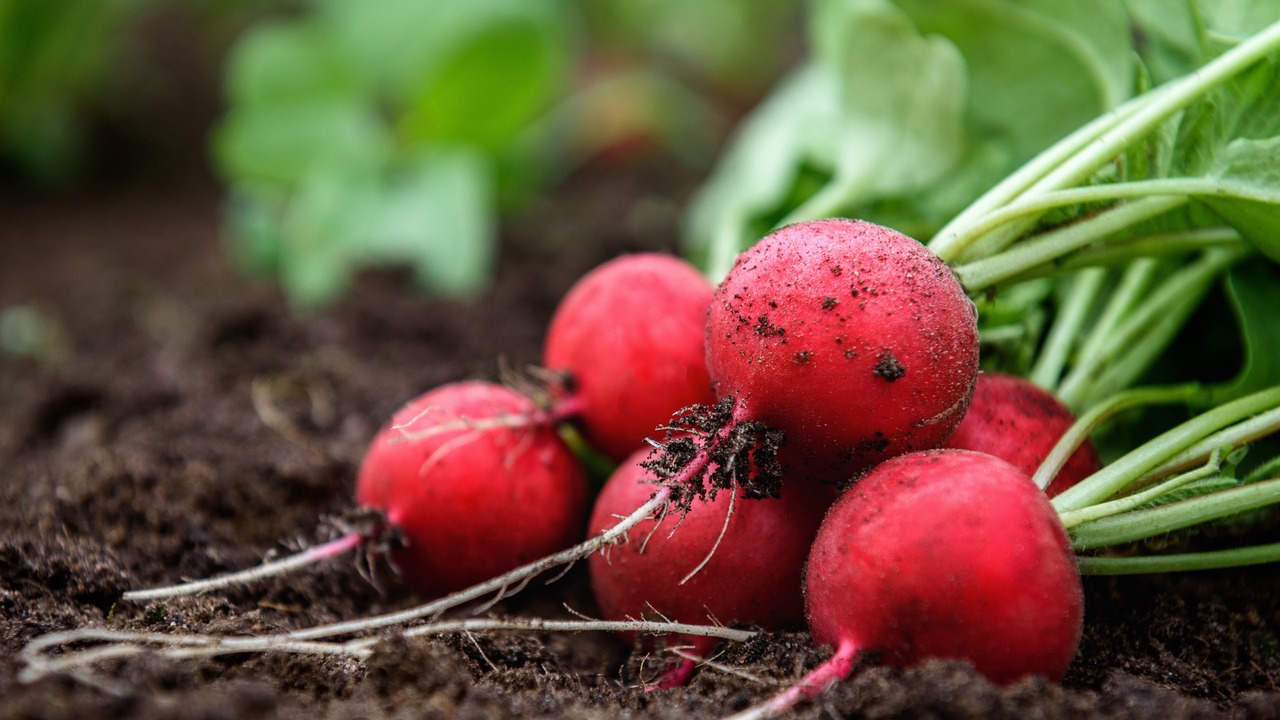
Image Credit: Shutterstock.
If you’re impatient, radishes (and their pods) were built for you. Some varieties go from seed to harvest in three weeks, and they don’t throw a fit about heat like lettuce does. You can plant them now and have crunchy, peppery roots in the time it takes other plants to think about sprouting.
You don’t necessarily need a farm to grow radishes. A deep pot or a little garden strip is enough. The soil doesn’t even have to be perfect, just loose enough for the roots to push through. You’ll get better flavor if you harvest them young, so don’t wait around trying to grow the world’s biggest radish. Pull them early, eat them fast, and replant immediately.
5. Calendula
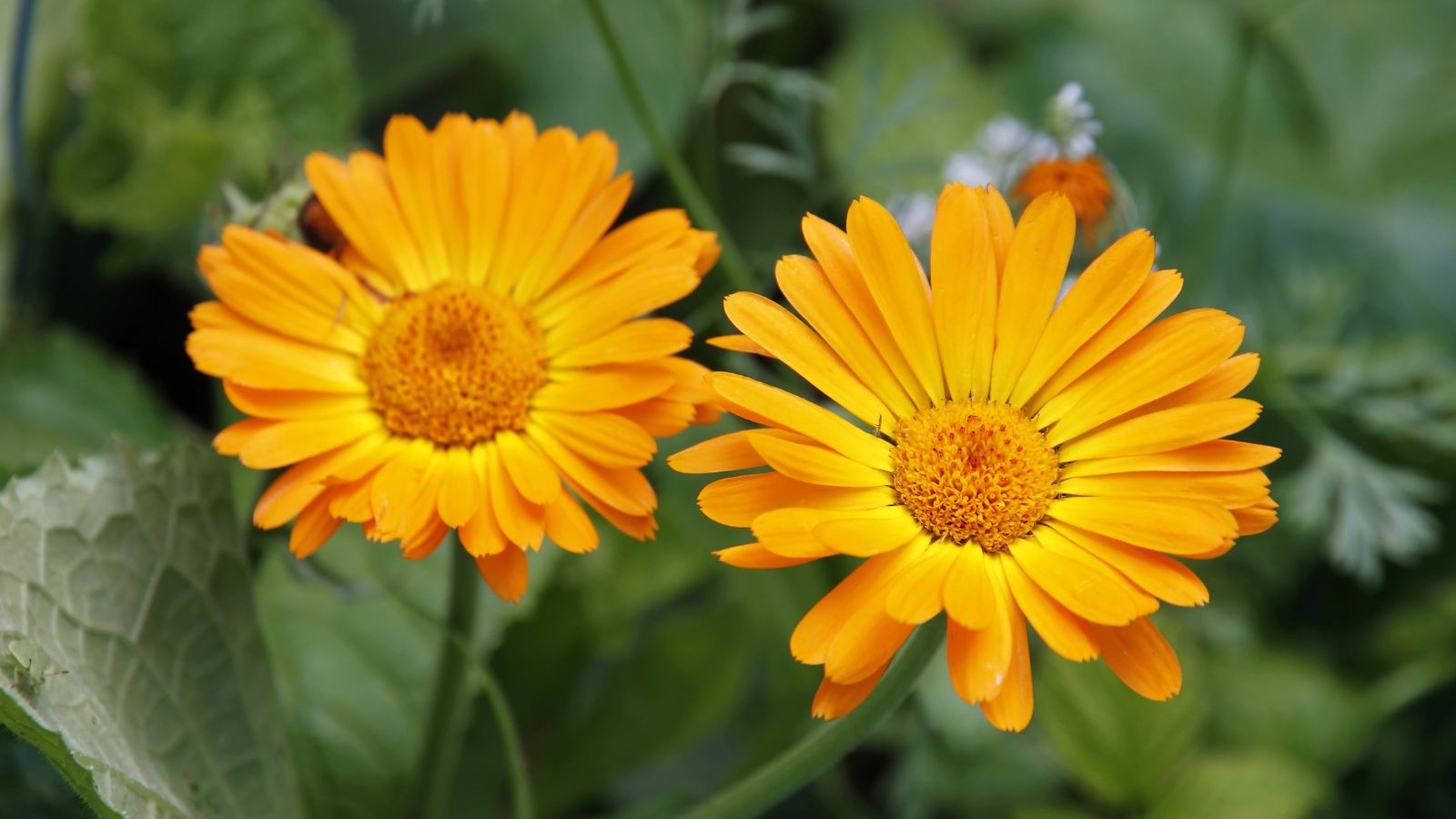
Image Credit: Depositphotos.com.
Calendula looks like a flower but behaves like a practical (medicinal even) herb. You can plant it right now and get blooms in six weeks or less. It doesn’t care if your soil is sandy, rocky, or suspiciously full of whatever the dog buried. Once it’s up, it keeps blooming without drama and even handles cooler nights later in the season.
You can dry the flowers for skin salves, steep them for tea, or toss petals into salads like a person who owns a mortar and pestle. But even if you just want cheerful orange blooms that don’t sulk when you forget them for a day, calendula delivers.
6. Bush Beans

Image Credit: Shutterstock.
Bush beans don’t waste time. You can plant them today and have beans in under two months, which puts them squarely in late-starter territory. They don’t need trellising or complicated supports. Just throw the seeds in a sunny patch (or a container), water a little, and you’re on track for fresh beans by August.
They’re also surprisingly chill about less-than-perfect soil. They’ll be OK without fertilizer cocktails or compost spreadsheets. As long as the soil drains and gets warm sun, they’ll grow. And once they start producing, you’ll have to pick them regularly to keep up, one of the few problems gardeners don’t mind having.
7. Cilantro
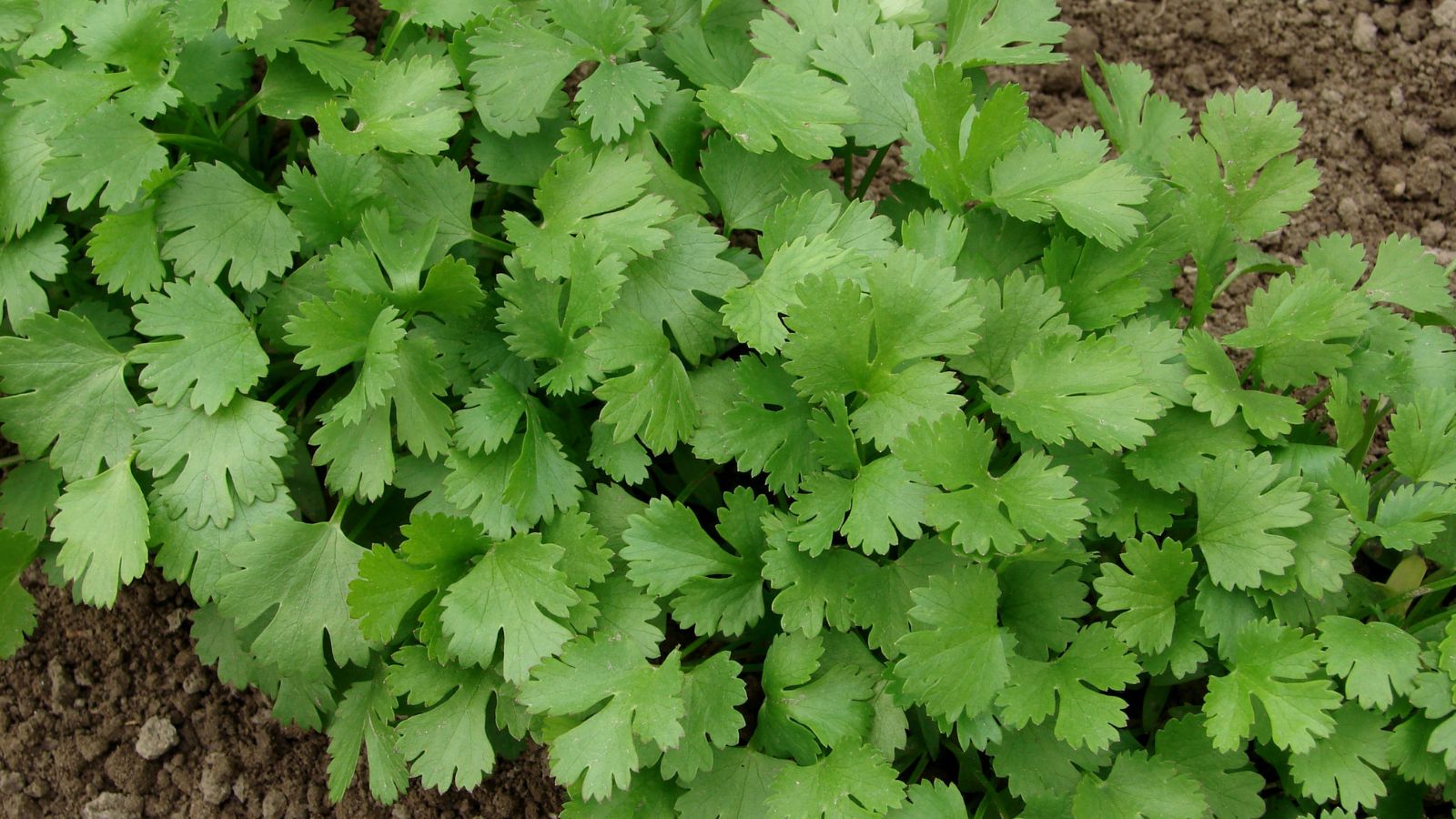
Image credit: Depositphotos.com.
Cilantro grows like it’s in a police car chase. You’ll get leafy growth in three weeks, maybe less, and it doesn’t mind being reseeded every couple of weeks through the season. It’s great for impatient cooks and people who only remember to water when they’re already out there grilling.
It does tend to bolt in heat (but the flowers are edible too), but if you don’t mind a quick turnover, that’s not a problem. When it bolts, it gives you coriander seeds, so nothing goes to waste. Grow it in containers, stick it on the porch, or line it along garden paths.
8. Nasturtiums
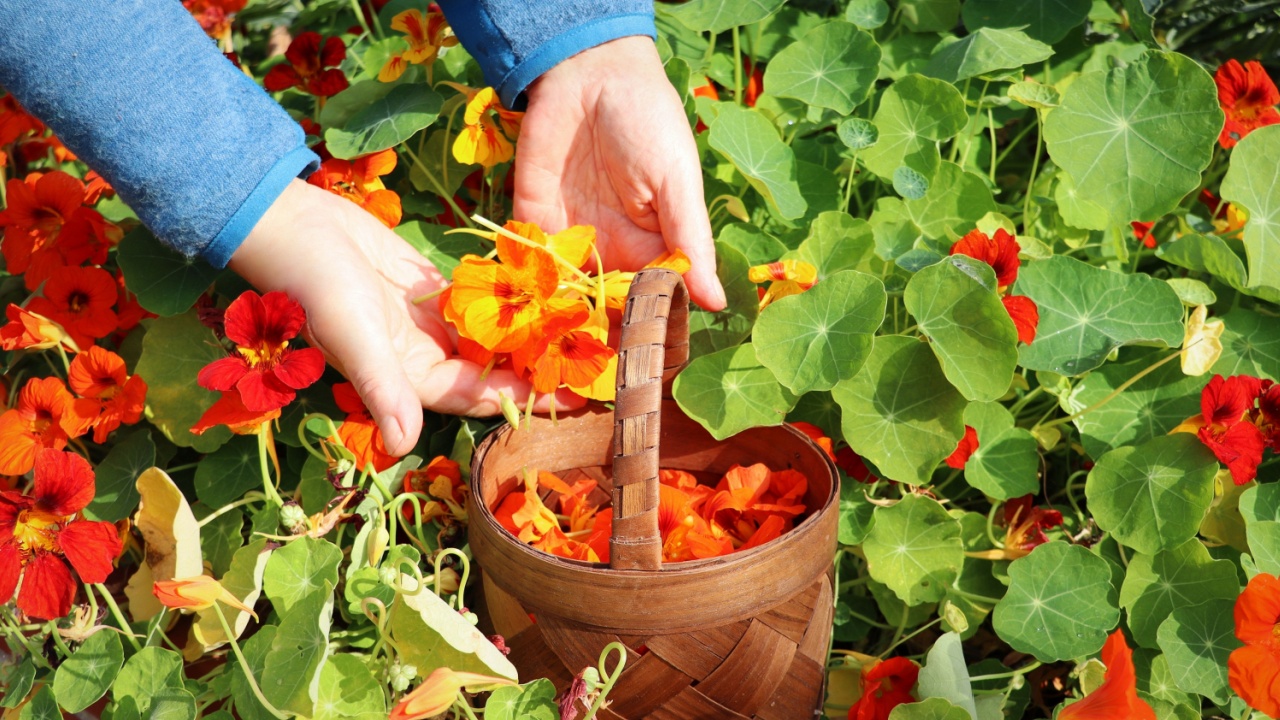
Image Credit: Shutterstock.
Nasturtiums are edible flowers that don’t act like fussy garden showpieces. You can still plant the seeds now and get vines or mounds full of bright blooms in five to six weeks. They handle heat, dry soil, and neglect without throwing in the towel.
They pull double duty, too. The leaves and flowers are edible, with a peppery taste that works in salads and sandwiches. They also attract pollinators and distract pests from other plants. So if you’ve got holes in your squash leaves, nasturtiums can serve as bait.
9. Lettuce

Image Credit: Shutterstock.
You can grow lettuce late into summer, but you have to be strategic. Go for heat-tolerant varieties like ‘Black Seeded Simpson’ or romaine types that don’t panic when the sun shows up. These can germinate in under a week and give you baby greens in 25 days.
Use containers, give them morning sun and afternoon shade, and keep the soil evenly moist. If you’ve got a shadier spot in the garden, that’s your lettuce zone now. Grow them thick, cut them young, and reseed when you harvest. Lettuce has a short memory and grows fast when conditions are right.
10. Cucumbers
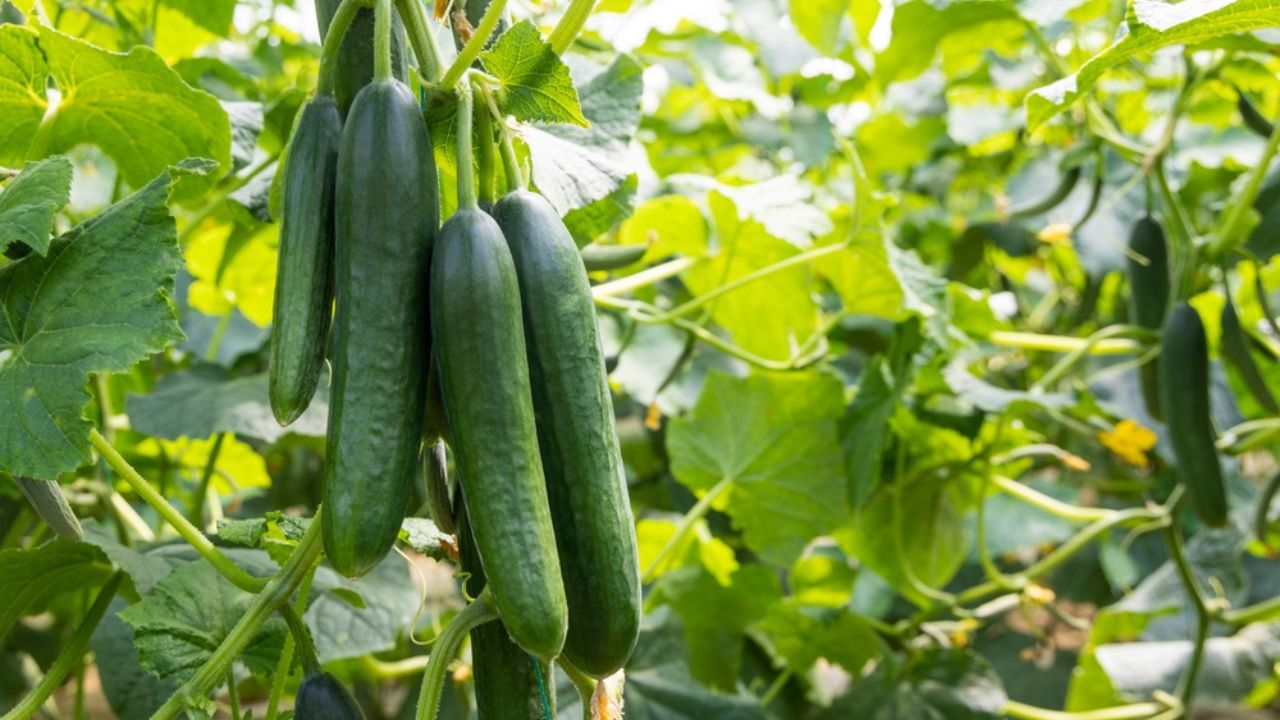
Image Credit: Shutterstock.
Fast-maturing cucumber varieties can still give you a harvest if you get them in the ground now. Look for ones labeled 50 to 60 days, and you’ll be making pickles by early September. They love heat and water, so July planting is fair game.
They don’t have deep roots, so they’re container-friendly too. Give them a trellis if you’ve got space, or let them sprawl if you don’t care about tidy rows. Once they start fruiting, you’ll be checking daily for new cucumbers. That part’s not optional; they go from tiny to oversized bat in two days flat.
11. Dill

Image Credit: Shutterstock.
Dill germinates in about 7 to 10 days and grows fast once it’s up. You can plant it now and get harvestable fronds in under a month. It does well in beds, boxes, or tucked into random corners that get sun and a bit of water.
It also plays well with other plants, so you can use it as a companion for cucumbers, beans, or lettuce. Let some of it flower, and it’ll bring in beneficial insects. If you’re into pickling, you’ll want the flower heads too. Dill makes itself useful from leaf to seed, and it’s easy enough for first-timers to grow without stress.
12. Marigolds
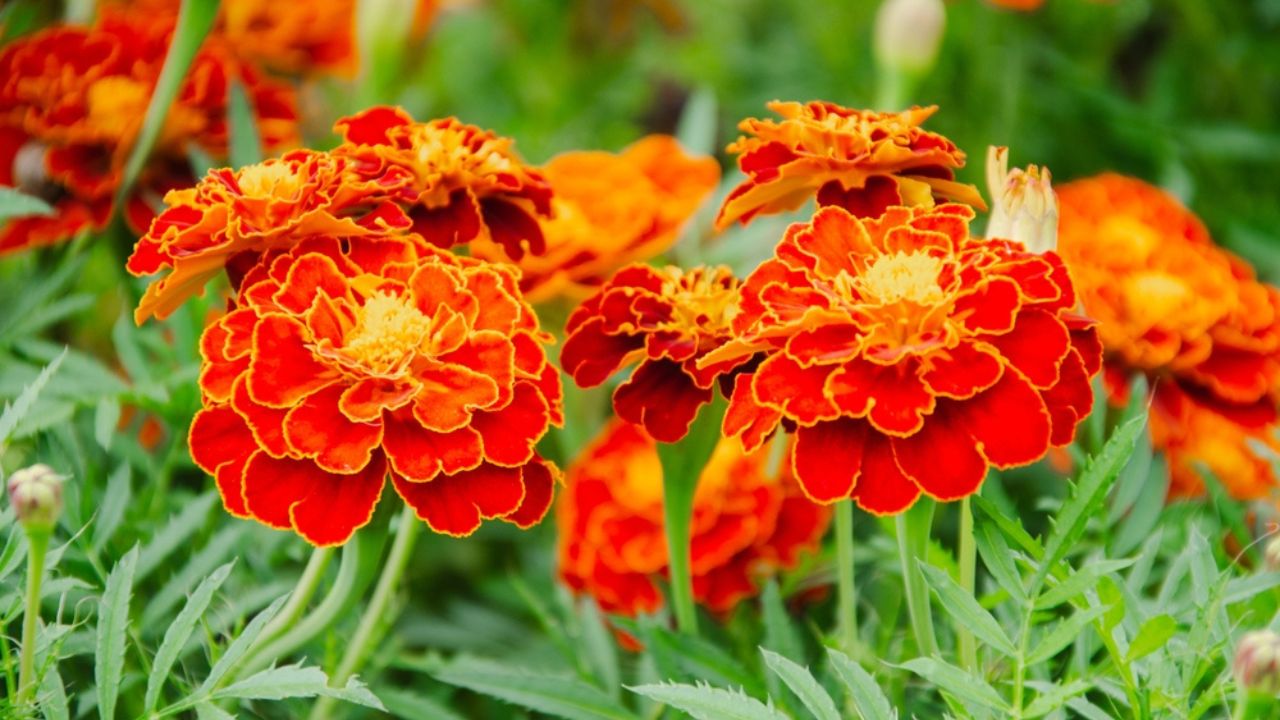
Image Credit: Shutterstock.
Marigolds aren’t just ornamental. They’re fast-growing, pest-repelling, and surprisingly tolerant of heat. Plant the seeds now, and they’ll be blooming in about 6 to 8 weeks. They’re especially good if your garden’s been hit by aphids, whiteflies, or other unwanted guests.
They also don’t care where you put them. Window box, raised bed, sidewalk crack, they’ll give you color and keep going even in poor soil. Mix them into vegetable beds for some built-in pest defense, or use them to fill in empty spots that need color fast.
13. Swiss Chard
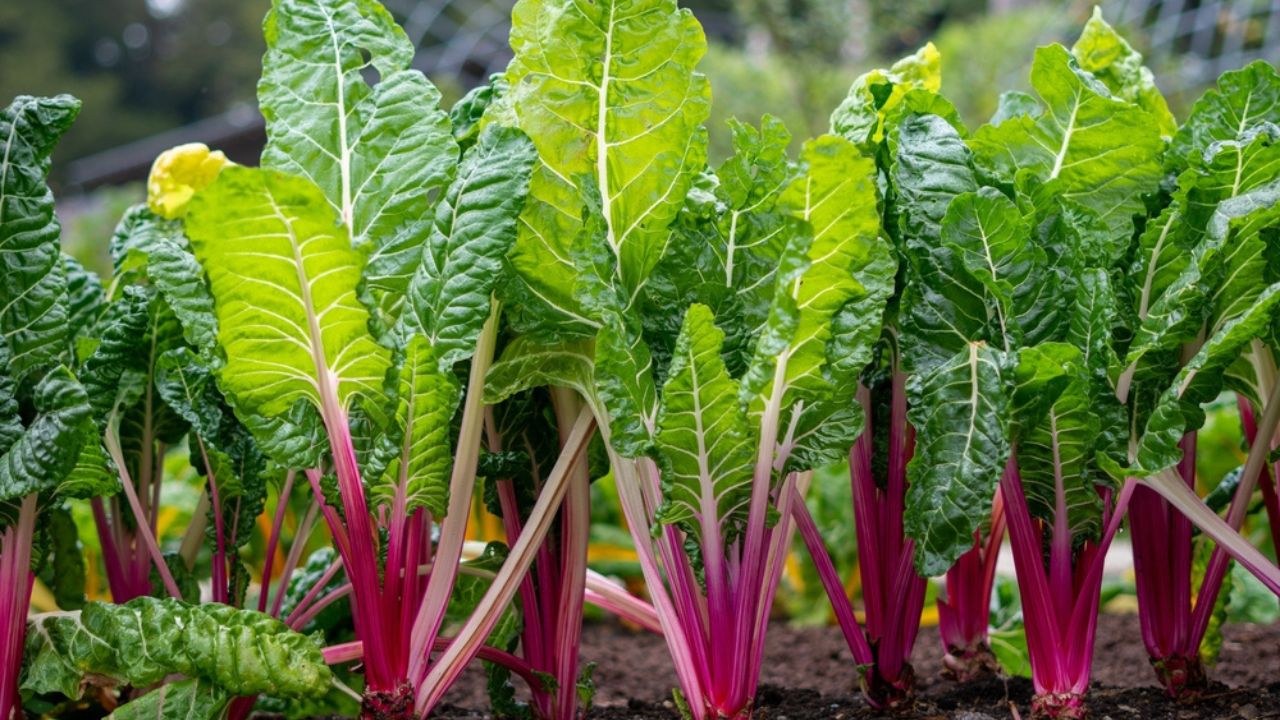
Image Credit: Shutterstock.
Swiss chard doesn’t complain. You can still plant it now and get baby leaves in a few weeks, with full-sized ones not long after. It handles heat better than lettuce and keeps producing into fall. You can cut the outer leaves and let the rest keep going.
It also looks like you’re growing something fancy. The stems come in bright reds, yellows, and oranges, which makes it a solid ornamental-vegetable hybrid. If your garden’s a mess and you need something that grows fast and looks like you had a plan, chard is it.
Once you have enough harvested, try all these tasty swiss chard recipes!
14. Beets
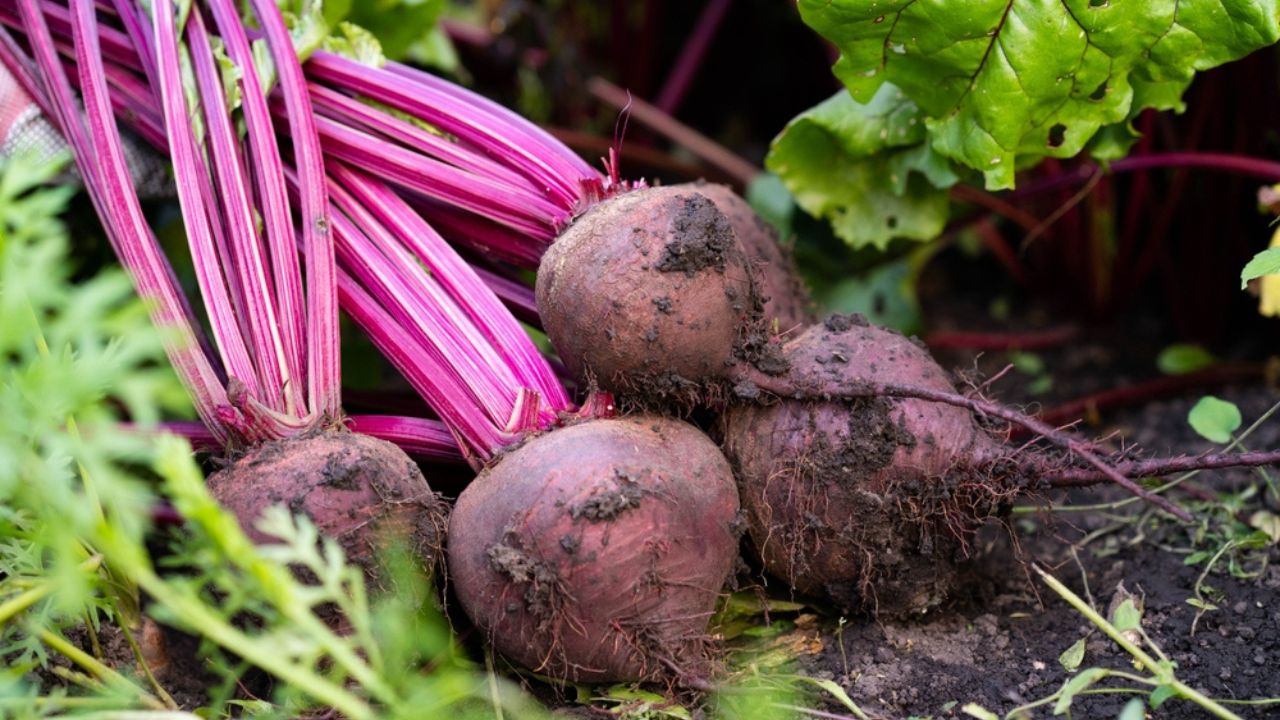
Image Credit: Shutterstock.
Beets pull double duty with edible roots and greens. Plant them now, and you’ll get tender greens in a few weeks and small roots in two months. They like loose soil, consistent watering, and full sun, but they don’t throw tantrums if things aren’t perfect.
Even if you don’t care for the root, beet greens taste like spinach with more personality. Use them in stir-fries, omelets, or just sautéed with garlic. Harvest the roots young, and they’ll be tender and sweet. You can stagger your planting every few weeks for a rolling harvest that keeps going.
See more fast-growing vegetables.
How to Maximise Your Crops
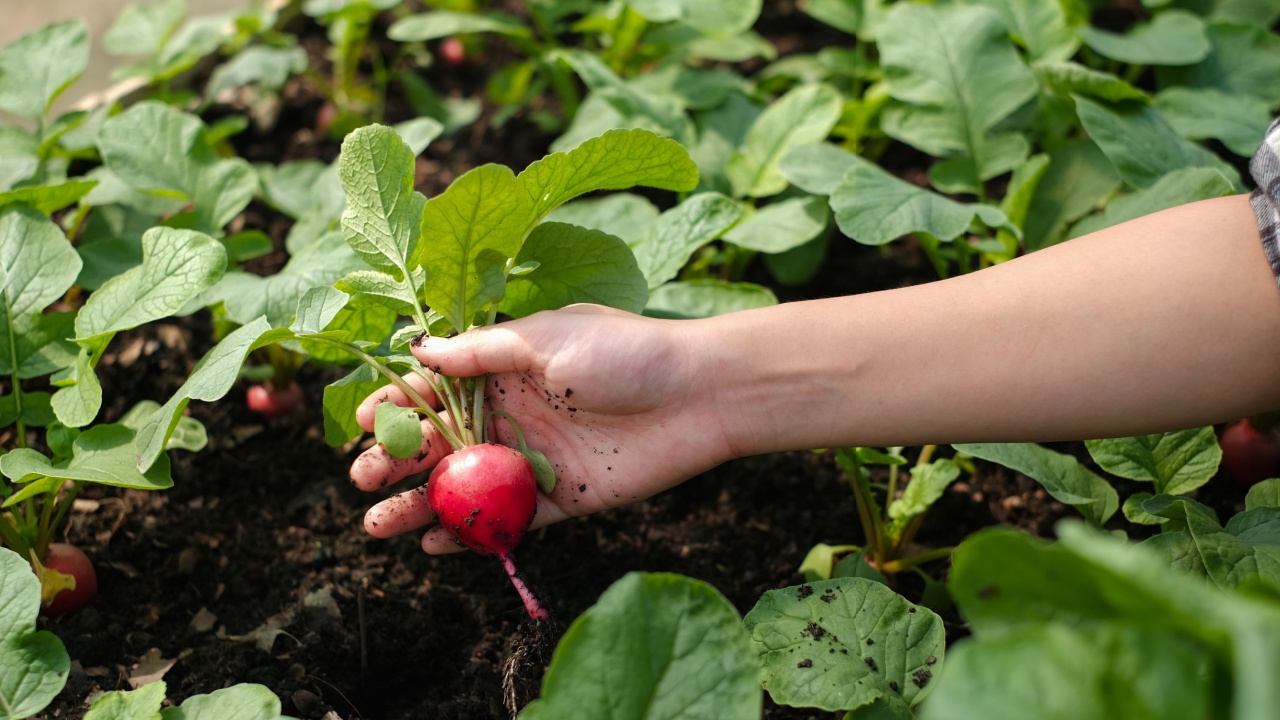
Image Credit: Shutterstock.
If your first instinct is to throw down seeds and hope for the best, go for it. But if you want to level up, start staggering your plantings every week or two. That way, you won’t get stuck with 40 cucumbers all at once or a single week of lettuce. You’ll stretch your harvest window, avoid burnout, and get the most out of every square foot you planted late.
You can then keep notes of what worked, what failed, and what flowered when, and you’ll be ready for the next season, even if you’re late again.