Farmer’s Almanac Winter Predictions: What Each Region Can Expect in 2026
Winter is here, and for gardeners and homeowners across the country, understanding what Mother Nature has in store is crucial for protecting plants, preparing properties, and planning indoor gardening activities. The Farmer’s Almanac has been America’s trusted weather oracle for over two centuries, using a unique blend of solar science, climatology, and meteorology to predict seasonal weather patterns.
Whether you’re winterizing your garden beds, planning your heating budget, or deciding when to start seeds indoors, these regional forecasts will help you make informed decisions for the months ahead. From the snow-laden Northeast to the mild Southwest, each region faces distinct weather challenges that can significantly impact your outdoor spaces and indoor growing plans.
Where We Got This Data
This article draws on long-range weather forecasts from the 2025–2026 editions of the Farmers’ Almanac and Old Farmer’s Almanac, supplemented by meteorological insights from NOAA and AccuWeather. Regional gardening recommendations are informed by university extension programs, horticultural experts, and seasonal maintenance guides.
What Makes the Farmer’s Almanac Special

The Farmer’s Almanac differentiates itself with a time-tested methodology, blending traditional weather folklore with modern scientific analysis. Founded in 1818, it boasts an impressive 80-85% accuracy rate over 200 years of forecasting.
Unlike short-term meteorological forecasts, which rely on computer models, the Almanac employs a proprietary formula that considers solar activity, lunar cycles, and planetary positions. This unique approach enables long-range predictions up to 18 months in advance, providing valuable planning insights.
Key Features:
- 200+ years of weather prediction experience
- 80-85% accuracy rate for long-range forecasts
- Combines solar science with traditional methods
- Predictions made 18 months in advance
- Focuses on seasonal trends rather than daily specifics
Northeast: Brace for a Snowy, Cold Winter

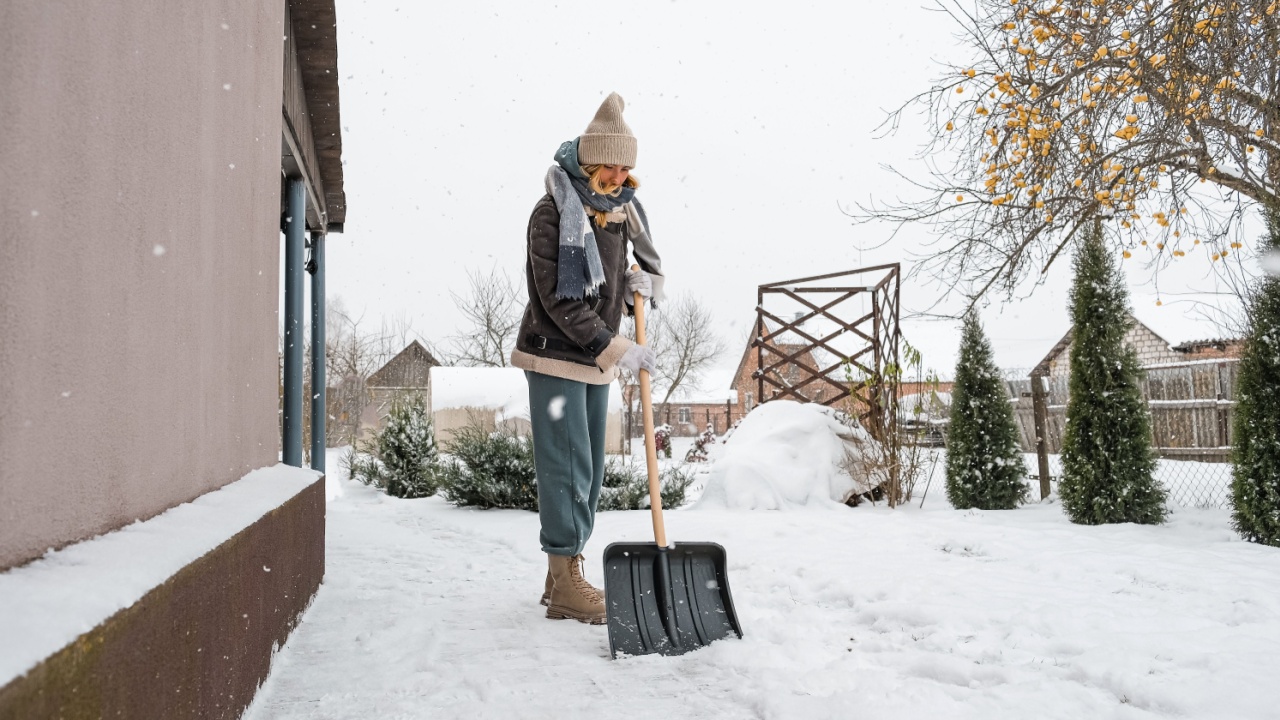
The Northeast is in for a harsh winter, with above-normal snowfall and below-average temperatures, especially in January and February, according to the Farmer’s Almanac.
Gardeners should protect plants from heavy snow and cold, which can damage branches and test plant hardiness; however, consistent snow cover may insulate the roots. Homeowners should prepare for higher heating costs and potential power outages, while cold frames or hoop tunnels can help extend the growing season.
Winter Preparation Tips:
- Wrap tender shrubs and young trees in burlap
- Apply extra mulch around perennial beds before the first hard freeze
- Install snow fencing to prevent drifting against valuable plants
- Stock up on ice melt and ensure heating systems are serviced
- Plan indoor herb gardens to maintain fresh growing through winter
Southeast: Milder Than Usual with Wet Spells
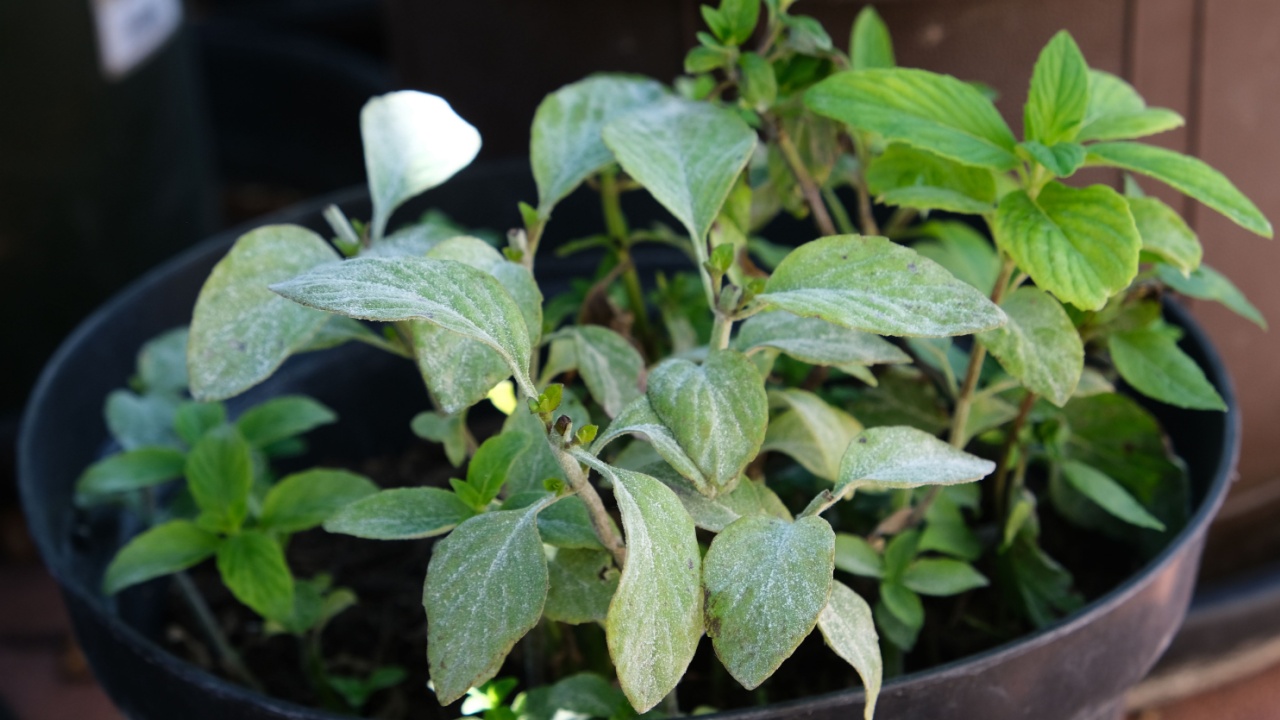
The Southeast can expect a mild yet wet winter, with above-normal temperatures and increased precipitation. Gardeners should watch for fungal diseases, pests, and drainage issues while taking advantage of improved soil moisture for spring planting. Consider adding raised beds or improving drainage for better results next year.
Regional Considerations:
- Monitor plants for fungal issues due to high humidity
- Improve garden drainage in preparation for wet conditions
- Take advantage of mild weather for winter garden maintenance
- Plan earlier spring plantings due to warmer soil temperatures
- Consider extending fall growing seasons with cold-hardy vegetables
Midwest: Variable Conditions with Harsh Cold Snaps
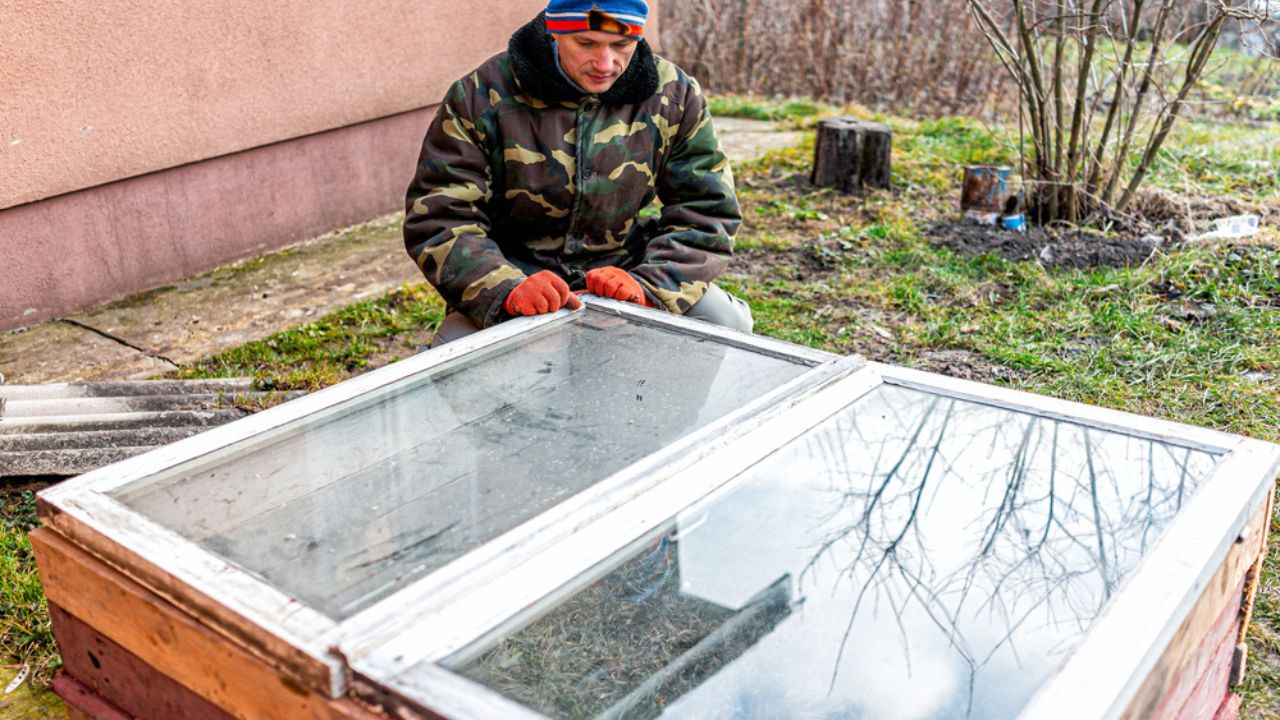
The Midwest will see extreme temperature swings this winter, with bitter cold alternating with mild stretches. These fluctuations are particularly hard on plants, as warm spells can cause premature budding, leaving them vulnerable to the return of cold temperatures. Gardeners should choose cold-hardy plants and avoid fertilizing in late fall. The unpredictable weather also makes it challenging to plan spring planting, so keeping detailed records of weather patterns is recommended.
Midwest Winter Strategy:
- Choose plants rated for at least one zone colder than your area
- Avoid late-season fertilizing to prevent tender growth
- Use row covers and cold frames for season extension
- Plan flexible indoor seed-starting schedules
- Protect water features and irrigation systems from freeze damage
Southwest: Drier and Cooler Than Recent Years
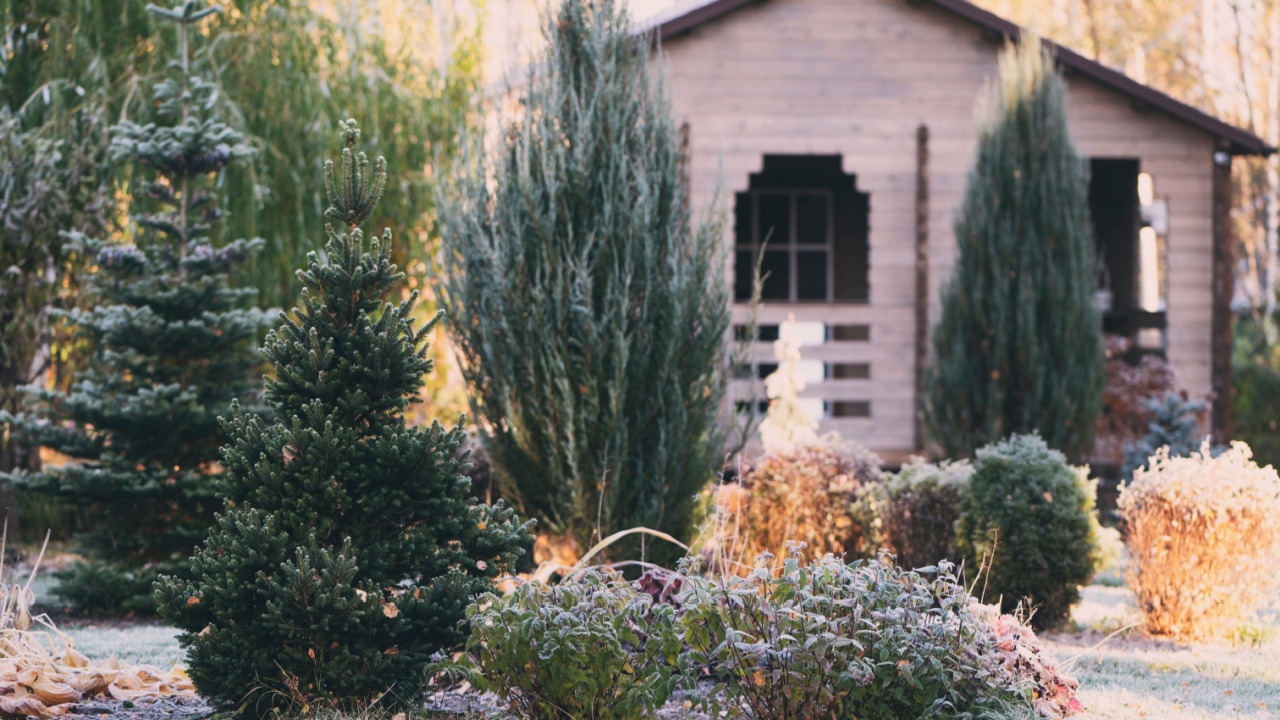
The Southwest, including Arizona, Nevada, and parts of California, can expect cooler and wetter conditions this winter, a departure from recent dry patterns. While this offers relief for drought-stressed landscapes and presents opportunities for new plantings, gardeners may need to protect sensitive plants, such as citrus and succulents.
Be mindful of drainage to prevent root rot in desert-adapted plants.
Southwest Adaptations:
- Provide frost protection for citrus and tender succulents
- Improve drainage around desert plants before wet weather arrives
- Take advantage of cooler conditions for landscape establishment
- Plan winter vegetable gardens with extended growing seasons
- Consider water harvesting systems for increased precipitation
Pacific Northwest: Wetter and Stormier Than Normal

The Pacific Northwest is bracing for an even wetter, stormier winter than usual, with above-normal precipitation and increased storm activity predicted. This means ideal conditions for slugs and snails, and saturated soils with strong winds can lead to damage to tree and garden structures. However, this moisture also fuels lush growth, making proper drainage, plant choice, and pest management crucial.
Pacific Northwest Prep:
- Install comprehensive drainage systems in garden areas
- Increase slug and snail control measures
- Secure or protect garden structures against strong winds
- Choose plants that thrive in wet conditions
- Plan covered growing areas for winter gardening
Mountain West: Heavy Snow and Extended Cold
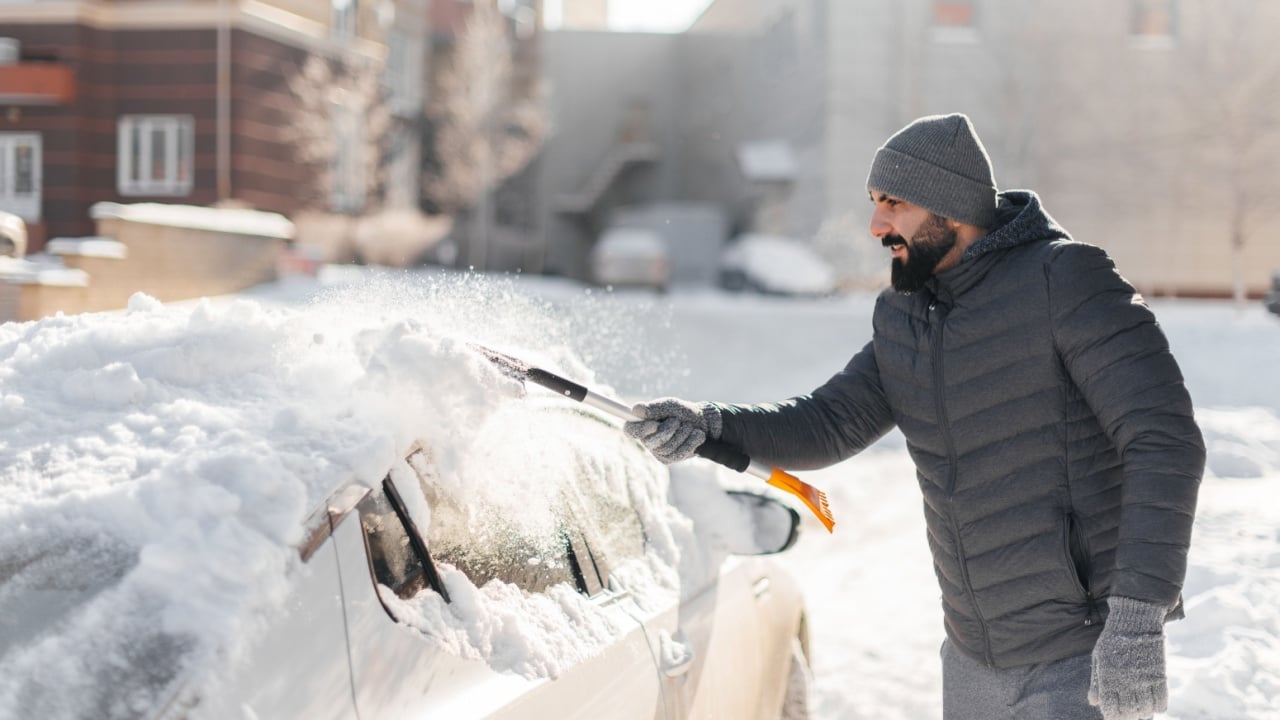
The Mountain West (CO, UT, WY, MT) is bracing for heavy snowfall and extended cold. While heavy snow can damage plants and structures, it also provides excellent insulation and moisture for spring, and the cold benefits fruit trees. Gardeners should focus on reinforcing structures to withstand snow loads.
Mountain Considerations:
- Reinforce greenhouse and garden structure roofing
- Plan for extended periods without access to outdoor gardens
- Take advantage of excellent snow insulation for perennial protection
- Ensure adequate cold hours for fruit tree production
- Develop indoor growing capabilities for fresh produce
Great Lakes: Abundant Lake Effect Snow

The Great Lakes region is expected to experience a winter dominated by lake-effect snow, with above-normal snowfall predicted, resulting in highly localized conditions. While the heavy snow insulates plants, it can also damage evergreens and structures. Due to this variability, understanding your specific microclimate and leveraging local gardening knowledge is crucial.
Great Lakes Strategy:
- Understand your specific lake effect snow patterns
- Provide variable protection based on exposure to prevailing winds
- Network with local gardeners for microclimate insights
- Plan for possible extended periods of garden inaccessibility
- Consider wind protection as much as cold protection
Preparing Your Garden and Home for Winter

Prepare your outdoor spaces for winter by evaluating your current protection methods and making improvements based on your region’s forecast. Invest in tools such as cold frames, row covers, or small greenhouses to protect plants and extend the growing season.
While weather predictions are helpful, it’s essential to stay flexible and prepared for varying conditions. Keep detailed records of local weather to optimize your winter gardening strategies. Start now to ensure your garden and home remain protected through the cold months ahead.