10 Little Design Tricks That House Guests Love Seeing
Having people over should be fun (holidays or not), not a frantic dash to hide piles of laundry and question every design choice you’ve ever made. Sometimes, though, it is. We don’t want to feel judged, but we’ve all felt that pre-guest panic.
Creating a home that makes visitors feel welcome and a little impressed should not require hiring a cleaning crew, painting crew, and someone to dig moles out of the yard. You can add a few simple, thoughtful, specific touches that elevate your space from simply lived-in to intentionally designed.
These ten tricks focus on details that make a big impact, turning your home into a place people are excited to visit.
1. Craft an Elegant Entryway
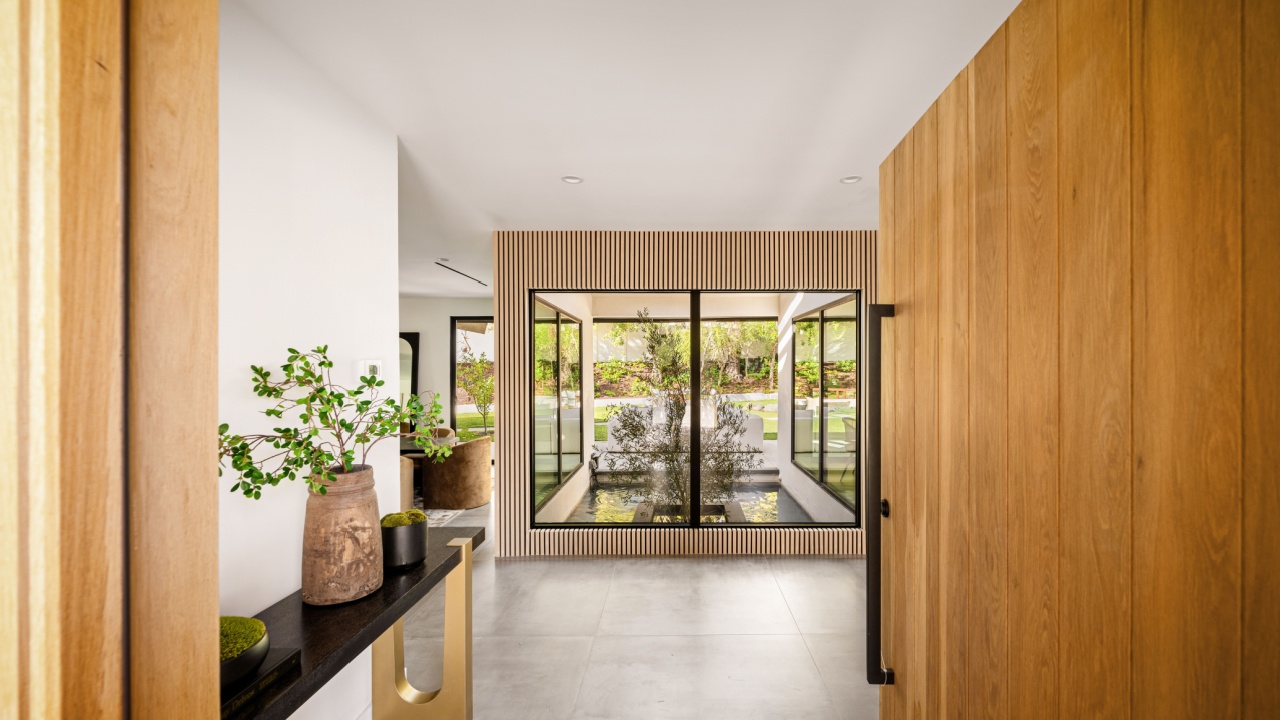
The first impression of your home happens the moment the door swings open. An entryway sets the tone for the entire visit. A cluttered, chaotic entrance can make guests feel like they are intruding, while a well-organized and stylish one welcomes them warmly. The goal is to create a space that is both functional and beautiful, offering a glimpse of the care and personality found throughout the rest of your home.
This small area is your home’s handshake. A good one is firm, welcoming, and leaves a positive memory. It’s a simple way to show you’ve put thought into their experience from the very beginning.
Quick Wins:
- Add a slim console table: It provides a surface for a beautiful object, like a vase or a small sculpture, without taking up too much floor space.
- Hang a stylish mirror: A mirror can make a small entryway feel larger and brighter. It also gives guests a convenient spot to check their reflection.
- Include a designated spot for keys and mail: A decorative bowl or tray keeps clutter contained and looks intentional.
- Use a durable and attractive rug: An entryway rug protects your floors and adds a pop of color or texture.
2. Display Fine Art
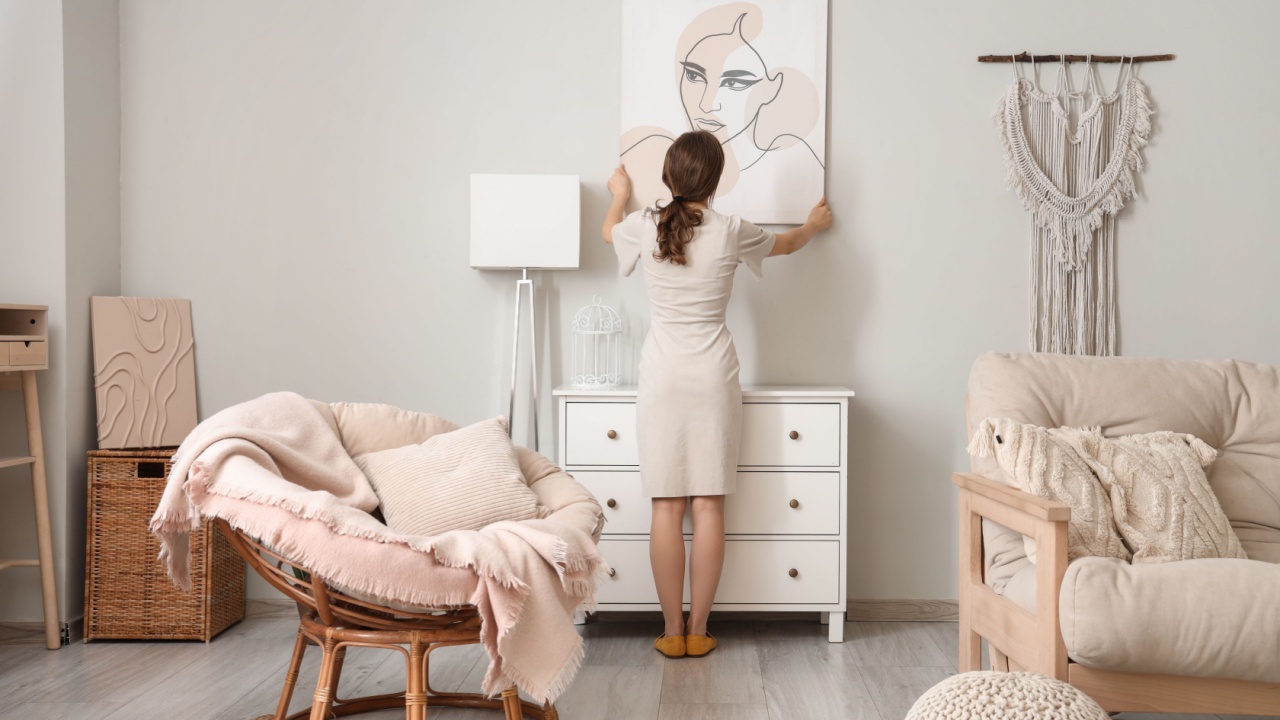
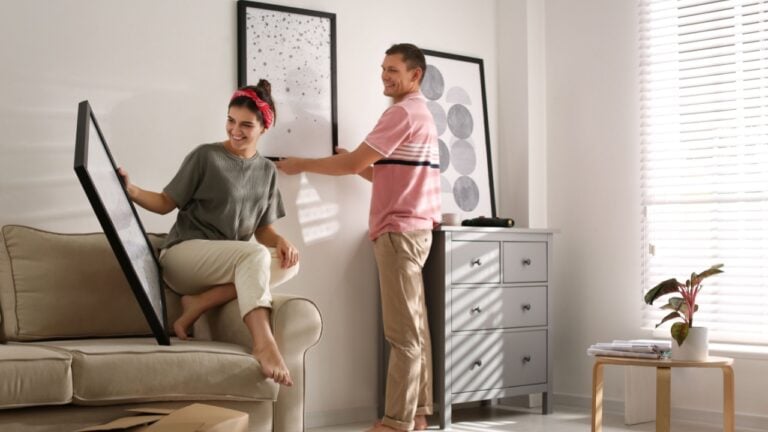
Hanging art on the walls is one of the most effective ways to inject personality and sophistication into a room. The right piece can become a focal point, spark conversation, and completely transform the feel of a space.
It could be a print from a favorite artist, a large-scale photograph, or even a professionally framed piece from a local art fair. It elevates a room from a collection of furniture to a curated space that reflects who lives there. A well-chosen piece can tie a color scheme together or add a dramatic element that immediately draws the eye.
Quick Wins:
- Go big: A single, oversized piece of art often has more impact than a gallery wall of smaller frames.
- Consider placement: Hang art at eye level, which is typically 57-60 inches from the floor to the center of the piece. In a dining room, hang it slightly lower so it can be enjoyed while seated.
- Light it up: A picture light installed above a frame makes the art feel more important and adds a layer of ambient lighting to the room.
- Explore different mediums: Don’t limit yourself to paintings. Consider photography, textiles, or high-quality prints to find something that resonates with you.
3. Introduce Greenery and Fresh Flowers
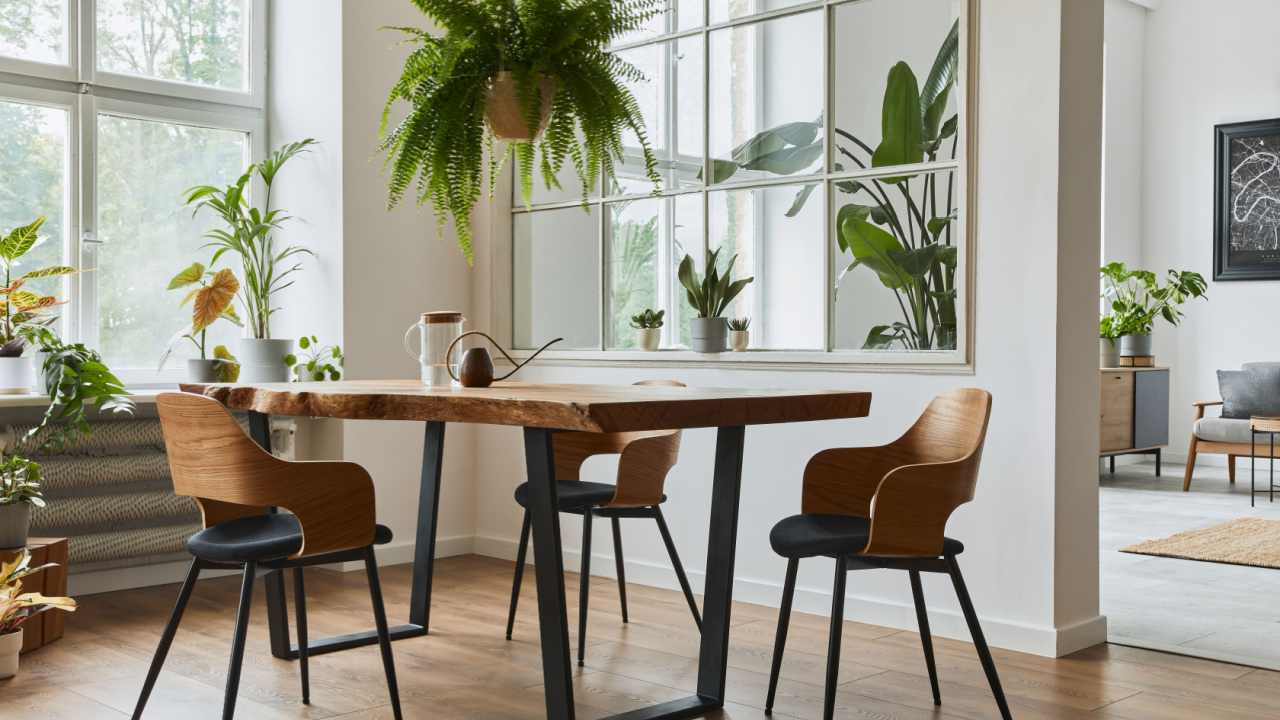
Bringing plants and fresh flowers indoors is a classic design trick for a reason. They instantly add life, color, and a touch of nature to any room. Living plants can improve moods and help boost air quality. A bouquet of fresh flowers provides a temporary burst of beauty and fragrance that makes a home feel special and well-tended.
Greenery softens the hard edges of furniture and architecture, making a space feel more organic and welcoming. Fresh flowers are a gesture of hospitality; they signal that you’ve made an extra effort to prepare for your guests’ arrival, making them feel valued.
Quick Wins:
- Choose the right plant for the right spot: Assess the light in your room. Snake plants and ZZ plants are great low-light options, while succulents and fiddle leaf figs need bright, indirect sun.
- Vary the size and shape: Use a mix of large floor plants, smaller tabletop plants, and hanging varieties to create visual interest at different heights.
- Use beautiful containers: The pot or vase is just as important as the plant. Choose planters that complement your decor.
- Keep it simple with flowers: A single type of flower, like a bunch of tulips or hydrangeas, often looks more modern and chic than a complex arrangement.
4. Install a Statement Light Fixture
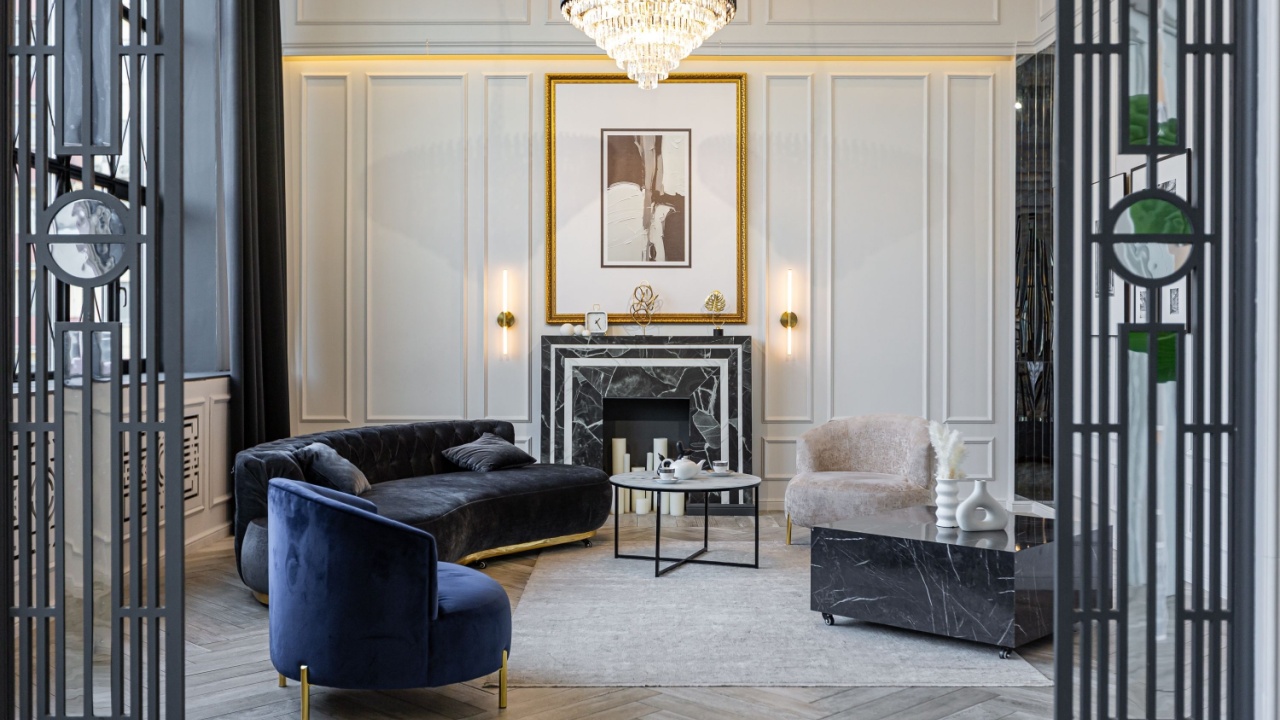
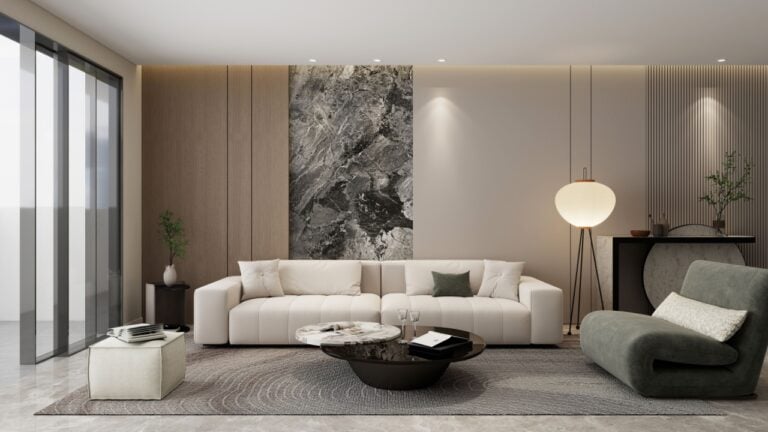
Lighting is a fundamental element of interior design that is often overlooked. Swapping a standard, builder-grade light fixture for a statement piece can dramatically alter the character of a room. A unique chandelier, a sculptural pendant light, or an artistic floor lamp acts as functional jewelry for your home, drawing the eye upward and creating a memorable focal point.
A great light fixture does more than just illuminate a room; it defines the space and sets a mood. It can add a touch of glamour to a dining room, a modern edge to a living room, or a playful feel to an entryway.
Quick Wins:
- Think about scale: A common mistake is choosing a fixture that is too small. A larger fixture often looks more deliberate and high-end. A general rule for a dining room is to choose a chandelier that is about 1/2 to 2/3 the width of the table.
- Install a dimmer switch: This is a non-negotiable for creating ambiance. It allows you to adjust the light level for any occasion, from a bright, lively dinner party to a low-key evening.
- Layer your lighting: A statement fixture provides ambient light. Supplement it with task lighting (like reading lamps) and accent lighting (like picture lights) for a well-rounded scheme.
- Consider unexpected places: A small chandelier in a bathroom or walk-in closet can add a surprising touch of luxury.
5. Layer Your Textures
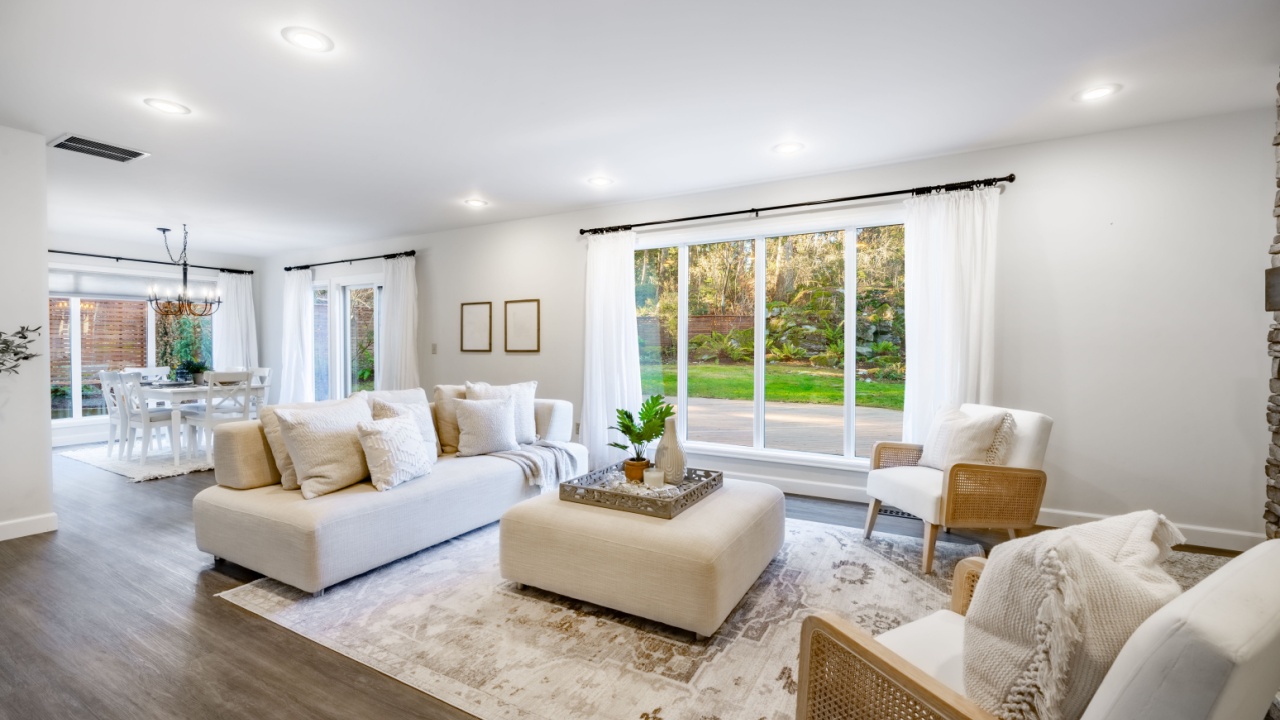
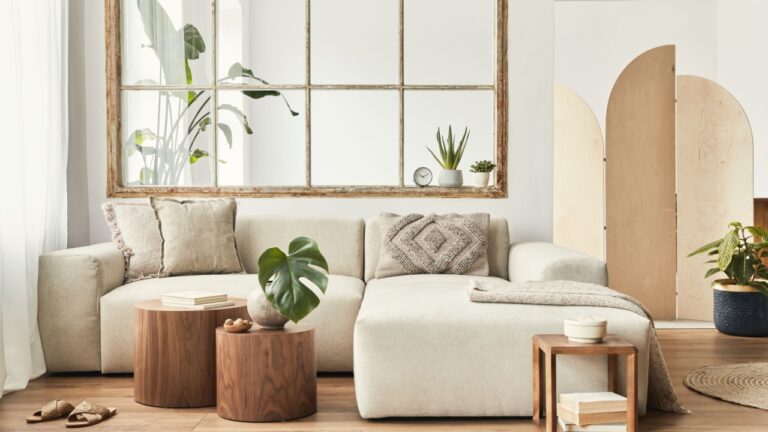
A room decorated with only flat, smooth surfaces can feel cold and one-dimensional. Layering different textures is the secret to creating a space that feels rich, complex, and inviting. Think about how things feel to the touch: soft, rough, smooth, and nubby. Combining these creates a sensory experience that makes a room feel comfortable and complete.
Texture adds visual weight and depth. A velvet pillow on a leather sofa, a wool throw on a linen armchair, or a jute rug under a wooden coffee table all create subtle contrasts that are pleasing to the eye. It’s what makes you want to sink into a chair and stay for a while.
Quick Wins:
- Mix materials: Combine different fabrics like cotton, linen, wool, velvet, and faux fur in your pillows and throws.
- Don’t forget the floor: A rug is a great way to add a large dose of texture. Natural fiber rugs like jute or sisal add a rustic feel, while a plush wool rug adds softness and luxury.
- Incorporate different finishes: Mix matte and shiny finishes, and contrast smooth surfaces like glass or metal with rougher ones like reclaimed wood or concrete.
- Add natural elements: Woven baskets, wooden bowls, and stone objects are easy ways to introduce organic textures.
6. Curate Personal and Unique Décor

Your home should be a reflection of you. Displaying objects that have personal meaning or tell a story is what turns a house into a home. These are the items that can’t be bought at a big-box store: a collection of pottery from your travels, a stack of your favorite art books on the coffee table, or framed photos of loved ones.
Personal items are conversation starters. They give guests a window into your life, your passions, and your history. This authenticity is what makes a space feel genuine and interesting. It shows that your home has been thoughtfully assembled over time, not decorated in a weekend.
Quick Wins:
- Group collections together: A cluster of similar items, like a group of ceramic vases or vintage cameras, has more impact than spreading them throughout the room.
- Style your bookshelves: Mix books with decorative objects. Stack some books horizontally to create platforms for smaller items.
- Frame more than art: Frame a vintage map, a beautiful piece of fabric, a child’s drawing, or even a meaningful letter to create personal wall art.
- Edit yourself: Not every souvenir or photo needs to be on display at once. Rotate items seasonally or as your tastes change to keep your displays feeling fresh.
7. Upgrade Your Hardware
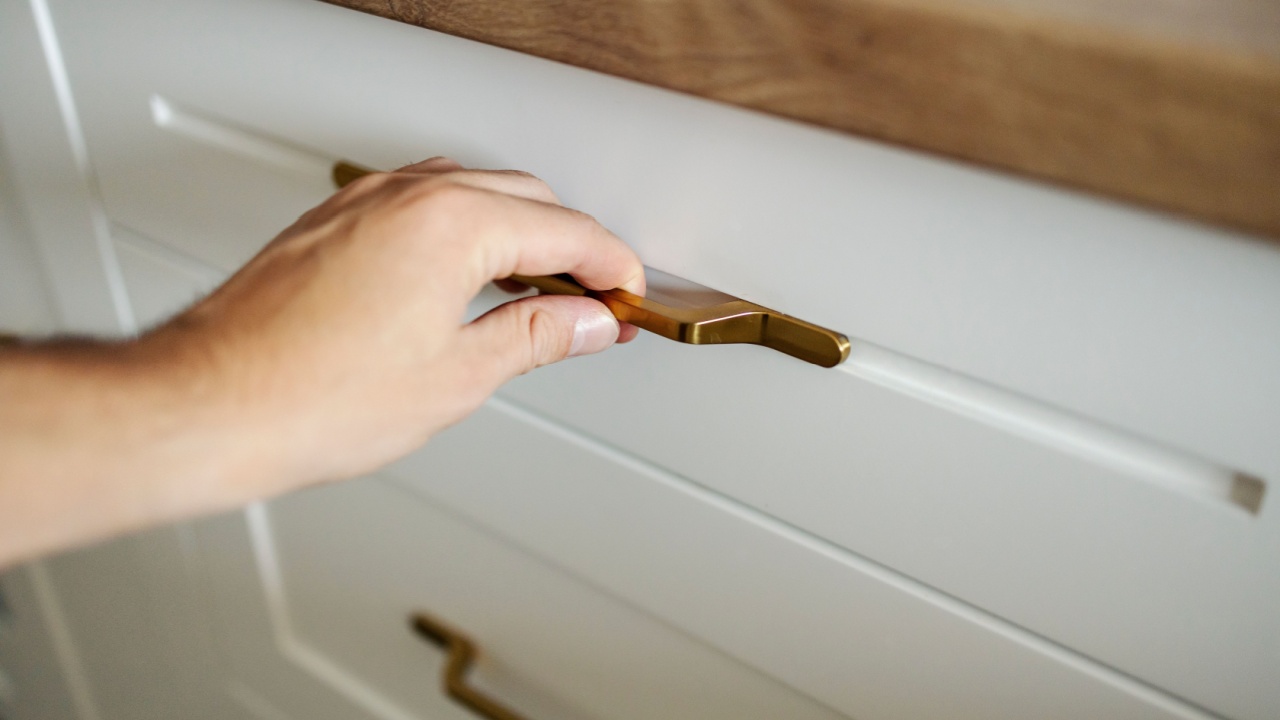
Small details can have a surprisingly large impact. Upgrading the hardware on your kitchen cabinets, bathroom vanities, and interior doors is a relatively inexpensive and easy way to make your home look more custom and polished. Swapping out basic, builder-grade knobs and pulls for something more substantial and stylish can completely change the look of your cabinetry.
This trick is all about elevating the everyday. You and your guests touch hardware constantly. When a cabinet pull feels heavy and solid in your hand, or a doorknob has a beautiful, unique design, it sends a subconscious message of quality and care.
Quick Wins:
- Choose a finish: Finishes like aged brass, matte black, and polished nickel are popular choices that can coordinate with your lighting and plumbing fixtures.
- Measure carefully: Before buying, measure the distance between the screw holes on your existing pulls to find replacements that will fit without drilling new holes.
- Be consistent: While you can mix metals in a room, it’s often best to keep the hardware finish consistent within one area, like on all kitchen cabinets.
- Don’t forget doors: Replacing standard interior doorknobs with more elegant levers or crystal knobs is a high-impact upgrade.
8. Create a Captivating Scent
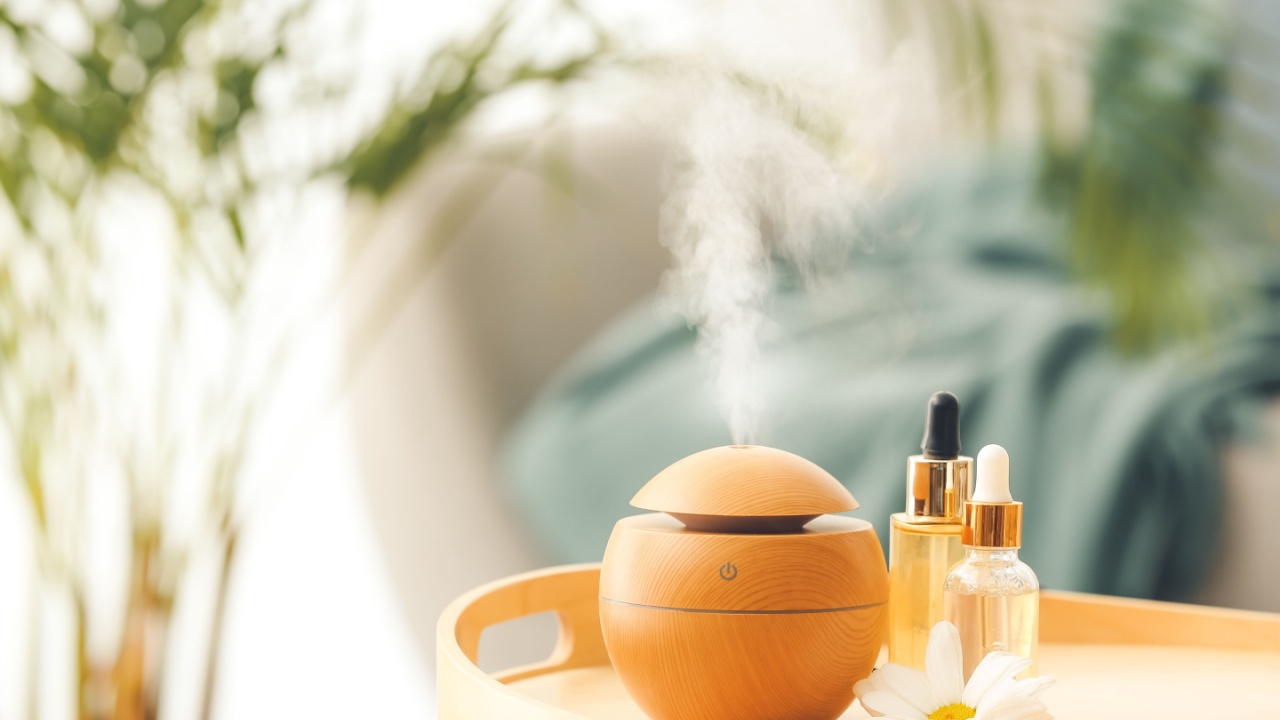
Scent is powerfully linked to memory and emotion. The way your home smells is one of the first things a guest will notice, even if they don’t consciously register it. A pleasant, subtle fragrance makes a home feel clean, welcoming, and luxurious. The key is to choose a signature scent that is not overwhelming.
A carefully chosen scent adds an invisible layer of ambiance to your home. It can make a space feel cozy in the winter (think sandalwood or cedar) or fresh and airy in the summer (like citrus or linen). It’s a sophisticated detail that shows you’ve considered every sensory aspect of the guest experience.
Quick Wins:
-
- Use a diffuser with essential oils: This is a great way to create a consistent, natural fragrance. Scents like lavender, eucalyptus, or a subtle blend of sandalwood and bergamot are excellent choices.
<li ” value=”2″>Light a high-quality candle: Choose candles made from soy or beeswax with sophisticated scents. Light it about 30 minutes before guests arrive.
- Try a simmer pot: For a completely natural option, simmer a pot of water on the stove with citrus peels, cinnamon sticks, and cloves. It will fill your home with a wonderful, inviting aroma.
- Avoid synthetic air fresheners: Plug-ins and aerosol sprays can be overpowering and smell artificial. Stick to more natural, nuanced options.
9. Improve Your Guest Bathroom
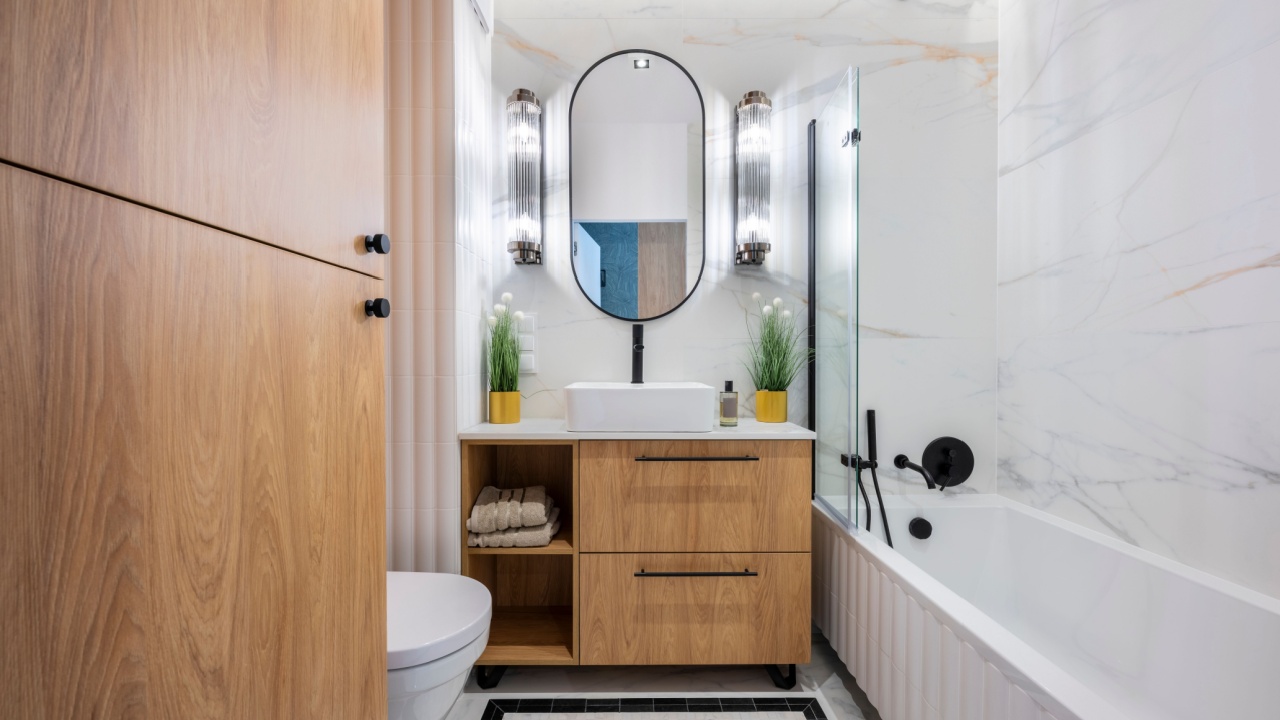
The guest bathroom is a small space where you can make a big impression. Since it’s a room your guests will likely visit alone, they will have a moment to notice the details. A clean, well-stocked, and thoughtfully appointed guest bathroom can make your visitors feel truly cared for.
This is a space where a little bit of hotel-like luxury goes a long way. Providing high-quality amenities and ensuring the space is spotless shows a high level of hospitality. It’s a private comfort you provide for your guests that they will definitely appreciate.
Quick Wins:
- Provide premium hand soap and lotion: Decant them into attractive, reusable dispensers for a more elegant look.
- Offer plush, clean towels: Have a dedicated set of high-quality hand towels and bath towels just for guests.
- Include a small tray of essentials: A small tray with items like cotton swabs, nice hand cream, or a small vase with a single flower is a thoughtful touch.
- Add a touch of green: A small, low-light-tolerant plant, like a snake plant or pothos, can thrive in a bathroom and make it feel fresher.
10. Master Your Coffee Table Styling

The coffee table is often the centerpiece of the living room. Leaving it bare can make the room feel unfinished, while a cluttered table looks messy. The art of styling a coffee table involves creating a balanced arrangement of objects that is both beautiful and functional.
A well-styled coffee table anchors the seating area and provides an opportunity to display your personality. It serves as a central point of interest, inviting guests to sit down and relax. It completes the look of the room and ties all the decorative elements together.
Quick Wins:
-
- Use a tray: A large tray is the stylist’s best friend. It corrals items and makes the arrangement look organized and intentional.
- Follow the rule of three: Grouping items in odd numbers, especially threes, is visually appealing. Try a stack of books, a candle, and a small decorative object.
- Vary height and scale: Create a dynamic arrangement with objects of different heights. A tall vase with branches, a medium-sized bowl, and a low stack of books work well together.
- Include something living: A small plant or a bud vase with a few fresh flowers will bring life to your arrangement.
Maintain the Wow Factor
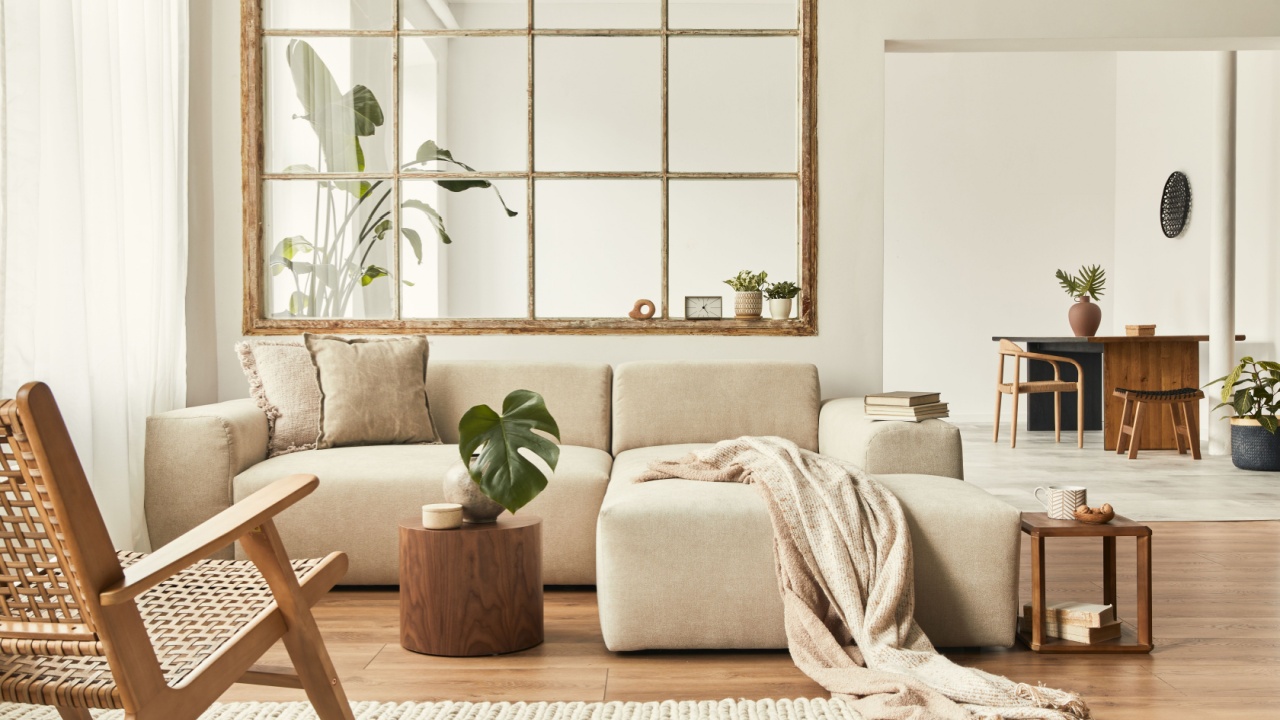
Creating a home that wows is a gradual process of collecting meaningful items and making thoughtful upgrades. Make the change that seems most achievable for you. Perhaps you can tackle the entryway this weekend or invest in a new light fixture next month. By focusing on these impactful details, you can transform your space into a stylish and welcoming home that you’ll be proud to share with guests.
Read more:
These Cheap but Bougie Light Upgrades Will Wow House Guests
15 Subtle Tactics to Get House Guests Who Wore Out Their Welcome to Leave