
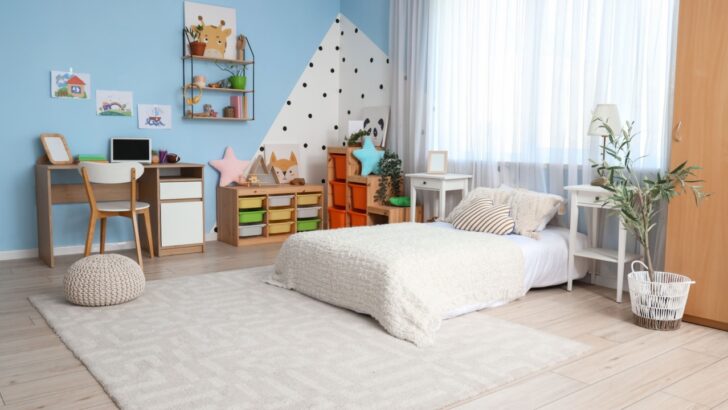
Two things are true: kids love to play, and they love spending time with their grandparents a lot (as long as they have a good relationship, that is). Creating a dedicated space for your grandchildren transforms your house into a home they eagerly anticipate visiting. A thoughtfully designed room serves as their personal haven, a place filled with comfort, fun, and memories waiting to be made.
This space is more than just a place to sleep; it is a canvas for their imagination and a testament to your love. The goal is to craft a room that feels like you thought about them first. Something that reflects their current obsession with the jungle, while being functional and adaptable as they outgrow the dinosaur phase.
Here is a list of ten dream room ideas to make your grandchildren feel special and welcome.
1. Create a Dynamic Play Area
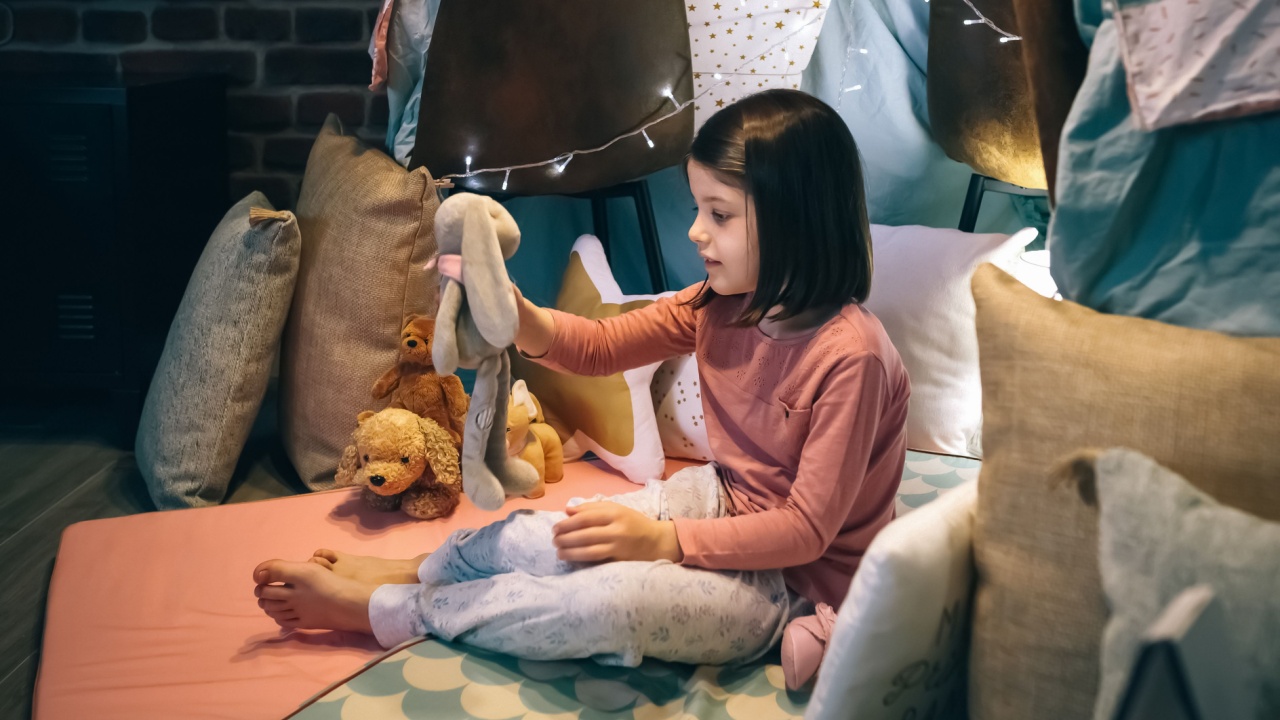
Image Credit: Shutterstock.
An interactive play zone can turn any spare room into a hub of excitement and imagination. The key is to design a space that encourages active and creative play safely. Start with soft floor mats to cushion tumbles and provide a comfortable surface for hours of fun. A small indoor tent or a fabric playhouse can become a secret fort, a spaceship, or a castle, offering a sense of adventure and a private spot for imaginative games.
Stocking the area with a curated selection of age-appropriate toys is essential for stimulating their minds. Puzzles, building blocks, and craft supplies encourage problem-solving and creativity. Rotate the toys periodically to keep the space fresh and exciting, aligning with their evolving interests as they grow. This adaptability ensures the play area remains a favorite spot, fostering independence and allowing them to explore their world in a secure environment.
Why it’s a good option:
- Encourages physical activity and imaginative play, keeping kids engaged and entertained indoors.
- Next Steps: Secure furniture to walls, choose non-toxic materials, and install soft flooring. Organize toys in labeled bins for easy cleanup.
2. Design a Storytelling Nook
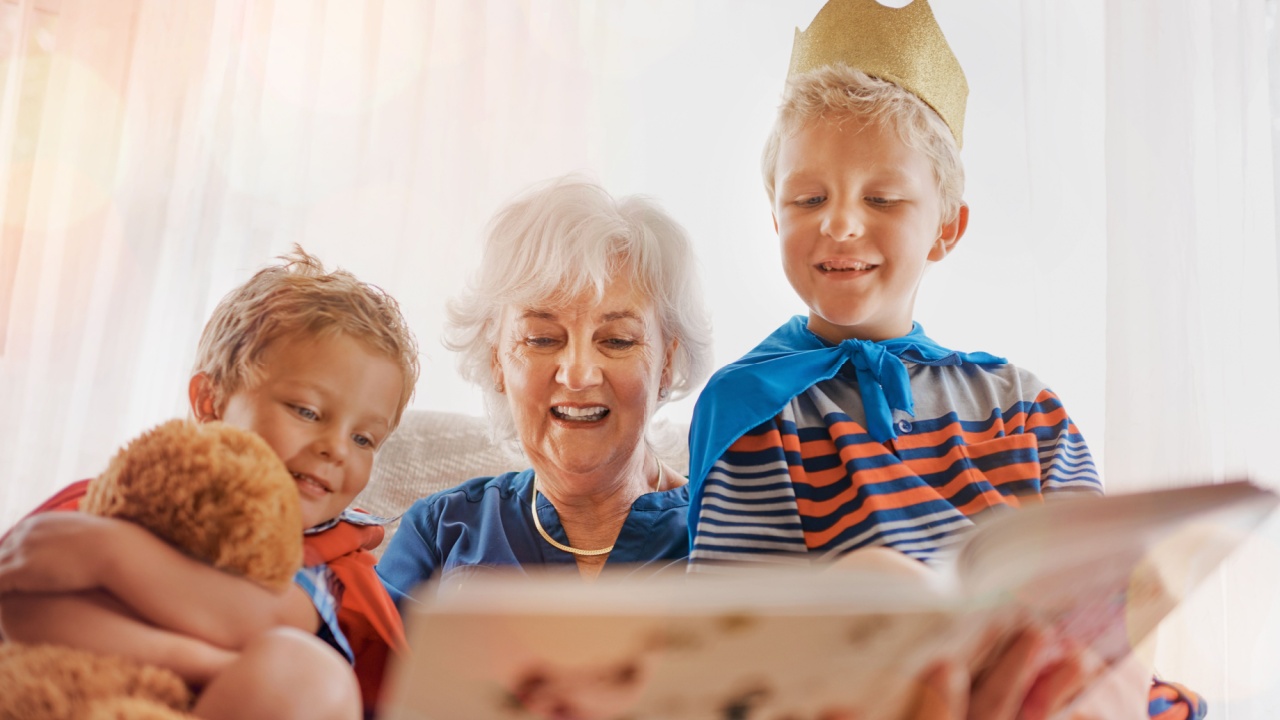
Image Credit: Shutterstock.
Parents and grandparents have a significant impact on a child’s literacy, and grandpas are synonymous with storytelling. Creating a dedicated reading and storytelling corner can become a magical escape where stories come to life. Arrange large floor pillows or soft bean bag chairs to create an inviting spot for them to settle in with a book. A small, accessible bookshelf filled with a diverse collection of picture books, chapter books, and fairy tales will open up new worlds.
Proper lighting is important for a reading space. A gentle lamp or strategically placed string lights can create a warm and inviting atmosphere perfect for diving into a story. You can make this space even more special by reading together, strengthening your connection, and creating cherished memories. A well-loved storytelling nook helps build a lifelong appreciation for books and learning.
Why it’s a good option:
- Fosters literacy skills, provides a quiet space for relaxation, and encourages quality time together.
- Next Steps: Select a quiet corner of the room. Stock the bookshelf with a variety of age-appropriate books and consider a library borrowing system to keep the selection fresh.
3. Establish an Art Corner
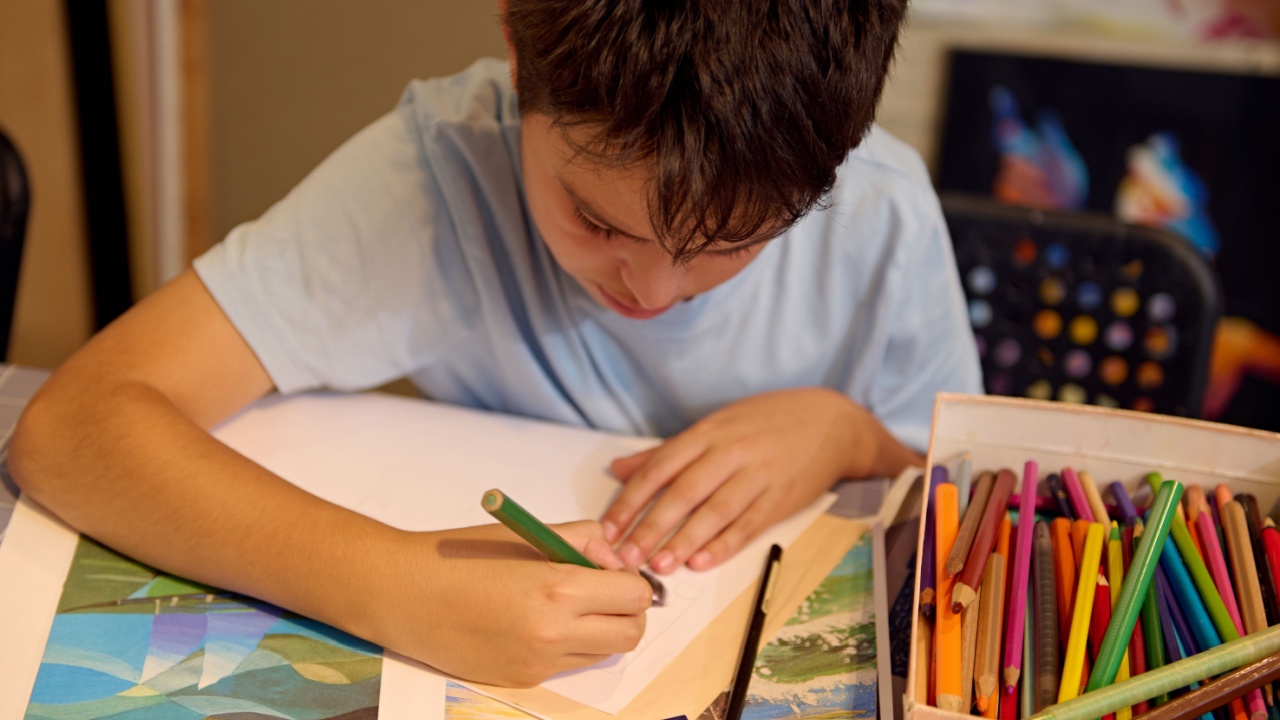
Image Credit: Shutterstock.
An art corner provides a designated space for young creators to express themselves without limits. Equip this area with a child-sized table and chairs, an easel, and a wide range of art supplies. Offer washable paints, crayons, colored pencils, and plenty of paper. This setup not only allows them to explore their artistic talents but also helps contain the mess to one area.
Displaying their finished artwork is a powerful way to boost their confidence. A corkboard, a magnetic wall, or a simple string with clothespins can serve as a personal gallery. This act of validation shows them that their creativity is valued. An art corner nurtures self-expression, fine motor skills, and emotional growth, giving them a productive outlet for their imagination.
Why it’s a good option:
- Nurtures creativity, develops fine motor skills, and provides a constructive outlet for self-expression.
- Next Steps: Use a washable rug or floor mat under the art table for easy cleanup. Store supplies in clear, labeled containers.
4. Install an Indoor Gardening Station
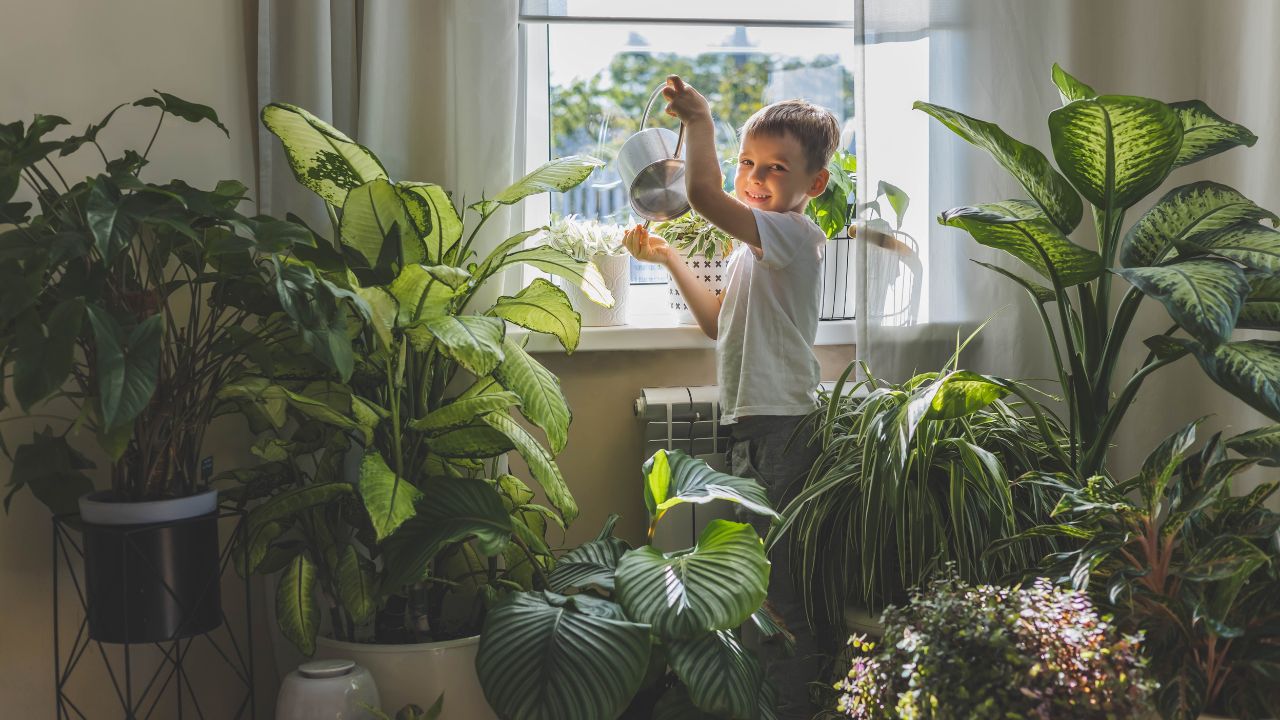
Image Credit: Shutterstock.
Bring the wonders of the garden indoors with a personal gardening station. This idea is perfect for a home and garden enthusiast to share their passion. Set up a small bench or table near a sunny window. Provide child-sized gardening tools, small pots, soil, and easy-to-grow seeds like herbs, marigolds, or beans. This hands-on activity teaches them about nature and the life cycle of plants.
Caring for their own plants instills a sense of responsibility and patience. They learn to water, observe growth, and tend to a living thing. The reward of seeing their plant sprout and flourish provides a great sense of accomplishment. An indoor gardening station connects children to the natural world, offers a calming activity, and can even spark an interest in where food comes from.
Why it’s a good option:
- Teaches responsibility, connects children to nature, and provides a rewarding, hands-on learning experience.
- Next Steps: Choose a spot with ample sunlight. Select fast-growing, non-toxic plants. Create a watering schedule with your grandchild.
5. Build an Adventure Wall

Image Credit: Shutterstock.
An adventure wall can inspire curiosity about the world beyond their room. Paint a large world map mural on one wall, creating a stunning and educational focal point. Use removable stickers, small flags, or pins to mark places your family has traveled or places your grandkids dream of visiting. You can add personal touches with photos from family trips, postcards, and souvenirs.
This interactive feature makes geography tangible and exciting. It serves as a visual diary of shared experiences and a bucket list for future adventures. An adventure wall can be a starting point for conversations about different cultures, animals, and landmarks, turning learning into a fun, collaborative activity. It’s a constant reminder of family connections and the wide world waiting to be explored.
Why it’s a good option:
- Makes learning geography interactive and fun, personalizes the space with family memories, and inspires curiosity.
- Next Steps: Choose a prominent wall for the map. Gather photos and mementos to display. Involve your grandkids in marking locations on the map.
6. Introduce Themed Bedding and Decor
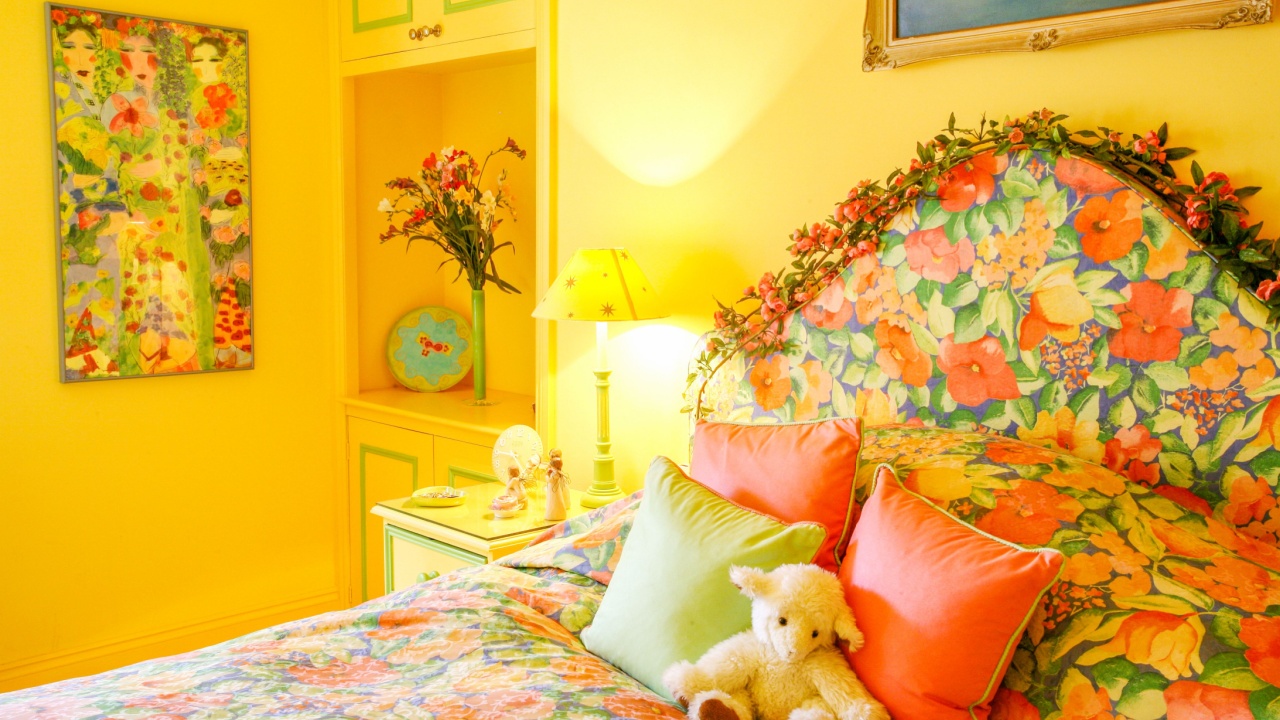
Image Credit: Ian Luck / Shutterstock.
Themed decor can instantly transform a simple room into a fantasy world. Feed their dream of exploring outer space, sailing the high seas as a pirate, or living in a fairy tale castle with themed bedding and accessories. A bed shaped like a race car or a boat can become the centerpiece of their imaginative play.
Incorporate decorative elements like wall decals, curtains, and rugs that complement the chosen theme. The key is to allow your grandkids to have a say in the theme, which gives them a sense of ownership over their space. Choose bedding that is comfortable and easy to wash. A well-executed theme creates an immersive environment that fuels their imagination day and night.
Why it’s a good option:
- Personalizes the room to the child’s interests and creates an immersive environment for play and sleep.
- Next Steps: Discuss theme ideas with your grandchild. Look for bedding sets and removable wall decals that fit the theme. Keep larger furniture items neutral so the theme can be updated easily.
7. Set Up a Music Zone
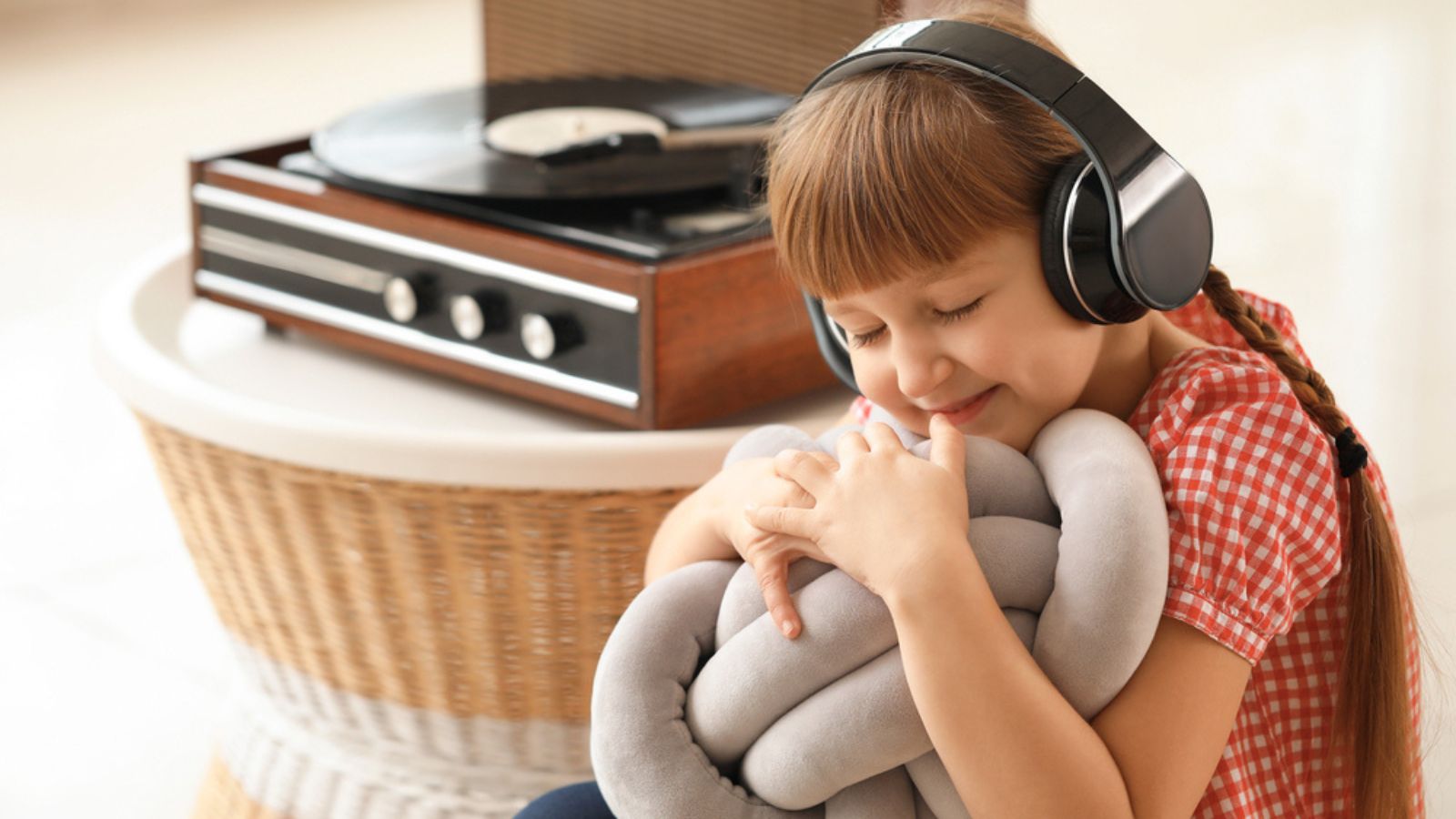
Photo Credit: Depositphotos.com.
Music is great for the soul and also for your grandchildren’s development. A music zone can introduce your grandchildren to the joy of creating sound and rhythm. You do not need expensive instruments to get started. A small keyboard, a ukulele, bongos, or a set of maracas can provide hours of entertainment. Including a pair of headphones is a considerate touch, allowing for private practice sessions.
This dedicated area encourages them to experiment with different sounds, create their own melodies, and develop an appreciation for music. You can add simple sheet music or songbooks to guide their learning. A music zone supports cognitive development, enhances coordination, and offers a wonderful outlet for emotional expression.
Why it’s a good option:
- Supports cognitive development, nurtures a potential hobby, and offers a creative outlet for energy.
- Next Steps: Designate a corner for the music zone. Start with a few simple, durable instruments. Encourage experimentation over formal lessons initially.
8. Create a Building and Engineering Station
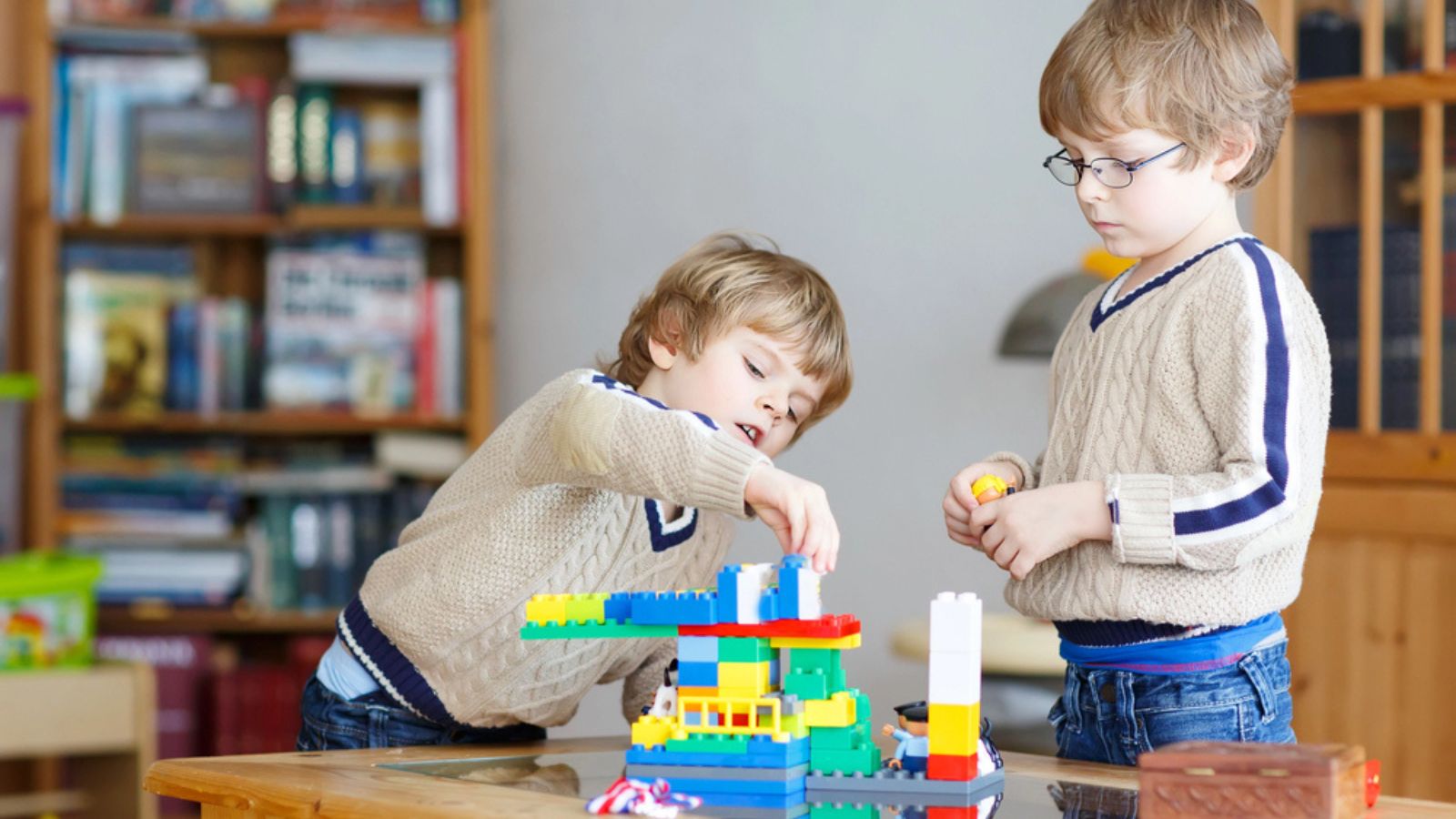
Photo Credit: romrodinka at Depositphotos.com.
For the grandchild who loves to construct and deconstruct, it’s never too early for an engineering station. Set up a sturdy table or a designated floor area with a low-pile rug. Stock it with a variety of building materials like LEGOs, wooden blocks, magnetic tiles, and simple construction sets.
This station encourages logical thinking, spatial awareness, and problem-solving skills. Clear, labeled bins make it easy for them to find the pieces they need and help with cleanup. You can add challenges, like building the tallest tower or a bridge that can support a toy car, to stimulate their engineering mindset. This hands-on space allows them to bring their structural ideas to life.
Why it’s a good option:
- Develops STEM skills, fine motor coordination, and patience through hands-on construction play.
- Next Steps: Use durable, stackable bins for storage. Choose a variety of building materials to challenge them in different ways.
9. Design a Dress-Up Corner
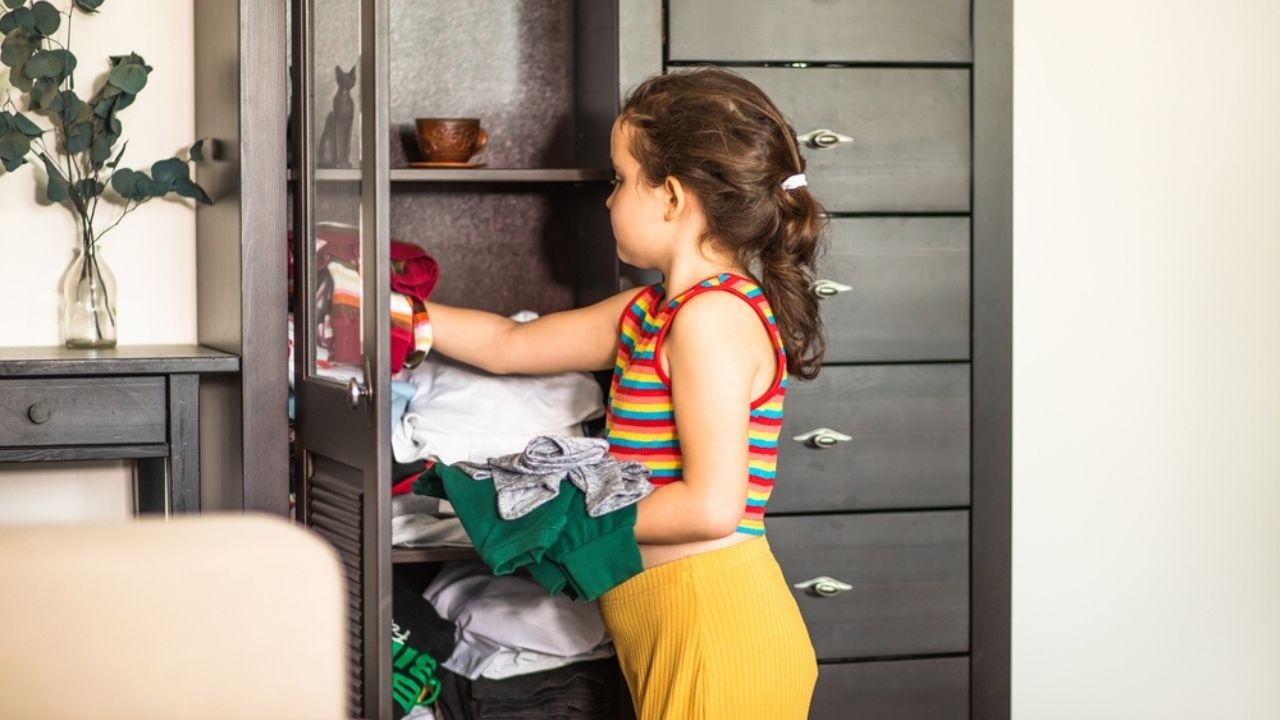
Image Credit: Shutterstock.
A dress-up corner fuels imaginative role-playing and storytelling. Install a low rod with hangers or a few wall hooks to display a collection of costumes. A full-length, shatterproof mirror is a must, allowing them to see their transformations. A decorative trunk or basket can hold accessories like hats, scarves, wands, and costume jewelry.
Role-playing helps children develop social and emotional skills as they act out different scenarios and characters. It builds confidence and communication abilities. You can gather costumes from post-holiday sales or make your own from old clothes and craft supplies. This simple addition provides endless opportunities for creative play.
Why it’s a good option:
- Encourages imaginative role-playing, develops social skills, and builds confidence through self-expression.
- Next Steps: Install a child-safe mirror and low hooks or a small clothing rack. Collect a variety of costumes and accessories.
10. Assemble a Science Experiment Corner

Photo Credit: Depositphotos.com.
Ignite a love for discovery with a science experiment corner. Equip a small, sturdy table with a plastic or vinyl cover for easy cleanup. Provide simple, age-appropriate science kits, a magnifying glass, magnets, and basic supplies like baking soda and vinegar for classic experiments. Safety goggles are a great addition to teach good lab practices from an early age.
This space invites them to ask questions, form hypotheses, and learn through hands-on exploration. You can find many simple, safe experiment ideas online or in children’s science books. This corner is not just educational; it’s an exciting zone where messes are part of the learning process and where young minds can develop a passion for science.
Why it’s a good option:
- Fosters curiosity and a love for science, encourages critical thinking, and makes learning interactive and fun.
- Next Steps: Cover the work surface and floor with protective material. Stock the corner with basic, non-hazardous materials and a few pre-made science kits.
Bringing the Dream Room to Life
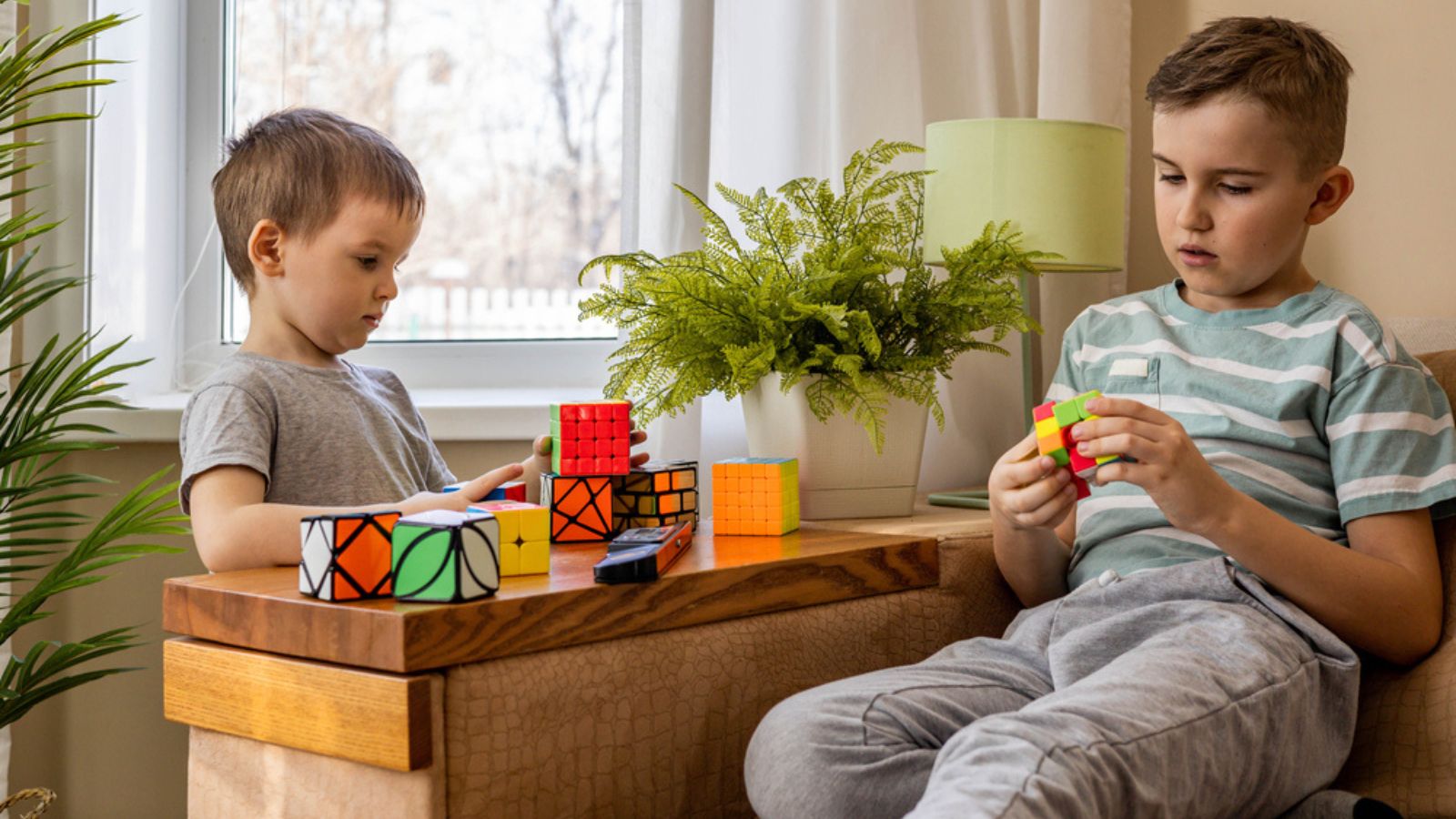
As a grandparent, you share more than your wisdom. Turning a spare room into a dream destination for your grandkids is a rewarding project that allows you to practically share your life and your time. Each of these ideas offers a way to tailor the space to their unique interests, creating a room that is both fun and functional.
Select an idea that best suits your grandchild’s personality and the available space. Involve them in the planning process to make it a collaborative and exciting project. As you bring the room to life, remember that the goal is to create a backdrop for beautiful memories. From tending to a small plant in their gardening station or reading a story in their special nook, these are the moments that build lasting bonds.