
Downsizing or Planning a Will? How to Get Rid of the Stuff Your Kids Don’t Want
People spend lifetimes collecting beautiful items that hold deep memories and sentimental value. As we grow older, our houses fill up with treasures from family vacations and special events.
The shelves eventually overflow with decorative pieces that no longer serve a functional purpose. Soon enough, the available space runs out, and we must face a massive mountain of accumulated possessions. Leaving a lifetime of belongings for children to sort through creates unnecessary stress during a difficult time.
Many parents incorrectly assume their children desire all the family heirlooms and antique furniture. Modern lifestyles demand functional items rather than fragile display pieces requiring constant dusting. Facing this reality early helps families avoid hurt feelings and frustrated conversations down the road.
Here is how to manage your belongings when downsizing and/or preparing a will. We provide actionable strategies to help you organize your home and distribute items peacefully.
1. Communicate With Your Heirs Early On

Parents often save specific items for decades because they believe their children covet those pieces. An honest conversation reveals exactly what the younger generation actually wants to inherit.
Schedule a family meeting to discuss everyone’s preferences before making any permanent decisions. Asking direct questions saves you from storing heavy items that no one truly desires.
You can then make confident choices regarding what to keep and what to discard.
Your heirs might surprise you by requesting inexpensive items holding specific childhood memories. Documenting their preferences in writing prevents arguments later and clarifies your distribution plan.
2. Take a Complete Household Inventory

Tackling a massive house requires a comprehensive list of every single item you own. Walk through each room and write down the major pieces of furniture and valuable collections.
A written inventory allows you to visualize the full scope of your required downsizing project. Group similar items together on your list to make the sorting process much more manageable.
A thorough inventory list helps professionals appraise your estate accurately if you need outside help. You can easily share this document with your family members so they can review the available items.
3. Accept the True Value of Your Possessions
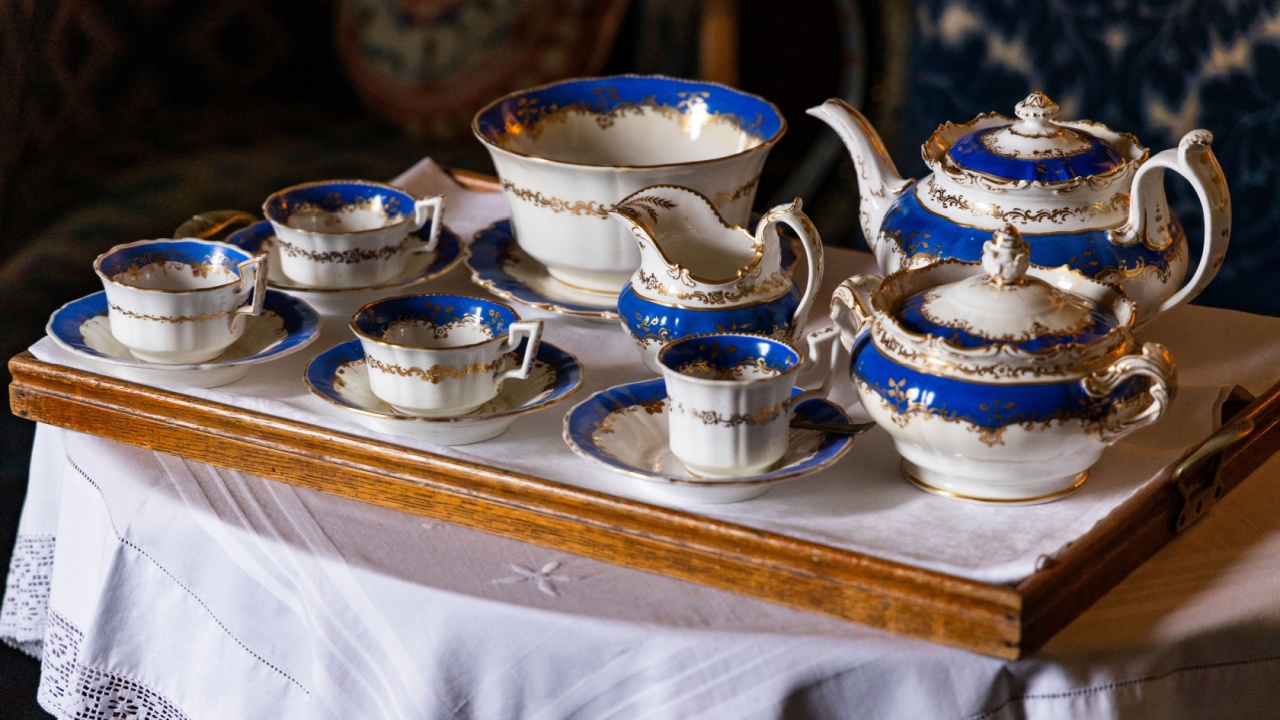
Many antique pieces and collectibles have drastically lost monetary value over the past two decades. Brown furniture and fine china rarely fetch high prices in modern secondary markets.
The endowment effect makes many people overestimate the value of their possessions.
Sellers must understand that current buyer demand dictates the price of their cherished items. Your emotional attachment does not translate into financial value for random buyers or auction houses. Research current sold listings on internet auction sites to gauge realistic market prices.
4. Prioritize Safety and Manageable Paces

Sorting through dusty boxes in an attic or basement poses severe physical risks for older adults. Heavy lifting and continuous bending easily lead to unwanted injuries and severe back pain.
Always ask capable friends or strong family members to move large pieces of furniture. Creating a safe work environment must remain your absolute top priority throughout the entire project.
Protect your physical health by wearing comfortable shoes and using proper lifting techniques.
Setting a strict time limit for each sorting session prevents physical and emotional exhaustion. Limit your daily work to a few hours, so you maintain enough energy for regular activities. Breaking the large project into tiny chunks keeps the momentum going without overwhelming your schedule.
5. Focus on Sentimental and Practical Goods

The items you keep should serve a daily purpose. Practical goods like high-quality cookware remain incredibly useful in a smaller apartment or condo. A few deeply sentimental photographs provide more comfort than dozens of dusty photo albums.
Trimming down your belongings forces you to identify the possessions you genuinely treasure.
Take high-resolution photographs of bulky sentimental items before you let them go permanently. A digital photo book takes up zero physical space but preserves the memory forever. Pass along the physical items to local charities where other families can put them to good use.
6. Hire Professional Downsizing Specialists

Estate liquidators and senior move managers specialize in helping families clear out large homes efficiently. These professionals handle all the heavy lifting and possess extensive knowledge regarding local donation centers.
Bringing in a neutral third party also reduces family friction when emotions run high. Their objective perspective keeps the project moving forward when you feel stuck on a decision.
Interview multiple companies to find a specialist matching your specific needs and timeline.
Always check their references and ask for a detailed written contract before work begins. While hiring help costs money upfront, their expertise often results in faster sales and fewer headaches.
7. Sell Valuable Items and Donate the Rest

Specialized dealers and established auction houses offer the best avenues for selling high-end jewelry or art. Local estate sales work well for clearing out general household goods and everyday furniture.
Selling items directly online requires significant effort but occasionally yields higher profits for niche collectibles. Choose a selling method matching your available energy levels and desired timeline.
Once the sale ends, pack up every single remaining unsold item for immediate charitable donation. Many local organizations will gladly drive a truck to your house and pick up boxed goods. Donating provides a wonderful tax deduction and keeps usable goods out of the local landfill.
The Freedom of Less

Clearing out a family home demands significant time and a tremendous amount of emotional fortitude. Approaching the task methodically prevents panic and keeps your ultimate destination clearly in sight.
Having open conversations with your heirs builds trust and eliminates future family conflicts. Every box you sort today removes a massive burden from your loved ones tomorrow. The effort you invest now guarantees a smooth process for your entire family down the line.
Read More:
14 Things Your Kids Don’t Want to Inherit
Inheritance or Headache: 12 Heirlooms That Are More Trouble Than They’re Worth