14 Things Your Kids Don’t Want to Inherit
Any parent wishes to pass down love, wisdom, financial abundance, and maybe a few treasured family heirlooms. When you pass away, you leave behind fond memories, boxes of stuff for your children, and a new set of responsibilities.
However, despite our best intentions, there are certain things that heirs might not want to acquire from family members. This is an important aspect of future planning that we often neglect to consider.
Let’s review a few things that kids might not want to inherit from their parents (some are obvious, others are related to relationships or mental health, and most are unintentional). Many of them are subjective and based on personal preferences. Thus, simply talking to your kids about their interests and concerns can prevent you from passing on stuff they don’t want.
1. Debt

As much as your children may love you, no one dreams of inheriting your debts, big or small. Inheriting financial burdens can hinder your children’s financial stability and limit their opportunities.
Thankfully, debt isn’t typically something our children inherit since a parent’s estate will be responsible for covering any outstanding money owed. However, there are special circumstances that will reduce the amount of inheritance.
2. Old Books
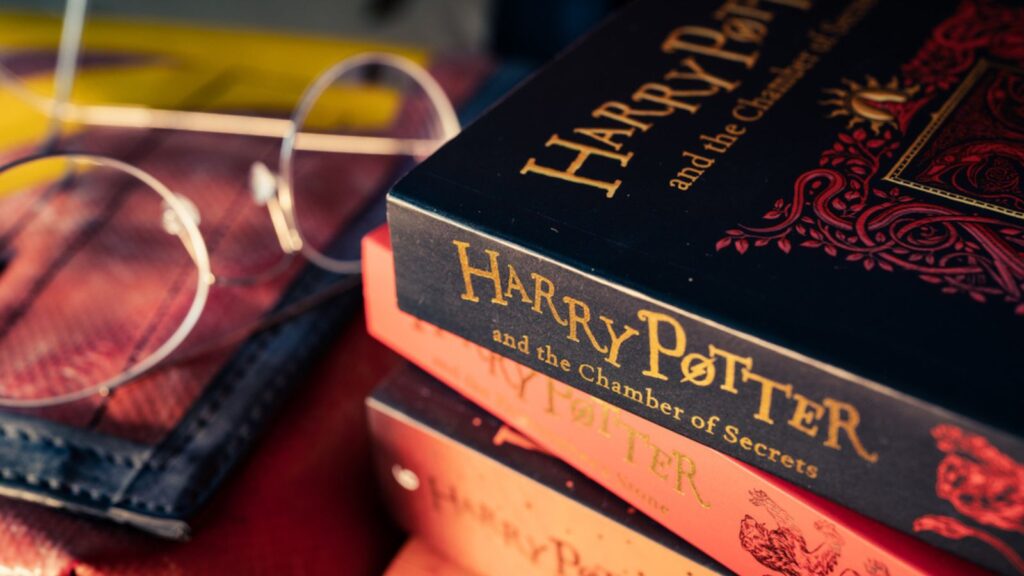
A favorite childhood book may be on the list of books you want to inherit for your children. However, unless they ask for them or are college professors, they probably don’t really want your encyclopedia collection. Besides, people are now more inclined to read e-books online, which is a great way to reduce clutter.
It might be worth asking your kids if they’re interested in your books while you’re alive.
3. Silverware

Gone are the days when people took time to shine silverware until they saw their reflections on it; your children may not be very keen on your collection of antique silver cutlery. This is a perfect example of trying to pass something on that you perceive as having monetary value (like many collectibles). But your kids may not see the value or find it worth the time to sell it for what it’s worth.
Again, if you’re not sure, simply asking them about it is a great first step.
4. Legal Issues

Legal matters can be frustrating as they can drag on for years. Passing on legal liabilities or unresolved legal issues can create stress and financial burdens for your children. It’s prudent to settle all legal matters when you still have the energy and ability to do it.
5. Figurines

The porcelain figurines from your honeymoon trip to Thailand may hold sentimental value for you, but your millennial and Gen-X kids probably won’t have much feeling for them. It’d be better to donate them to organizations that would value them.
6. Family Heirlooms with Negative History

Items with a negative history or association, such as old family photos of distant relatives with strained relationships or objects tied to difficult memories, may not be something your kids want to inherit. They likely want to keep the good memories and discard the rest when you are gone.
7. Outdated Clothing

Your Gen Xer or Millennial may not be interested in your grandma’s vintage wedding dresses. Old-school tuxedos or vintage clothing may not be helpful to younger individuals with different fashion preferences or lifestyles.
8. Vintage Furniture
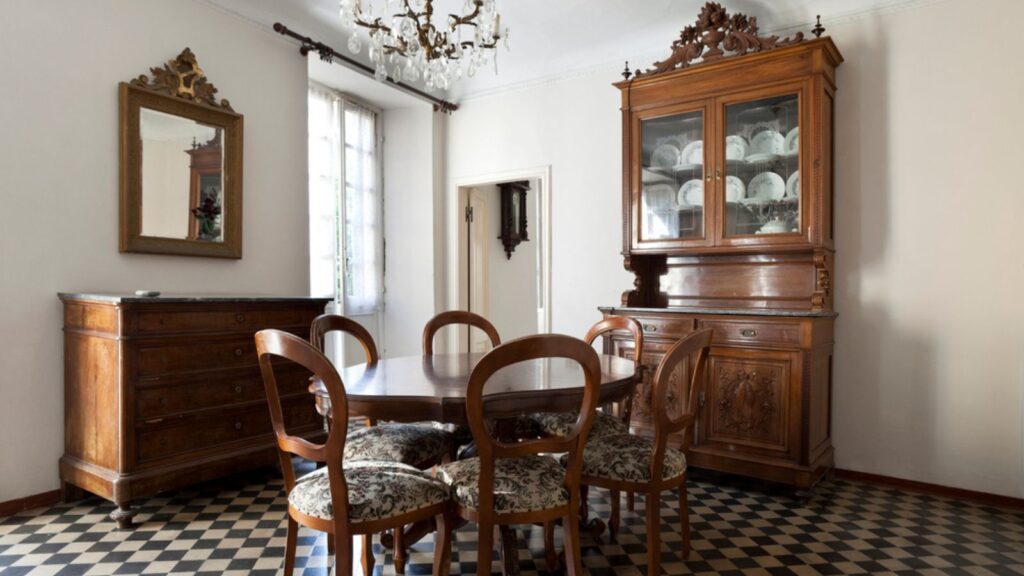
Certain ancient artifacts are quite valuable, but others might not align with contemporary tastes or functional requirements. For example, kids with modern or minimalist tastes may not be suited to large, flamboyant furnishings.
9. Unresolved Family Conflicts

The children may not know what happened between Auntie Patricia and their mother, and leaving them in a relationship desert is not good. Passing on unresolved issues can strain relationships and negatively impact children’s emotional well-being.
Forgiveness and explanations will go a long way to helping the family move on when you aren’t there anymore.
10. Grandma’s Embroidery

Handmade items might be quite nostalgic, but younger people might not value them as much or want to keep them on display in their homes. DIY lovers may find them intriguing and helpful, though.
11. Antiquated Technology
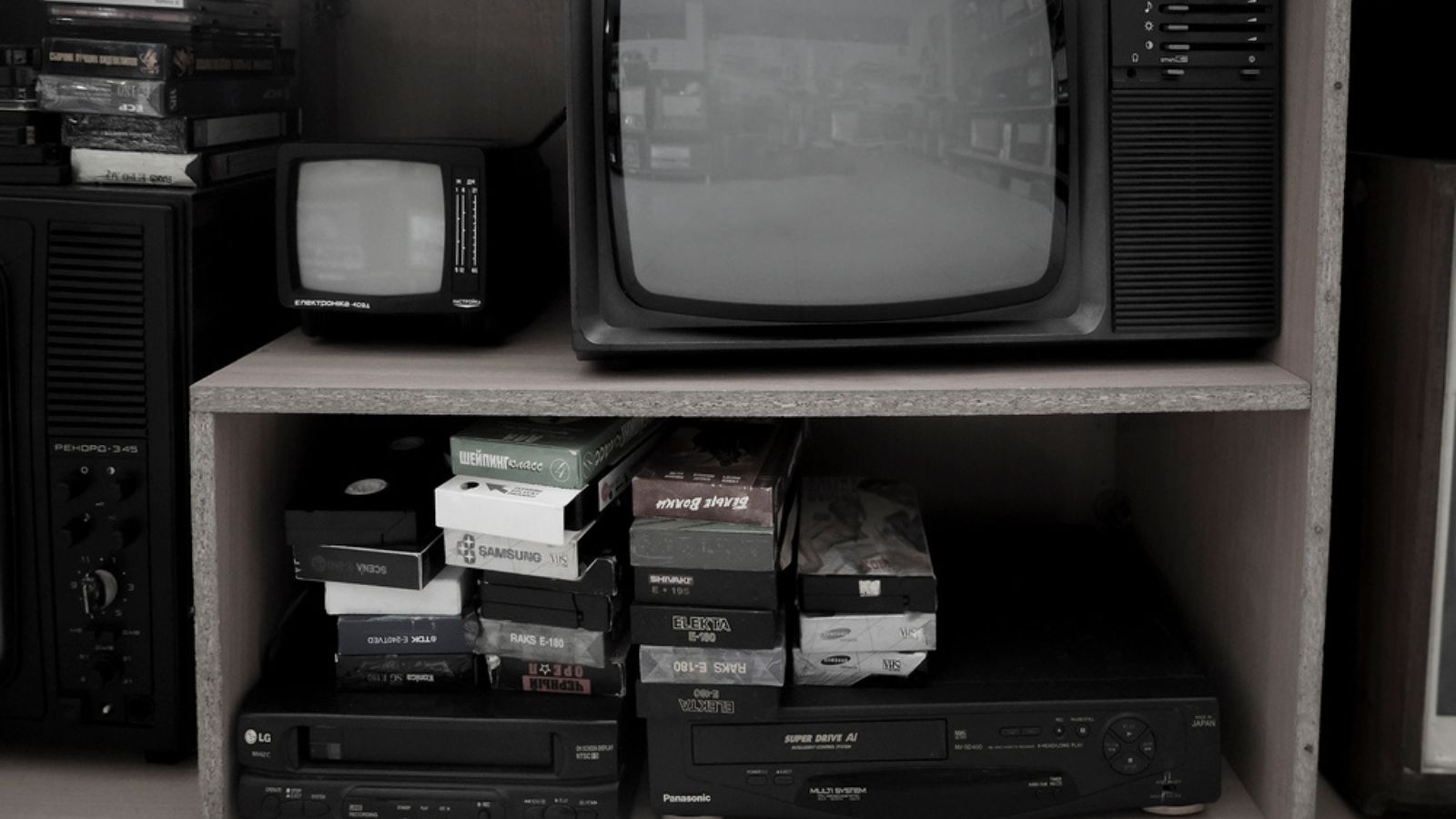
The VHS may have been the height of entertainment in your heyday, but younger generations that grew up with more sophisticated technology may not see the worth of old computers, VHS cassettes, cassette players, or other antiquated equipment. It’s best to recycle anything that isn’t of value.
12. Toxic Relationships

Children will automatically enter some relationships courtesy of their parents, but it’s the parents’ prerogative to ensure that the interactions aren’t toxic. Inheriting toxic relationship dynamics or patterns can influence how your children interact with others in their relationships.
13. Old or Outdated Décor
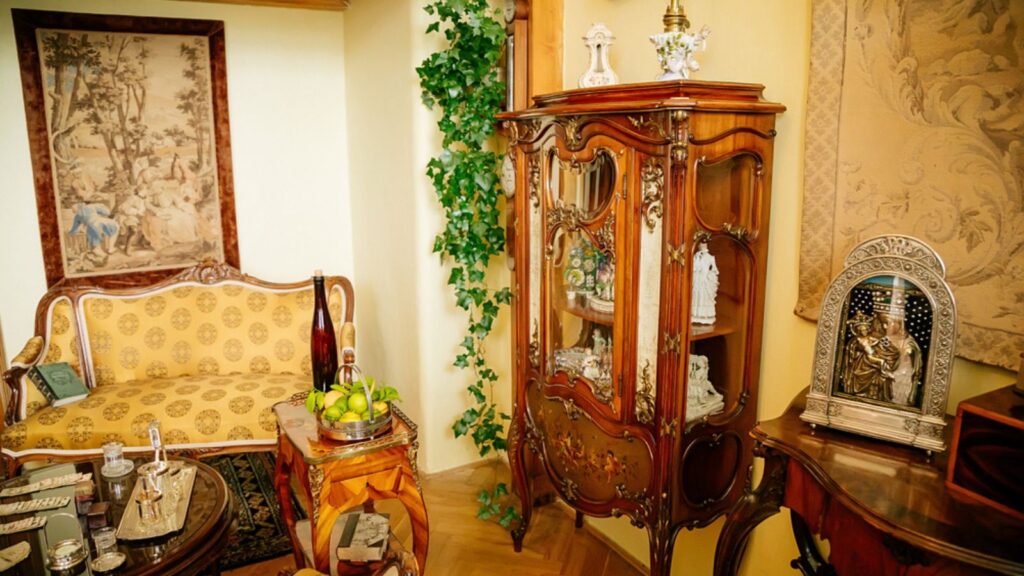
Your children might not like old or outdated home décor pieces like gaudy wallpaper, heavy curtains, or elaborate furniture that doesn’t match the current style. This is especially true if they have diverse tastes or live in smaller quarters where these pieces are unworkable.
These are just a few of the items that are worth discussing with your kids to clear up the physical and metaphorical closet. Other items to reconsider might include:
- Timeshares
- Businsses
- Vacation properties
- Weapons
- And beyond…
Once you open the discussion, you can make a plan that better suits your heirs.
Read more: