
4 Signs the Forgotten Washer Laundry Needs Another Clean Cycle
Laundry has a knack for demanding attention at the worst possible moment. Sometimes, life pulls you away from the washing machine, and the wet laundry is left behind, a forgotten heap of damp fabric.
When you finally remember, the big question looms: Does it all need another wash? This guide breaks down the five telltale signs to help you decide if a simple dry cycle will do or if it’s time for a do-over. You will learn how to inspect your laundry and make the right call, saving time and preventing that dreaded mildew smell.
1. How Long Does The Laundry Sit Wet

The amount of time your clothes have been sitting in the washer is a major indicator. If it has only been a few hours, you are probably in the clear. The environment inside a washer is dark and damp, an ideal breeding ground for mildew and bacteria. The longer clothes sit in that setting, the higher the chance that these unwelcome guests have started to multiply.
Leaving a load of laundry in the washer overnight significantly increases the risk of developing a funky smell compared to leaving it for just a couple of hours after the cycle ends. Time will be your biggest determinant.
2. The Presence Of Musty Or Sour Smells

Your nose is your most reliable tool in this situation. Give the clothes a good, honest sniff. Do they smell fresh and clean, like your detergent? Or is there a faint sourness, a hint of damp earth, or a full-on musty odor? Any smell other than clean is a direct signal that mildew has begun to form.
If your nose detects anything unpleasant, don’t hesitate. The only way to get rid of that smell and the bacteria causing it is to run the load through another complete wash cycle with detergent (no, the dyer won’t fit it!).
3. The Cleanliness Of The Washing Machine
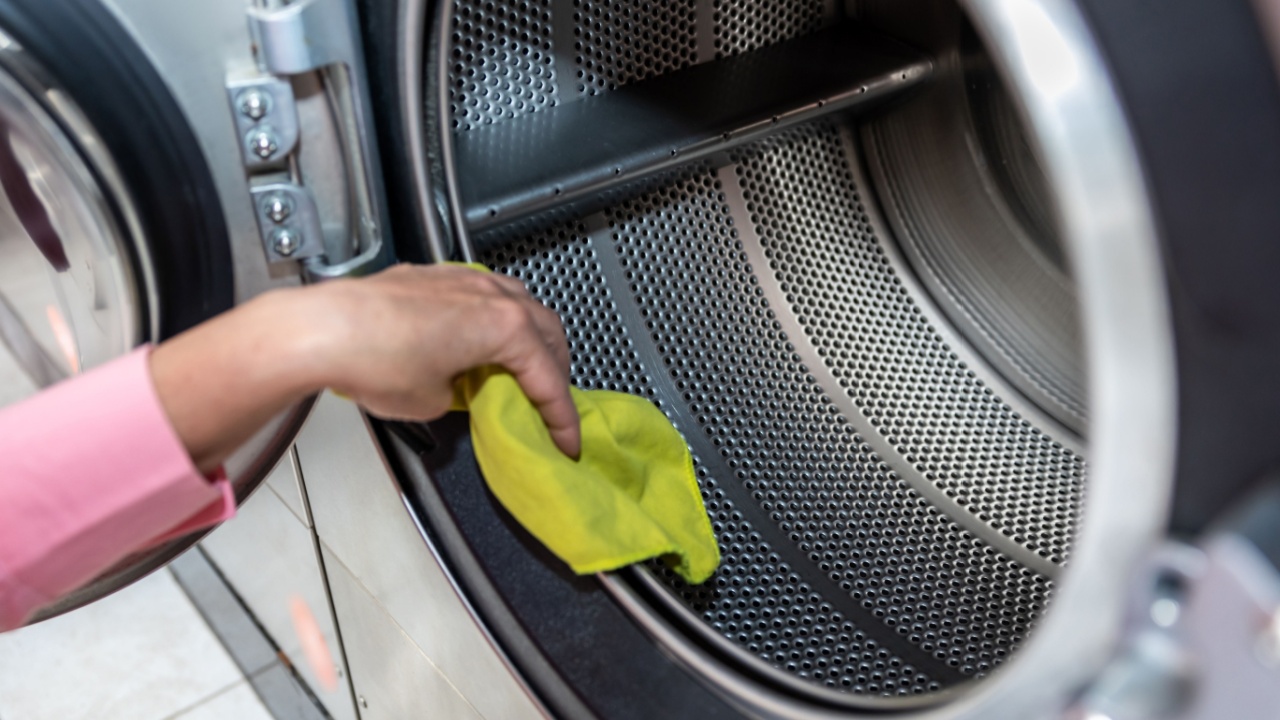
The state of your washing machine itself plays a significant role. A washer that is cleaned regularly is less likely to harbor the bacteria and mold spores that cause clothes to smell. Residue from old detergent and fabric softener can build up inside the drum and gasket, creating a prime habitat for odor-causing microbes.
If you maintain your machine with periodic cleaning cycles, your forgotten laundry has a better chance of surviving. If your washer has a funky smell of its own, it will transfer that smell to your clothes almost immediately.
4. Products Used During The Wash
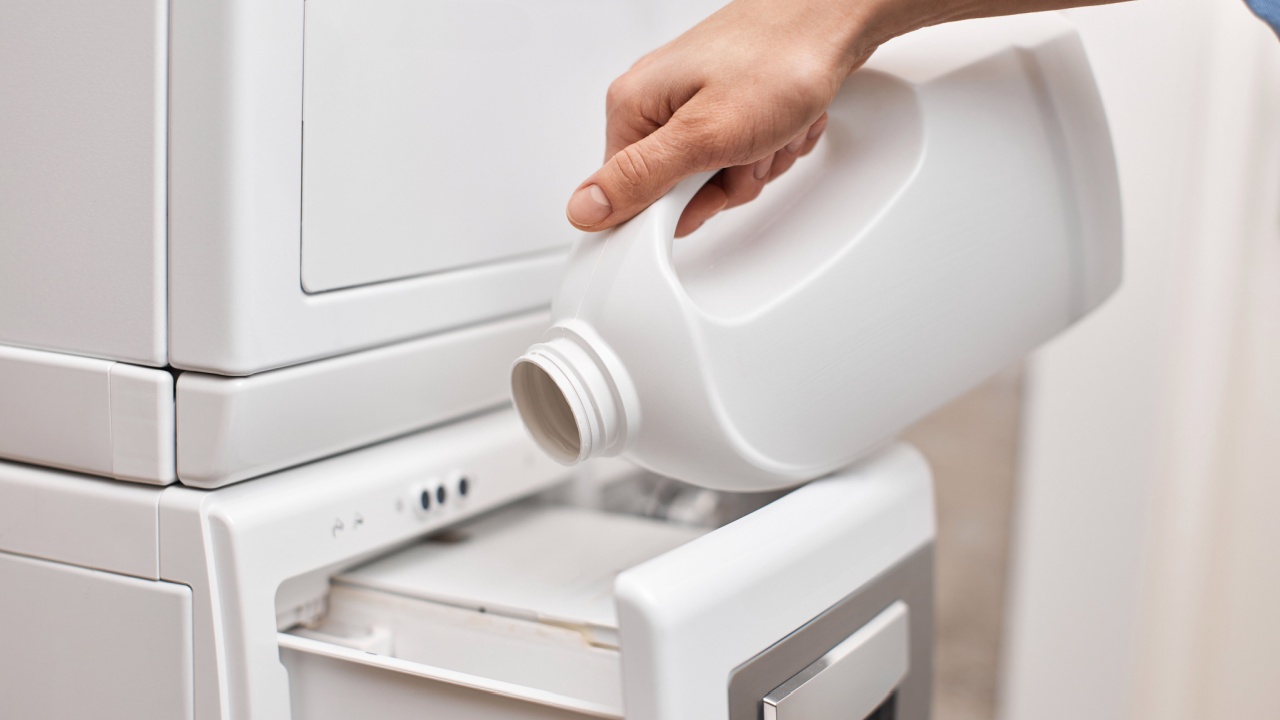
The type of detergent and any additives you used in the original wash cycle can make a difference. Some laundry products contain sanitizing agents, like certain types of bleach or specific laundry sanitizers, designed to kill bacteria. If you used one of these powerful cleaners, your clothes have an added layer of protection against mildew growth.
Standard detergents are effective at cleaning clothes and removing dirt, but they may not always be sufficient to prevent bacteria from growing, especially if wet laundry is left sitting in the washer for too long. In such cases, the damp environment creates ideal conditions for bacteria to thrive, which can lead to unpleasant odors or even hygiene concerns.
Fresh Start Tips

Forgotten loads don’t have to spell disaster. Toss those clothes back in with some detergent, maybe invite a little white vinegar to the party if any odd aromas linger. Next time, a simple reminder on your phone or looping in a reliable household sidekick can spare you detective work later. Give your washer a bit of cleaning love on the regular, and those freshly washed jeans or sheets will be ready to wear (or nap on) with zero hesitation.