
How to Stock the Pantry Following the Newest Food Pyramid
The food pyramid is back, but it’s looking a little different these days. If you’ve seen the latest 2025-2030 Dietary Guidelines, you might have noticed the familiar triangle has been flipped on its head. The new guidance prioritizes protein and healthy fats above all else, with fruits, veggies, and grains playing a strong supporting role. It’s a major shift from the carb-heavy base of decades past.
So, how does this translate to your grocery list? Stocking a pantry that aligns with these new recommendations doesn’t have to mean throwing out everything you own. It just requires a little strategic reshuffling.
Here are 15 essentials to keep on your shelves to make hitting those new nutrition targets a breeze.
1. Buy Canned Wild-Caught Fish
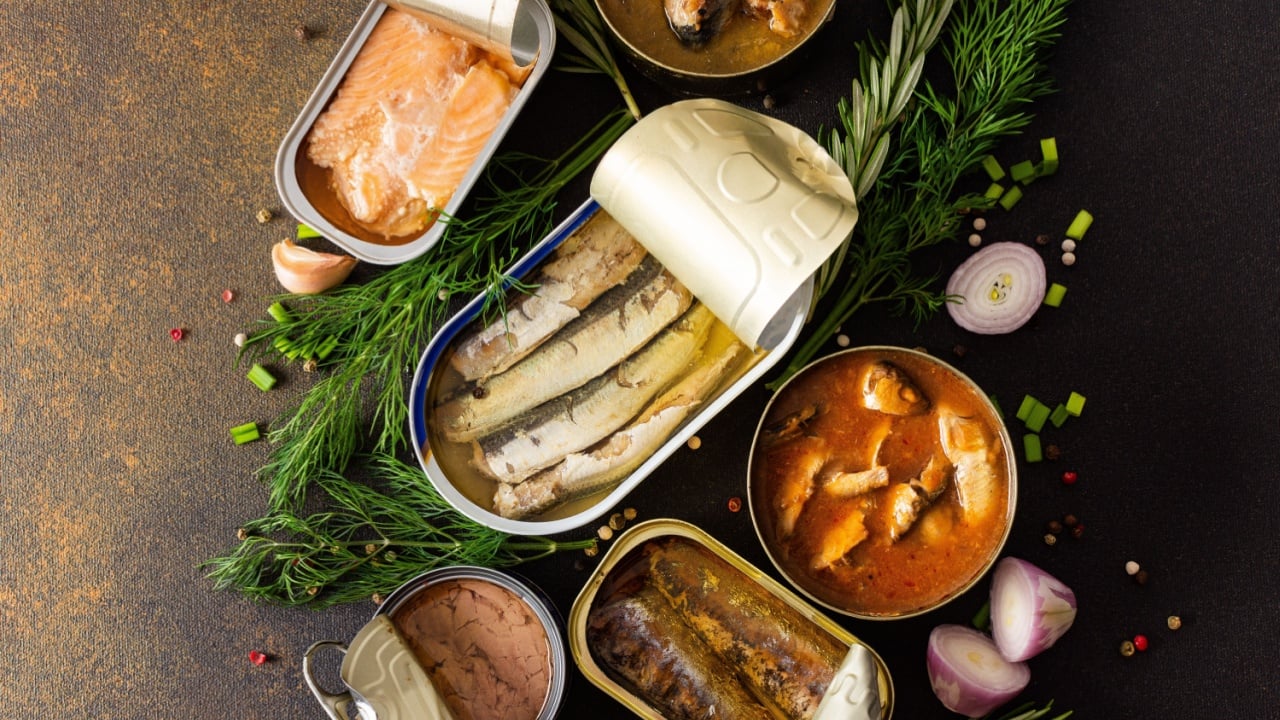
With the new guidelines suggesting a protein target of 1.2 to 1.6 grams per kilogram of body weight daily, having ready-to-eat protein is essential. Canned salmon, tuna, and sardines are shelf-stable heroes.
They offer a massive hit of high-quality protein and healthy fats (specifically Omega-3s) without needing to cook from scratch every night.
2. Load Up on Nuts and Seeds

The new pyramid emphasizes healthy fats from whole foods. Almonds, walnuts, chia seeds, and flaxseeds fit perfectly into this “top tier” category.
They are nutrient-dense powerhouses that provide the fat and protein combo the guidelines encourage. Keep jars of them visible on your counter so you grab them instead of processed snacks.
3. Switch to Full-Fat Dairy (or Alternatives)

Gone are the days when fat-free was king. The new guidelines explicitly mention “full-fat dairy” as a priority. Stock your fridge with whole milk, full-fat Greek yogurt, and real cheese. These fats help your body absorb the nutrients from other food in your diet.
If you are plant-based, look for coconut yogurt or nut milks that haven’t been stripped of their natural fat content, as satiety is a major factor in this new eating pattern.
4. Invest in High-Quality Cooking Oils

Since healthy fats are now sharing the spotlight with protein, your cooking medium matters more than ever. Ditch highly processed inflammatory oils and stock up on extra virgin olive oil (for fresh dressings) and avocado oil (for cooking).
These provide the healthy fats the DGA recommends pairing with your proteins.
5. Keep a Stash of Eggs
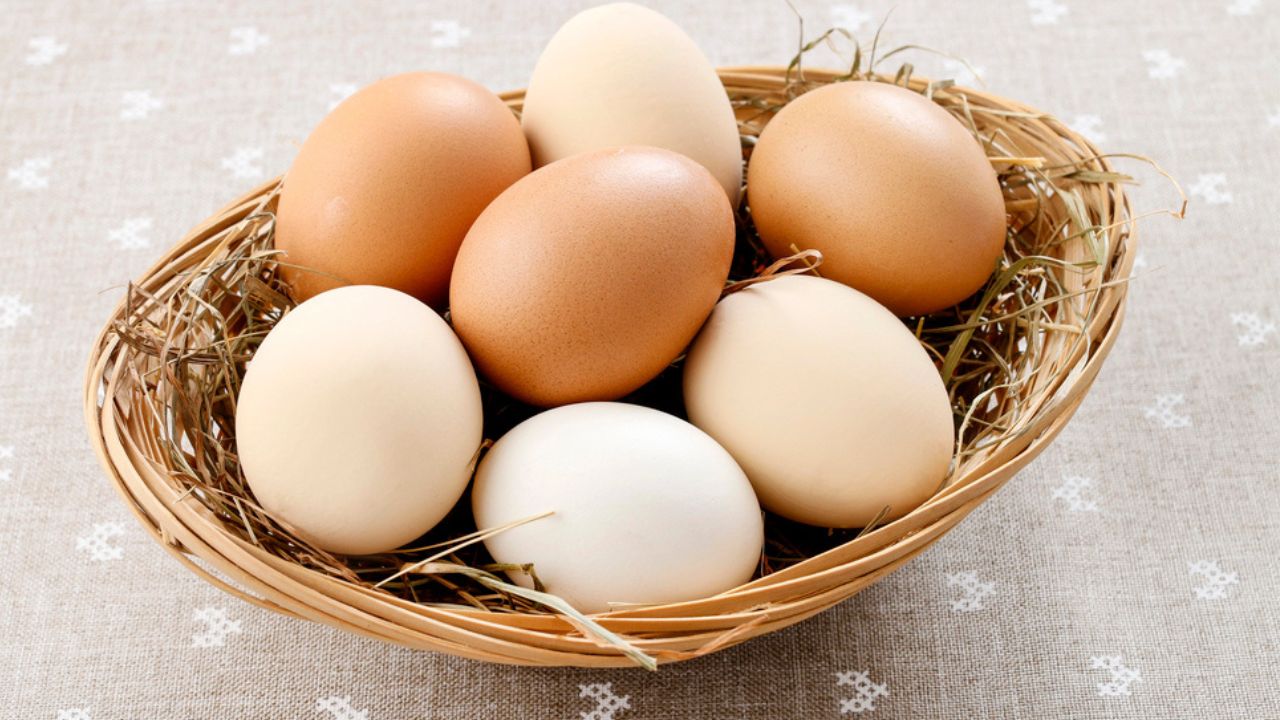
The guidelines specifically highlight eggs as a key whole food source for protein and fat. While they live in the fridge, they are a long-lasting staple that should always be on your shopping list.
Hard-boil a dozen at the start of the week for instant, pyramid-approved snacks.
6. Diversify Your Legume Collection
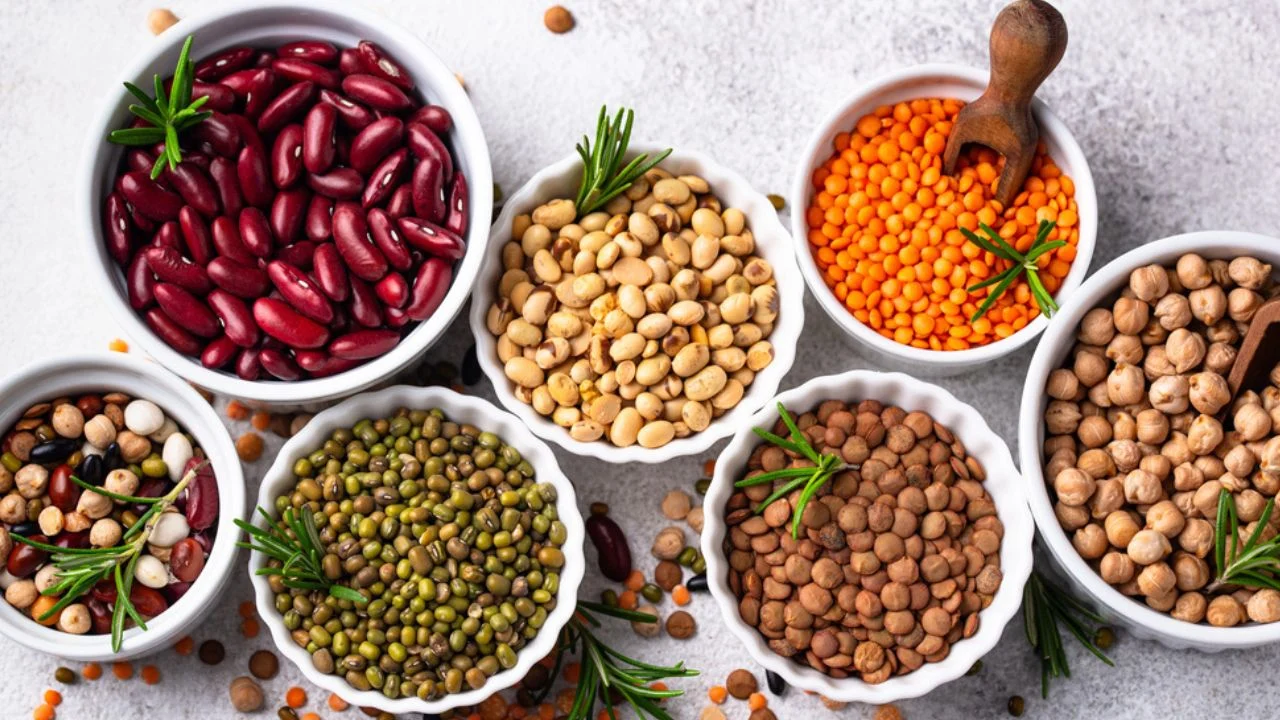
Even though the new pyramid puts legumes lower down than meat, dietitians warn against ignoring them. Legumes are a critical source of fiber, a nutrient 95% of Americans lack.
Stock variety: chickpeas for roasting, black beans for tacos, and lentils for soups. They bridge the gap between the DGA’s protein focus and the fiber your gut actually needs.
7. Choose Whole Grains Over Refined Carbs

The bottom of the new pyramid includes whole grains, with a strict note to avoid refined carbohydrates. Purge the white rice and instant noodles. Instead, fill your pantry bins with quinoa, farro, brown rice, and oats.
These complex carbs digest slowly and keep your energy stable, unlike their stripped-down counterparts.
8. Stock the Freezer with Lean Meats
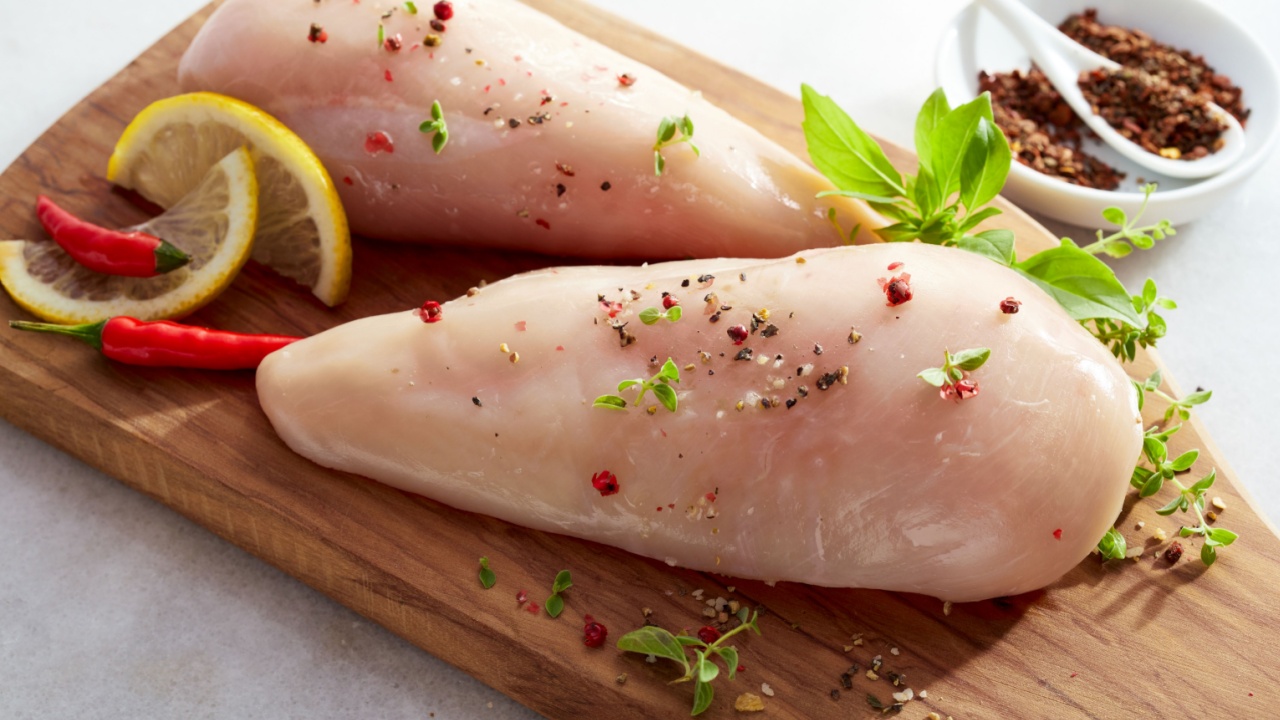
To hit those higher protein targets easily, buy lean meats like chicken breast, turkey, or lean ground beef in bulk and freeze them.
Having protein on hand prevents the “what’s for dinner” panic that usually leads to ordering takeout.
9. Buy Avocados in Varying Stages of Ripeness

Avocados are the poster child for the “healthy fats” section of the new guidelines. To ensure you always have one ready, buy a mix of rock-hard green ones and softer, ready-to-eat ones.
This ensures you have a steady supply of healthy fats to top your morning eggs or evening salads throughout the week.
10. Don’t Forget the Fermented Foods
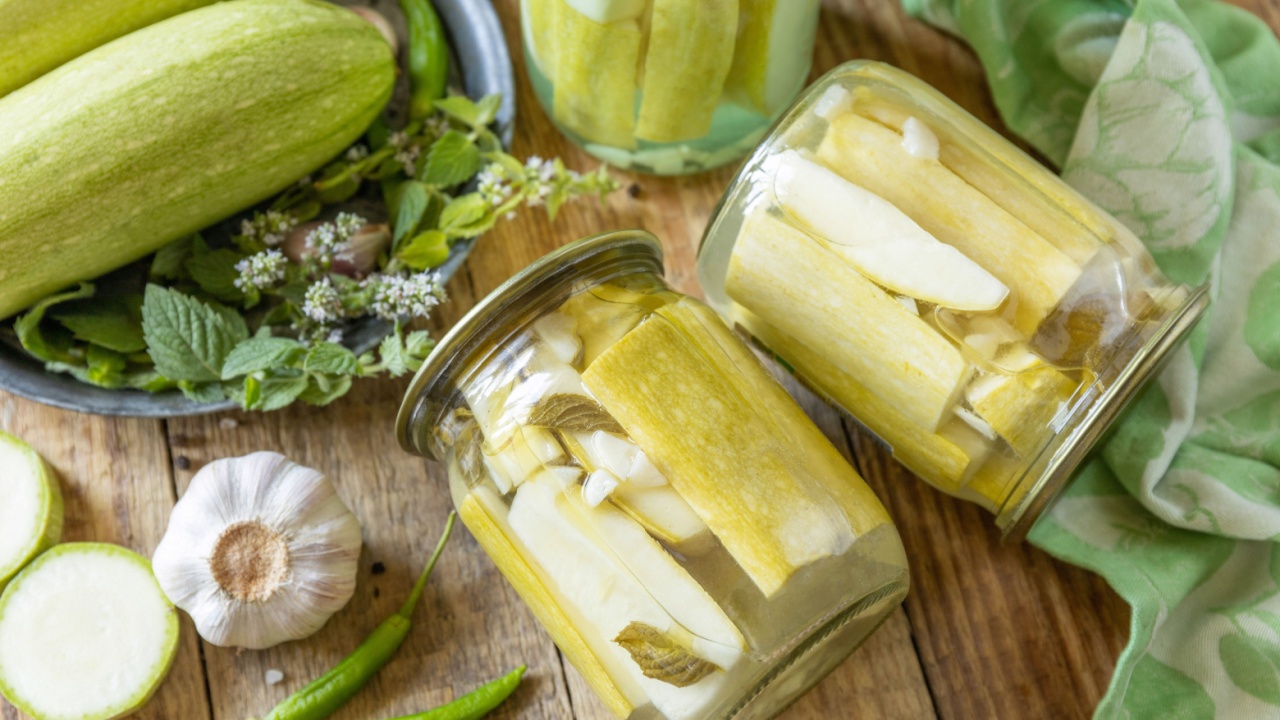
While the pyramid might overlook them, nutritionists emphasize that gut health is paramount. Keep a jar of sauerkraut, kimchi, or pickles in the fridge.
These items add flavor and probiotics to your protein-heavy meals, aiding digestion, which can sometimes be sluggish with high-protein diets.
11. Grab Frozen Veggies for Backup
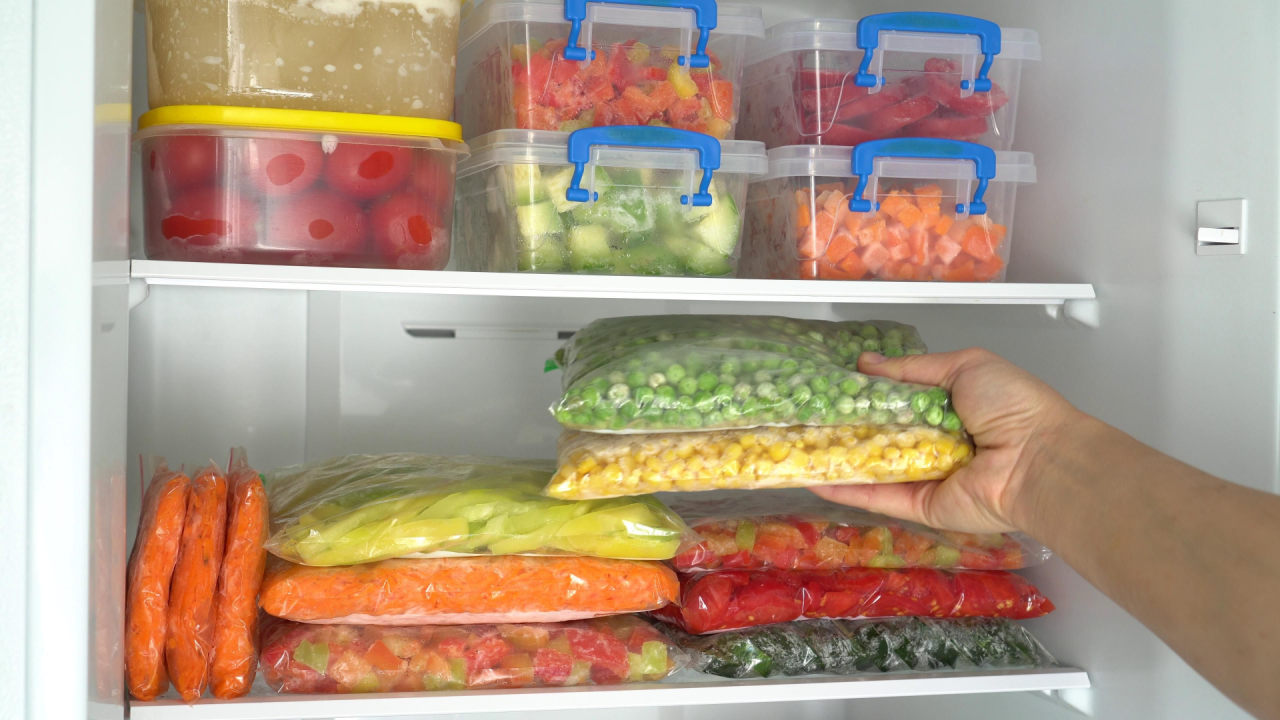
The guidelines suggest three servings of vegetables a day. While fresh is great, it spoils. Keep bags of frozen broccoli, spinach, and cauliflower rice.
They are flash-frozen at peak ripeness and ensure you can always add volume and nutrients to your meal, even if you haven’t been to the store in days.
12. Keep Olives on Hand for Snacking
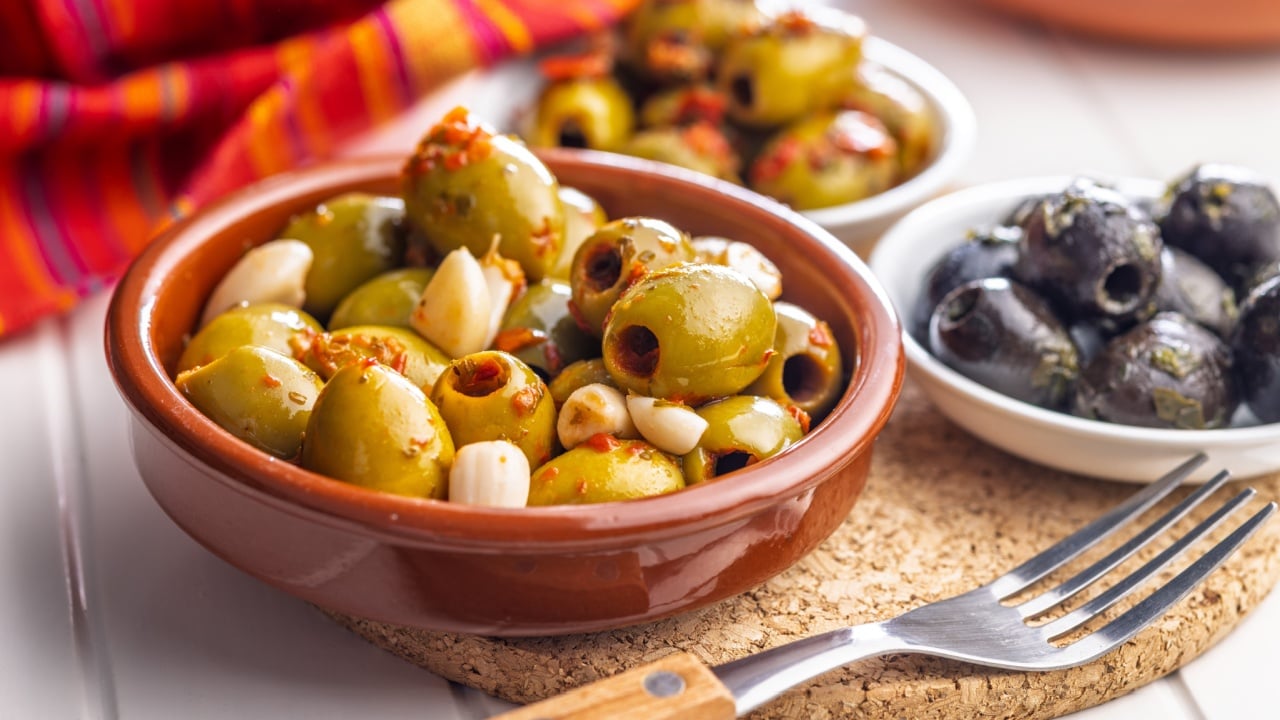
Olives are explicitly mentioned in the new guidelines as a source of healthy fat. They make for a sophisticated, savory snack that hits the spot when you’re craving something salty but want to stay compliant with the new high-fat, low-refined-carb focus.
Next Steps for Your Nutrition

Navigating the 2025-2030 Dietary Guidelines can feel like learning a new language, especially with the visual changes to the pyramid. While stocking up on protein and healthy fats is the current recommendation, remember that balance is personal.
Ready to overhaul your kitchen? Pick three items from this list you don’t currently own and add them to your next grocery order. Your pantry will be updated and optimized in no time.