

A cut flower garden brings joy to the grower—that’s you!—and to anyone lucky enough to receive one of your homegrown bouquets. It’s a simple, soul-nourishing way to add beauty, fragrance, and color to your home, both inside and out.
Whether you’re dreaming of mason jar arrangements on your kitchen table, thoughtful gifts for friends, or just a little floral magic in your day-to-day life, a cut flower garden is a rewarding project. To help you get started (or level up your flower game), here’s a list of 28 of the best plants for cut garden flowers—along with helpful growing tips to keep your garden blooming all season long.
Best Plants for a Cut Flower Garden

Image Credit: Shutterstock.
When choosing plants for a cutting flower garden, start with multiple colors of a few types of plants, adding more varieties each year. Consider the shape and size of the flowers as well as color, mixing spikes, discs, globes, and others. And don’t forget to include foliage to fill out the bouquets.
The ideal flowers will have long stems and a long bloom time and, perhaps most importantly, will last several days in a vase. Speaking of bloom time, keep in mind that plants flower at different times, so don’t plan on pairing an early spring bloomer with a summer flower, and make sure to include multiple flowers for each season.
Multipurpose plants are great, such as herbs that work as bouquet fillers as well as kitchen ingredients, flowers that can be dried for fall arrangements, and foliage that doubles as winter wreath material.
Best Annual Flowers for a Cut Flower Garden- 1. Sunflower
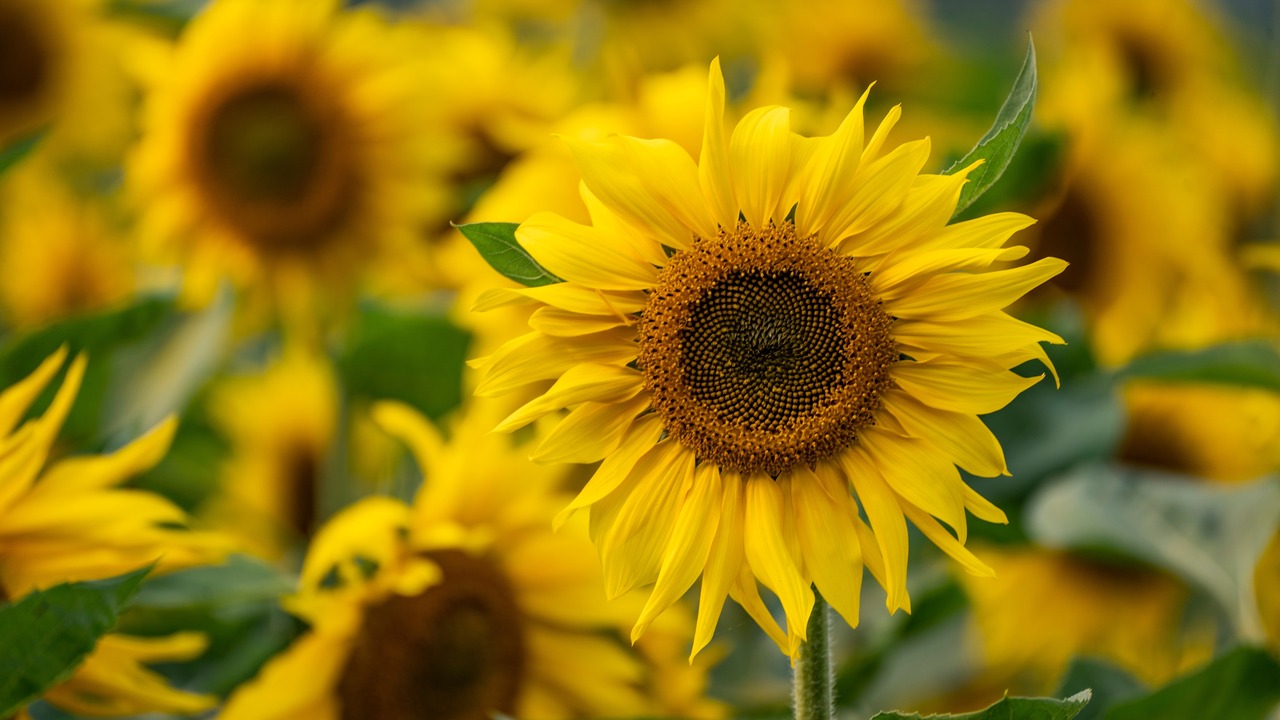
Image Credit: Shutterstock.
Annuals are a great place to start for cutting flowers, as they can be tucked in just about anywhere you have space for them, including the vegetable garden. And if you decide you don’t like something, you can plant a different flower in its place the next year, or even later in the same growing season. First on the list are Sunflowers.
Sunflowers are available in a surprising variety of colors and sizes. Choose between the classic single-stem sunflowers, which produce a single large bloom, and branching varieties, which produce more, smaller flowers over an extended season. Or, of course, plant some of each!
The single-stemmed varieties may be planted as close as six inches apart for more flowers in less space, or give them up to a foot between each plant for larger blooms. Cut as soon as the petals begin to open.
2. Cosmos
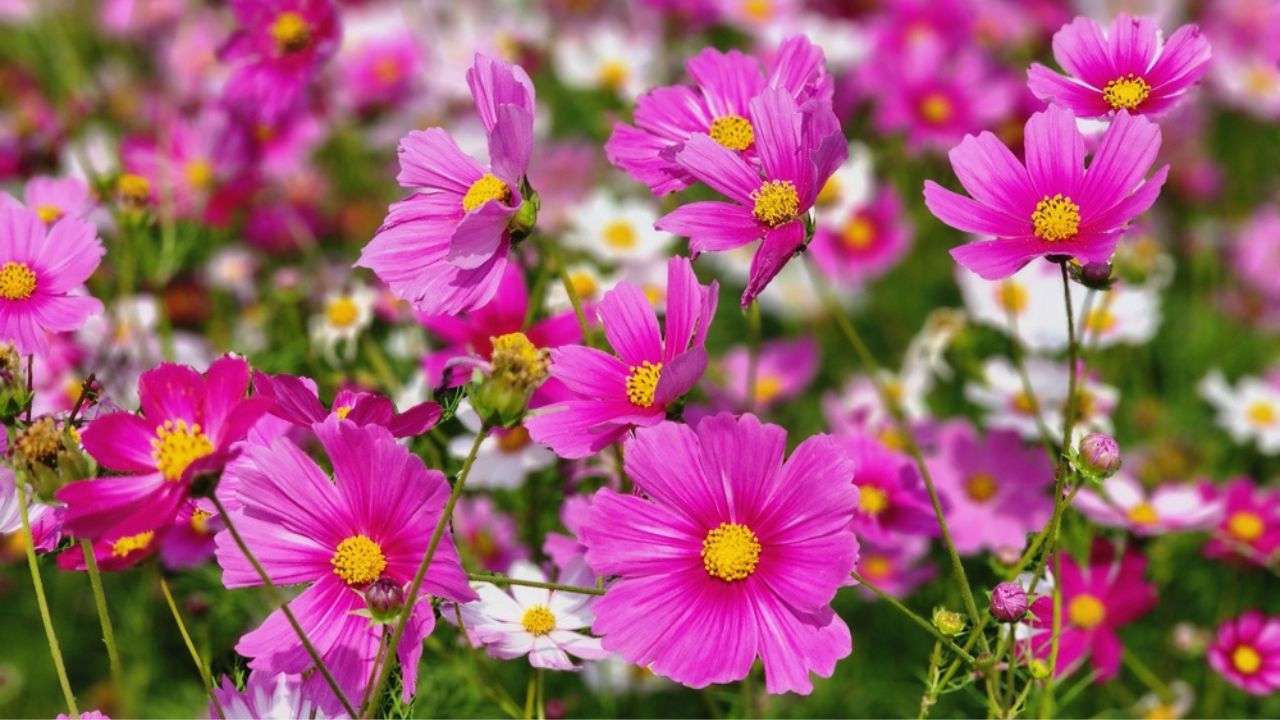
Image Credit: Shutterstock.
Both prolific and easy to grow, cosmos are a cutting garden favorite. Just a few plants will produce armloads of flowers, and they come in a range of warm colors.
To encourage branching, pinch the center stem when the plant reaches about a foot in height. Cut just as the blooms begin to open for the longest vase life, and harvest regularly for continual growth.
3. Zinnia
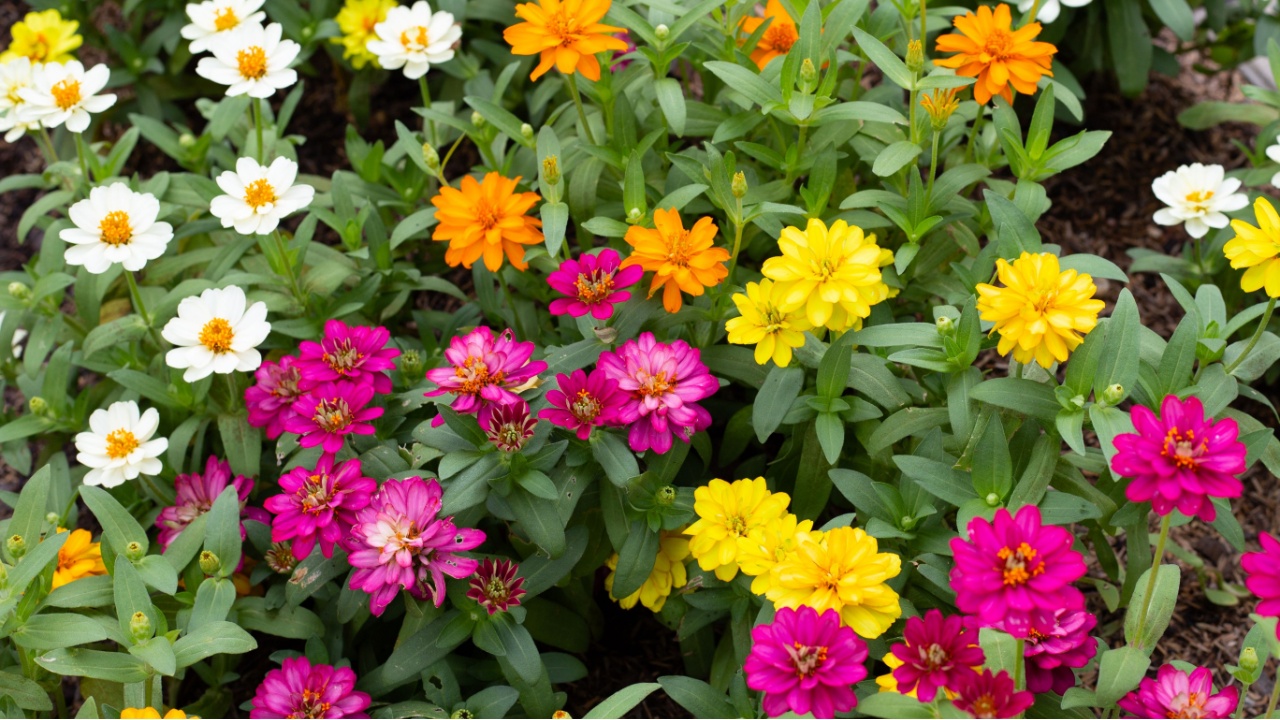
Image Credit: Shutterstock.
A cut flower garden is hardly complete without some zinnias. They are easy to grow from seed, have long stems, come in a wide variety of vibrant colors, and bloom all summer. Here are details about how to grow zinnias.
They also grow remarkably quickly, though, of course, you can start them inside for an even earlier harvest.
As with cosmos, cut the center stem when the plant reaches 10 to 12 inches tall to encourage branching and thus more flowers.
4. Snapdragon
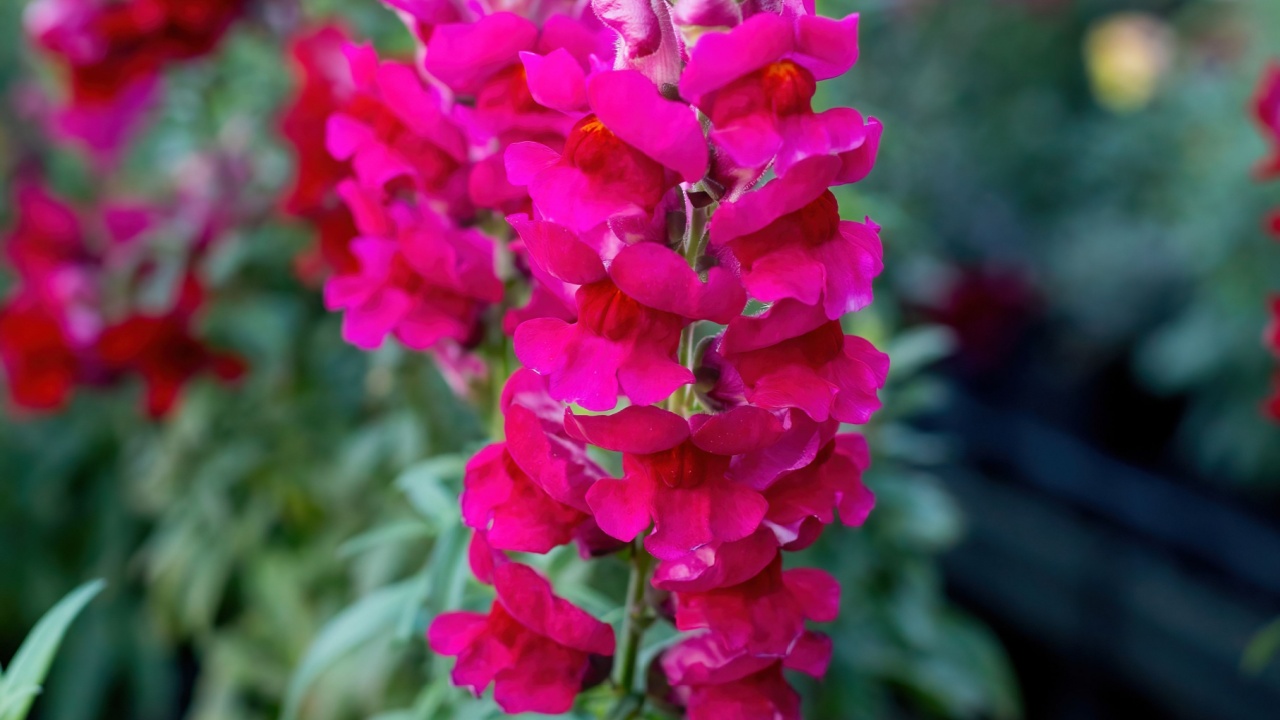
Image Credit: Shutterstock.
Reliable, generous bloomers, snapdragons go great with most other flowers. These spiked flowers come in many colors, and as an added benefit, they attract bees, butterflies, and even hummingbirds to the garden.
Pinch off the tops when seedlings reach three to four inches to encourage branching, and pick the flowers regularly to encourage new growth.
5. Bells of Ireland
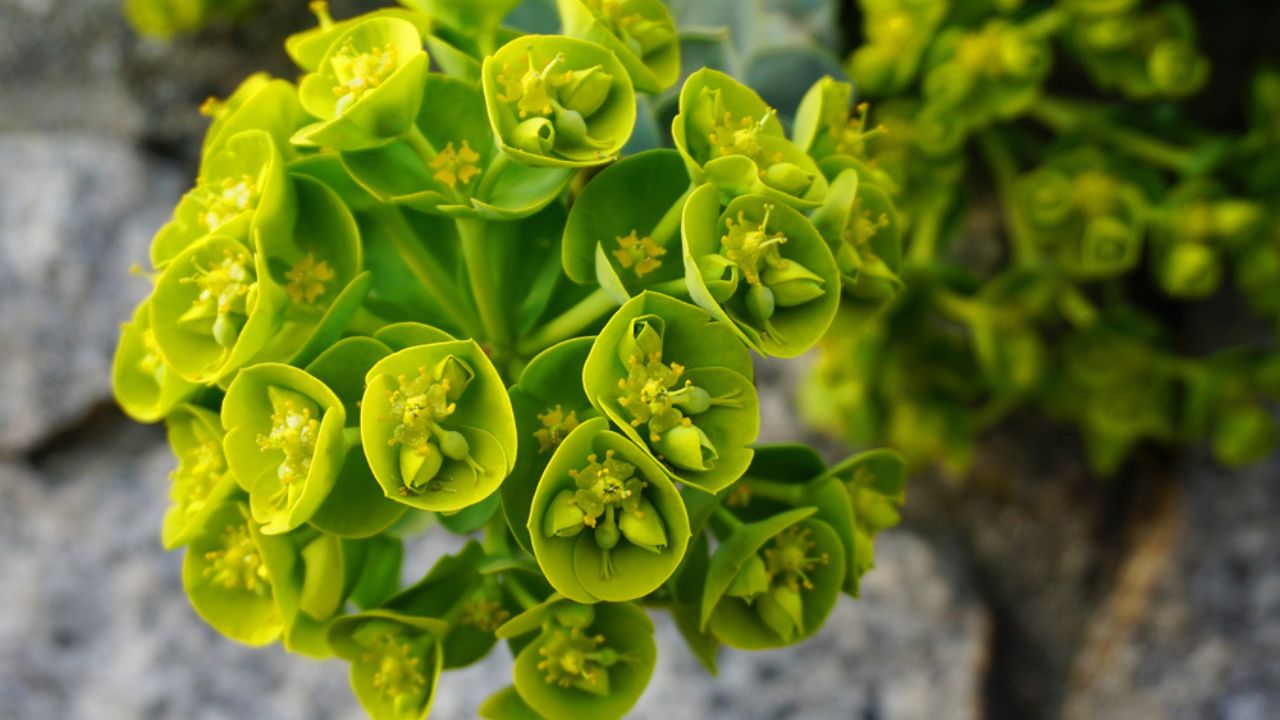
Image Credit: Shutterstock.
These unique spike flowers are known for their green, bell-shaped calyces surrounding tiny white flowers with a sweet vanilla scent. Especially popular around St. Patrick’s Day, they also add interest to arrangements throughout the summer. Depending on your local climate, they will self-sow, given the chance, and return every year.
6. Celosia
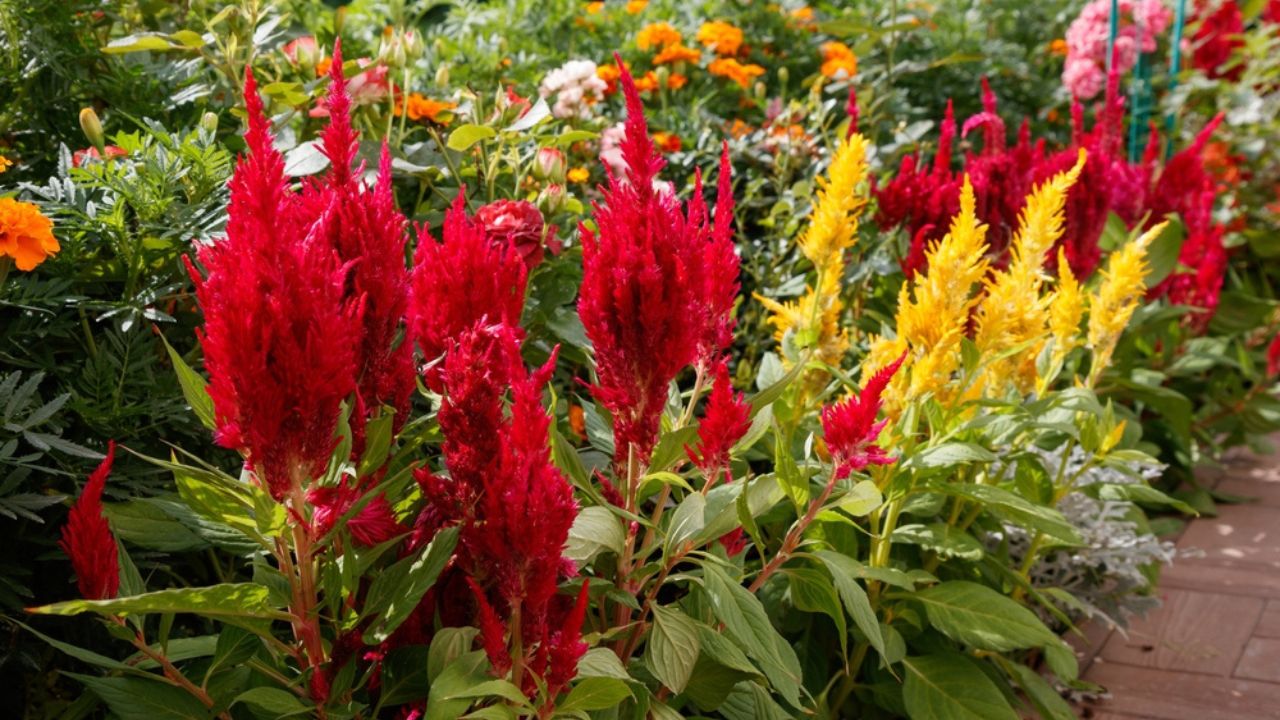
Image Credit: Shutterstock.
In addition to color, celosia adds interesting texture to bouquets with feathery plumes or velvety, folded flowers called cockscomb.
A slow grower, celosia should be transplanted rather than direct sown unless you live in an area with a long growing season. These top-heavy flowers will benefit from sturdy support to keep the stems growing straight.
7. Amaranth
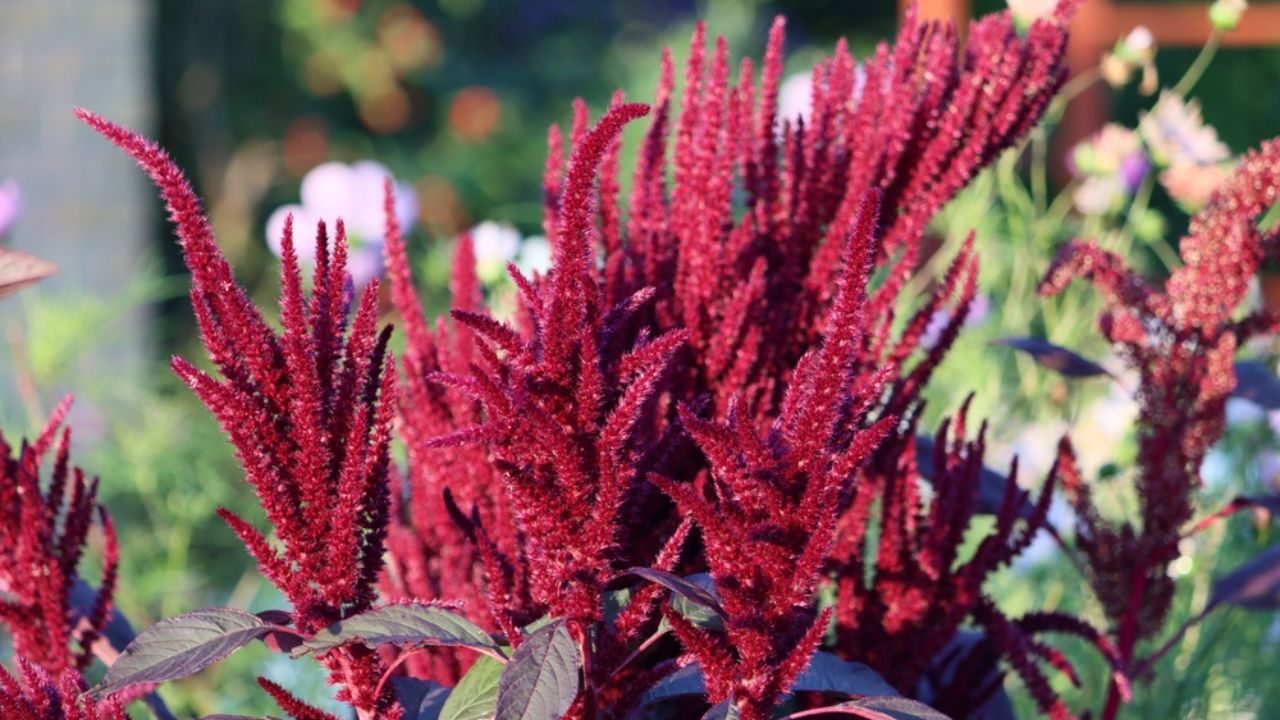
Image Credit: Shutterstock.
Like sunflowers, amaranth can grow pretty large. The burgundy or green flowers lend a lovely texture to arrangements and work especially well in late summer bouquets. Whether started indoors or direct seeded, amaranth is productive and easy to grow in a cut flower garden.
8. Sweet Pea
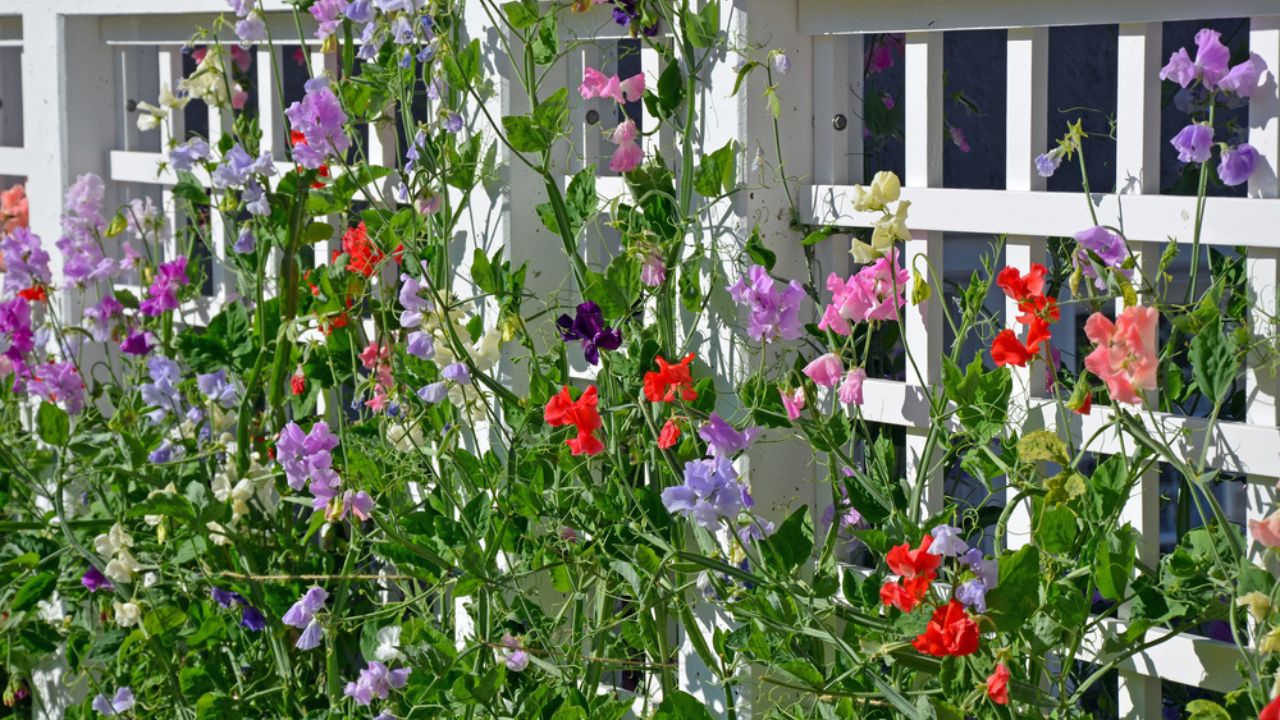
Image Credit: Shutterstock.
Sweet peas are a wonderful vining flower to add to a cutting garden. The delicate flowers, which come in many shades, will continue to bloom as long as you keep cutting them to prevent seeds from setting. Since some varieties will grow as high as six feet, make sure to provide them with proper support.
9. Marigold
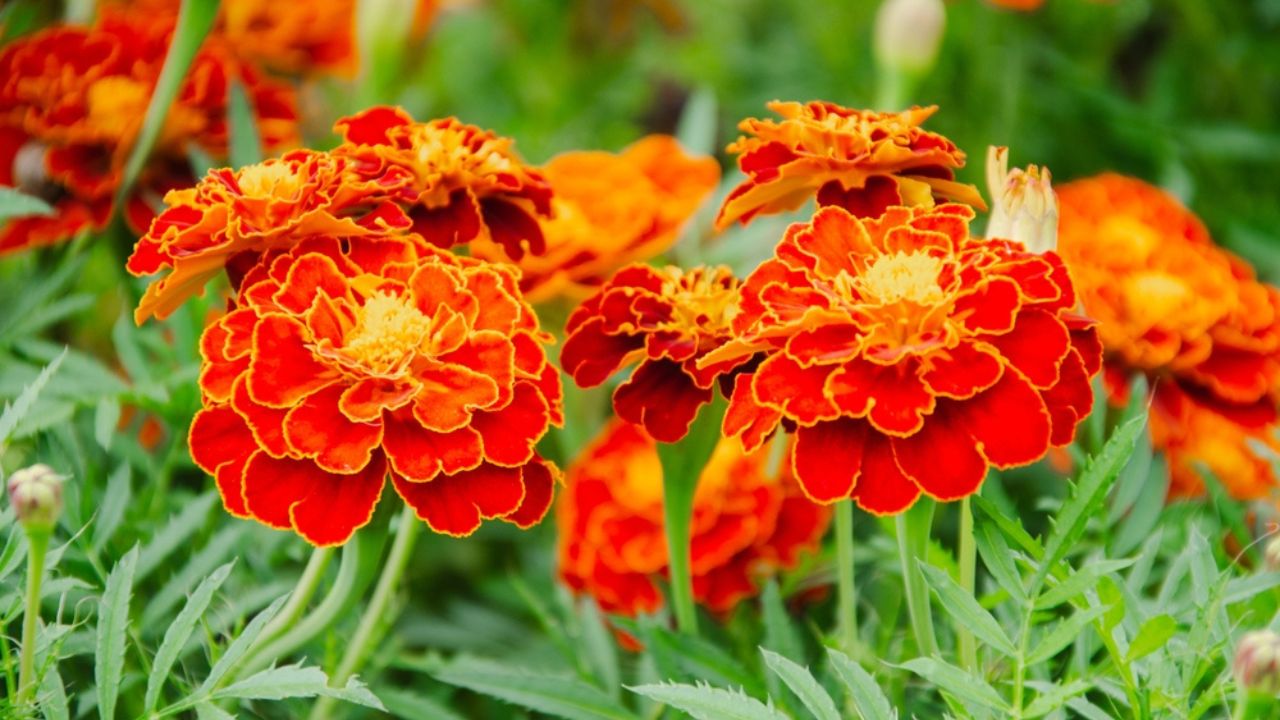
Image Credit: Shutterstock.
These bright yellow and orange flowers have the added benefit of deterring insect pests from the garden, so feel free to tuck them in among your vegetables. Add the flowers to late summer bouquets and use the foliage as filler. This is another plant that should be pinched when young to encourage branching.
10. Larkspur
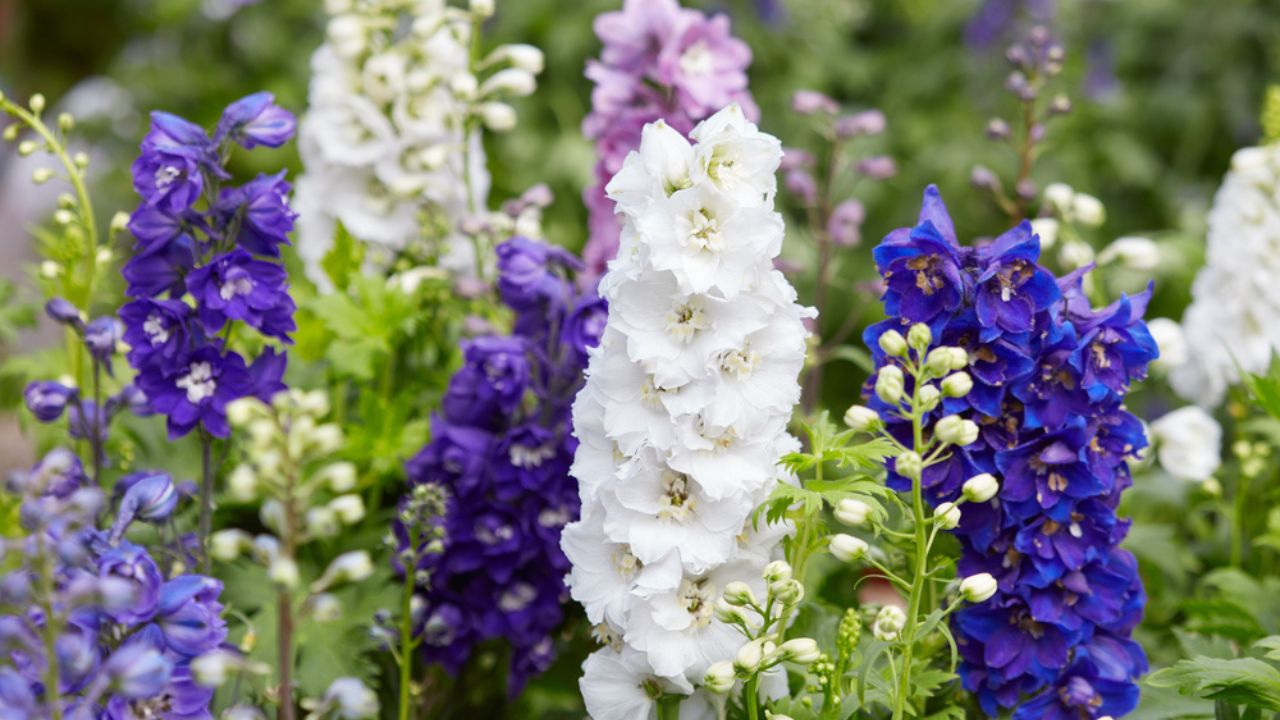
Image Credit: Shutterstock.
Larkspur produces tall, graceful stalks of airy flowers, often blue but also in white, pink, purple, or even red. The flowers will self-seed if given the chance, and regular picking will encourage continuous blooms. They have lovely, light, fern-like foliage and pair well with cosmos and snapdragons.
Best Foliage and Fillers for a Cut Flower Garden- 11. Rosemary
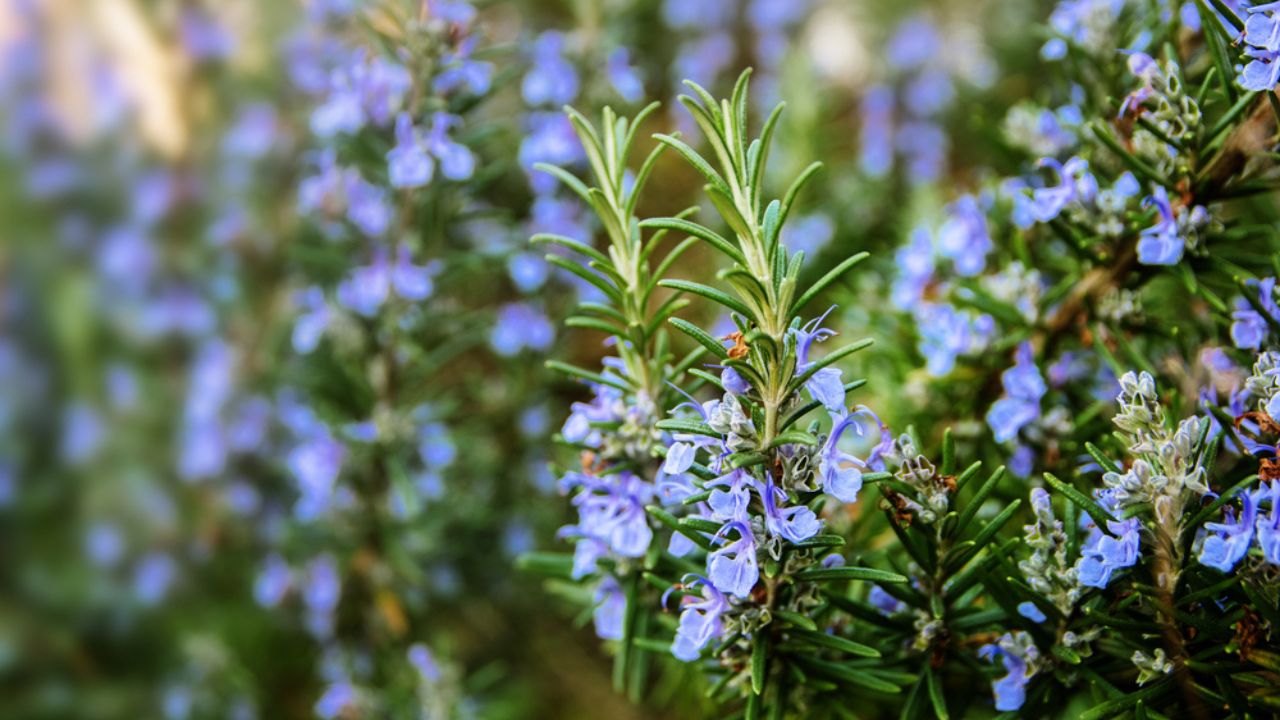
Image Credit: Shutterstock.
Although flowers are certainly the stars of any cut flower garden, plants grown for their foliage should not be forgotten. These often-overlooked “fillers” complement the flowers in an arrangement, adding greenery and texture. As an added bonus, several of these are edible herbs that can also be used in the kitchen! First up, rosemary!
With a genus that translates to “mist of the sea” (Rosmarinus), it’s no surprise that this culinary herb is also popular among cut flower gardeners. This perennial has lovely gray-green, needle-like foliage with a piney fragrance.
12. Ninebark
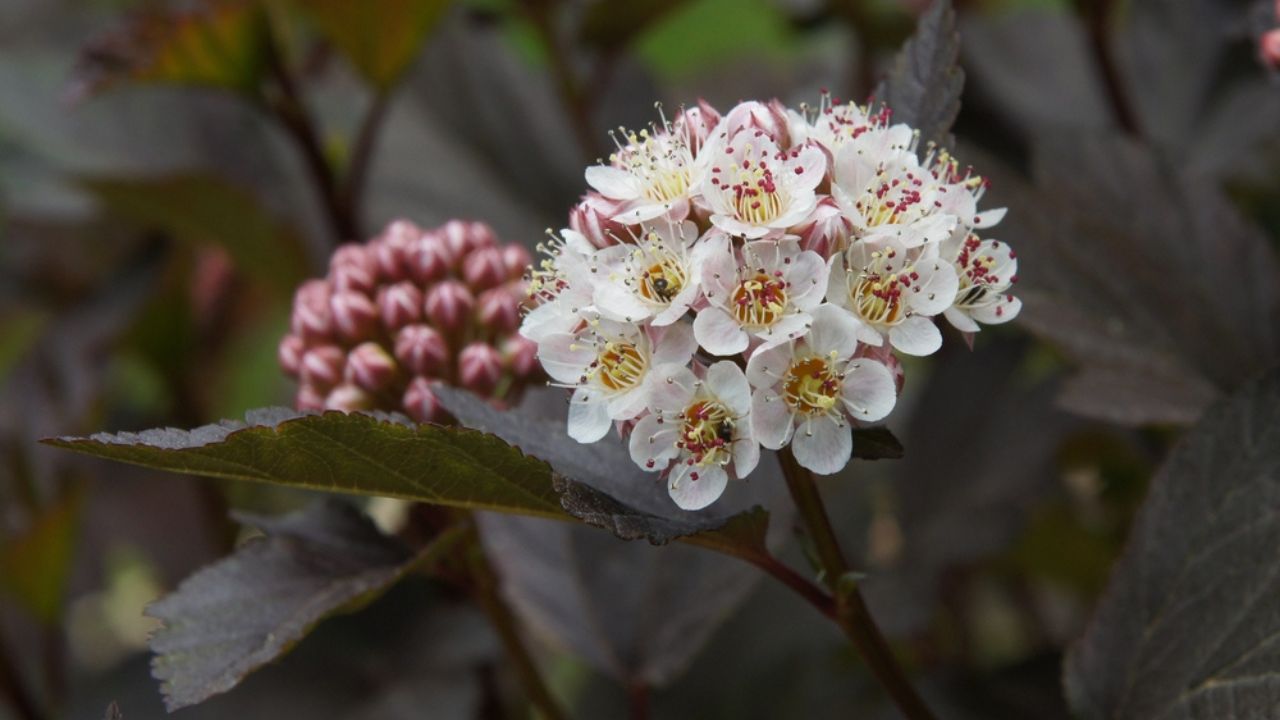
Image Credit: Shutterstock.
This native shrub contributes short-lived white or pink blossoms to spring bouquets, and the clusters of seed pods that follow add a level of textural interest. But the foliage is the real draw, with leaves ranging in color from green to almost black.
These make a great supporting addition to any bouquet.
13. Basil
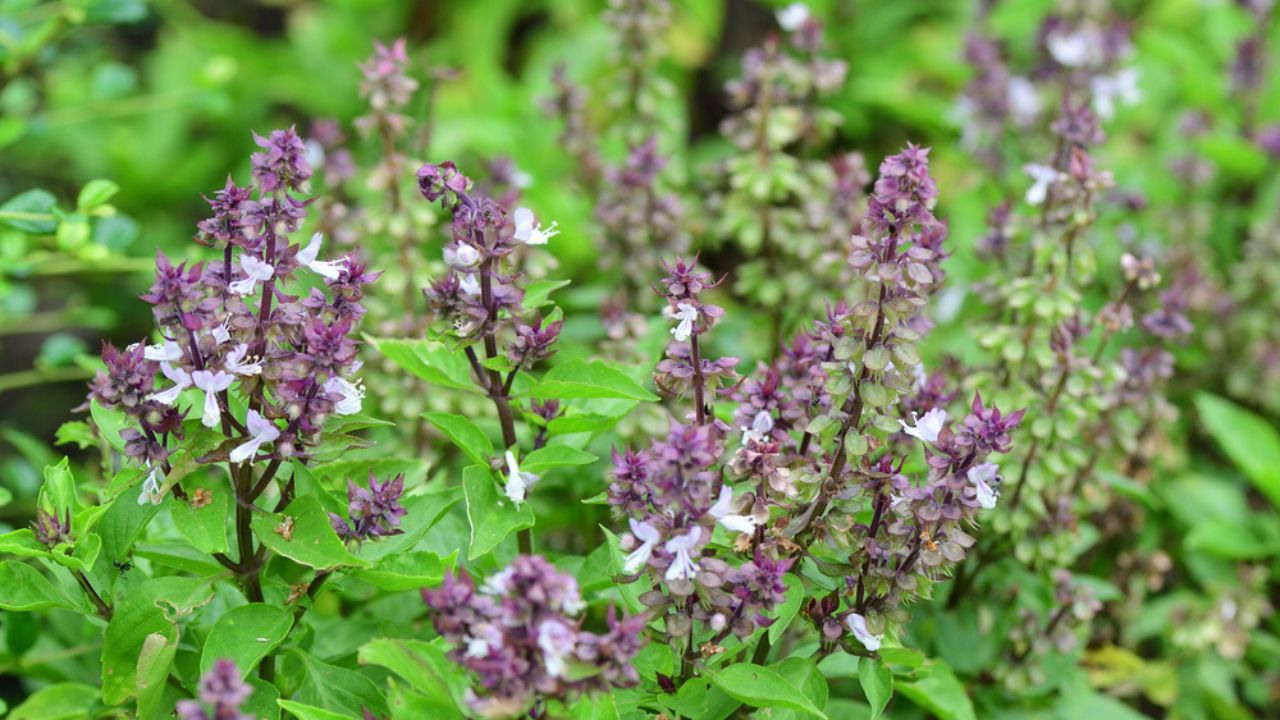
Image Credit: Shutterstock.
Basil can be grown for its spiked flowers as well as its foliage, both of which come in different shades. Cinnamon basil and purple-leafed varieties are especially popular. Since it’s susceptible to wilting, harvest basil in the morning or evening and let stems rest in water before using.
14. Russian Sage
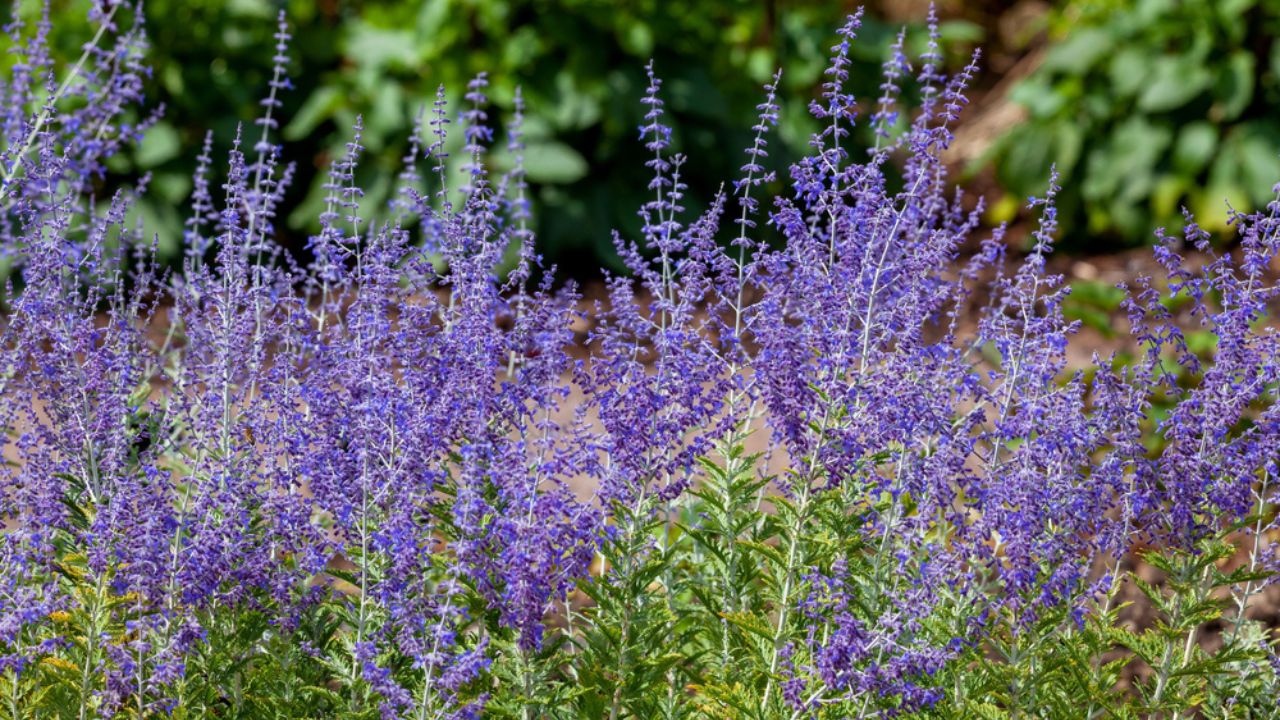
Image Credit: Shutterstock.
This large, shrubby perennial has feathery, silvery leaves and tall, airy spikes of lavender flowers that bloom in late summer and into fall. Unlike its culinary counterparts (which also make great fillers), Russian sage needs plenty of space, growing to three or four feet high.
15. Ammi

Image Credit: Shutterstock.
More commonly known as false Queen Anne’s lace, this cold-tolerant wildflower has delicate, lacy blooms as well as feathery foliage. It also attracts beneficial insects to the garden.
16. Feverfew
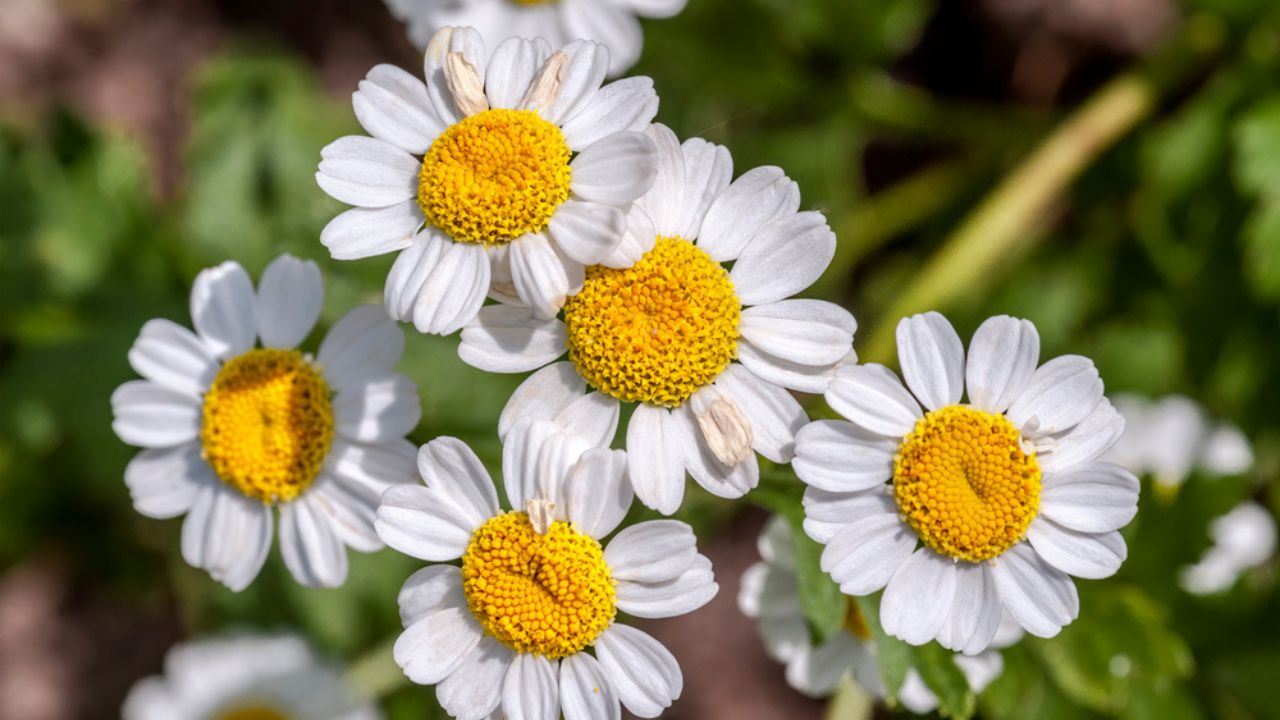
Image Credit: Shutterstock.
A bushy, short-lived perennial, feverfew is often grown as an annual. It has fragrant, ferny foliage and daisy-like flowers that are typically white but sometimes yellow. Some varieties have double or even pom-pom flowers.
17. Hosta
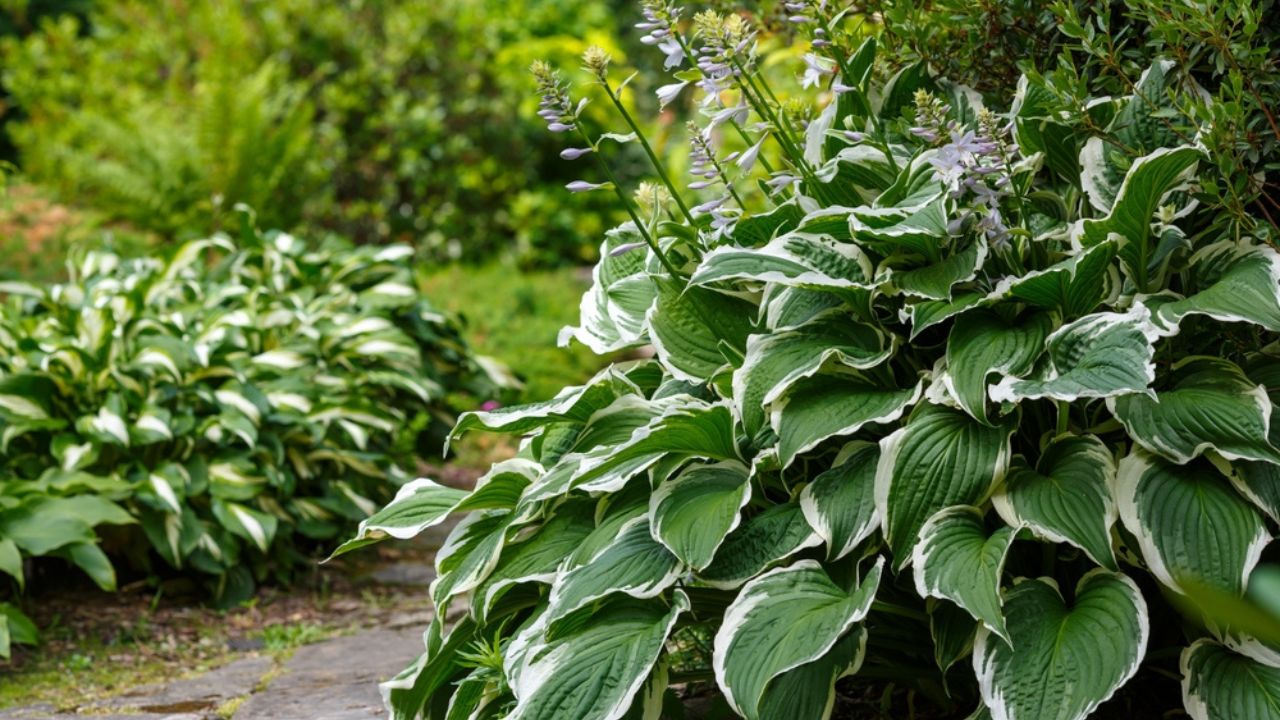
Image Credit: Shutterstock.
The characteristic deeply veined, heart-shaped leaves of these popular shade garden perennials provide a beautiful background to cut flower arrangements. Both the solid and variegated types work well.
18. Mint
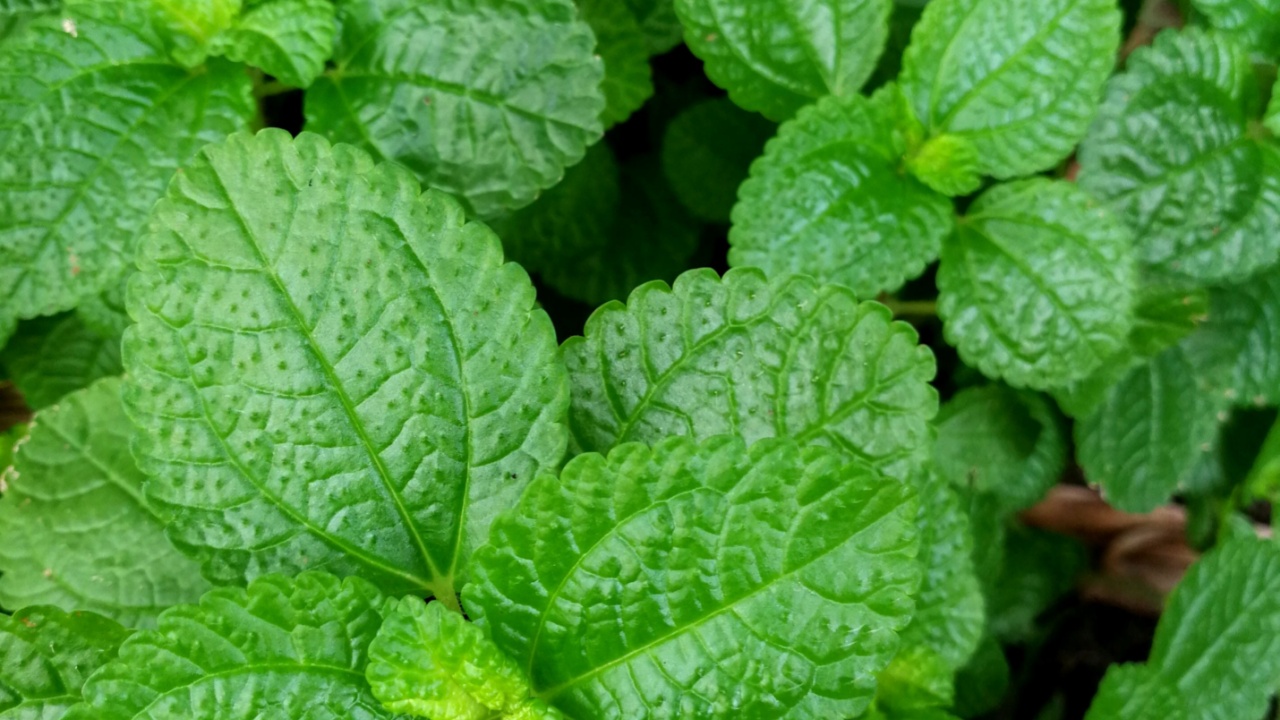
Image Credit: Shutterstock.
Mint isn’t just for tea! This vigorous spreader is one of the earlier plants to emerge, making it perfect for spring bouquets. In addition to the standard green varieties are chocolate mint, with its dark brown stems, and pineapple mint, with creamy variegated leaves.
19. Dill

Image Credit: Shutterstock.
Similar to Queen Anne’s lace, this herb has ferny foliage and airy umbrellas of delicate yellow flowers. Dill is especially beautiful when it has just set seeds. It also gives the bouquet a nice, Earthy, almost citrusy scent.
Perennial Cut Flower Garden- 20. Shasta Daisy
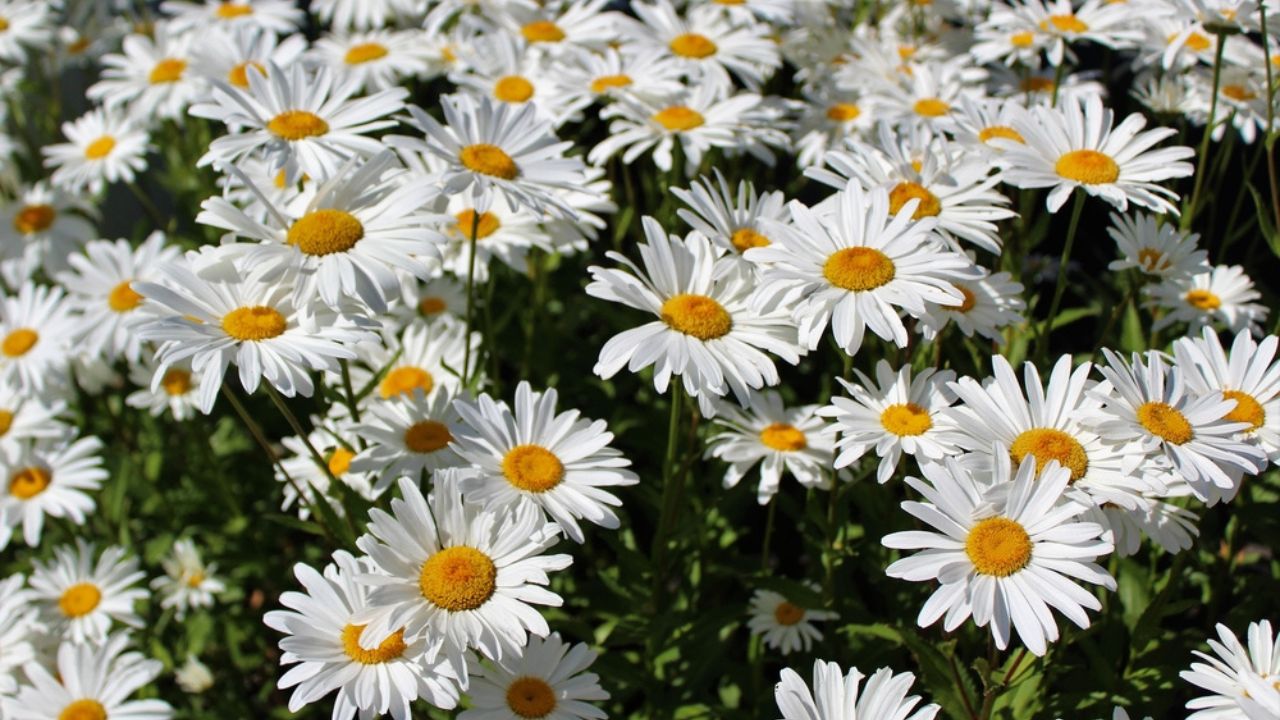
Image Credit: Shutterstock.
Although annuals may seem like the obvious choice for a cut flower garden, many perennials produce excellent cut flowers as well. Plus, they don’t need to be planted every year and therefore can serve as permanent fixtures in your landscaping. First up are daisies.
These cheerful flowers bloom from spring through early fall. Because they are aggressive, non-native spreaders, make sure to pick all the flowers before they go to seed to prevent them from taking over.
21. Yarrow
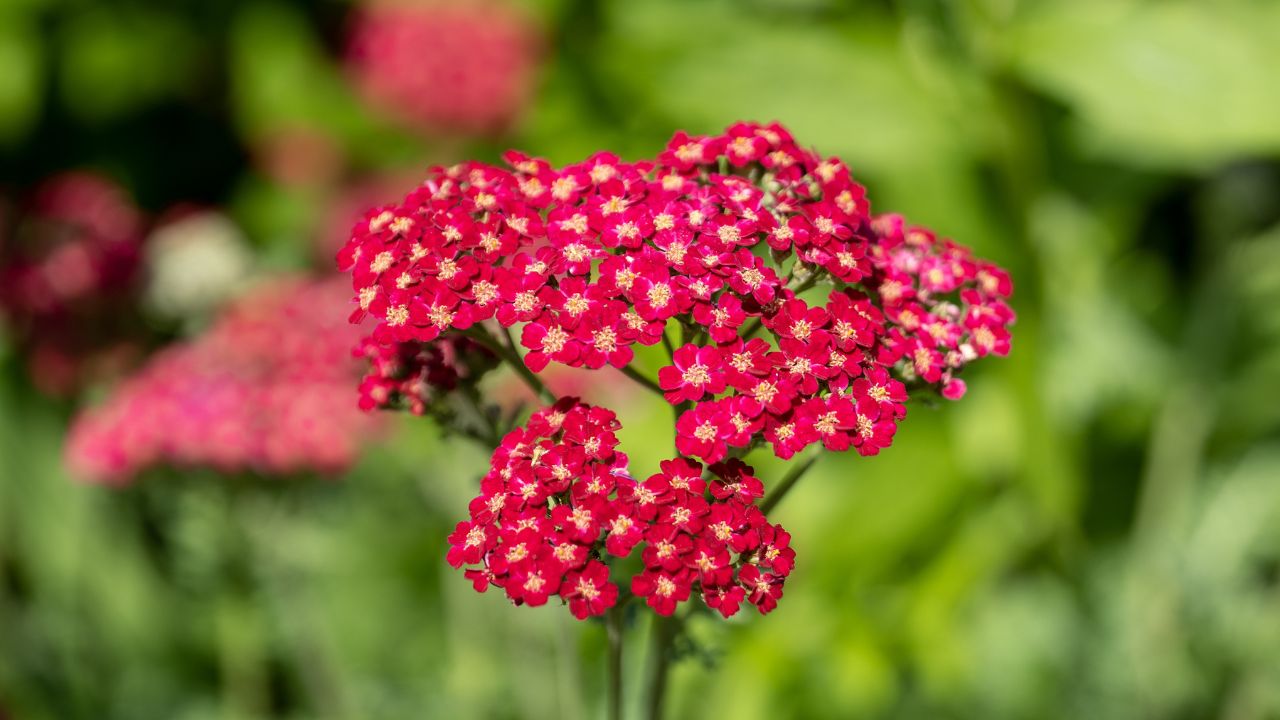
Image Credit: Shutterstock.
Known for its feathery foliage and flat-headed flowers, yarrow is available in yellow, pink, white, and red. This low-maintenance flower works equally well in fresh and dried arrangements.
22. Lupine
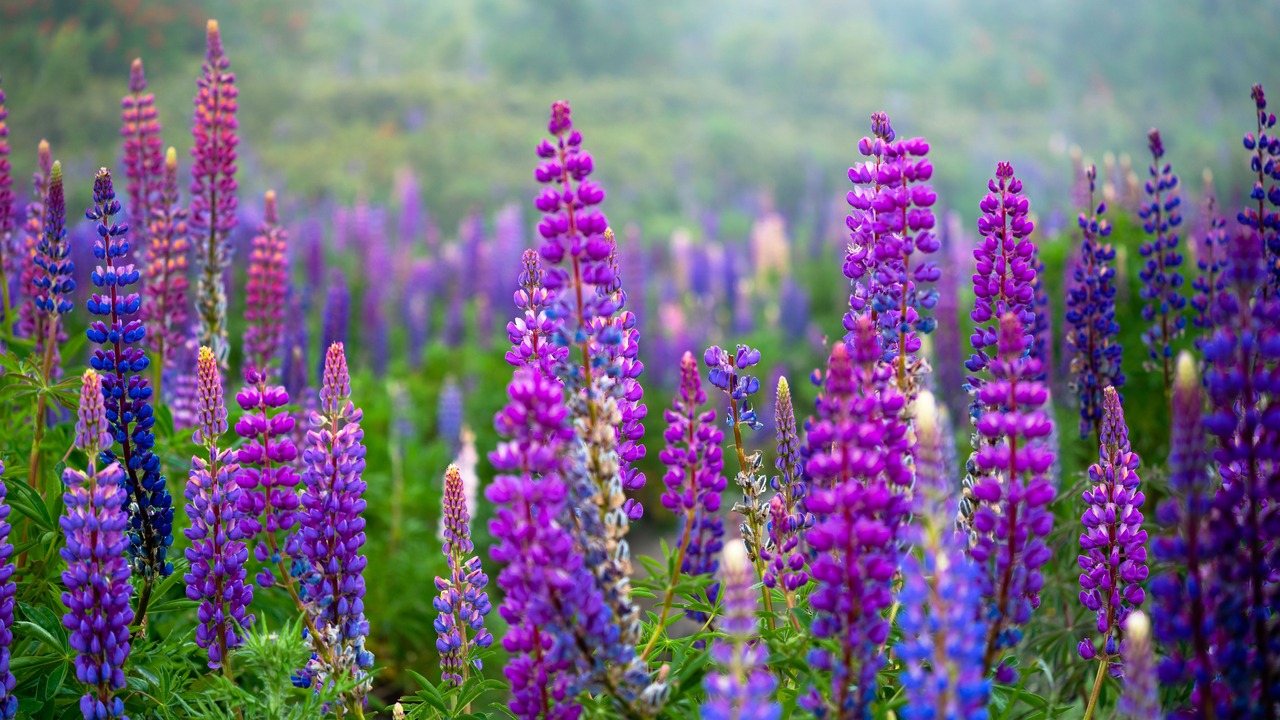
Image Credit: Shutterstock.
These tall, spiked flowers come in a variety of colors. While most of the popular garden varieties are hybrids, they derive from native North American wildflowers, often found in the forest in the late spring and early summer.
23. Dahlia
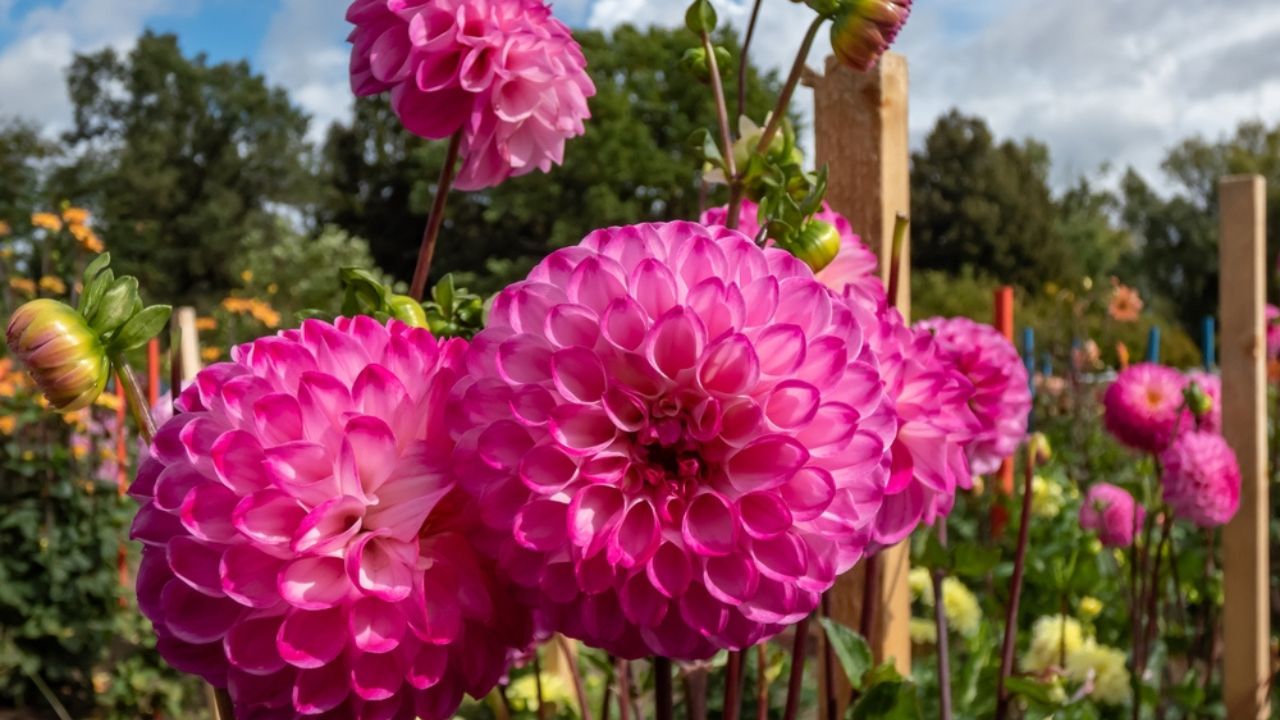
Image Credit: Shutterstock.
Although one of the more difficult flowers to grow, dahlias are a popular choice for cut flower gardens. These vibrant flowers come in a wide variety of colors, shapes, and sizes.
24. Foxglove

Image Credit: Shutterstock.
Also known by their genus, Digitalis, foxgloves produce tall spikes of tubular florets in white, yellow, pink, purple, and red. Although most foxgloves are technically biennials, a few perennial species do exist.
25. Peony
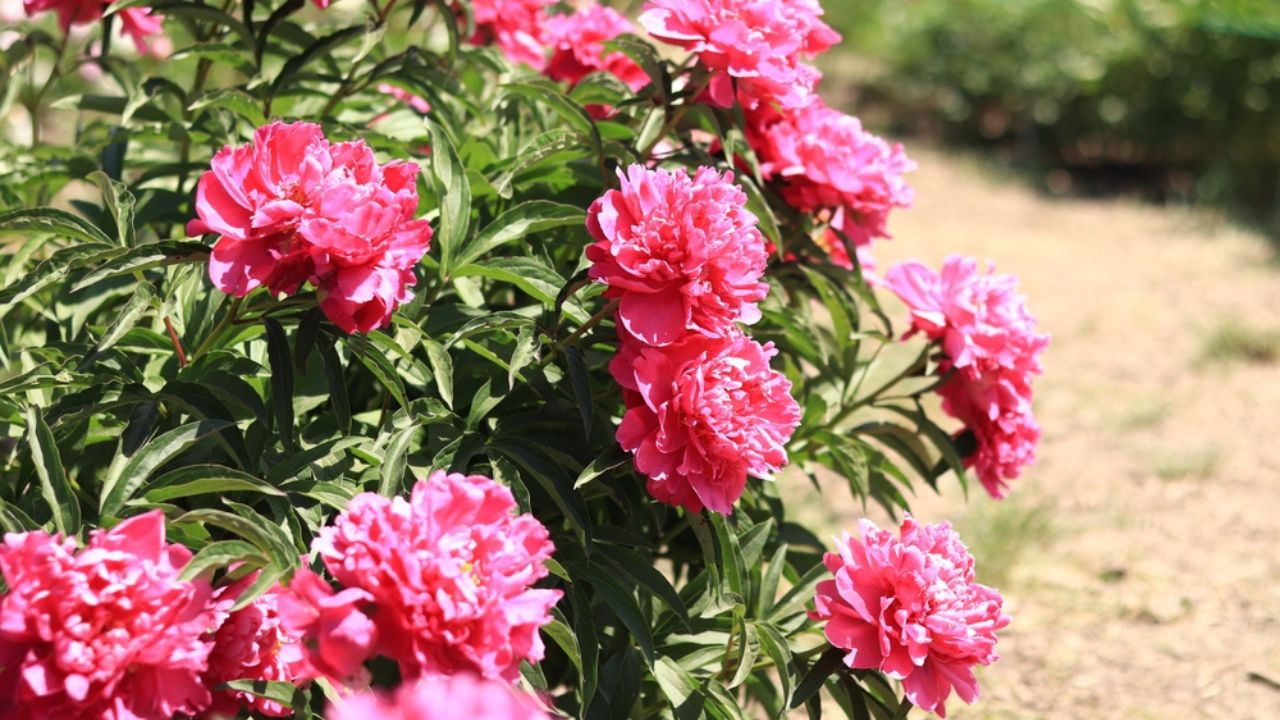
Image Credit: Shutterstock.
These large, often fragrant flowers are typically found in white and pink shades and bloom from late spring through early summer. They tolerate neglect fairly well, making them easy to care for.
26. Black-eyed Susan
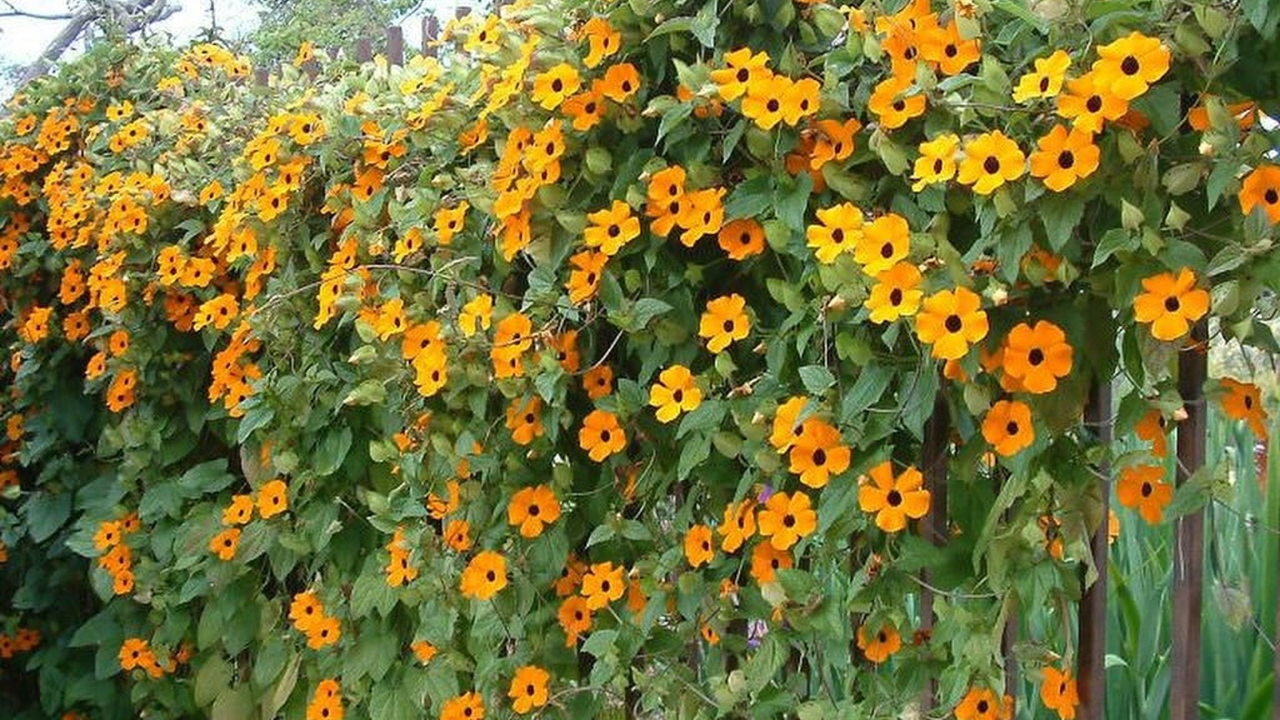
Image Credit: Shutterstock.
A North American prairie native, the black-eyed Susan has orange, daisy-like flowers with conical black centers. They are perfect for summer arrangements and will also attract pollinators to the garden.
27. Purple Coneflower

Image Credit: Shutterstock.
Also known by its genus, Echinacea, purple coneflower is commonly grown for its medicinal uses, pollinator attraction, and general beauty. These native prairie flowers are widely adaptable and low-maintenance.
28. Aster

Image Credit: Shutterstock.
These star-like flowers are native to every continent except Australia and Antarctica. With more than 600 species, they come in nearly every color, though white, blue, and purple are most common.
Cut Flower Garden Layout
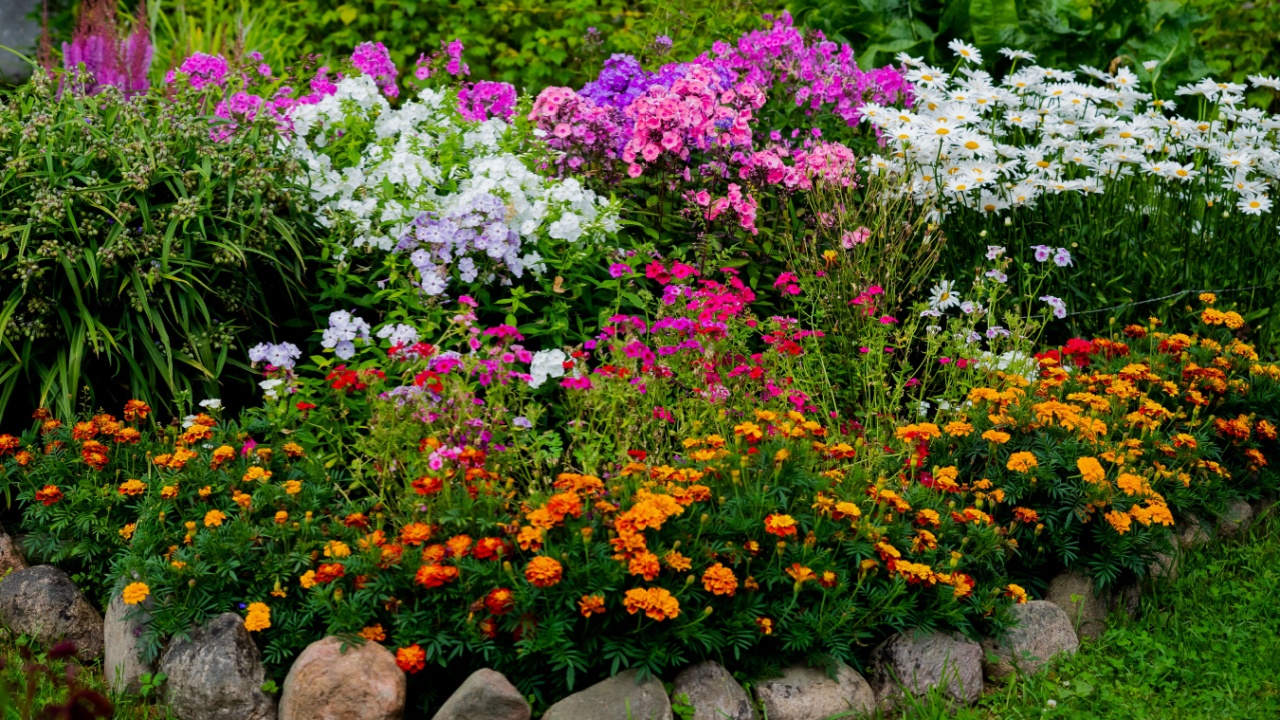
Image Credit: Shutterstock.
Although flowers for cutting may be incorporated into your general landscape design (this works especially well with a cottage garden), cut flower garden plans typically focus on easy access for maintenance and harvest. Choose a site with full sun, keeping in mind that some flowers will appreciate a bit of shade and may need to be planted elsewhere or simply put next to taller plants.
Planting in rows or narrow beds is perhaps the most practical approach, leaving sufficient space for paths between. Group plants for easy maintenance, separating annuals from perennials and grouping those that need staked or trellised. Further considerations include divisions based on seasonality or bloom time, flower type, color palette, or water and nutrient requirements.
How to Plant a Cut Flower Garden
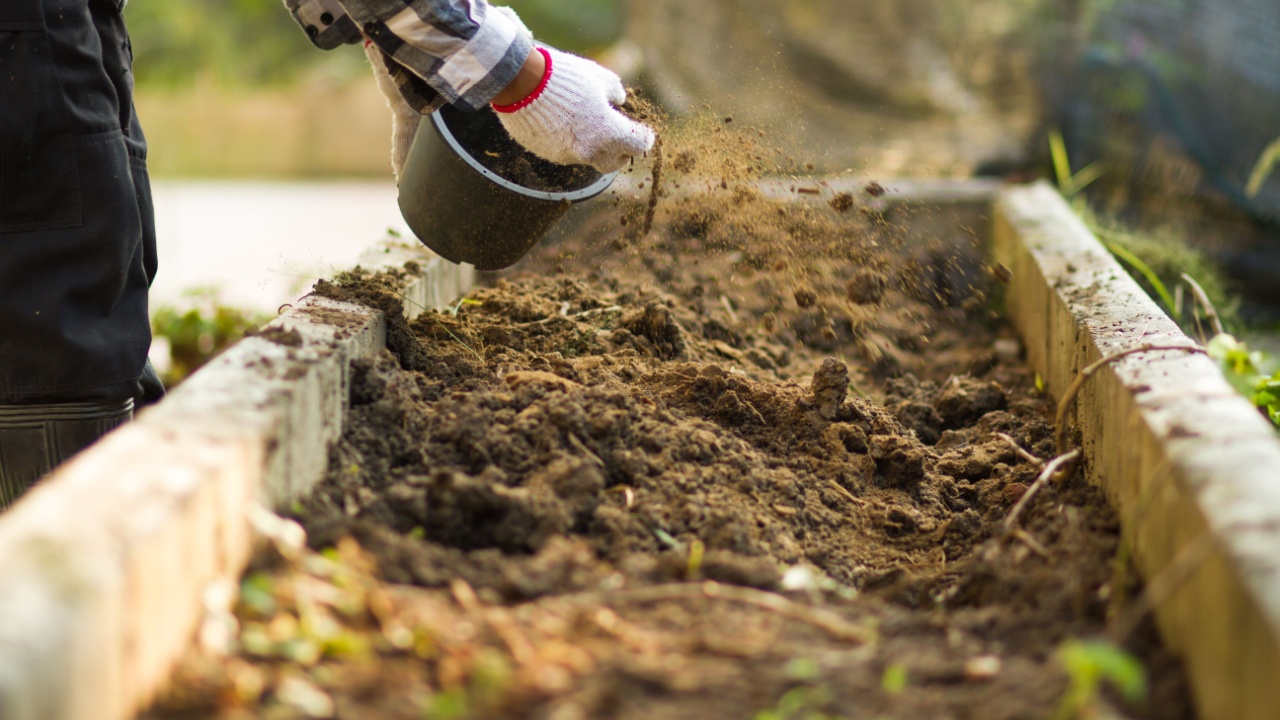
Image Credit: Shutterstock.
As with a vegetable garden, start by loosening the soil and mixing in some compost, at a minimum. For the best, healthiest flowers, test your soil with a DIY kit or send off a sample to your local extension office, then add amendments as necessary.
Specific planting instructions will vary by flower type, so make sure to read each seed packet carefully. Some plants do better when directly sown, while others can be started indoors to get a head start. Regardless, plan for succession planting to ensure that you have flowers to pick all summer. Although this is especially true for plants like single-stem sunflowers, which only produce a single blossom, many cut-and-come-again annuals diminish in quality or quantity of flowers over time.
Adding mulch, like straw or shredded leaves, around the flowers will help suppress weeds, prevent soil compaction, and improve water retention.
Water regularly, ideally in the early morning, and consider using a drip irrigation system to use water more efficiently and avoid getting the leaves wet, which can lead to diseases and other problems.
Finally, if the garden produces more flowers than you can use, remember to remove spent blooms so that new ones continue to grow.
Fresh Cut Flower Arrangements
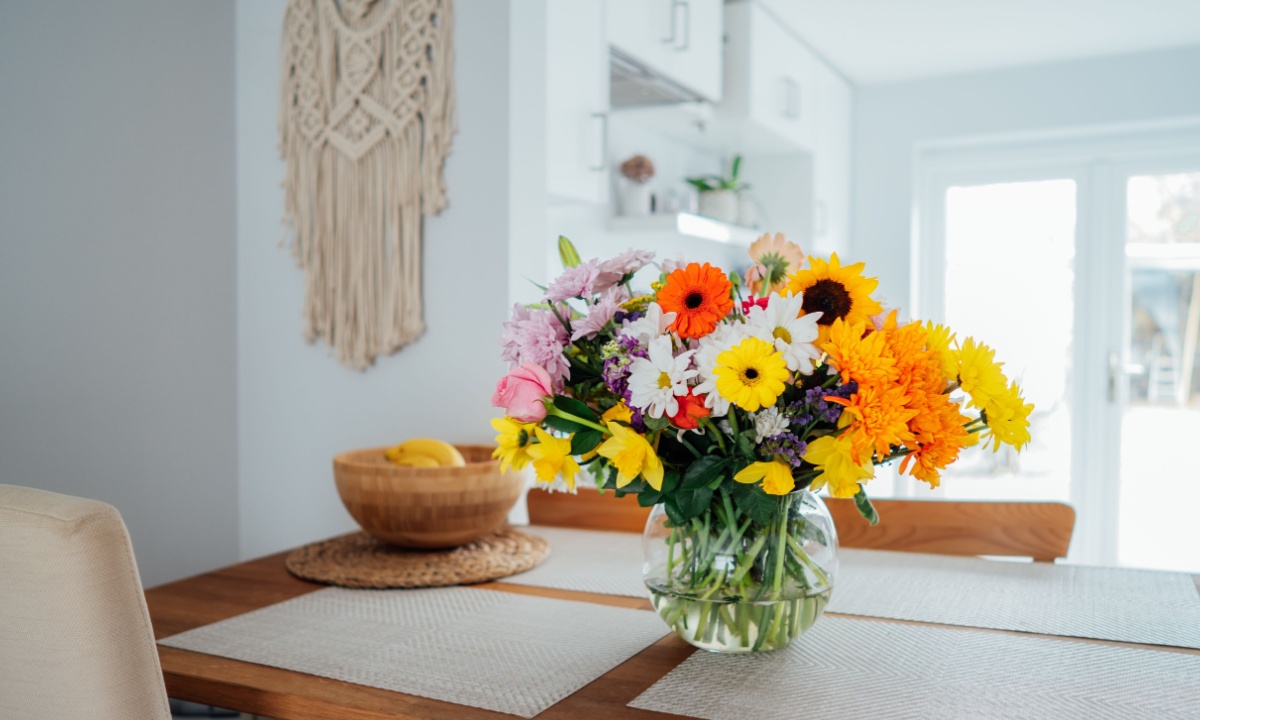
Image Credit: Shutterstock.
A cut flower garden is great to look at, but once you have all those flowers, make sure to use them to brighten someone’s day. Make a few bouquets every week for your house (yes, add one in every room!), and take some to a local nursing home, maybe to the fire department, and to your neighbors.
Or, if you have the time and inclination, take them to the local market and make a few extra bucks.
Here are some fresh-cut flower arrangements for inspiration.
A Romantic Bridal Bouquet
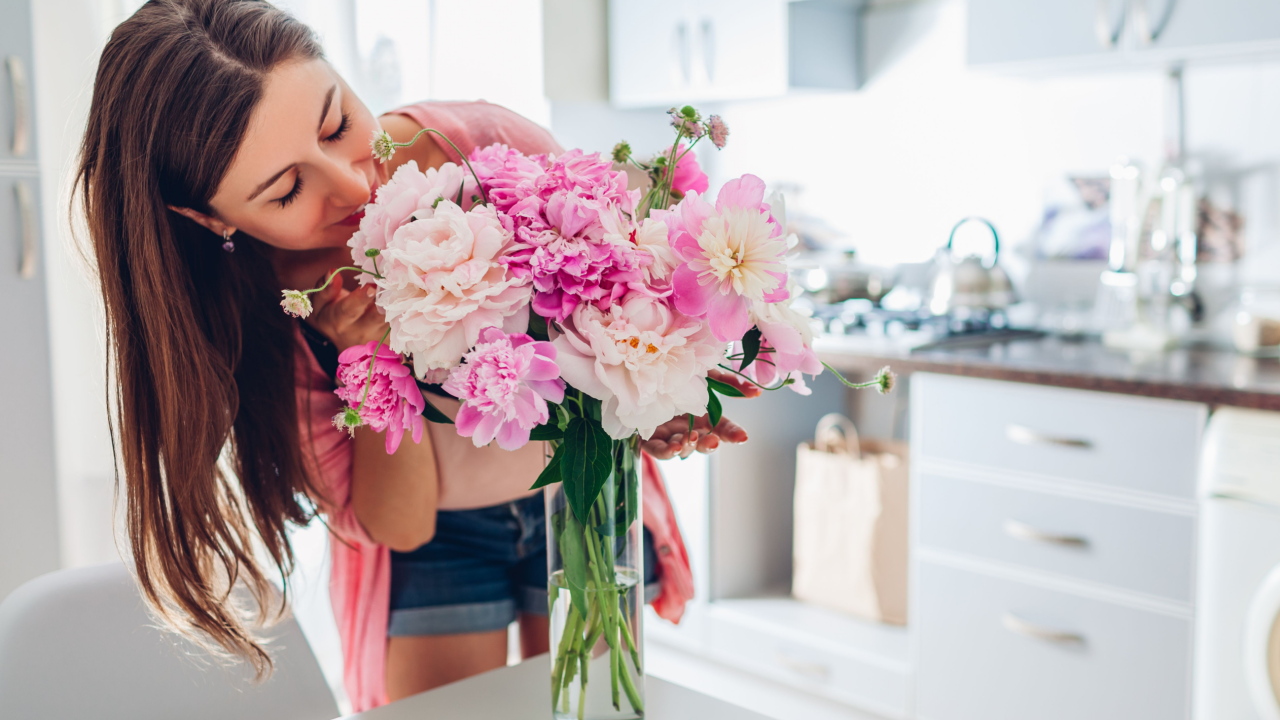
Image Credit: Shutterstock.
Simple, yet so elegant, this white and pastel bouquet is perfect for a country wedding, as well as a romantic dinner table.
Colorful Bouquet
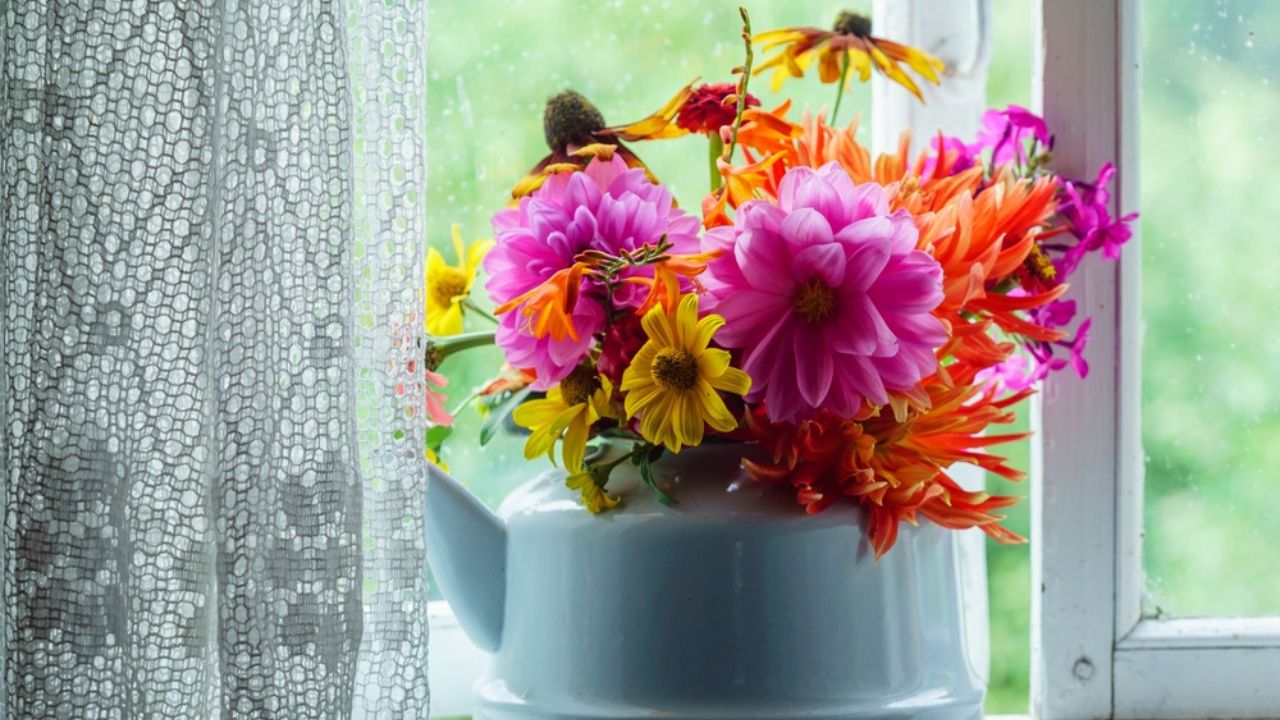
Image Credit: Shutterstock.
So many colors! Know someone who loves vibrant colors? Gather up flowers in every color and shape and stick them into a glass vase. This would be perfect on an outdoor table on the back porch.
Red tea kettle
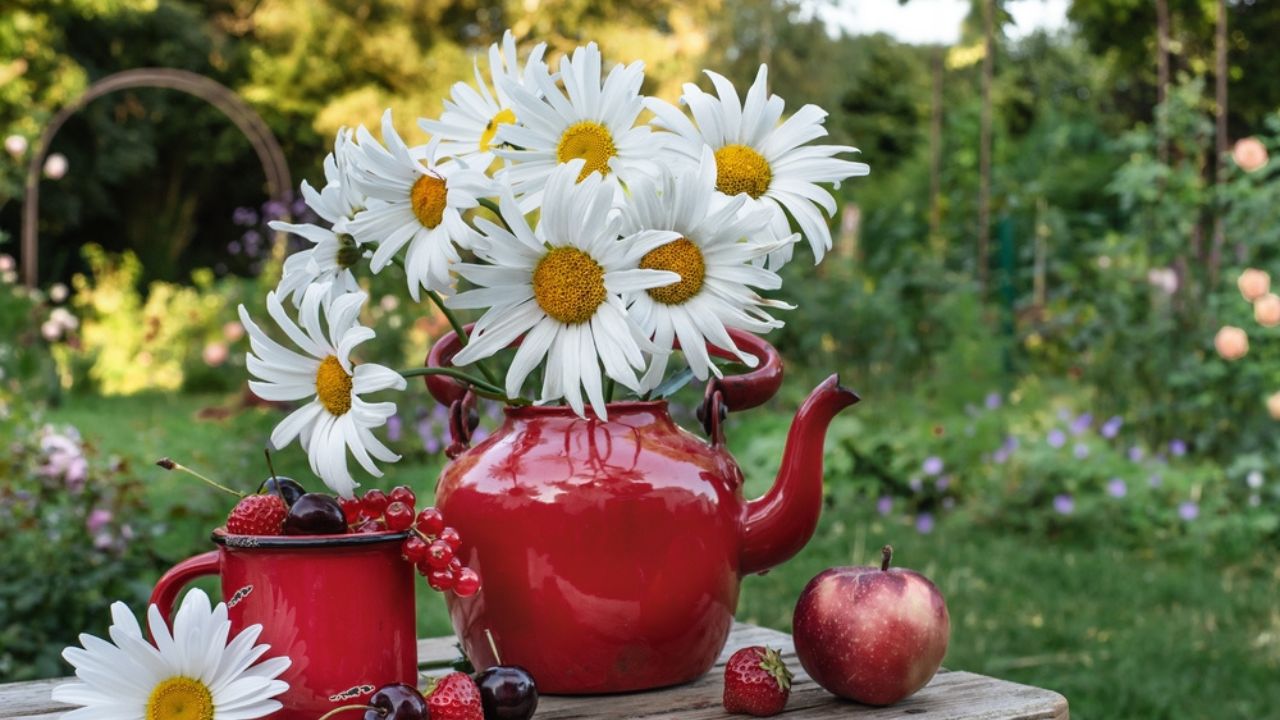
Image Credit: Shutterstock.
How cute! Any variety of white or yellow flowers in a red tea kettle will offer a great pop of color. So quick and easy, yet so pretty!
This is just a small sample of the many possible ways to arrange flowers from your cut flower garden. Go wild! Try as many combinations as you can come up with. Don’t let your flowers go to waste. share them with a friend or even a stranger. And, above all, have fun and enjoy the beauty of nature.
Simple Beauty
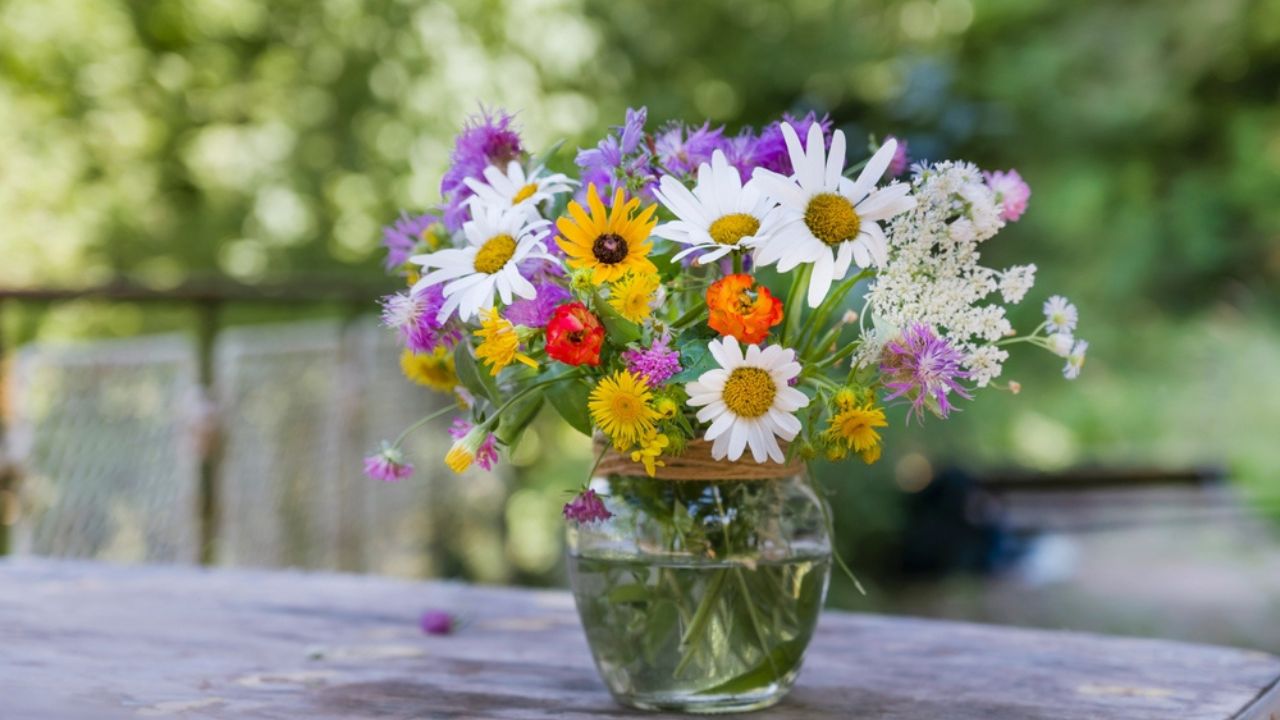
Image Credit: Shutterstock.
Ready to get started? Remember to choose just a few varieties to begin with, so you don’t become overwhelmed in your first year.
Tuck flowers in among your existing beds, plant a row in the vegetable garden or build new beds dedicated entirely to your new cut flower enterprise. Whichever option you go with, you will surely enjoy colorful flowers in your home, and in the garden, all summer long.