6 Things Home Contractors Are Quite Sick of Seeing
Home renovation shows and IG home reels are a delight. They offer a peek into a world of dramatic reveals and seemingly effortless transformations. But they also create some interesting expectations for real-world projects. Professionals who bring these visions to life often see homeowners make the same mistakes, guided more by fleeting fads than by practical wisdom. These repeated missteps can lead to budget blowouts, project delays, and a home that doesn’t quite fit your life.
Before you start tearing down walls or picking paint, here are some common trends that make contractors sigh.
1. The Appliance Overload

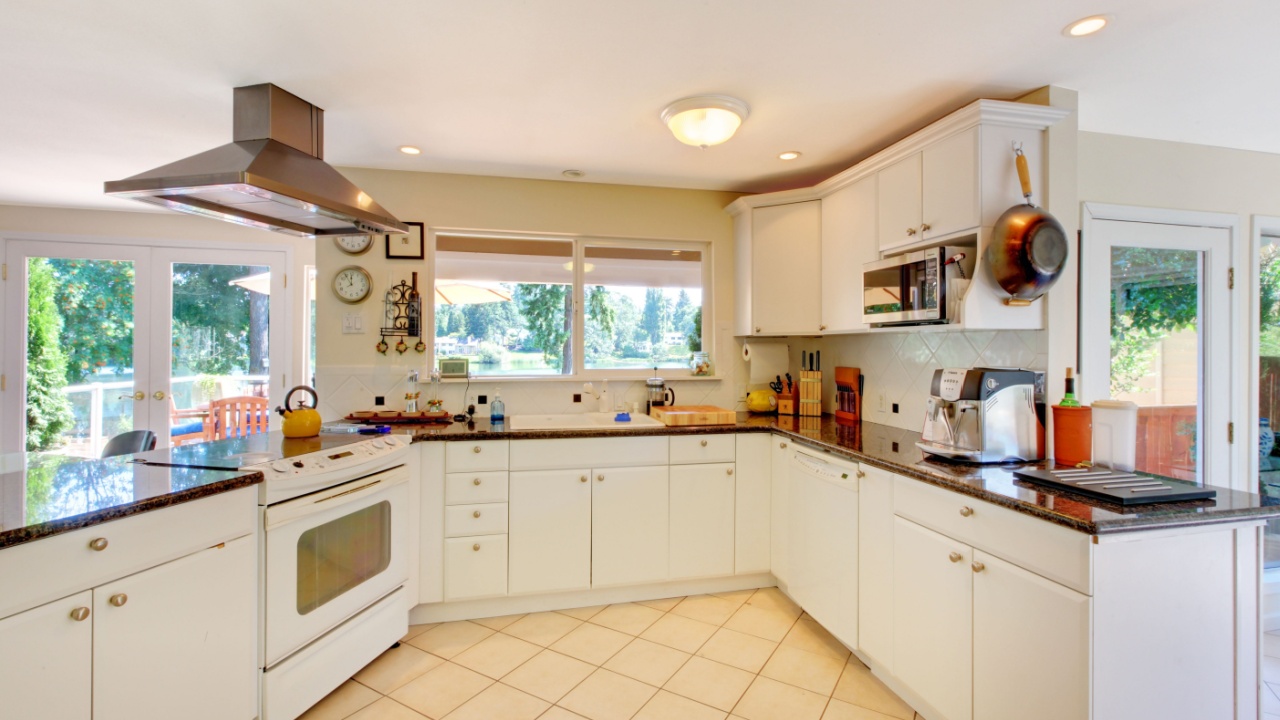
Before adding extra appliances, it’s worth stepping back and thinking about how you actually use your kitchen day to day. The kitchen is often the heart of the home, so a splurge or two can absolutely make sense if it genuinely improves how the space functions and makes you happy.
At the same time, kitchen budgets can escalate quickly, and features inspired by TV makeovers don’t always translate into real-world value. If resale is a consideration, it’s smart to think about what buyers in your area typically expect. A heavily overbuilt kitchen can feel out of place in some neighborhoods, even if the finishes are high quality.
Contractors often encourage homeowners to prioritize flow, storage, and usability before committing to multiple major appliances. An extra prep sink in a large island can be convenient, but it also takes away valuable work surface and storage below. Instead of doubling up on dishwashers or ovens, some households find more daily benefit in wider cooktops, better ventilation, or a single high-quality appliance paired with generous pantry space.
Designing for how you live, not just how a kitchen looks online, usually leads to a space that feels both functional and satisfying for years to come.
2. Following Fads Too Literally
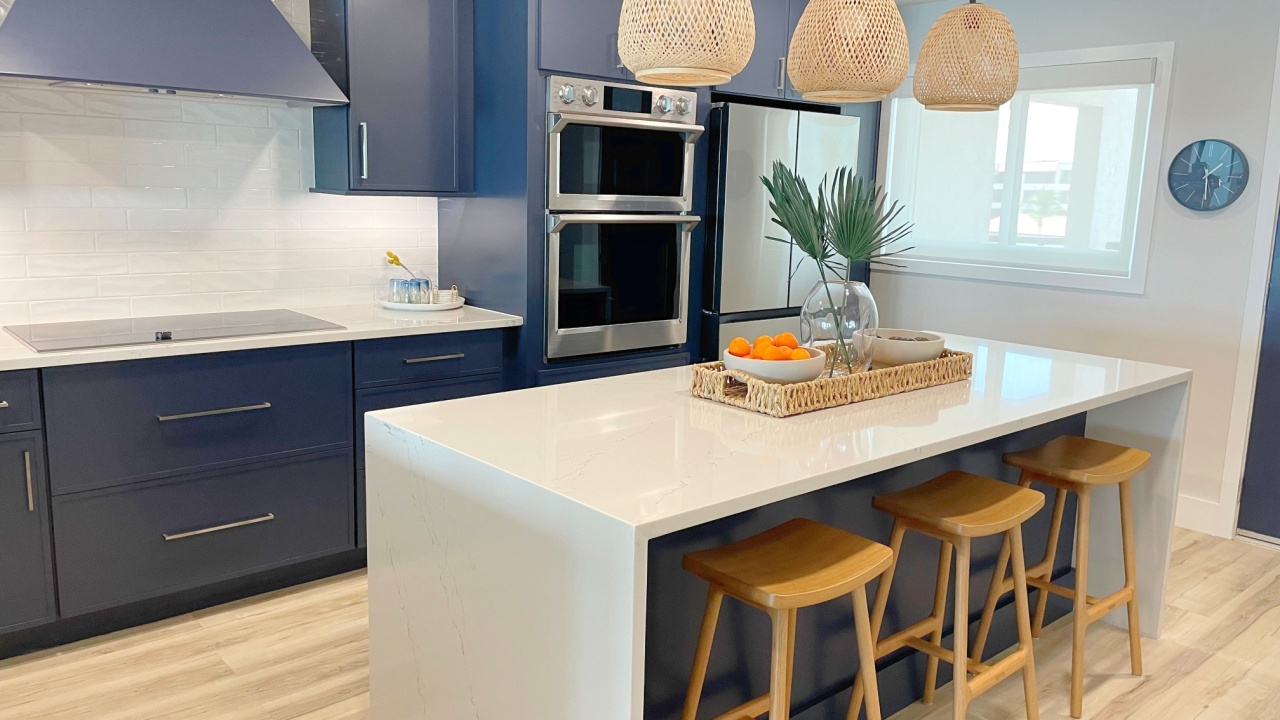
A home should reflect its owner’s personality and lifestyle, not just what’s currently popular on social media. Contractors often find themselves installing features that are very specific to a current trend, knowing they will likely feel dated in a few years. Think bold, patterned tile that dominates a small room or an all-white kitchen that lacks any personal touch.
Instead of copying a look piece by piece, identify the elements you are drawn to. Do you like a particular trend because it feels clean and minimalist, or because it uses a color that makes you happy? Use these core ideas as inspiration. You can incorporate trends in less permanent ways. For instance, use a trendy color on an accent wall that can be easily repainted. Choose classic, timeless finishes for expensive items like countertops and flooring.
3. Forcing an Open-Plan Layout
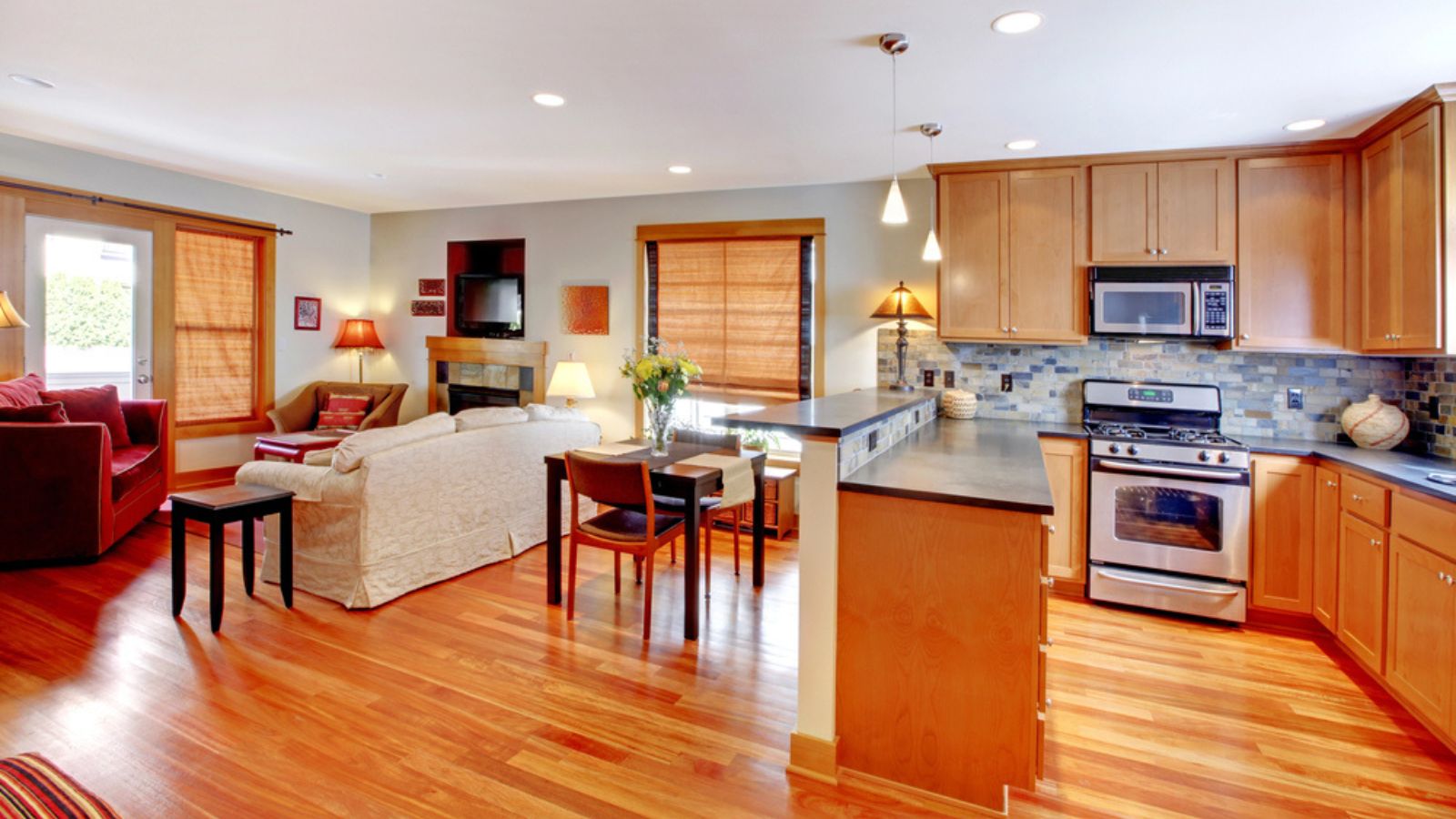
The open-concept floor plan has reigned supreme for years, promising airy, connected living spaces. While it works beautifully in some homes, it’s not a universal solution. Forcing it into a house not designed for it can be a structural and financial nightmare. Removing walls, especially load-bearing ones, requires significant engineering, new beams, and rerouting of electrical and plumbing systems.
An open layout also means sacrificing privacy and sound insulation. The noise from the kitchen can disrupt someone trying to read in the living room. Consider what your family needs. Perhaps a large casement opening between rooms provides a feeling of connection without the expense and noise issues of a fully open plan. Sometimes, walls are a good thing; they define spaces and create distinct zones for different activities.
4. Retiling When Alternatives Exist
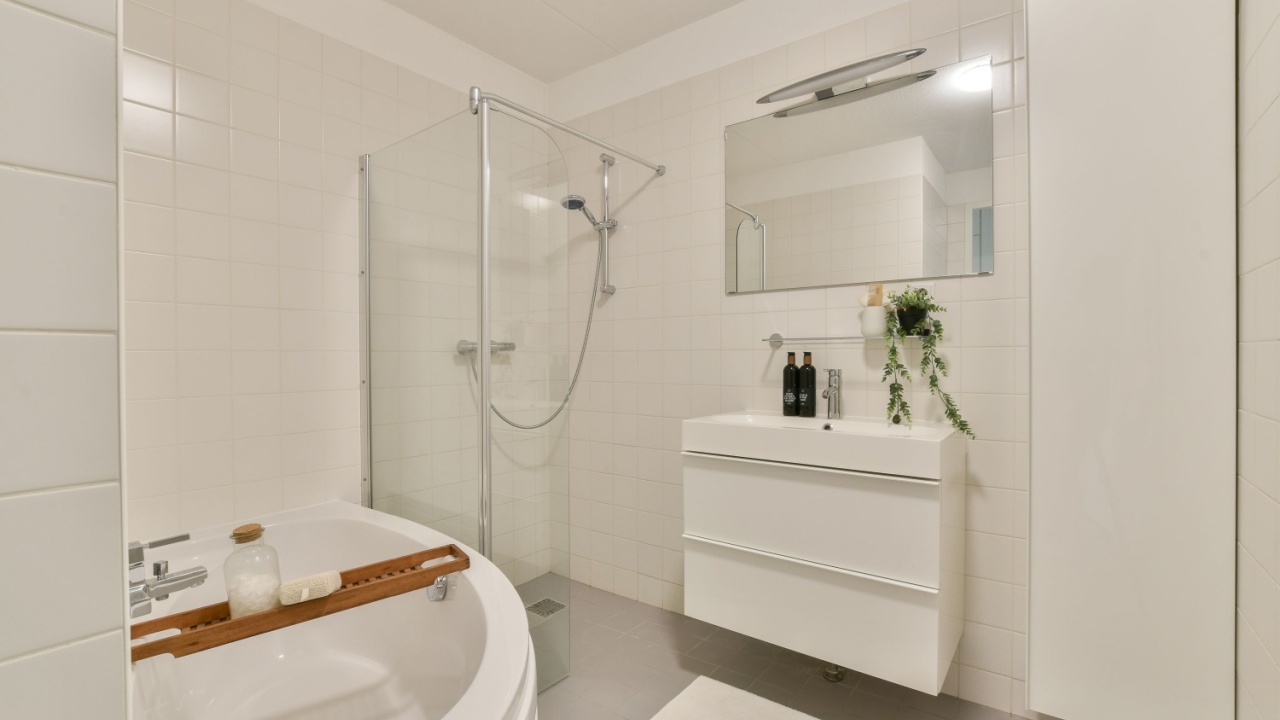
A full bathroom re-tile is a major undertaking. It’s dusty, expensive, and can put a bathroom out of commission for an extended period. Yet, many homeowners jump to this option to update a tired space. Contractors know there are often less disruptive and more budget-friendly ways to refresh a bathroom without a complete tear-out.
If the existing tile is in good condition but simply the wrong color, consider professional reglazing. This process applies a new, durable finish over the old tile, completely changing its look for a fraction of the cost and time. For floors, luxury vinyl tile can sometimes be installed directly over the old tile, offering a fresh look with minimal demolition.
5. Built-Ins That Limit Flexibility

Custom built-ins have become increasingly common in new homes, from floor-to-ceiling media walls to fixed desks, shelving units, and entertainment niches. While these features create a polished, finished look, they can also lock rooms into very specific uses that may not age well over time.
Contractors often see homeowners struggle to adapt spaces when needs change or technology evolves. Built-ins designed around specific TV sizes, office setups, or storage assumptions can limit furniture placement and make future updates more complicated. Designs that allow for some flexibility such as modular storage or freestanding furniture often provide a better balance between a custom feel and long-term usability.
6. Ultra-Minimal Bathrooms With Little Practical Storage

Spa-inspired bathrooms with floating vanities, wall-mounted fixtures, and clean, uninterrupted surfaces have become a popular design choice. While the streamlined look photographs beautifully, many of these spaces lack adequate storage for everyday items like toiletries, towels, and cleaning supplies.
Contractors frequently note that the absence of drawers, cabinets, or medicine cabinets can quickly lead to cluttered countertops or overflow into nearby closets. Thoughtful storage doesn’t have to disrupt a minimalist aesthetic. Incorporating recessed cabinets, vanity drawers, or discreet shelving can help maintain a clean look while keeping the space functional for daily use.
Moving Forward with Your Renovation
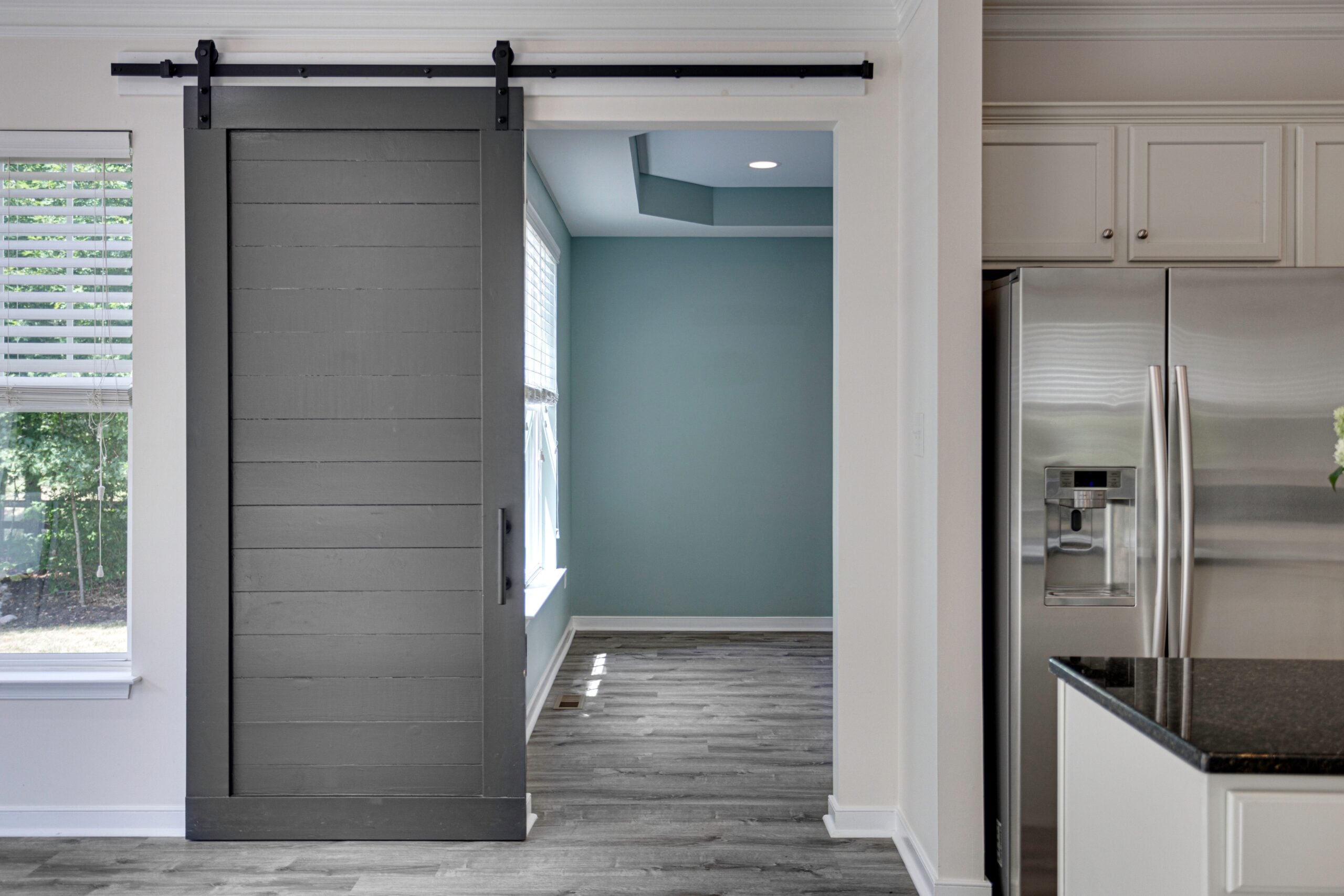
Avoiding these common pitfalls doesn’t mean your renovation has to be boring. It’s about making smart, informed decisions that blend your personal style with practicality. Start by evaluating how you live in your space right now. Be honest about your needs versus your wants. Gather inspiration, but adapt it to fit your home and your life, not the other way around. When you’re ready, talk to professionals. A good contractor can provide valuable insight, helping you avoid costly mistakes and find creative solutions.
Read more:
12 Home Designs That Look Outdated and People Completely Regret
6 Viral Home Design Trends That Are Actually Giant Money Pits