Costco Shoppers Rush to Buy $7,000 Generators and Emergency Supplies After Major Outages
A wave of technology outages has some Americans filling their Costco carts with emergency supplies. Generators, bottled water, and shelf-stable food are drawing attention as shoppers worry about what might stop working next.
The buying spree follows disruptions to Microsoft services, airline operations, and major banks in November. Although officials say there is no evidence the incidents are connected, the problems have left some consumers uneasy.
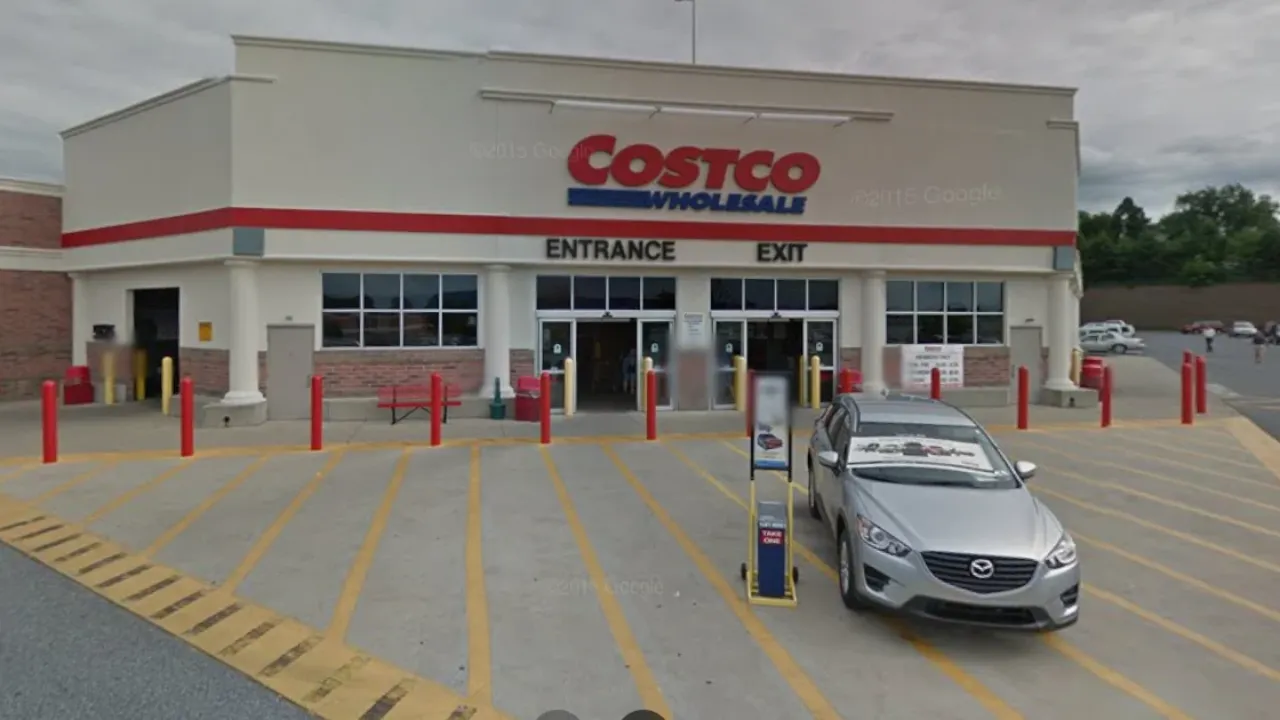
At Costco, the demand is showing up in more than grocery aisles. Investment firm Mizuho Securities reported that 21 of the retailer’s 26 high-priced generators listed online were sold out as of November 15.
Costco has also acknowledged increased purchases of everyday emergency supplies. The rush could provide a sales boost for the warehouse chain, but it raises another question: How much are shoppers buying because they need it, and how much because they’re worried?
Generators Disappear
The generator shortage is especially striking. According to CBS News, Mizuho analyst David Bellinger linked the buying to anxiety following several high-profile system failures and alarming social media discussions.
The sold-out listings reportedly included a Kohler generator priced around $7,000. That is considerably more expensive than stocking up on canned soup, suggesting some customers may be preparing for longer disruptions rather than brief inconveniences.
Costco Chief Financial Officer Gary Millerchip confirmed a broader increase in demand. He told Bloomberg that customers began purchasing more rice, canned goods, water, paper products, generators, and batteries toward the end of October.
That confirmation matters because online stockouts alone cannot establish why products disappeared. Costco has not disclosed how many generators were sold or how much additional revenue came from emergency purchases.
Outages Fuel Concerns
The shopping activity comes after a difficult stretch for services Americans use every day. Microsoft applications experienced disruptions, banking customers struggled to access accounts, and air travel was interrupted nationwide.
On November 13, the Federal Aviation Administration halted departures across the country after problems affected its communications and radar systems.
The FAA said its investigation identified network instability involving older equipment and excessive data traffic. Flights resumed that evening, and the agency said it found no indication of a cyberattack.
Secretary of State Marco Rubio also said there was no evidence connecting the recent incidents. Despite those assurances, the close timing has encouraged speculation online.
For shoppers, the concern appears to extend beyond computers going offline. Electricity, transportation, access to money, and the ability to communicate during an emergency are all part of the larger worry.
Costco Gets a Lift
The rush arrives while Costco is already reporting strong sales. In its official October sales report, the company reported $24.5 billion in net sales, a 12.6% increase from the same period last year.
U.S. comparable sales rose 8.1% after adjusting for gasoline prices and currency changes. Those results cover the four weeks ending November 1, so they do not capture the full effect of the more recent outages.
Mizuho expects emergency shopping and holiday demand to support Costco’s business. The firm raised its stock price target from $1,100 to $1,150, while also suggesting Walmart and Sam’s Club could benefit from similar purchasing habits.
Whether the buying continues remains uncertain. Generators are expensive, occasional purchases, while extra pantry supplies can reduce what households need to buy later.
Costco is scheduled to report its next quarterly earnings on December 10, when investors may get a clearer picture of how much the emergency-shopping rush contributed to sales.