Concerned About Data Centers in Your Area? Erin Brockovich Just Built a Free Tracker
You may not see it from your window. You may not hear it yet. But somewhere near you, a massive data center could already be planned, approved, or under construction. And until recently, most people had no easy way to know.
In a Facebook reel, influencer Sam Bentley reports that Erin Brockovich, the famous environmental activist who took on Pacific Gas and Electric Company and won a landmark settlement for a California community with contaminated water, is back. This time, she is taking on Big Tech and the AI boom quietly reshaping American towns.
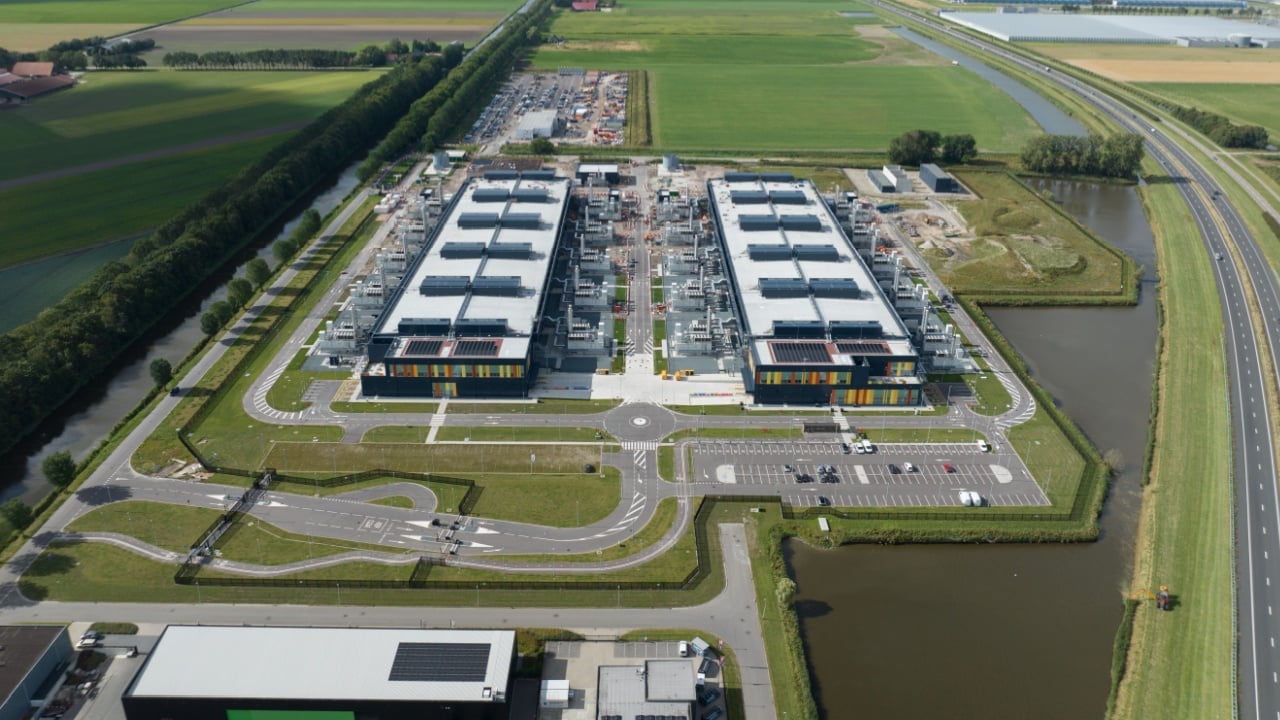
More than 3,600 AI data centers have been cataloged on Brockovich’s interactive map since it launched in April 2025. These facilities house the servers, networking equipment, and computing systems that power AI tools and cloud platforms. The problem is that they often arrive in communities before residents have a chance to ask questions.
Read on to see what the tracker does, why data centers are drawing serious public concern, and what communities across the country are already doing about it.
Who Is Erin Brockovich and Why Is She Doing This
Erin Brockovich rose to national fame after taking part in a successful lawsuit against Pacific Gas and Electric Company for poisoning the groundwater in Hinkley, California.
Her role in that lawsuit was dramatized in the 2000 film starring Julia Roberts. Brockovich is not a tech critic or a politician. She is someone who has spent decades showing up when communities are told to sit down and be quiet.
When she started hearing from people about AI data centers appearing in their communities with little to no notice, she paid attention.
She said that as of late April 2025, over 40 communities from numerous states had already reached out to her personally about these issues. Her response was to build a tool anyone could use.
What the Brockovich Data Center Tracker Actually Does
On April 27, 2025, Brockovich launched brockovichdatacenter.com, an AI Data Center Reporting Map that allows Americans to report issues they encounter with data centers in their communities.
The map is free, public, and requires no sign-up to view. Users can see operational facilities, those under construction, and those that have been proposed.
By collecting community submissions and plotting facilities in one place, the website gives residents a clearer picture of what is being built and where concerns are surfacing.
That kind of public tracking makes it easier for neighbors to compare experiences, ask better questions of local officials, and press for earlier disclosure when projects are proposed. Brockovich has described every pin on the map as representing a real person who refused to be silent.
The Response Has Been Overwhelming
More than 6,600 people had contacted Brockovich about AI data centers in their communities as of May 31, 2025, contributing to a growing crowdsourced effort to track facilities emerging across the United States.
Reports have come in from nearly every state. The volume of submissions in the first few weeks alone signaled just how widespread public concern has become.
According to Brockovich, many residents say their biggest frustration is not the projects themselves but the sense that major decisions are being made without meaningful public input.
Town meetings, online petitions, and direct outreach to local councils have followed in communities where the map revealed a facility nearby. The tracker has given people a shared reference point and a reason to organize.
Why Communities Are Alarmed
Large data centers can consume up to 5 million gallons of water per day, equivalent to the water use of a town with 10,000 to 50,000 people. That water is primarily used for cooling.
Server stacks generate enormous heat, and evaporative cooling is the most common and cost-effective solution available to operators. The burden falls squarely on local water infrastructure.
Many developers enter non-disclosure agreements with local officials, which can limit public access to information about project scale, resource needs, and potential impacts.
A review of 31 Virginia municipalities with existing or proposed data centers found that 25 of them, about 80 percent, had NDAs in place. Residents show up to town halls with questions and find that their elected officials are legally restricted from answering them.
Towns Are Starting to Push Back
Monterey Park City Council in California unanimously voted to place a permanent data center prohibition on the June 2, 2026, ballot, making it one of the first cities in the country to pursue a voter-enacted ban.
The vote followed an extended moratorium already in place. Residents there did not wait for state-level leadership. They organized, showed up, and pushed their council to act.
The Denver City Council voted unanimously to approve a one-year ban on new data centers, following a proposal from Mayor Mike Johnston. The moratorium aims to give the city time to establish permitting requirements and regulations around noise, air quality, zoning, and energy codes.
Oklahoma City, Tulsa, and several Illinois cities have also approved moratoriums, while Huron County in Michigan approved a three-year pause at the end of May 2026. This is no longer a fringe movement.
What You Can Do With the Map
Visiting brockovichdatacenter.com takes less than a minute. You can zoom into your city, your county, or your zip code and see what is currently operating, what is under construction, and what has been proposed in your area.
The site includes a form that asks about the location, owner, and development status of a data center, as well as any issues or concerns related to the facility. Submitting a report does not require expertise. It just requires paying attention.
Advocates recommend insisting that local governments remain transparent with constituents about proposed data center developments and their community and environmental impacts, including prohibiting NDAs between public officials and data center developers.
Bringing documented concerns to a town planning board meeting, a city council session, or a public comment period carries real weight, especially when others in your community show up alongside you.
Read More:
The Brazilian Fight Over Water Rights Proves the Little Guys Can Win