Colorado Teens Are Installing Free Wildfire Protection Around Mobile Homes in Lafayette
The power of a group that wants to make a difference can surprise you. Crews of teenagers spent the week installing wildfire protection around homes at the Lafayette Gardens Mobile Home Park in Lafayette, Colorado, at no cost to the residents. The teens are working with Boulder County Wildfire Partners, and the project is paid for by the county’s wildfire mitigation tax, CBS Colorado reported. The crews come from Teen Inc. Youth Corps, which partners with the county and is spending the summer on the work.
Crews lay down a weed barrier and spread a layer of gravel about two inches thick around the base of each mobile home. That’s meant to keep vegetation from growing right up against the structure. Crew leader Hannah Mason said the barrier also keeps the area easy to maintain. Officials estimate the team has finished about a dozen homes so far and is still knocking on doors to offer the work to anyone else in the park.
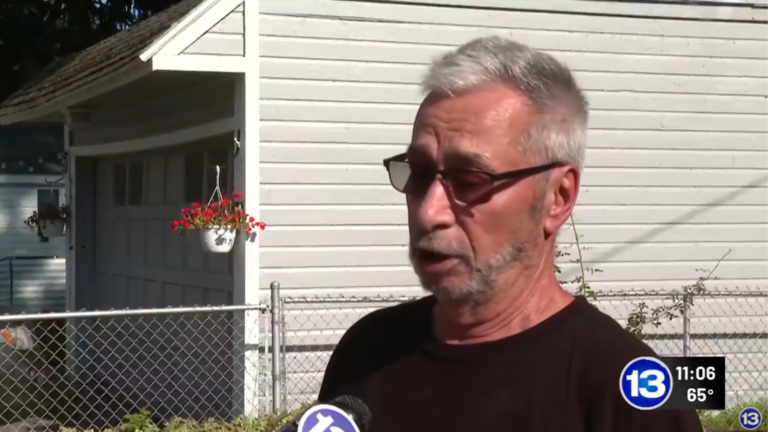
Wildfire Partners targeted Lafayette Gardens partly because several residents there have low incomes, which makes the price of the mitigation feel impossible. Resident Ralph Iller said the help matters for exactly that reason. Without a sprinkler system on his property, he admits, “I couldn’t afford it.”
Iller moved into the mobile home park after losing his home in the Marshall Fire, and lost another house in the 2013 flood. He said he hopes the mitigation work lets him stay safely in Lafayette. The crews are scheduled to finish out the week at the park and return in the fall.
Why Do You Need Gravel for Fire Mitigation?
Gravel targets about the first five feet around a home. That’s what fire mitigation uses as its first priority against flames. Most houses in a wildfire don’t just ignite from a wall of flame. They catch on fire when embers blow around and land in something flammable pressed up against the structure, so replacing grass, weeds, and mulch with gravel takes away the fuel at the point where embers are most likely to settle.
Boulder County pays residents to do versions of the same work through its rebate program. That covers removing junipers, covering vents, pulling out wooden fences, and clearing five feet of space, according to Boulder Reporting Lab. Brian Oliver, Boulder Fire-Rescue’s wildland division chief, has described the danger as embers landing in fuels. Wildfire Partners director Jim Webster has made the point that the gravel only works if it stays clear, since pine needles and dead leaves piling on top of it undo the benefit.
What Is Boulder County’s Wildfire Mitigation Tax?
Boulder County voters approved ballot measure 1A in November 2022, less than a year after the Marshall Fire. The measure added a 0.1% sales and use tax, a penny on every $10 spent, and was projected to raise roughly $11 million a year. State law requires the revenue be spent only on mitigation, which the county defines as work done before a fire starts: defensible space, home hardening, grassland and forest management, and mitigation staffing, according to Boulder County.
The Marshall Fire is the reason the tax exists. Back on December 30, 2021, the fire destroyed 1,087 homes in Louisville, Superior, and unincorporated Boulder County, and the county called it the costliest federally declared wildfire disaster in Colorado history. It burned across grassland on the plains rather than forest in the mountains, which pushed the county to extend Wildfire Partners eastward into flatland communities like Lafayette. Now you have projects like this one that the teens are involved in at work, paying for those who can’t afford the work themselves.