Officials in Tennessee Are Warning Homeowners After a Lithium-Ion Battery Started a Fire
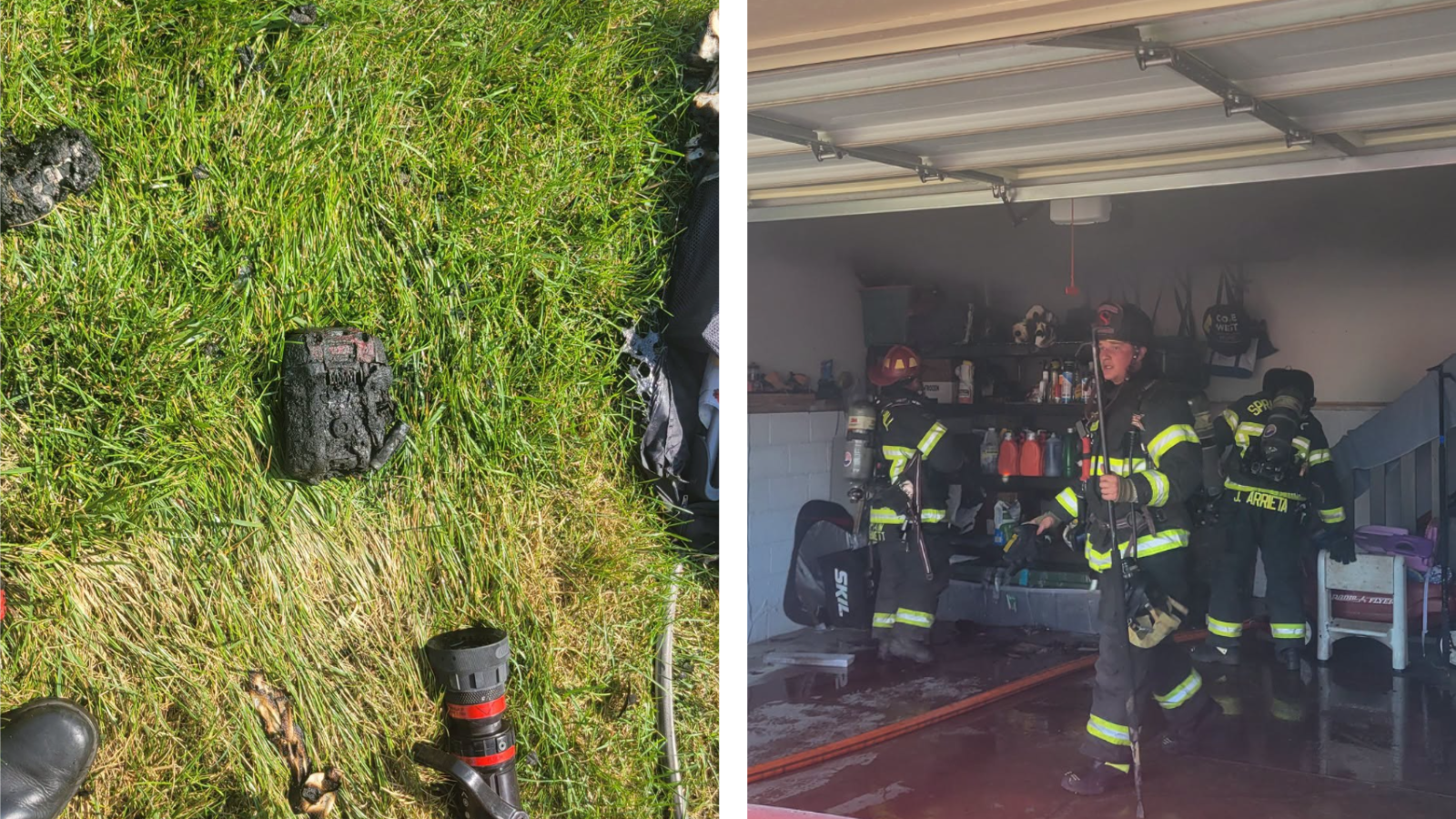
A terrifying ordeal unfolded in Tennessee when firefighters were called to a home. Smoke had been billowing out of the garage when officials arrived. The source of the fire? A lithium-ion battery. The fire department shared photos from the incident on the official Spring Hill Fire Department Facebook page, warning people about the dangers these rechargeable batteries can pose.
According to the post, the homeowner was able to put the fire out before help arrived, but they sustained minor injuries in the process. The story was then picked up by WSMV 4, which says this was one of two lithium-ion battery-related fires to strike the community.
Now, officials are sounding the alarm and warning residents about the dangers these types of batteries pose and offering suggestions on how to stay safe if you have these devices in your home.
Here’s what you need to know.
A Wades Grove Neighborhood Home Was the Site of One Fire
The firefighters said that, while the fire was put out by the homeowner, they had to help deal with the leftover smoke from the blaze. “Firefighters used positive pressure ventilation fans to remove smoke from the garage and throughout the home, helping to return the residence to a safe condition,” the caption for photos shared by the department said.
“The cause was determined to be a lithium-ion rechargeable battery that had gone into thermal runaway,” the post continued. Thermal runaway (TR) is when a battery cell overheats, reaching temperatures above critical thresholds. Once this happens, the battery will enter an uncontrolled self-heating cycle, which can cause the battery to put out high levels of heat and even release toxic gases, according to Envo Drive.
Recycle Nation says that plenty of popular devices contain these types of batteries, including Bluetooth headsets, cell phones, computer items, digital cameras, eReaders, game controllers, laptops, smart watches, and more.
The Fire Department Warned Against the Dangers of These Situations
Officials used the photos as a chance to educate the public about the risks. “This incident serves as an important reminder that lithium-ion rechargeable batteries can pose a fire hazard if they become damaged, overheated, or experience a malfunction,” the post concluded. “If a battery begins to smoke, swell, or overheat, move away from it if it is safe to do so and call 911.”
According to WSMV 4, the best way to avoid TR is to use certified products, always handle batteries with care, watch for warning signs (like swelling, overheating, or smoking), and properly recycle your batteries when you’re done with them.