California Condo Owners Get a $49,000 HOA Bill, And Will Fight It in Court
A Torrance condo owner was already paying to live in a community with a homeowners association. Then another bill arrived, and this one was for more than $49,000.
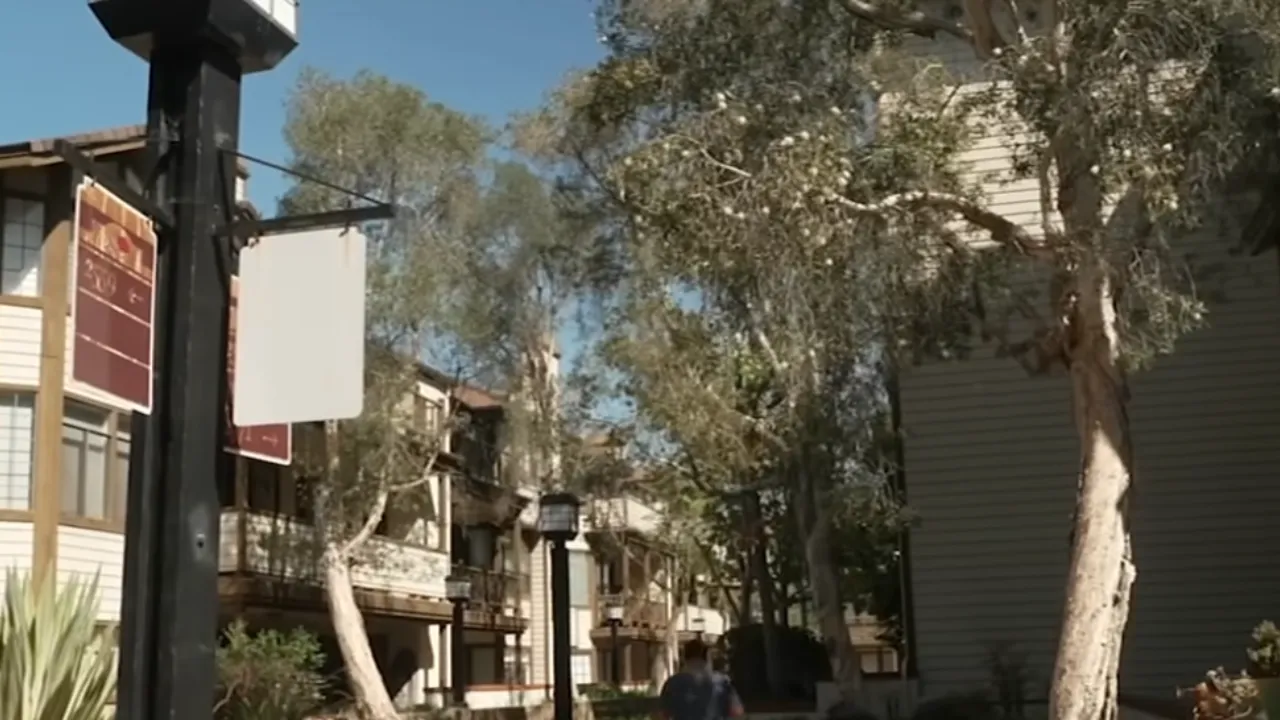
Stephen Wang told ABC7 Los Angeles that the charge is a special assessment tied to major work at the property, including rebuilding the complex’s podium, re-piping the property, and repairing elevators. ABC7 reported that the assessment affects owners in a 499-unit complex.
Unlike regular HOA dues, a special assessment is an additional charge used to cover expenses that ordinary assessments or reserves cannot handle. California law gives associations considerable power to levy them, although how that power can be exercised depends on the amount, member approval, and whether the expense qualifies as an emergency.
The Torrance owners are not simply complaining about the bill. ABC7 reported that homeowners have filed a lawsuit and are also working to recall the HOA board, turning an expensive repair dispute into a fight over who gets to make decisions carrying five-figure consequences.
Quite The Bill
Embedded media follows; please allow a moment to load.
Wang told ABC7 that he was “shocked” by the assessment and said other residents were, too.
The projects behind it are hardly cosmetic. Wang described work on the podium beneath the complex, the plumbing system, and elevators.
Those are precisely the kinds of large common-area expenses that can wind up outside an HOA’s ordinary monthly budget.
The California Department of Real Estate explains that special assessments can be used for major repairs, replacement, new construction of common areas, or one-time expenses that cannot be covered through regular assessments.
That does not mean an HOA board can simply choose any number it wants without further procedure.
There Is A Limit
Under California Civil Code Section 5605, an HOA board generally cannot impose special assessments totaling more than 5% of the association’s budgeted gross expenses for the fiscal year without approval from a majority of a quorum of members.
The percentage applies to the association’s overall budget and assessments, not to a homeowner’s individual bill.
California also provides an important exception. Civil Code Section 5610 allows assessment increases beyond those limits in defined emergency situations, including certain hazardous conditions, court-ordered expenses, and qualifying repair costs that could not reasonably have been foreseen when the annual budget was prepared.
ABC7 did not establish in its report which of those provisions is at the center of the Torrance homeowners’ lawsuit, so the size of the $49,000 charge by itself does not establish that the assessment was improper.
Where’s The Money?
The story quickly touched a nerve with viewers, but much of the reaction went further than the available evidence.
“HOA’s are one of the worst ideas ever dreamed up,” YouTube commenter @akiira69 wrote.
Another viewer, @tammanyfields3583, focused on a question that frequently follows a bill this large: “Insane and don’t they pay monthly? Where is all that money, and has it been used properly?”
The reporting does not establish that the Torrance association mismanaged owners’ money, so those suspicions remain viewer reaction rather than fact.
They do, however, point toward the financial records homeowners can examine. California’s Department of Real Estate says HOA boards are responsible for preparing budgets and financial statements, while regular assessments are intended to pay both current expenses and contribute toward longer-term maintenance obligations.
ABC7’s HOA expert, attorney Michael Kushner, recommended that homeowners pay particular attention to their association’s annual financial disclosures and reserve funding.
No HOA Referee
Owners expecting a California agency to step into a dispute like this may find another surprise.
The Department of Real Estate says there is no state or local agency that directly regulates homeowners associations or their members once a development is operating. The Davis-Stirling Common Interest Development Act instead establishes much of the legal framework for HOA governance and disputes.
That helps explain why the Torrance disagreement has moved beyond arguments at HOA meetings.
The homeowners have filed suit and are pursuing a recall of the board, according to ABC7, leaving a court fight and an internal political fight running alongside a repair bill that Wang says has already left residents stunned.