20 Blooming Bushes That Butterflies Absolutely Love
Transform your yard into a butterfly haven with the vibrant colors and delightful scents of flowering bushes. These plants not only add beauty to your garden but also provide essential nectar for butterflies. Many of these bushes even serve as host plants, offering food for caterpillars that metamorphose into garden delights. If you want to create a butterfly-friendly yard that’s both practical and gorgeous, these 20 flowering bushes are a perfect start.
How We Chose and Vetted These Bushes
This list was built from science-forward, regional expertise to ensure the shrubs you plant truly benefit butterflies while fitting responsibly into your landscape.
We leaned on university extension and native plant authorities to verify nectar value, bloom timing, and ecological suitability—sources include the University of Florida IFAS Gardening Solutions on butterfly gardens, Penn State Extension’s guidance on gardening for butterflies, Michigan State University Extension’s pollinator plant recommendations, and the University of Minnesota Extension resources for trees, shrubs, and creating butterfly-friendly landscapes.
We also consulted broader pollinator and habitat guidance from the Lady Bird Johnson Wildflower Center. To keep the selections ecologically informed, we cross-checked invasiveness and cultivar recommendations via Oregon State University’s invasive species information and the Northeast Invasive Species Council. By synthesizing this vetted, regionally aware guidance, we aimed to give you flowering bushes that are beautiful, nectar-rich, and genuinely supportive of thriving butterfly populations.
1. Butterfly Bush (Buddleia davidii)
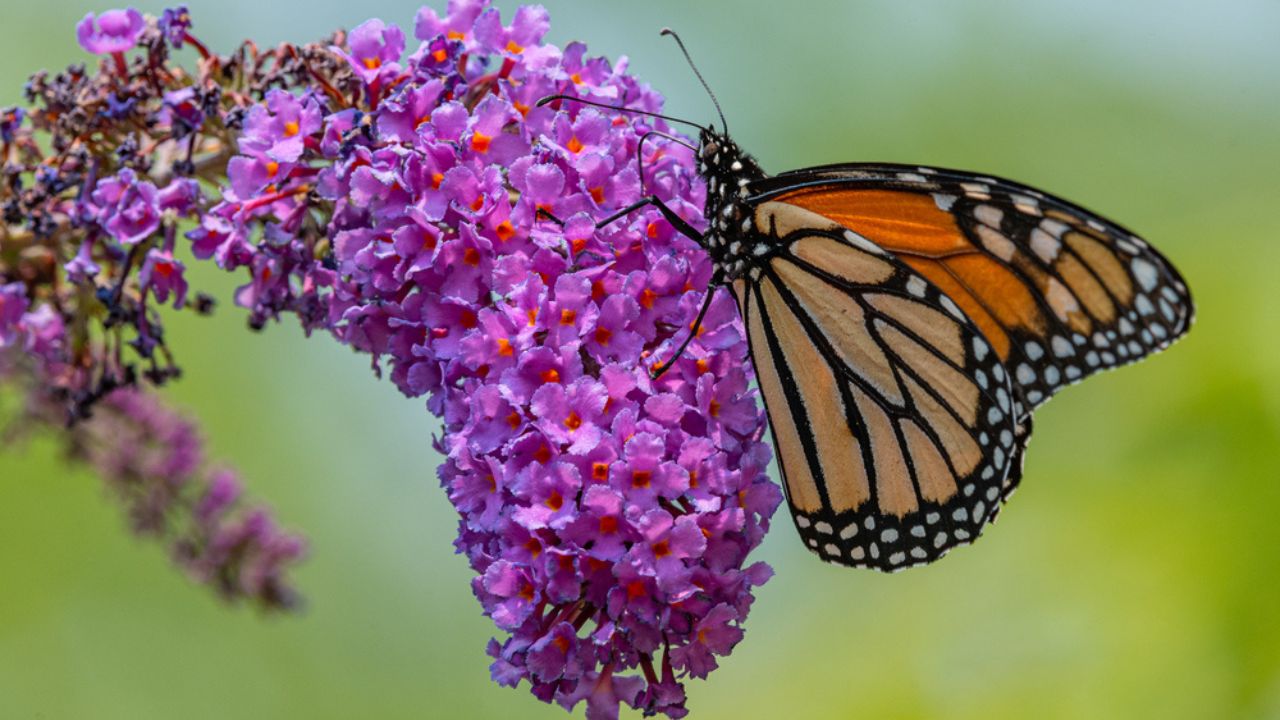
Named for its ability to attract butterflies like a magnet, the butterfly bush blooms with elongated clusters of vibrant, nectar-rich flowers in shades of purple, pink, and white.
Why Butterflies Love It: The sweet scent and plentiful nectar draw butterflies in droves.
Care Tips: Grow in full sun and well-drained soil. Prune dead blooms regularly to encourage new growth. Be cautious—this plant is considered invasive in some areas, so check local regulations before planting.
Warning: It is invasive in many regions; sterile cultivars (e.g., ‘Lo & Behold’, ‘Miss Ruby’, etc.) are recommended where invasiveness is a concern.
2. Rose of Sharon (Hibiscus syriacus)

Featuring showy blooms in a variety of colors, Rose of Sharon attracts butterflies and hummingbirds alike. This classic shrub works well as a standalone plant or a hedge.
Why Butterflies Love It: The large, open flowers are a rich source of nectar.
Care Tips: Plant in full sun with moist, well-drained soil. Prune immediately after flowering for shape. This bush is not native (Asian origin) but non-invasive in most landscapes.
3. Firebush (Hamelia patens)
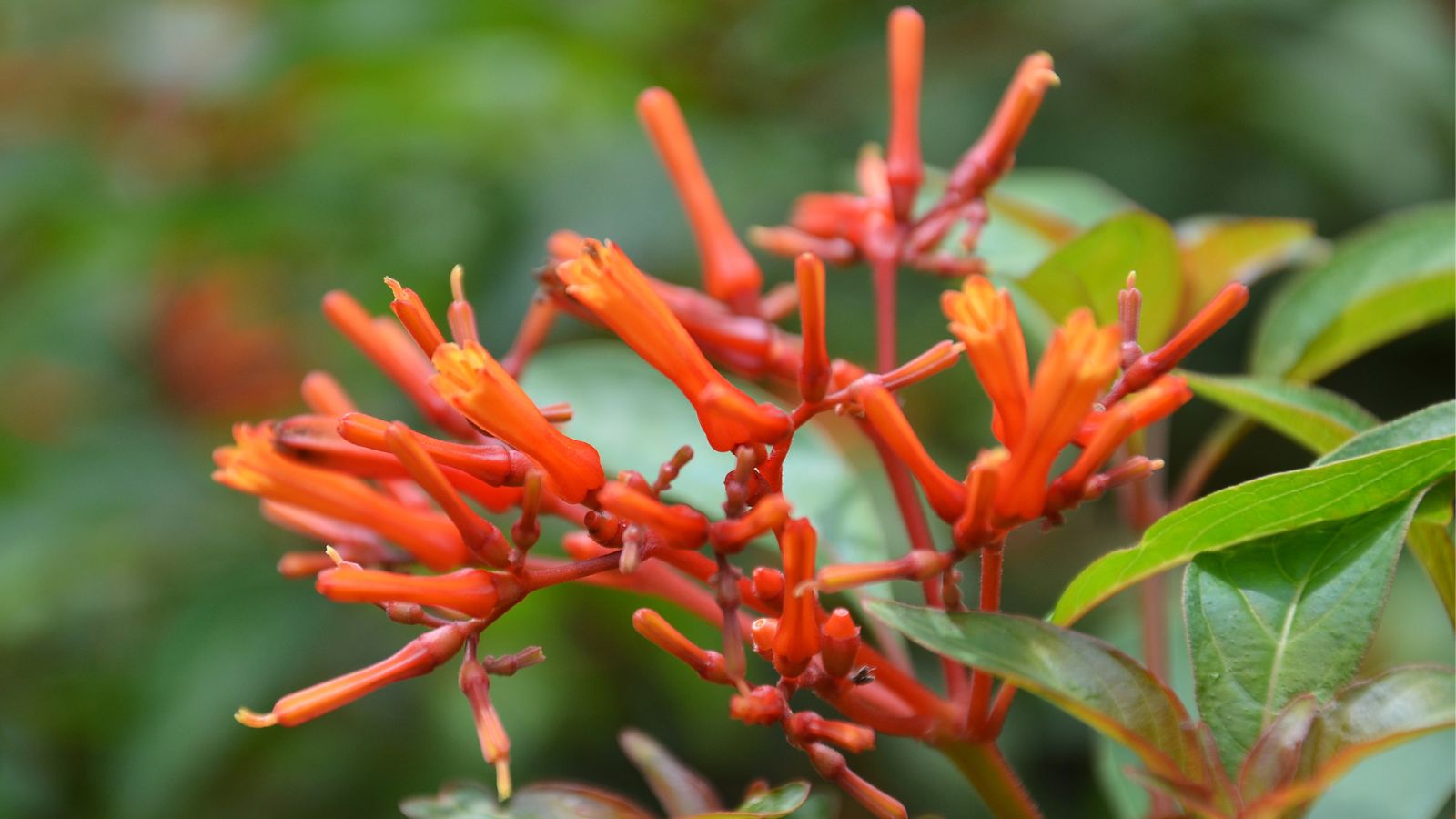
Known for its tubular orange-red blooms, firebush is a fast-growing choice in warmer climates and an annual in colder areas.
Why Butterflies Love It: Its constant supply of nectar-rich flowers keeps butterflies coming all season long. It also attracts hummingbirds!
Care Tips: Grow in full sun with well-drained soil. Provide regular moisture and prune frost-damaged areas to encourage regrowth in spring. This plant is considered an annual in colder climates, unless you can move it around in a container.
4. Summersweet (Clethra alnifolia)
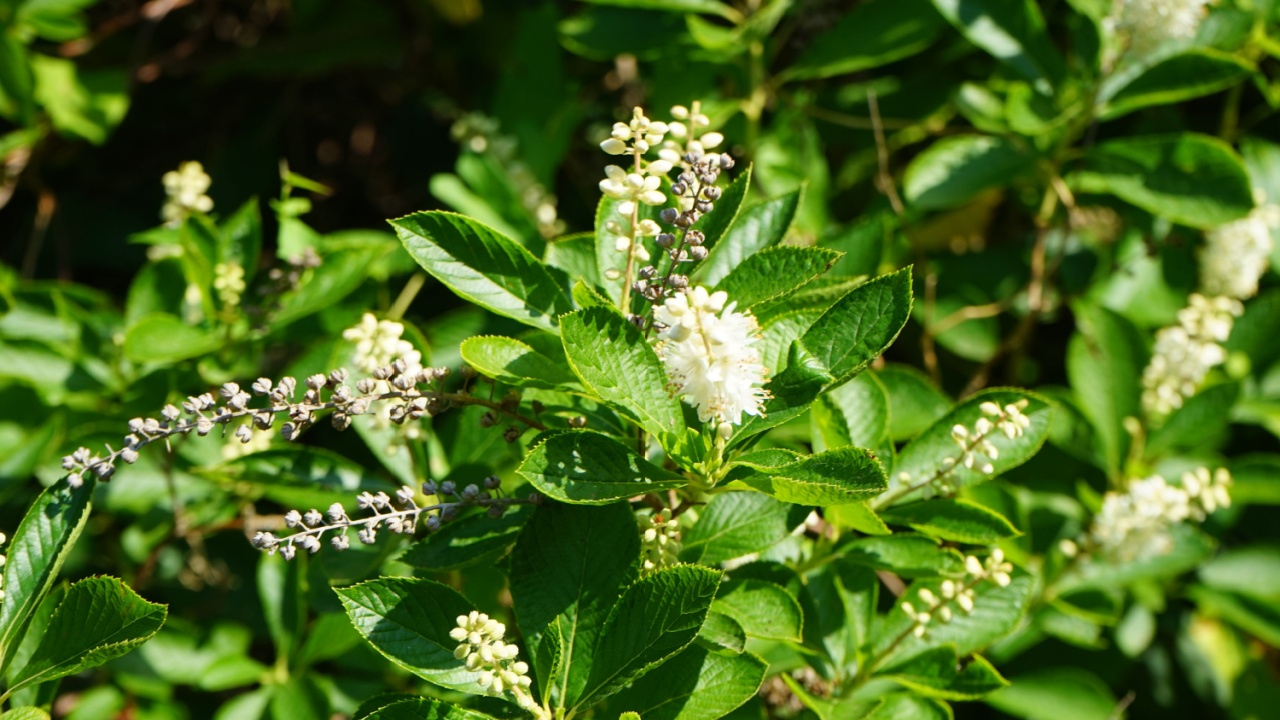
Summersweet thrives in moist areas, making it perfect for gardens with wetter conditions. Its spikes of fragrant white or pink blooms light up the summer.
Why Butterflies Love It: The sweet-smelling blossoms attract a variety of pollinators, including butterflies.
Care Tips: Plant in part shade to full sun, and keep the soil consistently moist. Deadhead to prolong flowering.
5. Spicebush (Lindera benzoin)
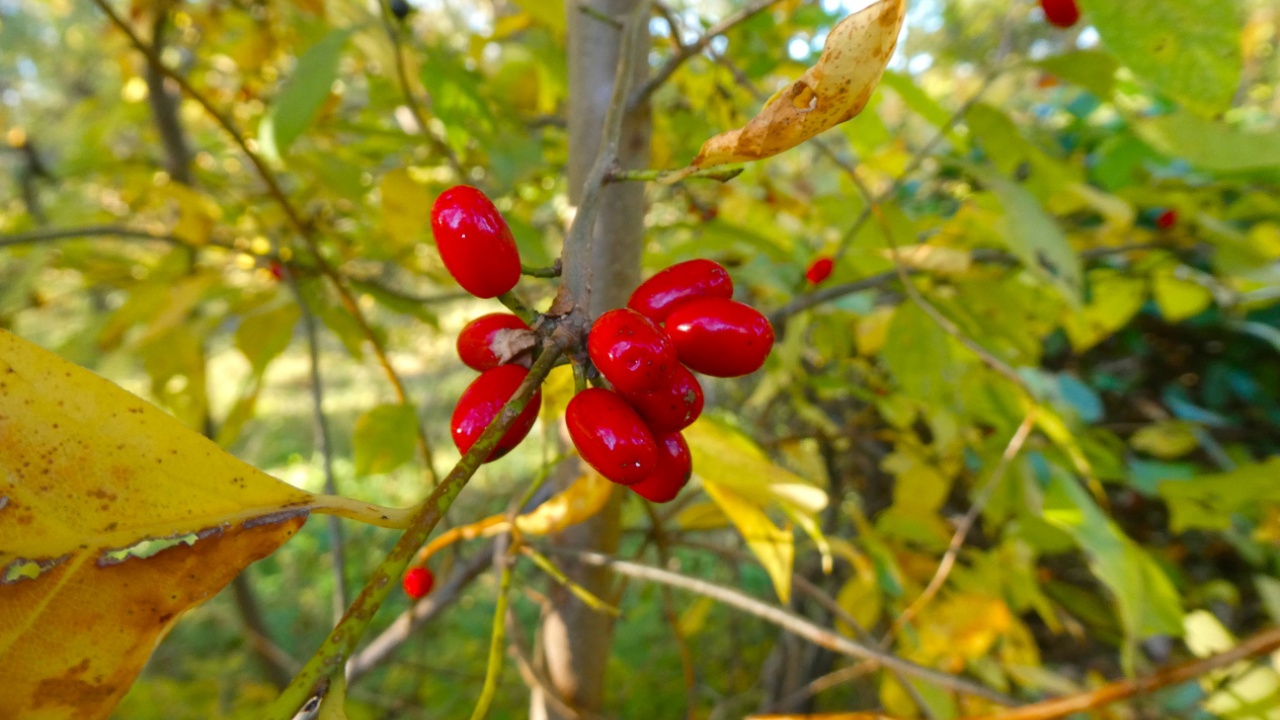
Spicebush is as useful as it is beautiful, boasting fragrant flowers in spring and aromatic leaves. It’s a host plant for the spicebush swallowtail butterfly.
Why Butterflies Love It: Caterpillars feed on its leaves, and adult butterflies adore its blooms.
Care Tips: Grow in well-drained soil and partial to full shade. Water regularly and avoid extreme drought conditions.
6. Virginia Sweetspire (Itea virginica)
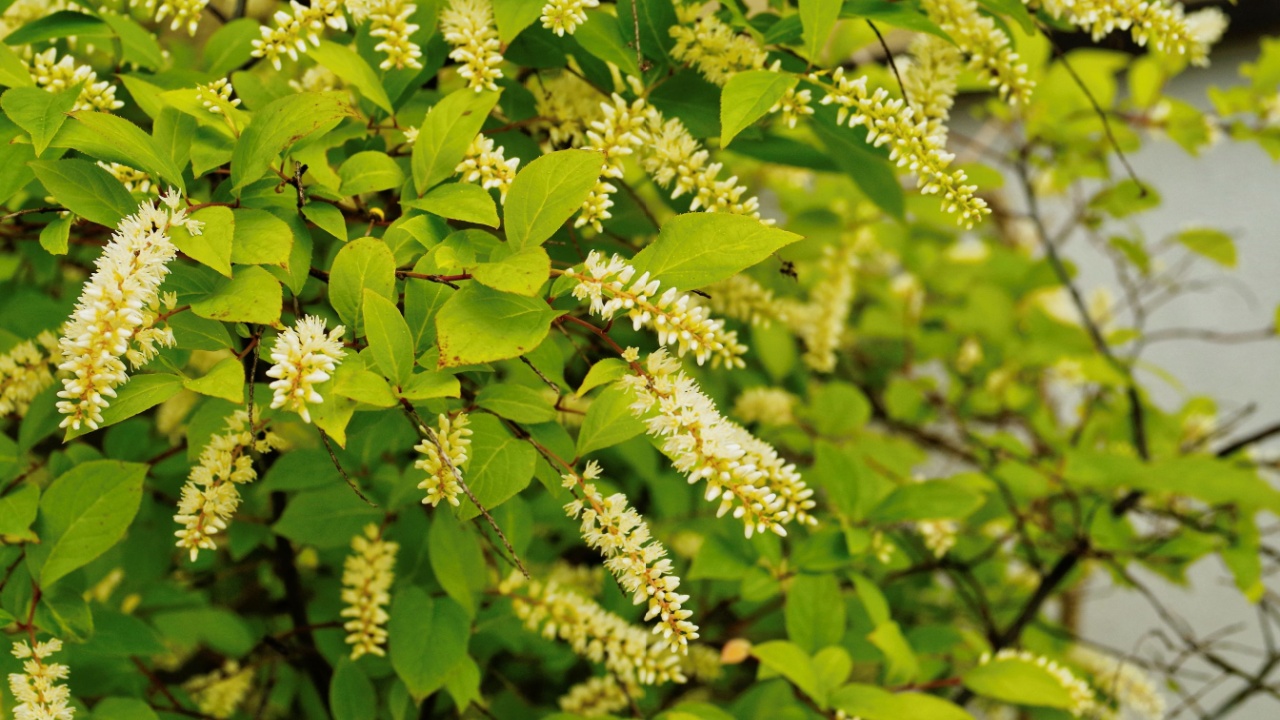
This native shrub features drooping spires of white flowers that bloom in spring and early summer. It thrives in moist soil conditions.
Why Butterflies Love It: The blossoms provide nectar for early butterflies, while native species love its foliage.
Care Tips: Grow in full sun to partial shade with consistent moisture. Plan for it to spread, as it works well in mass plantings.
7. French Lilac (Syringa vulgaris)
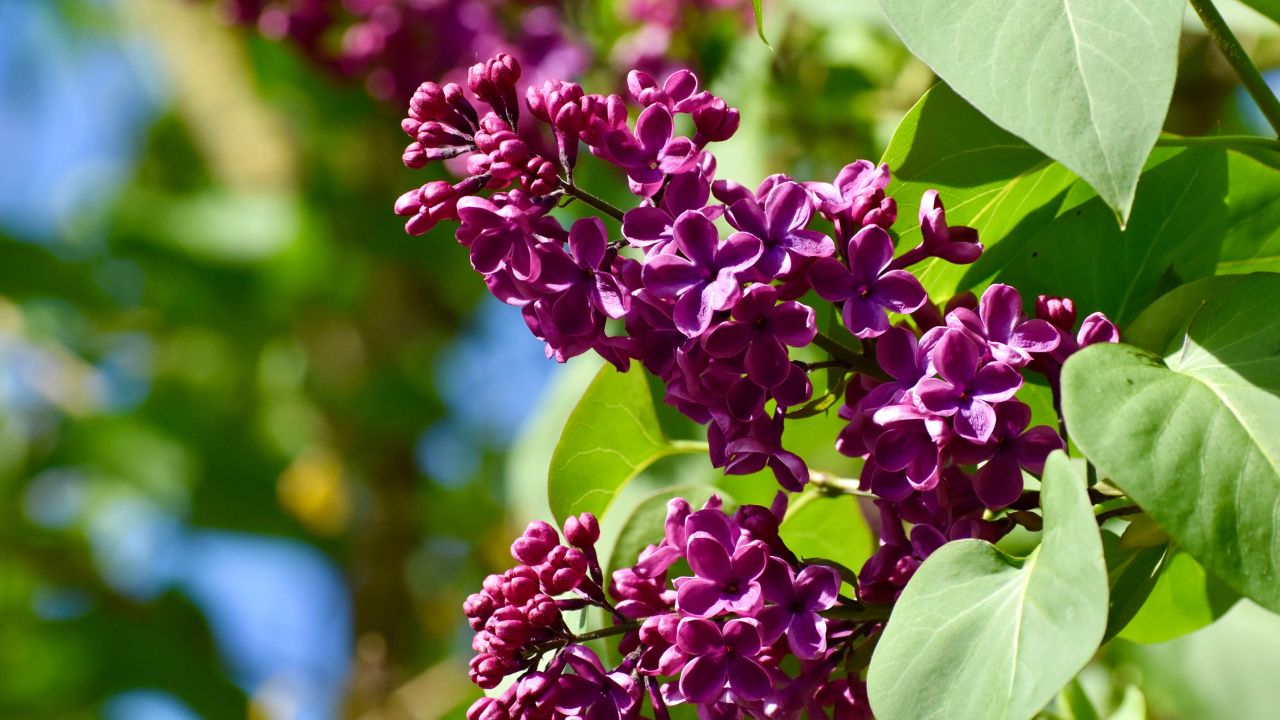
A quintessential shrub for flower lovers, lilacs produce large, fragrant clusters of blooms that attract butterflies and hummingbirds in spring.
Why Butterflies Love It: The intoxicating scent and abundant nectar make lilacs impossible to resist.
Care Tips: Plant in full sun with well-drained soil. Prune after flowering to keep the bush tidy and encourage heavy blooms.
8. Buttonbush (Cephalanthus occidentalis)
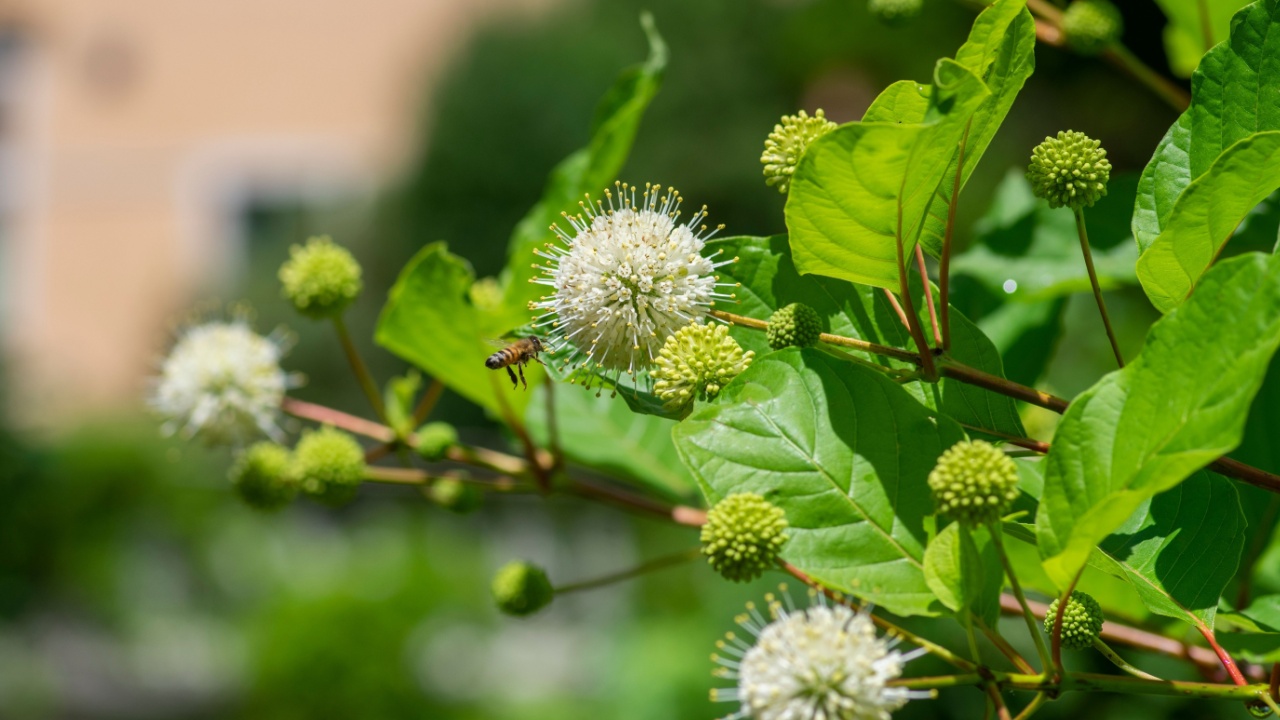
This shrub’s unique spherical white flowers are as fun to look at as they are attractive to butterflies. It’s native to North America, making it an eco-friendly choice.
Why Butterflies Love It: Its dense blooms provide reliable nectar in wetland areas.
Care Tips: Grow in moist areas like near ponds or creeks and ensure the soil remains damp. Provide full sun to partial shade.
9. Weigela (Weigela florida)
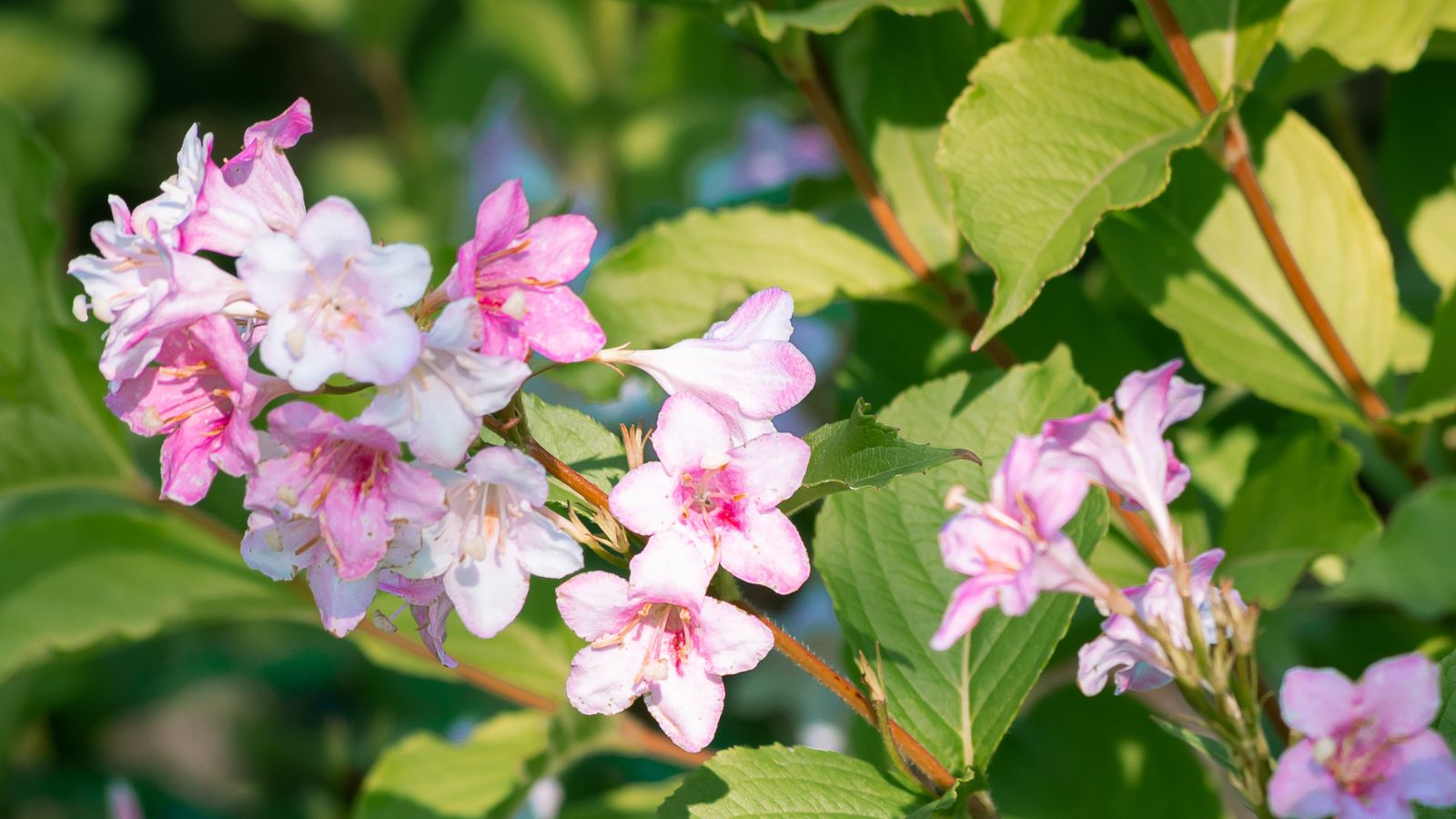
This compact, low-maintenance shrub produces tubular flowers in pink, red, and white shades, making it a standout in any garden. It proved lovely early to mid-summer blooms for pollinators.
Why Butterflies Love It: The deep tubular blooms are full of nectar that butterflies adore.
Care Tips: Position in full sun to light shade. Fertilize and trim after blooms fade to maintain shape.
10. Bluebeard (Caryopteris x clandonensis)

Perfect for later-season interest, bluebeard produces clusters of small blue blooms that last into the fall.
Why Butterflies Love It: The late-season blooms help supply nectar when other plants have stopped flowering.
Care Tips: Plant in well-drained soil with full sun. Prune in early spring to encourage fresh growth.
11. New Jersey Tea (Ceanothus americanus)

This low-growing native shrub has attractive, fluffy white flowers that bloom in early summer.
Why Butterflies Love It: It is a nectar source, but is not usually a major host for butterfly larvae except for generalist species.
Care Tips: Provide full sun to partial shade. Water occasionally, as the plant is drought-tolerant once established.
12. Meadowsweet (Spiraea alba)
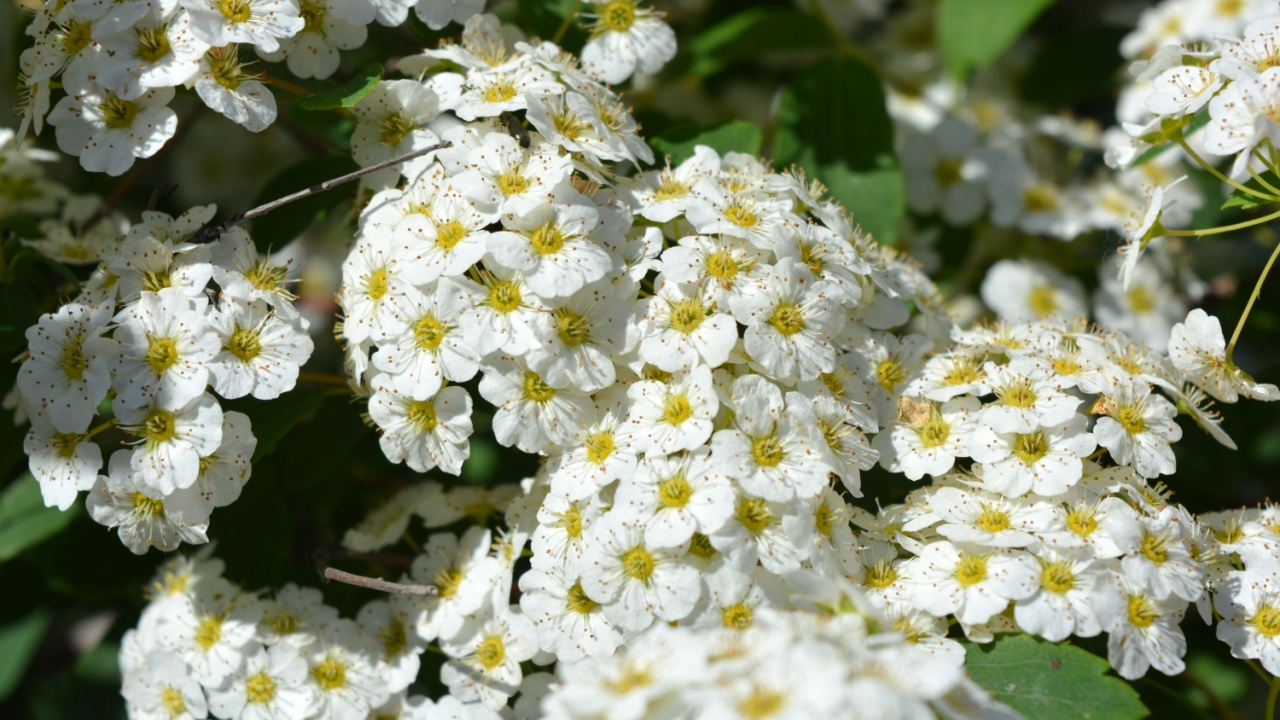
Meadowsweet is a hardworking shrub that features cone-shaped clusters of white flowers lasting through the summer.
Why Butterflies Love It: Its nectar draws butterflies in.
Care Tips: Plant in full sun to partial shade with consistently moist soil. Deadhead spent blooms for best results.
13. Elderberry (Sambucus nigra canadensis)
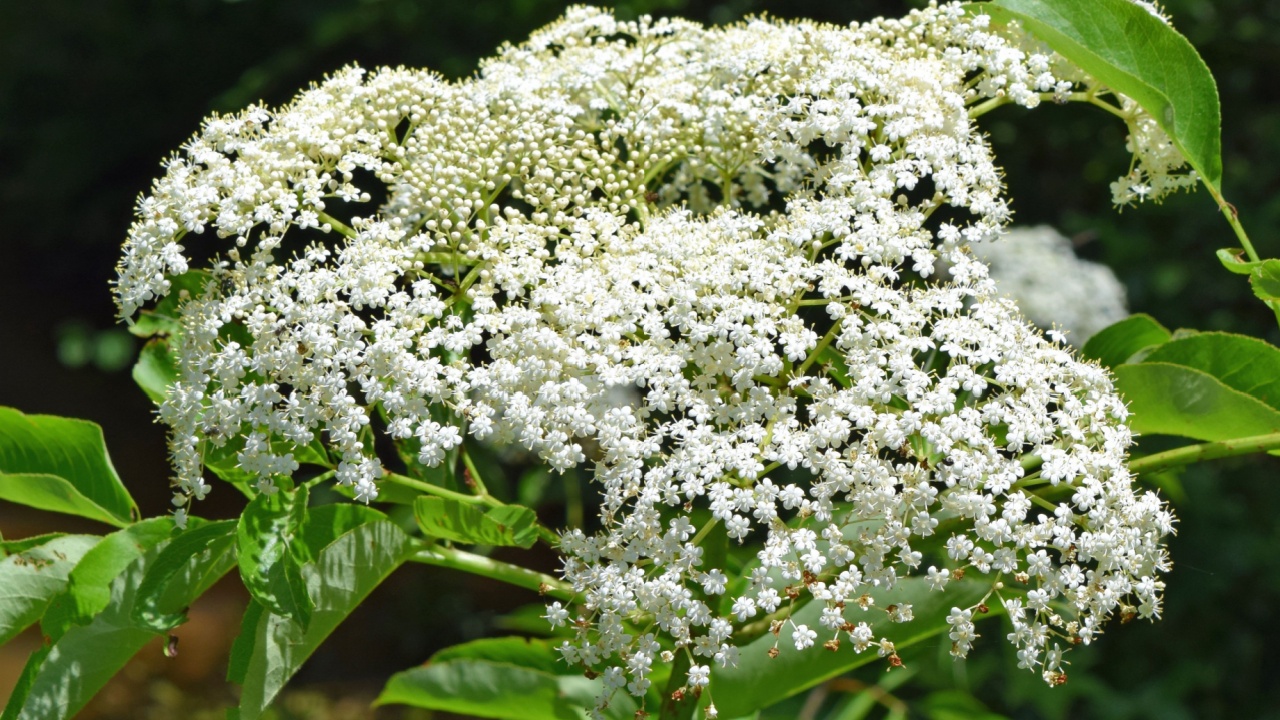
Not just for making syrup, elderberry produces scented flowers loved by pollinators and berries that attract birds.
Why Butterflies Love It: The nectar-rich blooms bring in butterflies in early summer. Birds also love it!
Care Tips: Grow in full sun with moist soil. Prune to control its size, as elderberry can spread widely.
14. Bush Honeysuckle (Diervilla spp.)
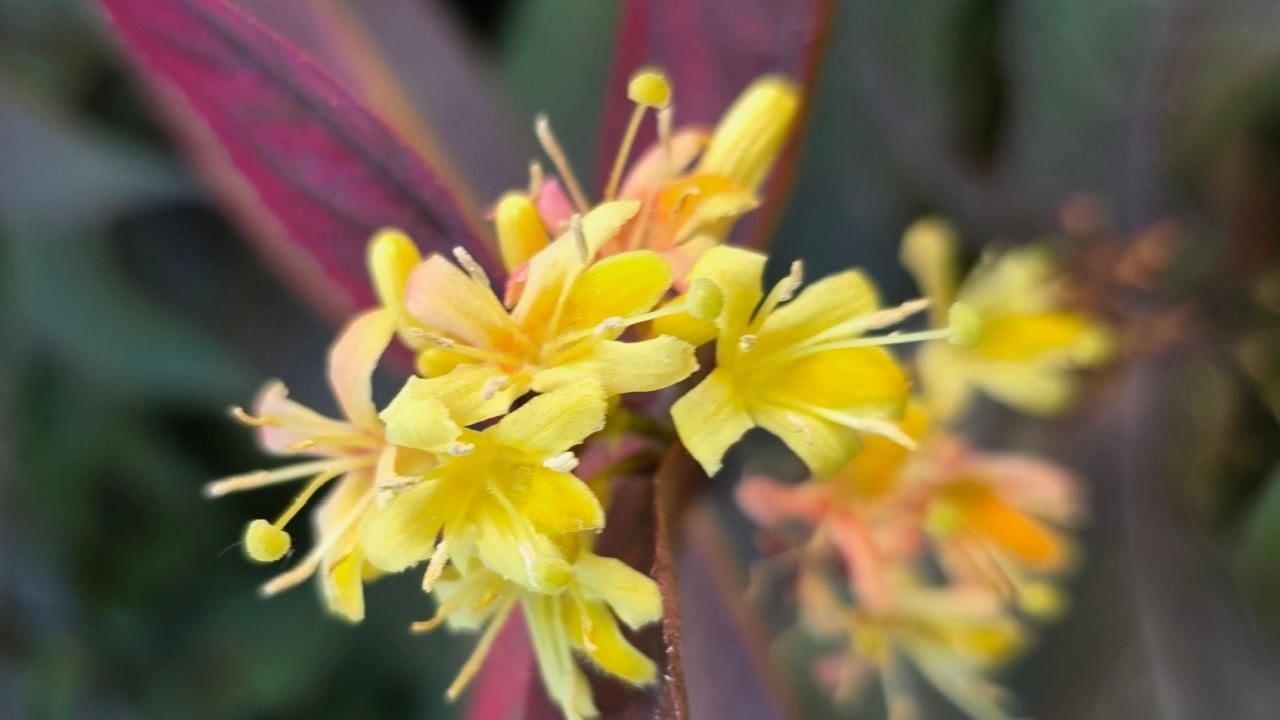
This midsummer bloomer, though not native, isn’t invasive like its invasive cousin but showcases beautiful yellow flowers.
Why Butterflies Love It: Sulfur-yellow blooms provide steady nectar for butterflies and moths. Bonus: It’s deer-resistant.
Care Tips: Plant in well-drained soil and full sun to partial shade. Remove suckers regularly to prevent spreading.
15. Potentilla (Dasiphora fruticosa)
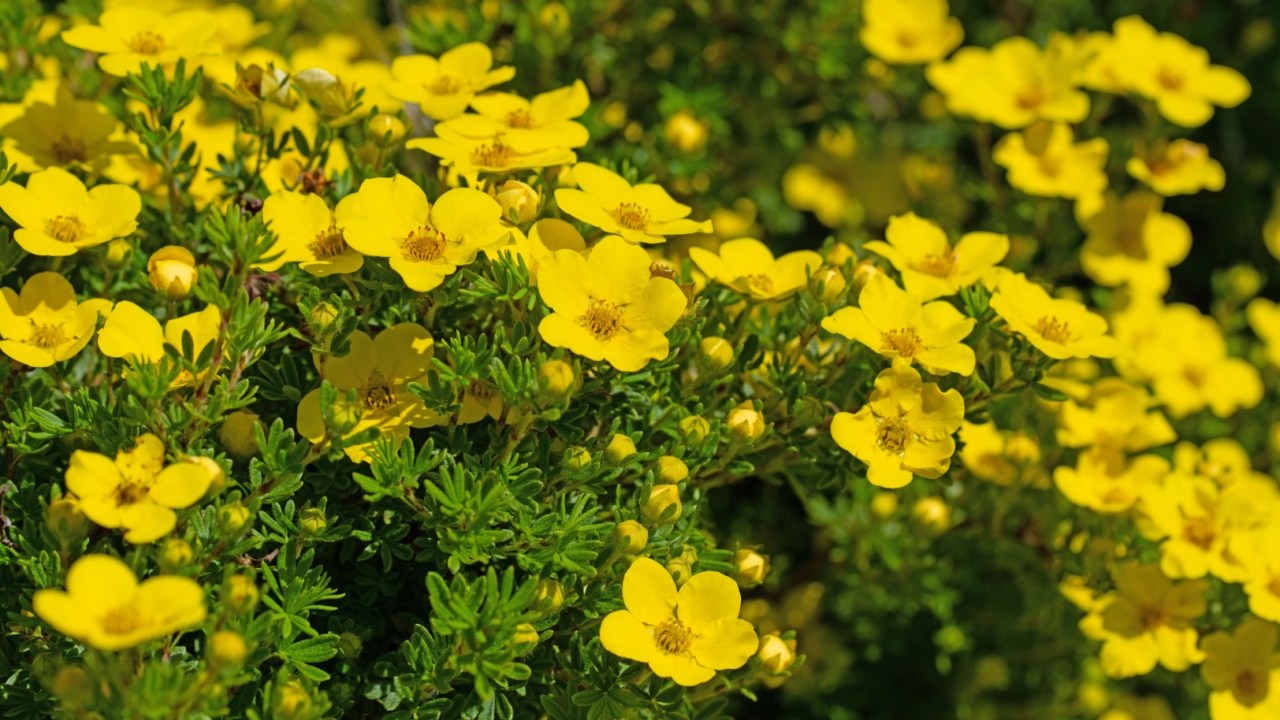
This durable shrub thrives in tough conditions while producing bright yellow blooms that cheer up any garden.
Why Butterflies Love It: Its long-lasting flowers provide consistent nectar for pollinators.
Care Tips: Potentilla prefers full sun and well-drained soil. Remove old stems regularly to promote new growth.
16. Tianshan Seven-Son Flower (Heptacodium miconioides ‘Minhep’)
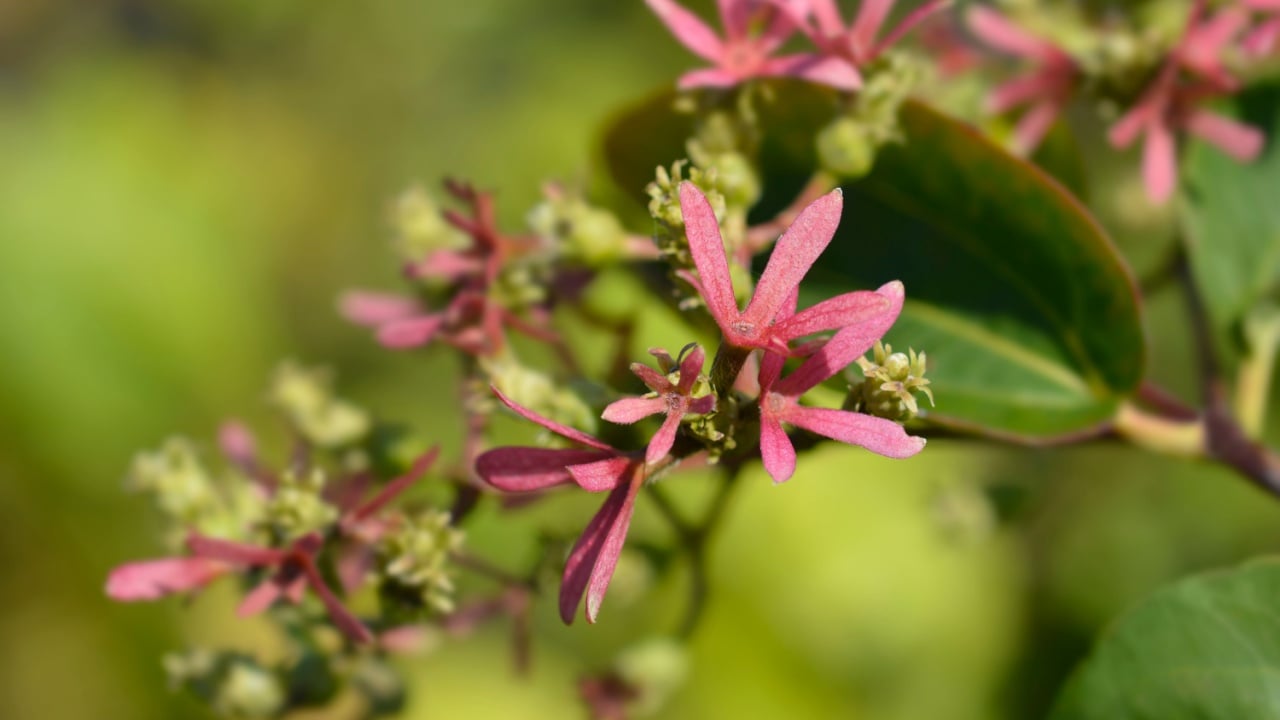
This unique shrub has clusters of fragrant white flowers followed by colorful rose-purple sepals.
Why Butterflies Love It: Its late summer blooms are a valuable nectar source, especially for migrating butterflies.
Care Tips: Grow in full sun with moist, well-drained soil. Prune after flowering to maintain its shape.
17. Kalm St. John’s Wort (Hypericum kalmianum)

This compact shrub produces cheerful yellow blooms that brighten up its blue-green foliage.
Why Butterflies Love It: The bright flowers are rich in nectar and attract vibrant pollinators.
Care Tips: Tolerates poor soil and drought once established. Provide full sun for the best flowering results.
18. Red Twig Dogwood

Known for its striking red stems, this shrub produces flat clusters of white flowers in spring and berries in summer.
Why Butterflies Love It: The flowers provide early-season nectar, and birds love the berries.
Care Tips: Plant in moist conditions and partial shade to full sun. Prune older stems annually to encourage vibrant-growth.
19. Sweet Mock Orange
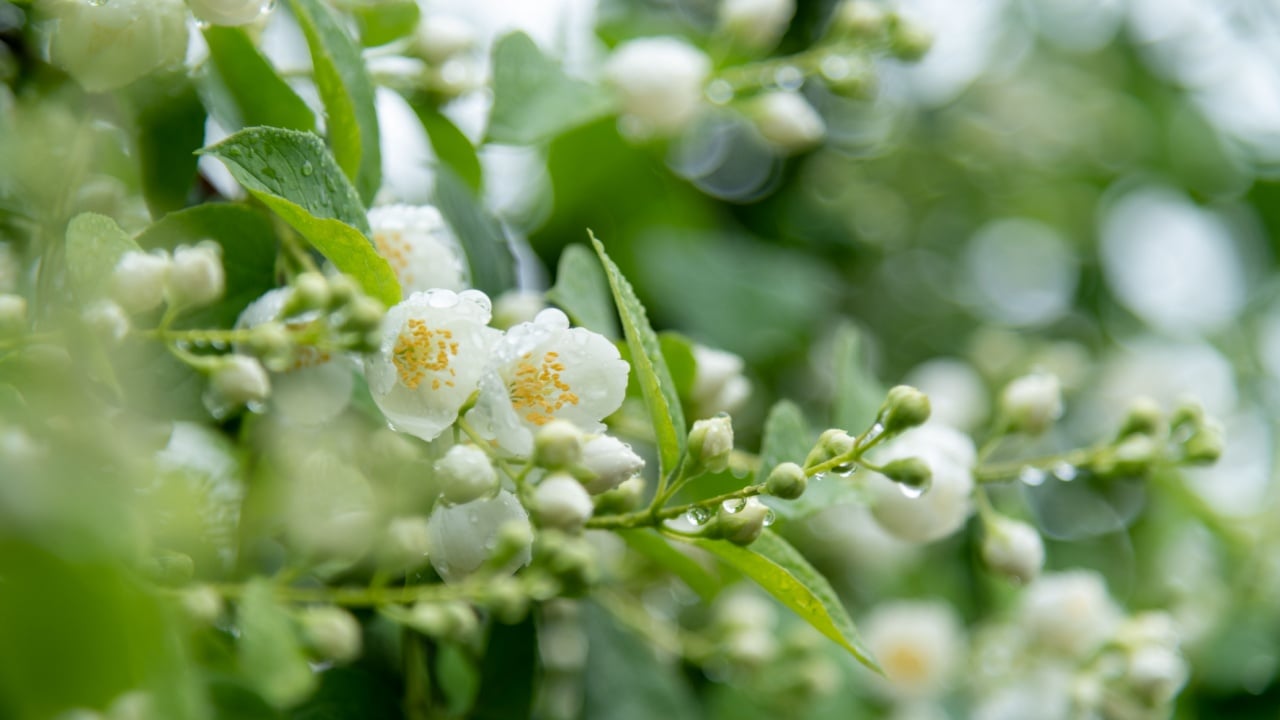
This old-fashioned favorite blooms with clusters of small white flowers that smell like orange blossoms.
Why Butterflies Love It: Its fragrant blooms are a beacon for pollinators.
Care Tips: Plant in full sun with well-drained soil. Prune after it finishes flowering to shape.
20. Red Buckeye
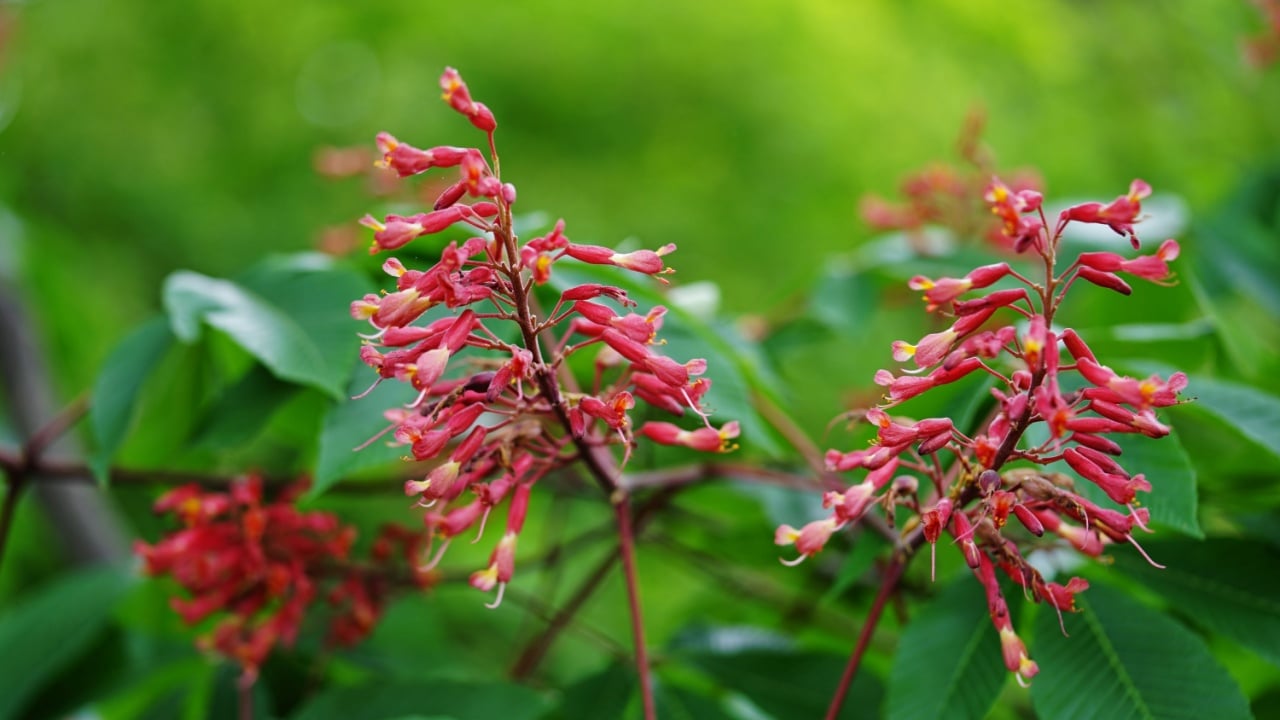
This bold shrub dazzles with red, tubular flowers perfect for attracting butterflies and hummingbirds in spring.
Why Butterflies Love It: The flowers are an early-season nectar source.
Care Tips: Prefers partial shade and moist, fertile soil. Keep the surrounding area free from weeds to allow it to thrive.
Choose a Variety
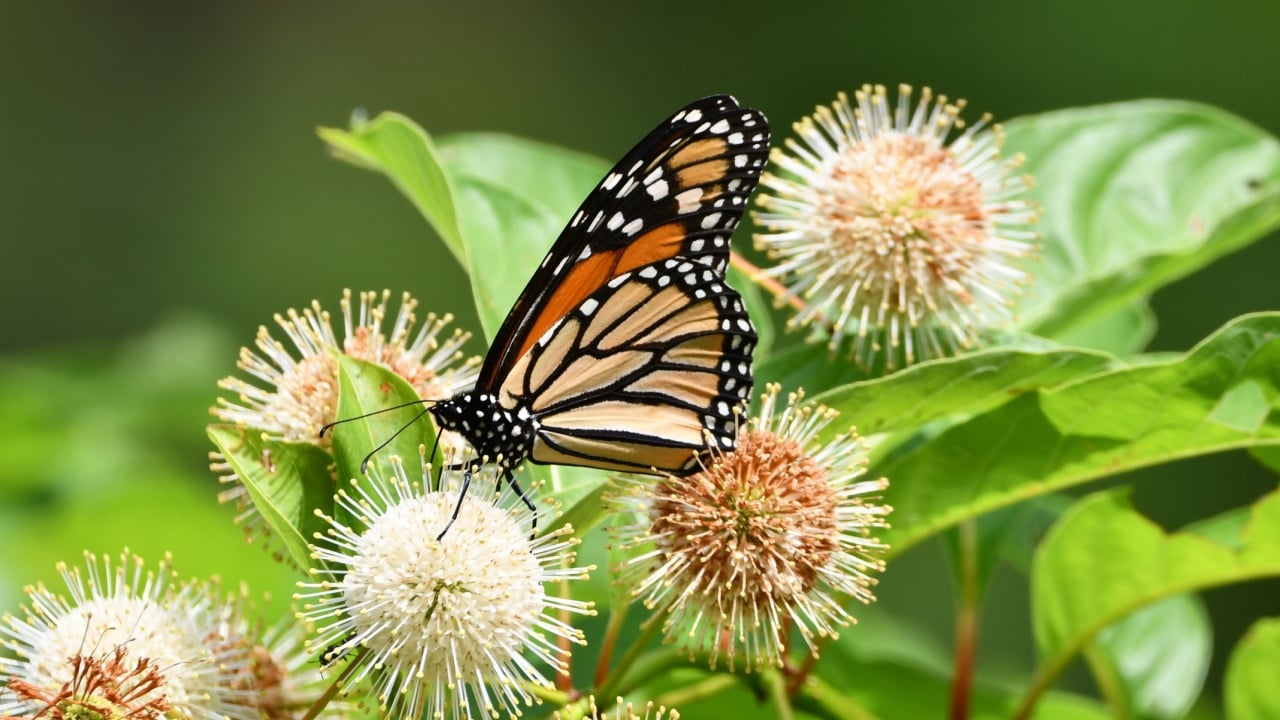
Adding butterfly-friendly bushes to your yard is one of the best ways to create a vibrant and eco-friendly space. With these 20 options, you’ll enjoy colorful blooms, visiting pollinators, and a more dynamic garden environment.
Choose a mix of native and non-invasive species, and soon your yard will be buzzing and fluttering with life!
Read more
20 Hardy Shrubs That Give Any Yard an Upgraded Feel
18 Flowers to Grow This Season to Attract Monarch Butterflies