Build In The Right Order: A Smart Guide To Home Renovation Sequencing
Home renovations often involve multiple projects happening around the same time. While it may be tempting to focus on the upgrades that are most visible, completing projects in the wrong order can lead to added costs, delays, and unnecessary rework.
A thoughtful renovation sequence helps homeowners protect their investment and keeps the project moving more efficiently from start to finish.
Start With Structural and Major Repairs
Before selecting paint colors or new flooring, focus on the home’s foundation and structure. Issues involving the roof, foundation, framing, plumbing, electrical systems, or HVAC equipment should be addressed first. These projects often require opening walls, ceilings, or floors, which can damage finished surfaces if completed later. Taking care of major repairs early helps create a stable base for the rest of the renovation.
Address Exterior Improvements Early
Exterior upgrades should generally come before interior finishing work. Roof repairs, siding projects, and the window replacement process can affect both the appearance and performance of a home. Completing these improvements first may help prevent future moisture issues and reduce the risk of damage to newly renovated interior spaces. A secure exterior also helps create better working conditions for contractors completing indoor projects.
Complete Behind-the-Wall Work Before Finishes
Many home systems remain hidden after construction is complete. Electrical wiring, plumbing lines, insulation, and ventilation components should be installed or updated before walls are closed and finishes are applied. Making changes after drywall, paint, or flooring have been completed often leads to extra labor and higher costs. Planning these upgrades in advance can help avoid unnecessary disruptions later in the project.
Save Cosmetic Updates for the Final Stages
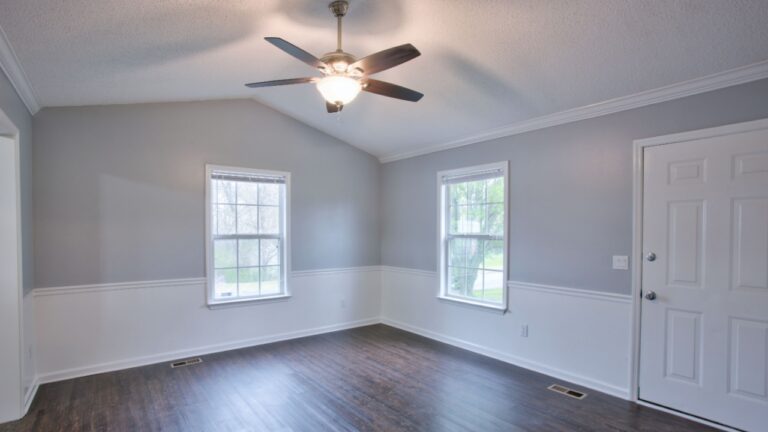
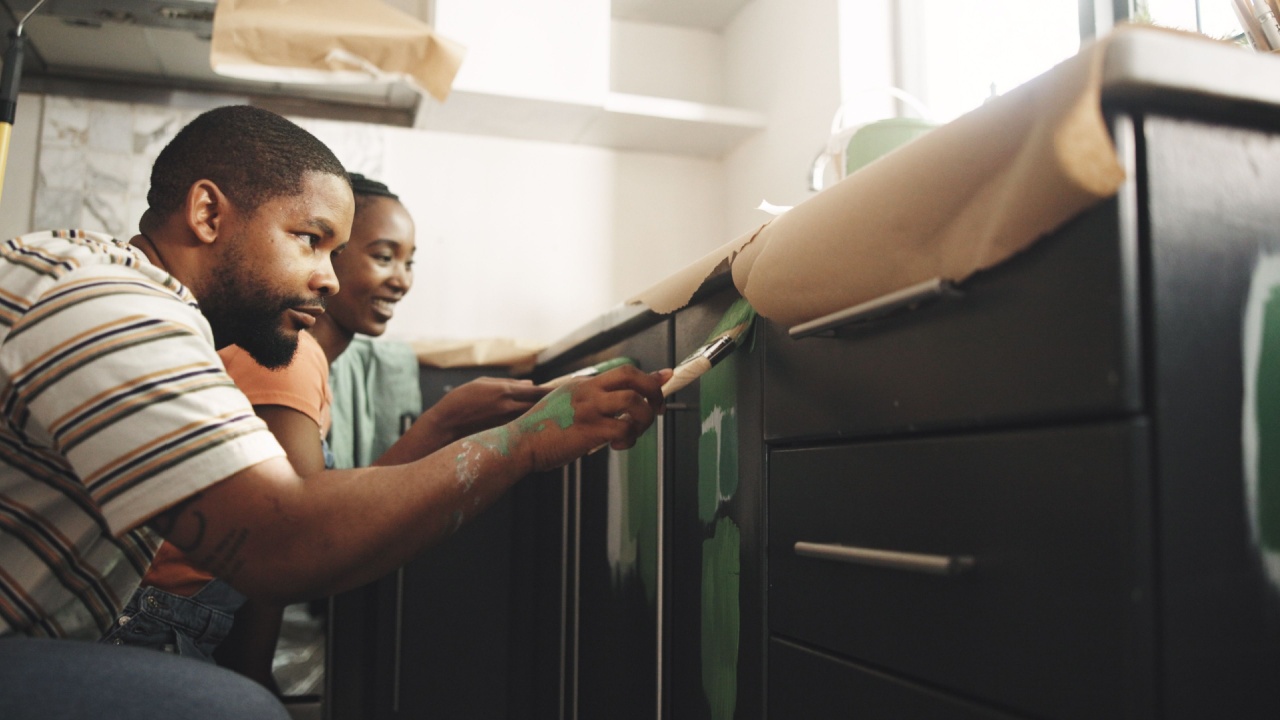
Cosmetic improvements are often the most exciting part of a renovation, but they should usually happen near the end. Painting, flooring, trim installation, light fixtures, and decorative details are more vulnerable to damage from ongoing construction activity. Waiting until major work is complete helps keep these finishes in better condition. This approach also allows homeowners to make design decisions after seeing how larger upgrades affect the space.
Create a Clear Project Timeline
A renovation plan works best when every phase is organized in advance. Homeowners should identify which projects depend on others and coordinate contractors accordingly. A clear schedule helps reduce downtime and minimizes situations where completed work must be removed or repaired to accommodate another upgrade.
Successful home renovations are about more than selecting materials and finishes. The order in which projects are completed can have a major impact on cost, efficiency, and overall results. Starting with structural work, addressing key systems early, and saving cosmetic details for the final stages can help homeowners avoid common renovation setbacks and create a smoother project from beginning to end. Check out the infographic below for more information.