
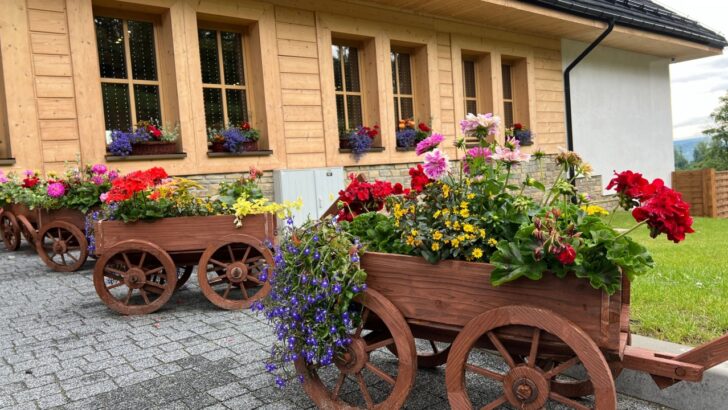
Giving everyday items a second life is one of the most rewarding parts of gardening. Instead of buying new pots, you can look around your home, garage, or even at a local salvage yard for potential planters. Repurposing containers is not only a fantastic way to save money and reduce waste, but it also lets you inject a huge amount of personality and creativity into your garden space. From old boots to kitchenware, almost anything that can hold soil has the potential to become a beautiful home for your plants.
This guide explores 25 clever ideas for turning unexpected objects into unique garden containers.
1. Rain Gutter Sections
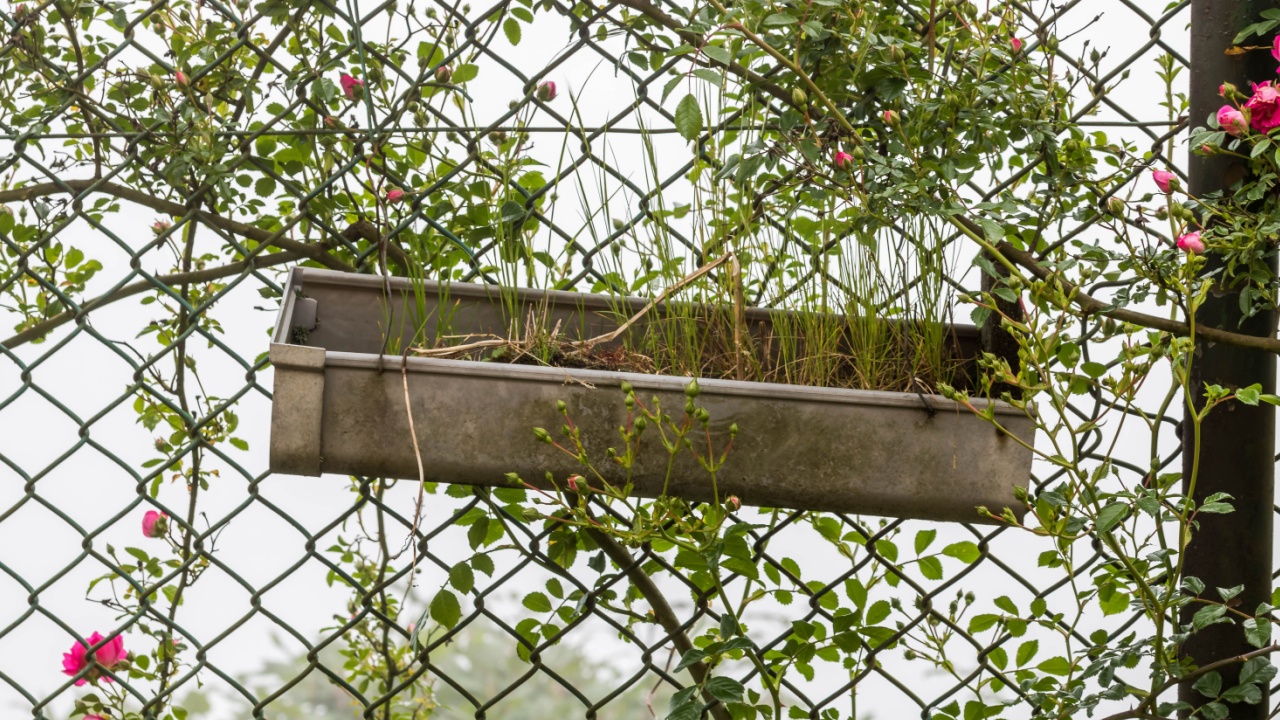
Image Credit: Shutterstock.
An unused section of rain gutter is a perfect candidate for a slim, modern planter. Their long, narrow shape makes them ideal for mounting on fences, deck railings, or the exterior walls of your house, creating a living wall of color without taking up any floor space.
Why it works: Gutters are designed to withstand the elements, so they won’t rot or degrade quickly. They offer excellent linear planting space, which is great for rows of herbs, lettuces, or cascading flowers like petunias.
Care & Tips:
- Drainage: Use a drill to create drainage holes every 8-10 inches along the bottom of the gutter section to prevent waterlogging.
- Mounting: Securely mount the gutter using appropriate brackets to ensure it can handle the weight of damp soil and mature plants.
- Planting: Fill with a lightweight potting mix. This is an excellent option for shallow-rooted plants.
2. Old Tires
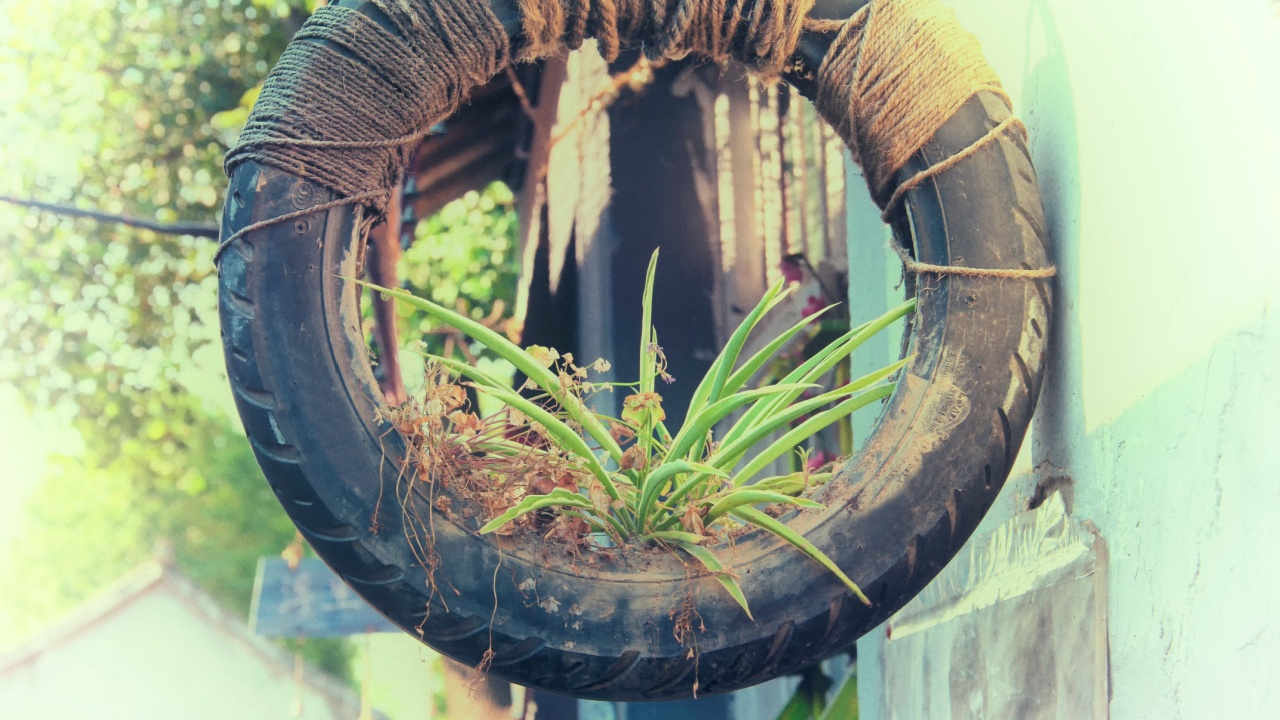
Image Credit: Shutterstock.
Don’t send that old tire to the landfill; turn it into a durable and surprisingly versatile planter. Tires can be used as-is for a rustic look, or they can be painted bright, fun colors to become a statement piece in your yard.
Why it works: Tires are incredibly durable and weather-resistant. Their size makes them suitable for larger plants or even a small, contained vegetable patch for potatoes or carrots. You can also stack them to create a multi-level garden bed.
Care & Tips:
- Preparation: Before planting, wash the tire thoroughly with soap and water. If you plan to paint it, use a primer and outdoor-rated spray paint.
- Drainage: You can either drill holes in the bottom sidewall or simply place the tire on well-draining soil or gravel.
- Safety Note: Some gardeners have concerns about chemicals leaching from tires. To be safe, consider lining the inside with heavy-duty plastic sheeting or using tire planters exclusively for ornamental flowers rather than edible plants.
3. A Cloth Shoe Caddy
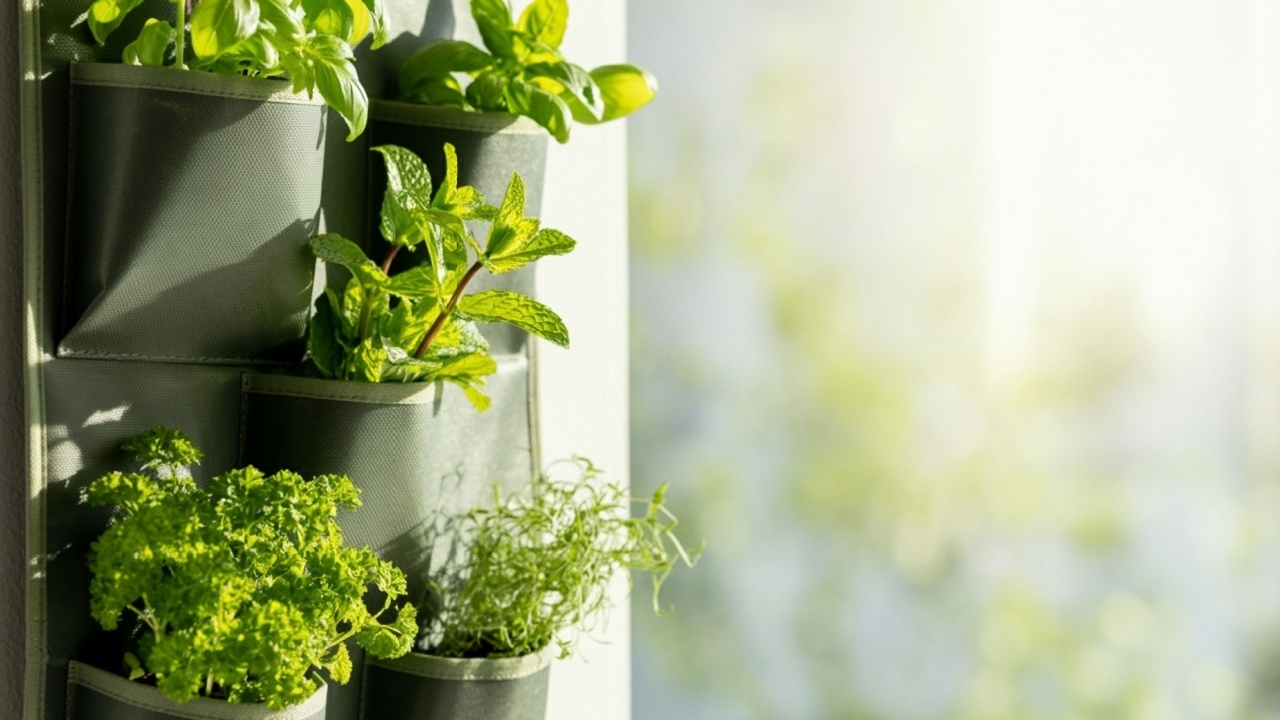
Image Credit: Shutterstock AI/Shutterstock.com
A fabric shoe organizer, the kind you hang over a door, can be transformed into a fantastic vertical herb garden. Each pocket becomes a self-contained planter, perfect for growing a variety of herbs in a small space.
Why it works: This is an ultimate space-saver, ideal for balconies, patios, or even a sunny kitchen wall. It allows you to grow multiple plant varieties in one compact unit, keeping them organized and easy to access.
Care & Tips:
- Material: Choose a caddy made from a durable, non-woven fabric that allows for some breathability.
- Watering: The small pockets can dry out quickly. Water regularly, checking the soil moisture in each pocket. To avoid making a mess, you can take the caddy down and water it over a sink or outdoors.
- Plant Choice: This is perfect for herbs like mint, basil, oregano, parsley, and thyme.
4. Vintage Farmhouse Sink
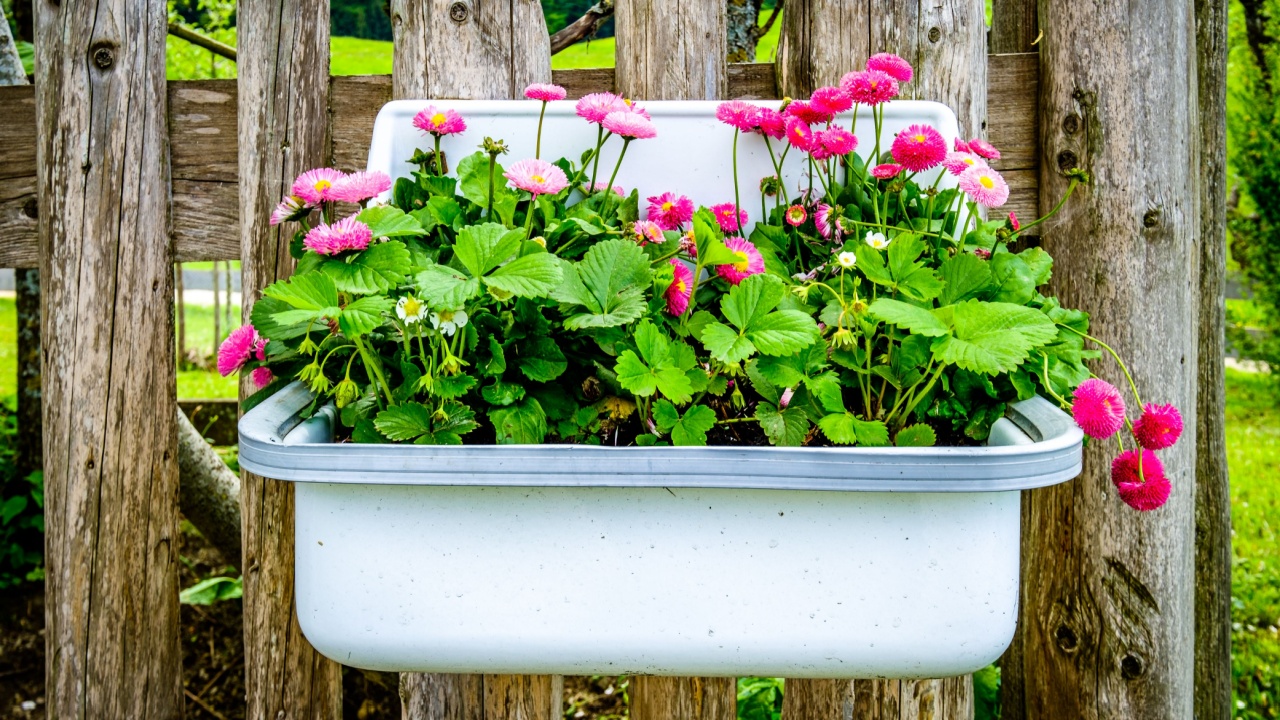
Image Credit: Shutterstock.
An old ceramic or enamel farmhouse sink found at a salvage yard or flea market makes a charming and deep planter. Its rustic character adds a touch of nostalgia and elegance to any garden setting.
Why it works: Sinks are built to be sturdy and already have a drainage hole. Their depth is great for plants that need more root space, and the basin can serve as a potting station or a mini water feature.
Care & Tips:
- Drainage: Ensure the drain is clear and consider adding a layer of gravel at the bottom before filling it with soil to improve aeration.
- Placement: These sinks are very heavy, especially when filled. Decide on a permanent spot for it before you add soil and plants.
- Styling: Plant a mix of “thriller, filler, and spiller” plants to create a lush, overflowing arrangement that complements the sink’s vintage feel.
5. A Child’s Old Wagon
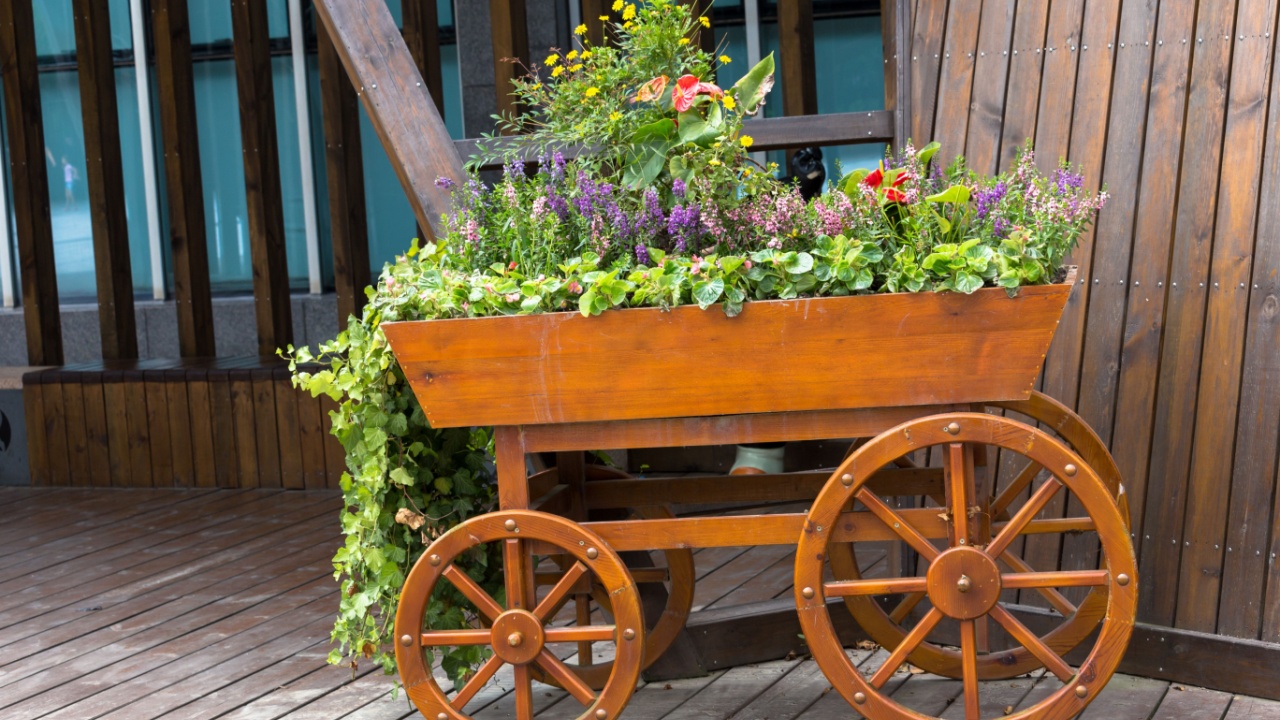
Image Credit: Shutterstock.
That little red wagon your kids have outgrown can find a new purpose as a mobile planter. It brings a playful, whimsical element to your yard and allows you to easily move your plants to catch the sun or get them out of harsh weather.
Why it works: The mobility is the key benefit. You can roll your flower display to any part of your yard, making it a versatile decorative piece. The wagon bed is also a good size for a mix of annual flowers.
Care & Tips:
- Drainage: Drill several holes in the bottom of the wagon’s bed for drainage.
- Lining: To extend the life of a metal wagon, consider lining it with plastic sheeting (with holes poked through for drainage) to prevent rust.
- Planting: Fill with potting soil and plant a colorful assortment of flowers. Pansies, marigolds, and trailing lobelia look wonderful in a wagon.
6. Coffee Mugs and Teacups
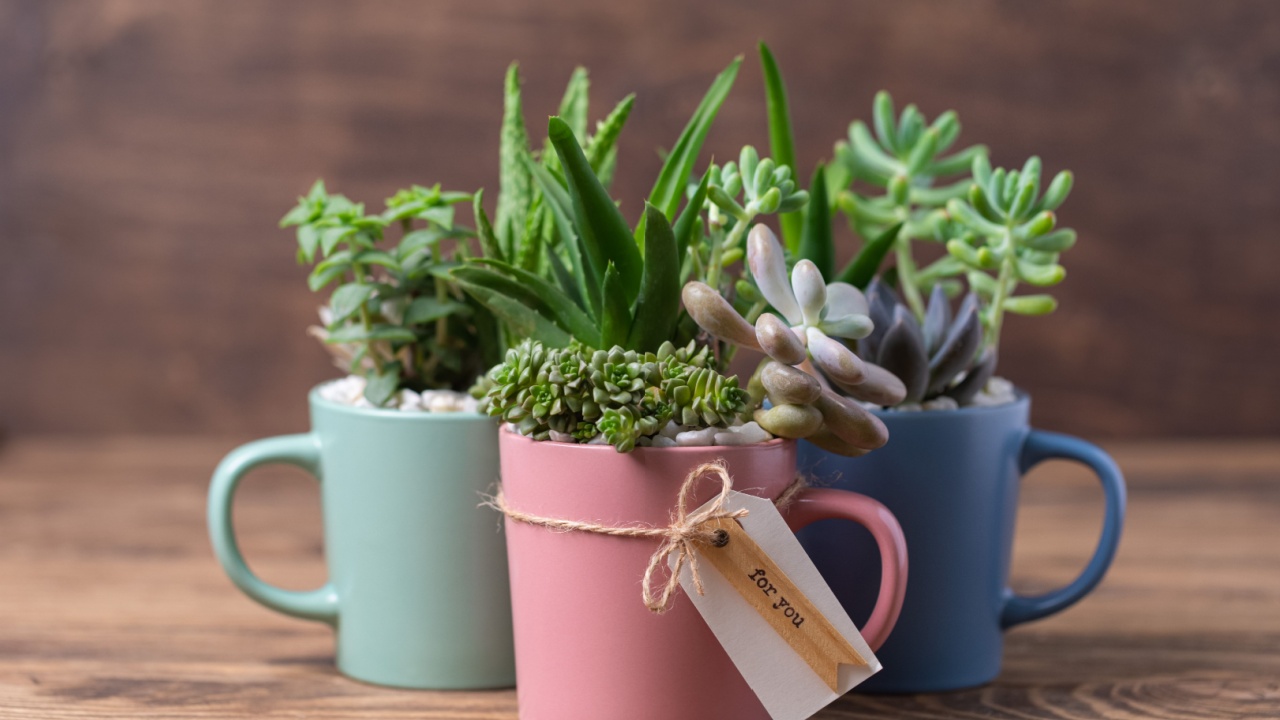
Image Credit: Shutterstock.
Don’t discard those chipped mugs or mismatched teacups. They are the perfect size for starting seeds or housing small individual plants like succulents or herbs on a kitchen windowsill.
Why it works: Mugs are a great way to bring a bit of green indoors. Their small size makes them perfect for single, small-stature plants, and they can be grouped to create a charming collection.
Care & Tips:
- Drainage: This is critical. Carefully drill a small drainage hole in the bottom of the mug using a ceramic drill bit. If you can’t drill a hole, place a layer of small pebbles at the bottom before adding soil, and be extremely careful not to overwater.
- Watering: Small containers dry out very quickly, so check the soil moisture daily.
- Plant Choice: Succulents, cacti, or a single herb like basil or chives are excellent choices.
7. A Closed Umbrella

Image Credit: Shutterstock.
For a truly unique piece of door decor, use a closed umbrella as a makeshift vase. While not a long-term planter for live plants with roots, it creates a stunning seasonal display with cut flowers or high-quality silk florals.
Why it works: It’s an unexpected and creative way to welcome guests. The shape of a closed umbrella naturally forms a cone-like holder, perfect for arranging a beautiful bouquet.
Care & Tips:
- For Cut Flowers: To use fresh flowers, place a small, water-filled plastic bag or floral foam cone deep inside the umbrella.
- Securing: Use a ribbon or string to tie the umbrella shut about halfway up, creating the “vase” shape. Hang it on your door using the handle.
- Best Use: This is ideal for temporary displays for parties, spring greetings, or other festive occasions.
8. Woven Baskets
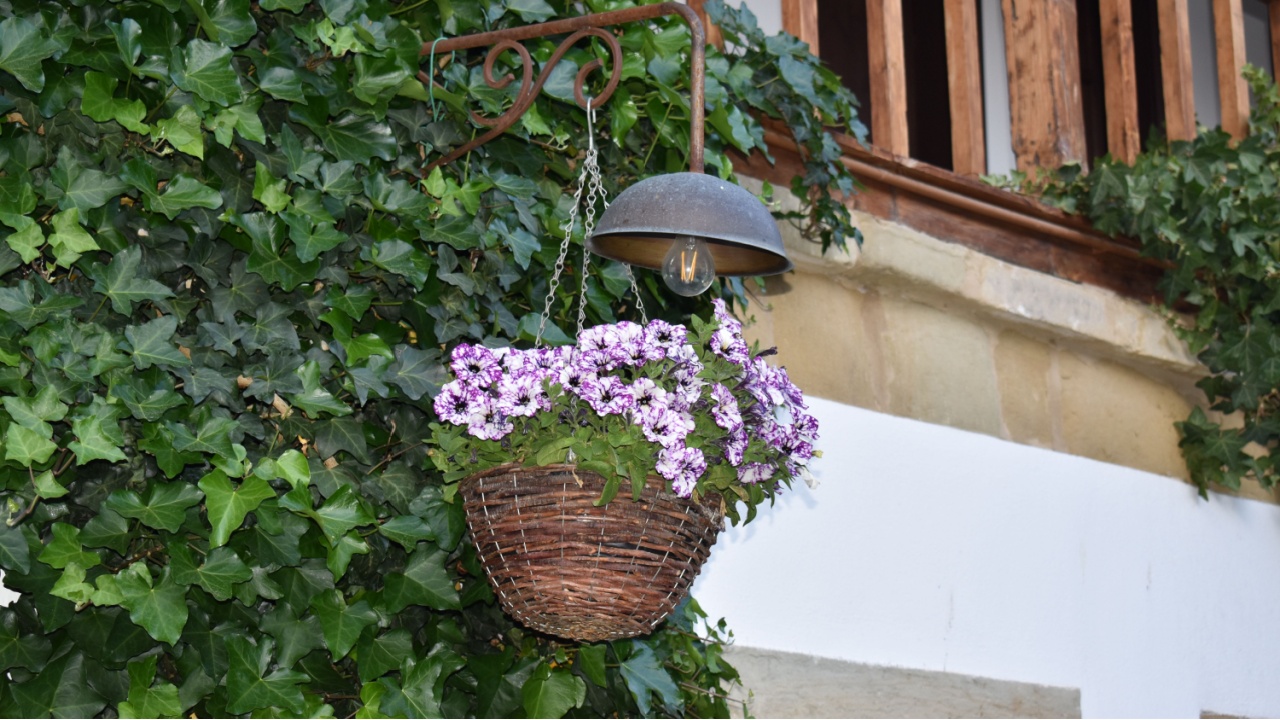
Image Credit: Shutterstock.
Old wicker or woven baskets that are no longer used for storage can be transformed into beautiful, rustic planters. They add texture and a natural, bohemian vibe to your porch or patio.
Why it works: Baskets provide a soft, natural look that contrasts beautifully with vibrant flowers and foliage. They are lightweight and easy to move around.
Care & Tips:
- Lining: To prevent the basket from rotting quickly and to keep soil from falling out, line it with a coconut coir liner, moss, or a perforated plastic bag.
- Durability: Understand that a natural fiber basket will eventually break down over a few seasons. Enjoy its beauty while it lasts.
- Planting: Baskets are perfect for overflowing arrangements. Plant trailing flowers like ivy geraniums or sweet potato vine around the edges.
9. Whiskey or Wine Barrels
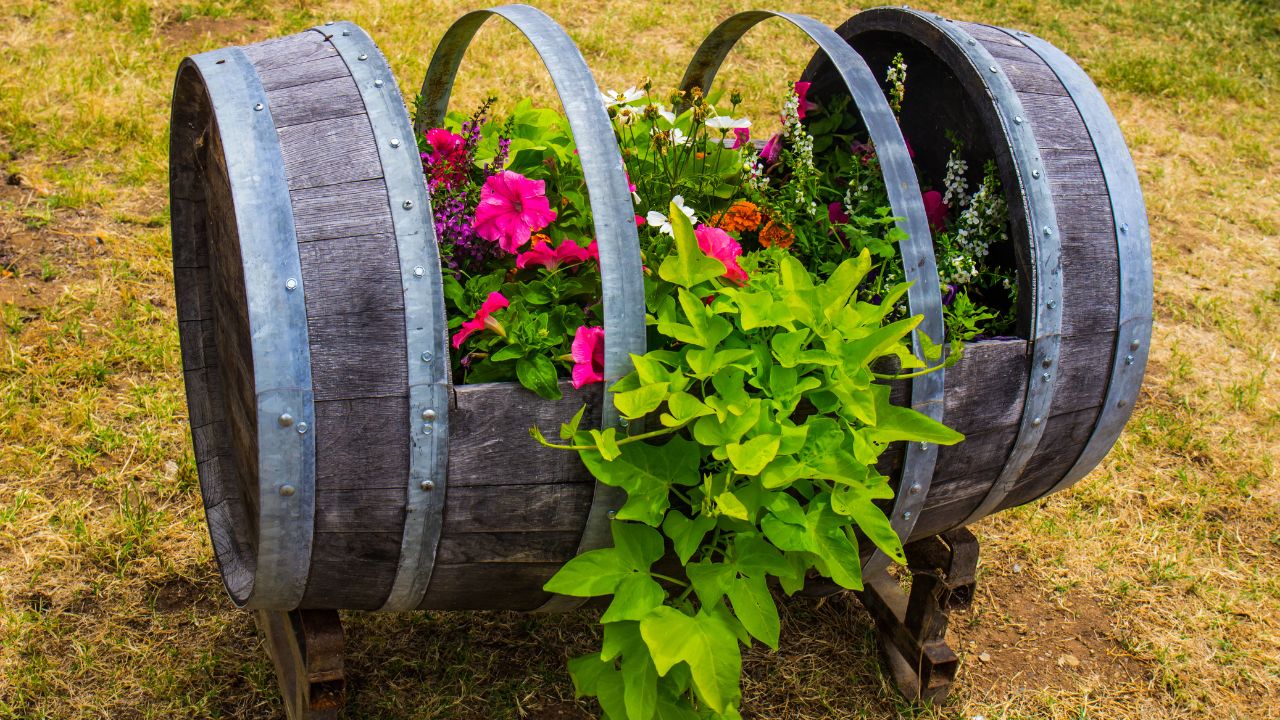
Image Credit: Shutterstock.
A half whiskey or wine barrel is a classic and popular choice for a large container garden. Its generous size can accommodate everything from a small tree to a complete vegetable and herb garden.
Why it works: Barrels are made of thick, sturdy wood (usually oak) and are built to last for many years. Their large volume holds a lot of soil, which retains moisture better and gives roots plenty of room to grow.
Care & Tips:
- Drainage: Drill several 1-inch drainage holes in the bottom. It’s also a good idea to elevate the barrel slightly on bricks or blocks to allow for better air circulation and drainage.
- Filling: To save on soil and reduce weight, you can fill the bottom third of the barrel with lightweight, space-filling materials like empty plastic bottles (with caps on) or packing peanuts before adding your soil.
- Planting: These are perfect for creating a “potager” style garden with a mix of herbs, vegetables, and flowers.
10. Cinder Blocks
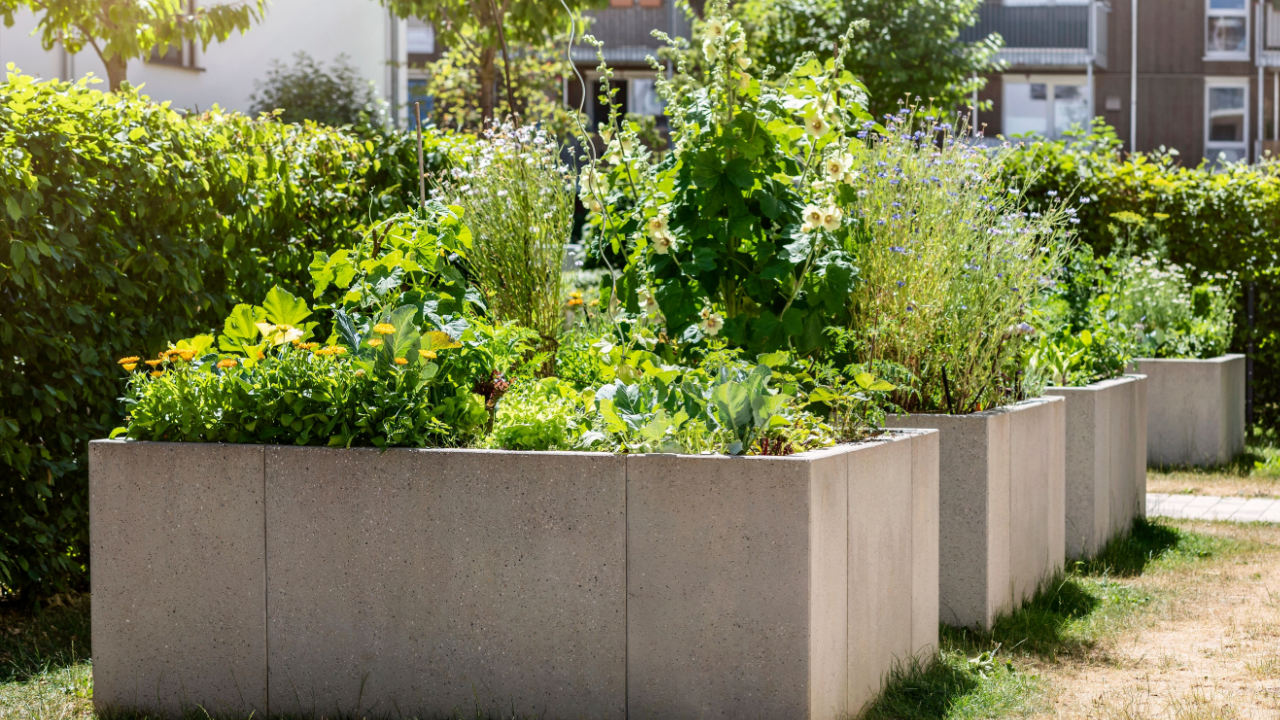
Image Credit: Shutterstock.
Individual cinder blocks can be used as small, industrial-chic planters. When stacked together, they can form a modular and affordable raised garden bed or a multi-level planter wall.
Why it works: Cinder blocks are cheap, durable, and incredibly versatile. You can arrange them in any configuration to fit your space. The holes are the perfect size for single plants like herbs, succulents, or marigolds.
Care & Tips:
- Placement: When stacking, ensure they are on level ground for stability. You can use construction adhesive to secure them for a more permanent structure.
- Soil: The concrete can make the soil more alkaline over time. This is fine for many plants, but for acid-loving plants, you may need to amend the soil occasionally.
- Watering: The concrete heats up in the sun and can cause the small pockets of soil to dry out fast. Monitor watering needs closely, especially in hot weather.
11. Old Brick
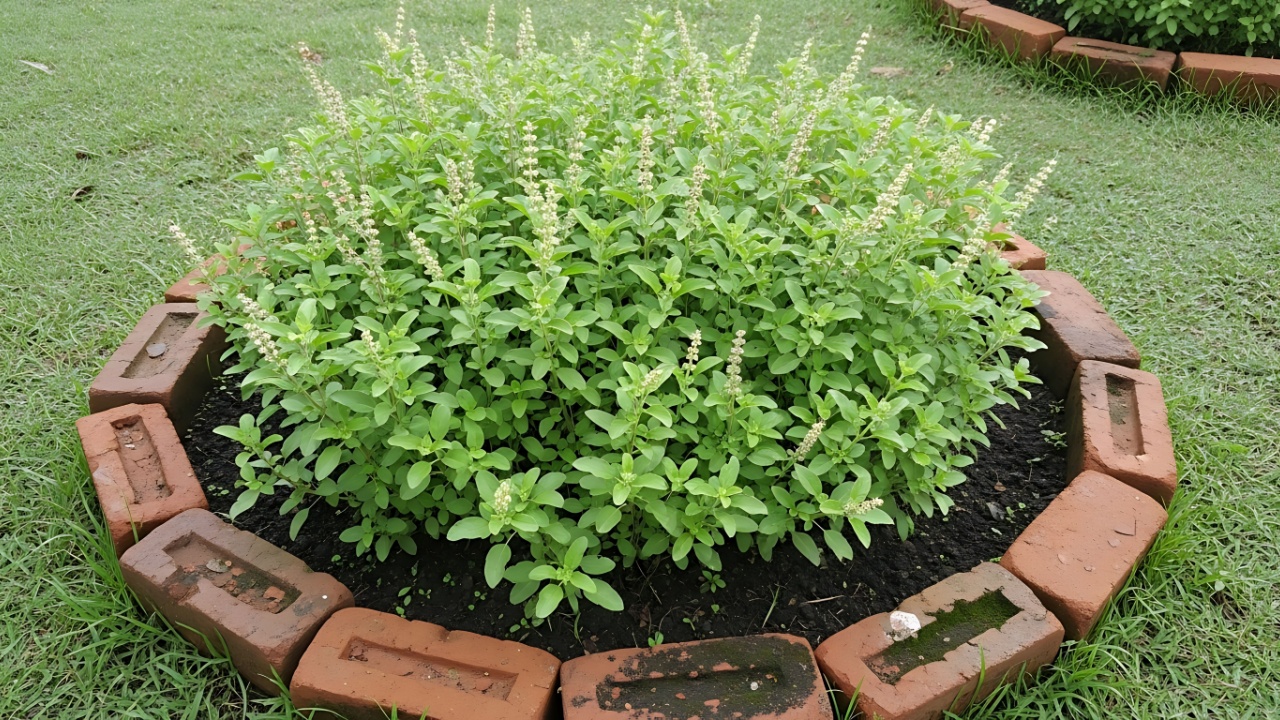
Image Credit: Shutterstock.
Don’t throw away old or broken bricks. They are an excellent material for creating a charming, low-profile raised garden bed with a classic look.
Why it works: Brick is durable, weather-resistant, and adds a timeless, traditional feel to a garden. Simply stacking them requires no mortar, making it an easy weekend project.
Care & Tips:
- Construction: For a simple border, you can just lay the bricks in a pattern on level ground. For a taller bed (two or three courses high), stagger the joints like you would see in a wall for better stability.
- Soil: A brick border is great for defining a garden space. Fill the enclosed area with a quality garden soil or compost mix.
- Design: Get creative with the layout. You can create squares, rectangles, or even curved beds.
12. Metal Antiques (Benches, Watering Cans, etc.)
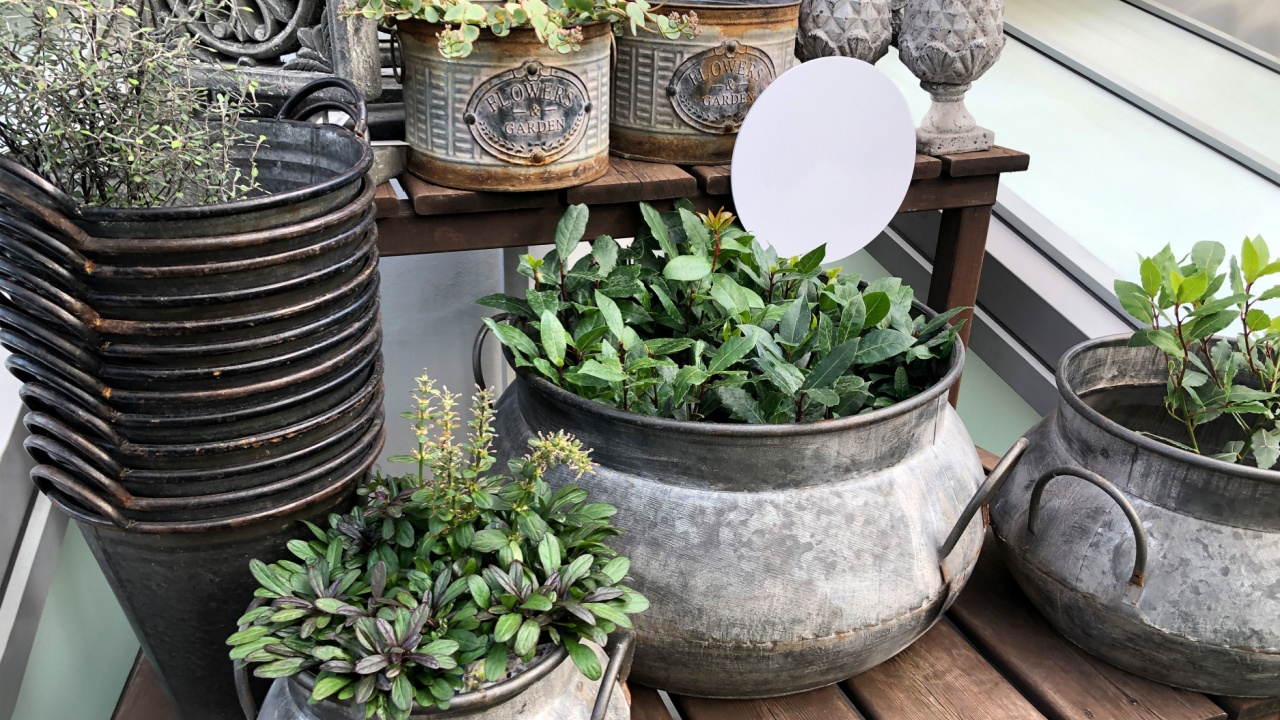
Image Credit: Shutterstock.
Old metal items like washtubs, watering cans, and even ornate benches can be given a second act in the garden. They bring a rustic, farmhouse charm and can serve as both planters and structural decor.
Why it works: Metal antiques add a story and a sense of history to your garden. A washtub makes a great container for a water garden or a large floral display, while an old metal bench can serve as a stand for pots and a trellis for climbing plants.
Care & Tips:
- Drainage: Always drill drainage holes in the bottom of any metal container (like tubs and cans) that will hold soil.
- Heat: Be aware that metal can get very hot in direct sunlight, which can stress plant roots. In hot climates, place these containers where they will receive some afternoon shade.
- Rust: Part of the charm is the rusted patina that develops over time. If you prefer a cleaner look, you can sand the item and apply a rust-resistant metal paint.
13. A Wooden Chair
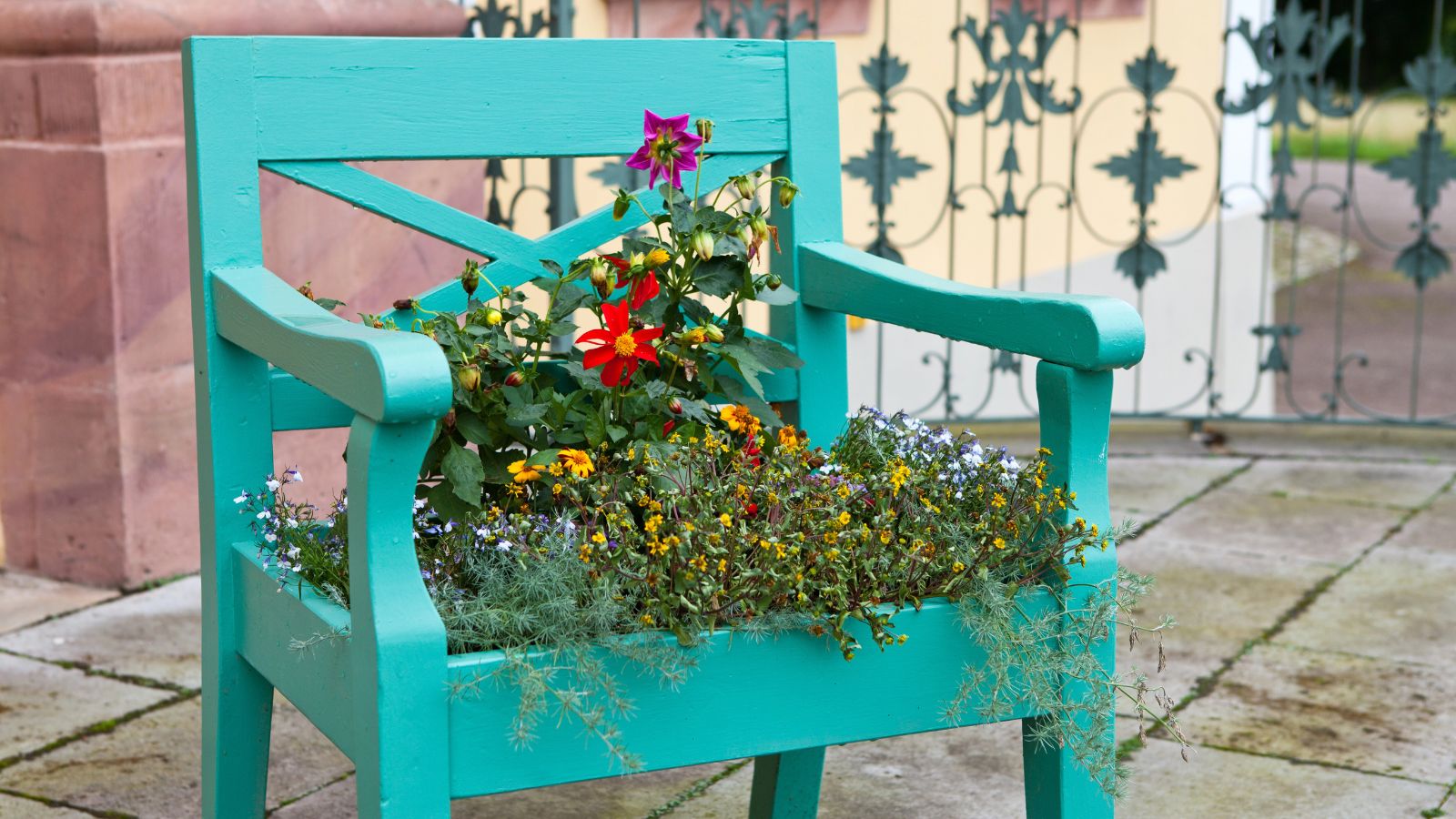
Image Credit: Depositphotos.com.
An old wooden chair, especially one with a broken or missing seat, makes a wonderful and whimsical plant stand. It elevates a potted plant, turning it into a focal point.
Why it works: It adds height and vertical interest to your garden beds or patio. A brightly painted chair can provide a pop of color that lasts all season long.
Care & Tips:
- Preparation: Remove the chair seat if it’s still intact. You can then either place a pot on the chair’s supports or build a simple box to fit the opening.
- Painting: Sand the chair and give it a fresh coat of outdoor paint to protect it from the weather and make it a standout feature.
- Placement: Tuck the chair into a flower bed, letting other plants grow up and around it for a more integrated look.
14. An Old Wheelbarrow
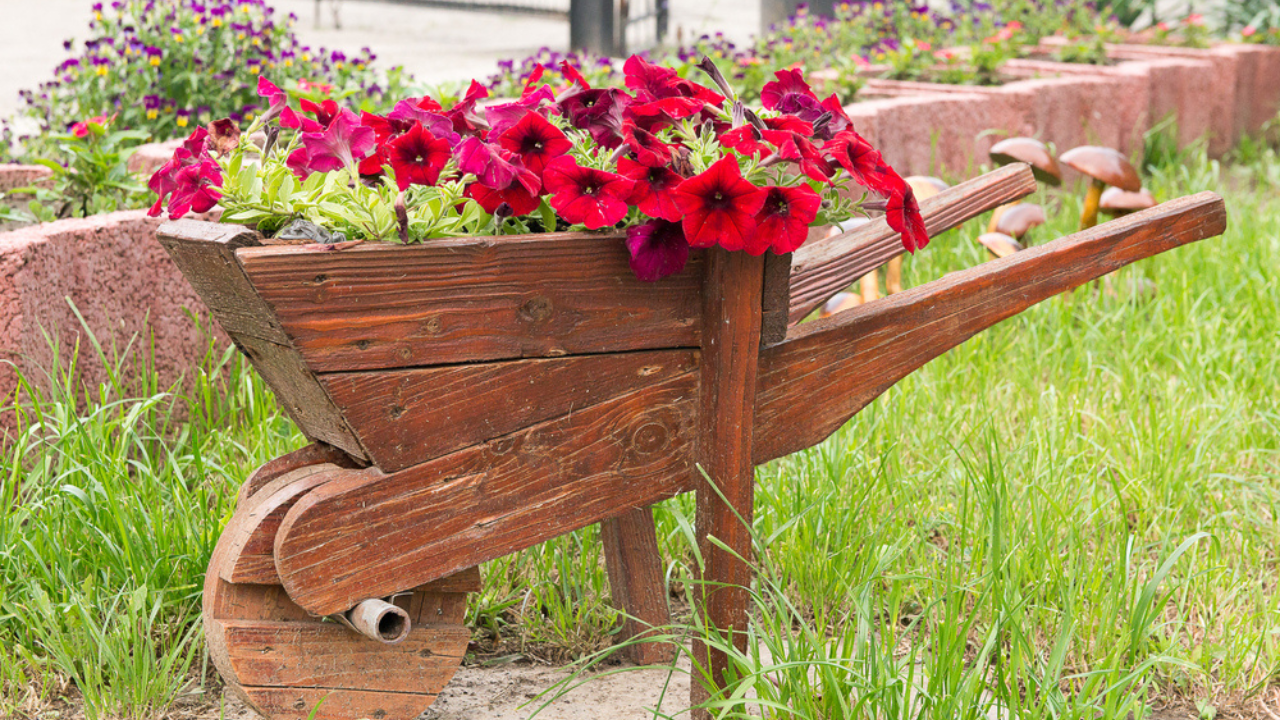
Image Credit: Depositphotos.com.
If your wheelbarrow has seen better days and is no longer fit for heavy-duty work, retire it to the garden as a large, mobile flower bed.
Why it works: Similar to a wagon, a wheelbarrow planter can be moved around the yard. Its deep basin is suitable for a wide range of plants, including those with deeper roots.
Care & Tips:
- Drainage: Drill several holes in the bottom of the basin.
- Styling: A classic look is to have flowers spilling over the sides, creating a sense of abundance. Position it in your yard as if it were just left there after a day of gardening.
- Planting: A mix of annuals works well. Consider planting something tall in the middle (like a geranium) surrounded by fillers and spillers.
15. Vintage Light Fixture

Image Credit: Shutterstock.
An old chandelier or multi-light fixture can be transformed into a stunning hanging planter. By replacing the bulbs with small pots or moss balls, you can create a truly elegant piece of garden art.
Why it works: This is a showstopper. It’s an unexpected and sophisticated way to display small plants like succulents or air plants (Tillandsia).
Care & Tips:
- Modification: Remove all wiring and lightbulb sockets. You can use small terra cotta pots, tea cups, or even glass globes to hold the plants. Secure them with strong, waterproof adhesive.
- Planting: This idea is perfect for succulents, which are lightweight and require minimal water. Air plants are an even easier option as they require no soil at all.
- Hanging: Use a strong chain to hang the fixture from a sturdy porch beam or tree branch.
16. A Stock Tank

Image Credit: Shutterstock.
Galvanized metal stock tanks, typically used for watering livestock, make fantastic raised garden beds. They are modern, durable, and large enough to plant an entire vegetable garden.
Why it works: Stock tanks are designed for outdoor use and are extremely long-lasting. Their depth is great for root vegetables like carrots and potatoes, and their clean lines fit well with both rustic and modern aesthetics.
Care & Tips:
- Drainage: Drilling holes in thick metal can be tough. Use a drill bit designed for metal and drill at least 8-10 half-inch holes across the bottom. Elevate the tank on bricks to ensure water can escape freely.
- Soil Temperature: Like other metal containers, the soil can get hot. In very hot climates, position the tank where it gets some afternoon shade or paint the outside a lighter color.
- Filling: These are huge containers. Fill the bottom half with non-biodegradable materials like plastic jugs or logs to save on the amount of soil needed.
17. A Vintage Bicycle
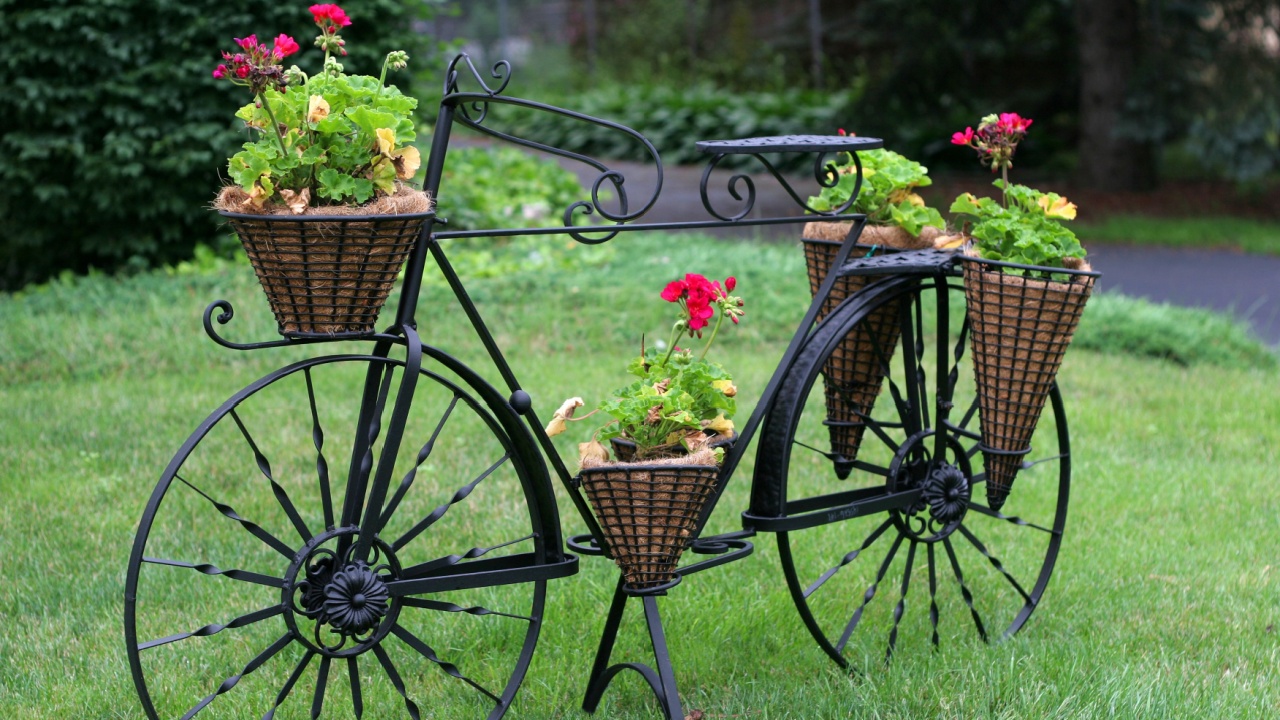
Image Credit: Shutterstock.
A rusty old bicycle leaning against a fence or tree, adorned with flower-filled baskets, is the epitome of cottage garden charm. It acts as a piece of sculpture that draws the eye and delights passersby.
Why it works: It’s pure decoration and whimsy. The bike itself becomes a trellis and a frame for displaying flowers.
Care & Tips:
- Baskets: Attach a large basket to the front handlebars and smaller baskets or panniers to the back. Use wire or zip ties to secure them firmly.
- Planting: Line the baskets with coconut coir liners and fill with potting mix. Plant them with trailing flowers like petunias, verbena, and ivy that will spill out and soften the lines of the bike.
- Stability: Make sure the bicycle is securely positioned so it won’t fall over in the wind. You can use a stake or lean it firmly against a solid object.
18. Cardboard Boxes
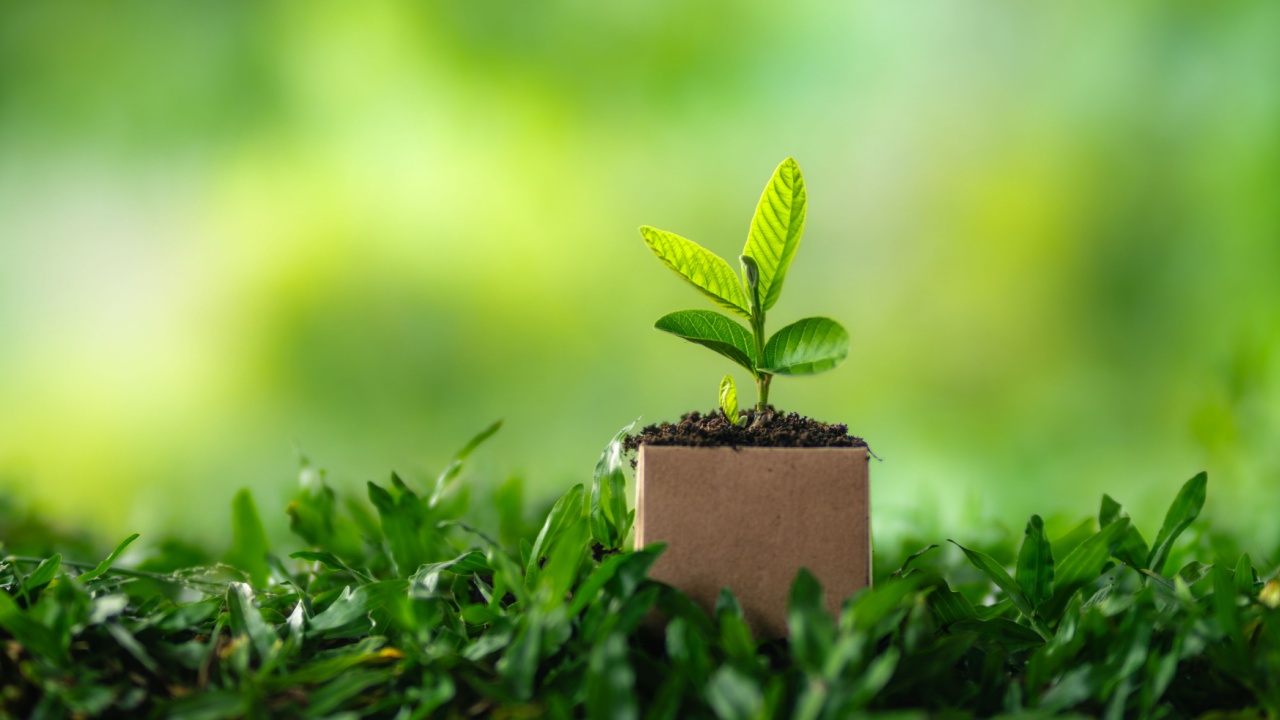
Image Credit: Shutterstock.
While not a permanent solution, cardboard boxes can be used as temporary, biodegradable planters for one season. They are essentially free and can be a great way to start plants that you later transplant.
Why it works: It’s an excellent way to save money, especially if you have a lot of planting to do. At the end of the season, the box will have decomposed enough that you can toss the whole thing into your compost pile.
Care & Tips:
- Durability: A sturdy, thick-walled cardboard box will last longer. It will get soft and mushy as the season progresses, but it should hold together long enough for one growing cycle.
- Drainage: The cardboard itself will absorb and leak water, so additional drainage holes aren’t always necessary, but a few punctures in the bottom won’t hurt.
- Best Use: This is great for starting a patch of potatoes or for annual vegetables. Place the box right on the ground where you want to plant, fill it with soil, and let it decompose in place.
19. An Antique Chamber Pot
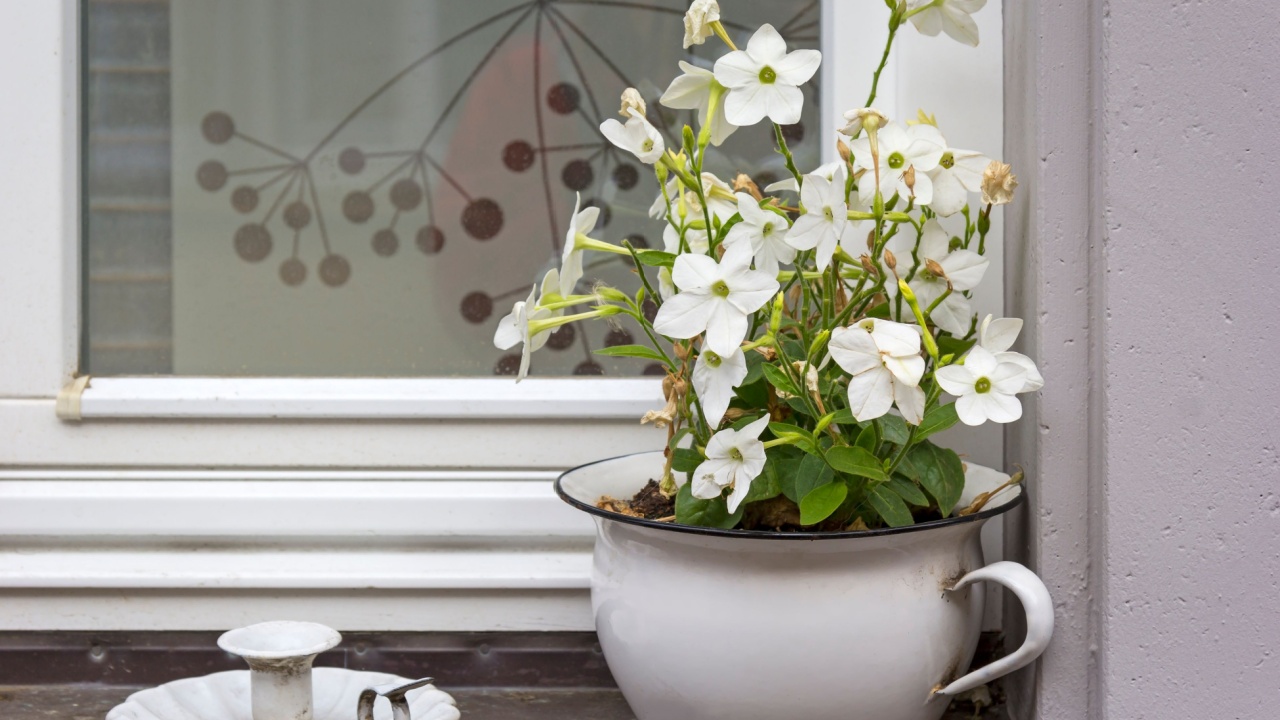
Image Credit: Shutterstock.
A vintage chamber pot, often made of beautifully decorated ceramic, is a unique and conversation-starting planter. Its size is perfect for a small houseplant or a vibrant cluster of annuals on a porch.
Why it works: It’s all about the novelty and historical charm. These items are often beautifully crafted and add a touch of quirky elegance.
Care & Tips:
- Drainage: As with mugs, you will need to carefully drill a drainage hole using a ceramic-appropriate drill bit.
- Placement: Because of its unique origin, a chamber pot planter is best displayed on a patio, porch, or as an indoor planter where its details can be appreciated up close.
- Plant Choice: A flowing plant like a string of pearls or a colorful coleus would contrast nicely with the formal shape of the pot.
20. Colanders

Image Credit: Shutterstock.
A metal or enamel colander is practically a ready-made hanging basket. With drainage holes already built-in, it’s one of the easiest repurposed planters to get started with.
Why it works: The pre-drilled holes provide excellent drainage, which is key to healthy container plants. Their bowl shape is perfect for creating mounded arrangements.
Care & Tips:
- Lining: To keep soil from washing out, line the colander with a coffee filter, a piece of landscape fabric, or sphagnum moss before adding your potting mix.
- Hanging: Use the handles to attach chains or rope to create a hanging basket.
- Planting: Colanders are great for strawberries, herbs, and lettuces, as the excellent drainage helps prevent root rot.
21. Old Toolboxes

Image Credit: Shutterstock.
A vintage metal or wooden toolbox can be a really cool and masculine-looking planter. The compartments can be used to separate different types of small plants, like a collection of succulents.
Why it works: The rugged, industrial look provides a great contrast to delicate plants. The handle also makes it easy to move around.
Care & Tips:
- Drainage: Be sure to drill holes in the bottom of each compartment.
- Material: If it’s a wooden toolbox, it will degrade over time. A metal one will eventually rust, adding to its vintage character.
- Arrangement: Plant a different type of succulent or sedum in each compartment to create a living tackle box of texture and color.
22. Rain Boots
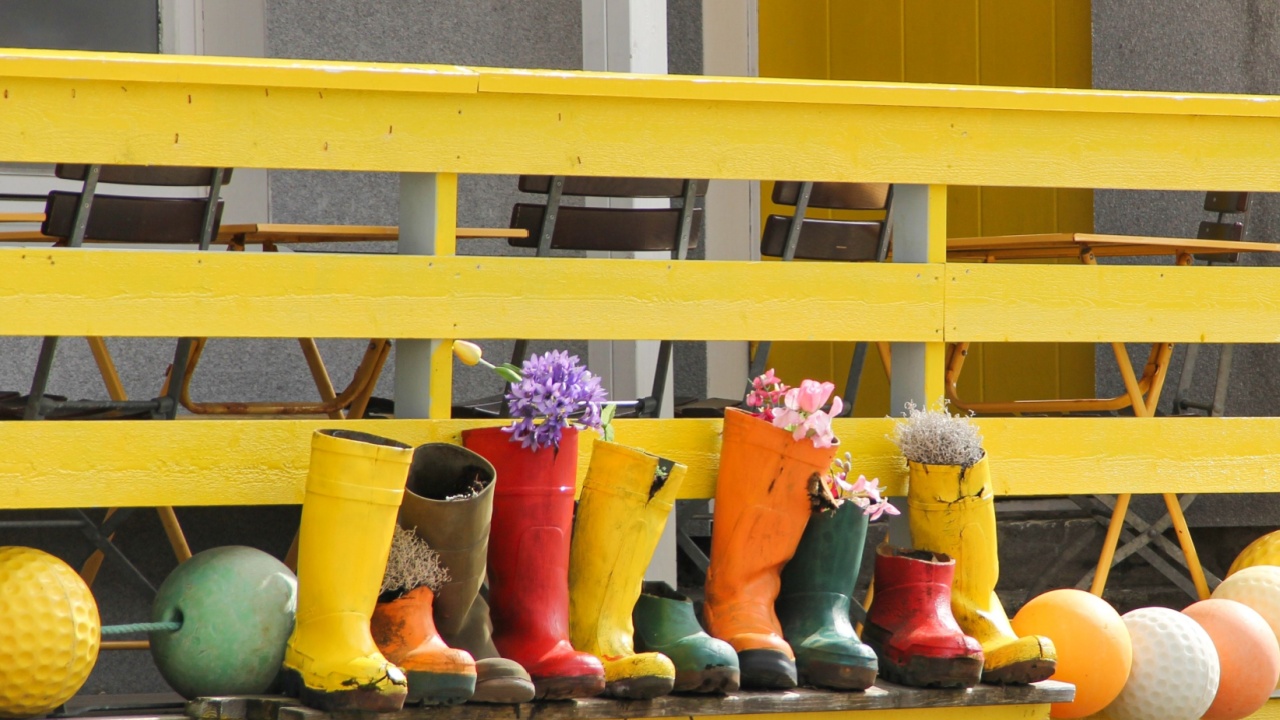
Image Credit: Shutterstock.
A pair of colorful, old rain boots that the kids have outgrown makes for an absolutely adorable and whimsical planter. They are perfect for adding a pop of color to a front step or garden corner.
Why it works: They are colorful, fun, and unexpected. They are also made to be waterproof, so they hold up well to the elements.
Care & Tips:
- Drainage: This is crucial. Drill several holes in the sole of each boot to let excess water escape.
- Filling: Fill the toe area with gravel or packing peanuts to improve drainage and reduce the amount of soil needed.
- Planting: Tall flowers or grasses that stick out of the top look especially charming, mimicking a leg.
23. Old Dresser Drawers
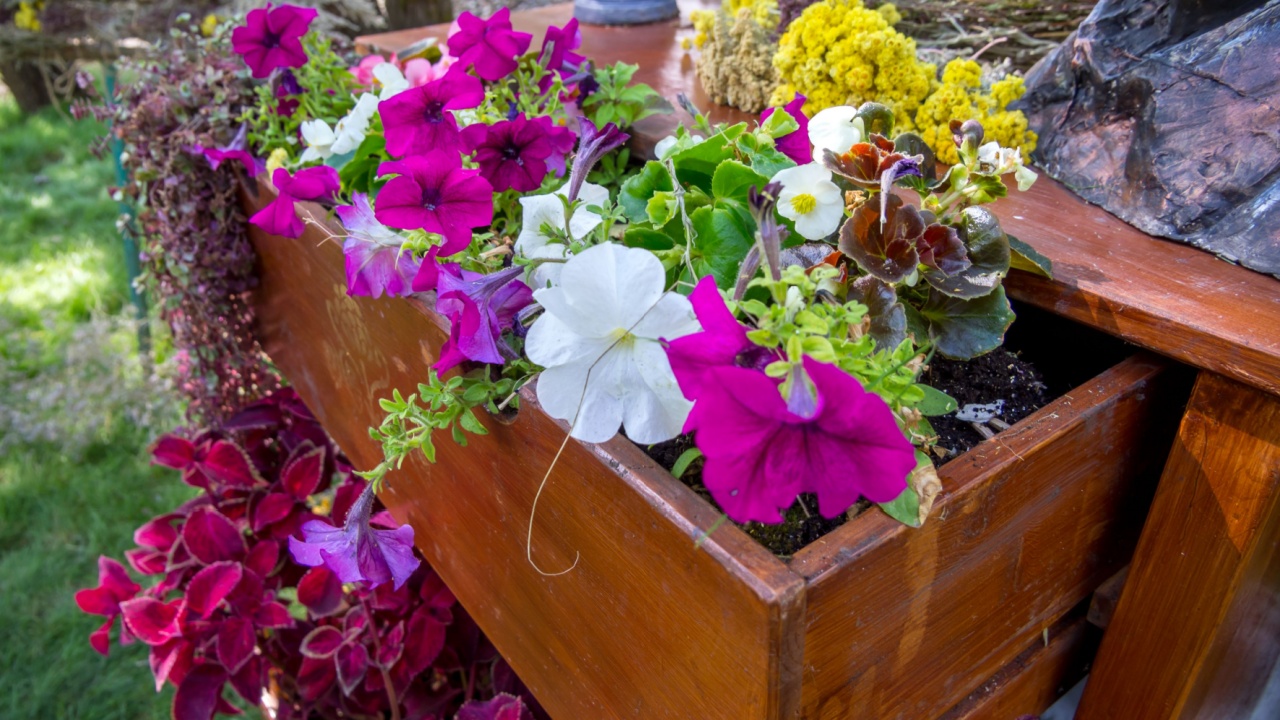
Image Credit: Shutterstock.
If you have an old dresser that’s beyond repair, pull out the drawers and use them as planters. You can stack them in a cascading arrangement or place them individually around the garden.
Why it works: Drawers provide a good amount of planting depth and a neat, rectangular shape. Staggering them can create a multi-level planter with a lot of visual interest.
Care & Tips:
- Drainage: Drill holes in the bottom of each drawer.
- Weatherproofing: To make them last longer, you can paint them with exterior paint or coat the inside with a waterproof sealer.
- Arrangement: A “spilling” effect looks great. You can stack three drawers unevenly and plant trailing flowers that look like they are flowing from one drawer to the next.
24. Canning Jars
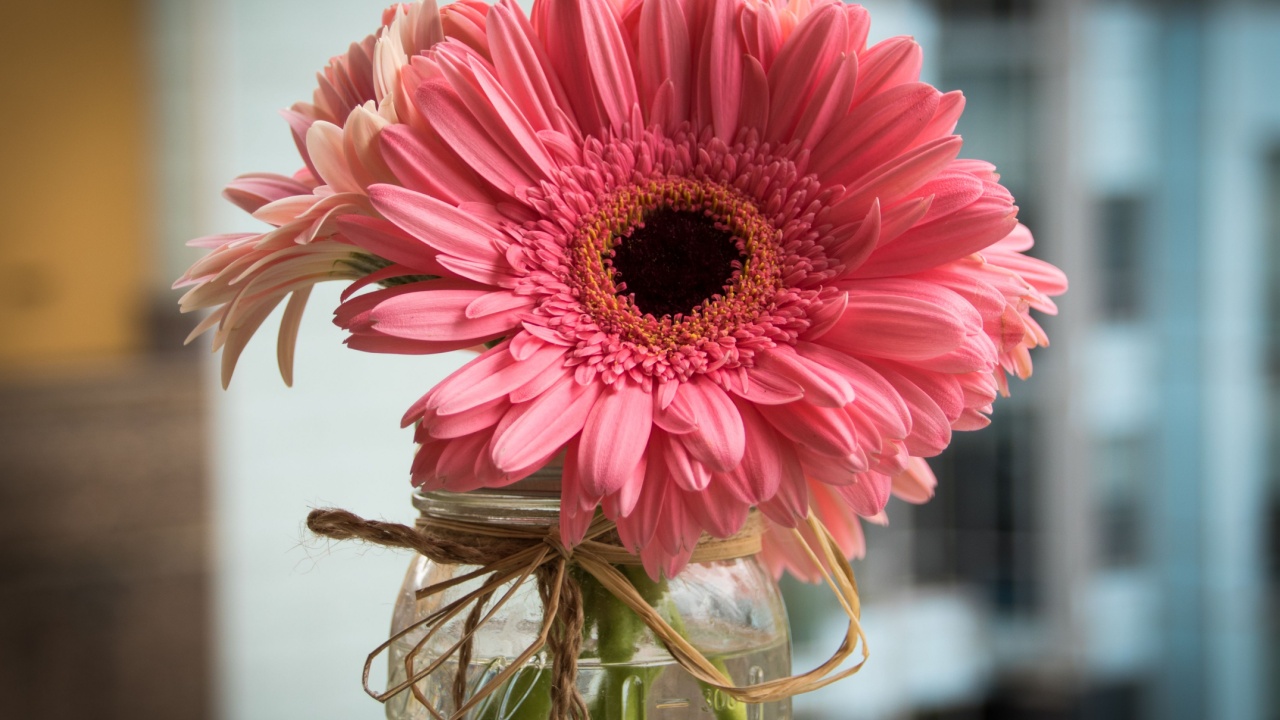
Image Credit: Shutterstock.
Glass canning jars, like Mason jars, are perfect for creating a small indoor herb garden or for rooting plant cuttings in water.
Why it works: The clear glass allows you to see the plant’s root system develop, which is both interesting and helpful for monitoring its health. They also have a classic farmhouse look that is very popular.
Care & Tips:
- For Planting in Soil: Put a layer of pebbles in the bottom for drainage, as you can’t drill holes in glass easily. Be extremely careful not to overwater.
- For Hydroponics: Simply fill the jar with water and place a plant cutting inside. Change the water every few days. This is a great way to grow herbs like mint and basil on your kitchen counter.
- Mounting: You can mount several jars to a piece of reclaimed wood to create a beautiful wall-mounted vertical garden.
25. Old Birdbaths
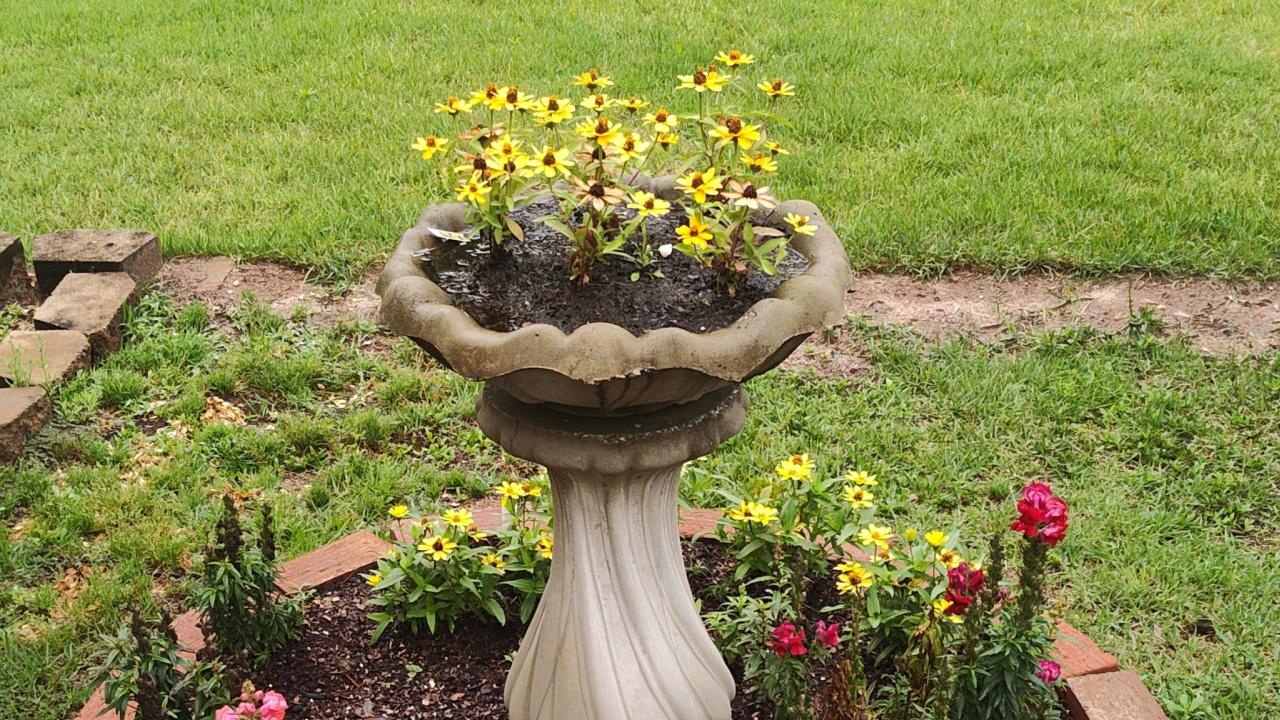
Image Credit: Shutterstock.
A cracked or leaky birdbath that no longer holds water can be repurposed into a beautiful, elevated planter. The shallow bowl is perfect for creating a stunning succulent garden.
Why it works: It instantly elevates your plants, making them a focal point. The wide, shallow basin is the ideal environment for succulents and other plants that don’t need deep soil.
Care & Tips:
- Drainage: If the crack isn’t large enough for good drainage, use a masonry bit to carefully drill a few more holes in the basin.
- Planting: Fill with a fast-draining cactus and succulent soil mix. Arrange a variety of succulents with different colors, shapes, and textures to create a living mosaic.
- Placement: Place the birdbath planter in a sunny spot where it can be admired from all sides.
Get Creative with Upcycle
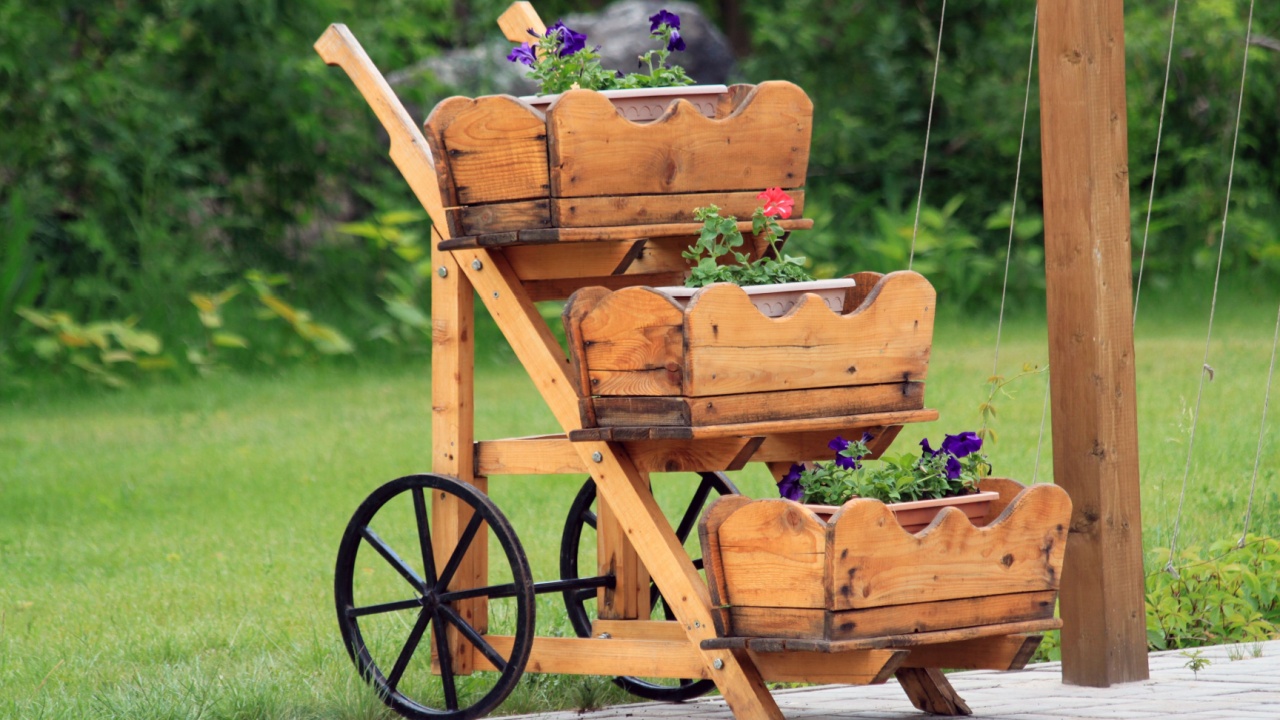
Image Credit: Shutterstock.
Now that your imagination is sparked, it’s time to start your own upcycling adventure. Begin by simply looking around your own home, shed, or garage. You might be surprised by what you find. Visit local thrift stores, flea markets, and garage sales with an eye for potential planters.
Remember, the most important rule is to ensure your chosen container has good drainage. Embracing repurposed containers is about more than just gardening; it’s a creative expression that benefits your wallet and the planet. So go ahead, turn that old colander into a hanging basket or that rusty wagon into a flower bed. Have fun, get creative, and enjoy the unique character it brings to your garden.